

1. Endangered Species Committee Votes to Approve Oil Exemption That Could Doom Gulf Wildlife
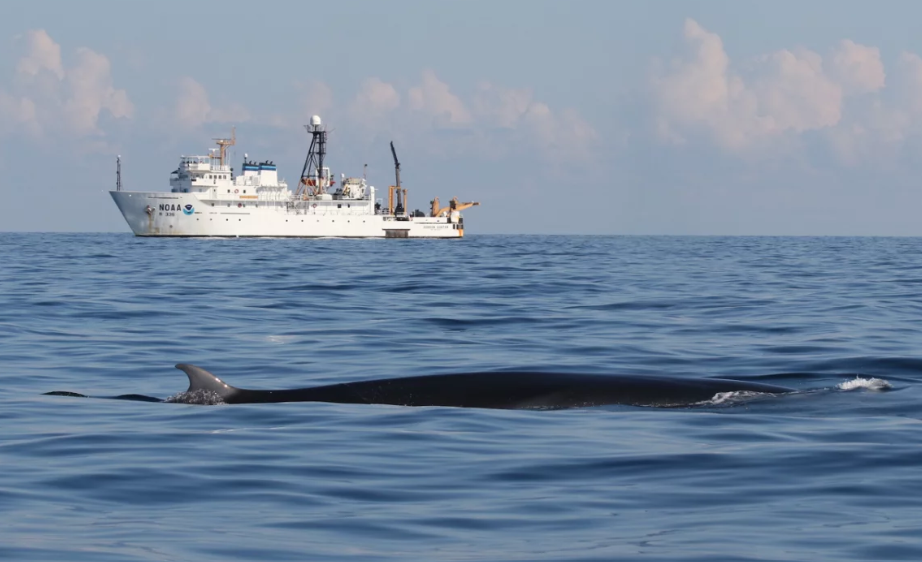
WASHINGTON DC — A rarely convened federal panel voted to allow oil and gas drilling in the Gulf of Mexico to proceed without certain Endangered Species Act protections after Defense Secretary Pete Hegseth argued the exemption was necessary for national security. The Endangered Species Committee, often called the “God Squad,” met for the first time in decades and unanimously approved the exemption. The decision removes a requirement that federal agencies ensure industrial activities do not jeopardize endangered species or damage critical habitat. Hegseth requested the review, saying legal challenges and environmental restrictions on offshore drilling could threaten domestic energy production.
He argued that maintaining reliable energy supplies is essential to national security, particularly during periods of global instability. The ruling affects protections for marine species in the Gulf, including endangered whales and sea turtles. Scientists and conservation advocates warned that reducing oversight could increase risks to already vulnerable wildlife and their habitats. Environmental groups criticized the decision, saying it weakens one of the nation’s most important conservation laws and sets a troubling precedent. They argue the Endangered Species Act was designed to prevent extinction and should not be overridden for broader policy goals. The committee has been used only rarely since the law’s passage in 1973, underscoring the significance of the action. Opponents are expected to challenge the decision in court, arguing the national security justification does not outweigh the potential environmental harm.
2. 11 Years After the Disaster: Officials Warn History Could Repeat Itself on the California Coast
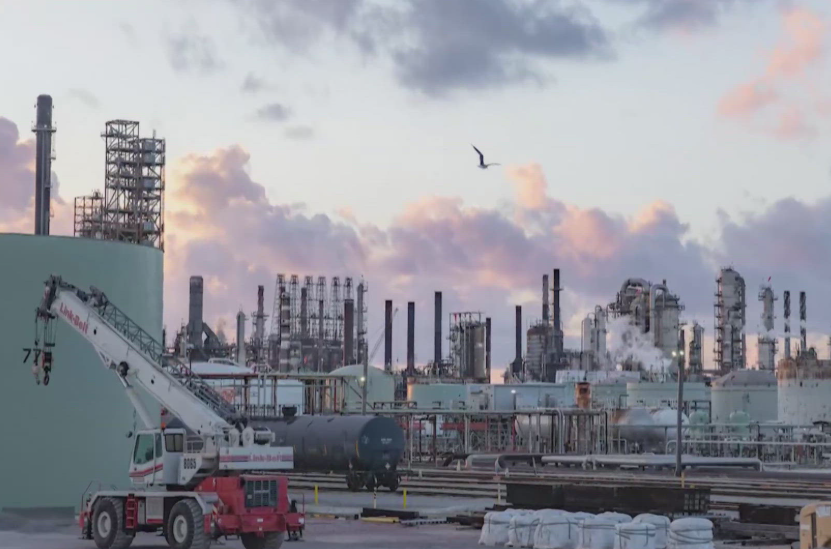
SANTA BARBARA, Calif. — Sable Offshore Corp. has begun selling oil from its controversial offshore operations despite strong opposition from California officials and environmental groups. The move follows a federal emergency order allowing the company to restart production along the Santa Ynez pipeline system, which has been shut down since a 2015 oil spill. The Houston-based company said it initiated oil sales after restarting parts of its offshore infrastructure, sending crude to refineries for processing. Federal officials described the restart as necessary to support domestic energy supply amid global instability affecting fuel markets.
California leaders strongly oppose the decision, arguing it bypasses state authority and weakens environmental protections. Attorney General Rob Bonta and other officials have challenged the federal action, warning it could pose renewed risks to coastal ecosystems. Environmental groups echoed those concerns, pointing to the region’s history of oil spills and potential harm to marine life. Critics also argue that increased production is unlikely to significantly reduce gasoline prices. Sable has defended its actions, saying it is complying with federal directives while contributing to national energy needs. The dispute highlights an ongoing conflict between federal energy priorities and California’s environmental regulations, with legal challenges expected to continue.
Thank you for your generous gift that will help us continue the production of this weekly, free publication
3. Global Wildlife Summit Delivers Historic Protections for Sharks, Eels, and Migratory Species
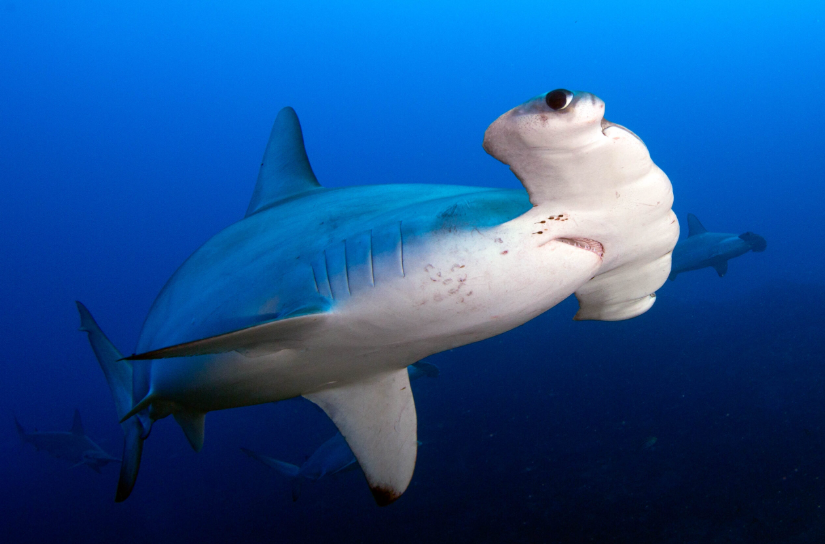
Campo Grande, Brazil — More than 130 governments agreed to sweeping new protections for sharks, eels, and other migratory species at the 15th Conference of the Parties to the Convention on Migratory Species (CMS CoP15), marking what conservationists call a pivotal moment for global wildlife. Delegates approved upgraded Appendix I protections for several shark species, including all three threshers and multiple hammerheads, alongside new action plans for critically endangered species such as the European eel and tope shark.
Scientists warned that nearly half of all listed migratory species are in decline, with 97% of migratory fish now acutely threatened. The conference also advanced commitments on bycatch reduction, deep‑sea habitat protection, and the integration of critical marine areas into national biodiversity strategies. Conservation groups say the coordinated action signals renewed global resolve as nations prepare for next year’s UN Biodiversity Conference.
4. Australia Becomes 88th Nation to Ratify Landmark High Seas Treaty
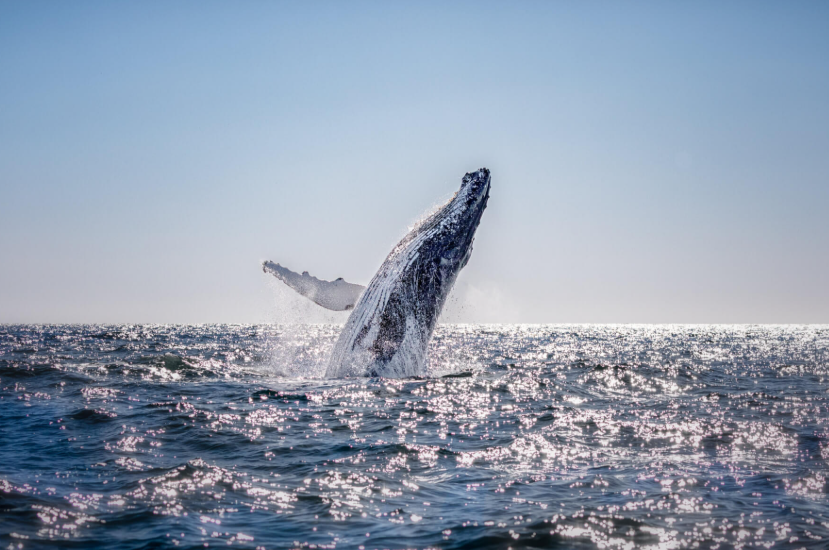
Canberra, Australia — Australia has formally ratified the High Seas Treaty, becoming the 88th nation to join the legally binding global agreement designed to protect marine life in areas beyond national jurisdiction. The treaty, which entered into force in January 2026, establishes a framework for creating marine protected areas on the high seas, assessing environmental impacts, and safeguarding biodiversity across nearly half the planet’s surface. Conservation groups, including the Australian Marine Conservation Society, Pew Charitable Trusts, and the Save Our Marine Life alliance, praised the move as a historic step toward large‑scale ocean protection.
They emphasized that only about 1% of the high seas is currently protected, despite serving as critical migratory routes for whales, sharks, and other species. Advocates say Australia’s ratification strengthens international momentum toward protecting 30% of the global ocean by 2030.
5. UN Delegates Warn: High Seas Treaty Will Fail Without Full Transparency
Global Fishing Watch CEO Tony Long urged governments to anchor the High Seas Treaty in transparency and enforceability as delegates concluded the third and final session of the Preparatory Commission at the United Nations. With the treaty now shifting from ambition to implementation, Long argued that protecting nearly half the planet’s ocean requires a system where industrial activity on the high seas is no longer “out of sight and out of mind.”
He highlighted how satellite tracking, open data, and AI‑driven monitoring already help countries designate and oversee marine protected areas, deter illegal fishing, and advance global goals like 30×30. Long pressed negotiators to embed vessel tracking, public data access, and monitoring requirements directly into treaty rules so that marine protected areas can be effectively defined, assessed, and enforced. Achieving a protected and accountable high seas, he said, now depends on collective ambition and making transparency the global norm.
6. West Africa Races to Design One of the World’s First High Seas Protected Areas
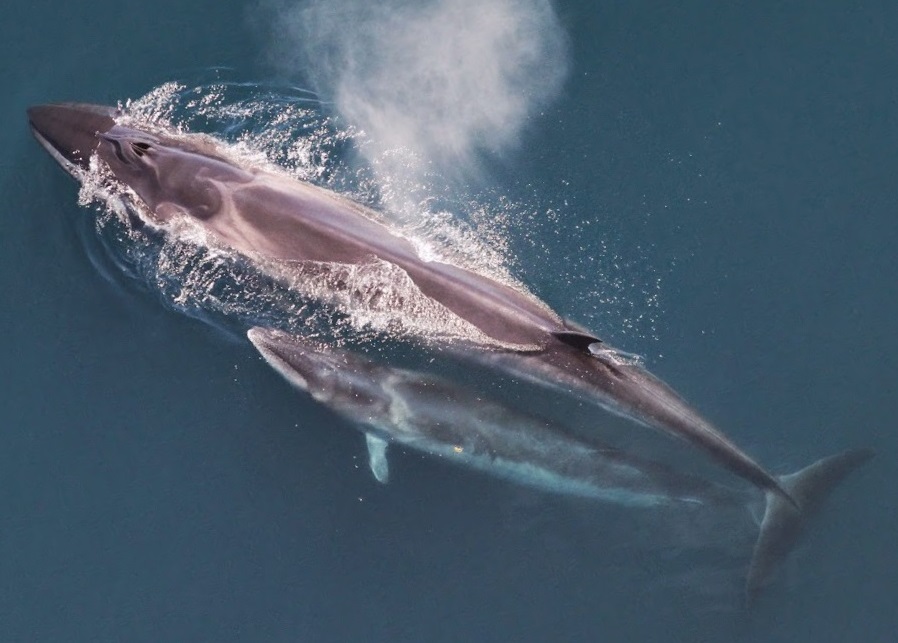
West African nations are accelerating plans to propose one of the world’s first high seas marine protected areas under the newly enacted High Seas Treaty, Mongabay reports. The Economic Community of West African States (ECOWAS) is drafting a proposal focused on the ecologically rich convergence zone between the Canary and Guinea currents, a biodiversity hotspot stretching from Cape Verde and Senegal to Nigeria and São Tomé and Príncipe. Regional experts say the area supports threatened species, including hawksbill turtles, sei whales, and sawback angelsharks, while facing mounting pressures from industrial trawling, plastic pollution, oil and gas expansion, and emerging deep‑sea mining.
A BBNJ coordination committee led by Nigeria is working to finalize the proposal by year’s end, though financing, monitoring, and enforcement remain major hurdles. With rampant illegal fishing and limited surveillance capacity, experts stress that international support, satellite monitoring, and AI‑driven tools will be essential to avoid creating a “paper park.”
7. Pacific Nations Warn: 2026 Will Decide Whether Global Biodiversity Promises Turn Into Real Financing
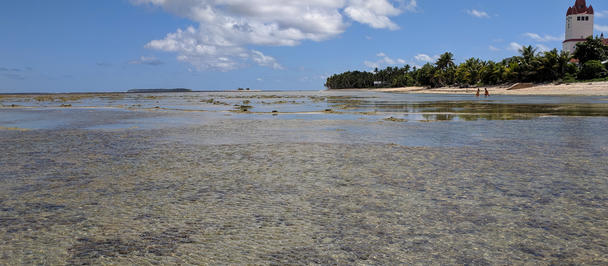
The UN Development Programme’s Pacific Office says 2026 will be a make‑or‑break year for biodiversity finance as climate, biodiversity, and desertification negotiations converge in an unprecedented “tri‑COP” cycle. In a new analysis, UNDP BIOFIN specialists argue that Pacific Island Countries cannot deliver on global commitments — including the Kunming‑Montreal Global Biodiversity Framework and the newly enacted High Seas Treaty — without major increases in predictable, long‑term funding. The region’s leaders will host key pre‑COP events in Fiji and Tuvalu, positioning the Blue Pacific as a unified voice on ocean governance and biodiversity stewardship.
The article highlights the Pacific Biodiversity Finance (BIOFIN) Umbrella Programme as the region’s primary mechanism for identifying financing gaps, building investment pipelines, and aligning national strategies with global frameworks. With biodiversity finance still fragmented and under‑resourced, UNDP warns that COP17 in Armenia will test whether nations can translate political momentum into actual financial delivery.
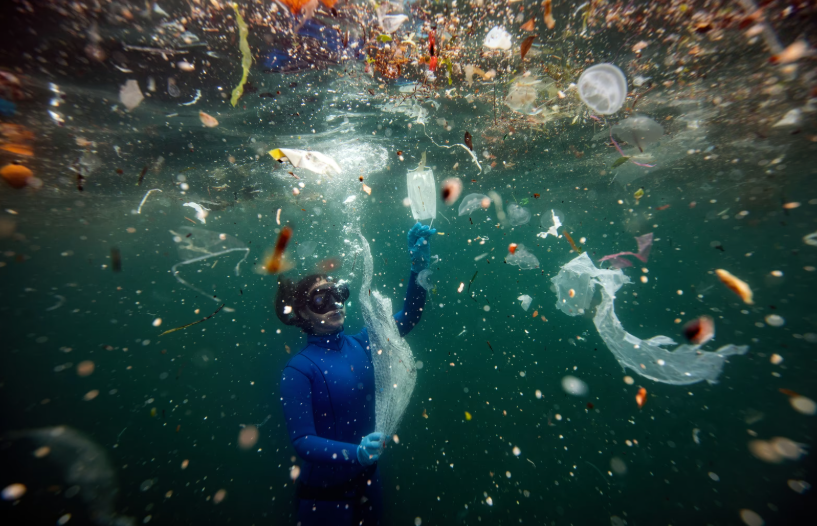
8. Toronto Startup Turns Ghost Nets Into High‑Performance Activewear
Toronto, Canada — A new Canadian activewear brand is turning ocean‑bound plastic waste into premium performance apparel, Newsfile Corp reports. Orso Activewear, founded in 2024, transforms discarded fishing nets and other plastic debris into soft, technical fabrics used across its SeaButter™, SeaStorm™, and DreamLounge™ collections. The company highlights that an estimated 640,000 tonnes of fishing gear enter the ocean each year, creating deadly ghost nets and microplastic pollution.
Through a partnership with CleanHub, Orso funds waste‑collection programs in coastal regions of Vietnam, India, and Indonesia, helping intercept plastic before it reaches the ocean while creating fair‑wage jobs — many for women in underserved communities. The startup has already removed more than 14,500 pounds of ocean‑bound waste and aims to surpass 26,000 pounds by the end of 2026. With transparent supply chains, recycled materials, and WRAP‑certified manufacturing, Orso positions itself as a sustainability‑driven alternative to fast fashion.
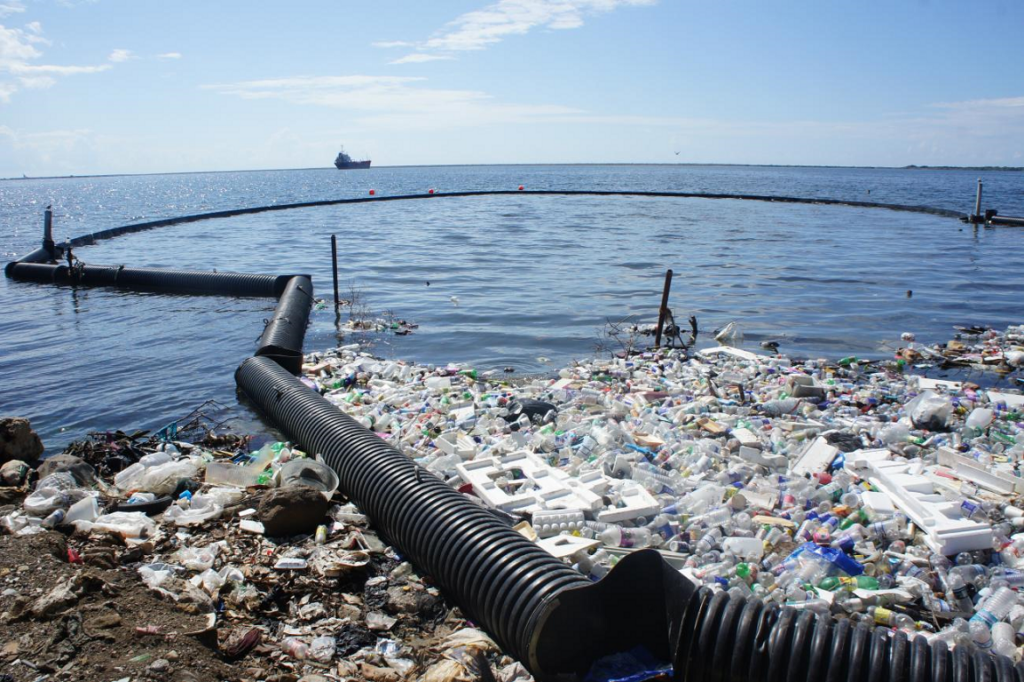
9. Caribbean Nations Push Bold Zero‑Waste Agenda to Protect a Sea Under Pressure
Kingston, Jamaica — A new UNEP Caribbean Environment Programme analysis warns that reducing waste at the source is essential to protecting the Caribbean Sea, where land‑based pollution drives most marine contamination. Marking the 2026 International Day of Zero Waste, the blog highlights how plastics, food waste, and strained landfill systems threaten fisheries, tourism, and coastal health across the region. Under the Cartagena Convention’s Land‑Based Sources Protocol, countries are shifting toward circular‑economy strategies that cut waste generation, improve resource efficiency, and strengthen regional coordination.
City‑level action is advancing through the GEF‑funded LAC Cities Project, which helps redesign plastic use and expand recycling systems. Meanwhile, the PROMAR initiative supports policy reform, community cleanups, and monitoring across Suriname, Guyana, Trinidad and Tobago, the British Virgin Islands, and St. Kitts and Nevis. UNEP says 2026–2027 will be pivotal as countries scale implementation and strengthen data systems.
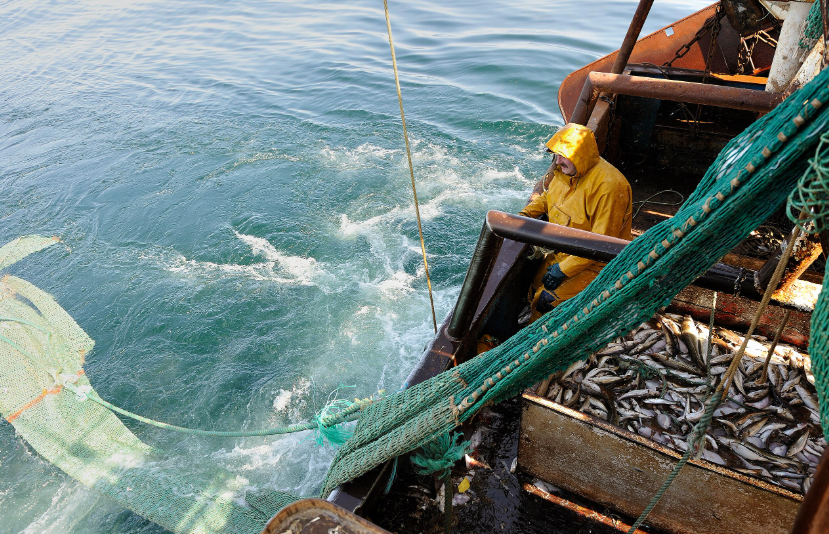
10. New Global Study Reveals Bottom Trawling Is Deepening Food Insecurity Worldwide
A new global analysis published by Oceanographic Magazine finds that industrial bottom trawling is worsening food insecurity in coastal communities despite industry claims that it supports global nutrition. Researchers led by Dr. Anna Schuhbauer and Professor Ussif Rashid Sumaila examined nine case studies across Africa, Asia, Europe, Oceania, and the Americas, revealing a consistent pattern: trawlers displace small‑scale fishers, degrade marine habitats, and divert nutritious local species toward export markets.
The study shows how reduced access to affordable seafood weakens informal food‑sharing networks that support elders and low‑income households. Women working in fish processing and trade face shrinking incomes as landings shift from beaches to industrial ports. Brazil’s 12‑nautical‑mile exclusion zone demonstrates that enforcement can reverse declines. Researchers urge integrating food security into fisheries policy and redirecting subsidies to small‑scale fishers.
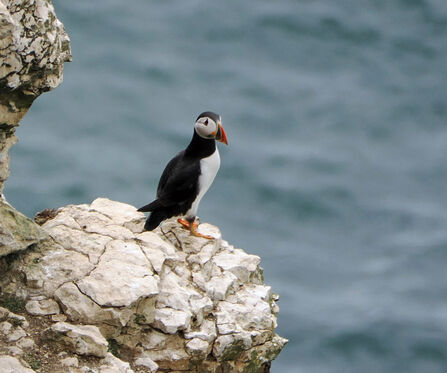
11. Europe’s Puffin Colonies Brace for a Silent Spring After Massive Winter Die‑Off
BirdLife International warns that puffin cliffs across northern Europe may fall unusually quiet this spring after one of the worst seabird “wrecks” in a decade left more than 38,000 birds stranded along Atlantic coastlines. Hundreds of puffins washed ashore in the UK alone, a dramatic spike compared to just two the previous winter. Severe storms battered the Atlantic for months, leaving puffins exhausted, starving, and unable to hunt in turbulent waters.
Scientists say most deaths likely occurred at sea and were never recorded. The wreck adds to mounting pressures on Europe’s seabirds, including food shortages from overfishing, bycatch, invasive predators at breeding sites, and poorly planned offshore wind development. Conservationists fear far fewer breeding pairs will return to key colonies such as Bempton Cliffs, Skomer Island, and St. Kilda. BirdLife urges stronger marine protections and sustainable fishing to help puffins recover.
12. Scientists Stunned as Coral Sea Voyage Uncovers More Than 117 New Deep‑Sea Species
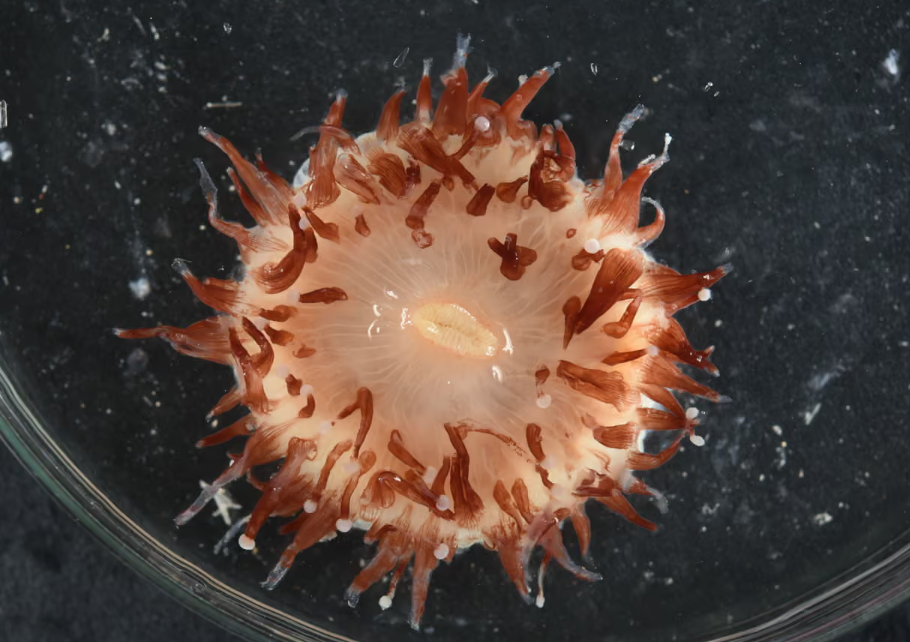
Townsville, Australia — Australian scientists have confirmed 117 new deep‑sea species from a major CSIRO voyage through the Coral Sea, ABC News reports. The five‑week expedition aboard the RV Investigator explored remote seamounts and deep‑water habitats, collecting thousands of specimens from depths reaching 3,900 meters. Chief scientist William White identified four new species himself — a deepwater catshark, a ghost shark, and two rays — noting that the final species count could exceed 200 once taxonomic work is complete.
Researchers described the haul as one of the most significant deep‑sea collections in Australian history, spanning sharks, rays, crustaceans, worms, sponges and other invertebrates. The team also documented rare jellyfish and unusual deep‑sea fish, adding to the region’s limited biological records. Scientists say the discoveries highlight how little is known about Australia’s deep ocean and underscore the importance of continued exploration.
13. New Caribbean Larvae Exchange Programme Aims to Rescue Coral Reefs From Genetic Collapse
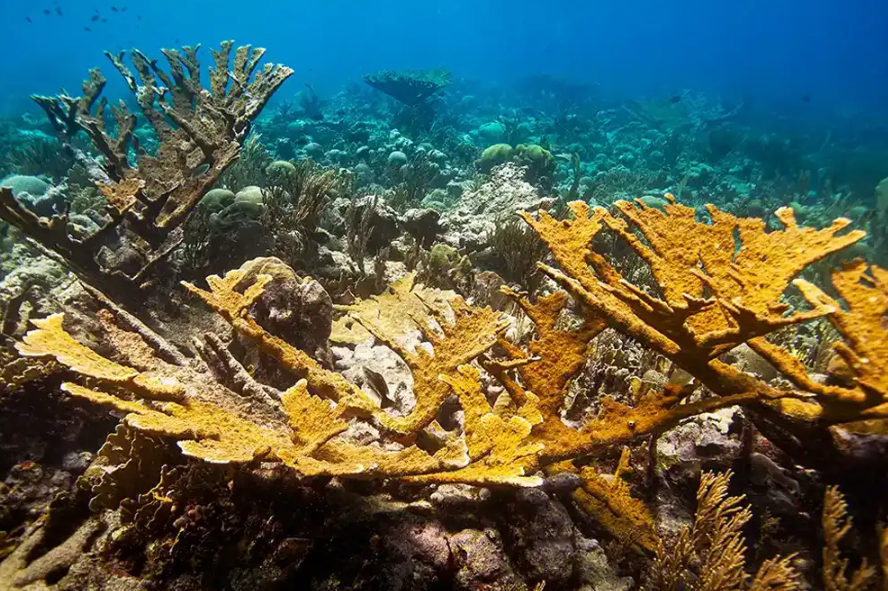
Punta Cana, Dominican Republic — A new Caribbean Coral Larvae Exchange Program has been launched to boost genetic diversity in rapidly declining coral populations across the region, DIVE Magazine reports. Led by SECORE and supported by Revive & Restore, the initiative will transport coral larvae across their natural ranges to counter severe losses caused by Stony Coral Tissue Loss Disease and repeated bleaching events.
These impacts have reduced healthy parent colonies and increased isolation between surviving corals, raising the risk of inbreeding and weakening future generations. Elkhorn coral, once dominant on shallow Caribbean reefs and now functionally extinct in Florida, is a key target species. Restoration groups from across the region met in Punta Cana to coordinate exchanges planned for the August spawning season. Organizers must still navigate CITES and Nagoya Protocol regulations, but aim to establish new interbreeding parent colonies within five years.
14. ☢️ Pacific “Nuclear Tomb” Faces Rising Seas and Cracking Walls
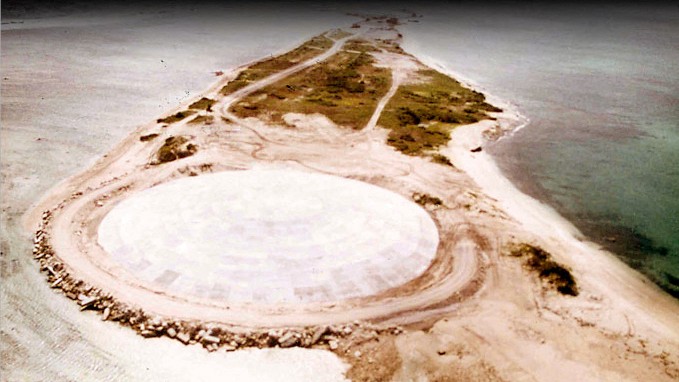
“The Week” reports that the concrete cap covering radioactive debris on Runit Island in the Marshall Islands is cracking, raising concerns about potential contamination and displacement. The dome was built in 1977 over a crater left by an 18‑kiloton U.S. nuclear test known as Cactus, conducted in 1958. The crater later became a dumping site for debris from multiple nuclear tests carried out from the 1940s through the 1950s.
The structure now contains more than 120,000 tons of contaminated material, including plutonium‑239, which the Australian Broadcasting Corporation describes as dangerous for more than 24,000 years. Experts told the outlet that merely coming into contact with the radioactive element can be fatal, and the concrete encasing it is already showing cracks less than 50 years after construction, raising concerns about long‑term durability.
15. 🌊 Global Study Uncovers 250 Human‑Made Chemicals Lurking in Ocean Waters
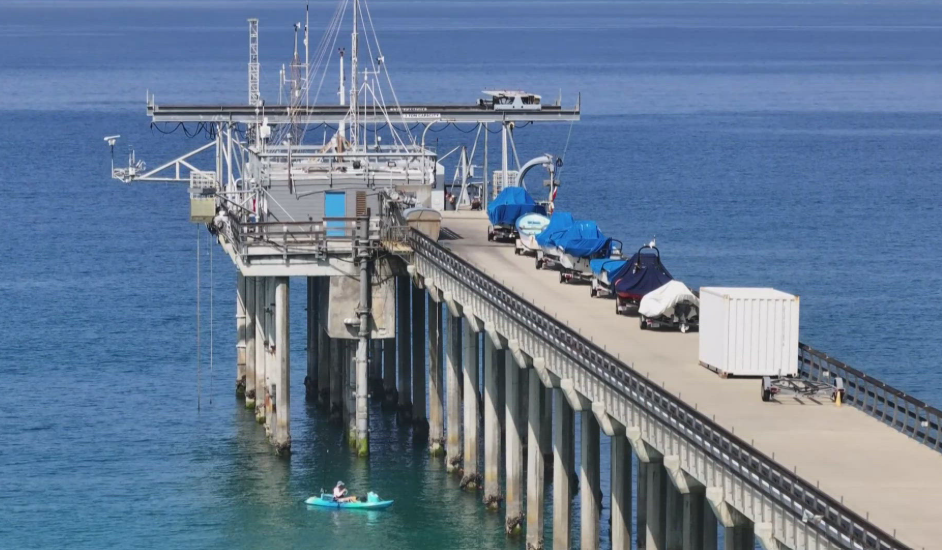
CBS8 reports that a global research effort led by the University of California, Riverside, has identified roughly 250 human‑made chemicals in ocean waters worldwide. Scientists collected more than 2,300 samples from coastlines, estuaries, and the open ocean, including sites from Peñasquitos Lagoon to Mission Bay, with contributions from researchers at the Scripps Institution of Oceanography in La Jolla. The study found industrial chemicals, plasticizers, sunscreen ingredients, and pharmaceuticals such as antidepressants, birth control, and heart medications—many of which enter the ocean through wastewater systems.
Researchers observed the highest concentrations near coasts, though persistent compounds like DDT were detected even in remote waters. Scientists say the long‑term ecological impacts remain unclear, but emphasize that the human footprint is widespread. They note that solutions will require improved wastewater treatment, stronger regulations, and systemic changes beyond individual consumer choices.
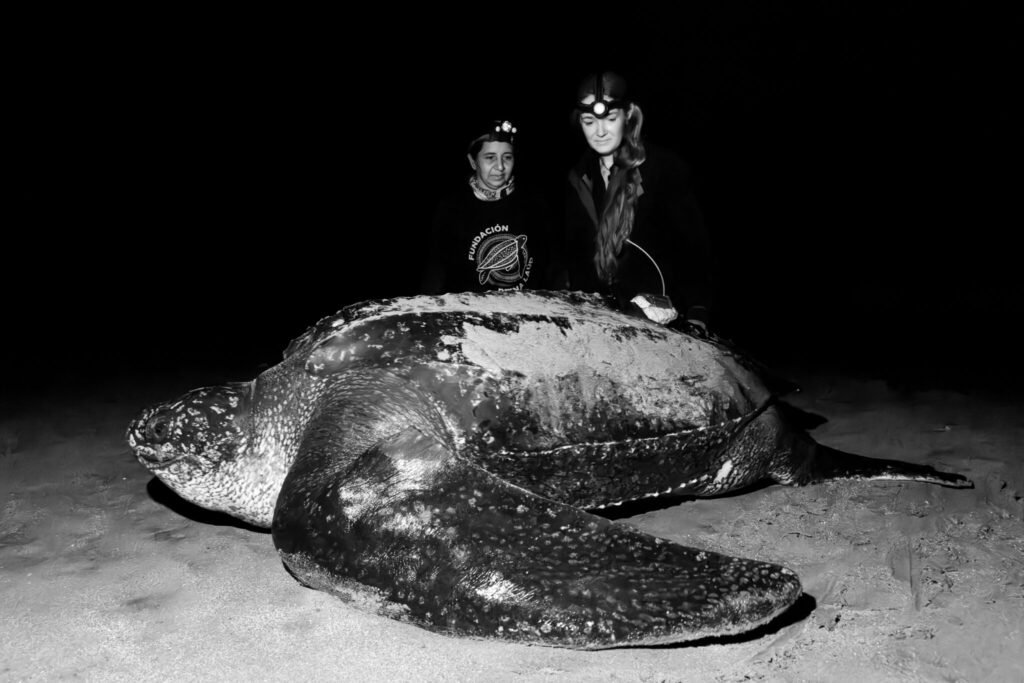
16. 🐢 First‑Ever Tagged Leatherback in Ecuador Could Rewrite Ocean Protection Maps
Inside Climate News reports that scientists in Ecuador have attached the country’s first satellite tag to an endangered leatherback sea turtle, marking a major step toward understanding how the species uses coastal and offshore waters. The effort, led by The Leatherback Project and Fundación Reina Laúd, took place along a remote stretch of the Pacific coast, where researchers located a nesting female after four days of patrolling more than six miles of shoreline.
Eastern Pacific leatherbacks have declined by more than 90 percent since the 1980s, with likely fewer than 1,000 individuals remaining. Scientists say the turtles face severe threats from large‑mesh gillnets used by Ecuador’s extensive artisanal fishing fleet. The new tag will transmit the turtle’s movements and dive data, helping identify where high‑risk fishing areas overlap with critical habitat and guiding future conservation strategies.