

1. Earth’s Gravity Just Pulled Back the Curtain on Our Entire Hidden Seafloor
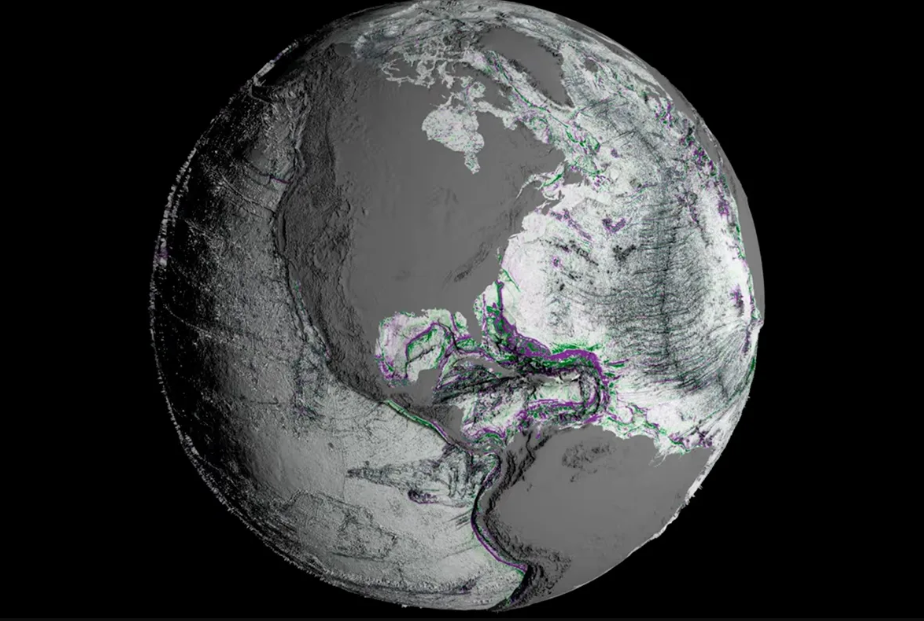
NASA has unveiled a stunning new map of Earth’s seafloor, captured not by ships but by an orbiting satellite that reads the ocean’s gravity wrinkles from space. The Surface Water and Ocean Topography (SWOT) satellite, a joint mission with the French space agency CNES, measures tiny changes in sea-surface height to infer hidden underwater mountains, canyons, and abyssal hills. Geophysicist David Sandwell of Scripps Institution of Oceanography says SWOT is a huge leap forward, able to spot seamounts less than half the height older satellites could detect, potentially boosting the global tally from 44,000 to about 100,000.
The map supports safer navigation, cable routes, hazard detection, and ecosystem research, while feeding a worldwide push to chart the entire seafloor by 2030. Ship-based sonar will not finish in time, Sandwell admits, but SWOT’s data could nearly close the gap.
2. Spiny Sea Monster Moves So Slowly, Scientists Had to Fast-Forward the Tape
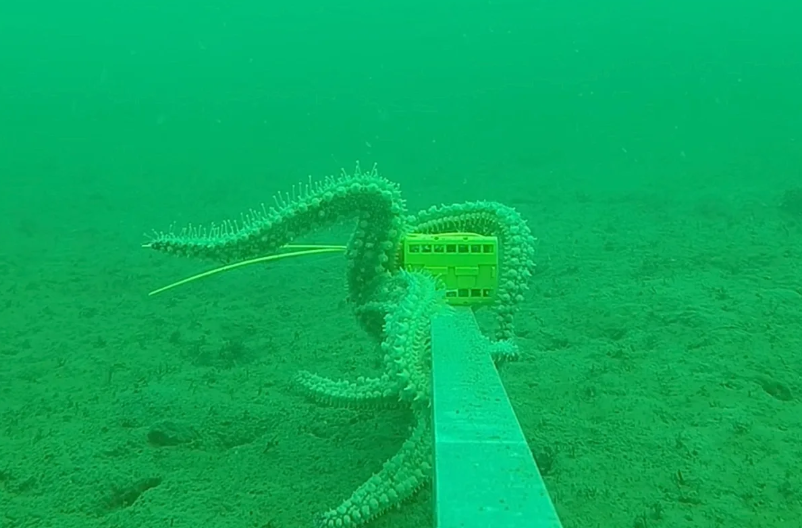
Marine researchers dropped a baited spy camera to the seafloor and ended up starring a single, lumbering spiny starfish in a surprisingly gripping slow-motion drama. The Wildlife Trusts describe the animal as “dustbin-lid-sized,” with a central disc up to about 30 cm across, roughly 12 inches, and long, tapering arms that make it look even larger.
Bristling with white spines, this powerful predator feeds on molluscs, crustaceans, and even other starfish, prying shells open with its many tube feet. In the BRUV (Baited Remote Underwater Video) footage, the starfish creeps in so slowly that the Marine Biological Association sped up the video for social media, then methodically wraps its arms, one by one, around the bait box like a spiky embrace. The clip captures rarely seen seafloor behavior in uncanny detail.
Thank you for your generous gift that will help us continue the production of this weekly, free publication
3. Mermaid’s Purses: Find Them, Film Them, Change Shark Science Forever
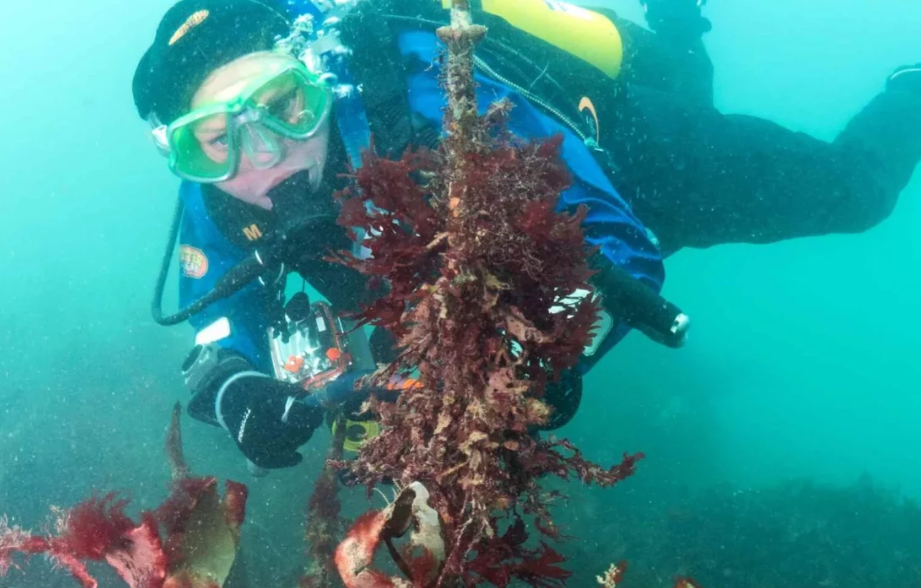
Plymouth, United Kingdom — UK charity the Shark Trust and the British Sub-Aqua Club are calling on divers and snorkellers to help uncover “one of the ocean’s best-kept secrets”: where sharks and skates lay their eggs. Building on the Shark Trust’s long-running Great Eggcase Hunt, the new push focuses on spotting “mermaid’s purses” still attached to seaweed or seabed habitats underwater, not just the empty cases washed ashore.
Fewer than 1 percent of more than 600,000 recorded eggcases have come from underwater sightings, leaving a major data gap on critical nursery grounds. Divers are urged to log encounters via the Shark Trust’s Recording Hub and during its Great Shark Snapshot week in July, when shark, skate, and ray sightings worldwide are tallied. Organizers say everyday club dives and action weekends could quietly transform shark conservation science.
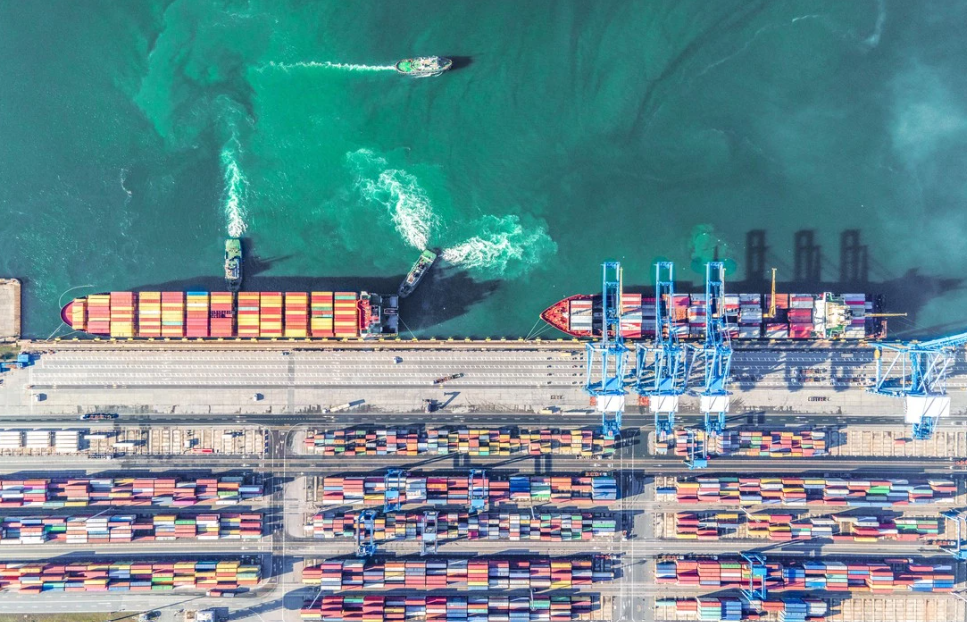
4. Black Sea Port Giant Is Secretly Planting an Underwater Forest Army
Constanța, Romania — Global ports giant DP World is betting on “underwater forests” to help bring marine life back to the Black Sea shoreline near its Constanța South container terminal. The company has launched a five-year coastal restoration program focused on reviving the native brown seaweed Cystoseira barbata, which once formed dense, biodiversity-rich beds along the coast. These seaweed forests provide shelter for crustaceans and other invertebrates and act as nursery grounds for juvenile fish, but have declined in recent decades under mounting environmental pressure.
The project will map existing habitats, grow seaweed in nurseries, then transplant and monitor it to track survival, growth, and ecological impact. DP World is partnering with local NGO Mare Nostrum and Romanian scientific institutions, and pairing the fieldwork with community education efforts to show how restoring coastal ecosystems can also support “blue carbon” climate goals.
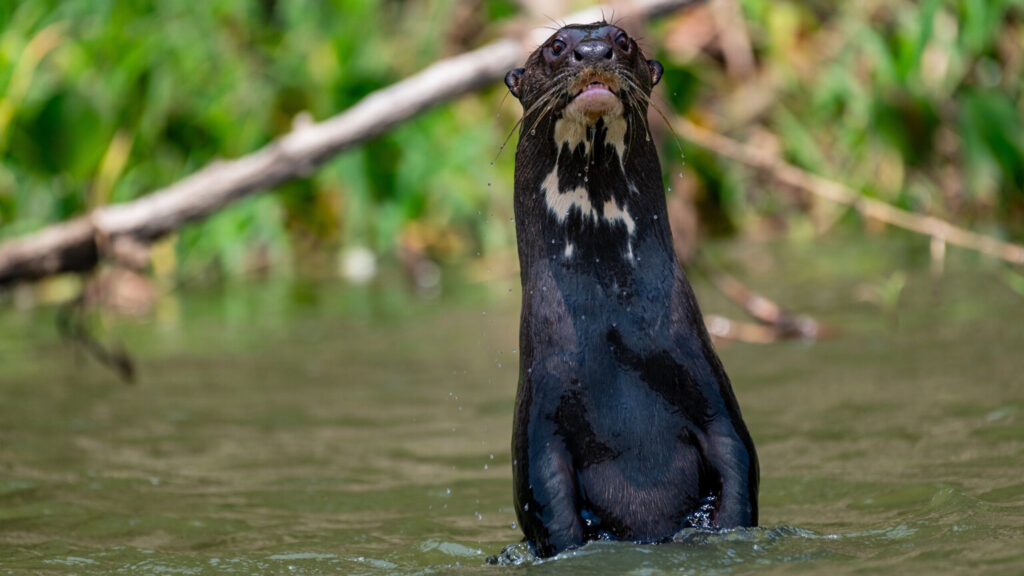
5. Migratory Animals’ Shocking Border Crisis: Act Now or Lose Them Forever!
Wildlife experts warn that migratory species such as jaguars, birds, and fish face extinction without urgent cross-border action, as highlighted in a landmark UN report by the Convention on the Conservation of Migratory Species (CMS). Unlike typical treaties, CMS emphasizes connectivity—protecting vast migration routes and key habitats and coordinating efforts across nations where animals roam freely — but threats like habitat loss, pollution, overfishing, and climate change don’t respect lines on maps.
More than one in five CMS-listed species teeters on the brink, with over 80% of 180 critically endangered migrants at risk; reptiles and fish fare worst, suffering two-thirds and near-total threats respectively. Human barriers, bycatch, and illegal hunting compound the crisis, demanding global collaboration between governments, private sectors, and communities to restore paths and curb exploitation. The tools and knowledge exist—political will is the missing piece to save these vital wanderers and the ecosystems they sustain.
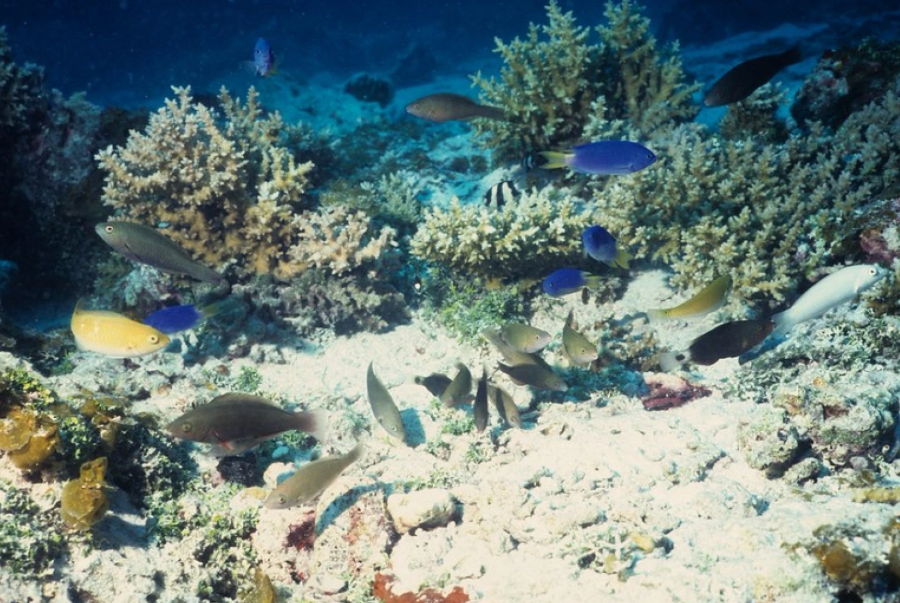
6. Pacific Fish Packed with Microplastics: Your Next Meal in Jeopardy?
A startling study reveals that one-third of fish in Pacific Island waters, from Fiji to Vanuatu, are laced with microplastics, threatening both ecosystems and human health. Researchers at the University of the South Pacific analyzed 878 coastal fish from 138 species, finding Fiji hit hardest, with nearly 75% contamination—far above the global average of 49%—mostly from synthetic fibers in textiles and fishing gear. Reef-dwellers and bottom-feeders, like Fiji’s thumbprint emperor and Vanuatu’s goatfish, face the highest risks due to their habitats and diets, mistaking tiny pieces of plastic for food.
These “reservoirs for synthetic pollution” endanger coastal communities that rely on fish for protein, leaching toxins and pathogens into their diets amid weak waste management. While quantities per fish remain low, the findings bolster calls for a binding Global Plastics Treaty as pollution infiltrates even remote atolls.
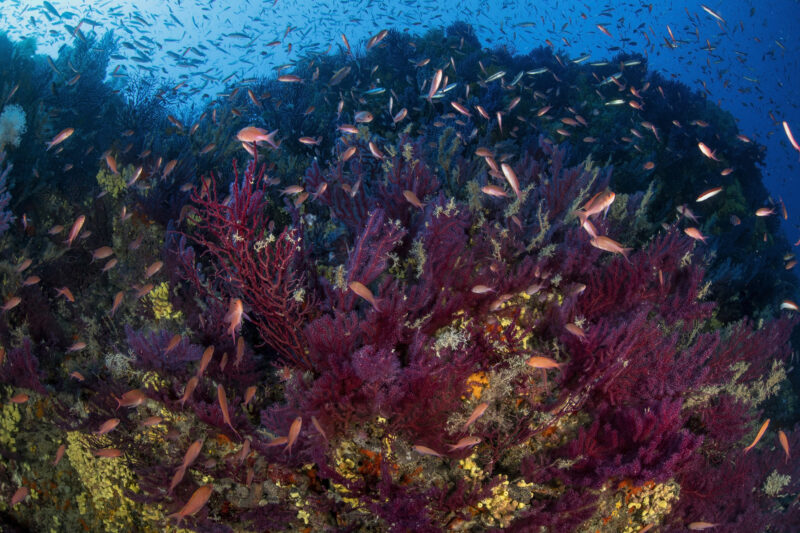
7. Mediterranean Corals’ Silent Killer: Microplastics Crushing Their Breath!
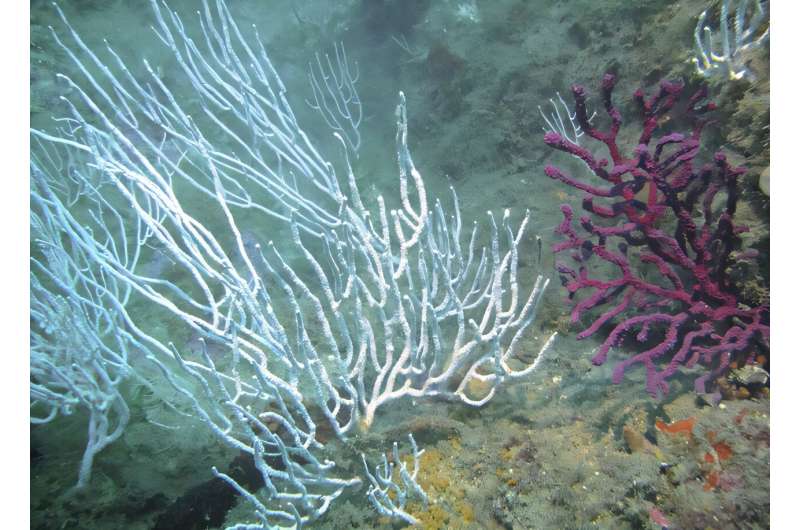
Barcelona, Spain—Researchers from the University of Barcelona and the Institute of Aquatic Ecology at the University of Girona warn that microplastics are suffocating the Mediterranean’s vital gorgonians. A gorgonian is a type of soft coral—often called a sea fan or sea whip—made up of thousands of tiny polyps that grow together into beautiful branching structures.
They’re animals, not plants, and play a major role in shaping marine ecosystems. In a three-month lab study mimicking ocean conditions, white gorgonian (Eunicella singularis) and violescent sea-whip (Paramuricea clavata) ingested plastics like PET, polystyrene, and polypropylene, slashing respiration rates without visible harm as a stress response. While feeding and tissues stayed intact, slowed metabolism threatens reproduction, recovery from warming, and seabed habitats; these ecosystem engineers sustain, demanding urgent global plastic cuts.
8. Microplastics Invading Your Dinner: Food Chains on the Brink of Collapse!
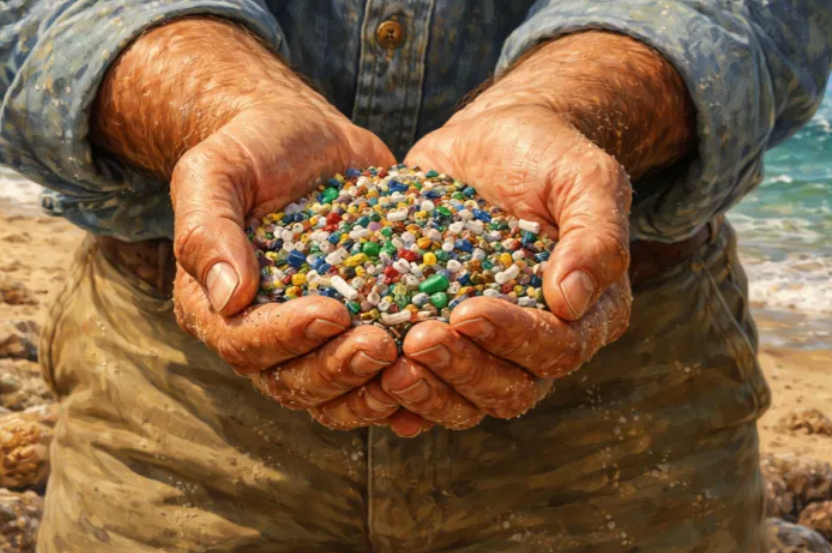
Microplastics, tiny particles less than 5 millimeters in size from degraded plastics, are infiltrating global food webs from ocean depths to dinner plates, posing dire risks to marine life and human health. Fish and shellfish mistake nurdles—industrial plastic pellets—for eggs or plankton, ingesting them alongside contaminants like PCBs that bioaccumulate up the chain to predators and people. These invaders disrupt digestion, reproduction, and growth in zooplankton, shellfish, and fish, while carrying pathogens and toxins that leach into tissues, fueling inflammation, infertility, and cancer risks in consumers.
From seafloor sediments to surface waters, exposure spans habitats, amplified by runoff, sewage sludge on farmlands, and atmospheric spread—even remote ecosystems suffer. Urgent action demands slashing plastic production, better waste management, and binding treaties to safeguard seafood-dependent communities and planetary health.
9. Tiny Plastic Doses Killing Ocean Giants – Shocking Truth Revealed!
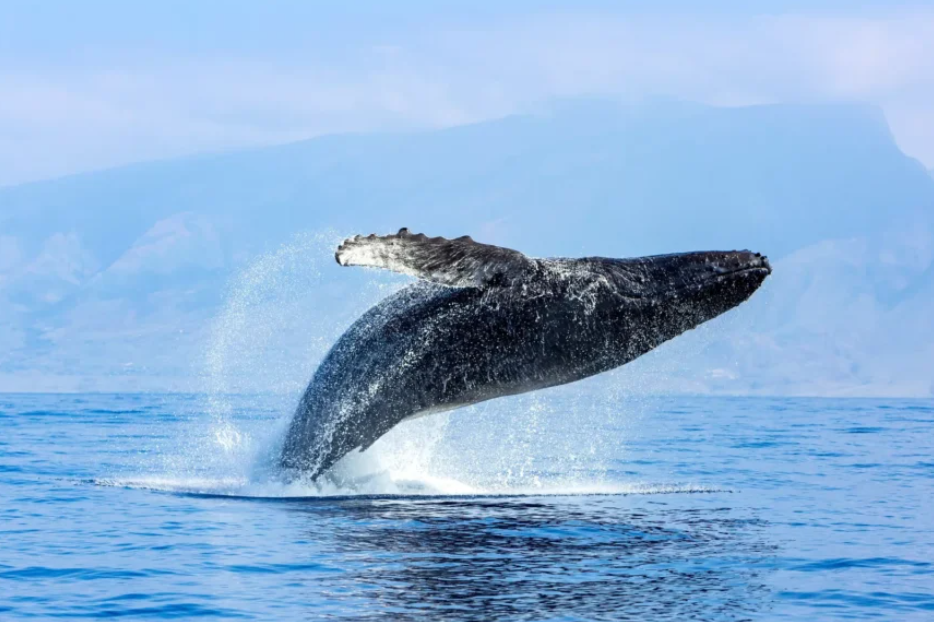
Ocean Conservancy researchers unveiled groundbreaking data showing that shockingly small amounts of plastic can fatally poison seabirds, sea turtles, and marine mammals. Analyzing over 10,400 global necropsies, the study found 35% of seabirds, 47% of sea turtles, and 12% of marine mammals had ingested plastics, with 1.6%, 4.4%, and 0.7%, respectively, dying from it. For an Atlantic puffin, less than three sugar cubes’ volume spells 90% lethality; loggerhead turtles succumb to two baseballs’ worth; harbor porpoises to a soccer ball’s mass.
Soft plastics like bags ravage sea turtles—342 pea-sized pieces seal their doom—while fishing gear dooms whales with just 28 chunks. Nearly half of the affected animals are IUCN-threatened species, sounding an urgent alarm for global plastic reduction before ocean life vanishes.
10. Microplastics Silently Sabotaging Sea Life – Hidden Metabolic Mayhem Exposed!
Barcelona, Spain—University of Barcelona researchers exposed Mediterranean gorgonians, Eunicella singularis and Paramuricea clavata, to ocean-realistic microplastics such as PET, PS, and PP for three months, uncovering stealthy metabolic sabotage. No visible tissue damage was observed, yet respiration rates plummeted in both species, signaling reduced oxygen uptake and metabolic slowdown—likely a stress adaptation or an energy-conservation tactic. Colonies ingested plastics, especially PET particles, yet maintained prey capture and organic matter levels, suggesting effective particle expulsion without long-term buildup.
Subtle changes spell ecological trouble for these seabed architects, especially amid ocean warming and habitat loss, potentially weakening their role in marine ecosystems over time.
11. Microplastics Exploding from Waste – The Scary Way They’re Spreading Everywhere!
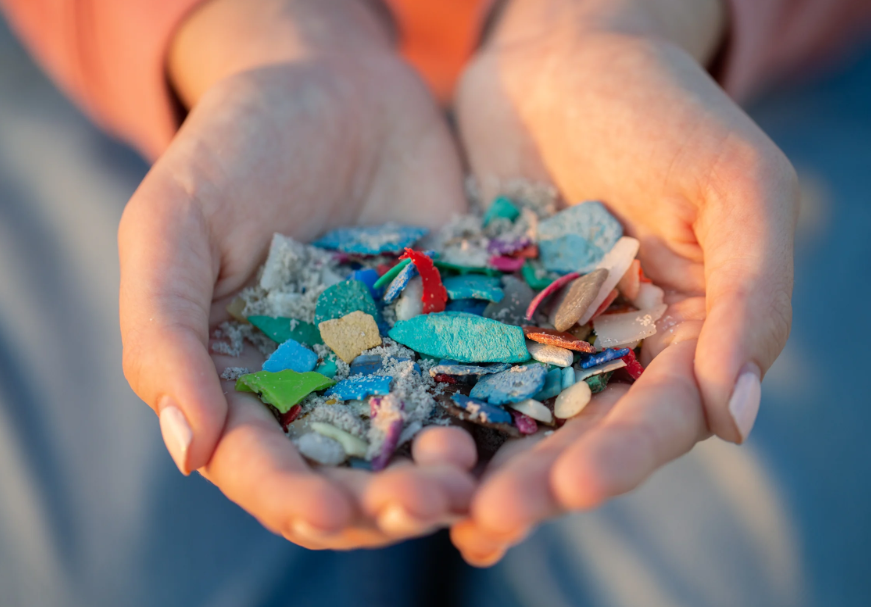
London, United Kingdom—Scientists reveal how everyday plastic waste morphs into microplastics, tiny invaders under 5 mm that hitch rides on wind, waves, and wastewater to blanket the planet. Larger debris like bottles, bags, and fishing nets shatter via sun, abrasion, and ocean currents into these persistent particles, infiltrating soil, air, rivers, and remote mountaintops from Everest to Arctic ice. Primary sources—microbeads in cosmetics and exfoliants—wash directly down drains, evading treatment plants, while tire wear, synthetic clothing fibers from laundry, and urban road dust accelerate the onslaught.
These pollutants adsorb toxins like PCBs and heavy metals, supercharging the harm as they move up food webs from plankton to seafood on our plates. Annual releases hit millions of tons, doubling risks by 2040 without drastic cuts in single-use plastics and better waste traps. Urgent global action could stem this invisible tidal wave threatening health and ecosystems alike.
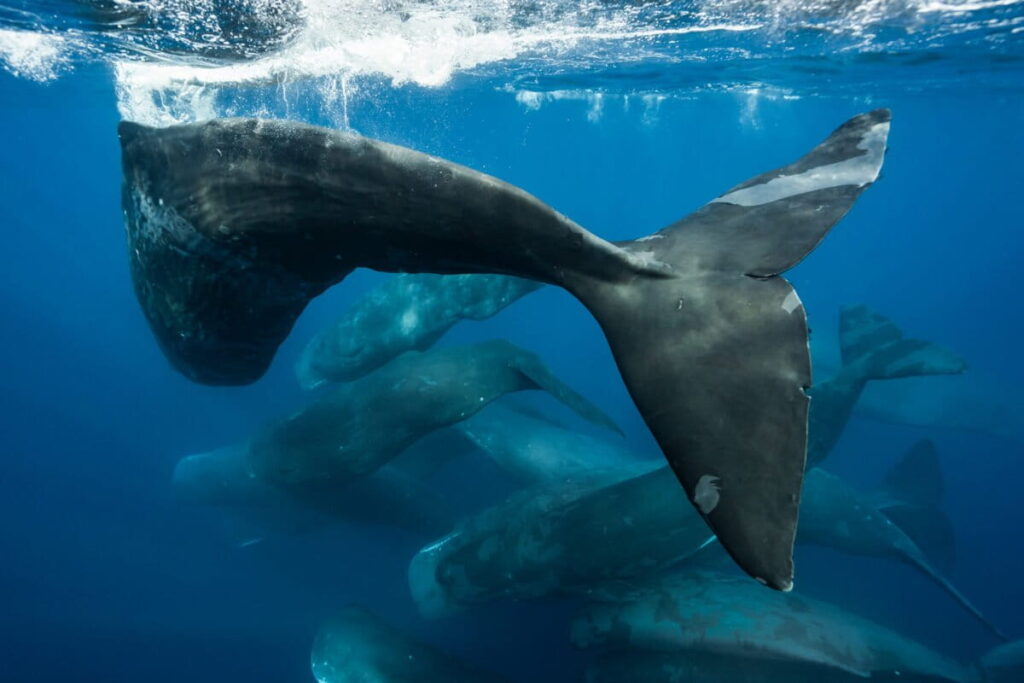
12. Ocean Protection Promises Crumble – The Deadly Enforcement Black Hole Exposed!
Mongabay investigators expose a gaping chasm between global ocean conservation pledges and harsh realities at sea, where vast marine protected areas (MPAs) exist mostly on paper. Governments tout 30% ocean protection by 2030 with reassuring blue maps, yet industrial trawlers, longliners, and illegal fleets ravage restricted zones unchecked due to chronic underfunding, distant patrols, and political reluctance.
Studies prove enforcement—not size—drives ecological wins: monitored MPAs swiftly rebound fish stocks, while unenforced “paper parks” deliver zilch. Tech breakthroughs like satellite tracking, AIS vessel data, and AI analytics now spotlight violators cheaply, as Indonesia’s boat-scuttling crackdowns and Palau’s port chokepoints demonstrate—slashing illegal fishing via credible deterrence. Ports emerge as key battlegrounds under global agreements, denying shady ships entry. Without bridging this enforcement void, ocean life hangs by a thread amid mounting threats.
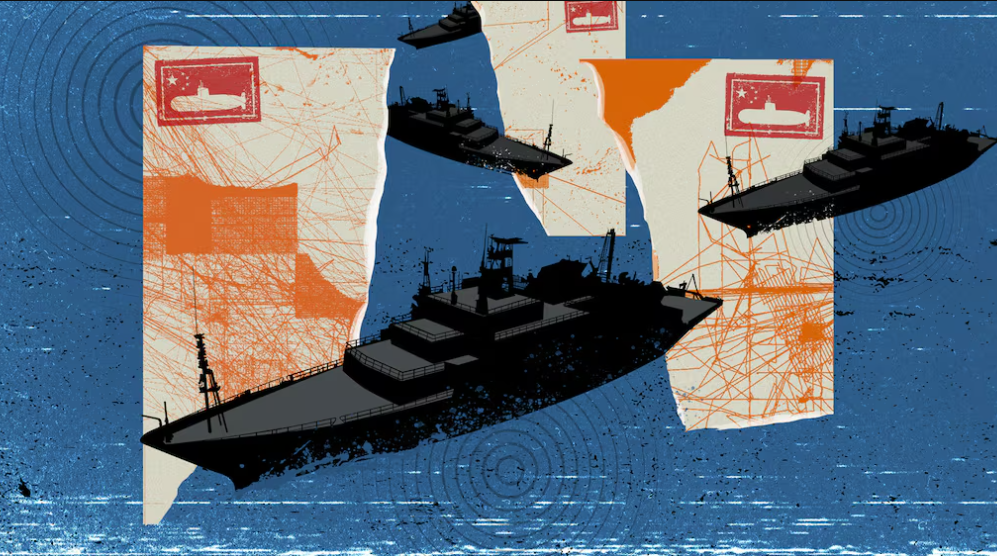
13. China’s Secret Ocean Mapping – Prepping for Submarine Showdown with America!
Reuters uncovers China’s massive undersea mapping spree across the Pacific, Indian, and Arctic Oceans, deploying dozens of research vessels to chart the seabed near U.S. strongholds such as Guam, Taiwan, Hawaii, and the Philippines. Ships like the Dong Fang Hong 3 crisscrossed strategic zones in 2024-2025, gathering vital data on underwater terrain, currents, salinity, and temperatures—perfect for optimizing submarine stealth, sonar, and enemy detection in potential warfare.
Naval experts warn that this dual-use intelligence, disguised as civilian science for fishing and mineral extraction, equips China’s growing submarine fleet to challenge U.S. naval dominance through layered surveillance networks. From South China Sea sensor arrays to Malacca Strait patrols, Beijing builds battlespace mastery amid rising tensions, as U.S. officials decry the scale of its military implications. Without countermeasures, America’s undersea edge erodes fast.
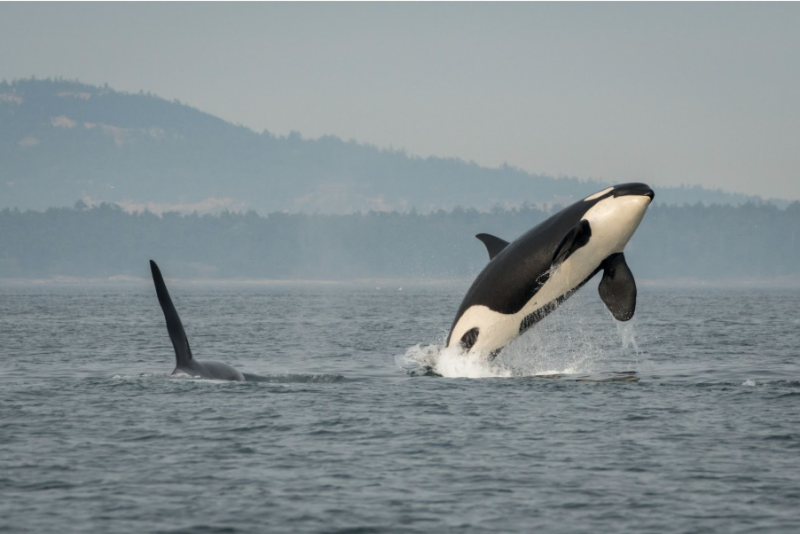
14. Lonely Killer Whales’ Secret Lifeline – Isolation No Longer an Option!
Seattle, Washington, USA—NOAA Fisheries scientists reveal that endangered Southern Resident killer whales, famed for their tight-knit family isolation, now hinge their survival on risky interactions with other orca populations amid shifting ranges. Once listed under the Endangered Species Act for genetic uniqueness and threats like scarce Chinook salmon, contaminants, vessel noise, and inbreeding, these 74 whales face a pivotal fifth factor: encounters with Northern Residents, Bigg’s transients, and offshore groups.
Range expansions—Southern Residents hitting Washington’s outer coast more, Northern Residents venturing south—spark potential prey competition over shared salmon stocks, habitat overlap around Vancouver Island, and rare but vital interbreeding to combat inbreeding depression. Genetic evidence hints at historical gene flow, while acoustic data shows co-locations, urging holistic management beyond isolation myths to bolster recovery before numbers crash further.
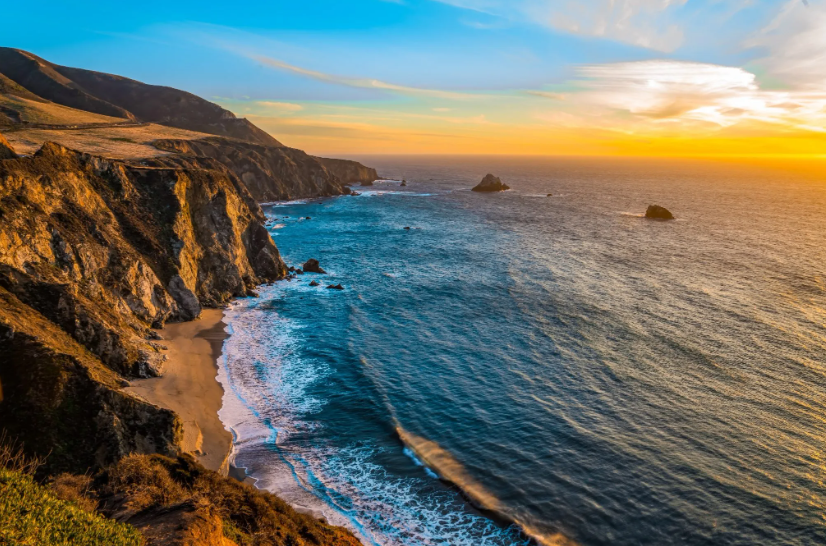
15. California’s Mega Ocean Cash Splash – Saving Seas from Climate Chaos!
Sacramento, California, USA—The California Ocean Protection Council released the landmark 2026 California Coast and Ocean Report, the state’s first comprehensive, science-based assessment that reveals both triumphs and looming threats to its biodiverse Pacific waters. While coastal ecosystems show resilience through bold state actions, climate change delivers body blows: 95% of Northern California’s bull kelp forests vanished in a decade, sea levels encroach on communities, and seawater acidity has surged sixfold since the dominance of fossil fuels.
Undeterred, Governor Newsom’s team approved over $6 million for nine cutting-edge projects through California Sea Grant, targeting biodiversity hotspots to meet the 30×30 conservation goal by 2030—think kelp restoration in the Channel Islands, white abalone reintroduction, invasive species removal near Humboldt Bay, and Malibu MPA recovery post-Palisades Fire. These investments champion science over federal rollbacks, safeguarding ecosystems, economies, and irreplaceable coastal heritage for generations amid mounting pressures.
16. Deep-Sea Shocker: 24 New Amphipod Wonders Rewrite Ocean History!
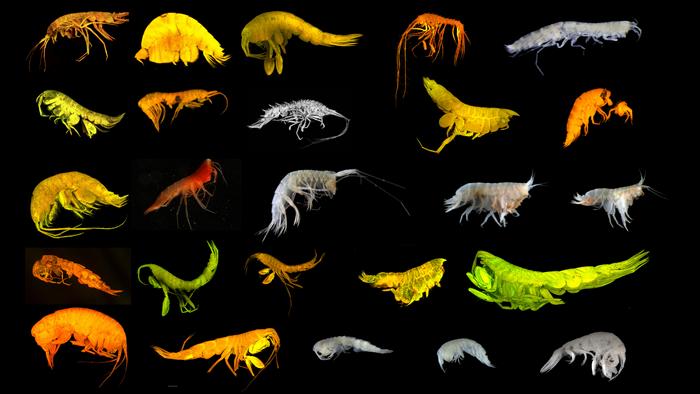
Scientists from around the globe converged for a pivotal week-long workshop to describe 24 brand-new amphipod species scooped from the Clarion-Clipperton Zone (CCZ) in the vast Pacific Ocean, capping a major deep-sea research push. These tiny crustaceans—key players in abyssal food webs—include one entirely new superfamily, a blockbuster evolutionary find that reshapes amphipod family trees and hints at ancient lineages thriving under crushing pressures at 4,000-6,000 meters depth. Assorted shapes dazzle: some sport elongated snouts for sediment probing, others wield oversized claws for scavenging, while a few glow faintly to lure microscopic prey amid total darkness.
The CCZ haul spotlights polymetallic nodule fields teeming with undescribed life, facing mining threats that could bulldoze habitats. This collaborative breakthrough, blending genetics, morphology, and ecology, electrifies deep-sea biology—proving vast biodiversity frontiers demand urgent protection before nodule-grabbers erase tomorrow’s discoveries.
17. East Africa’s Bold Strike Back – Cracking Down on Illegal Fishing Raiders!
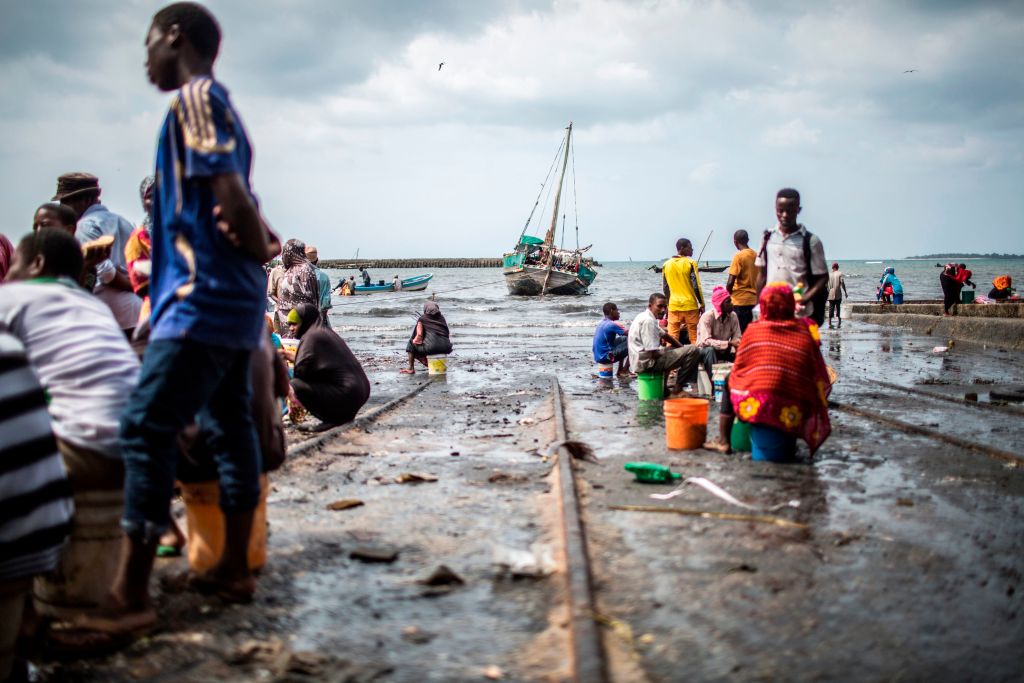
The Jahazi Project, uniting seven East African nations since September 2025, ramps up defenses against illegal, unregulated, and unreported (IUU) fishing that’s robbing the region of $415 million yearly and starving 3 million coastal livelihoods. Named after the Swahili dhow sailing vessel, this Ascending Africa-led initiative safeguards a blue economy aiming to reach $405 billion by 2030 through smarter surveillance, regulatory harmony, and community patrols in hotspots such as Kenya, Mozambique, and Tanzania.
Chinese industrial trawlers dominate the plunder, deploying explosives, shark finning, saiko transshipments, and seabed-scraping bottom trawling that devastates juvenile stocks and habitats—slashing Tanzania’s catches by forcing artisanal fishers farther offshore amid human rights horrors. Dar es Salaam roundtables highlighted coordination gaps in vessel tracking and penalties, while Jahazi pushes marine conservation zones, youth education, and sustainable cooperatives to fuse economic boom with ocean health. Long-term, it envisions resilient coasts honoring maritime heritage against foreign overreach.
18. California’s Epic Pipeline Showdown – Feds vs. State in Oil War Explodes!
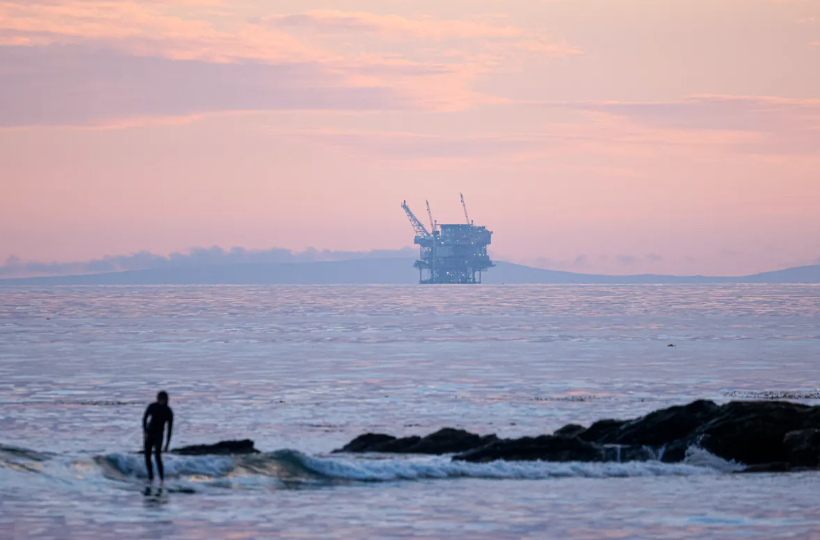
Sacramento, California, USA—Attorney General Rob Bonta launched a fiery federal lawsuit against the current administration, blasting Energy Secretary Chris Wright’s Defense Production Act order as an unlawful power grab to resurrect Sable Offshore Corp.’s corroded Santa Barbara pipelines shut since the 2015 Refugio spill dumped 142,000 gallons of crude onto pristine coasts. The March 13 directive—tied to a dubious “national energy emergency”—commands Sable to prioritize oil contracts, bypass state oversight and court decrees, and even trespass through Gaviota State Park, claiming that national security trumps California’s regulatory rights despite negligible output amid record U.S. production.
Bonta calls it fabricated favoritism for Big Oil, violating the Administrative Procedure Act and the Tenth Amendment as Sable eyes ramping from 30,000 to 55,000 barrels daily for LA refineries. Environmentalists and state fire marshals back the fight, fearing that a repeat spill would endanger ecosystems and communities in this high-stakes clash between federal muscle and coastal safeguards.
19. Beach Cleanup Heroes Save Wildlife – See Your Impact in Real Time!
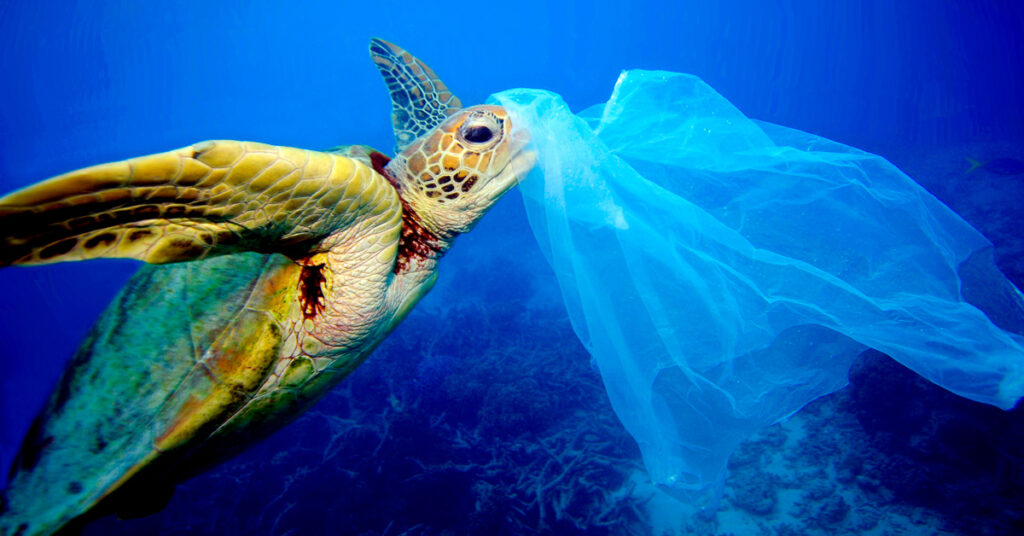
Ocean Conservancy launched a groundbreaking interactive calculator revealing how every piece of trash scooped from beaches slashes deadly threats to marine animals worldwide. Plug in your cleanup stats—bags, bottles, fishing line, or cigarette butts—and instantly discover lives spared: one plastic bag rescued prevents a sea turtle’s fatal ingestion, while 10 meters of line stops bird or seal entanglements that cause starvation or drowning.
Drawing from necropsy data showing plastics kill thousands yearly, the tool quantifies protection for turtles, whales, albatrosses, and fish across food webs, turning volunteer sweat into tangible wildlife victories. Since the 1986 International Coastal Cleanup, participants have removed 380 million pounds, yet 8-14 million tons enter the oceans annually—making localized efforts vital. Download the app, join events, and watch your haul shield endangered species from microplastic mayhem before it cascades to human plates, proving grassroots action fuels ocean recovery now.
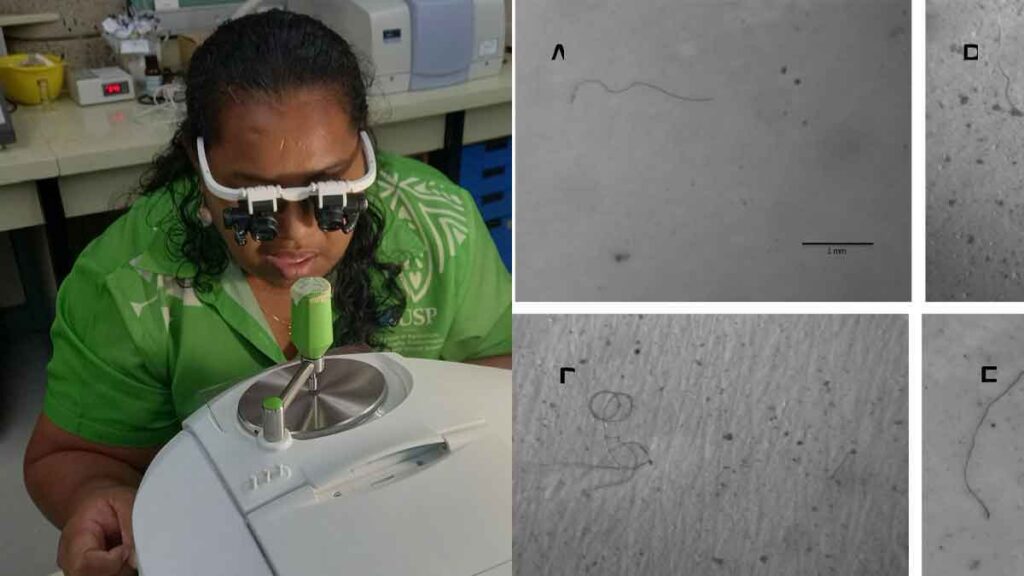
20. Fijians Drinking Plastic Daily – Shocking Tiny Particles Invade Tap Water!
Suva, Fiji—University of the South Pacific (USP) researchers dropped a bombshell baseline study confirming microplastic particles lurk in everyday drinking water across Fiji, infiltrating the hydration millions rely on from taps, bottles, and wells. These insidious specks under 5mm—shed from bottles, pipes, and airborne fallout—slipped through filtration gaps, with samples clocking concentrations that rival those in polluted global hotspots.
Advanced lab scans revealed polyethylene, polypropylene, and PET (polyethylene terephthalate) fragments swirling in treated municipal supplies and in rural sources alike, raising alarms about long-term bioaccumulation in human tissues, from the gut to the bloodstream. Health experts link chronic exposure to inflammation, hormone disruption, and cancer risks, mirroring seafood taint plaguing Pacific food chains. USP’s findings galvanize calls for tougher filtration standards, bans on plastic, and public awareness to shield communities from this invisible daily dose before health crises erupt in paradise.
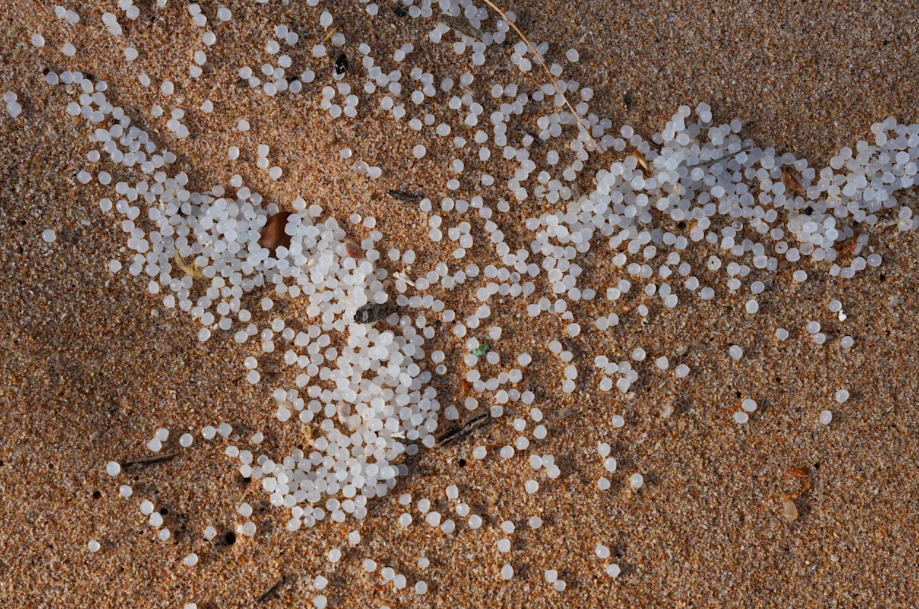
21. Nurdles Nightmare: Billions of Toxic Pellets Flooding UK Shores – Endless Crisis!
London, United Kingdom—Lentil-sized nurdles, the raw plastic pellets fueling everything from bottles to bags, keep inundating Britain’s beaches despite bans on straws and cutlery, with environmental charity FIDRA estimating 445,970 tonnes—equivalent to 29 billion bottles—escaping factories, trucks, and ships into the environment yearly. Up to 84% of the UK’s natural beauty areas suffer this persistent scourge, first spotted on shores in the 1970s after seven decades of manufacture, yet pinpointing spills proves maddeningly elusive across murky supply chains.
Beach cleanup veteran Andy Dinsdale of Strandliners, who has patrolled since 2004, decries factories, transport mishaps, and recycling sites as culprits, urging citizens to join The Great Nurdle Hunt to count and report these insidious invaders on beaches, rivers, and in industrial zones. These pre-production microplastics act as toxin sponges for PCBs and heavy metals, devastating marine life from fish to seabirds while infiltrating food chains—demanding mandatory handling rules before paradise coasts turn plastic wastelands.
22. Durbin’s Plastic Pellet War – Saving Rivers from Industrial Spills!
Washington, D.C., USA—U.S. Senate Democratic Whip Dick Durbin introduced the Plastic Pellet Free Waters Act, mandating the EPA to ban discharges of plastic pellets and pre-production plastics from manufacturing facilities, transport, and storage into America’s waterways. These lentil-sized nurdles—raw feedstock for bottles, bags, and toys—spill billions annually from factories and trucks, infiltrating rivers, lakes, and oceans where they mimic fish eggs and sponge toxins like PCBs, devastating wildlife from Great Lakes fish to Gulf seabirds.
Durbin’s bill closes Clean Water Act loopholes, requiring best management practices, spill reporting, and fines to stem the tide choking 445,000 tonnes lost yearly in the U.S. alone. Co-sponsored by environmental champions, it targets the invisible upstream menace fueling microplastic crises in drinking water and seafood, echoing UK beach invasions and Fiji tap contamination. This legislative hammer promises cleaner waters and healthier ecosystems before plastic pellets pulverize aquatic food webs forever.
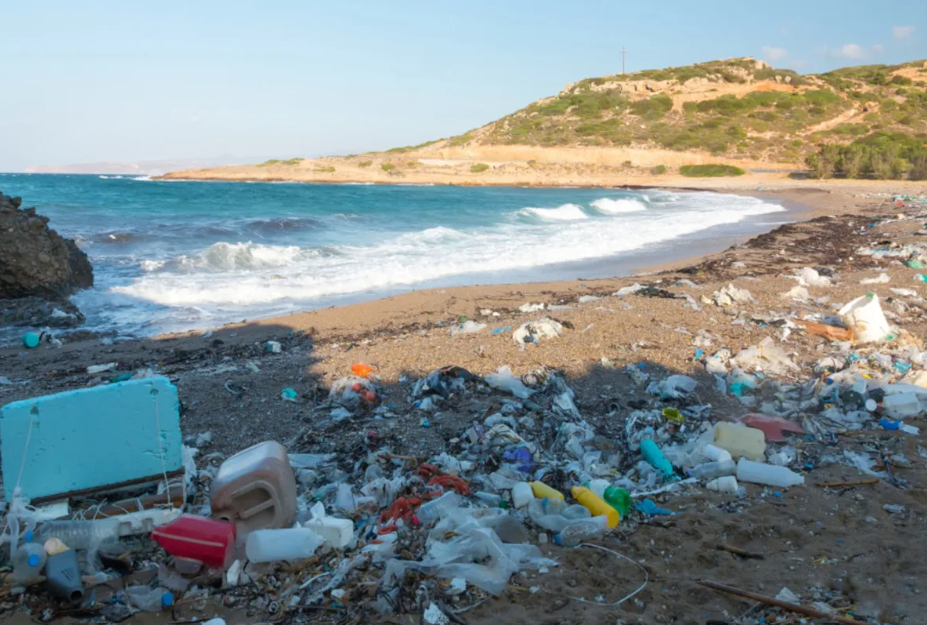
23. Climate-Plastic Nightmare: Extreme Weather Supercharges Deadly Pollution!
Toronto, Canada—Extreme weather events like scorching heat domes and violent storms are turbocharging plastic pollution across Canada, unleashing a vicious feedback loop that amplifies both crises to catastrophic levels. Rising temperatures accelerate the breakdown of plastics into microplastics that infiltrate air, soil, and waterways. At the same time, fiercer floods and wildfires sweep debris into rivers and oceans, magnifying exposure for fish, birds, and humans alike. Heat-stressed ecosystems absorb more toxins from these particles—PCBs, heavy metals, and endocrine disruptors—weakening wildlife from Great Lakes salmon to Arctic seals already battered by warming.
Canadian researchers warn this “double trouble” hits Indigenous communities hardest through tainted traditional foods, as plastic production’s fossil fuel roots pump extra greenhouse gases, fueling the chaos. Storms redistribute billions of fragments annually, overwhelming landfills and treatment plants, and demand immediate bans on single-use items, advanced filtration, and resilient waste systems before this toxic synergy dooms food chains and public health.
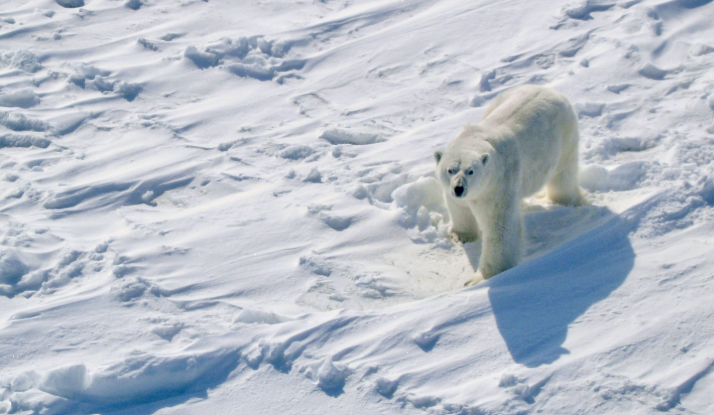
24. Polar Bear Umbrella Saves Arctic Seas – One Beast Shields Entire Ocean Web!
Edmonton, Alberta, Canada—University of Alberta researchers unveiled a game-changing study proving polar bears serve as the ultimate “umbrella species” whose protection automatically safeguards western Hudson Bay’s intricate marine ecosystem from climate collapse. Analyzing 230,000 GPS locations from tracked bears, the team mapped dynamic critical habitats that overlap with those of ringed seals, beluga whales, Arctic cod, and zooplankton—proving that conservation zones designed around these iconic predators naturally shield the entire food web beneath shrinking sea ice.
Bears roam vast seasonal ranges, wintering on frozen bays to hunt seals at breathing holes while summering on coasts, their movements revealing biodiversity hotspots teeming with life from diatoms to bowhead whales. This single-species strategy sidesteps complex multi-target planning, delivering efficient protection amid melting ice that forces longer swims and increases starvation risk. As Arctic warming accelerates, prioritizing polar bear habitats fortifies resilience for countless dependent species, preserving the frozen frontier’s evolutionary treasures before it’s too late.
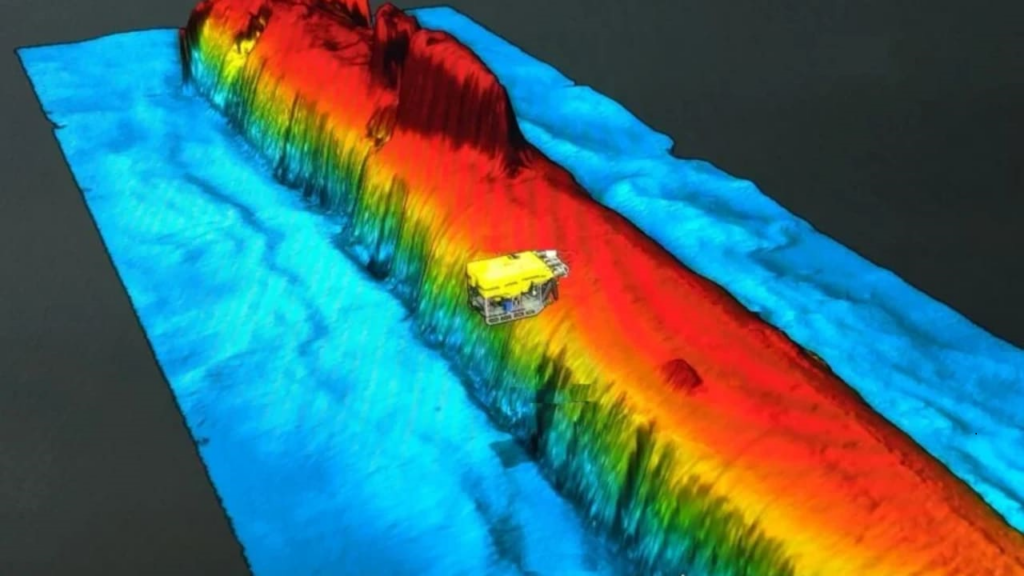
25. Soviet Sub Leaks Radiation – Norwegian Sea’s Hidden Nuclear Threat Exposed!
Oslo, Norway—Scientists monitoring a sunken Soviet nuclear submarine in the Norwegian Sea report ongoing radioactive emissions from its decaying reactor, with elevated isotopes and unusual uranium-plutonium ratios signaling persistent fuel corrosion. The Jerusalem Post details active leaks at the ventilation outlet and conning tower grill, confirming ongoing degradation after decades underwater, where seafloor organisms show localized uptake exceeding baseline levels.
Fast-moving currents have so far limited broad environmental damage, containing the plumes rather than allowing widespread contamination of fisheries or surface waters. Researchers warn that the wreck’s condition worsens at extreme depths, rendering repair or isolation technically daunting amid harsh conditions. Norwegian authorities have tracked this Cold War legacy as a decades-long concern, balancing persistent exposure risks against nature’s containment for now.
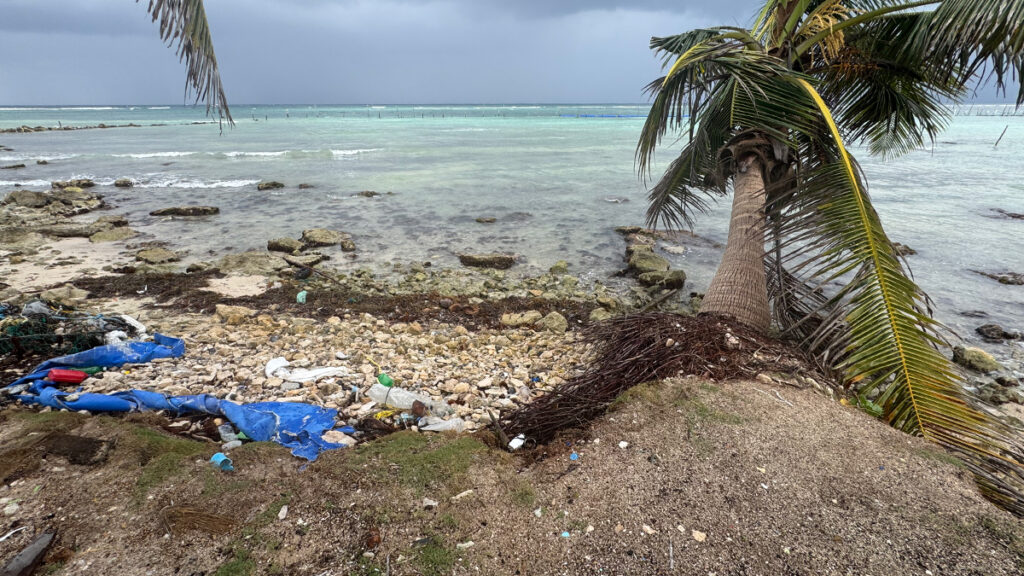
26. Microplastics Surf Air-Sea Highway – Cozumel Tracks Deadly Particle Dance!
Researchers transformed Cozumel, Mexico, into a natural lab, revealing how microplastics shuttle between ocean waves and island breezes in a dynamic exchange threatening marine life and human health. Eos reports a July 2023 campaign capturing airborne particles on a rooftop—averaging 9 MPs per cubic meter in the mornings, 6 in the afternoons—as onshore winds hauled marine contaminants inland before offshore gusts reversed the flow. Seawater sampling across the Cozumel Channel showed concentrations spiking from five particles per liter near the island to 35 near Playa del Carmen, with surface waters thickest and fibers dominating at 65% around 400 micrometers long.
Lab micro-FTIR confirmed plastic identities amid strict contamination controls, while OpenDrift modeling traced virtual particles: 40% lingered nearshore after 24 hours; others swept into the Gulf via the Yucatán Currents. This air-sea ping-pong, driven by local winds and powerful flows, explains coastal hotspots and global redistribution patterns that are now invading lungs, seafood, and distant shores.
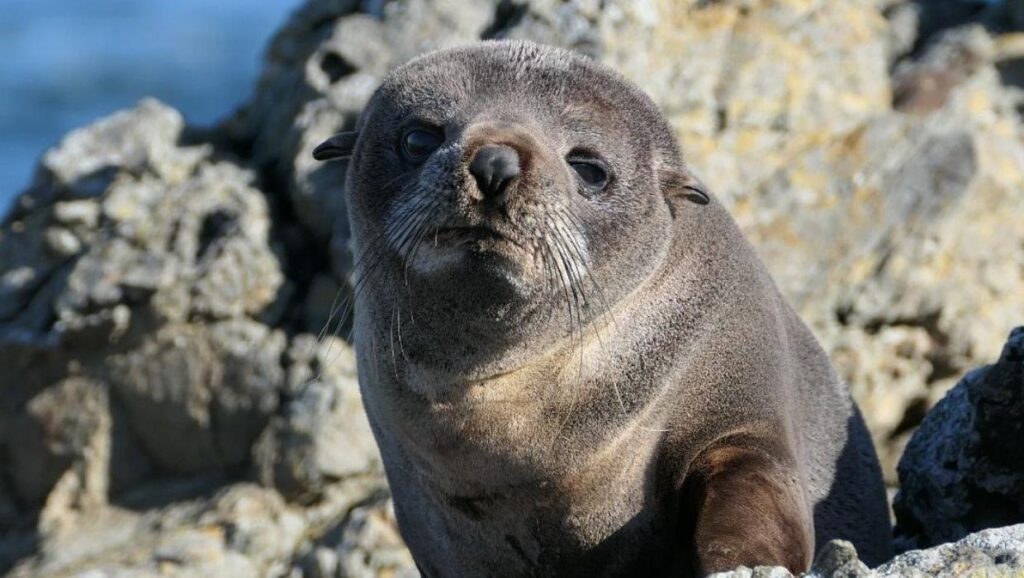
27. Sanctuary Slaughter: Marine Mammals Dying in “Protected” Ocean Zones!
Wellington, New Zealand—New Zealand’s marine sanctuaries fail to shield dolphins, seals, and other mammals, with 67 killed inside these zones during the last fishing year alone, including four endangered Hector’s dolphins. The Post reveals shocking data showing commercial fishing gear as the primary killer despite legal protections, as trawls, set nets, and lines ensnare protected species in areas meant to be safe havens.
Fur seals bore the brunt with dozens drowned, plus at least one leopard seal among the victims, exposing gaping enforcement failures in supposedly no-take zones. These deaths undermine biodiversity goals while fisheries claim sustainability, fueling calls for stricter monitoring, acoustic deterrents, and trawl bans to align with global standards that protect embattled populations. The crisis spotlights how paper parks without teeth let industrial operations ravage rare marine life right under conservation banners.
28. War’s Hidden Ocean Victims – Marine Life Pays the Ultimate Price!
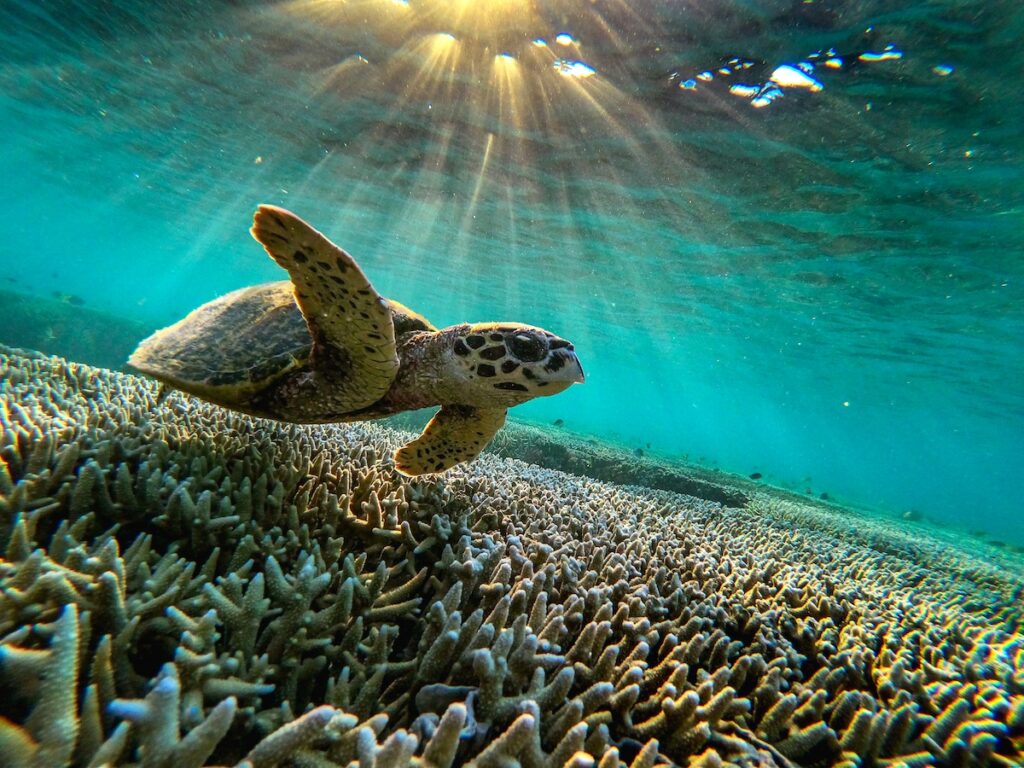
Escalating armed conflicts ravage marine ecosystems as collateral damage, with oil tanker strikes in the Red Sea and Strait of Hormuz threatening pristine Gulf coral reefs through potential fuel spills. Nature warns that attacks on Ukraine’s Black Sea oil-storage tanks already litter shores with dying birds, while broader warfare disrupts fisheries, dumps munitions, and poisons waters far from frontlines.
Middle East hostilities heighten leak risks near biodiversity hotspots already buckling under warming and overfishing, as damaged infrastructure unleashes hydrocarbons that smother reefs and devastate fish stocks. Black Sea incidents confirm immediate wildlife tolls from conflict debris, underscoring how modern wars amplify ocean crises through unregulated pollution. Scientists urge monitoring and rapid-response protocols to shield vulnerable seas caught in the geopolitical crossfire.