


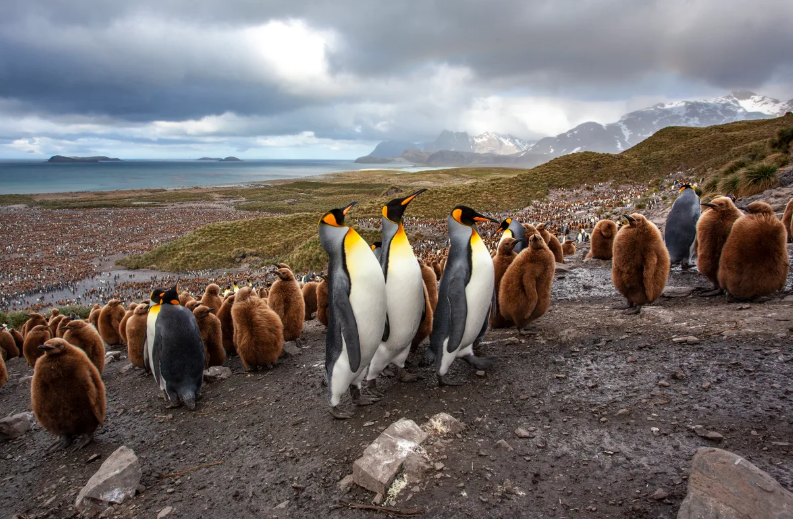
1. Bird Flu Slams Antarctica as Entire Penguin Colony Vanishes in Sudden Wildlife Crisis
A fast‑spreading wave of highly pathogenic avian influenza (HPAI) has surged into the Antarctic region, triggering severe wildlife losses across South Georgia and nearby islands. First detected there in October 2023, the virus has caused unprecedented mortality among southern elephant seals, with scientists estimating that up to 50,000 animals—nearly half of South Georgia’s breeding females—died between 2022 and 2024. An entire colony of gentoo penguins in the Falklands has also vanished. Researchers believe migrating brown skuas carried HPAI south after mixing with infected birds in South America.
Field teams describe beaches once crowded with seal harems now marked by “huge gaps,” with infected seals suffering lung damage that prevents diving. While penguins and albatrosses have also been affected, the scale of mortality remains far lower than the catastrophic seal losses. Scientists warn the virus is now firmly established across the region.
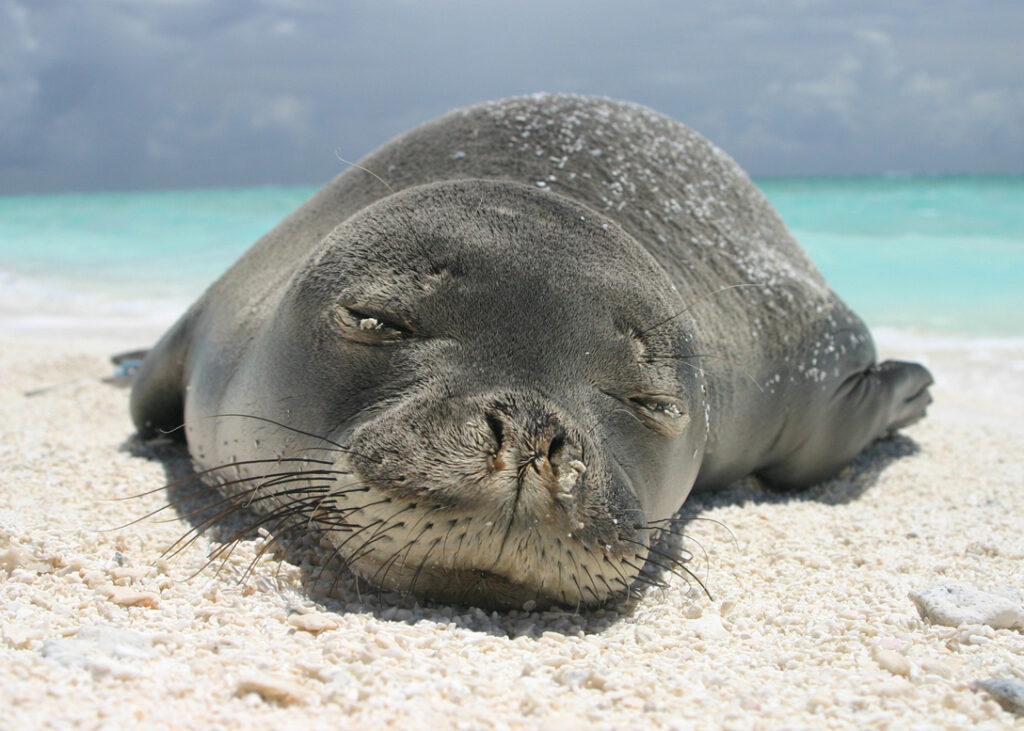
2. Scientists Sound Alarm as Iconic Hawaiian Monk Seal Tops Global Plastic‑Risk List
HONOLULU, Hawaiʻi — Maui Now reports that a sweeping new Conservation Biology study has identified the Hawaiian monk seal as the most vulnerable marine mammal on Earth to macroplastic pollution, ranking first among 117 species evaluated. Researchers from the Ocean Conservancy, Arizona State University, and the Shaw Institute assessed 11 biological and ecological traits associated with exposure, sensitivity, and population resilience.
Monk seals’ small population, proximity to the Great Pacific Garbage Patch, and frequent entanglement in fishing gear pushed them to the top of the global risk list. The study also shows that more than one‑third of marine mammals are already classified as vulnerable, endangered, or critically endangered, and 17 of the 22 highest‑risk species fall into those categories. Scientists say Hawaiʻi’s targeted debris‑removal programs have helped monk seals rebound, offering a rare point of optimism as plastic pollution continues to surge worldwide.
Thank you for your generous gift that will help us continue the production of this weekly, free publication
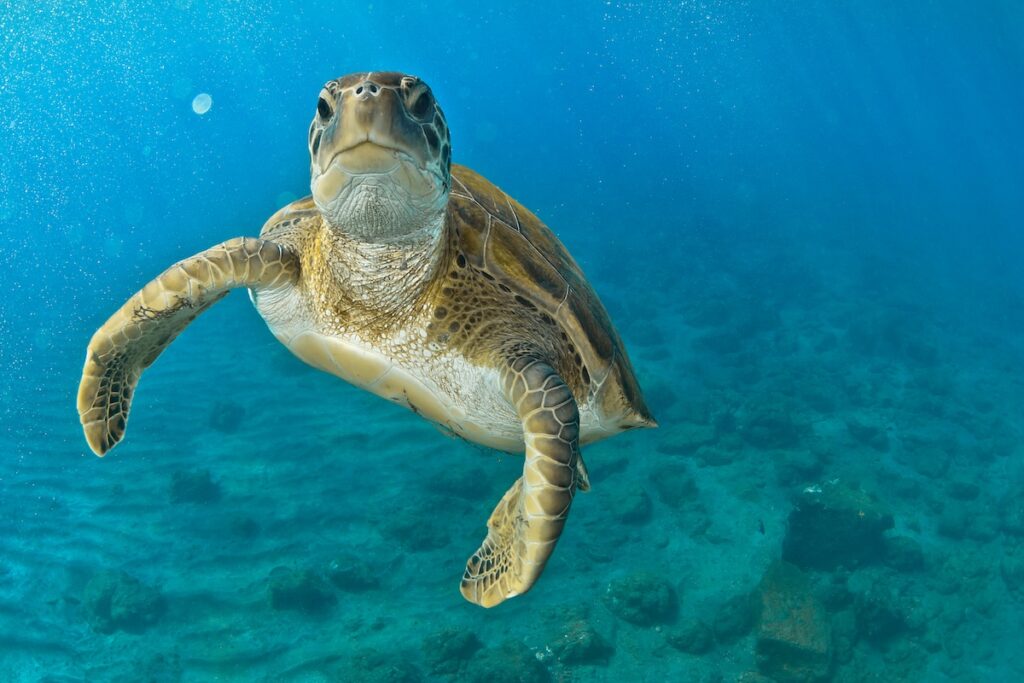
3. Environmental Groups Launch New Legal Blitz After Species Protections Are Stripped
Environmental groups are mounting a fresh legal challenge after the federal Endangered Species Committee—known as the “God Squad”—approved a sweeping exemption allowing Gulf of Mexico oil and gas operations to bypass Endangered Species Act protections. The exemption, requested by the Secretary of Defense on national security grounds, removes safeguards for species, including the critically endangered Rice’s whale and Kemp’s ridley sea turtle. The Southern Environmental Law Center is now petitioning the U.S. Court of Appeals for the District of Columbia, arguing the administration’s move threatens wildlife already harmed by past disasters such as the Deepwater Horizon spill.
A separate coalition, represented by Earthjustice, has also filed suit, asserting that the national security justification is arbitrary and that it places more than two dozen threatened or endangered species at direct risk from noise, vessel strikes, and potential spills. Both cases seek to halt or overturn the exemption.
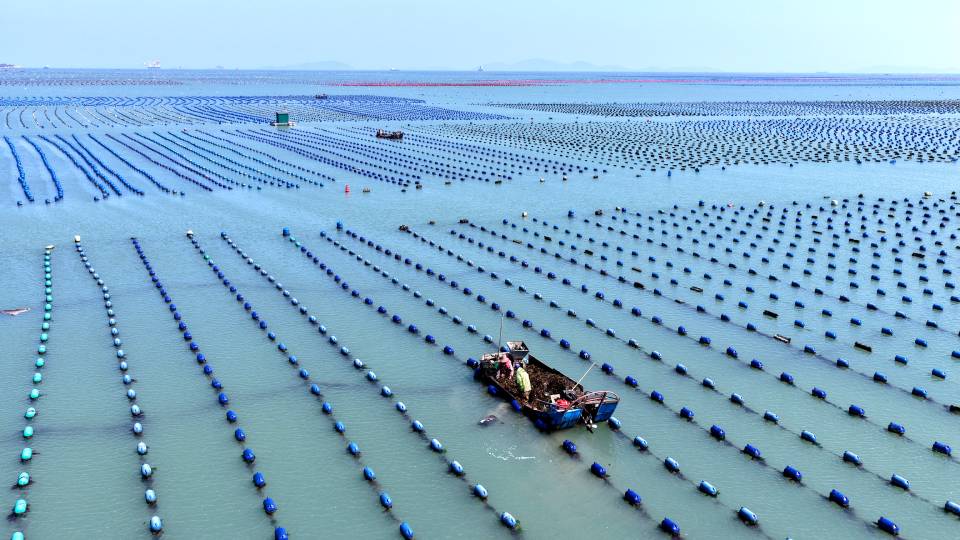
4. China’s $70 Million Power Play Shakes Up Global Ocean Treaty Politics
NEW YORK, United States — As diplomats negotiated the new BBNJ high‑seas treaty at UN Headquarters, China unveiled an aggressive, well‑funded campaign to host the treaty’s secretariat in Xiamen, signaling a major push to shape global ocean governance. Beijing has pledged roughly $70 million in cost reductions, utilities waivers, and contributions to treaty funds, including $3 million to support developing‑country participation.
Rival bids from Belgium and Chile offer far smaller financial packages, prompting several island and developing states to quickly back China’s proposal. The bid has also raised concerns among delegates, who questioned data security, civil‑society access, and diplomatic immunity protections under a China‑based secretariat. Analysts say the contest reflects deeper geopolitical tensions, including China’s efforts to position itself between the Global North and South and to expand its influence in multilateral institutions.
5. Global Tensions Stall Key Decisions as Countries Struggle to Launch BBNJ Treaty at COP1
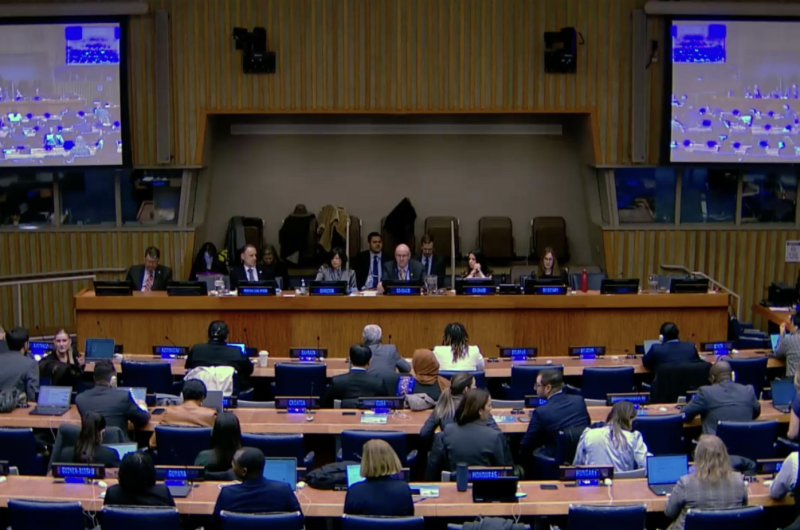
NEW YORK, United States — Delegates at the third Preparatory Commission (PrepCom III) meeting for the new high‑seas biodiversity treaty reported mixed progress, with several core governance issues still unresolved ahead of COP1. The session, held at UN Headquarters from March 23 to April 2, 2026, was tasked with preparing draft decisions and institutional documents following the treaty’s entry into force in January. Countries reached an agreement on operationalizing the Clearing‑House Mechanism and Special Fund and advanced a draft memorandum of understanding with the Global Environment Facility.
But major sticking points remained. Negotiators failed to agree on rules of procedure, financial regulations, or terms of reference for subsidiary bodies—issues now forwarded to COP1. According to the Earth Negotiations Bulletin, many disputes had “nothing to do with the ocean” and instead reflected long‑standing geopolitical divisions. Delegates also began evaluating bids from Belgium, Chile, and China to host the permanent secretariat.
6. UN Nations Race to Finalize Key Systems as BBNJ Treaty Nears Full Operational Launch
NEW YORK, United States — Countries are making a final push to operationalize the new high‑seas biodiversity treaty, but major governance questions remain unresolved as the BBNJ Agreement moves toward its first Conference of the Parties. Delegates at the third Preparatory Commission meeting advanced several core elements, including procedures for launching the Clearing‑House Mechanism and the Special Fund, as well as a draft memorandum of understanding with the Global Environment Facility.
They also began evaluating bids from Belgium, Chile, and China to host the treaty’s permanent secretariat. But progress stalled on foundational issues. Negotiators failed to agree on rules of procedure, financial regulations, or terms of reference for subsidiary bodies—disputes the Earth Negotiations Bulletin noted were “rooted in long‑standing” geopolitical tensions rather than ocean policy. These unresolved items will now be addressed at COP1, where the treaty’s institutional architecture will be finalized.
7. Scientists Uncover Hidden Ocean Methane Engine That Could Supercharge Global Warming
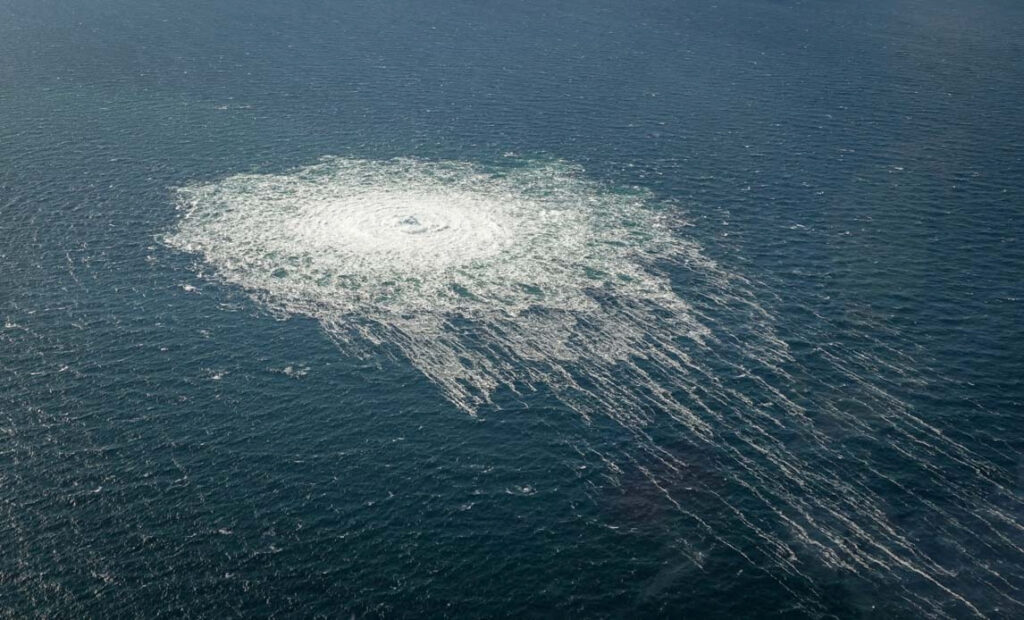
ROCHESTER, New York — A new study published in Proceedings of the National Academy of Sciences (PNAS) reveals a long‑overlooked methane source in the open ocean that could intensify climate change far beyond current projections. Researchers from the University of Rochester have identified a mechanism in which certain bacteria generate methane in oxygen‑rich surface waters—a contradiction that puzzled oceanographers for decades. The team found that when phosphate levels become scarce, these microbes switch metabolic gears and begin producing methane, especially in nutrient‑poor regions.
As climate change warms the ocean and slows vertical mixing, fewer nutrients rise from the deep, creating ideal conditions for methane‑producing bacteria to flourish. Scientists warn this could trigger a dangerous feedback loop: warming reduces nutrient mixing, methane emissions rise, and warming accelerates further. Critically, this process is not included in most major climate models, leaving a significant blind spot in global warming predictions.
8. Ghana Stuns West Africa With Landmark Marine Reserve to Rescue Collapsing Fisheries
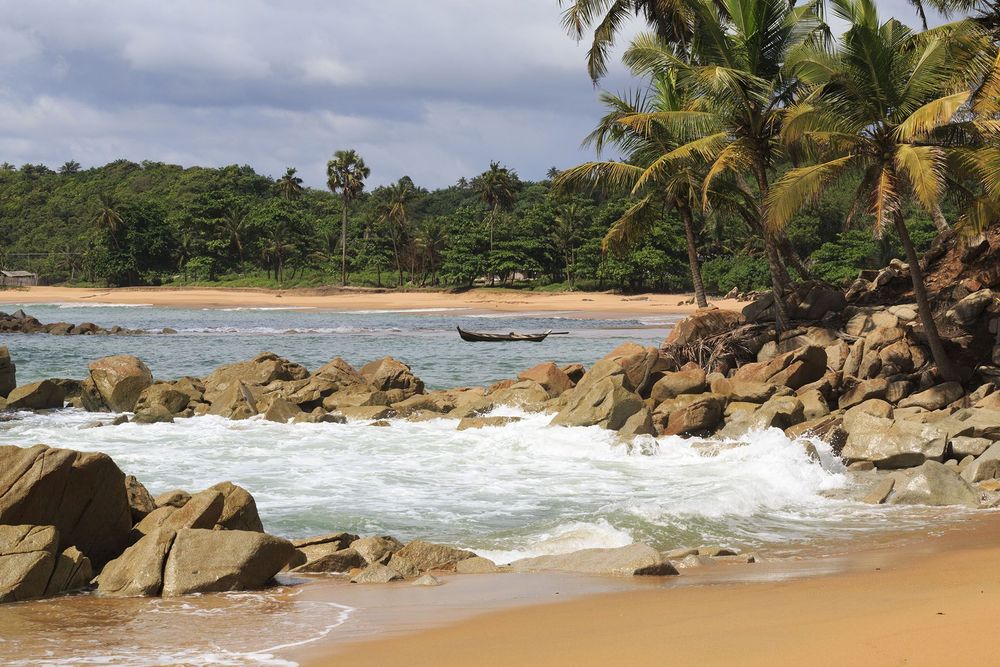
ACCRA, Ghana — Ghana has declared its first marine protected area, establishing the 703-square-kilometer Greater Cape Three Points Marine Protected Area along the country’s western coastline in a sweeping effort to rebuild collapsing fish stocks and safeguard coastal livelihoods. Announced on April 14 by Vice President Naana Jane Opoku‑Agyemang, the designation marks a major shift toward long‑term ecosystem stewardship in one of West Africa’s most biodiverse marine regions. The area includes critical fish nurseries, mangrove wetlands, and reef systems that buffer communities from erosion and storm surges.
Officials say the move follows years of scientific research and community consultations, supported by the nonprofit Hen Mpoano and international partners. The MPA introduces a zoning system that restricts extractive activities in sensitive habitats while allowing regulated fishing elsewhere. Leaders emphasize that recovery will depend on enforcement, community co‑management, and sustained investment in monitoring and surveillance.
9. Soaring Energy Bills Push States to Hit the Brakes on Aggressive Climate Targets
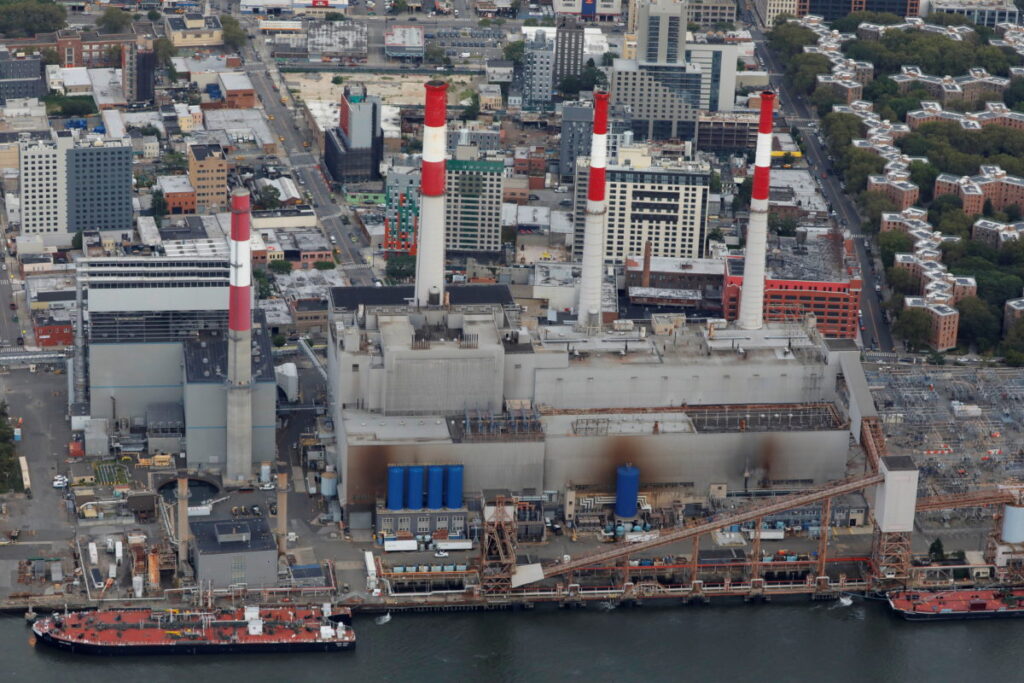
Rising electricity prices are forcing several U.S. states to reconsider once‑ambitious climate commitments, with New York emerging as the most prominent example. Gov. Kathy Hochul is seeking to delay the state’s legally mandated 2030 emissions‑reduction target, arguing that imposing planned fees on polluters now would sharply increase household energy costs. Residential electricity prices rose 27% nationwide from 2019 to 2024, with the steepest spikes in California and the Northeast, intensifying political pressure to prioritize affordability.
Other Democratic‑led states are also retreating from earlier goals: Rhode Island has proposed pushing its 100% renewable deadline from 2033 to 2050, and Connecticut has scaled back its 2030 renewable target. Environmental groups warn the rollbacks are shortsighted, noting that states like California continue to rely on cap‑and‑invest systems to fund clean‑energy programs. Critics argue that delaying action will ultimately raise long‑term costs.
10. Scientists Warn El Niño Is Poised for a Comeback as Oceans Hit Near‑Record Heat
Global ocean temperatures surged to near‑record highs in March, signaling what climate monitors say is a likely shift back toward El Niño conditions later this year. The EU’s Copernicus Climate Change Service reported the second‑warmest March sea‑surface temperature ever recorded, trailing only 2024, when a strong El Niño drove extreme marine heat. The World Meteorological Organization similarly forecasts a transition from the current La Niña cooling phase to neutral conditions, followed by El Niño.
Scientists warn that the trend is accelerating global heat extremes. The United States just logged its hottest March in 132 years, with one‑third of the country experiencing temperatures that would have been “virtually impossible” without human‑driven warming. Copernicus data show global air temperatures now sit 1.3–1.4°C above pre‑industrial levels, while Arctic sea ice hit a record low for March, underscoring rapid planetary warming.
11. Argentina Makes Bold Digital Leap With New eCITES System to Track Wildlife Trade
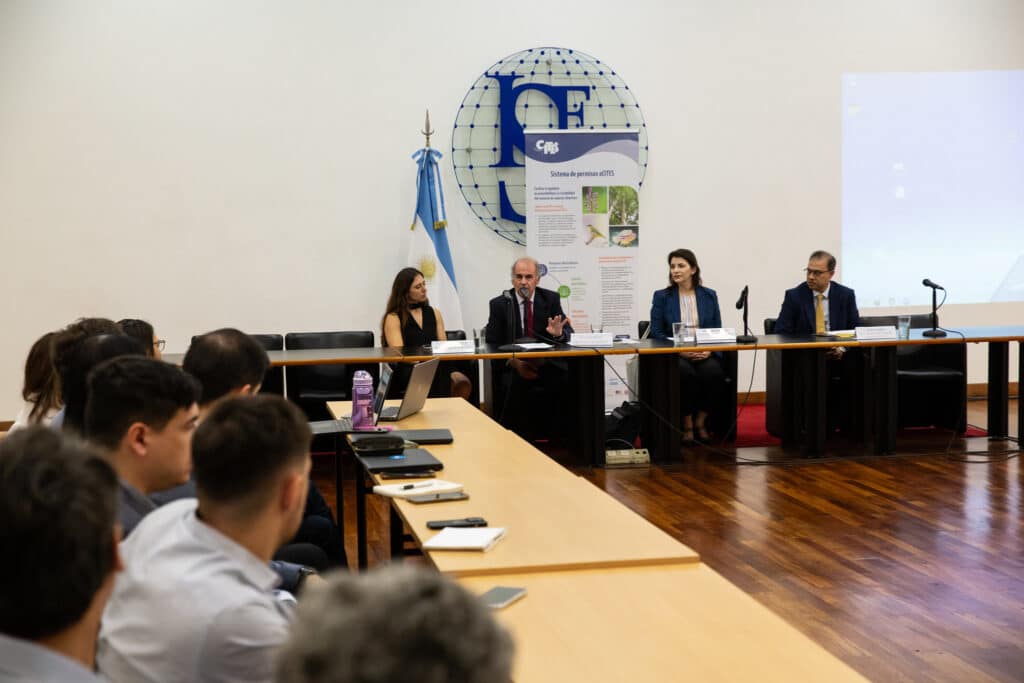
BUENOS AIRES, Argentina — Argentina has taken a major step toward fully digitizing its wildlife‑trade controls, advancing plans for an interoperable eCITES permit system that will replace paper documents with secure, real‑time electronic verification. During a national workshop on March 31, authorities endorsed the integration of eCITES into the country’s Single Window for Foreign Trade (VUCE), allowing traders to submit all import, export, and transit documentation through a single platform.
A feasibility assessment commissioned by the CITES Secretariat found Argentina has strong legal foundations for digitalization but still faces institutional and technical gaps, including manual uploads, offline checks, and limited staffing capacity. Officials agreed to form a joint project team and pursue phased implementation, with a pilot targeted for June 2026. CITES leaders said the transition will strengthen transparency, traceability, and sustainable trade across Argentina’s plant, timber, aquatic, and terrestrial species.
12. Latin America Steps Up Fight Against Wildlife Trafficking With New Demand‑Reduction Push
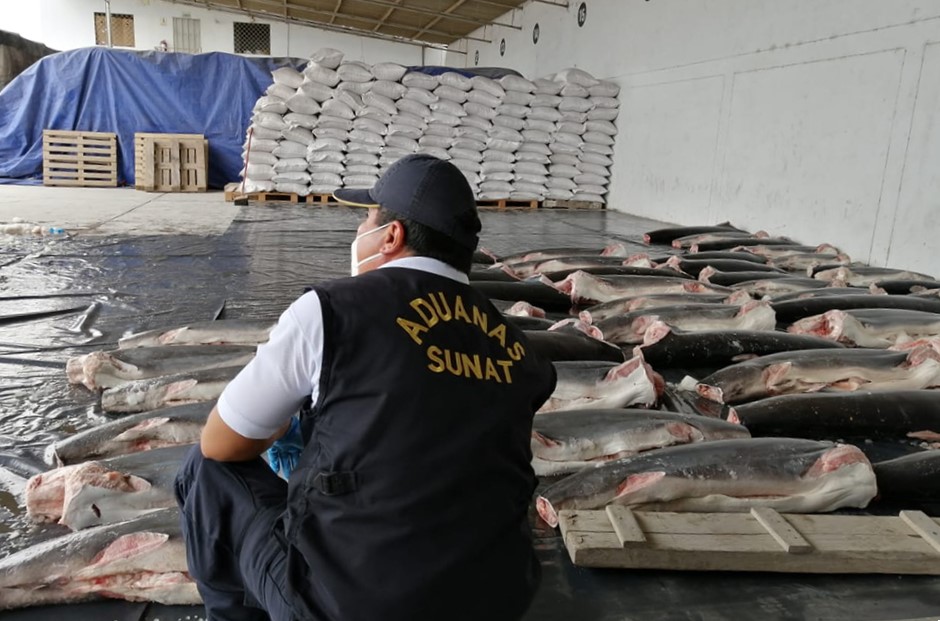
BOGOTÁ, Colombia — Latin American countries are expanding demand‑reduction strategies to curb illegal wildlife trade, recognizing that enforcement alone cannot stop trafficking across the region. At a regional workshop hosted by Colombia and the CITES Secretariat from March 18–19, officials from 20 Parties worked with TRAFFIC facilitators to apply CITES’ five‑step behavior‑change framework to reduce consumer demand for illegally traded species. Participants identified priority groups—including timber, birds, sharks, and amphibians—and discussed how targeted interventions could reinforce existing enforcement and livelihood programs.
Experts emphasized that illegal trade continues to threaten biodiversity, fuel organized crime, and undermine sustainable development. CITES Secretary‑General Ivonne Higuero noted that reducing demand is essential to achieving the Convention’s Strategic Vision, while Colombian officials stressed the region’s vulnerability, as it is home to roughly 40% of global biodiversity. The workshop builds on training efforts launched after CoP19.
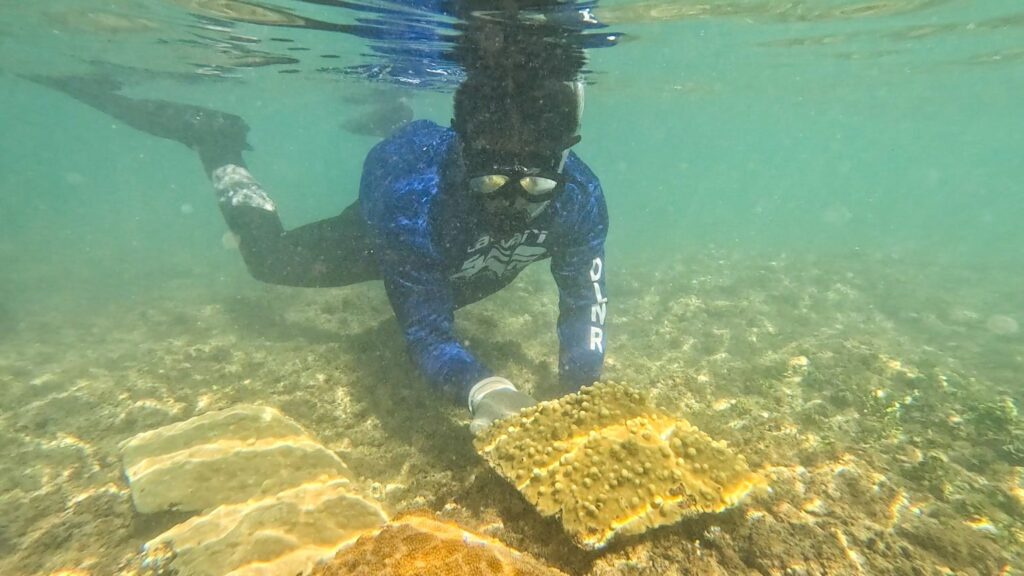
13. Hawaiʻi Plants First Nursery‑Grown Corals in Waikīkī in Landmark Reef Restoration Effort
HONOLULU, Hawaiʻi — The Hawaiʻi Coral Restoration Nursery has completed the first‑ever coral outplanting within the Waikīkī Marine Life Conservation District, placing nursery‑grown corals onto the reef flat between the Waikīkī Aquarium and the Waikīkī Natatorium. The site was chosen with strong community input, reflecting its cultural significance and high visibility. Corals grown in tanks on Sand Island were transported and carefully attached to the reef by teams from the Division of Aquatic Resources and the Waikīkī Aquarium, while educators engaged beachgoers and explained the restoration process.
Officials emphasized that coral reefs are foundational to Hawaiʻi’s nearshore ecosystems, supporting marine life, protecting shorelines, and providing cultural value. Established in 1988, the 76‑acre MLCD prohibits fishing and disturbance of marine life. The new outplanting serves as a visible sign that reef recovery is possible and actively underway.
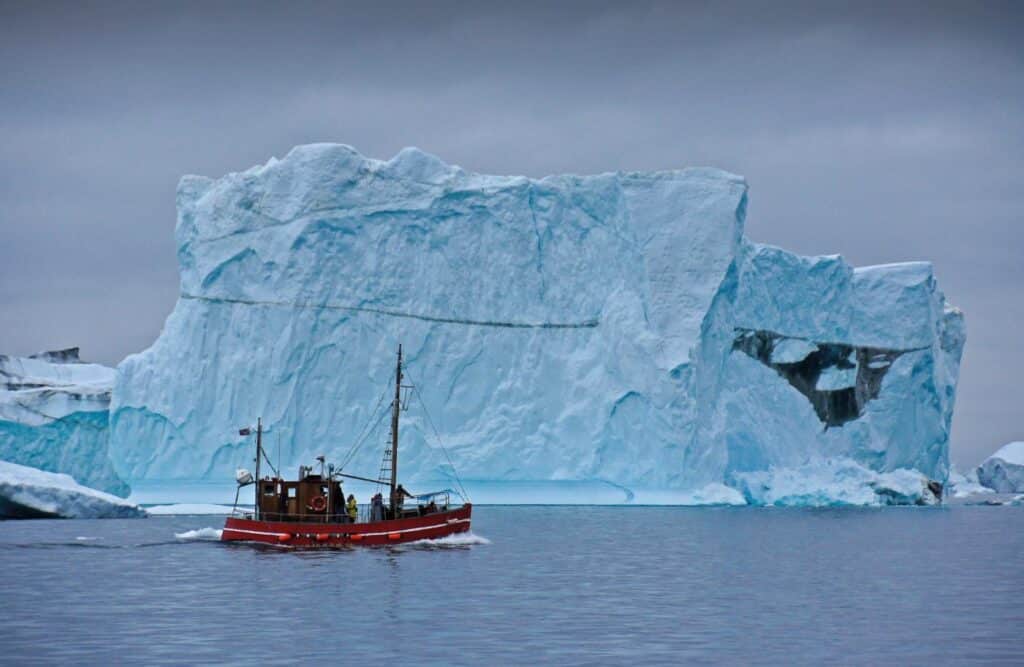
14. EU and Iceland Deepen Arctic Alliance as Fisheries and Blue‑Economy Talks Gain Urgency
REYKJAVIK, Iceland — The European Union and Iceland will convene a High‑Level Dialogue on ocean cooperation to advance joint work on sustainable fisheries, Arctic governance, and the blue economy. Commissioner for Fisheries and Oceans Costas Kadis will meet with Iceland’s Minister of Industry Hanna Katrín Friðriksson to review progress under the 2025 EU‑Iceland Memorandum of Understanding, which builds on a fisheries partnership dating back to 1993. Discussions will center on Arctic collaboration, stock conservation, quota management, and strengthening engagement in Regional Fisheries Management Organisations.
Kadis will also visit Grindavík, the coastal community that has been heavily affected by volcanic eruptions since 2023, to meet with fishers and assess local resilience. His itinerary includes the Iceland Ocean Cluster, a leading hub for circular blue‑bioeconomy innovation aligned with the EU’s European Ocean Pact. Officials say the dialogue reflects a shared commitment to healthy oceans and thriving coastal communities.
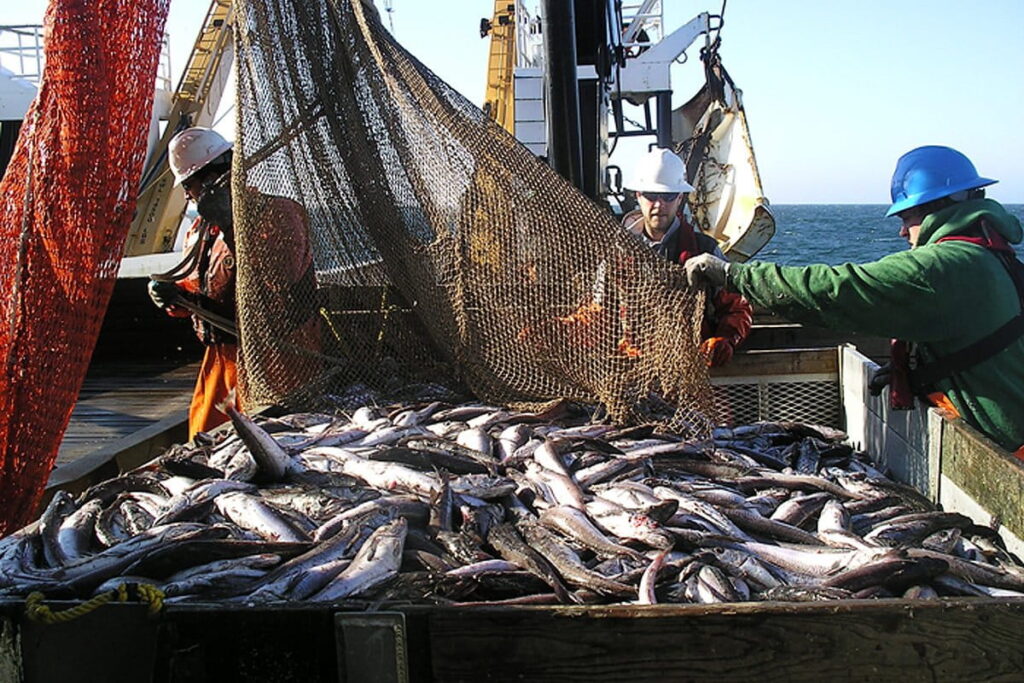
15. Iconic U.S. Fisheries Law Turns 50 as Deep Budget Cuts Threaten Decades of Recovery
WASHINGTON, D.C. — The U.S. Magnuson‑Stevens Act (MSA), the landmark 1976 fisheries law credited with rebuilding dozens of depleted stocks and ending the “wild west” era of unregulated coastal fishing, marked its 50th anniversary on April 13. Conservationists warn the law’s achievements are now at risk as federal budget proposals call for nearly $1.6 billion in cuts to NOAA, the agency responsible for implementing the MSA.
Before the law’s passage, foreign and domestic fleets fished heavily just 12 miles offshore, pushing species like cod, haddock, lobster, and yellowtail flounder toward collapse. The MSA extended U.S. jurisdiction to 200 nautical miles and created regional fishery management councils that rely on science‑based plans. NOAA reports that more than 50 fish stocks have been rebuilt since 2000, yet 18% remain overfished. Advocates say funding cuts could undermine monitoring, enforcement, and long‑term sustainability.
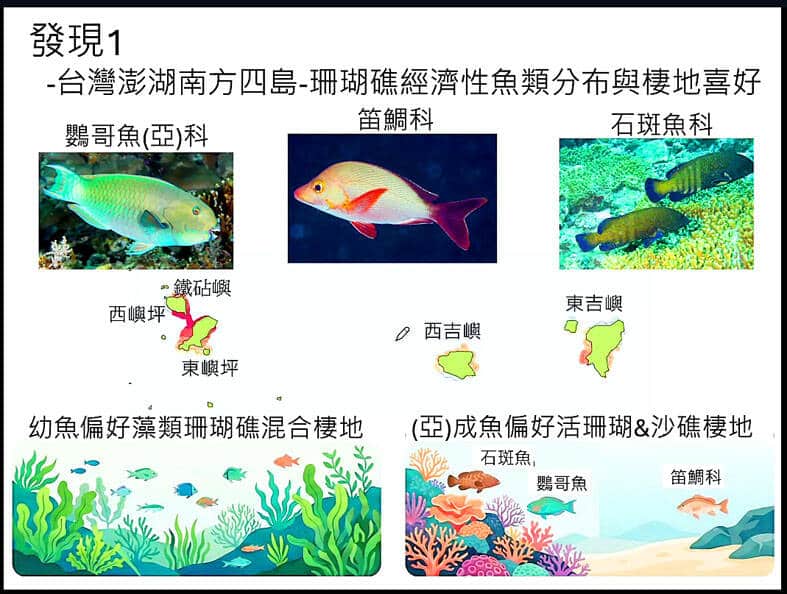
16. Scientists Warn Taiwan’s Marine Park Misses Critical Habitat Needed to Save Key Fish Species
TAIPEI, Taiwan — Taiwanese marine biologists are urging the government to overhaul conservation policies after new research showed that juveniles of commercially valuable fish rely heavily on mixed algal‑coral reefs—habitats not currently protected within the South Penghu Marine National Park. A joint team from Tunghai University and the Fisheries Research Institute tracked grouper, snapper, and parrotfish populations around Penghu from 2013 to 2015 and again in 2023–2024. While adult fish migrate to coral and cay reefs, juveniles consistently gather in mixed‑reef areas near Dongyuping and Siyuping, leaving them vulnerable to human activity.
Researchers say the park’s existing conservation zone, established in 2014, overlooks these essential nursery habitats. Officials from the Marine National Park Headquarters acknowledged the findings, noting the government has the authority to redraw boundaries and apply new restrictions based on emerging science.
17. Brazil Stuns Conservation World With Creation of a Million‑Hectare Ocean Refuge
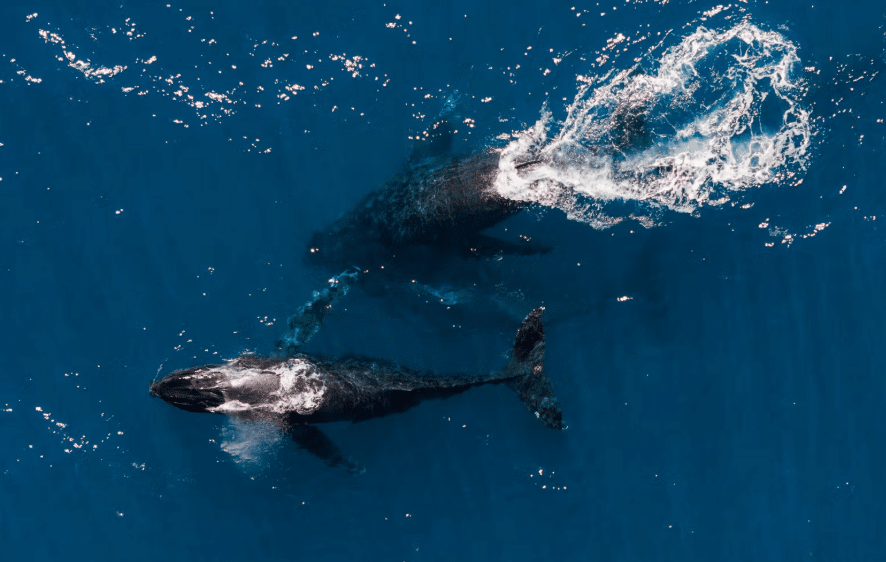
RIO GRANDE DO SUL, Brazil — After two decades of scientific advocacy and political setbacks, Brazil has established the Albardão Marine National Park, a fully protected 1‑million‑hectare ocean reserve at the country’s southernmost tip. The region’s collision of warm tropical currents and frigid Antarctic waters creates one of Earth’s most biologically rich marine systems, home to sea turtles, humpback and southern right whales, and at least 24 threatened species, including the endangered Franciscana dolphin.
Conservation International and partners accelerated momentum by publishing 11 studies in six months, documenting biodiversity and outlining sustainable economic alternatives. The park’s design includes a no‑take core zone surrounded by a 558,000‑hectare buffer that allows limited artisanal fishing, balancing protection with community livelihoods. Advocates say the designation—Brazil’s first new marine protected area in more than a decade—offers a rare chance to reverse steep declines from overfishing and bycatch.
18. Scientists Reveal Darwin Harbour’s Hidden Biodiversity Hotspot Rivaling Ningaloo Reef
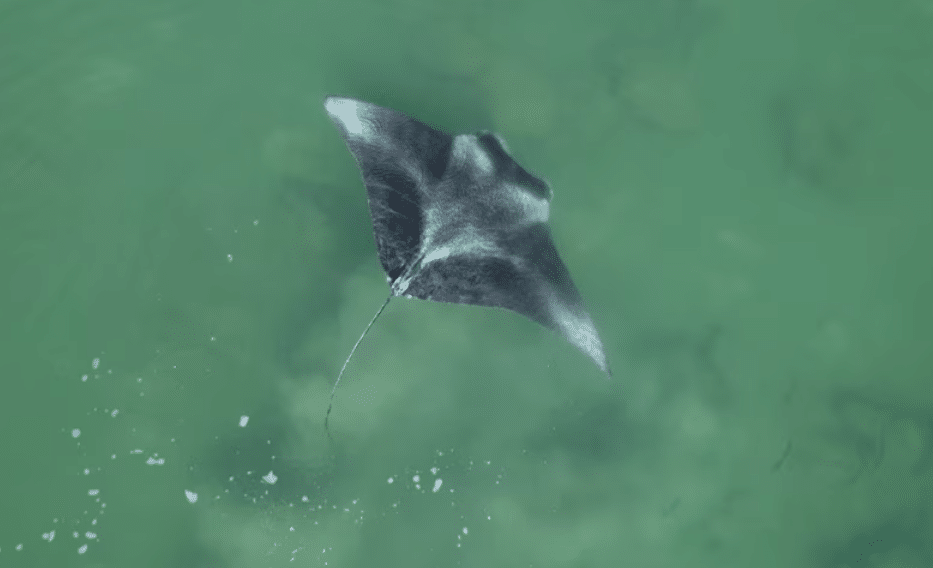
DARWIN, Australia — A new report has found that Darwin Harbour hosts biodiversity on par with Western Australia’s World Heritage‑listed Ningaloo Reef, challenging long‑held assumptions about the region’s ecological value. Commissioned by Environment Centre NT and produced by Oceanwise Australia, the study identifies hundreds of species across fish, sharks, rays, turtles, sea snakes, crustaceans, sponges, mangroves, and migratory birds. Researchers documented globally significant populations of four of the world’s five critically endangered sawfish species, six of seven marine turtle species, and seven dolphin species.
Scientists warn the harbour faces mounting threats from oil and gas leaks, acidic iron‑ore pollution, aging military fuel tanks, and rapid sea‑level rise—now increasing faster in Darwin than anywhere else in Australia. They argue the findings justify stronger protections, noting the harbour contains one of the Indo‑Pacific’s most important mangrove ecosystems and nationally significant shorebird habitat.
19. Rare Double‑Capture of Tagged Sea Turtle Gives Scientists Unprecedented Look at Gulf Habitat
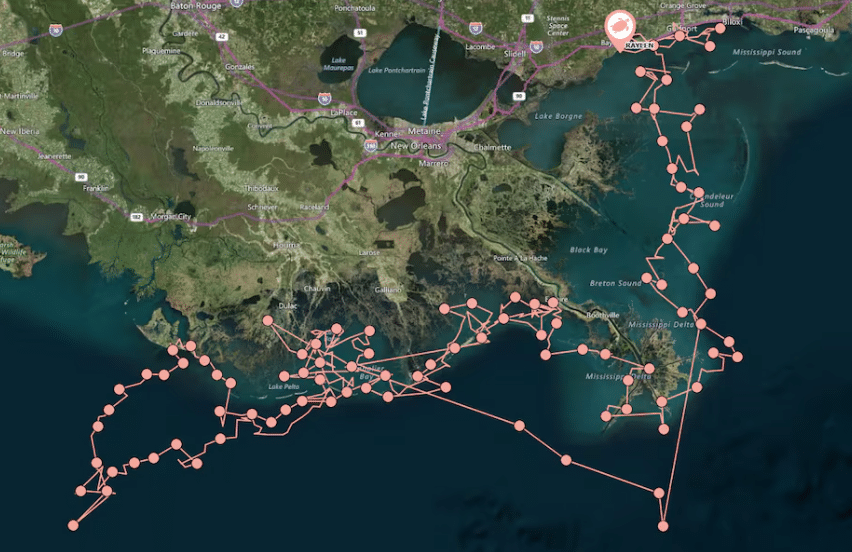
GULFPORT, Mississippi — A Kemp’s ridley sea turtle named after WLOX reporter Raylen Ladner has returned to rehabilitation, giving researchers an unusually detailed look at how the world’s most endangered sea turtle uses the northern Gulf of Mexico. Raylen was one of five turtles released south of Cat Island in December, and one of only two fitted with satellite tags. Tracking data shows she traveled hundreds of miles through Louisiana waters, reaching the mouth of the Mississippi River and western Louisiana before returning to the Mississippi Sound, where she was accidentally hooked again on Washington Pier.
Scientists say recapturing a tagged turtle is extremely rare and provides valuable insight into foraging behavior, water‑temperature preferences, and human interactions. The Institute for Marine Mammal Studies is now evaluating her tag performance and preparing her for release in the coming weeks.
20. Warming Oceans Push Great White Sharks Toward a Dangerous Physiological Breaking Point
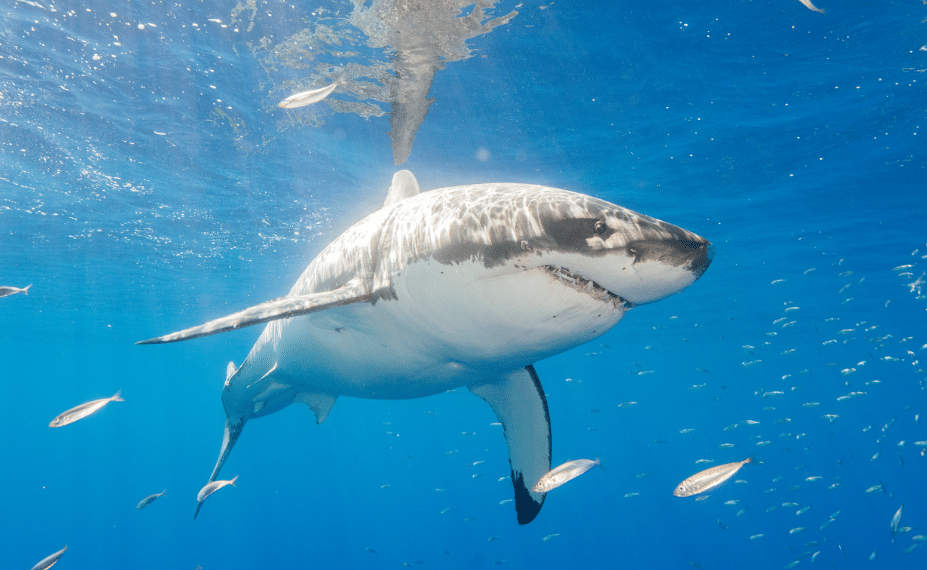
LONDON, U.K. — Great white sharks and other warm‑bodied “mesothermic” predators may be far more vulnerable to ocean warming than previously understood, according to new research published in Science. These species maintain body temperatures above those of the surrounding seawater, a trait that once gave them an evolutionary advantage but now risks pushing them into fatal overheating as oceans warm. Researchers found that large mesotherms—great whites, basking sharks, thresher sharks, porbeagles, and bluefin tuna—burn up to four times more energy than cold‑blooded fish and face shrinking habitat as waters exceed their thermal limits.
A one‑ton shark may struggle in temperatures above 17°C (62.6°F). Scientists warn that warming compounds existing threats such as overfishing and bycatch, which remain the most immediate danger. Declines in great white sightings in South Africa reflect multiple pressures, including habitat loss and prey depletion.
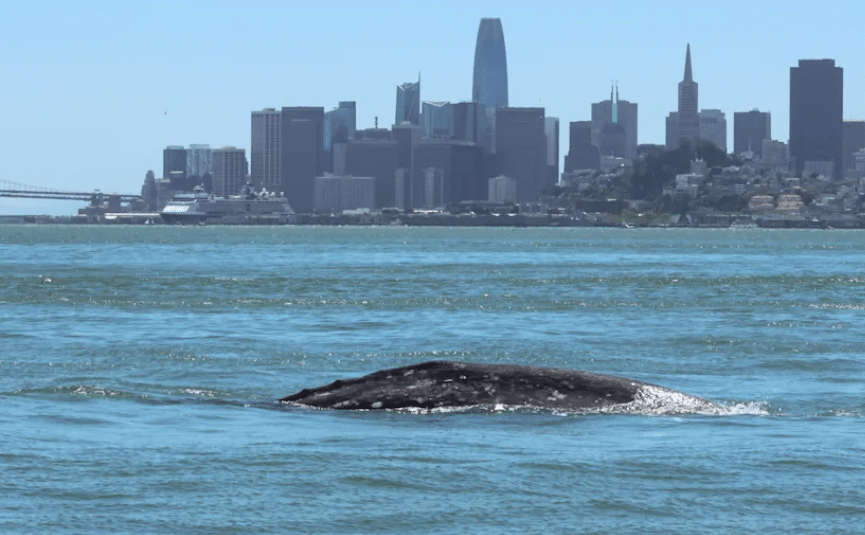
21. New Study Reveals Grim Toll: Nearly 1 in 5 Gray Whales Entering San Francisco Bay Die There
SAN FRANCISCO, California — Gray whales foraging inside San Francisco Bay are dying at far higher rates than previously understood, with new research showing that 18% of identified whales entering the bay between 2018 and 2025 were later found dead. Scientists from the Marine Mammal Center and the California Academy of Sciences say climate‑driven shifts in Arctic prey are pushing hungry whales into the bay’s narrow, vessel‑crowded waters.
Of 114 whales cataloged, only four were ever seen in more than one year, suggesting most do not survive or do not return. Necropsy records show that boat strikes accounted for more than 40% of local deaths, while many others were severely malnourished. Researchers warn that whale use of the bay is increasing, with 36 individuals documented in 2025 alone. They say targeted monitoring, vessel‑speed reductions, and route adjustments could reduce mortality.
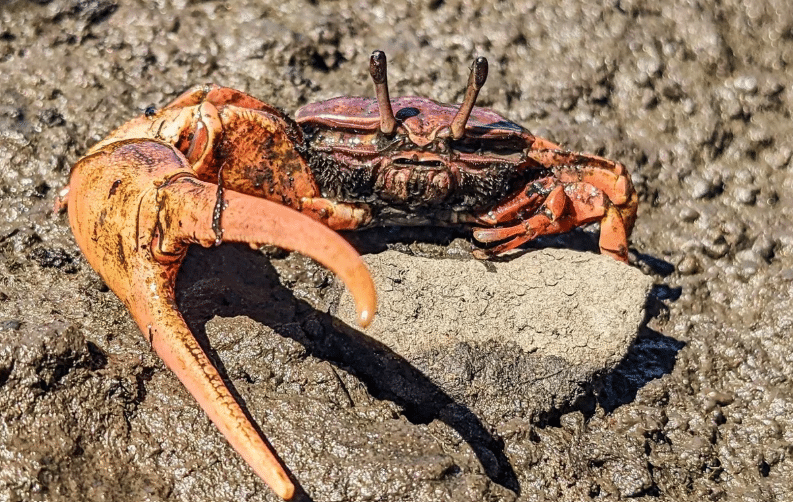
22. Scientists Map the Surprising Global Reach of the Mangrove Fiddler Crab
New research highlights the unexpectedly wide distribution of the mangrove fiddler crab (Austruca annulipes), a species found across East Africa, the Red Sea, the Persian Gulf, South Asia, Southeast Asia, and northern Australia. The crab thrives in mangrove forests, mudflats, and sheltered tropical coastlines, where males are known for their oversized signaling claw. Scientists note that the species’ range reflects both natural dispersal and the connectivity of Indo‑Pacific coastal ecosystems.
Its larvae drift long distances on ocean currents, allowing populations to establish across thousands of miles of shoreline. Researchers say the crab plays an important ecological role by aerating sediment, recycling nutrients, and supporting mangrove health. As coastal development and climate‑driven habitat loss accelerate, scientists warn that protecting mangrove systems is essential to safeguarding the species’ long‑term survival.
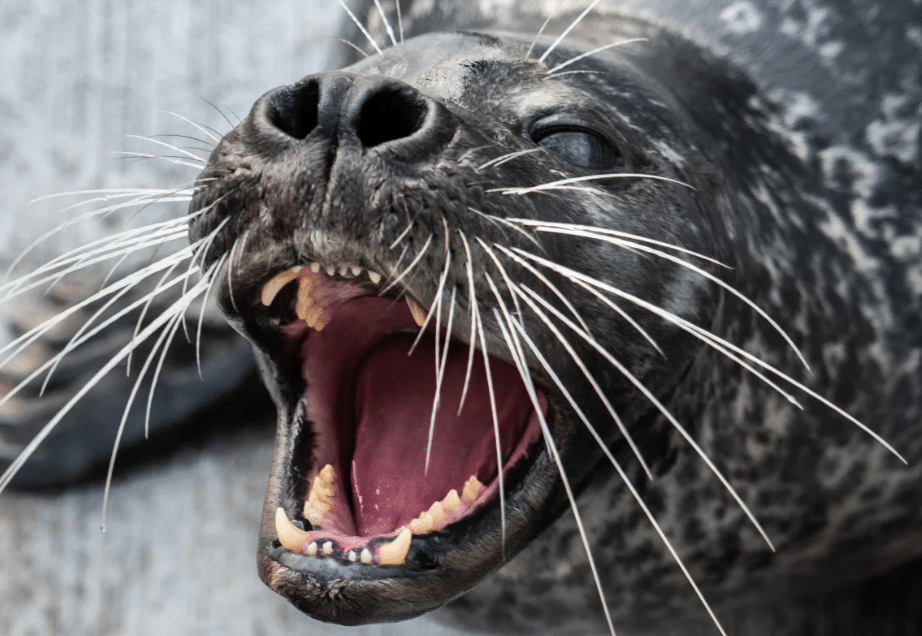
23. Harbor Seals Use Their Whiskers Like High‑Tech Sensors to Track Fish in Murky Waters, Scientists Find
SEATTLE, Washington — New research shows harbor seals can track fish with astonishing precision using only their whiskers, detecting subtle water disturbances even in total darkness. Scientists at the University of Washington and NOAA placed trained seals in controlled tanks and found that they could follow the hydrodynamic trails of fish minutes after the fish passed, relying on whiskers that flutter independently to sense pressure changes.
The findings help explain how seals hunt in turbid estuaries and deep coastal waters where visibility is near zero. Researchers say the work also sheds light on how marine mammals may adapt—or struggle—as climate change alters prey behavior and underwater noise. Understanding whisker‑based tracking could improve conservation strategies for seal populations facing habitat loss, warming seas, and increased vessel traffic.
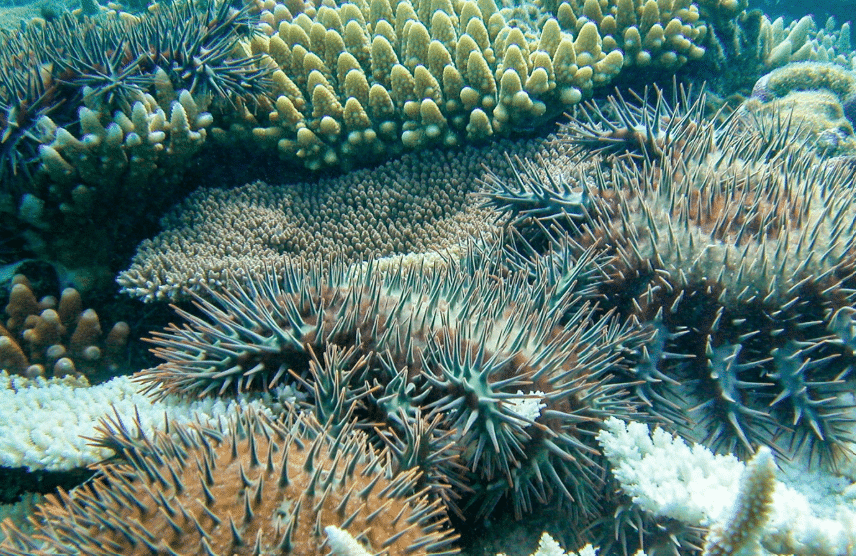
24. Scientists Uncover “Perfect Storm” Behind Coral‑Eating Starfish Outbreaks on the Great Barrier Reef
TOWNSVILLE, Australia — New research from the Australian Institute of Marine Science suggests that crown‑of‑thorns starfish (COTS) outbreaks on the Great Barrier Reef may be fueled by a powerful combination of deep‑sea upwelling and land‑based nutrient run-off. Scientists detected COTS larvae deeper than ever before—down to 30 meters—indicating access to nutrient‑rich phytoplankton blooms that accelerate larval survival. Upwelling events along the continental shelf were found to be common during the summer spawning season, elevating chlorophyll and phytoplankton levels at depth.
The study analyzed water samples from more than 250 sites across eight spawning seasons, using environmental DNA to detect larvae at 20% of locations. Researchers say the findings show how deep‑water nutrient pulses, combined with wet‑season runoff, may create ideal conditions for COTS population explosions. With a fifth outbreak recently confirmed, scientists warn that managing these pressures is critical as climate change further stresses coral recovery.

25. This Bizarre Sea Creature Can Reverse Its Age — And Scientists Think It May Hold Clues to Biological Immortality
NEW YORK, N.Y. — New research on the comb jelly Mnemiopsis leidyi reveals that the gelatinous predator can reverse its life cycle, transforming from an adult back into a juvenile form when injured or stressed. Scientists say the process, known as reverse development, allows the animal to effectively reboot its body, shedding damaged tissues and regenerating new ones. Unlike jellyfish, comb jellies belong to a distinct ancient lineage, making their regenerative abilities especially intriguing to evolutionary biologists.
Laboratory experiments show that adults can revert within days, regaining full function and continuing to reproduce normally afterward. Researchers believe the species’ cellular plasticity could offer insights into wound healing, aging, and the origins of regeneration across early animal groups. While far from human application, the findings deepen scientific understanding of how some marine organisms skirt the boundaries of biological aging.
26. California’s Coast Is Boiling — And Scientists Say the Impacts Could Last All Year
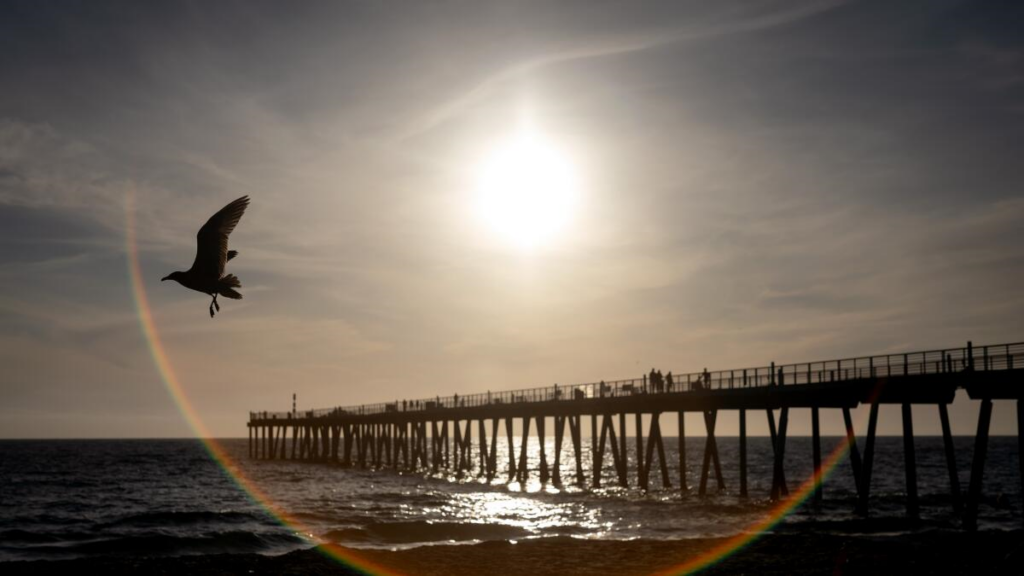
LOS ANGELES — A powerful marine heat wave stretching from San Francisco to the Mexican border is shattering daily ocean temperature records and setting the stage for a humid, storm‑prone California summer, according to scientists. Surface waters at Scripps Pier in La Jolla have broken more than 25 records this year, hitting 68.5°F — nearly 8 degrees above normal — while sea‑bottom temperatures reached their hottest April reading in a century.
Researchers warn the deep, persistent heat mirrors “the blob,” the 2014–16 event that triggered mass seabird die‑offs, fishery collapses, harmful algal blooms, and widespread ecosystem disruption. Experts say weaker coastal winds, a stubborn high‑pressure ridge, and human‑driven warming are fueling the anomaly, which could intensify as El Niño develops. Californians may see less fog, more humidity, warmer nights, and increased risks from tropical remnants, public‑health stress, and even wildfire‑sparking dry lightning.
27. Drones Reveal a Hidden World of ‘Sea Cows’ — and the Troubling Threats Closing In
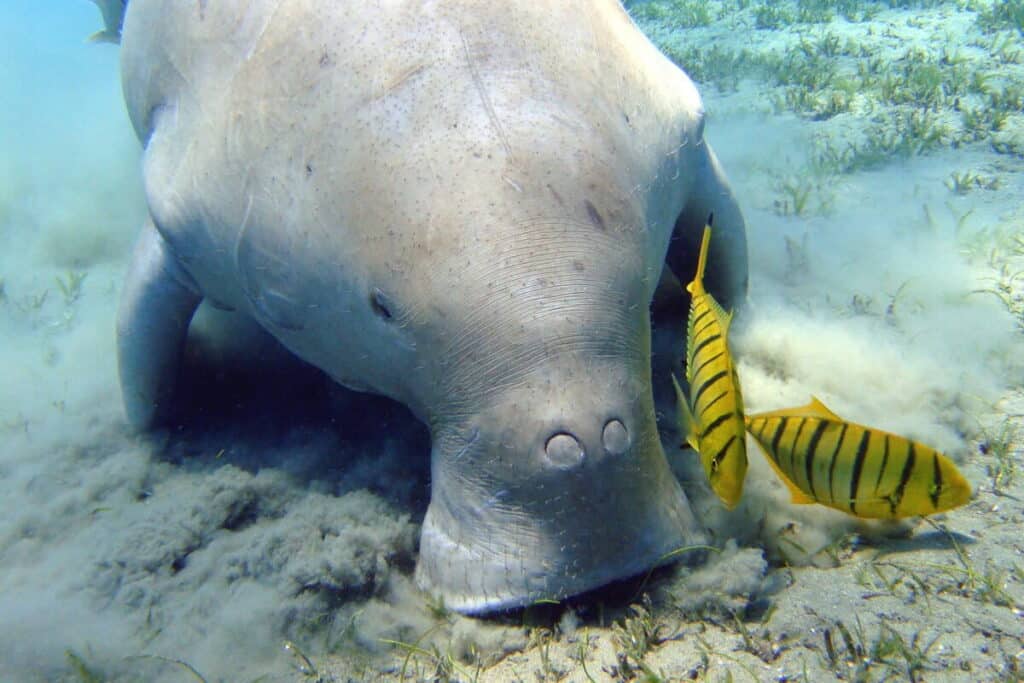
PARIS, France — Drone technology is transforming dugong conservation across the Indian and Pacific oceans, offering scientists unprecedented insight into one of the world’s most vulnerable marine mammals, Mongabay reports. Once surveyed mainly from low‑flying aircraft, dugongs can now be counted, tracked, and even assessed for body condition through high‑resolution drone imagery and AI‑assisted analysis. Researchers say drones have uncovered massive herds — including 1,200 animals in the Persian Gulf — while also identifying small, previously unknown populations in places like Mayotte and Indonesia.
The findings arrive as dugongs face mounting threats: seagrass loss from coastal development and climate change, boat strikes, fishing‑gear entanglement and pollution intensified by regional conflicts. Scientists warn that dugongs’ slow reproduction makes recovery difficult. Because the species’ health mirrors the health of seagrass meadows — major global carbon sinks — researchers argue that protecting dugongs and restoring seagrass must go hand‑in‑hand.
28. UK Scientists Launch High‑Stakes Seabed Mission to Map the Ocean Like Never Before
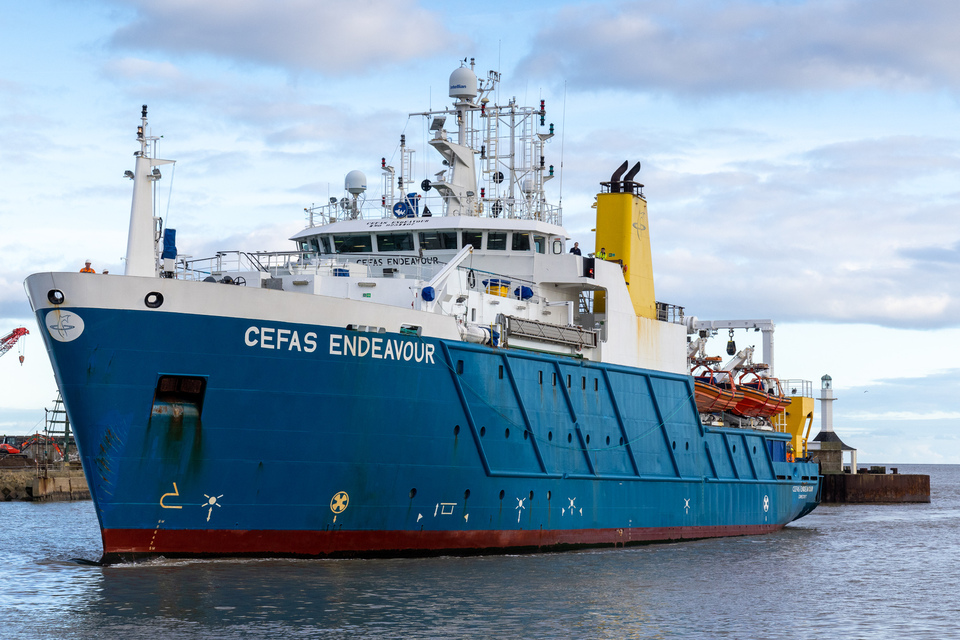
LONDON — More than 30 U.K. public‑sector organizations are joining forces for an unprecedented four‑week seabed mapping mission along the nation’s southwest coast, energy-pedia reports. The CSM2026 survey, led by the UK Centre for Seabed Mapping, will deploy cutting‑edge hydrographic and environmental sensors aboard the research vessel Cefas Endeavour as it sails from Lowestoft to Falmouth between April 20 and May 19. A 26‑member scientific team will collect high‑resolution geological, ecological and oceanographic data to support offshore energy planning, marine‑ecosystem protection, national security, and maritime safety.
Eleven agencies — including the Maritime and Coastguard Agency, UK Hydrographic Office, British Geological Survey, Defra, Natural England, and the Royal Navy — will collaborate under a collect once, use many times model to maximize data value. Officials say the effort could mark a new era in how the U.K. maps, manages, and protects its marine estate.