

Sea Save
2025 CITES CoP20
Why was this CITES CoP so important?
Marine ecosystems are no longer approaching a crisis—they are in one. Sharks, rays, eels, and sea cucumbers continue to be heavily exploited for fins, flesh, exports, and luxury markets. In many regions, populations have already collapsed: apex predators have disappeared from large portions of reef systems, and ancient eel migrations are in decline. At the same time, the invertebrates that quietly sustain coral reef health are being removed at unsustainable rates, undermining entire ecosystems from the ground up.
Against this backdrop, the outcomes of CoP20 carry profound significance. Decisions made under CITES determine whether international trade becomes part of the solution—or continues to accelerate the problem. Appendix II listings introduce critical export controls, while Appendix I listings prohibit commercial trade entirely—tools designed to prevent further decline of vulnerable species.
Yet listings alone are not enough. The real test begins now: implementation, enforcement, and political will. As we move forward from CoP20, the question is no longer whether the science is clear—it is whether the global community will act decisively enough, and quickly enough, to ensure these species remain part of our oceans’ future.
Manta Rays & All Devil Rays (Family Mobulidae)
(Mobula birostris, M. alfredi, M. tarapacana, M. mobular, M. thurstoni, M. eregoodoo, M. kuhlii, M. hypostoma, M. munkiana)
PASSED – APPENDIX I
Manta rays are among the most iconic and intelligent species in the ocean, known for their sweeping wingspans, graceful flight-like swimming, and complex social behavior. Yet despite their global popularity and ecological importance, both the giant manta (Mobula birostris) and reef manta (Mobula alfredi)—along with all species of devil rays in the family Mobulidae—face escalating pressures throughout their tropical and subtropical ranges.
Over the past two decades, demand for manta and devil-ray gill plates—used in a niche traditional health-tonic market—has driven targeted fisheries across parts of the Indo-Pacific. Combined with high bycatch in industrial tuna fleets, vessel strikes, and the degradation of key feeding and cleaning habitats, populations of many mobulid species have undergone severe and well-documented declines.
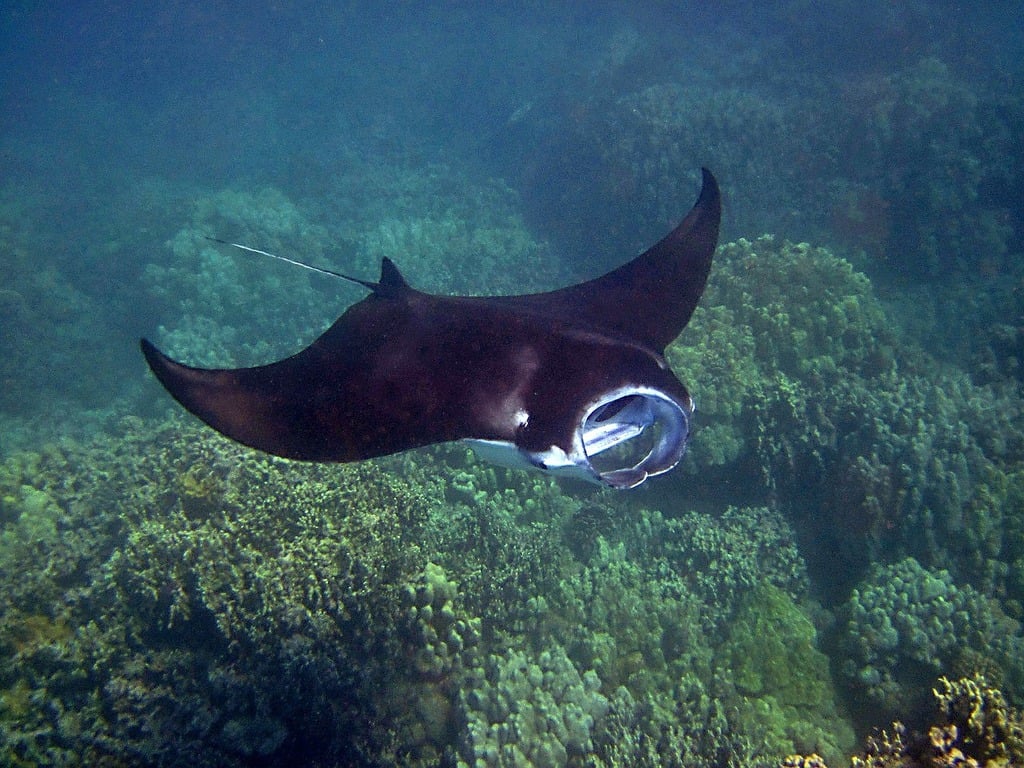
Although manta and devil rays were added to CITES Appendix II in 2013 and 2016, illegal and unreported trade persists, and Appendix II permitting has not been sufficient to curb unsustainable harvest or prevent illicit transboundary movement of gill plates and other products. Weak monitoring systems and enforcement gaps in critical regions continue to leave these species vulnerable.
This proposal transferred all species in the family Mobulidae—manta rays and eight species of devil rays—to Appendix I, prohibiting all commercial international trade in their parts and derivatives.
Uplisting to Appendix I would close remaining loopholes, impose the highest level of global enforcement, strengthen national protections, and give depleted populations a realistic chance to recover.
Proponents – Bahamas, Belize, Brazil, Comoros, Dominican Republic, Ecuador, Fiji, Gabon, Jamaica, Maldives, Panama, Samoa, Senegal, Seychelles, Sudan, Tog
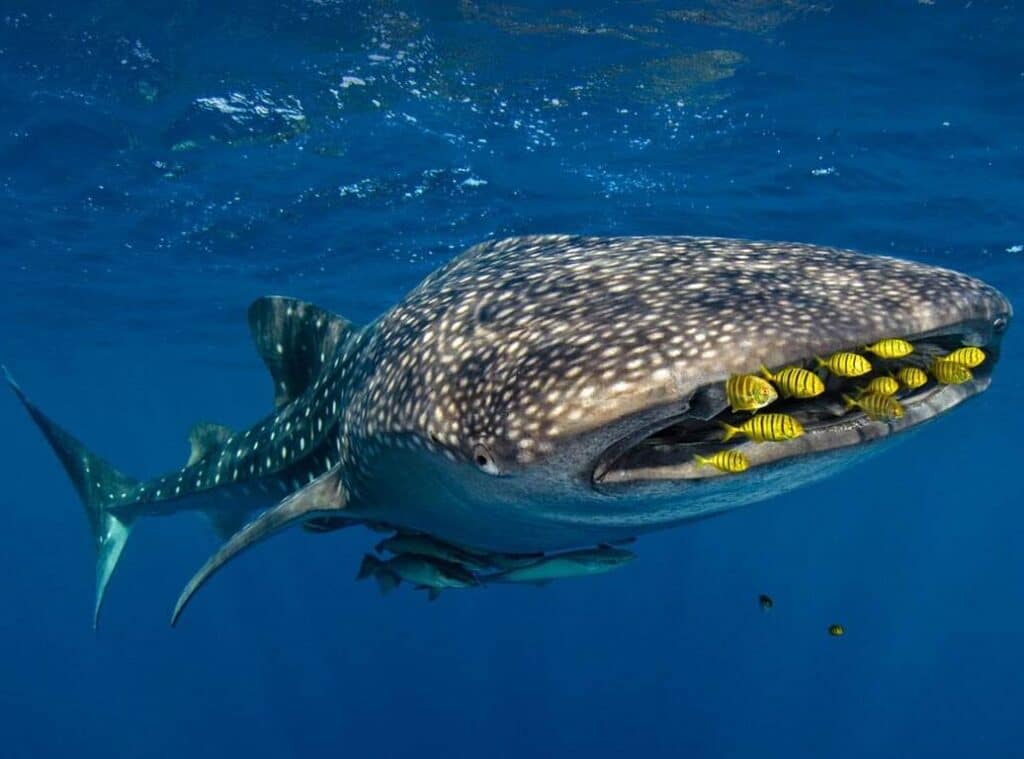
Whale shark (Rhincodon typus)
PASSED – APPENDIX I
The world’s largest fish is a gentle, filter-feeding giant found in warm seas worldwide. Whale sharks gather seasonally where plankton blooms are rich, which also makes them vulnerable to vessel strikes and targeted or incidental capture. Their slow growth and late maturity mean populations recover very slowly once depleted.
Despite widespread national protections, international demand for meat, fins, and skin—and bycatch in tuna and other fisheries—continue to pressure the species. Uplisting to Appendix I ends commercial international trade, strengthening national measures and closing loopholes that allow products to cross borders.
Proponents – Argentina, Bahamas, Bangladesh, Belize, Comoros, Dominican Republic, Ecuador, Fiji, Gabon, Maldives, Panama, Philippines, Samoa, Senegal, Seychelles, Sri Lanka, Togo
Oceanic whitetip shark (Carcharhinus longimanus)
PASSED – APPENDIX I
Once one of the most common large sharks in tropical oceans, the oceanic whitetip has suffered catastrophic declines—over 80% in many regions—largely due to targeted fishing and high bycatch in tuna and swordfish longline fisheries. Its long, rounded pectoral fins and distinctive white-tipped dorsal fin make it easy to spot at sea, but these same traits make its fins highly prized in the global fin trade.
The species’ slow growth, late maturity, and low reproductive output mean that even low levels of fishing pressure can halt recovery for decades. Although it is already listed on Appendix II, illegal, unreported, and unregulated (IUU) fishing continues to supply international markets, and Appendix II measures have not halted its decline.
This transfers the oceanic whitetip to Appendix I, banning commercial international trade in its parts and products. Tis Strengthens enforcement, close remaining trade loopholes, and give populations a better chance to recover.
Proponents – Argentina, Bahamas, Brazil, Comoros, Dominican Republic, Ecuador, EU, Fiji, Gabon, Honduras, Lebanon, Oman, Panama, Samoa, Senegal, Seychelles, Sri Lanka, Sudan, Togo, UK
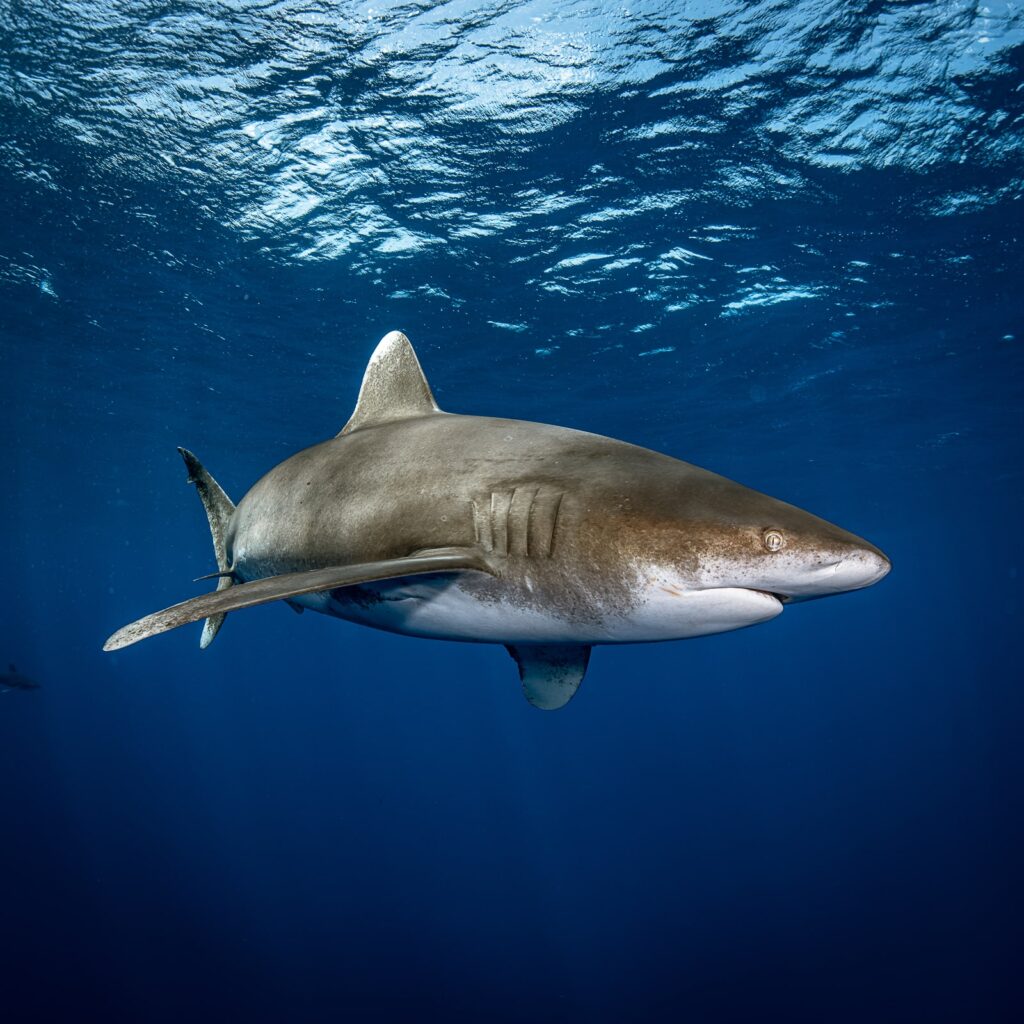
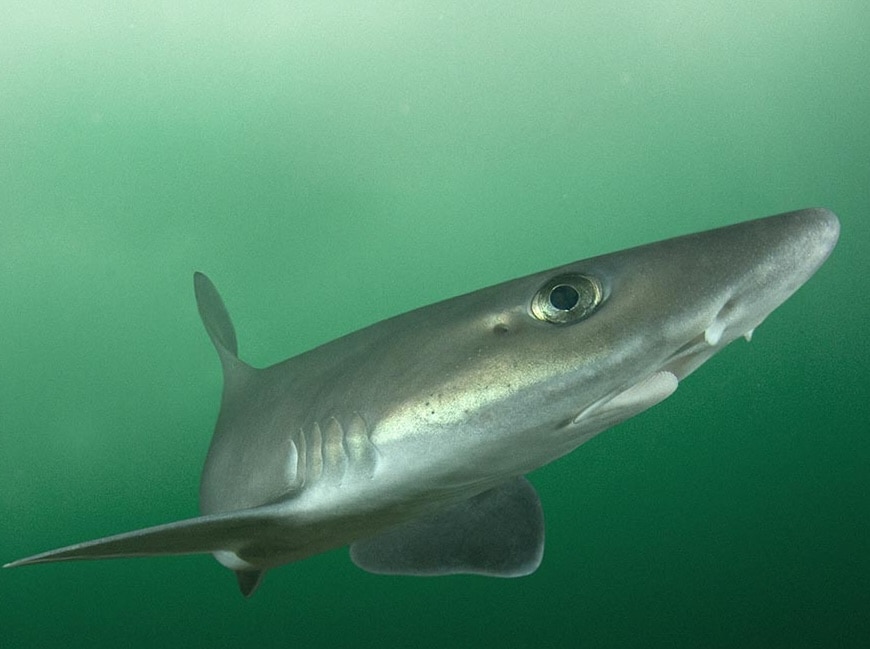
School sharks (Galeorhinus galeus) and Smoothhounds (genus Mustelus)
PASSED – APPENDIX I
The school shark, also known as tope, and the family of smoothhounds are small but important sharks, filling vital rolls as predators in maintaining the health of ecosystems. They are found in shallow coastal waters of most temperate regions of the world. Reliant on nearshore habitat for their nursery grounds they are very vulnerable to fishing pressures and habitat disruption. Populations can be isolated, leaving little genetic variation, and these species are slow to grow and reproduce, so they take a long time to recover from exploitation.
International trade in these species for meat and shark fins, whether through direct fisheries or bycatch, has caused severe declines in their populations. The school shark and Patagonian narrownose smoothhound are already red list species; in just three generations their populations have declined by more than 80%, rendering them critically endangered, and the common smoothhound has declined by more than 50% and is considered endangered.
This moves the school shark, the Patagonian narrownose smoothhound and the common smoothhound to Appendix II, and proposes to move all 27 species of the genus Mustelus to Appendix II. This means that any nations harvesting these species would have legal obligations to prove that their fisheries are legal and sustainable. Including the entire genus of Mustelus would make enforcement easier by removing the complication of identifying similar-looking species. If adopted, this proposal will hugely help these beautiful and important shark species to recover.
Proponents – Brazil, Ecuador, European Union, Panama, Senegal
Gulper sharks (Family Centrophoridae)
PASSED – APPENDIX I
Gulper sharks the entire (Family Centrophoridae) are deep-sea sharks found in oceans around the world, typically at depths of 100–1,500 meters. They are slow-growing, long-lived, and have extremely low reproductive rates—often producing only one or two pups every two to three years. This makes them exceptionally vulnerable to overfishing. Targeted for their large, oil-rich livers (used in cosmetics, health supplements, and lubricants) and occasionally for their meat, gulper sharks have been heavily exploited in some fisheries, particularly in the North Atlantic and Southwest Pacific.
Because deep-sea species often inhabit international waters, they can be fished with little oversight. In many areas, gulper shark populations have declined by more than 80%, and in some regions specific species have virtually disappeared. Their slow life histories mean that even minimal fishing pressure can prevent recovery for decades. Monitoring catch levels is also challenging—many gulper shark species are difficult to identify once processed, leading to significant underreporting.
This proposal would add the entire Centrophoridae family to CITES Appendix II, requiring exporting countries to ensure that all trade is legal and sustainable. A family-level listing will help address enforcement difficulties by covering all lookalike species, closing gaps in regulation, and protecting these fragile deep-sea predators before further irreversible declines occur.
Proponents – Brazil, Comoros, Dominican Republic, Ecuador, European Union, Lebanon, Nigeria, Panama, Senegal, Syria, United Kingdom
African wedgefish (Rhynchobatus luebberti) & False shark ray (Rhynchorhina mauritaniensis)
PASSED – APPENDIX I
The African wedgefish (Rhynchobatus luebberti) and false shark ray (Rhynchorhina mauritaniensis) are two large, shark-like rays found in shallow coastal waters of West Africa. These species are among the most threatened of all cartilaginous fishes, with slow growth, late maturity, and low reproductive rates that make them extremely vulnerable to overfishing. They are often caught intentionally for their highly valued fins—considered some of the most prized in the global shark fin trade—and for their meat, which is consumed locally and exported.
Once common in parts of their range, both species have suffered dramatic declines due to targeted fishing and bycatch in gillnets and trawls. Habitat degradation, especially in estuaries and coastal nursery areas, has further compounded their decline. Because their fins are visually similar to those of other high-value species, they are easily traded through existing fin markets without detection, making enforcement difficult.
This vote transferred both species from CITES Appendix II to Appendix I, effectively prohibiting all commercial international trade. By granting them the highest level of protection under CITES, Parties close loopholes in the fin trade, strengthen enforcement measures, and give these species a chance to recover in their natural habitats.
Proponents – Bangladesh, Benin, Brazil, Burkina Faso, Burundi, Central African Republic, Comoros, Congo, Gabon, Gambia, Guinea, Guinea-Bissau, Maldives, Mali, Niger, Nigeria, Panama, Senegal, Sierra Leone, Sudan, Togo
Giant Guitarfish (genus Glaucostegus)
PASSED – APPENDIX I
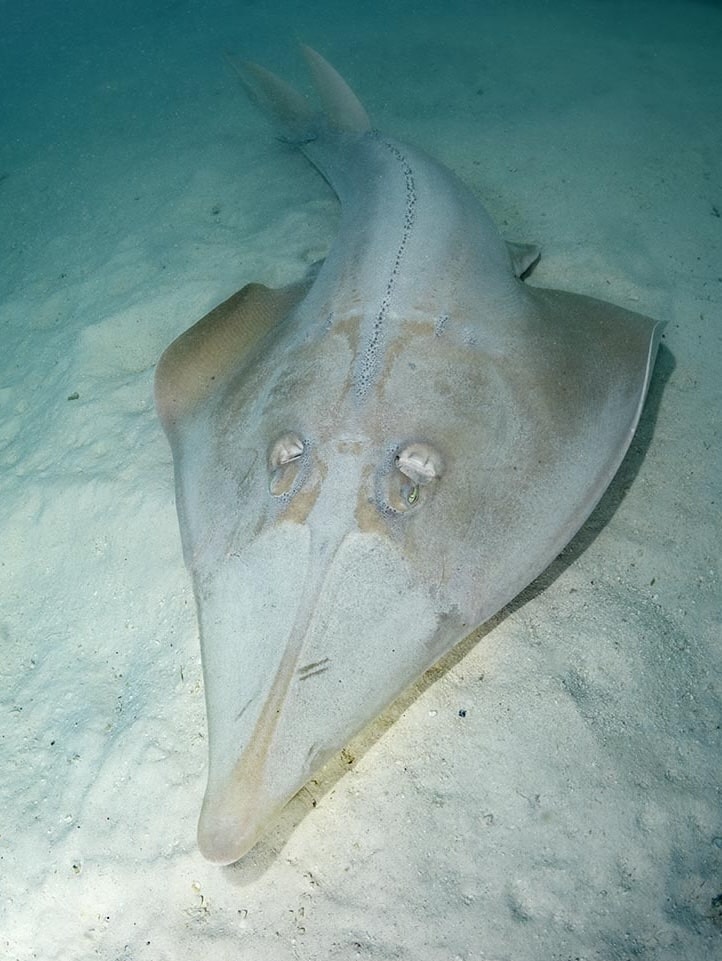
These are the giant guitarfish, some of the most extraordinary members of the shark and ray family. Seven species are listed by CITES in the genus Glaucostegus. Closely related to sawfish, they are similar in their lifestyle. Bottom dwelling coastal predators that are slow to mature and reproduce. They feed on seabed shellfish and play a vital role in maintaining the health of these environments.
Because of their long, elongated fins, they have high value in the shark-fin trade. They are both legally and illegally harvested. Because of their shape, slow speed and bottom dwelling lifestyle, guitarfish are very susceptible to being caught in fishing gear, and because of their value, even if caught accidentally, are often taken and sold. They live in shallow coastal waters where fishery levels are high, and they are very susceptible to increasing degradation of habitat through development and pollution.
All giant guitarfish species are critically endangered, having declined by 80-99%, and all are already in CITES Appendix II. But this vote adds a new clause; “a zero annual export quota for wild-taken specimens traded for commercial purposes”.
Critically endangered species placed on Appendix I, extends full protection. Studies suggest they could recover and a small scale, well-policed fishery could be sustainable. This will stop all legal trade until their numbers have sufficiently recovered, giving time for regions to set up better measures to regulate catch.
Proponents – Bangladesh, Benin, Brazil, Burkina Faso, Burundi, Cabo Verde, Central African Republic, Comoros, Congo, Gabon, Gambia, Guinea, Guinea-Bissau, Maldives, Mali, Niger, Nigeria, Panama, Sierra Leone, Sudan, Togo
Marine iguana (Amblyrhynchus cristatus)
Passed Appendix I
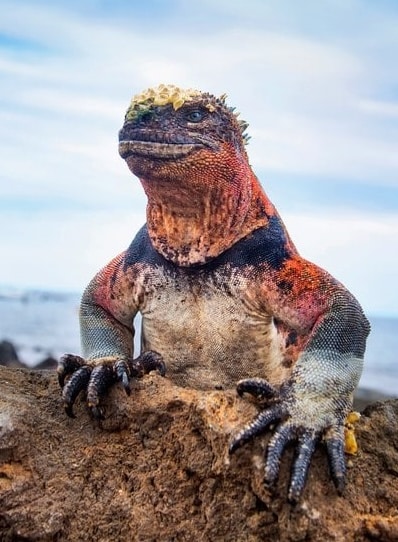
One of the most famous and unique of Galapagos’ iconic species, the marine iguana is endemic to the island archipelago. It’s an algae eater and is the only lizard to feed in the sea. It returns to land only to breed and to bask in the sun.
The Galapagos is strongly seasonal, with a switch between ocean currents changing the water temperature for half the year. This impacts the abundance of algae and the iguana’s ability to feed. The seasonal impact is far more dramatic during El Nino events which can dramatically impact their populations, and the strength and impact of El Nino is expected to become more extreme in the face of climate change. Marine iguanas are also impacted by invasive species to the islands, like rats, cats and dogs, habitat degradation and pollution.
There are 11 different populations of marine iguanas, but because each inhabit different islands, they have all evolved in isolation and have become distinct enough to be recognised as unique subspecies. Some of these subspecies are red listed as endangered or critically endangered.
There has never been legal trade in live animals allowed and the species has been protected since 1975, but there are marine iguanas in the pet trade, sold as captive bred, which suggests some are being illegally taken from the wild. Having captive bred animals traded makes it easier for traders to illegally hide wild caught specimens. So moving marine iguanas from Appendix II to Appendix I, ceases all legal international trade.
Proponent – Ecuador
Guadalupe Fur Seal (Arctocephalus townsendi)
Downlisted – APPENDIX I to Appendix II
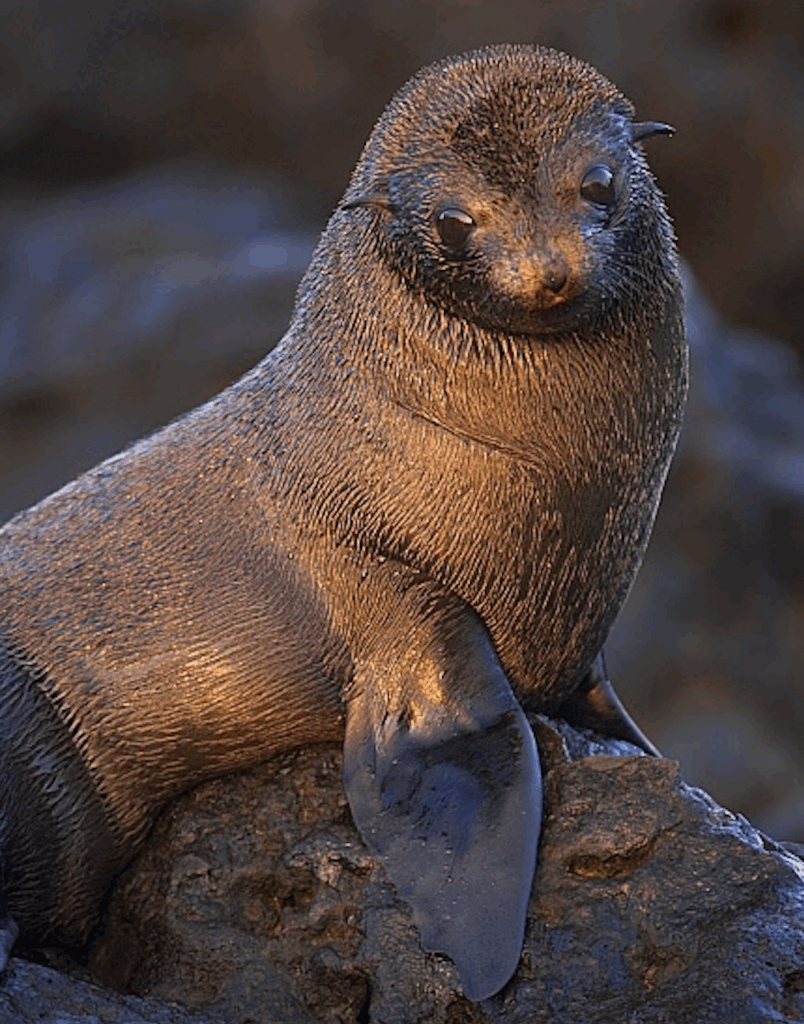
This fur seal breeds in Mexico, where it uses small islands, especially Guadalupe, to breed and moult, and ranges to feed all along the Pacific coast of the United States, occasionally as far as Canada and Alaska. They mostly hunt squid and play an important role in regulating the numbers of their prey, but are also important food themselves to iconic predators like killer whales, great white and bull sharks.
100 years ago, the Guadalupe fur seal was feared extinct after heavy hunting for furs, but was rediscovered and given full protection in Mexico from 1933. It’s protected in both the US and Mexico, so is not at risk from international trade. From just 200 survivors, its population has recovered to more than 40,000 individuals.
This vote reduces the level of trade protection of this species, because it’s currently not considered at threat from international trade. It’s important to remember that CITES only sets legislation for international trade. The seals are still at risk from other threats, like pollution, including plastics, entanglement in fishing gear and climate change. But in terms of trade, there is no perceived threat, and so, with its full regional protection, it’s dramatic recovery and steadily growing population, this is a conservation success.
Proponent – Mexico and the United States of America
Actinopyga echinites, A. mauritiana, A. miliaris, A. varians (Sea cucumbers)
Actinopyga echinites, A. mauritiana, A. miliaris, A. varians (Sea cucumbers)
Rejected
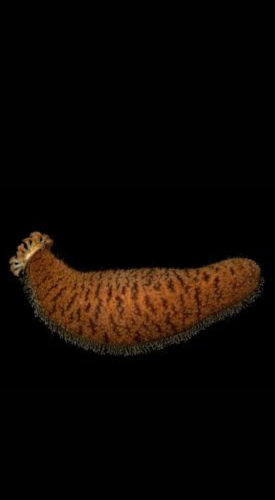
Actinopyga echinites, A. mauritiana, A. miliaris, A. varians are four tropical sea cucumber species of high commercial value in the global beche-de-mer trade. Beche-de-mer is the processed and dried form of sea cucumbers, prized as a delicacy and traditional health food in many Asian cuisines. Often found in shallow coastal habitats such as seagrass beds and coral reefs, these species act as “nature’s recyclers,” feeding on detritus and turning over sediments in a way that keeps reef ecosystems healthy. Their ecological role is critical, yet their market demand leaves them highly exposed to overharvesting. In several range states, these species are harvested intensively for export, often without effective monitoring or sustainable harvest limits. Because sea cucumbers reproduce by releasing eggs and sperm into the water column, healthy populations rely on maintaining sufficient densities; once depleted below certain thresholds, recovery can be slow or impossible. Reports from fishing communities and surveys in some areas have already documented reduced catches and smaller individual sizes—warning signs of overexploitation.
This proposal listing all four species was defeated.
Proponents – European Union
Japanese eel (Anguilla japonica) & American eel (A. rostrata)
Rejected
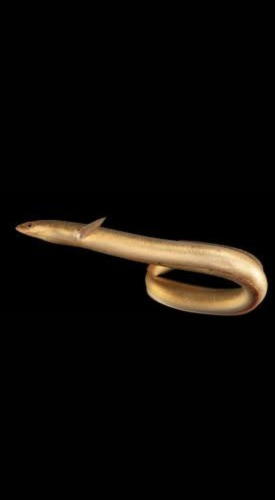
The Japanese eel (Anguilla japonica) and American eel (A. rostrata) are remarkable migratory fish with one of nature’s most mysterious life cycles. Born in distant ocean spawning grounds—the Japanese eel in the western Pacific’s Philippine Sea and the American eel in the Sargasso Sea—they drift for months as larvae before moving into rivers, lakes, and estuaries. After many years of growth in freshwater, they undertake a single, epic migration back to their ocean birthplace to spawn—and die.
Both species are under severe pressure from overharvest, particularly at the juvenile “glass eel” stage, when they are caught for aquaculture and international trade. Habitat loss from dams, pollution, and wetland drainage has further reduced their numbers, while climate change is altering ocean currents critical to their migration. The Japanese eel is already listed as Endangered on the IUCN Red List, and the American eel as Endangered or Threatened in parts of its range.
This proposal seeked to list both species in CITES Appendix II, but was defeated.
Proponents – European Union, Honduras, Panama
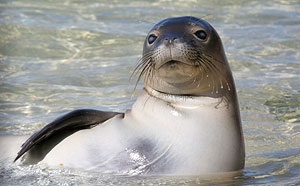
Caribbean monk seal (Monachus tropicalis)
PASSED – Declared Extinct
The Caribbean monk seal (Neomonachus tropicalis) was a large, sleek-bodied seal with big, dark eyes and a gentle demeanor. It hauled out on sandy beaches and remote islands, resting in large groups under the tropical sun. Like its surviving cousins—the Hawaiian and Mediterranean monk seals—it was curious around humans, a trait that tragically made it easy prey.
For centuries, it was hunted extensively for its blubber, which was rendered into oil for lamps and machinery, and for its meat and hides. By the late 19th and early 20th centuries, commercial sealing and unregulated killing had wiped out most colonies. Even scientific expeditions, unaware of its rarity, collected specimens in numbers that accelerated its decline.
With no effective protections in place and little understanding of its life history, the species disappeared rapidly. Its extinction is a stark reminder that unregulated exploitation for trade—whether for luxury goods or industrial purposes—can drive even abundant marine mammals to vanish within a human lifetime.
Proponents – Mexico, United States of America
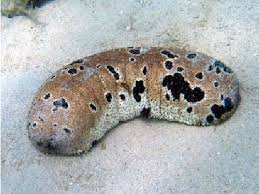
Golden sandfish (Holothuria lessoni)
Passed Appendix II
This is a large, tropical sea cucumber prized for its distinctive golden hue and high market value in the beche-de-mer trade. Found mainly in shallow tropical waters of the Indo-Pacific, it plays a vital ecological role—processing sand and recycling nutrients that help maintain healthy coral reef systems. Its slow growth and late maturity make it particularly vulnerable to overexploitation.
In many regions, H. lessoni supports coastal fishing communities, providing a significant source of income. However, its high value has led to intense harvesting pressure, often without adequate management or monitoring. Populations in some areas have already shown signs of depletion, and because sea cucumbers are broadcast spawners, low densities can make reproduction less successful—slowing or preventing recovery once numbers drop.
This vote will now list H. lessoni on CITES Appendix II, which wil require exporting nations to prove that trade is legal and sustainable. By putting controls in place now, before global stocks are critically reduced will secure both the species’ ecological function and its long-term value to the communities.
Proponents – European Union
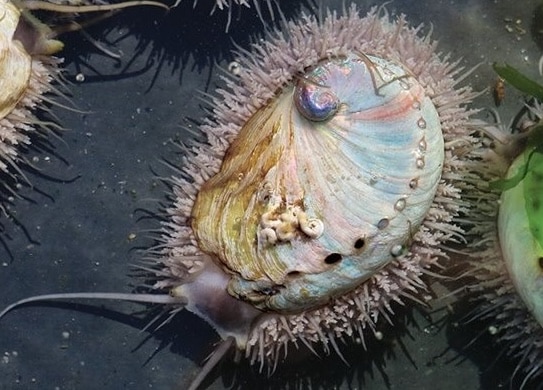
South African abalone (Haliotis midae)
Withdrawn
A beautiful shellfish, an abalone, the only species in South Africa, was once widespread in kelp forests. By grazing algae they play a vital role is stopping any one species from taking over; their grazing increases species diversity. They can live for 30 years and take a long time to mature.
Up to 3,000 tonnes of South African abalone are illegally harvested, 60 times the total allowable catch, threatening the existence of this endangered species.
South Africa has a large, well-regulated farmed abalone fishery, which mostly exports fresh, frozen or canned abalone. There is also an international trade in dried abalone, which is mostly illegal and taken from the wild. This proposal was heavily contested and finally withdrawn.
Proponent – South Africa