


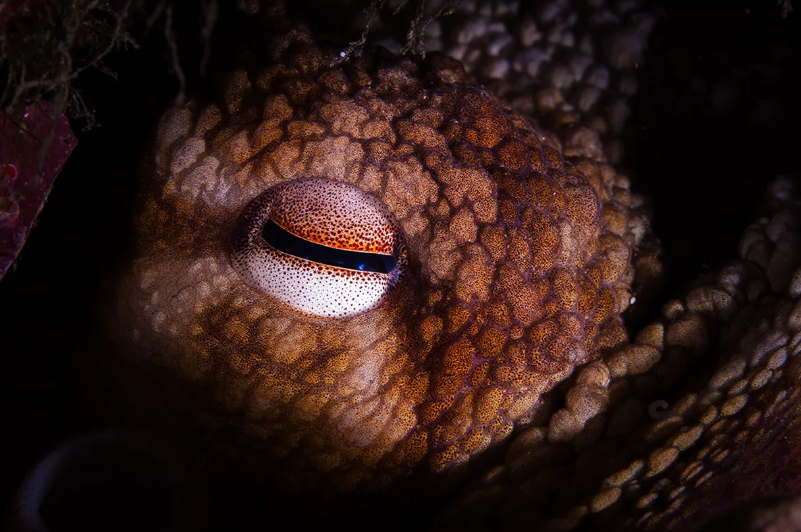
1. Colossal 60‑Foot Octopuses Ruled the Cretaceous Seas, Stunning New Fossils Reveal
SAPPORO, Japan — Newly analyzed fossils show that giant octopuses up to 62 feet long once dominated the oceans as apex predators around 100 million years ago. Researchers from Hokkaido University examined remarkably preserved jaw structures belonging to Nanaimoteuthis, an early finned octopus, and found heavy wear patterns indicating the animals crushed hard prey such as shells, bones, and possibly large fish.
The team used grinding tomography and AI modeling to uncover 12 additional jaw fossils hidden within solid rock, expanding the known record of a group rarely preserved because of their soft bodies. Scientists say the findings suggest Cretaceous marine ecosystems were more complex than previously believed, with octopuses joining sharks, marine reptiles, and large fishes at the top of the food web. Outside experts called the discovery compelling, though some questioned whether the creatures hunted the largest reptiles.
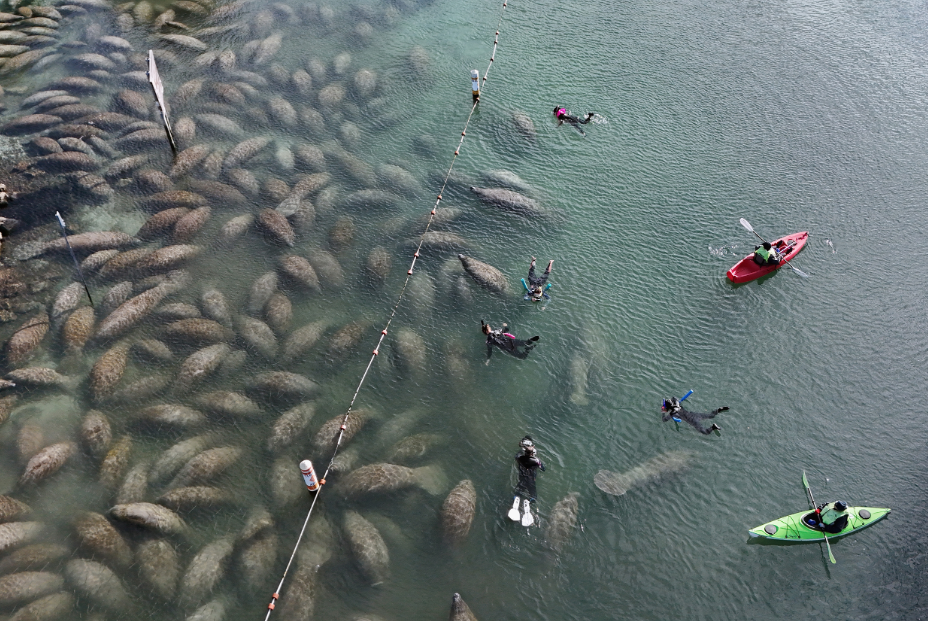
2. House Halts Major Endangered Species Act Overhaul After Support Falls Short
WASHINGTON — A planned vote on a major rewrite of the Endangered Species Act was unexpectedly canceled after an initial procedural step showed the legislation did not have enough backing to advance. The proposal sought to scale back federal protections for species that have rebounded in parts of their range, including gray wolves and grizzly bears, and would have shifted how recovery progress is evaluated.
Conservation organizations said the pause reflects strong public interest in maintaining long‑standing wildlife protections. The bill’s sponsor said several provisions still require additional work and indicated the measure may return for consideration in the coming weeks. The Endangered Species Act, enacted in 1973, remains one of the nation’s most widely supported conservation laws, credited with preventing the extinction of hundreds of species.
Thank you for your generous gift that will help us continue the production of this weekly, free publication
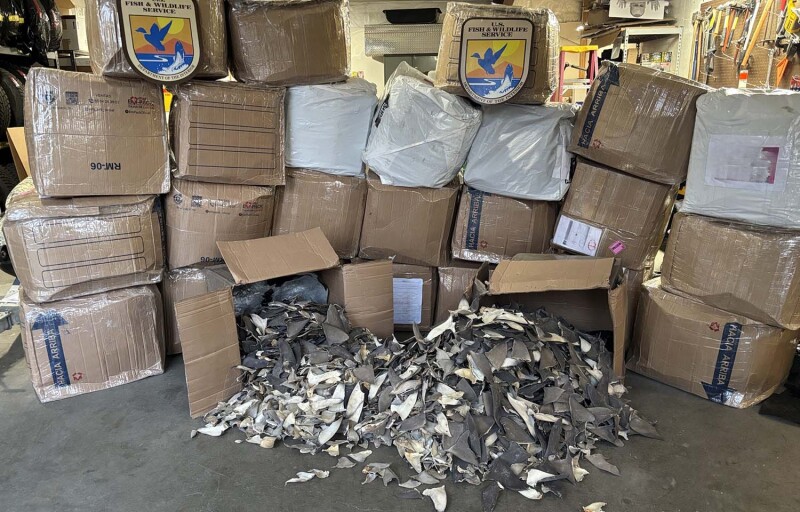
3. Anchorage Inspection Uncovers 50,000 Shark Fins in Global Trafficking Network
ANCHORAGE, Alaska — A routine cargo inspection in Alaska has expanded into a major international wildlife trafficking case after federal agents uncovered roughly 50,000 dried shark fins moving through U.S. ports. The investigation began in October 2025, when U.S. Fish and Wildlife Service officers flagged a suspicious shipment in Anchorage. That discovery led authorities to 19 additional shipments routed through Anchorage, Louisville, and Cincinnati, all traveling from Mexico to Hong Kong and disguised as car parts.
Officials say the fins — weighing more than 1,600 pounds and valued at over $1 million — primarily came from silky sharks and bigeye thresher sharks, species regulated under CITES Appendix II. All shipments were seized for multiple wildlife violations, and information has been shared with international partners. The case highlights Anchorage’s role as a key wildlife inspection port and aligns with Operation Thunder, a multinational effort targeting illegal wildlife trade.
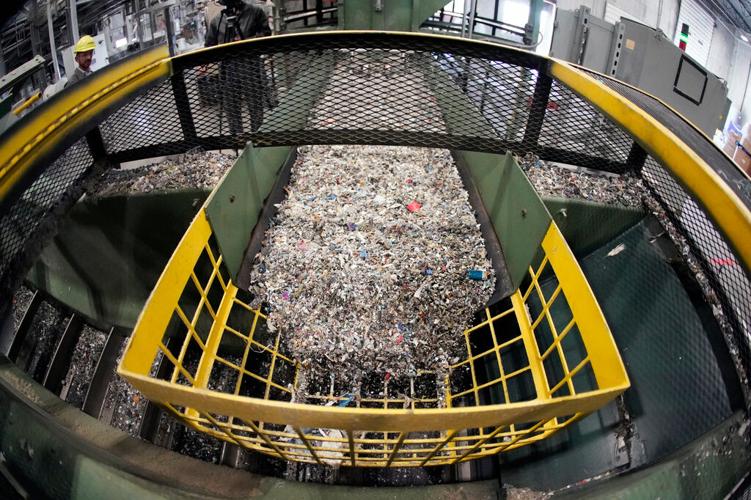
4. EPA Weighs Softer Rules for Chemical Plastic Recycling, Raising Questions About Pollution Oversight
WASHINGTON, United States — The Environmental Protection Agency is considering whether facilities that break down plastic through chemical processes should continue to be regulated like incinerators under the Clean Air Act. The review focuses on pyrolysis, a heat‑based method long treated as incineration and subject to strict limits on pollutants such as particulates, heavy metals and dioxins. A potential shift could classify pyrolysis as manufacturing instead, prompting concern from environmental groups who say the change could weaken oversight and create gaps in federal emissions standards.
Industry groups argue the process is recycling, not destruction, and say updated rules would reduce confusion while maintaining safety through other regulatory pathways and state permits. Chemical recycling remains limited in scale, with a handful of U.S. plants operating as companies seek to expand capacity. Public comments reflect sharply differing views on whether reclassification would support innovation or reduce environmental protections.
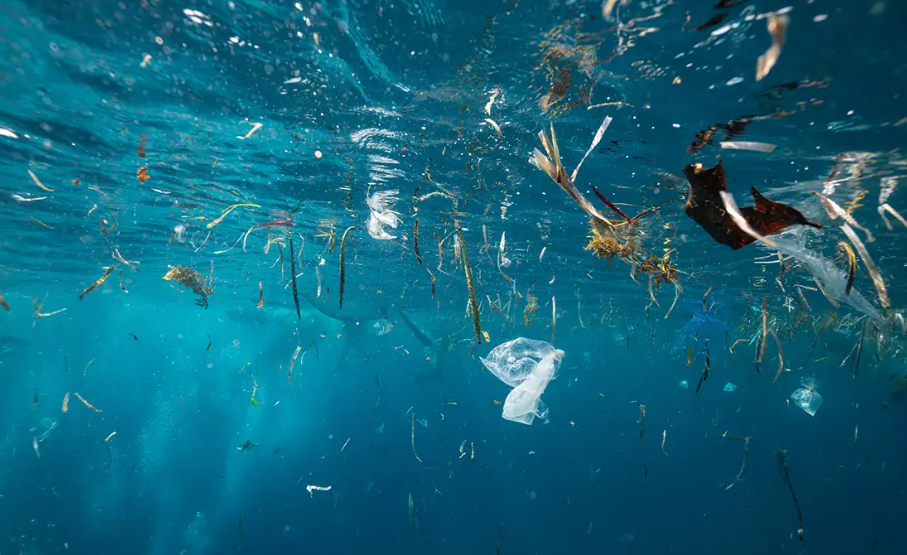
5. Scientists Warn Microplastics May Be Altering the Human Body in Ways We’re Only Beginning to Understand
UTRECHT, Netherlands — Microplastics are now so widespread in air, water, and food that researchers say exposure is unavoidable, and EU‑funded scientists are racing to understand how these particles interact with the human body. A Dutch study in Wilhelmina Park found that breathing polluted air containing microplastics can temporarily alter immune responses, prompting broader questions about long‑term effects.
Through major initiatives such as POLYRISK, PLASTICHEAL, and PlasticsFatE, researchers are uncovering early signs of inflammation, DNA damage, and cellular stress linked to micro‑ and nanoplastics, while also documenting how the smallest particles may cross the gut barrier, enter the bloodstream, and accumulate in organs. Scientists warn that microplastics can act as “Trojan horses,” carrying pollutants, metals, or microbes into the body. Despite major measurement challenges, the CUSP research cluster says uncertainty should not delay action to reduce exposure.
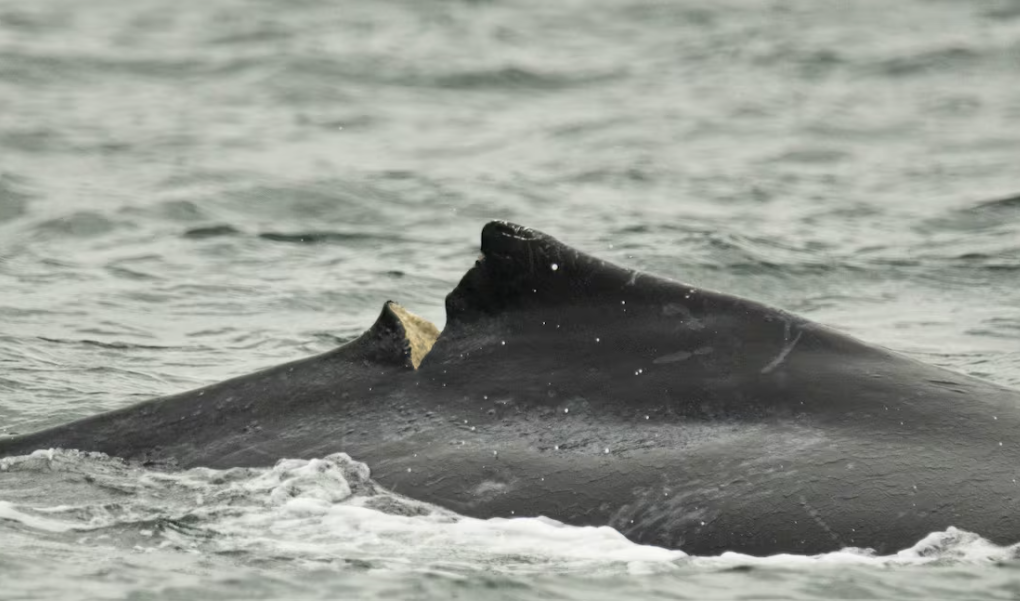
6. Three Humpbacks Found Dead in B.C. Waters as Vessel Traffic and Whale Activity Increase
VANCOUVER, Canada — Three humpback whales died in British Columbia waters last fall, with experts confirming that at least two were killed by vessel strikes and a third was seriously injured near Vancouver. The deaths come as marine researchers warn that rising vessel traffic — including new electric passenger ferries — is increasing collision risks in areas where humpbacks are rebounding in number.
A Victoria‑based company is piloting a 360‑degree multispectral detection system designed to spot marine mammals at the surface, offering one potential tool to reduce strikes. But biologists note that even slower‑moving vessels can be deadly, and quieter electric ferries may still pose collision risks if they add traffic rather than replace existing routes. Researchers emphasize that humpbacks feed unpredictably in the Salish Sea, making early detection, restricted zones, and operator training essential to lowering risks.
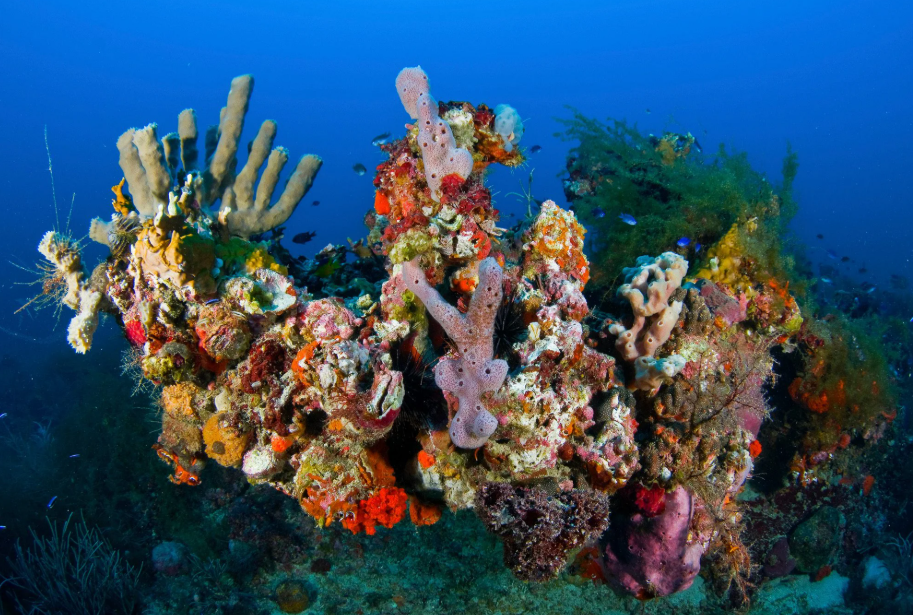
7. The Hidden Cities Beneath the Waves: How Marine Animal Forests Hold Oceans Together
BRUSSELS, Belgium — Scientists and conservation groups are drawing new attention to marine animal forests, the three‑dimensional living structures built by corals, sponges, bivalves, and other seafloor‑anchored species. These ecosystems function like underwater architecture, shaping how marine life feeds, shelters, and moves through surrounding waters. Their complex structures stabilize the seabed, influence nutrient flow, and store carbon for long periods, helping regulate the climate. But these forests face mounting threats.
Bottom trawling can flatten entire communities, while deep‑sea mining risks similar destruction and sediment plumes that choke filter‑feeding organisms. Rising temperatures and ocean acidification are already bleaching corals and increasing disease in sponge gardens. Researchers and advocates say protecting these habitats requires stronger safeguards, responsible fishing practices, and limits on destructive industrial activity. Oceana and other groups are pushing for habitat protections to preserve the biodiversity and climate benefits these living architectures provide.
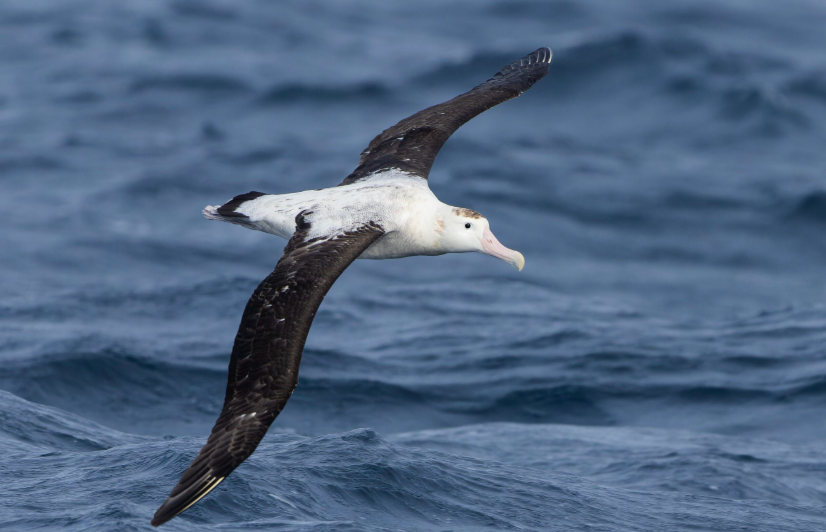
8. Newly Recognized Ocean “Flyways” Could Become Lifelines for the World’s Declining Seabirds
SYDNEY, Australia — Scientists and conservation experts say six newly identified marine flyways—vast migratory corridors that seabirds use to cross entire ocean basins—could transform global efforts to protect species now declining at alarming rates. The routes, mapped using decades of seabird tracking data compiled by BirdLife International, were formally recognized last month by the U.N. Convention on Migratory Species. Researchers say the flyways link 151 seabird species and more than 1,300 key biodiversity areas, creating a framework for countries to coordinate conservation across 54 national jurisdictions.
Marine birds face threats throughout their life cycles, from invasive predators at nesting sites to bycatch and food loss at sea. Experts argue that flyway‑based planning can help nations prioritize habitat protection, reduce bycatch, and align with other global agreements, including the High Seas Treaty and the Kunming‑Montreal biodiversity framework. Scientists emphasize that political will and international cooperation will determine whether the new framework delivers meaningful protection.
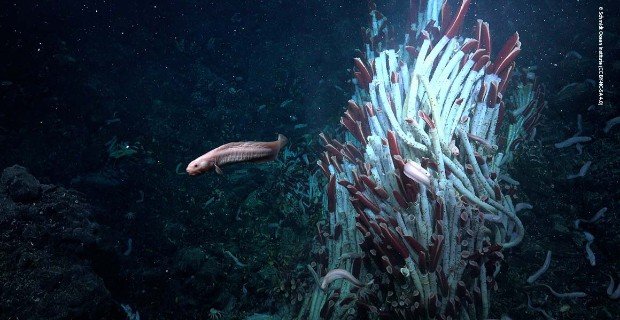
9. New Framework Reveals How Large‑Scale “Seascapes” Shape Deep‑Sea Vent Ecosystems
A new Scientific Reports study proposes the first framework for understanding how broad environmental “seascapes” influence biodiversity at deep‑sea hydrothermal vents. The authors argue that vent ecosystems cannot be understood solely at the scale of individual sites; instead, regional geological, oceanographic, and biological forces shape community structure, habitat availability, and temporal stability across entire ocean basins. The team developed data‑processing pipelines to extract and analyze large‑scale environmental variables, then grouped vent fields by shared characteristics.
Their results show that even spatially isolated vents with distinct species pools can experience similar environmental dynamics. The authors say that integrating basin‑scale datasets can improve comparisons among remote vent systems and help identify environmental drivers that distinguish one vent region from another. They conclude that seascape‑level perspectives are essential for conservation and macroecological research.
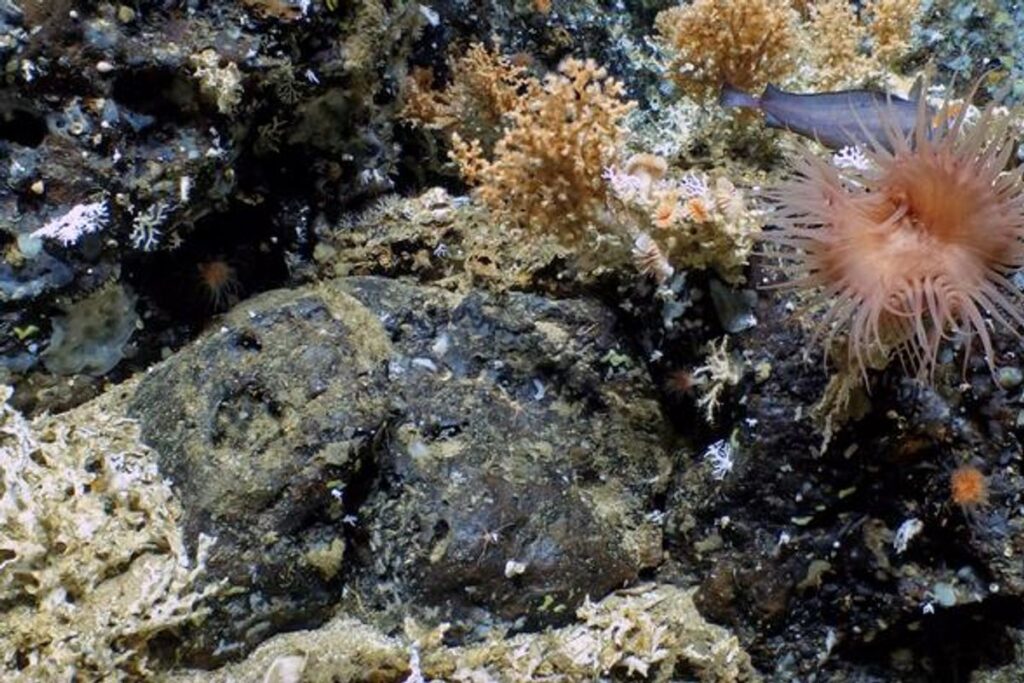
10. A 1,000‑Year Disappearance: Ancient Galápagos Deep‑Sea Corals Collapsed During a Long La Niña Shift, Study Finds
GALÁPAGOS ISLANDS, Ecuador — Deep‑sea corals in the Galápagos vanished for more than 1,000 years following an extended La Niña‑like climate phase that depleted oxygen in deep waters, according to a new study in PNAS. Researchers analyzed over 900 fossil corals from depths beyond 3,000 feet, using uranium‑thorium dating to reconstruct 100,000 years of ecosystem history. The record shows that corals survived ice ages and major warming periods but collapsed around 5,000 years ago when intensified ocean circulation brought nutrient‑rich water to the surface, reducing oxygen at depth.
Scientists say the ecosystem’s millennium‑long absence underscores the vulnerability of deep‑ocean habitats to climate‑driven shifts and the slow pace of natural recovery. The findings highlight the importance of protecting deep‑sea habitats through connected Marine Protected Area networks as climate patterns such as ENSO continue to intensify.
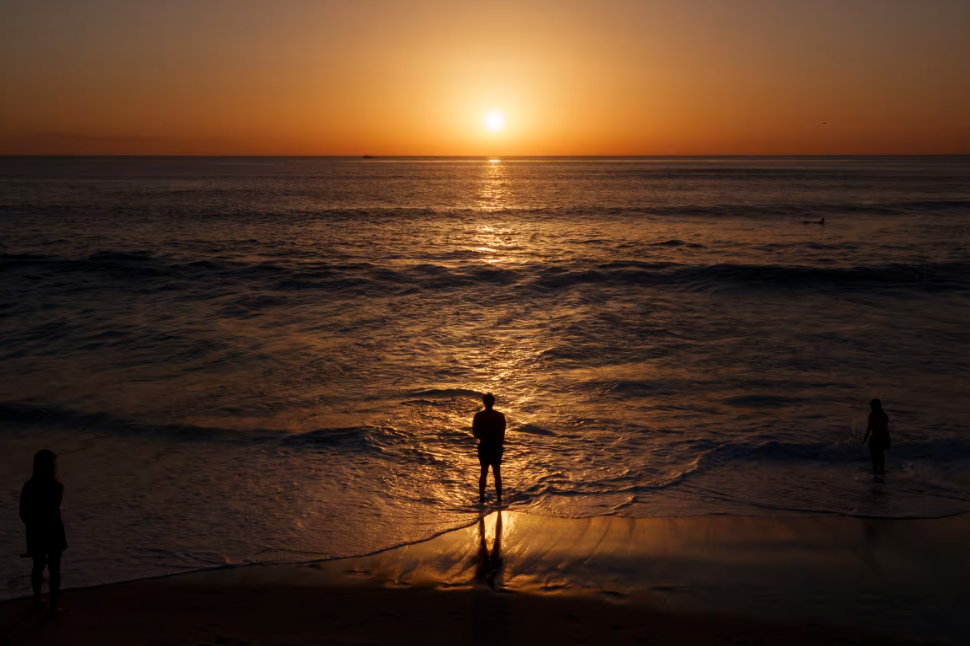
11. California’s Coastline Is Boiling as Massive Marine Heat Wave Reshapes Weather and Wildlife
LA JOLLA, Calif. — A vast and unusually intense marine heat wave stretching from California to Baja is disrupting ocean life and reshaping West Coast weather as temperatures shatter century‑old records. Scientists at Scripps Institution of Oceanography report 36 record‑hot days at Scripps Pier since January, with warm waters extending deep below the surface and rivaling conditions typical of a strong El Niño.
The heat is driving warm‑water species northward, pushing cold‑water fish deeper, and leaving seabirds starving along hundreds of miles of coastline. Researchers warn that the hot waters could fuel more extreme heat waves on land, increase humidity, and even allow tropical systems to reach California. High‑pressure patterns, weak winds, and climate‑driven warming are sustaining the event, which experts say could persist into fall or winter.

12. Scientists Uncover More Than 1,000 Hidden Coral Reefs Across Northern Australia
AUSTRALIA – Scientists have identified more than 1,000 previously unmapped coral reefs across northern Australia using a new satellite‑based imaging technique that reveals reef structures obscured by murky coastal waters. The Australian Institute of Marine Science’s Eric Lawrey developed the method by layering more than 200 satellite images to average out shifting water patterns, allowing reef signals to emerge clearly.
The project mapped more than 2,900 rocky reefs and 3,600 coral reefs from Western Australia’s Houtman Abrolhos to Cape York, creating the first comprehensive view of the region’s reef boundaries. Many of the reefs were known locally but had never been formally surveyed, leaving them absent from conservation planning. Researchers say documenting these habitats is a critical step toward improving marine management and protecting overlooked ecosystems.
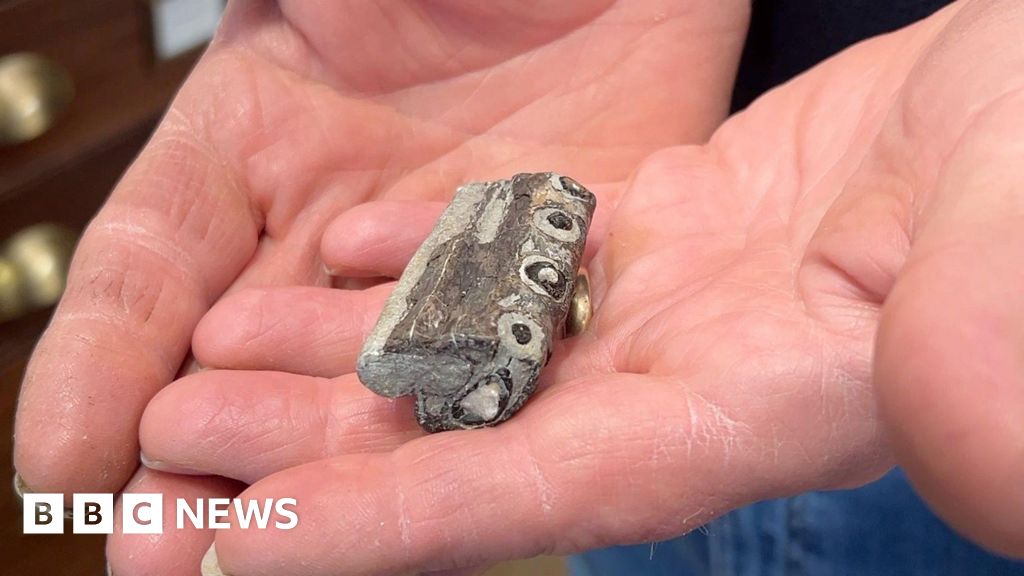
13. Amateur Fossil Hunter Stumbles Upon Jawbone From One of the World’s Oldest Marine Crocs
LYME REGIS, England — An amateur fossil hunter walking the Dorset coast has uncovered a rare upper jawbone from one of the world’s oldest marine crocodiles, a find experts say is among only 11 known specimens. Heather Salt initially mistook the fossil for wood with nails before showing it to a guide, who immediately recognized its significance.
The fragment, now displayed at Lyme Regis Museum, is linked to Turnersuchus hingleyae, a 190‑million‑year‑old thalattosuchian first discovered nearby in 2017. Museum curator Paul Davis said the fossil helps fill a critical gap in crocodylomorph evolution, offering clues about how early marine crocs hunted and adapted to life in the ocean. Guides described the discovery as exceptionally rare, noting it provides valuable evidence from a period with few surviving fossils.
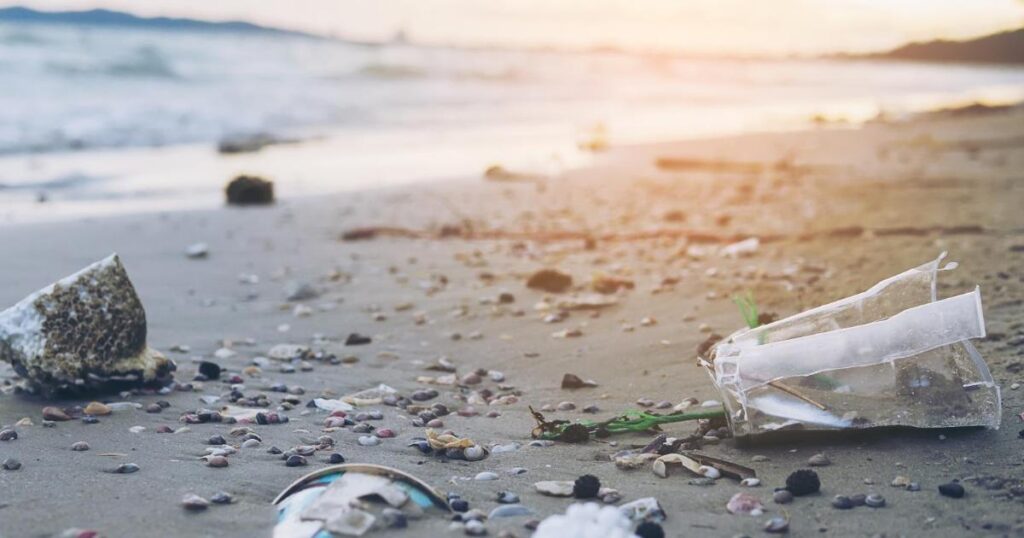
14. UK Survey Reveals Households Throw Away 1.6 Billion Pieces of Plastic Every Week
LONDON — A nationwide survey has found that UK households discard nearly 1.6 billion pieces of plastic packaging each week, highlighting what campaigners call a growing waste crisis. The Big Plastic Count, run by environmental charity Everyday Plastic, asked more than 68,000 participants to record every piece of plastic they threw away during a single week in March. Their combined tally of 1.5 million items was scaled to reflect all UK households, suggesting roughly 82 billion pieces are binned annually.
Founder Daniel Webb said plastic production is “out of control,” noting that recycling systems cannot keep pace and that most soft film packaging from fruit and vegetables is incinerated. The charity is urging the government to phase out plastic on uncut produce by 2030, halt new incinerators, and end waste exports.
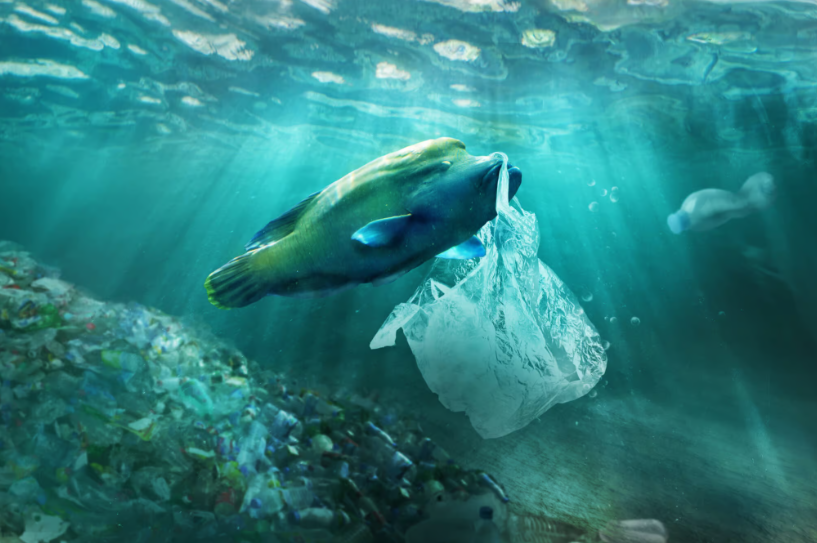
15. Earth Day Report Warns Ocean Plastic Pollution Begins in Everyday Clothing Choices
A new Earth Day analysis highlights how synthetic clothing has become the world’s largest source of primary microplastic pollution, shedding plastic fibers during every wash that wastewater systems cannot capture. According to IUCN data cited in the report, synthetic textiles release an estimated 500,000 tonnes of microfibers into the ocean each year — the equivalent of 50 billion plastic bottles.
The article notes that about 60% of global clothing is made from plastic-based materials, while traditional neoprene wetsuits and other dive gear add further environmental strain. Manufacturers are beginning to shift toward plant‑based alternatives, including natural‑rubber wetsuits and recycled‑material fins. The piece urges consumers to choose organic cotton, reef‑safe sunscreens, and circular fashion systems to reduce ocean pollution, emphasizing that individual choices remain central to this year’s Earth Day theme, “Our Power, Our Planet.”
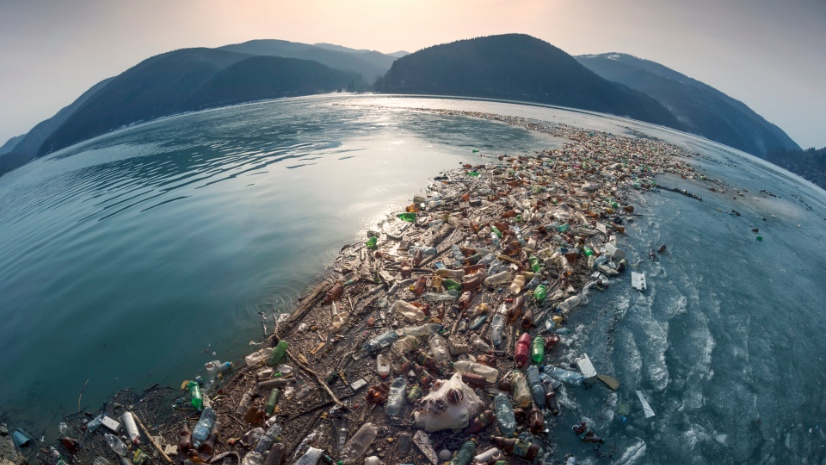
16. New Mapping Tools Reveal Where Ocean Plastic Comes From — and How to Stop It
A new Esri analysis highlights how advanced mapping technology is helping scientists pinpoint the sources, movement, and accumulation of ocean plastic, offering clearer pathways for prevention. The article explains how GIS tools track plastic from land‑based origins through rivers, coastlines, and ocean currents, revealing hotspots where waste enters marine environments. Researchers are using these models to identify high‑impact intervention zones, from urban drainage systems to river mouths that funnel debris offshore.
The piece also showcases community‑driven mapping projects that document local pollution and guide targeted cleanup efforts. Esri notes that combining satellite data, field observations and predictive modeling is enabling governments, nonprofits and businesses to design more effective plastic‑reduction strategies. The work underscores that stopping ocean plastic requires upstream action, not just coastal cleanup.
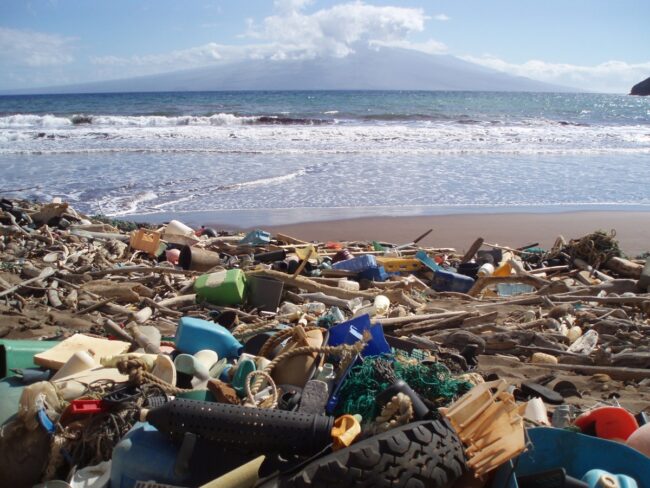
17. Scientists Unveil Breakthrough Plastic‑Eating Bacteria That Could Transform Global Waste Management
WINNIPEG, Manitoba — University of Manitoba researchers have developed a new bioengineered system that uses genetically stable bacteria to break down common plastics, offering a potential alternative to recycling programs that struggle to keep pace with global waste. The team, led by biosystems engineering professor David Levin, reports advances in microbial degradation of PET, the plastic used in drink containers, by creating bacteria that continuously produce surface‑anchored enzymes capable of digesting plastic without antibiotics or chemical triggers.
The article notes that most plastics are rarely recycled into useful products and often degrade in quality, leaving billions of tonnes accumulating in landfills and the environment. Early laboratory tests show the engineered biocatalysts can break down PET particles and films, a step researchers say could lead to scalable, sustainable plastic‑waste remediation.
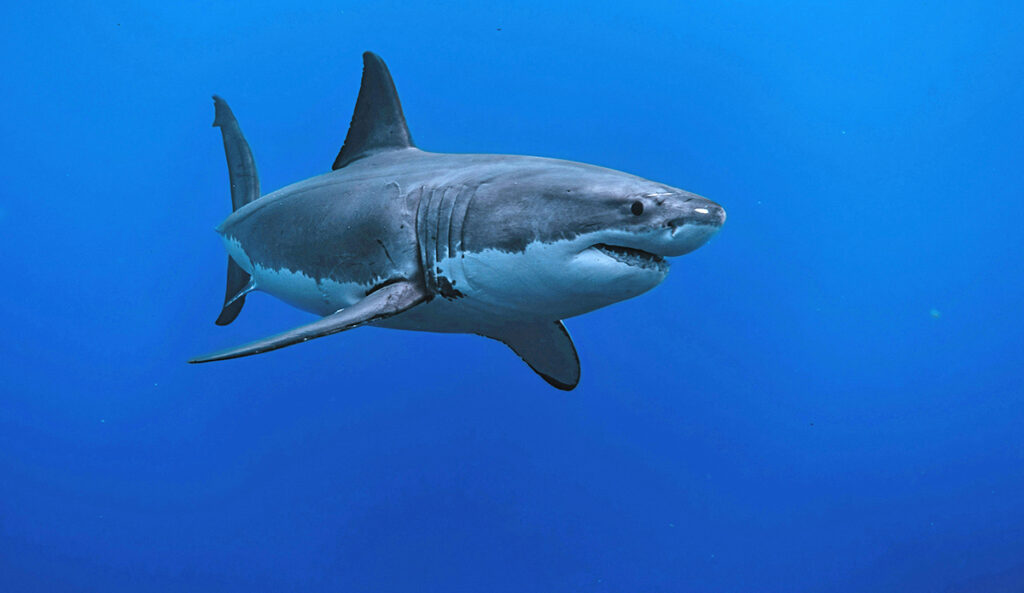
18. Why a Surge of Great White Sharks Could Make California’s Beaches Safer This Summer
SAN DIEGO — Researchers say California beachgoers should expect an unusually high number of juvenile great white sharks along the coast this summer, driven by a marine heat wave and a powerful “Godzilla” El Niño warming waters off Baja California. Scientists at Cal State Long Beach’s Shark Lab report that young sharks have arrived earlier than usual, drawn north by unusually warm conditions.
Despite the spike, experts say their presence may actually reduce injuries, as juvenile whites feed heavily on stingrays — animals responsible for more than 10,000 injuries annually in Southern California. Warmer waters have expanded stingray populations, and researchers believe sharks help keep them in check. Scientists began spotting four‑foot juveniles weeks ahead of schedule, noting that this year’s heat is “unusually warm” for spring and likely to persist.
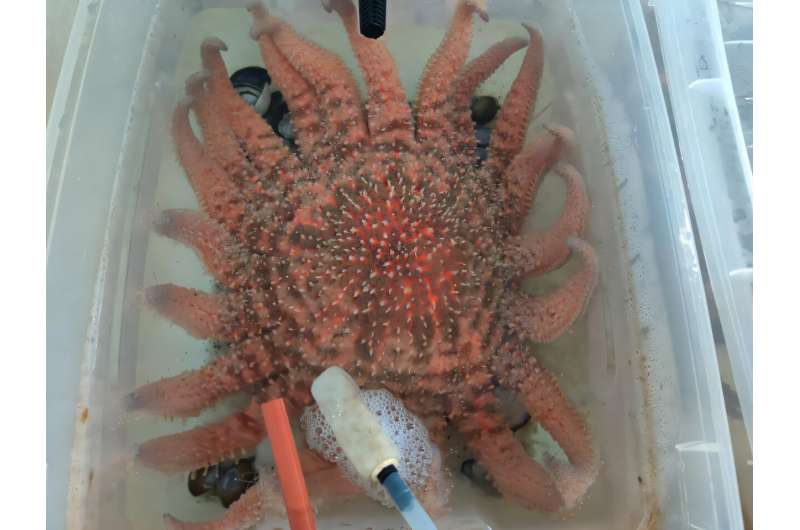
19. Scientists Detect Hidden Immune Collapse in Sea Stars Before Deadly Wasting Takes Hold
New research from the University of Vermont has uncovered early immune and tissue failures in sunflower sea stars that occur before visible signs of sea star wasting disease, a mysterious outbreak that has killed billions along the Pacific coast since 2013. The study, published in Proceedings of the Royal Society B, found disrupted immune responses, microbiome shifts, and weakened connective tissue in apparently healthy stars collected near active outbreaks.
Researchers also detected the bacterium Vibrio pectenicida early in exposed individuals, supporting recent work identifying it as a potential driver of the disease. Scientists say the findings offer the closest look yet at how wasting progresses inside affected animals and may help identify resistant populations. With surviving sea stars now limited to colder northern waters, researchers hope the biomarkers can guide restoration and monitoring efforts.
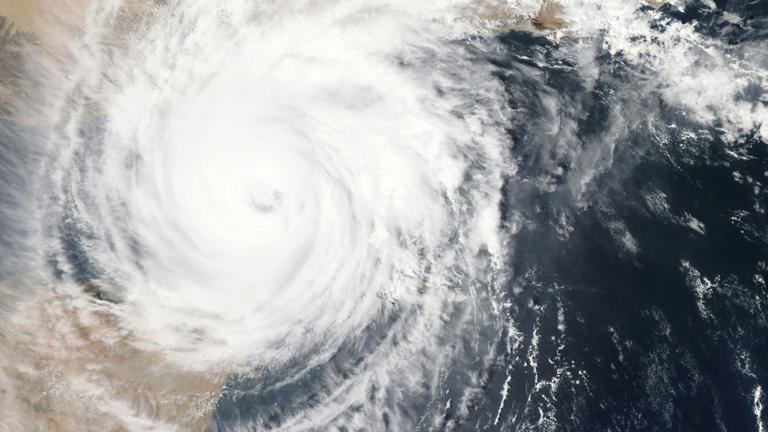
20. 5,000‑Mile Marine Heat Wave Poised to Supercharge U.S. Summer Heat, Hurricanes and Wildfires
A massive marine heat wave stretching roughly 5,000 miles from Alaska to Baja California is driving sea surface temperatures 3 to 7 degrees Fahrenheit above normal, setting records for the satellite era and raising alarms among scientists. NOAA reports the warm anomaly is developing just as El Niño conditions are expected to return, a combination that could intensify summer heat across the Lower 48, strengthen Atlantic hurricanes and accelerate wildfire‑fuel drying in the West.
Researchers are comparing the event to “the Blob” of 2014–2016, which devastated salmon runs, triggered toxic algal blooms and contributed to mass seabird die‑offs. While the full footprint of the current heat wave is still emerging, experts warn it carries similar ecological and climate risks as ocean temperatures continue to climb.
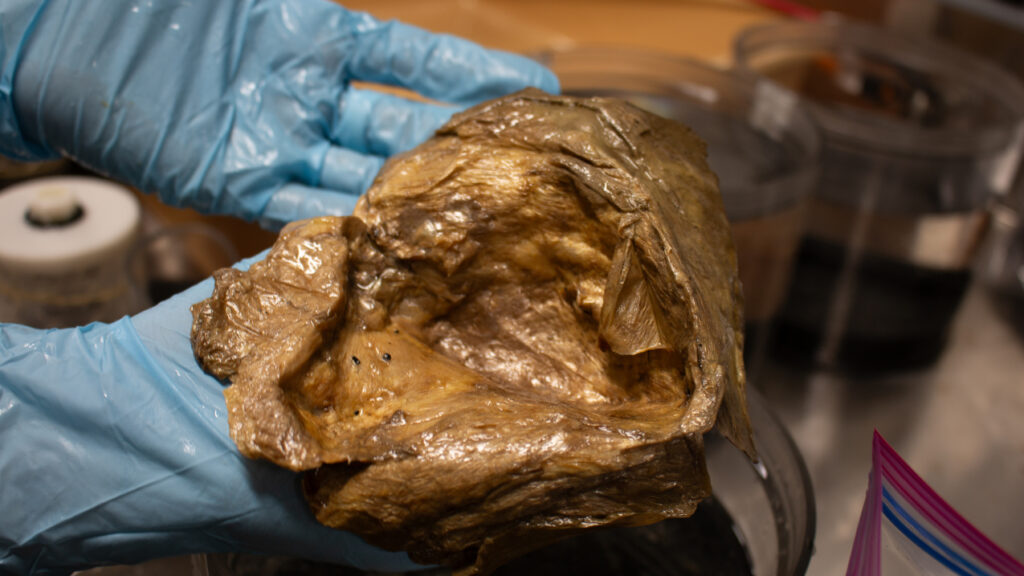
21. NOAA Finally Solves Mystery of the Deep‑Sea ‘Golden Orb’ That Captivated the World
WASHINGTON — NOAA scientists have confirmed the identity of the mysterious “golden orb” discovered in 2023 at a depth of more than two miles in the Gulf of Alaska, revealing it to be the remnant base of a giant deep‑sea anemone, Relicanthus daphneae. The golden mass, collected by a remotely operated vehicle during the Seascape Alaska expedition, sparked global speculation before Smithsonian researchers used morphological analysis and whole‑genome sequencing to determine its origin.
The orb’s fibrous structure, stinging cells, and mitochondrial DNA matched known specimens of the species. NOAA said the discovery highlights how deep‑ocean exploration continues to uncover biological puzzles requiring years of investigation. The orb has been accessioned into the Smithsonian’s Invertebrate Zoology Collection, and scientists note that many similar mysteries remain hidden in unexplored U.S. waters.