


1. Jellyfish Gel That Hunts Nanoplastics
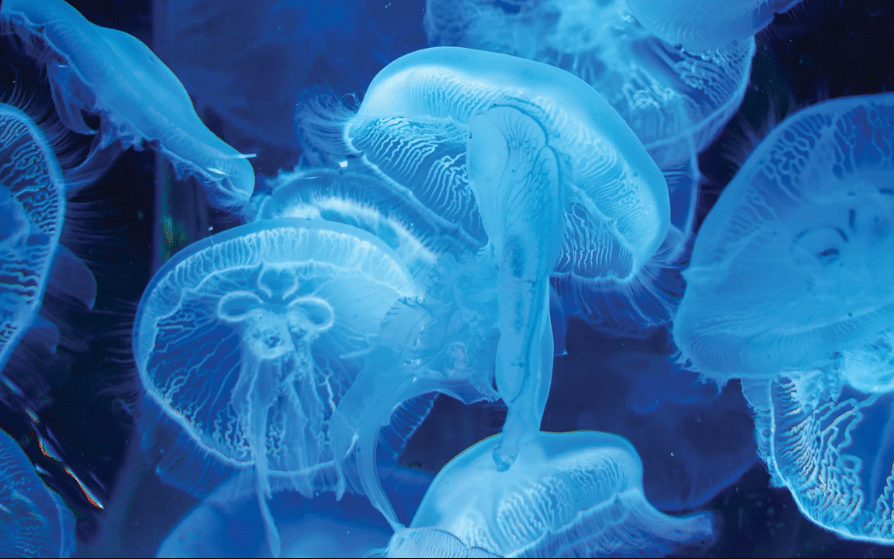
German researchers have created a synthetic gel inspired by jellyfish mucus that captures and releases nanoplastics, a pollutant too small for most filtration systems. The material mimics amphiphilic mucin proteins, forming micelles that assemble into a 3D network. When heated, the solution gels and traps 68–100% of polystyrene nanoparticles within 90 minutes, forming a removable clump.
Cooling weakens the hydrophobic interactions, allowing the gel to release the particles after a brief centrifuge step. The material can be reused repeatedly, offering a potential tool for tracking or removing nanoplastics. Researchers envision wastewater‑treatment coatings that capture particles in hot industrial effluent and regenerate when cooled.
2. Shark Fins Seized From Private Jet at California Airport
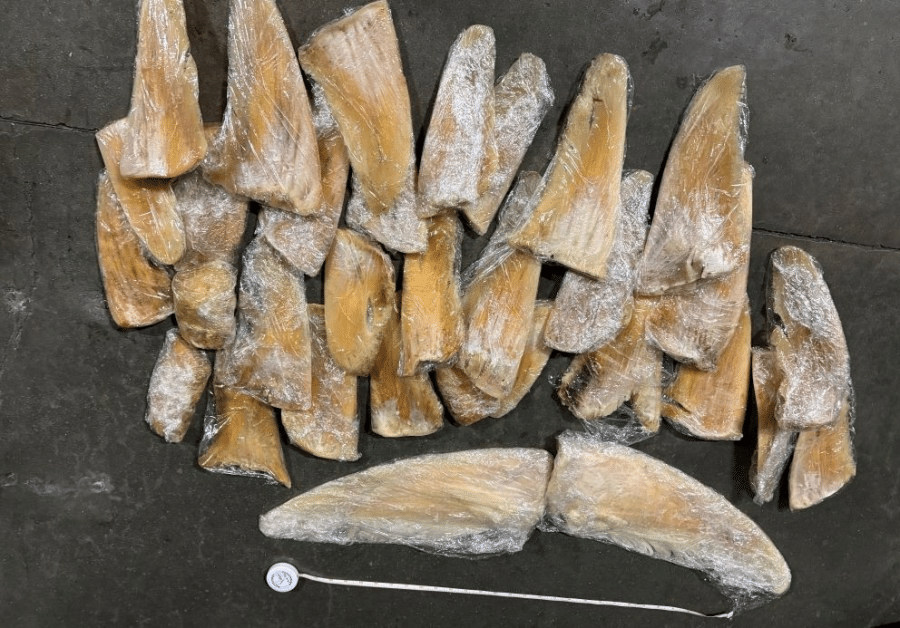
LOS ANGELES — California wildlife officers seized a shipment of 40 illegal shark fins discovered aboard a private jet that landed in February, following a tip that the aircraft was transporting contraband from Hawaii. After questioning passengers, authorities said the individuals admitted to possessing the fins and consented to a search, which uncovered both dried and frozen fins inside the cabin.
California banned the possession and sale of shark fins under Assembly Bill 376 in 2011, and federal law now prohibits the possession of fins detached from sharks nationwide. Officials said shark finning devastates marine ecosystems by removing apex predators essential to ocean balance. The case was forwarded to a regional district attorney, and investigators are examining whether the shipment is linked to a broader trafficking network.
Thank you for your generous gift that will help us continue the production of this weekly, free publication
3. Australia’s Quiet Diplomacy Behind the High Seas Treaty
SYDNEY — A detailed analysis outlines how Australia spent more than two decades shaping the High Seas Treaty, which entered into force in January 2026 after reaching the 60-ratification threshold. The article traces Australia’s early leadership, beginning with its 1998 Oceans Policy and a 2003 Cairns conference that helped build global consensus on protecting biodiversity beyond national jurisdiction.
Australia pushed for environmental impact assessments, marine protected areas, and fair access to marine genetic resources while safeguarding its interests in regional fisheries and Antarctic governance. Although domestic legislative delays meant Australia ratified later than expected, it now co‑chairs key preparatory meetings and remains central to the implementation of the new regime. The piece argues that the treaty demonstrates that multilateral diplomacy can still deliver major global agreements.
4. Scientists Warn Atlantic “Conveyor Belt” May Be Approaching Critical Slowdown
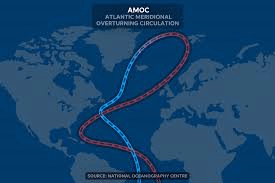
WASHINGTON — Two new studies suggest the Atlantic Meridional Overturning Circulation, a major ocean current that regulates climate across North America and Europe, may be weakening faster than expected. Researchers reported fresh evidence of instability in the system’s deep‑water formation, a key driver of heat transport.
One study used centuries of climate proxy data to identify early‑warning signals of an approaching tipping point; another found that freshwater from melting ice is disrupting the density‑driven flow. Scientists emphasized that a collapse is not imminent but warned that continued warming could push the current toward a shutdown later this century. Such a shift could trigger harsher winters in Europe, stronger Atlantic hurricanes, and rapid sea‑level rise along the U.S. East Coast.
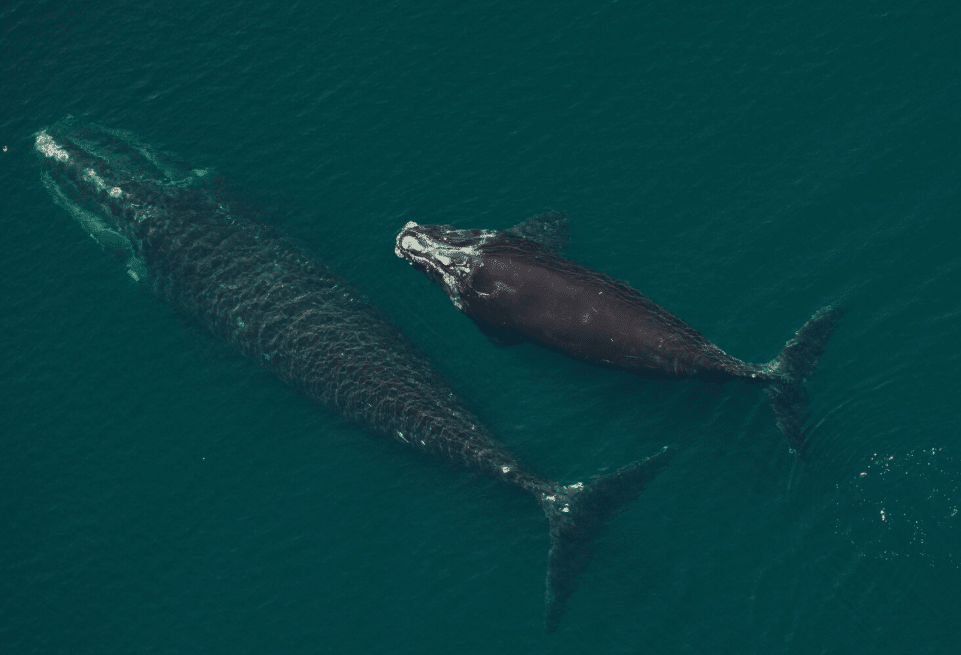
5. Baby Boom For Endangered Right Whales Shatters 17‑Year Record
BOSTON — North Atlantic right whales just logged their strongest calving season since 2009, with researchers confirming 23 mother‑calf pairs between November and April. Scientists at the New England Aquarium’s Anderson Cabot Center say the surge offers a rare bright spot for a species whose population remains perilously low at roughly 380 animals. Most of this year’s mothers calved within the past six years, a sharp improvement from the decade‑long gaps that had become common as whales struggled with chronic stress, injuries, and poor health.
The cohort includes three first‑time mothers and two whales in their 40s, each now with nine calves. Aerial survey teams have already documented at least 18 pairs migrating into Massachusetts waters. Researchers caution that long‑term recovery still hinges on reducing vessel strikes, fishing‑gear entanglements, and the ongoing Unusual Mortality Event.
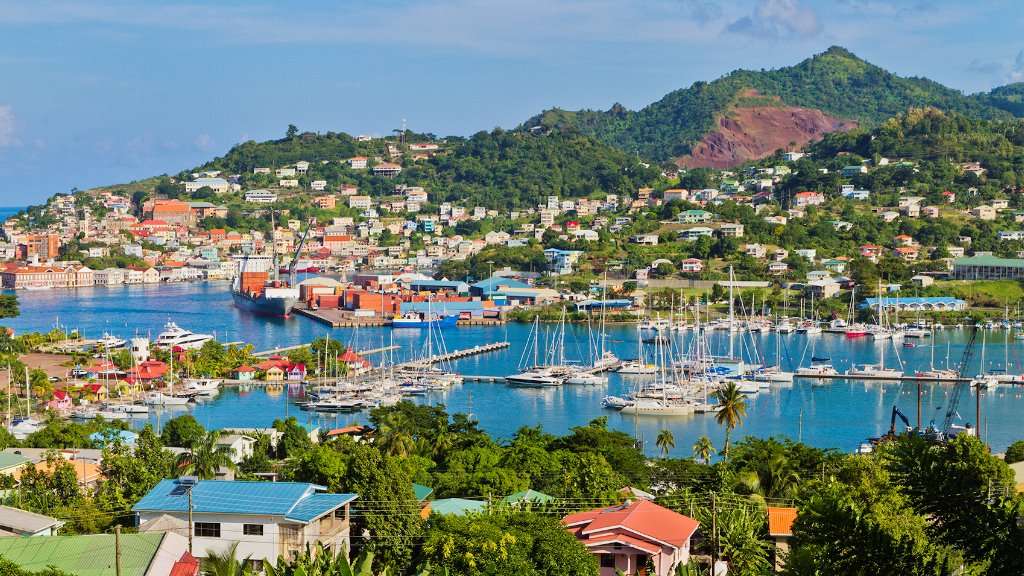
6. Small Island States Sound Alarm: New Finance Models Could Decide Their Survival
UNITED NATIONS — Small Island Developing States (SIDS) are warning that the global financial system is failing them as climate shocks intensify and debt burdens rise. Despite contributing less than one percent of global emissions, many islands now spend more on debt servicing than they receive in climate finance, leaving governments unable to fund resilience or recovery. UN officials say new tools are beginning to close the gap: debt‑for‑nature swaps, blue and green bonds, disaster‑pause clauses, and blended‑finance facilities that unlock private capital.
Resident Coordinators are brokering multi‑agency partnerships, from Fiji’s blue‑economy financing facility to Jamaica’s digital shock‑response system and Cabo Verde’s circular‑economy investment model. Regional initiatives, including the Pacific SDG Acceleration Fund, aim to scale these solutions. Leaders argue that only a redesigned global financial architecture can match the urgency facing island nations.
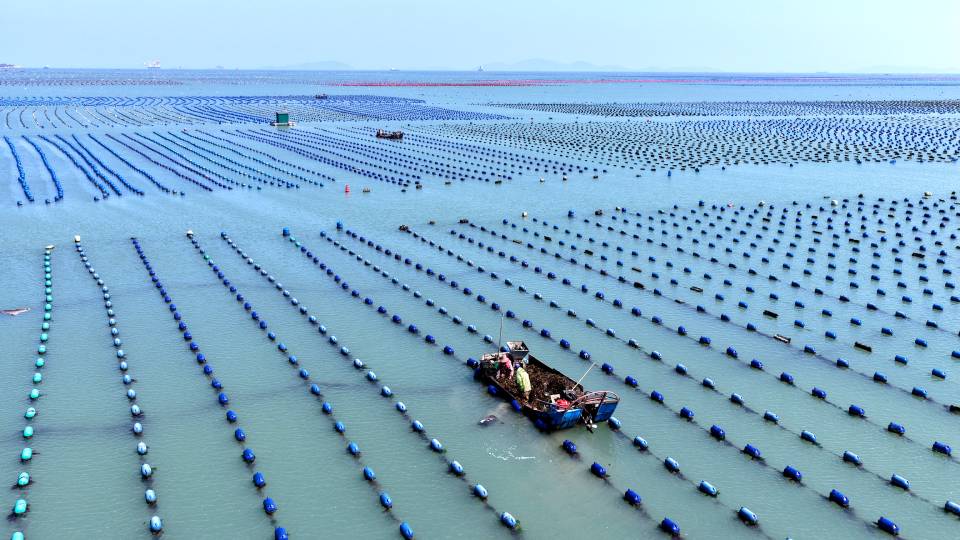
7. China’s High Stakes Bid For BBNJ Secretariat Reveals Deep Geopolitical Ambitions
China’s campaign to host the new BBNJ Secretariat in Xiamen has emerged as a major geopolitical contest, with Beijing positioning the bid as a corrective to what it calls the UN system’s geographic imbalance. China argues that Asia lacks a major ocean‑governance hub and says hosting the secretariat would align its financial contributions with its institutional influence. Its proposal includes a 15‑story headquarters, villas, and funding to support developing‑country participation—far more generous than offers from Belgium or Chile.
Analysts say the bid also reflects China’s effort to strengthen its Global South identity and gain early influence over treaty implementation. But concerns persist: some states fear China could leverage the role in maritime disputes, while others believe hosting would constrain Beijing through greater scrutiny. The final decision now hinges on institutional design, regional representation, and geopolitical calculations.
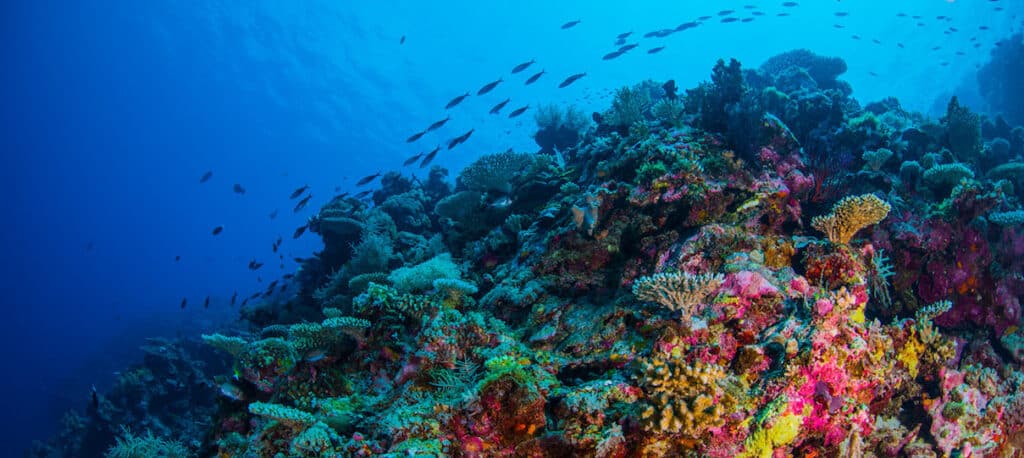
8. New Study Warns BBNJ Deal May Lock In Ocean Inequality, Not Fix It
THE HAGUE — A new legal analysis argues that the BBNJ Agreement’s approach to marine genetic resources could entrench, rather than reduce, global inequities in ocean governance. The article says negotiators resolved decades of conflict over how to classify and share benefits from Marine Genetic Resources (MGRs) by shifting from ideological debates to a technocratic model centered on future monetary‑sharing mechanisms.
According to the study, the treaty’s “decoupled” system preserves open access and allows unrestricted commercial appropriation while postponing any binding financial obligations. The text notes that this structure, combined with high activation thresholds and delayed review clauses, risks reinforcing existing scientific and technological asymmetries between wealthy and developing states. By deferring equity claims rather than resolving them, the Agreement may reshape how actors make justice arguments in the ocean commons.
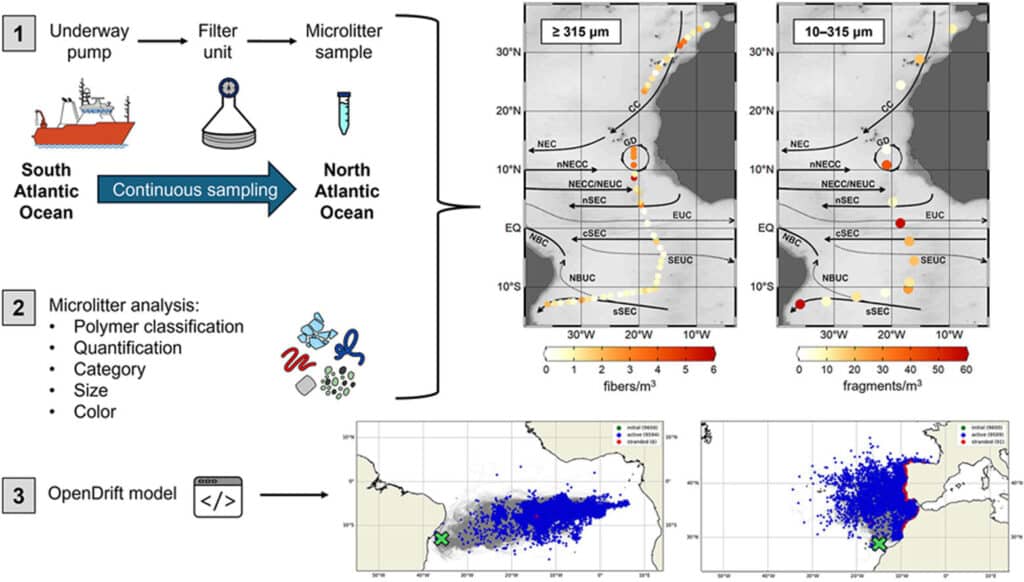
9. New Study Reveals West Africa Is A Major Source Of Microlitter Polluting The Atlantic
A trans‑Atlantic research expedition has identified the West African coast as the dominant source of microlitter contaminating vast stretches of the South Atlantic, with currents carrying particles thousands of kilometers toward Brazil and into remote ocean regions. Scientists from the Institute of Environmental Science and Technology at the Universitat Autònoma de Barcelona analyzed seawater along an 8,000‑kilometer transect and used dispersion models to trace particle origins.
The study found high concentrations near the equator and off Brazil, with additional inputs from northern Brazil and the Iberian Peninsula. Smaller particles dominated the samples, while larger ones were mostly cellulosic fibers—often released during domestic washing of treated cotton textiles. Researchers warn that microlitter now permeates tropical and temperate waters, reflecting industrialization patterns and population density. The findings underscore the need for coordinated global action to address transboundary plastic pollution.
10. NOAA Sets New Rules For 2026–27 Recreational Fishing, Boosting Black Sea Bass Harvest
WASHINGTON — NOAA Fisheries has finalized new recreational management measures for summer flounder, scup, and black sea bass for 2026 and 2027, while approving a revamped process for setting future rules. The Recreational Measures Setting Framework standardizes how bag limits, size limits, and seasons are determined across four Mid‑Atlantic species, aiming to improve predictability amid fluctuating catch estimates.
For 2026–27, NOAA will maintain status‑quo scup measures in federal waters and continue using conservation equivalency for summer flounder and black sea bass, allowing states or regions to craft their own rules. The approach preserves stability in the flounder harvest and enables a 20% increase in the black sea bass harvest through coordinated state plans. NOAA says the framework strengthens accountability measures and gives managers more flexibility to respond to uncertainty in recreational data.
11. London’s Corporate Elite Turn To The Oceans As A New Status Symbol: Saving Them
LONDON — A growing wave of London businesses is embracing the “blue economy,” reframing marine conservation as both a corporate responsibility and a competitive advantage. Companies across the capital—from fintech startups to major financial institutions—are shifting procurement and branding strategies toward ocean‑positive products, particularly reusable hardware that funds plastic‑collection programs in coastal communities.
Brands like Ocean Bottle have become emblematic of this shift, offering products tied directly to measurable waste‑reduction impacts. The article links this trend to rising consumer expectations, post‑pandemic corporate social responsibility norms, and the mounting plastic crisis affecting UK rivers and coastlines. London’s design sector is also driving innovation in durable, repairable, low‑impact materials. Combined with refill infrastructure, community cleanups, and data‑driven purchasing tools, the city’s business culture is positioning ocean conservation as a mainstream economic priority rather than a niche cause.
12. Scientists Stunned By Discovery Of Vast Deep‑Sea Coral Reef Hiding Off Argentina
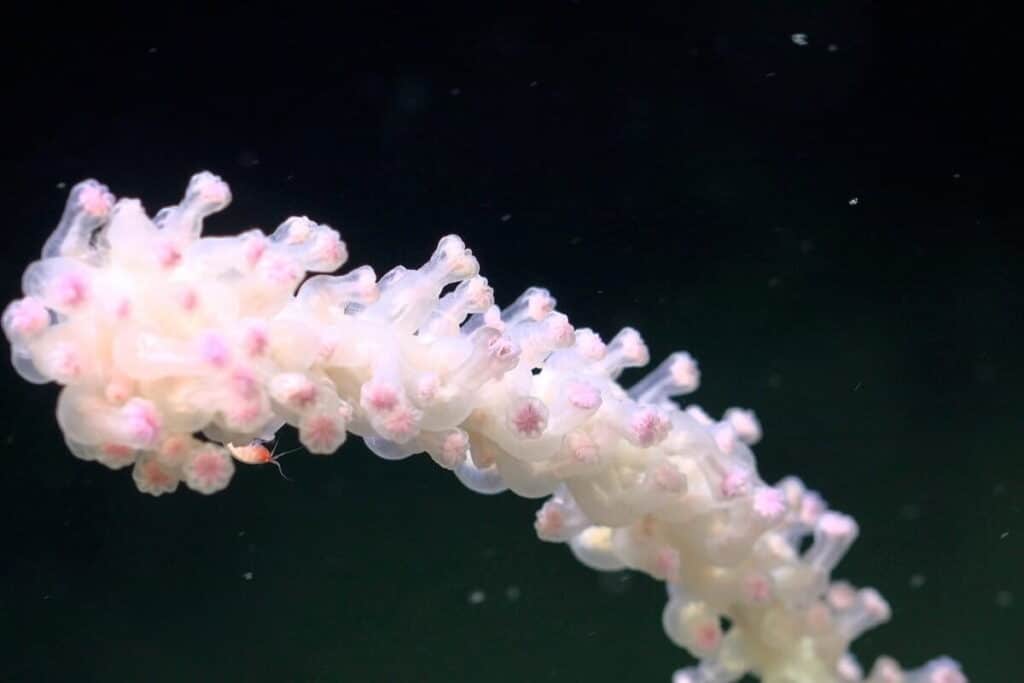
BUENOS AIRES — Researchers have uncovered what may be one of the world’s largest deep‑sea cold‑water coral reefs, stretching across 900 kilometers of Argentina’s territorial waters at depths of about 1,000 meters. The reef, dominated by the rare species Bathelia candida, hosts an unexpectedly rich ecosystem, including about 40 potential new species. Scientists aboard the Schmidt Ocean Institute’s R/V Falkor documented vibrant communities of squid, brittle stars, squat lobsters, and other deep‑sea life.
But the team also found fishing debris, damaged coral, and concerns that the region could face future oil and gas exploration. Researchers are testing restoration methods, including 3D‑printed “artificial corals” and substrate installations to help larvae settle. They warn that protecting these slow‑growing reefs is critical, as they support nutrient cycling, fisheries, and biodiversity across the South Atlantic.
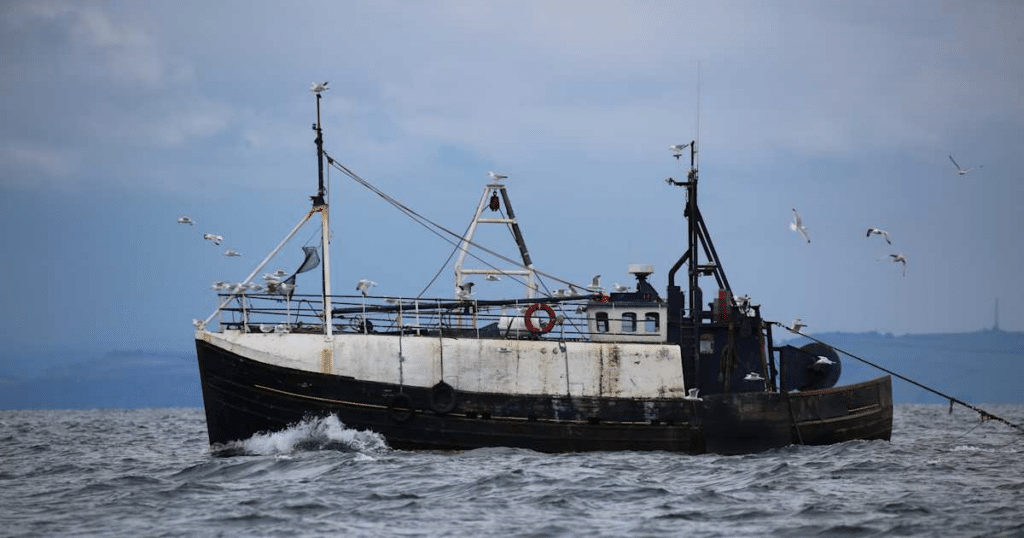
13. New Analysis Shows Europe’s Bottom Trawling Industry May Cost Society Billions
BRUSSELS — A sweeping economic assessment finds that bottom trawling across Europe generates negative net value for society, with annual losses estimated between €2.07 billion and €15.97 billion. According to the study, the highest cost comes from carbon released when trawls disturb seabed sediments, producing climate damages that outweigh industry profits in most scenarios. The authors note that “society may be losing out to the private sector,” citing high CO₂ emissions, habitat destruction, and heavy reliance on government subsidies.
The analysis also shows that 23.2% of trawling effort occurs inside Marine Protected Areas, undermining conservation goals. While bottom trawling supplies protein and supports jobs, the paper concludes that phasing out the practice—especially within MPAs—could yield substantial net benefits. The findings highlight the growing policy debate over whether continued trawling aligns with Europe’s climate and biodiversity commitments.
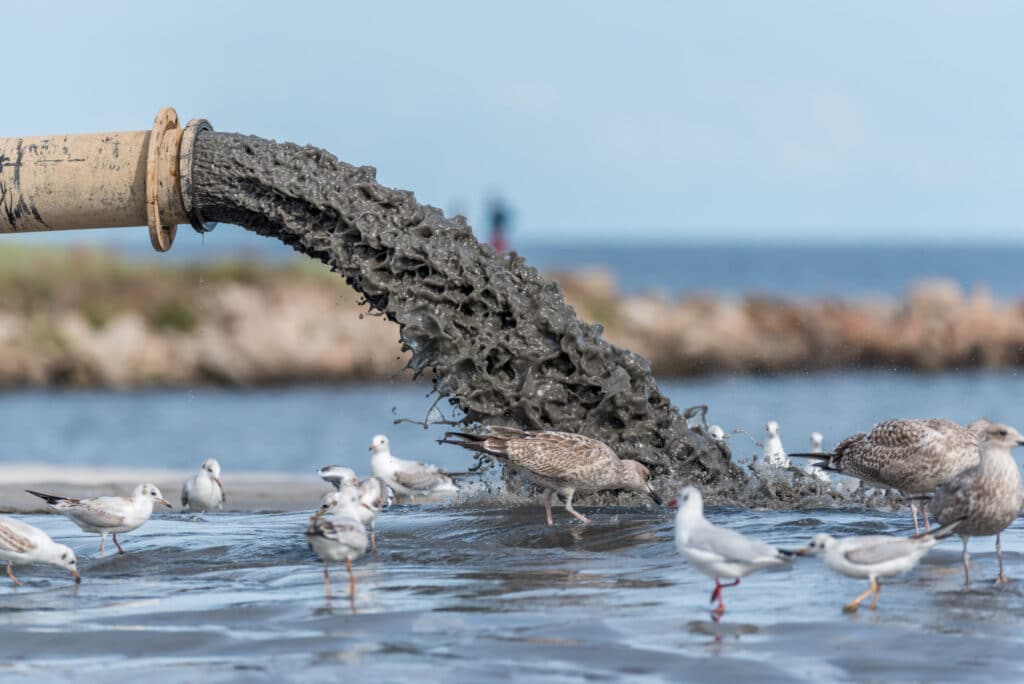
14. Global Study Finds Marine Protected Areas Are Drowning In Sewage
A sweeping global analysis reveals that nearly three‑quarters of the world’s marine protected areas are contaminated by sewage, with pollution levels inside MPAs often ten times higher than in nearby unprotected waters. Researchers from the Wildlife Conservation Society and the University of Queensland examined wastewater exposure across more than 16,000 MPAs and found the worst impacts in tropical regions critical for coral reefs.
The study links sewage‑borne nitrogen, pathogens, and chemicals to coral decline, harmful algal blooms, and even neurological disease in marine mammals. Scientists warn that MPAs cannot block land‑based pollution, calling it a “fundamental limitation” of current conservation policy. They argue that the 30×30 global protection goal will fail unless governments integrate wastewater management, land‑use planning, and pollution reduction into MPA design and evaluation.
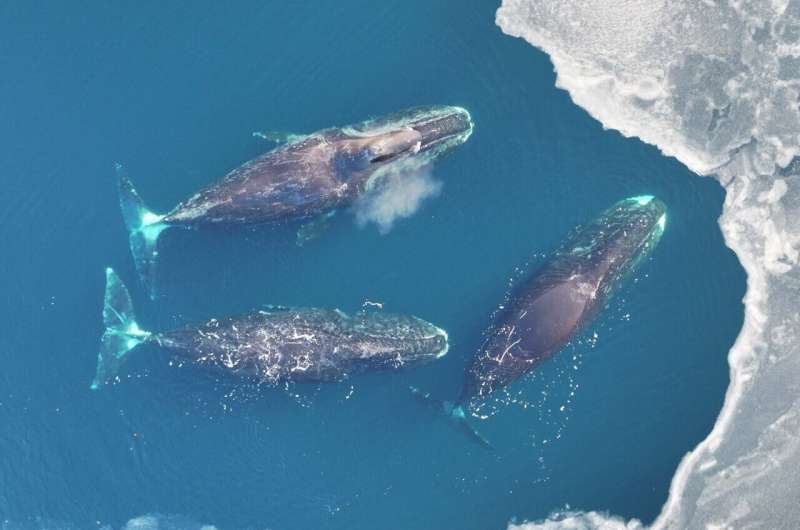
15. Centuries-Old Whaling Still Shapes Which Bowhead Populations Can Recover Today
A new international study shows that bowhead whale populations are recovering only in regions where hazardous sea ice once shielded them from intensive commercial whaling. Researchers analyzed more than 700 historical whaling logbooks and found that by the late 1700s, British and American fleets had expanded across nearly the entire Arctic, devastating most bowhead stocks.
Populations off Alaska and West Greenland—whose ancestors found refuge behind dangerous ice barriers—are rebounding, while whales in East Greenland and the Sea of Okhotsk show little recovery. The study argues that differences in today’s population trends reflect historical patterns of exploitation more than modern environmental change. Scientists say the findings highlight the need for conservation plans that account for centuries‑old human pressures on long‑lived marine species still struggling to recover.
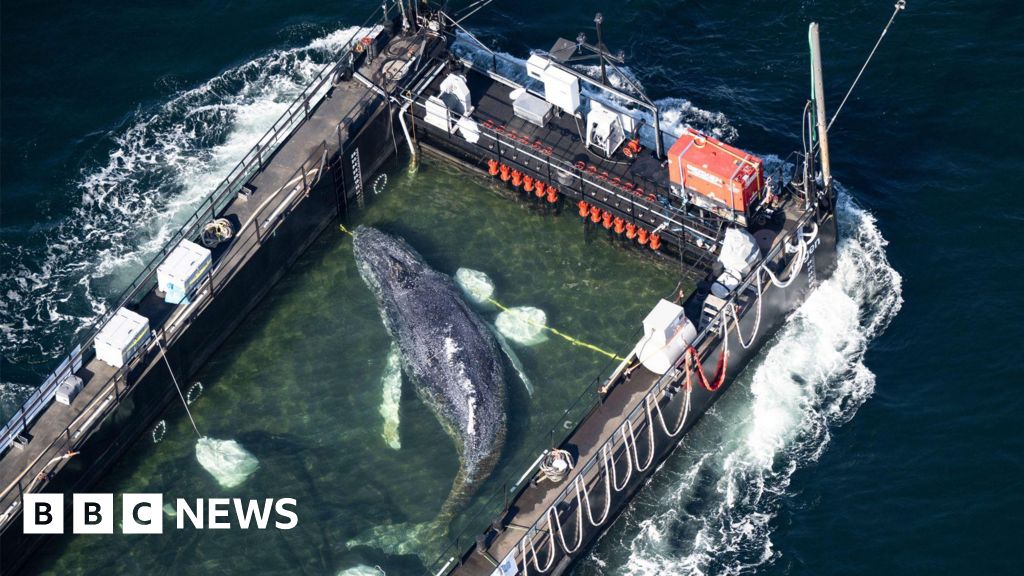
16. Germany Hauls Stranded Humpback To Sea In Daring Rescue, But Experts Fear It Won’t Survive
BERLIN — A humpback whale stranded for more than five weeks in shallow Baltic waters has been ferried out of Germany aboard a specially modified barge, ending a rescue mission that captivated the country. The whale, nicknamed Timmy or Hope, was coaxed into the water‑filled vessel after earlier attempts to guide it to deeper water failed. Officials celebrated the operation, calling it a national example of determination, but marine scientists warned the animal is “severely compromised” and unlikely to survive even in the North Sea.
The whale suffered skin damage from low‑salinity waters and may be too weak to feed or swim independently. Its ordeal began after it became entangled in netting and repeatedly stranded along the coast. Rescue leaders expressed emotional relief as the barge departed, though conservation groups remain pessimistic about the whale’s long‑term fate.
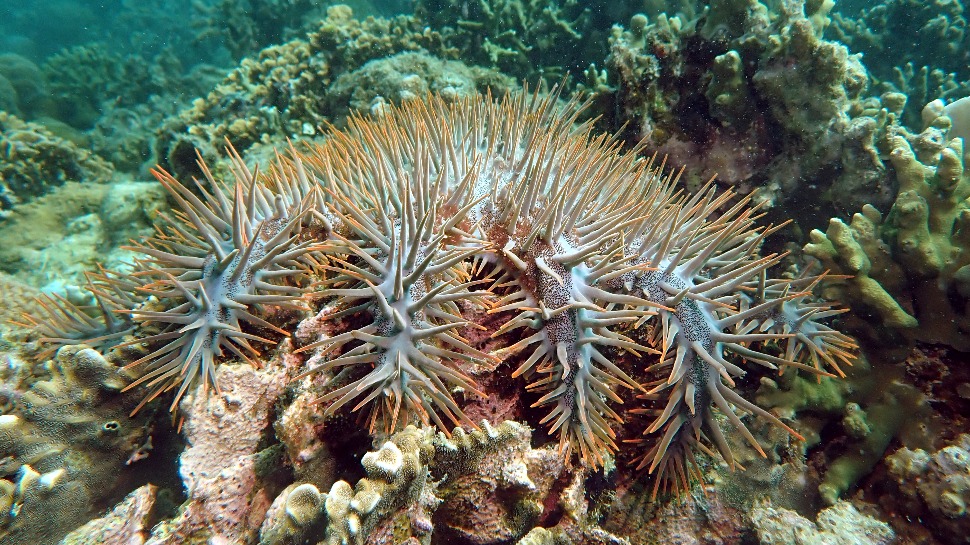
17. Massive Crown‑Of‑Thorns Outbreaks Threaten Philippine Reefs, And Scientists Say Humans Are Driving Them
SAGAY CITY, PHILIPPINES — Marine biologists warn that crown‑of‑thorns sea star outbreaks are accelerating damage to Philippine coral reefs, fueled largely by human‑driven declines in water quality. The coral‑eating species, Acanthaster solaris, normally exists in low numbers, but nutrient‑rich runoff boosts phytoplankton, allowing far more larvae to survive. Researchers say these population explosions can strip reefs of hard corals faster than they can recover, undermining habitat for thousands of fish and invertebrates.
A recent survey of reefs off northern Negros found varying levels of damage, with even the healthiest sites hosting high densities of sea stars. Experts advise reporting outbreaks and removing sea stars only under guidance, noting that improper handling can trigger “panic spawning” and worsen the problem. Vinegar injections are recommended to avoid secondary outbreaks, alongside long‑term efforts to reduce sediment and nutrient pollution.