


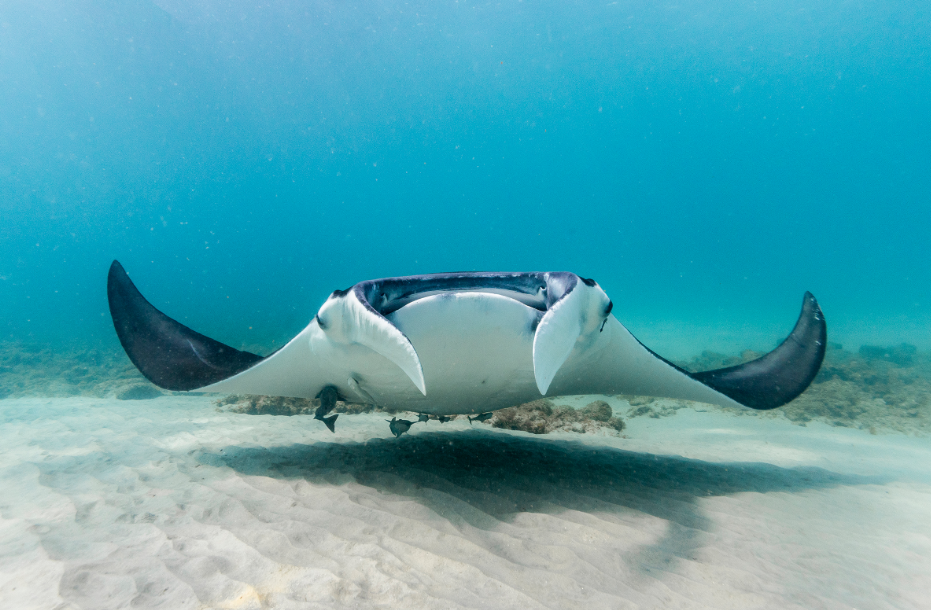
1. Florida Officials Face Mounting Pressure to Halt Capture of Threatened Marine Species
TAMPA, FLORIDA — Florida wildlife regulators are weighing a major overhaul of the Marine Special Activity License program after public outrage over a contractor’s 2025 capture and export of a manta ray for a SeaWorld‑affiliated aquarium in Abu Dhabi. The Florida Fish and Wildlife Conservation Commission is set to review an amendment that would limit marine captures to exhibition and educational purposes.
Still, lawmakers argue the proposal doesn’t go far enough. Eighteen legislators, led by St. Petersburg Rep. Lindsay Cross, urged commissioners to delay the vote and fully ban the capture of manta rays and other threatened species, warning that continued removals undermine Florida’s conservation legacy. Advocates say the public overwhelmingly supports stronger protections, while Cross added that exporting Florida wildlife for profit should end entirely. The postponed vote is scheduled for May 13.

2. Scientists Sound Alarm: India Needs a Unified Plan to Stop Marine Wildlife Trafficking
KOCHI, INDIA — Indian marine scientists are urging the government to adopt a coordinated national strategy to combat the country’s growing illegal trade in shark fins, corals, and other protected marine species. At a workshop hosted by the ICAR–Central Marine Fisheries Research Institute, researchers and enforcement officials warned that trafficking networks are becoming more sophisticated, outpacing traditional policing methods.
Data presented at the meeting showed 17 seizures of illegal shark derivatives between 2010 and 2022, with shark fins accounting for 82 percent of confiscated material and Tamil Nadu emerging as a major hotspot. Experts emphasized the need for stronger forensic tools, better inter‑state coordination, and technology‑enabled surveillance. They also stressed that long‑term solutions must integrate conservation science with the socioeconomic realities of coastal fishing communities.
Your generous gift helps us keep this publication afloat.

3. Youth Activists Push Philippines to Declare South China Sea a Peace Park for Future Generations
MANILA, PHILIPPINES — A youth‑led coalition is urging the Philippine government to champion a bold proposal: designate the South China Sea—part of the Asian High Seas—as an Asia Marine Peace Park to protect threatened ecosystems beyond national borders. The Global Guardians of the Sea and Earth Allies (SEA) filed their petition simultaneously with the Philippine Mission to the UN in New York and the Department of Foreign Affairs in Manila, gathering more than 300 signatories from scientists, legal experts, fisherfolk, and students.
Advocates argue the Coral Triangle’s biodiversity, vital fish stocks, and migratory routes demand stronger protections under the BBNJ Treaty. They say marine reservations could stabilize food security, strengthen regional cooperation, and counter rising threats from unregulated fishing, pollution, and deep‑sea mining. Youth leaders emphasize a shift from territorial ownership to shared stewardship, calling for the genuine inclusion of coastal communities in policy decisions.

4. U.S. Petition Targets China’s Shark Fleet as New Data Reveals Massive High‑Seas Toll
LONDON — A new analysis published by Oceanographic Magazine details a sweeping U.S. petition that could force China to overhaul its shark‑fishing practices—or face restrictions on seafood exports to the United States. The Center for Biological Diversity is urging the National Marine Fisheries Service (NMFS) to formally identify China as failing to meet basic shark‑conservation standards, citing data showing more than two‑thirds of oceanic sharks have vanished since 1970.
Researchers say China’s distant‑water fleet discards tens of thousands of sharks annually, including endangered shortfin makos and critically endangered oceanic whitetips. Hong Kong remains the world’s largest—and largely unregulated—shark‑fin trading hub, with recent seizures exceeding one metric tonne. If NMFS agrees with the petition, the U.S. could impose trade pressure on China to push for stronger protections, a move conservationists argue may be one of the last viable levers to prevent further species collapse.
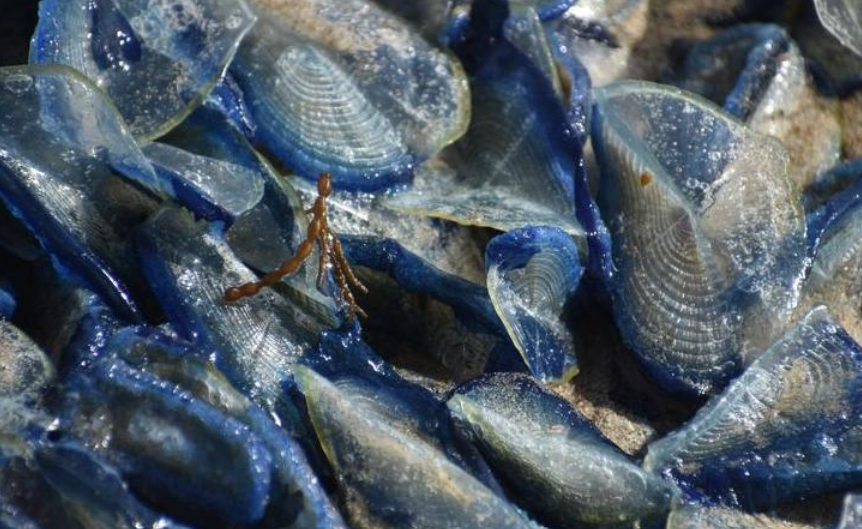
5. Massive Swarms of ‘By‑the‑Wind Sailors’ Stun Scientists Along the Pacific Coast
BEND, OREGON — Hundreds of thousands of vivid blue Velella velella—known as “by‑the‑wind sailors”—are washing ashore across Oregon, Washington, and California, creating what researchers describe as an extraordinary natural spectacle. According to Central Oregon Daily, the jellyfish‑related hydrozoans typically drift far offshore, but strong seasonal offshore winds pushed dense flotillas onto beaches in late April and early May.
Scientists say the scale of this year’s strandings is unusual, with some California beaches covered end‑to‑end in the organisms. Researchers from UC Santa Barbara, MBARI, and Georgetown University note that the species’ life cycle, wind‑driven movement, and buoyant “sails” remain only partly understood. Warm‑winter conditions and recent marine heatwaves may have contributed to the surge, though more study is needed. Scientists are urging beachgoers and sailors to report sightings through the iNaturalist app to help track the phenomenon.
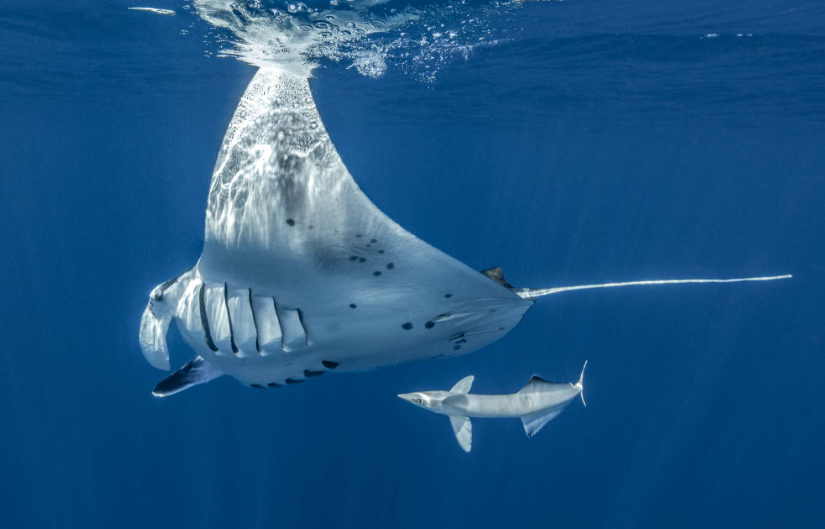
6. Scientists Baffled as Suckerfish Keep Diving Into Manta Rays’ Rear Ends
NEW YORK — Marine biologists are documenting a bizarre behavior that has left even seasoned researchers stunned: suckerfish repeatedly diving into the rear ends of manta rays. According to PEOPLE, a new study in Ecology and Evolution recorded seven confirmed cases of “cloacal diving” over 15 years, with scientists suspecting the real number is far higher. Lead author Emily Yeager of Miami University told CBC that divers often see only “the very tip of the tail poking out,” suggesting the behavior is under‑reported.
Researchers believe remoras may wedge themselves inside manta rays either to escape predators or to feed, with one expert noting the behavior may be “coprophagy”—eating feces. While remoras typically form symbiotic partnerships with hosts, scientists warn that entering the cloaca could damage sensitive tissue and potentially affect reproduction and waste excretion.
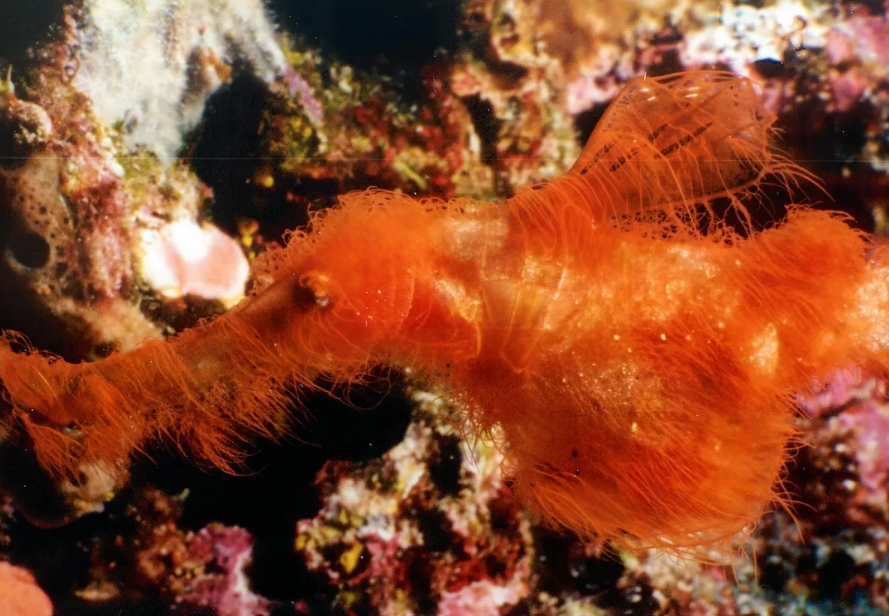
7. Scientists Finally Confirm Bizarre ‘Snuffleupagus’ Fish After 20‑Year Search
CAIRNS, AUSTRALIA — A shaggy, bright orange pipefish that looks uncannily like Sesame Street’s Mr. Snuffleupagus has officially been identified as a new species after eluding scientists for nearly two decades. According to Popular Science, marine biologist David Harasti first spotted the unusual creature during a 2001 dive near Papua New Guinea but couldn’t match it to any known fish. Divers reported occasional sightings over the years, yet no specimen was ever collected.
That changed in 2020, when Harasti and colleague Graham Short located a male–female pair in the Great Barrier Reef after days of searching macroalgae. Their analysis confirmed the species—Solenostomus snuffleupagus—the hairiest ghost pipefish known, with long red, orange, and green filaments that provide exceptional camouflage. Sesame Workshop even endorsed the name, calling the discovery a perfect blend of science and imagination.
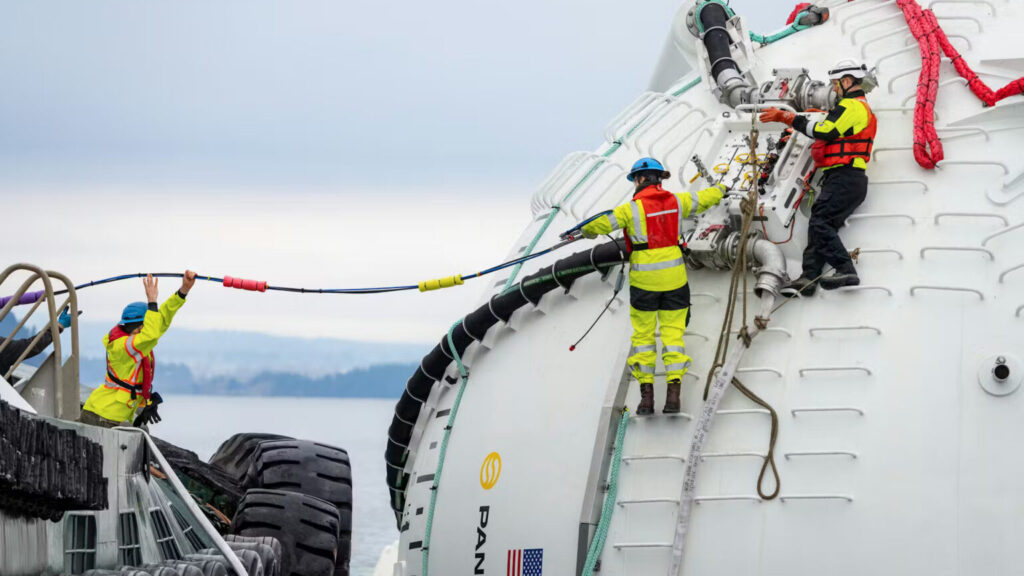
8. Silicon Valley Backs $200 Million Push for Offshore, Wave‑Powered AI Data Centers
SAN FRANCISCO — Tech investors are committing more than $200 million to develop floating, wave‑powered data centers designed to run energy‑intensive AI systems far offshore. The startup leading the effort has raised $140 million to build a manufacturing facility near Portland and to begin deploying steel “nodes” that generate electricity from wave motion and use surrounding seawater for cooling.
Each unit relies on a vertical tube beneath the surface that drives a turbine as waves rise and fall, producing power for onboard AI hardware without drawing from the electrical grid or requiring freshwater. Earlier prototypes were tested in Washington state, and the newest version is scheduled for Pacific trials later this year. Developers envision thousands of offshore units operating as a distributed computing network.
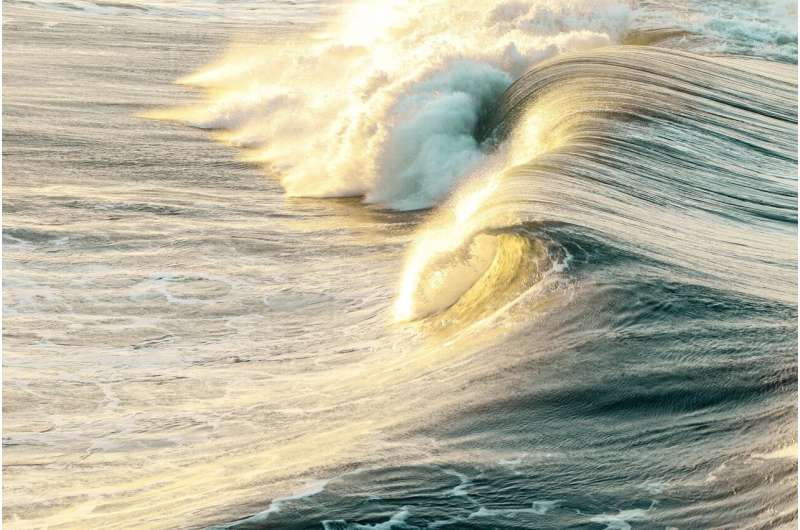
9. Scientists Detail the Ocean System That Moderates Europe’s Climate
LONDON — Europe’s relatively mild climate is shaped by a vast ocean‑circulation system that moves heat northward and redistributes it through the atmosphere. Researchers describe this system, known as the Atlantic Meridional Overturning Circulation, as a network of interacting currents rather than a single conveyor belt. Warm surface waters travel north, release heat, cool, and sink, driving a return flow at depth that helps regulate temperatures across the region.
Scientists say one key component — the Subpolar Gyre between the Labrador Sea and Ireland — can weaken independently of the broader system. When that happens, Europe can experience abrupt cold spells similar to those recorded during the Little Ice Age. Ongoing changes in ocean temperature and salinity may influence how these regional subsystems behave, raising questions about future climate stability.
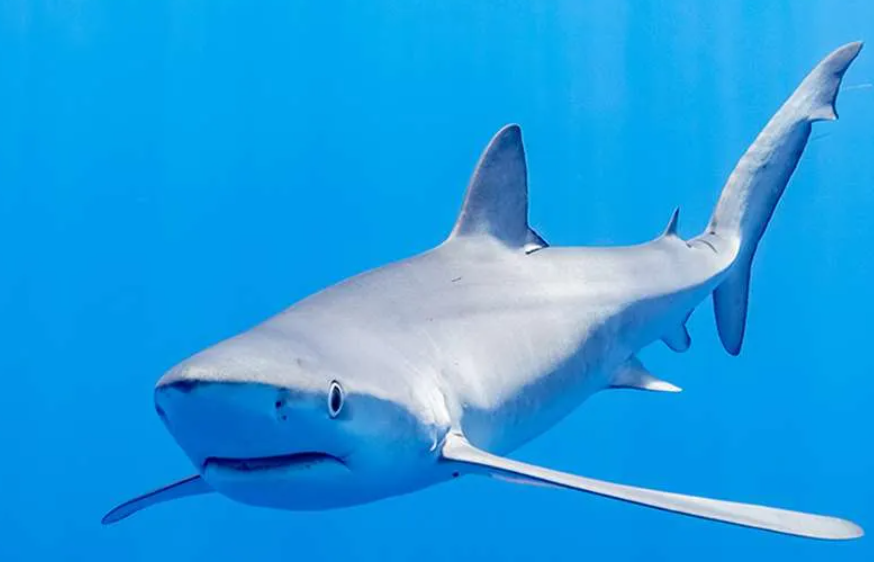
10. Shark‑Mounted Sensors Sharpen Ocean Forecasts by More Than 40 Percent
Scientists have shown that sharks equipped with fin‑mounted sensors can significantly improve ocean forecasting, reducing errors in a leading climate model by up to 43 percent. Researchers tagged 18 blue sharks and one shortfin mako off the U.S. Northeast coast, turning the predators into mobile data‑collection platforms that naturally seek out dynamic ocean features such as fronts and eddies.
As the sharks surfaced, the tags transmitted temperature and depth data via satellite, filling gaps in regions where buoys, ships, and autonomous vehicles often struggle to gather continuous measurements. Scientists say the approach could strengthen climate modeling, fisheries management, and marine‑heatwave prediction by providing richer, more frequent observations from rapidly changing waters.
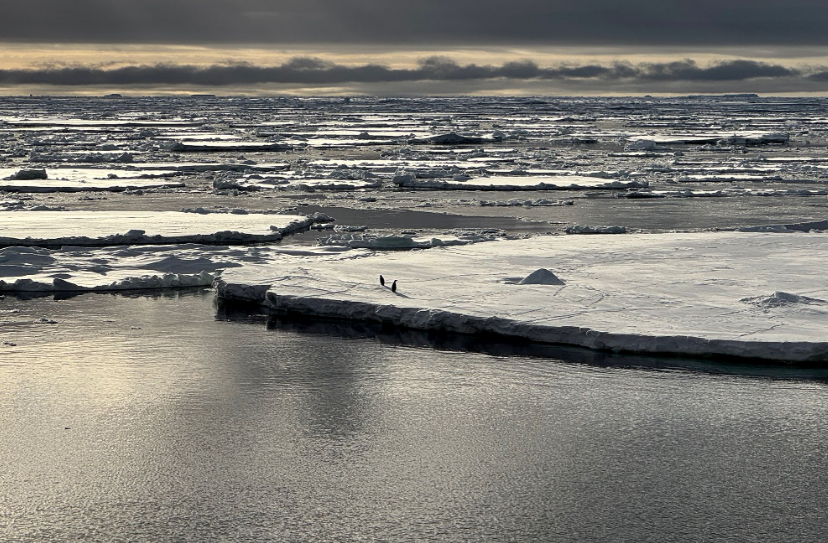
11. Scientists Identify ‘Triple Whammy’ Behind Antarctica’s Sudden Sea‑Ice Collapse
Antarctica’s sea ice has plunged to record lows after decades of slow growth, and scientists say a “triple whammy” of climate‑driven forces triggered the abrupt decline. Beginning around 2013, shifting winds pulled warm, salty deep water upward. In 2015, powerful storms mixed this heat into the surface, accelerating melt across the continent. Since 2018, the system has been trapped in a feedback loop in which warm, salty surface water prevents new ice from forming.
Researchers found the collapse unfolded in three distinct stages and now threatens global climate stability. East Antarctica’s losses appear almost entirely ocean‑driven, while West Antarctica saw additional melt from trapped atmospheric heat during 2016 and 2019. Scientists warn that persistently low ice could disrupt ocean circulation, intensify warming, and push parts of the region toward irreversible tipping points.
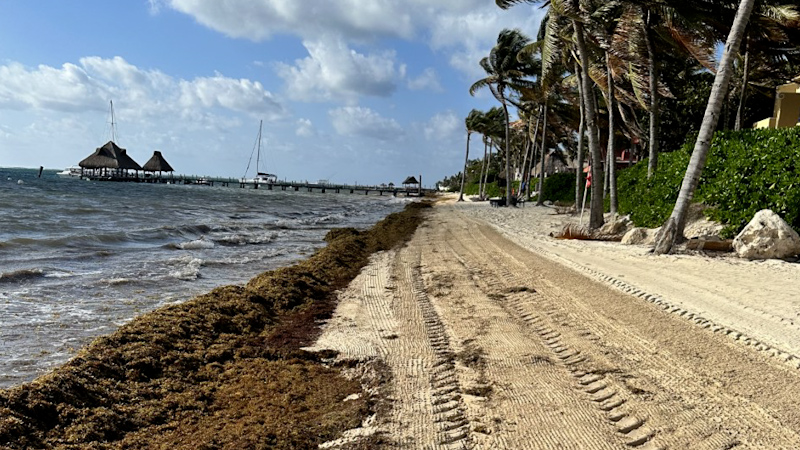
12. Mexico Deploys Naval Fleet as Sargassum Threatens Quintana Roo Beaches
QUINTANA ROO, MEXICO — Mexico’s Navy has deployed 13 vessels to help contain an expected surge of sargassum along the state’s Caribbean coastline, as 2026 shapes up to be one of the most severe seasons on record. Officials say the Navy is working with local authorities to intercept seaweed offshore and reduce the amount that reaches popular tourist beaches.
The effort comes as monitoring groups warn of unusually large sargassum accumulations in the Atlantic, raising concerns for tourism, coastal ecosystems, and near‑shore water quality. Navy vessels are being used to collect seaweed at sea and support beach‑cleaning operations as needed. Authorities say the goal is to limit the environmental and economic impacts of a season that could surpass previous years in scale and duration.
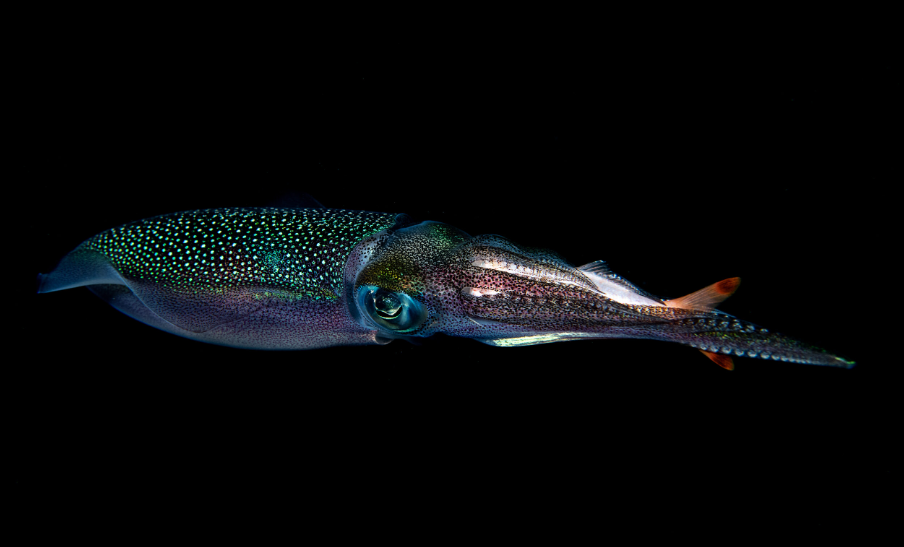
13. Giant Squid Detected in Western Australia Through Deep‑Sea eDNA Survey
NINGALOO COAST, AUSTRALIA — Scientists have detected evidence of a giant squid in Western Australian waters for the first time in more than two decades, using environmental DNA collected from deep submarine canyons off the Nyinggulu (Ningaloo) coast. Researchers identified Architeuthis dux in multiple samples taken from the Cape Range and Cloates canyons, marking the northernmost confirmed record of the species in the eastern Indian Ocean. The finding emerged from a large‑scale survey that gathered more than 1,000 water samples from depths exceeding 4,500 meters.
The study also revealed striking biodiversity, identifying 226 species across 11 major animal groups, including rare deep‑sea fish, cnidarians, echinoderms, marine mammals, and cephalopods. Several species had never been recorded in Western Australian waters. Scientists say the results underscore how little is known about Australia’s deep‑sea ecosystems and highlight the need for continued exploration.
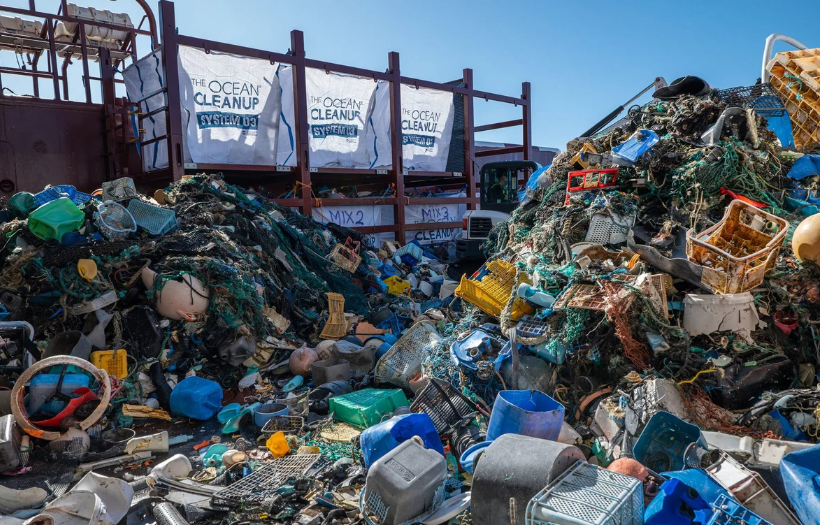
14. Airborne Microplastics From Pacific Garbage Patch Found to Worsen Planetary Heating
HONOLULU, HAWAII — The Great Pacific Garbage Patch, a swirling mass of plastic debris between Hawaii and California, is shedding particles small enough to be lifted into the atmosphere, where new research shows they may be contributing to global warming. As plastic fragments collide and degrade, they form microplastics and nanoplastics that can be swept up by wind and storms. Scientists analyzing these airborne particles found that many absorb significant amounts of sunlight, especially those containing pigments such as red, yellow, blue, and black.
The study suggests these particles act like dark fabric, trapping heat and warming the atmosphere. Researchers found that nanoplastics, in particular, stay aloft longer and absorb more sunlight than larger particles. While the global effect is modest, the warming impact in regions like the garbage patch may rival or exceed that of black carbon, underscoring a largely overlooked climate risk.
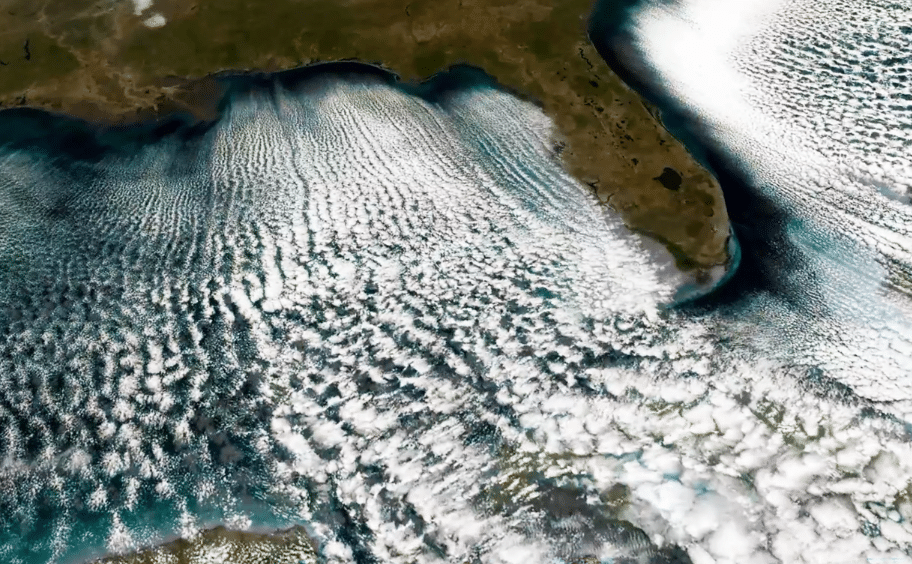
15. Cleaner Air Is Dimming Marine Clouds and Accelerating Ocean Warming
NORTH ATLANTIC & NORTHEAST PACIFIC — A new study shows that declining air pollution has unintentionally weakened a major planetary cooling mechanism: the reflectivity of marine clouds. As aerosol emissions fall, clouds over key ocean basins have become dimmer and less extensive, reducing the amount of sunlight reflected back into space. Satellite data reveal that cloud reflectivity in these regions has dropped by nearly 3 percent per decade, allowing more solar energy to reach the ocean surface and driving rapid warming.
Researchers link the trend to fewer airborne particles available to seed cloud droplets, causing droplets to grow larger, become less bright, and rain out more quickly. The findings help explain why ocean temperatures have risen faster than climate models predicted and suggest that cleaner air may be exposing previously masked warming.
16. Near‑Record Ocean Heat Raises Odds of a Once‑in‑a‑Century Super El Niño
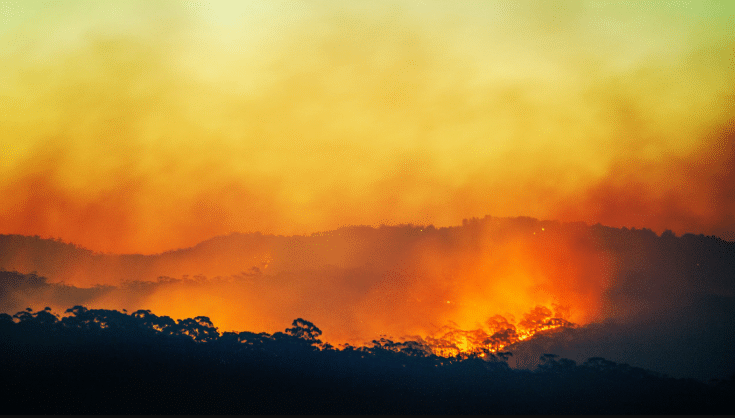
Sea surface temperatures in April reached the second‑highest level ever recorded for the month, signaling a rapid shift toward El Niño conditions that forecasters say could evolve into one of the strongest events of the century. The Copernicus Climate Change Service reports that extrapolar ocean temperatures hit 21°C, just shy of last year’s record, with widespread marine heatwaves emerging across multiple basins.
NOAA now estimates a 61% chance that El Niño will form between May and July and a 25% chance that it will intensify into a very strong, “super” El Niño by winter. Scientists warn that such an event could amplify global temperatures, strain fisheries, and increase risks of drought, wildfires, and coral bleaching. The last comparable El Niño occurred in 1997–98, with impacts felt worldwide.
17. Aircraft Survey Uncovers Unexpectedly High Biological Productivity in the Southern Ocean
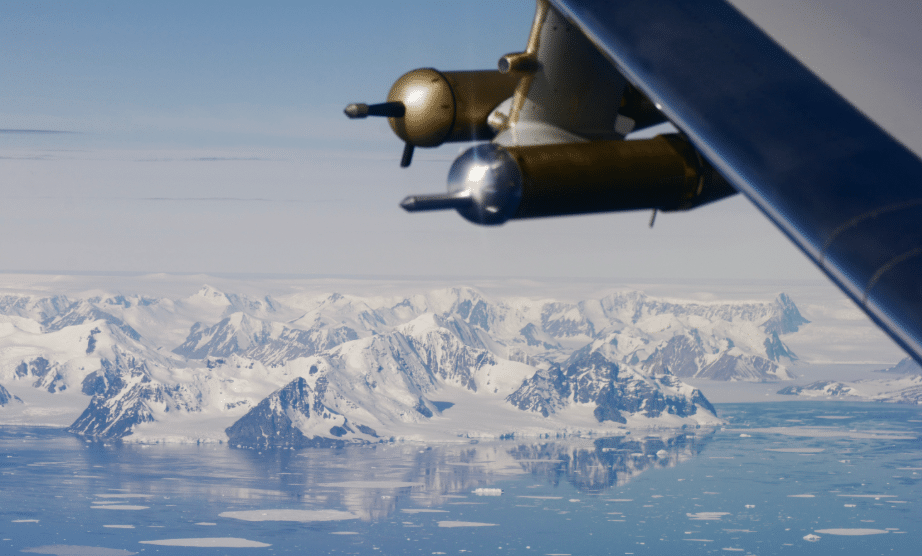
SOUTHERN OCEAN — New aircraft measurements have revealed that the Southern Ocean is far more biologically productive than scientists believed, challenging long‑held assumptions about one of Earth’s most remote marine regions. Using high‑altitude research flights, scientists detected large plumes of dimethyl sulfide — a gas produced by phytoplankton — rising from the ocean surface. The concentrations were far higher than predicted by satellite data or climate models, indicating that phytoplankton activity in these waters is significantly underestimated.
Researchers say the findings have major implications for understanding global carbon cycling and cloud formation. Dimethyl sulfide contributes to cloud‑seeding aerosols, meaning stronger biological activity could influence cloud brightness and regional climate. The results suggest that the Southern Ocean plays a larger role in regulating Earth’s heat balance than previously recognized, and that current models may be missing key biological processes.
18. EPA Approves Deep‑Ocean Biomass Sinking Trial as Carbon Removal Sector Faces Uncertainty
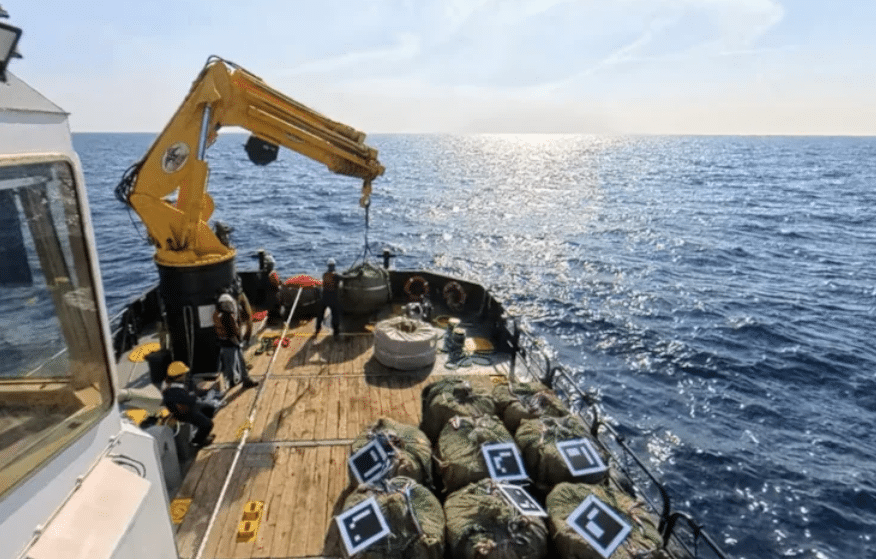
WASHINGTON — As the carbon‑removal industry absorbs a major setback from Microsoft pausing its purchases — a move affecting roughly 80% of contracted removals to date — a rare bright spot has emerged: the U.S. Environmental Protection Agency has approved a research permit for a deep‑ocean carbon‑storage experiment. The Houston‑based startup Carboniferous plans to test “ocean biomass sinking,” a method that harvests land‑grown plant material and deposits it into an anoxic basin in the Gulf of Mexico, where decomposition slows, and carbon may remain locked away for centuries.
The trial will place sugarcane residue in the Orca Basin to study decay rates and carbon retention. Scientists say ocean biomass sinking could store 0.1 to 1 gigaton of CO₂ annually, but far more removal — up to 20 gigatons by 2100 — will be needed to meet climate goals. Researchers warn that ecological risks and scalability remain unresolved.