

 The open ocean is at risk from climate change, over-fishing, deep-sea mining, farm pollution, and plastics. This situation is even more dire since 60% of the ocean has no conservation rule as it’s outside national jurisdiction. Representatives at a UN Ocean Conference are focusing discussions towards international agreement on how to protect and manage ocean biodiversity. Together they hope to set up legal framework for marine conservation, look more rigorously into environmental impact before industrial activities are undertaken, and develop rules around marine resources so all nations can share the wealth of the seas.
2. A Continent Divided – Delaware Sized Iceberg Cleaves from Antarctica

A one trillion ton iceberg, the biggest on record, has broken off of Antarctica sometime between July 10 and 12. It is the size of Delaware. The interesting thing is what happens next: Will the ice shelf weaken and collapse? Will the glaciers behind this iceberg accelerate and have a direct contribution to sea-level rising? Or is this just a normal calving event? Opinions in the scientific community are divided and it is too early to blame this event on human generated climate change. Currently, it only poses an added risk to ships.

4. Susan Combs Once Stated that Endangered Species Act – “Threatens to Blow Up Texas Economy” Now in Charge of the Proverbial Henhouse
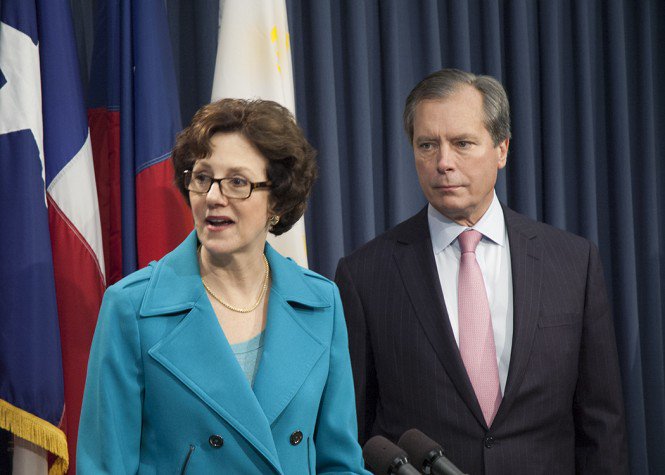 Former Texan comptroller Susan Combs was appointed by the Trump administration to be assistant secretary for policy, management and budget in the Department of the Interior. This department overlooks the U.S. Fish and Wildlife Service and is therefore responsible for the Endangered Species Act, of which she has been a strong critic. She has publicly vowed to protect Texas business interests and has “likened the endangered species listings to ‘incoming Scud missiles’ that threaten to blow up the Texas…economy’.
5. Stanford Study: We are Currently in Greatest Period of Extinction Since Dinosaur Eradication
 According to a 2015 study, earth has entered a period of mass extinction unparalleled since the dinosaurs, with 2 vertebrate species going extinct every year on average. A recent study done at Stanford found that more extreme to this ‘seemingly’ slow rate of extinction, 30 percent of vertebrates have declining populations and ranges, which tells the more dire story of “biological annihilation occurring globally”. This loss of populations and biodiversity rob us of “crucial ecosystem services such as crop pollination, pest control, and wetlands’ water purification”. In addition, this reduction within intricate ecological networks leads to less resilient ecosystems. The authors of this study call for immediate action to curb the basic drivers of extinction: human overpopulation and overconsumption.
———————————————–
6. USPS Celebrates “Sharks Forever” Stamps
 The U.S. Postal Service will issue ‘Sharks Forever’ stamps on July 26, 2017. Five species (mako, thresher, great white, hammerhead and whale shark) will be featured. A first day of issue ceremony will take place at Newport Aquarium in Newport, Kentucky. Use #SharksStamps on social media.
7. Deep Sea Corals Use Fluorescence to Create “Sunlight” Required for Survival

———————————————–
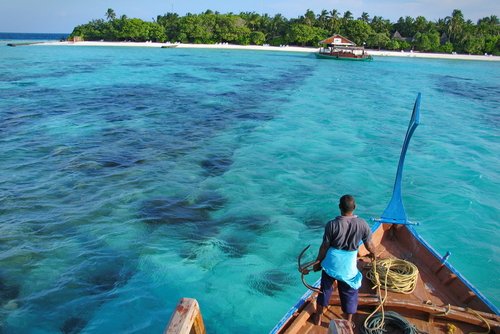 In contrast to their small carbon footprint, small island developing states and the world’s least developed countries are facing the largest consequence of climate change’s impacts on marine life. This disparity confirms the importance of the UN’s Sustainable Development Goal #14 which includes a “target of increasing the economic benefits to least-developed countries from the sustainable use of marine resources”. The outcome of the UN Oceans Conference similarly emphasized the importance of supporting these vulnerable places.
9. G20 Attendees Rebuke Recent Decision for US to Leave Paris Accord
 At the G20 summit, participants agreed that the Paris climate accord was irreversible and they remained committed to it. Even Mr. Putin called climate change a “major issue” and commended Germany’s Angela Merkel on having reached a “good compromise”. The G20 summit, hosted in Germany, which was expected to focus on many global issues, conclued with Merkel announcing her sadness of the US’s intention of leaving the climate agreement.
Be sure to “LIKE” http://facebook.com/SeaSave to ensure our “Week in Review” is delivered to your newsfeed every Friday.
Sea Save Foundation is committed to raising awareness of marine conservation. The Week in Review is a team effort produced by the Sea Save staff to provide a weekly summary of the latest in marine research, policy, and news.