


1. A Controversial Overhaul of Wildlife Laws Sparks Nationwide Alarm
WASHINGTON — The current administration has moved to significantly narrow long‑standing safeguards for endangered animals and plants, issuing a Sept. 14 U.S. Fish and Wildlife Service memo that makes killing a protected species illegal only when intentional. The shift weakens the Endangered Species Act, which for decades held people accountable for accidental harm, including habitat destruction. A July rule further removed the definition of “harm,” opening protected lands to drilling, logging, and development unless animals are directly killed.
Twenty states and Washington, D.C., have sued, calling the changes a “reversal of staggering proportions.” Conservation groups warn the moves could accelerate extinctions amid a global biodiversity crisis. Additional proposals would roll back the 2001 roadless rule, while investigations show wild horse sales have surged, with some animals ending up slaughtered through loopholes.
2. Executive Order 14430 – Restoring American Saltwater Angling and Recreation
WASHINGTON — Executive Order 14430 directs federal agencies to overhaul management of recreational saltwater fishing, shifting the government’s posture from limiting access to actively supporting coastal economies and the angling industry. Of particular interest is Section 7: Managing Predators. Section 7 creates a new Interagency Shark and Pinniped Depredation Task Force to address rising depredation rates affecting recreational anglers. It instructs agencies to confront domestic and international barriers to sustainable shark fisheries, including reviewing treaty listings and expediting Non‑Detriment Findings for global export.
To reduce economic losses for charter operators and anglers, the order prioritizes grant partnerships and requires a standardized “Real‑Time Depredation Reporting” protocol within 90 days. The system will integrate into federal and state mobile platforms to rapidly map depredation events and support dynamic management decisions.
Your generous gift helps us keep this publication afloat.
3. Just 10% of the World’s Oceans Are Protected — And Most Aren’t Truly Safe
A new global analysis finds that only 10% of the world’s oceans are designated for conservation, and just 3.5% are effectively protected, meaning harmful activities are actually restricted. The Ocean Gap Protection Report warns that current commitments fall far short of the 30% protection target set for 2030, with projections showing ocean conservation reaching only 12% by that deadline. Researchers highlight a massive funding shortfall: just $1.8 billion is spent annually on ocean protection, compared with the $16 billion required to meet global goals.
The study shows that many ecosystems labeled “protected” remain vulnerable. Only 0.3% of mangroves and less than 10% of warm‑water corals are effectively safeguarded. Experts say meaningful progress requires strong governance, long‑term financing, community leadership, and rapid implementation of the High Seas Treaty to close the widening gap between conservation on paper and conservation in practice.
4. Most Protected Areas Aren’t Truly Protected, New Review Finds
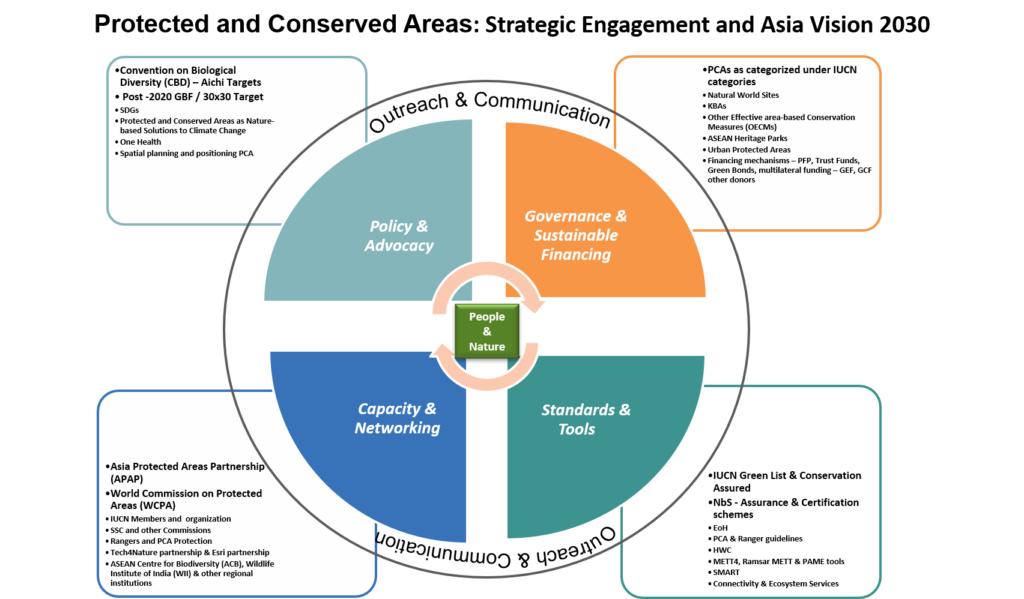
A UNEP‑WCMC explainer outlines why expanding protected and conserved areas is not enough to halt nature loss unless those areas are effectively governed and well‑managed. While tracking global coverage is straightforward, measuring performance is far more difficult, with only 6.8% of sites having completed at least one effectiveness assessment.
The analysis notes that although 10% of the ocean is within protected or conserved areas, just 3.5% is highly or fully protected, offering the strongest conservation benefits. The explainer emphasizes that effective areas must limit damaging activities, uphold Indigenous rights, and be designed as connected networks that conserve key ecosystems. UNEP‑WCMC highlights new tools such as the Ecosystem Integrity Index and a framework for identifying “paper parks,” sites legally designated but lacking management for at least five years.
5. Canada’s Ratification of the Global Ocean Treaty Could Trigger First High‑Seas Sanctuaries
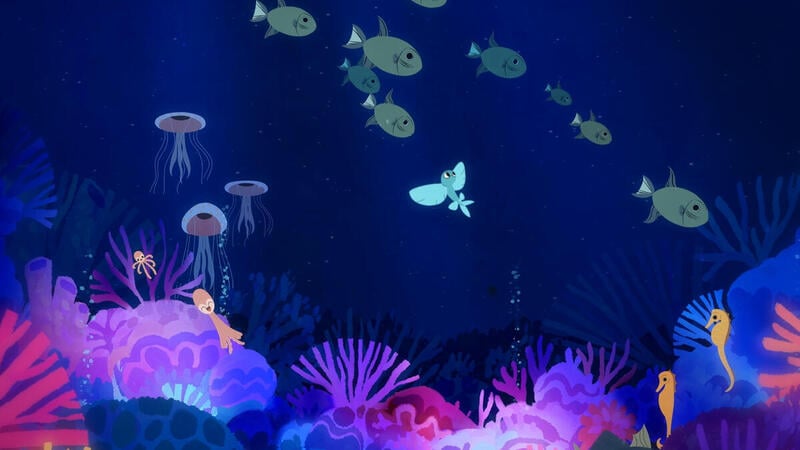
NEW YORK — Canada has officially ratified the Global Ocean Treaty, legally binding the country to the landmark agreement to protect marine biodiversity in areas beyond national jurisdiction. The treaty gives governments the authority to establish fully protected ocean sanctuaries on the high seas, allowing ecosystems and wildlife to recover and thrive. Greenpeace Canada says the move positions the country to reclaim leadership in ocean conservation, noting Canada borders three major oceans and plays a critical role in safeguarding global marine ecosystems.
Currently, only 10 percent of the global ocean is protected, with about 3.5 percent fully or highly protected. Canada will now participate in the first Ocean COP in January 2027, where nations will decide how to implement the treaty. Greenpeace is urging Canada to champion fully protected, connected sanctuary networks that ensure ecological connectivity and exclude harmful extractive activities such as industrial fishing.
6. Plastic Is Merging With Coral, Creating a New Hybrid Material Scientists Call “Plasticoral”
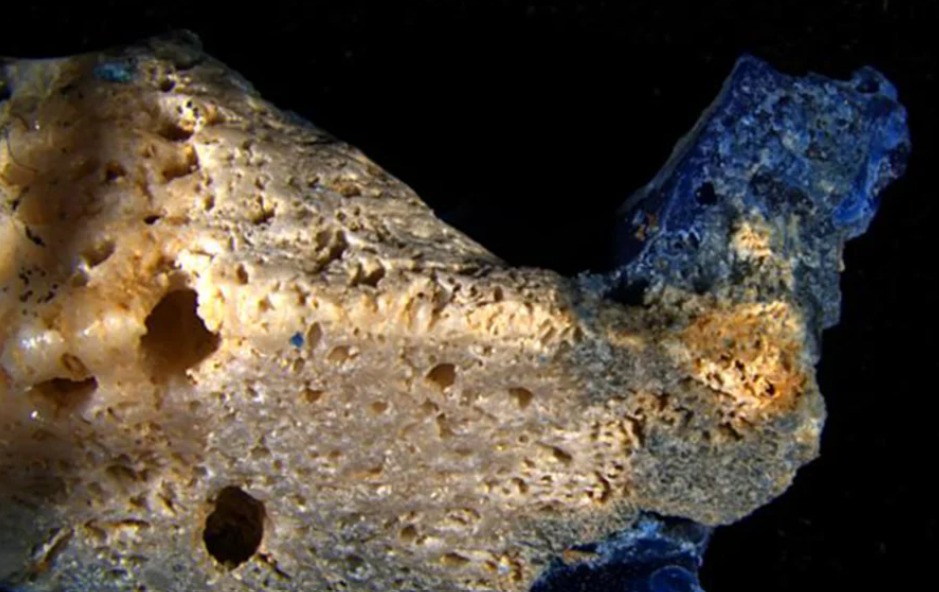
Researchers have documented a new phenomenon in which ocean plastics are physically merging with coral skeletons, forming a hybrid substance they call “plasticoral.” Scientists made the discovery in the Red Sea, where they found coral colonies growing directly onto plastic debris, effectively incorporating the material into their structure. According to the study, the fusion occurs when coral polyps settle on plastic surfaces and begin secreting calcium carbonate, binding the plastic into the reef framework over time. Scientists warn the long‑term ecological impacts are unknown.
Plasticoral could alter coral growth patterns, weaken structural integrity, or introduce chemical contaminants into reef ecosystems. The findings add to growing evidence that plastic pollution is reshaping marine environments in unexpected ways, with researchers calling for urgent investigation into how widespread the phenomenon may be and what it means for reef resilience in a warming ocean.
7. Plastic Pollution Has Reached the Ends of the Earth, Leaders Warn Ahead of Iceland Summit
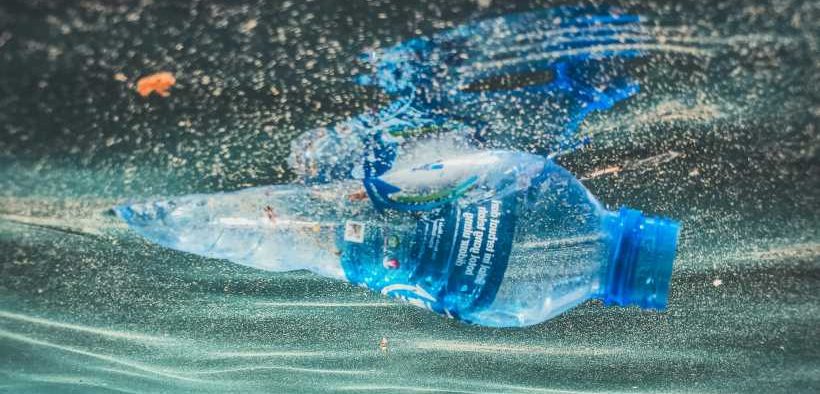
REYKJAVIK — Marine plastic pollution has become so widespread that it is now found from the ocean surface to the seabed, inside marine life and throughout the global food chain. Iceland will host more than 300 scientists, policymakers and industry leaders this October for the Third International Symposium on Marine Plastic Pollution, aiming to accelerate action on one of the most urgent threats to ocean health.
The conference will highlight new research, practical solutions and international cooperation needed to curb plastic waste, which is increasingly detected even in remote Arctic and Antarctic waters. Microplastics are now found in marine organisms and humans, underscoring the need for coordinated science‑policy responses across sectors. The Government of Iceland is organizing the event with domestic and international partners committed to ocean sustainability.
8. Sea Turtle Nests Discovered on California Coast for First Time in History
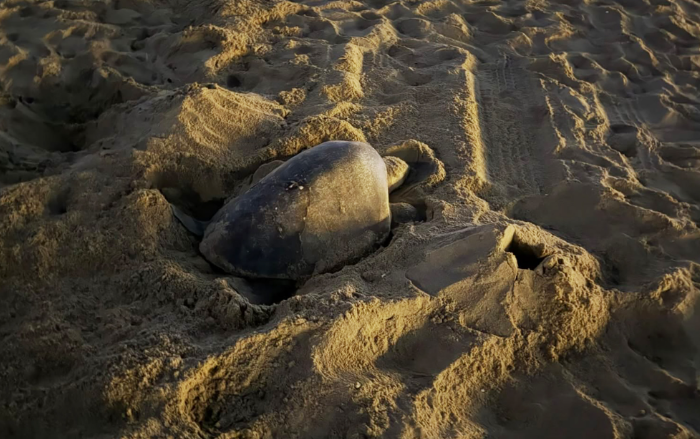
HUNTINGTON BEACH, Calif. — Marine officials say sea turtle eggs found at Seal Beach and Huntington Beach mark the first recorded natural nesting of any sea turtle species on the U.S. West Coast, a discovery NOAA called “the first‑ever recorded natural nesting” in the region. The nests belong to olive ridley turtles, the smallest sea turtle species, typically found in tropical waters across the Pacific, Indian, and Atlantic oceans.
The first nest was spotted Sept. 16 near Seal Beach, followed by a second at Huntington Beach, with both sites now fenced off for protection. NOAA says incubation lasts 45 to 60 days, meaning hatchlings could emerge later this fall. Lifeguards initially thought the turtle was sick until they saw it begin laying eggs, a moment residents described as “magical” as they visited the protected site.
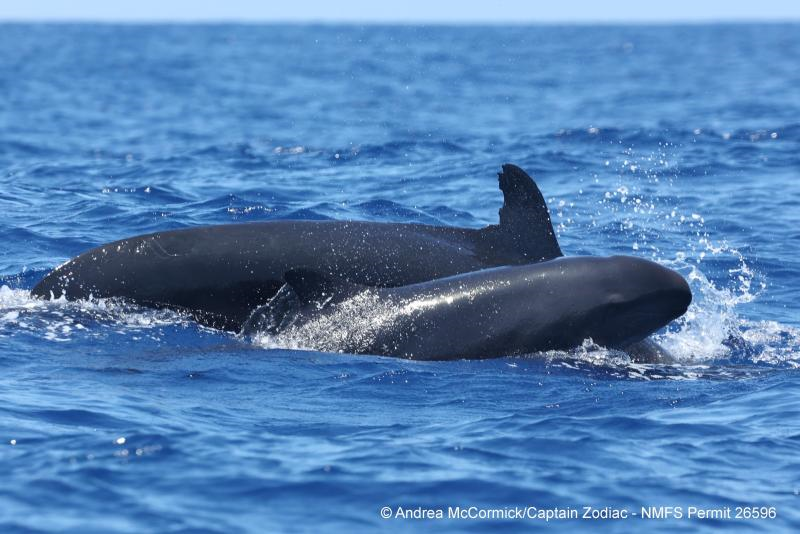
9. Hawai‘i’s Rarest Whales Deliver Two New Calves, Giving Scientists a Rare Win
HONOLULU — Researchers have confirmed the birth of two new calves in Hawai‘i’s endangered insular false killer whale population, a group with only about 140 individuals remaining. NOAA staff first photographed the newborns off Maui in February, and partners spotted them again in August, showing both calves swimming strongly at roughly eight months — a critical milestone in a species where the first six months are highly vulnerable.
Only 10 newborn calves have been documented in this population since 1999, making the discovery unusually significant. False killer whales mature slowly, with females giving birth only once every 7 to 9 years, meaning each surviving calf is vital for long‑term recovery. The two calves belong to Cluster 1, part of the tight‑knit social network that defines this genetically distinct resident population.
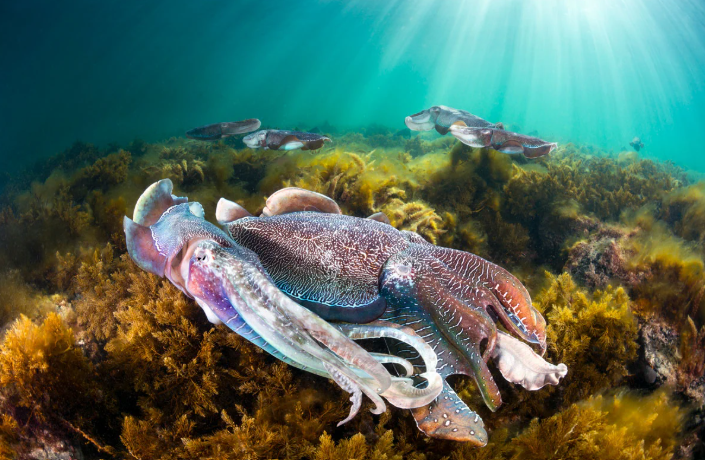
10. Australia’s Most Spectacular Cuttlefish Gathering Is on the Brink of Collapse
ADELAIDE, Australia — A catastrophic algal bloom that swept South Australia’s coast last year has nearly wiped out the famed Spencer Gulf population of giant Australian cuttlefish, a genetically distinct group known for its massive breeding aggregation that once exceeded 100,000 animals. This year, surveys found only 1,811 adults, a 97% crash from 2025, leaving scientists fearing the phenomenon may vanish entirely. The bloom, driven by a marine heat wave and dominated by the toxic algae Karenia cristata, killed hundreds of marine species as it advanced toward the cuttlefish’s breeding grounds.
Although emergency measures such as a protective bubble curtain were prepared, the bloom dissipated before reaching the eggs, which hatched successfully. Still, researchers suspect the bloom devastated adults or their prey, leaving the population critically depleted. Officials are weighing a threatened‑species listing that could unlock federal recovery funding.
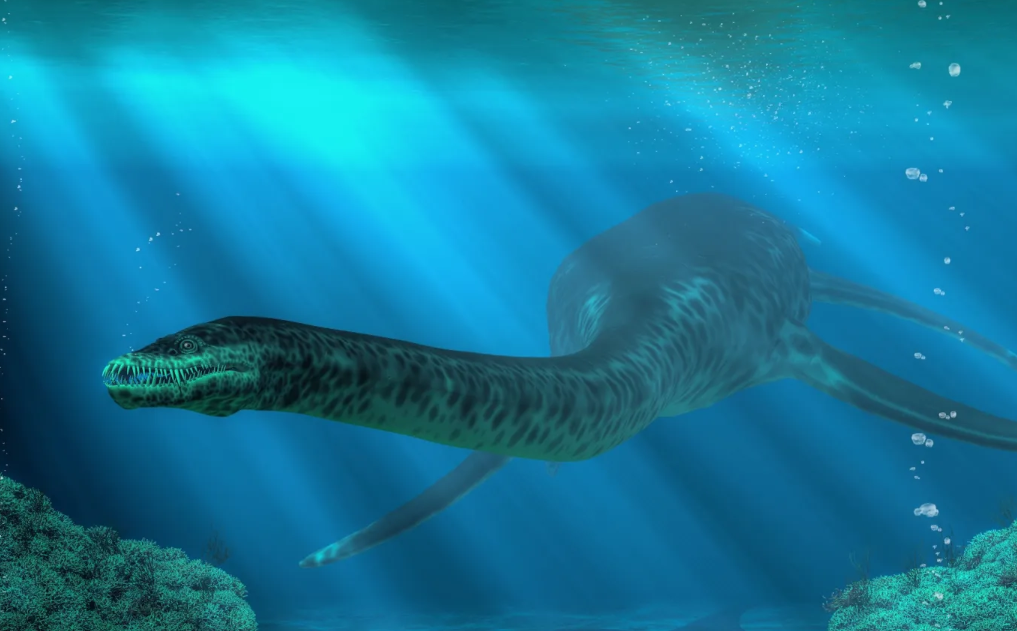
11. Jurassic Sea Monsters Spat Out Giant Shell‑Filled Pellets, Scientists Say
LONDON — Paleontologists have identified more than 20 fossilized regurgitalites—some as large as mangoes—that reveal Jurassic plesiosaurs routinely vomited indigestible shellfish remains, much like modern owls eject pellets. The study, published in Geological Magazine, analyzed drill‑core samples from a 160‑million‑year‑old river delta containing tightly packed shell fragments and plant debris interpreted as ancient vomit.
The pellets contained bivalves, cephalopods, and worm tubes that did not live in the region where they were found, suggesting the material came from saltier offshore habitats. Researchers compared the samples with known feeding traces from ichthyosaurs and crocodile‑like predators, but shell‑heavy contents pointed instead to long‑necked plesiosaurs, which likely dove for bottom‑dwelling invertebrates they could not digest. Scientists believe the reptiles swam into shallower waters to rest—and to expel the hard remains of their meals.
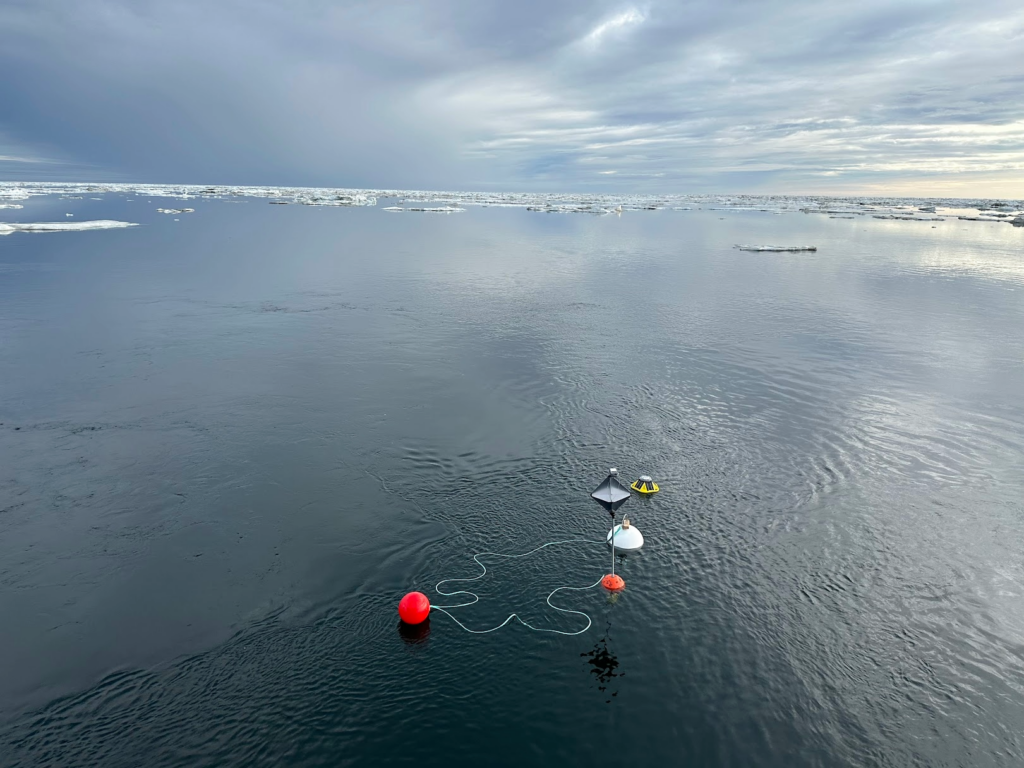
12. Arctic Currents Are Supercharging Carbon Sinking, Scientists Warn
STANFORD, Calif. — New Stanford research shows phytoplankton in the Arctic’s Chukchi Sea are sinking four times faster than normal due to a collision of cold under‑ice currents with warmer open‑water flows, rapidly transporting carbon to the seafloor. The team documented unusually dense under‑ice blooms—up to 10 times thicker than those in nearby open water—powered by sunlight filtering through thinning, cracked ice.
As nutrients were depleted, the blooms collapsed and began sinking, with sediment traps confirming accelerated descent rates driven by a frontal zone where opposing currents meet. The process may help explain unexpectedly rich benthic communities of clams and brittle stars that support walruses and whales. Researchers caution that faster sinking could leave surface‑feeding species without food if blooms peak too early, while also reshaping Arctic carbon storage as warming continues.