


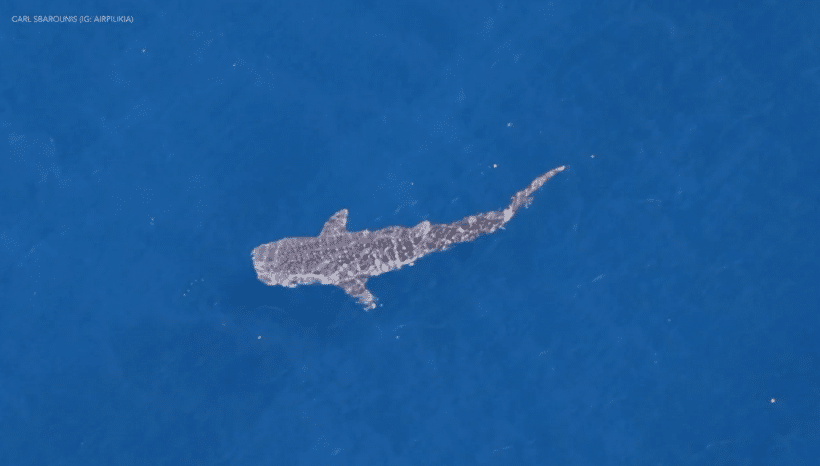
1. Southern California Waters Turn Tropical as Whale Shark and Giant Rays Surge North
LONG BEACH, Calif. — Southern California’s coastline is teeming with unexpected tropical visitors as warming waters and a strengthening El Niño push rare species north. A pilot working with the commercial fishing industry captured striking aerial footage of a whale shark between Malibu and Santa Barbara Island, estimating the gentle giant at 14 to 16 feet long.
Whale sharks, hammerheads and manta rays typically remain in Mexico’s warmer waters, but strong El Niño patterns can drive them into California, said Dr. Chris Lowe of the California State University Shark Lab. Pilot Carl Sbarounis also filmed a massive “fever” of giant rays off Orange County, numbering in the hundreds. Climatologists say ocean temperatures along the Southern California coast are 3 to 5 degrees above average, fueling the influx. Experts expect the tropical species to linger through September and early October before cooling waters send them south again.
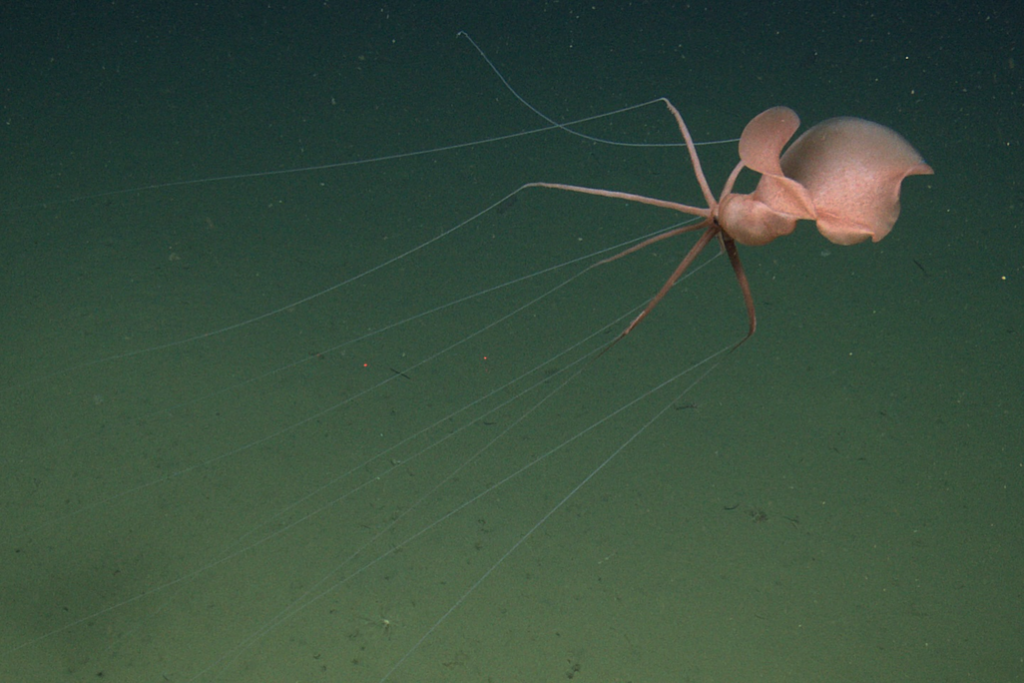
2. Squid With ‘Spaghetti Arms’ Stuns Deep‑Sea Researchers Off California Coast
MONTEREY, Calif. — Scientists aboard the Monterey Bay Aquarium Research Institute’s research vessel captured rare footage of a live bigfin squid drifting just above the seafloor nearly two miles down, marking the first confirmed sighting of the species in the northeastern Pacific Ocean. The deep‑sea creature appeared on an ROV camera during an August 7 survey near Davidson Seamount, an underwater mountain known for rich ecosystems and unusual seafloor furrows possibly carved by beaked whales.
Researchers described the moment as electrifying, watching the pinkish squid hover with its elongated arms bent in the species’ signature “elbow pose,” a posture believed to help passively snare prey. Only about 70 observations of bigfin squid exist worldwide, and adults have been recorded at depths approaching four miles. The unexpected encounter underscores how little is known about deep‑ocean life and the mysteries surrounding these ethereal cephalopods.
Your generous gift helps us keep this publication afloat.
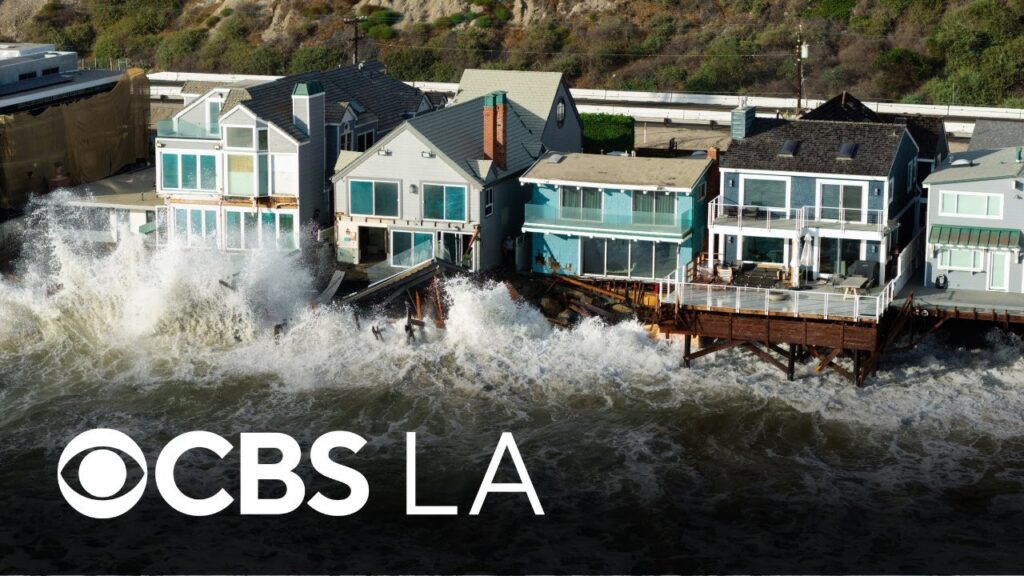
3. Southern California Faces Rising Threat as Rare Kelvin Wave Approaches
LOS ANGELES — Forecasters warn that a rare Kelvin wave is moving toward Southern California, adding new risks to a coastline already battered by erosion and flooding in recent months. NOAA reports the underwater phenomenon has been affecting the region since June, producing measurable sea‑level changes that satellites and tide gauges have tracked as it travels north from waters off Mexico. Scientists say the wave acts like a broad, shallow bulge in the ocean surface — sometimes a foot high — that can worsen storm impacts by raising the baseline water level.
Communities including Malibu, Long Beach, Dana Point, Laguna Beach and San Clemente have already seen damage to homes as erosion accelerates. Researchers caution that once the wave arrives in late October, elevated water levels may persist for months, leaving coastal neighborhoods vulnerable to any incoming storms or high tides.
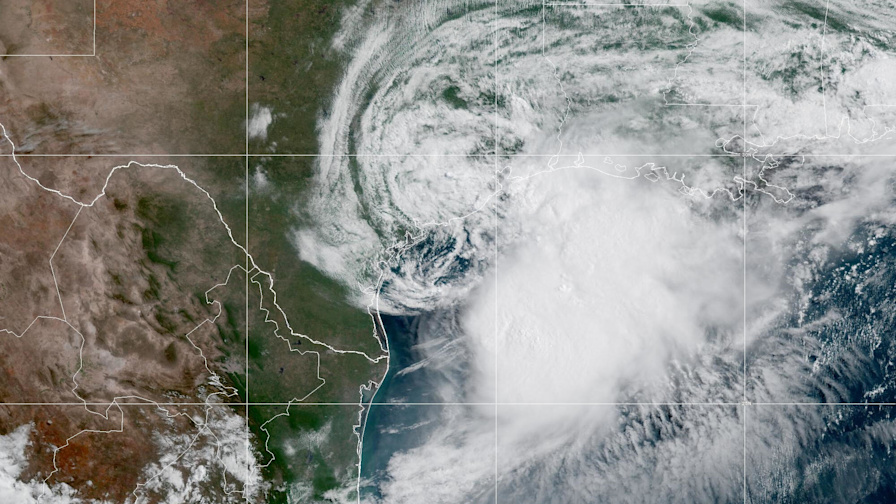
4. Scientists Stunned as Atlantic Hurricane Season Hits a 60‑Year Record Low
NEW YORK — Meteorologists say the Atlantic hurricane season has entered unprecedented territory, with no hurricanes forming since the season began June 1 — the longest such stretch since modern satellite tracking started in 1966. CBS News reports that while activity typically peaks in September and October, reaching mid‑September without a single hurricane is exceptionally rare. NOAA data shows the first named storm usually forms in June, and the first hurricane typically appears by early or mid‑August.
So far, five tropical storms have developed: Arthur, Bertha, Cristobal, Dolly and Edouard. Forecasters attribute the quiet season to a particularly strong El Niño, which cools Atlantic waters and increases vertical wind shear, conditions that suppress storm formation. NOAA had already predicted below‑normal activity, expecting seven to 13 named storms and up to six hurricanes. Past strong El Niño years have produced similarly calm Atlantic seasons.
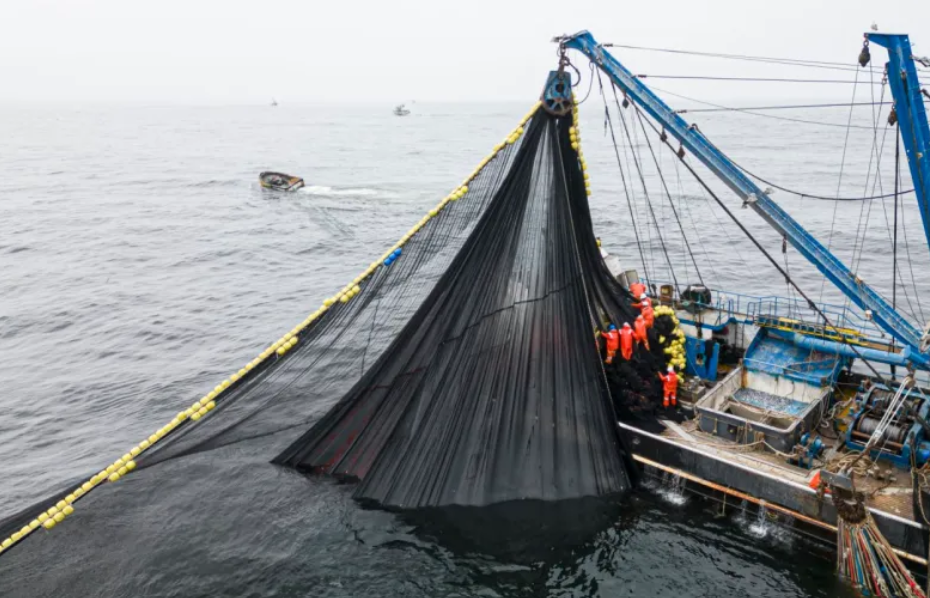
5. Scientists Warn El Niño Is Pushing Ocean Life Toward Collapse — And Demand Emergency Action
Oceanographers are urging governments to adopt emergency measures as the strongest El Niño on record drives sea temperatures to unprecedented levels, threatening marine ecosystems worldwide. New Scientist reports that researchers fear coral reefs, Antarctic krill and major fisheries could collapse as sea surface temperatures in the east‑central Pacific climb toward 4°C above average — a spike 60 percent higher than previous records. Scientists propose rapid interventions including reduced fishing quotas, bans on harvesting key predators, and “rescue missions” to temporarily remove endangered species from overheated waters.
The article highlights experimental geoengineering ideas such as cloud brightening, artificial upwelling, and shading structures, though some experts warn these tests could worsen damage without long‑term climate solutions. Past super El Niño events have already devastated fisheries like Peru’s anchovy catch, and researchers say immediate action is needed to prevent irreversible ecosystem shifts.

6. Hawaii Deploys ‘Living Breakwater’ to Stop Erosion and Protect Coastal Communities
HONOLULU — Hawaii is preparing to install a “living breakwater” off Kalaeloa, a new approach designed to reduce storm damage while restoring marine habitat. Sixty concrete reef structures will be placed on the ocean floor in a site roughly two‑thirds the size of a football field. State Rep. Darius Kila says the project reflects a shift toward working with nature after Hurricane Lowell caused severe shoreline loss and flooding along Farrington Highway.
Researchers at the University of Hawaii’s Applied Research Laboratory report that scale‑model testing shows the structures can dissipate 80 to 90 percent of wave energy. The design encourages coral larvae to settle in crevices, and underwater speakers will broadcast healthy reef sounds to attract marine life. Developed through state and federal partnerships, the hybrid reef will be monitored for a year using Green Fee funds, with long‑term oversight from the new Kalaeloa Hybrid Reef Monitoring Hui.
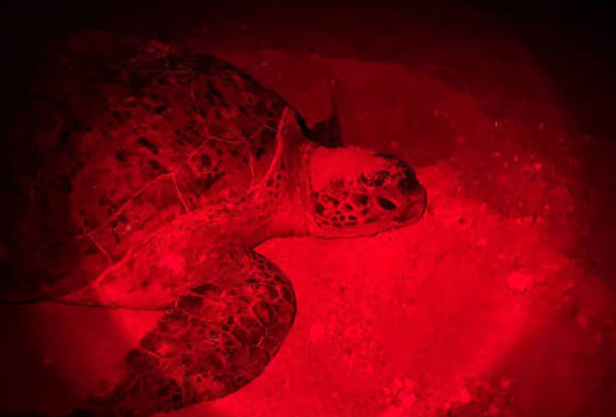
7. Rare 90‑Kilogram Sea Turtle Crawls Ashore on Hon Cau Island and Lays 101 Eggs
HON CAU ISLAND, Vietnam — Conservation officers say a 90‑kilogram green sea turtle, listed in Vietnam’s Red Book of endangered species, came ashore late on September 11th and spent hours digging multiple trial nests before finally laying 101 eggs at dawn. The turtle arrived at Ba Hon beach in the Hon Cau Marine Reserve and repeatedly changed locations, appearing uneasy until it settled on a site roughly half a meter deep.
After covering the nest, the turtle returned to the sea, and officers immediately relocated the eggs to a protected incubation area designed to mimic natural conditions. The turtle, previously untagged, was assigned identification number 0122 for future monitoring. Officials say five nesting events have occurred this year across three beaches, with some eggs left in place and others moved for safety. The reserve reports that repeated turtle returns indicate improving habitat quality and successful long‑term conservation efforts.
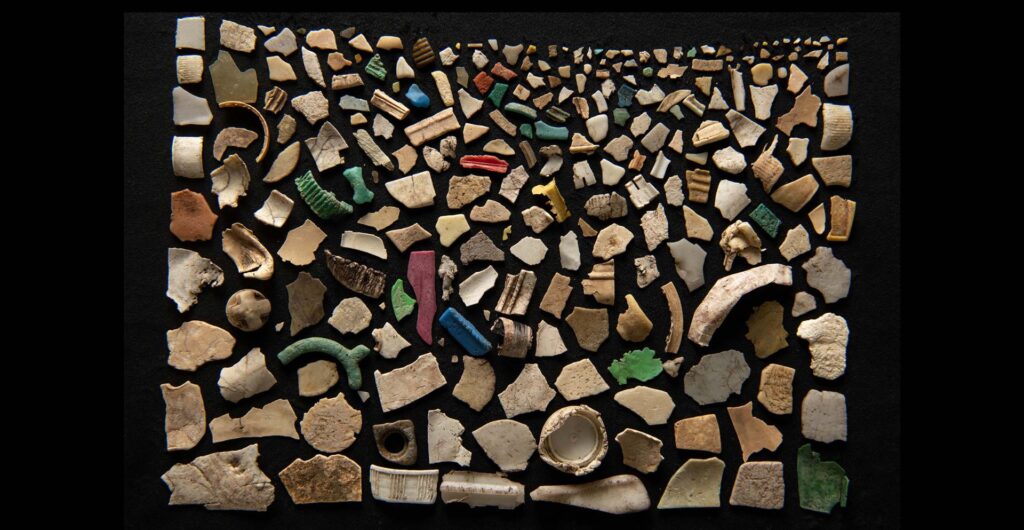
8. Scientists Warn Seabirds Are Now Consuming Record‑Breaking Levels of Ocean Plastic
Researchers say sable shearwaters on Australia’s remote Lord Howe Island are ingesting unprecedented amounts of plastic, with one chick found to contain 894 pieces weighing 64.2 grams — more than 15% of its expected body weight. The Natural History Museum reports that the record, once thought impossible to surpass after a 2011 bird was found with 276 items, has been broken every year from 2023 to 2026.
Scientists attribute the deadly rise to parents mistaking floating debris for food and feeding it to their young. The long‑running Adrift Lab study shows that nurdles and bottle caps are becoming more common in the birds’ stomachs, underscoring the need for stronger recycling rules and global plastic‑treaty negotiations. Even with rapid action, researchers warn ocean plastic levels will continue increasing until 2050, making long‑term monitoring essential to protect marine wildlife.
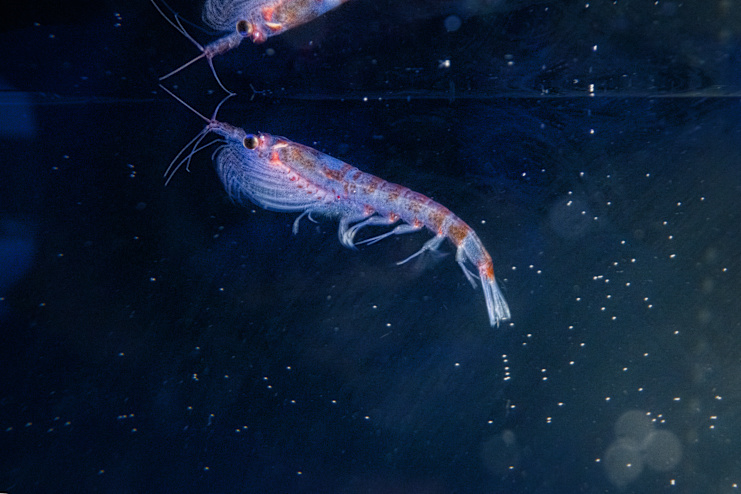
9. Scientists Make Historic Discovery as Antarctic Krill Found Feeding at Deep‑Sea Hydrothermal Vents
National Geographic researchers have documented Antarctic krill feeding at hydrothermal vents more than 3,000 feet below the ocean surface, overturning long‑held assumptions about the species’ ecology. The study, published in Communications Biology, reports that every krill collected at the vent site was a reproductive female, marking the deepest recovery of egg‑bearing krill ever recorded. Stomach‑content analysis revealed the krill were consuming chemosynthetic microbes that generate organic carbon from sulfur‑rich vent emissions rather than relying on sunlight‑driven phytoplankton.
Scientists also found elevated levels of minerals essential for reproduction, along with high concentrations of toxic heavy metals such as lead and cadmium. The discovery suggests deep‑sea vents may play a role in krill spawning and should be considered in marine‑protected‑area planning. Researchers say the findings fill critical gaps in polar oceanography and highlight the importance of deep‑sea exploration for managing Southern Ocean fisheries.
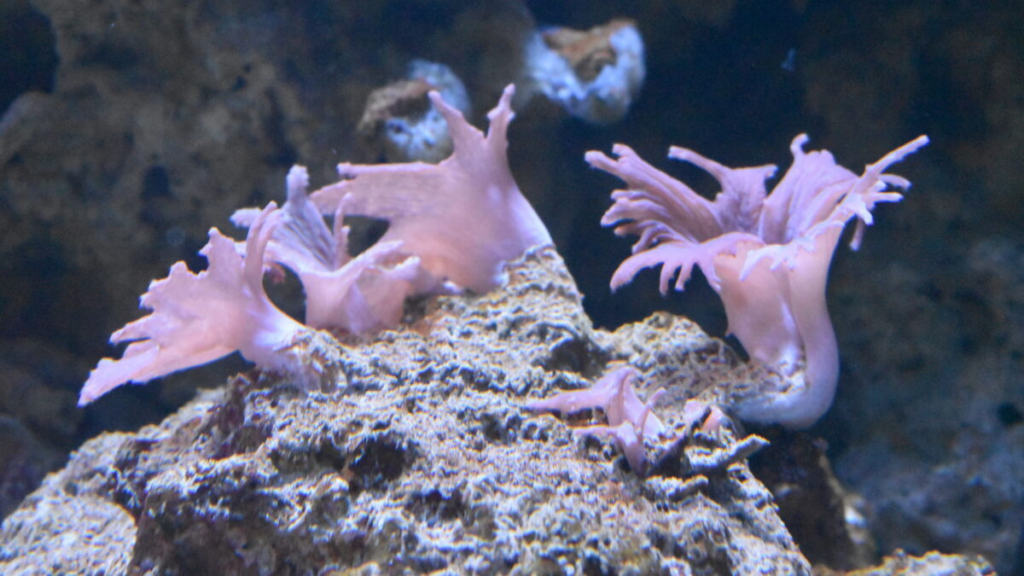
10. Texas Gulf Coral Reefs Are Bleaching at Alarming Rates as Ocean Temperatures Surge
HOUSTON — Scientists warn that coral reefs along the Texas Gulf are bleaching widely as extreme ocean heat pushes temperatures far beyond historical norms. Houston Public Media reports that reefs off the state’s coast have endured prolonged thermal stress throughout the summer, with divers documenting bleaching across multiple sites and noting that some corals have already died. Researchers say the Gulf’s shallow, enclosed waters make it especially vulnerable to rapid warming driven by global climate change.
Marine biologists emphasize that bleaching occurs when corals expel the symbiotic algae they rely on for food and color, leaving them weakened and at risk of starvation. Recovery is possible if temperatures drop soon, but continued heat could lead to long‑term ecosystem loss. Scientists are monitoring affected reefs closely and warn that repeated bleaching events may permanently alter the Gulf’s marine habitat.
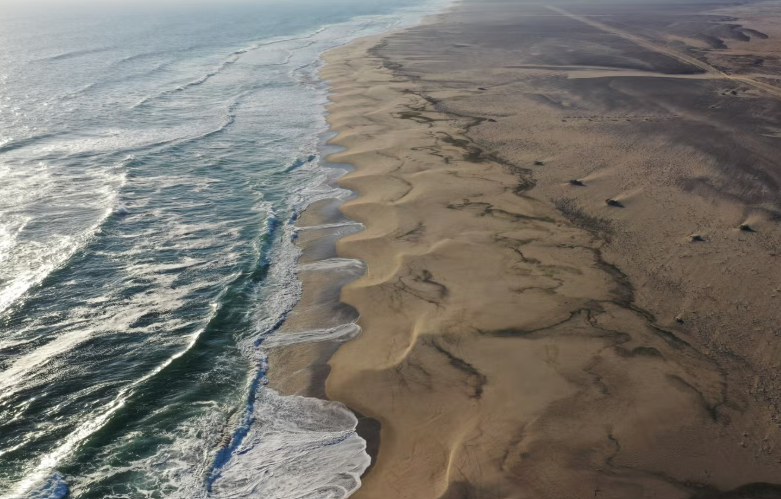
11. Namibia Clears Path for First‑Ever Deep‑Sea Phosphate Mine Despite Environmental Concerns
WALVIS BAY, Namibia — The Namibian government has issued a key environmental clearance certificate for the Sandpiper Project, an offshore operation that would become the world’s first commercial deep‑sea phosphate mine. Surfer Magazine reports the project, led by Namibian Marine Phosphate and backed by an Oman‑based company, aims to dredge seafloor sediment roughly 75 miles off the coast to produce three million tonnes of phosphate concentrate over 20 years.
The move comes amid rising global demand for minerals used in batteries, electronics and fertilizers, and follows international pressure to accelerate U.S. deep‑sea mining licensing. Scientists warn that dredging could generate massive sediment plumes, dispersing heavy metals and toxins throughout the water column. Mexico and New Zealand have rejected similar proposals over ecological risks. Critics say the project threatens marine ecosystems and iconic surf breaks along Namibia’s Diamond Coast.
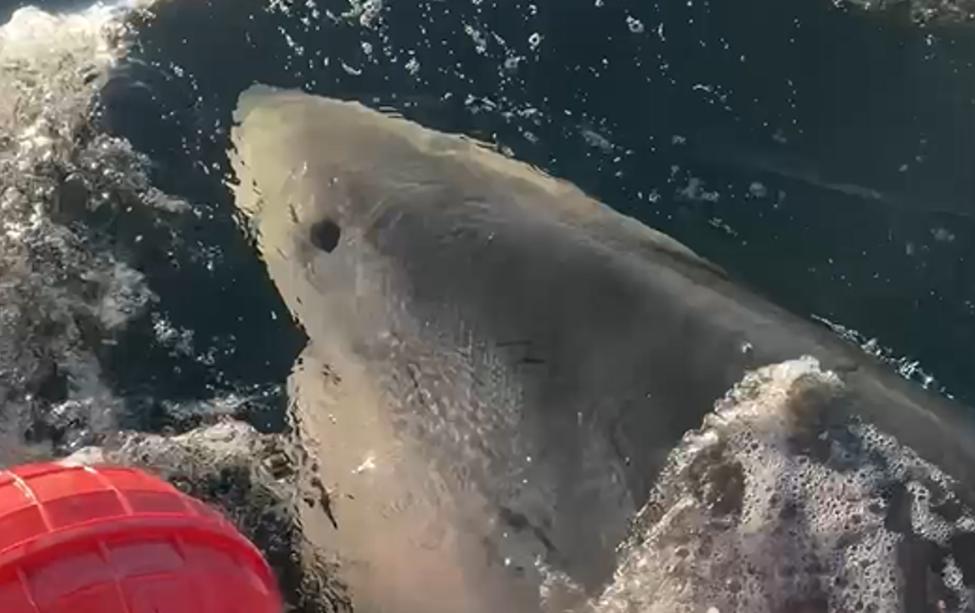
12. Giant Great White Shark ‘Contender’ Ventures Farther North Than Any Ever Tracked
ST. JOHN’S, Newfoundland — Researchers say a 1,600‑pound great white shark named Contender has entered waters no other OCEARCH‑tagged white shark has ever reached, marking a milestone in long‑term tracking of Atlantic predators. Fox Weather reports the 14‑foot adult male, tagged in January 2025 near the Florida‑Georgia line, recently moved through the Strait of Belle Isle before turning south into the Newfoundland Sea. Scientists are examining why white sharks are pushing farther north and how environmental conditions may be expanding their range.
OCEARCH notes that 88% of sharks tagged in the U.S. Southeast eventually travel to Atlantic Canada, but Contender’s route exceeds all previous northern records. Researchers say the data will help clarify migration drivers, habitat use and seasonal behavior. Contender’s movements, along with other tagged animals, can be followed in real time through the OCEARCH Global Shark Tracker app.
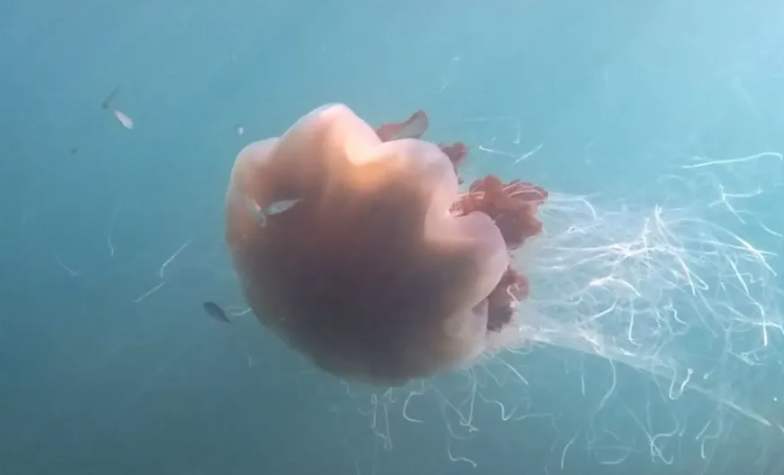
13. Giant Jellyfish With 40‑Foot Tentacles Stuns Free Diver Off Welsh Coast
PEMBROKESHIRE, Wales — A free diver says he “couldn’t believe his luck” after encountering a massive lion’s mane jellyfish near Trefin Beach, describing the animal as the length of a bus with tentacles stretching beyond visibility. Iestyn Morgan, a 21‑year‑old conservationist, initially mistook it for a compass jellyfish before realizing it was far larger — an unusual sight in Wales, where the species appears only occasionally in late summer.
The Wildlife Trusts note lion’s manes can reach 3 meters across, with tentacles extending more than 30 meters, making them among the longest animals on Earth. Marine biologist Cathy Lucas says their sting is “nasty” but not dangerous, and detached tentacles can still sting. Morgan, who films marine life to highlight warming‑water changes, says he is seeing more jellyfish and even Mediterranean species in Welsh waters as ocean temperatures rise.
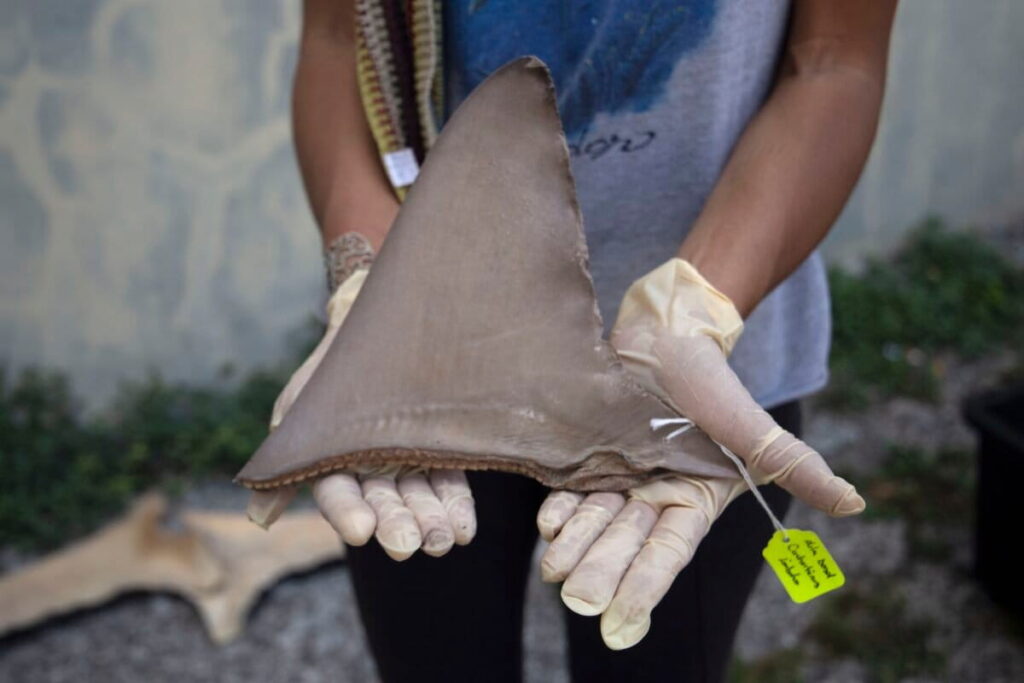
14. Panama Turns to Science, Fishers and New Laws to Protect Its Sharks and Rays
PUERTO CAIMITO, Panama — Panama is expanding science‑based conservation, onboard biologist programs and new legal reforms to curb shark and ray bycatch as industrial and artisanal fishing continue to threaten vulnerable species. Mongabay reports that biologists now accompany purse‑seine vessels to train crews to free accidentally caught animals, collect data, and tag individuals; one project has already documented and released more than 400 sharks and rays. Experts say Panama lacks baseline population data, especially on breeding sites, making science‑driven management urgent.
A bill under debate would ban targeted shark and ray fishing, require fins to remain attached for traceability, tighten penalties and set retention limits, while helping Panama meet international obligations after past EU warnings over illegal fishing. Conservationists also highlight rising illegal fin exports and domestic shark consumption, prompting initiatives like “Shark‑Free Ceviche,” which uses DNA testing to certify restaurants that avoid shark meat.

15. Scientists Discover Deep‑Sea Spiders That Glow in the Dark
Marine biologists have documented bioluminescence in deep‑sea sea spiders for the first time, revealing that several species emit a faint blue‑green glow from specialized structures on their legs. According to Science News, researchers captured the animals near hydrothermal vents and cold seeps and used chemical tests to confirm that the glow comes from luciferin‑based reactions similar to those found in other bioluminescent marine organisms.
The discovery suggests that bioluminescence may be far more widespread among arthropods than previously believed. Scientists say the glow may serve multiple purposes — from confusing predators to aiding in mating — but more research is needed to understand its ecological role. The finding adds to growing evidence that deep-sea ecosystems harbor unexpected adaptations, many of which remain undocumented because of the difficulty of sampling extreme environments.