

1. Rare Seals Retreat Into Secret Bubble Caves as Tourist Pressure Surges
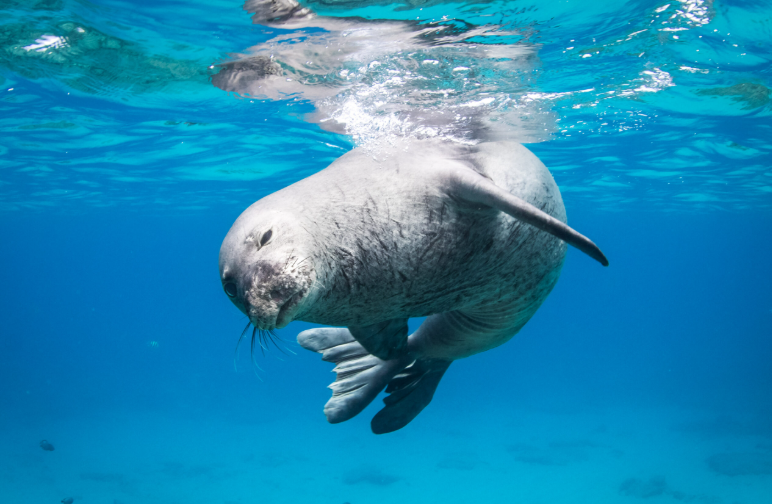
FORMICULA, GREECE — Researchers studying the endangered Mediterranean monk seal in the Inner Ionian Sea have documented the animals retreating into hidden underwater “bubble caves” to escape rising tourist disturbance. The uninhabited islet of Formicula has long served as a critical resting and breeding site, but increased summer visitation has pushed seals away from open beaches.
Remote cameras placed in 2020 and again from June to October 2024 captured seals entering submerged passages that open into air‑filled chambers, where they were seen floating awake, sleeping vertically, or resting on the seafloor. Over the study period, seals used the bubble cave for 119 days, far more than the larger, more comfortable main cave, which saw only 30 days of activity. Scientists say documenting these hidden refuges is essential for understanding how seals adapt to human pressure and for shaping future protections.
2. AI System Aims to Stop Deadly Whale Collisions as More Giants Crowd San Francisco Bay
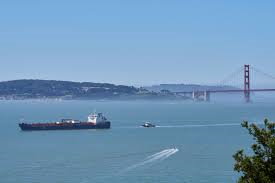
SAN FRANCISCO — A new AI‑powered detection network called WhaleSpotter is now scanning the bay around the clock to help ships avoid whales increasingly lingering inside the crowded estuary. Thermal cameras on Angel Island and ferry routes can spot blows and heat signatures up to 2 nautical miles away, sending verified alerts to mariners before vessels approach feeding whales.
The system launches amid a sharp rise in gray whale deaths, with 21 carcasses found in the Bay Area last year — the highest in 25 years — and at least 40% killed by ship strikes. Scientists link the surge in whale presence to climate‑driven disruptions in Arctic feeding grounds, leaving many whales malnourished and diverting them into high‑traffic corridors between Angel Island, Alcatraz, and Treasure Island. Researchers say real‑time monitoring could help reduce collisions as warming seas push whales closer to shore.
Your generous gift helps us keep this publication afloat.
3. Melanesian Leaders Sign Landmark Pact to Build a Unified Ocean Corridor Across the Pacific
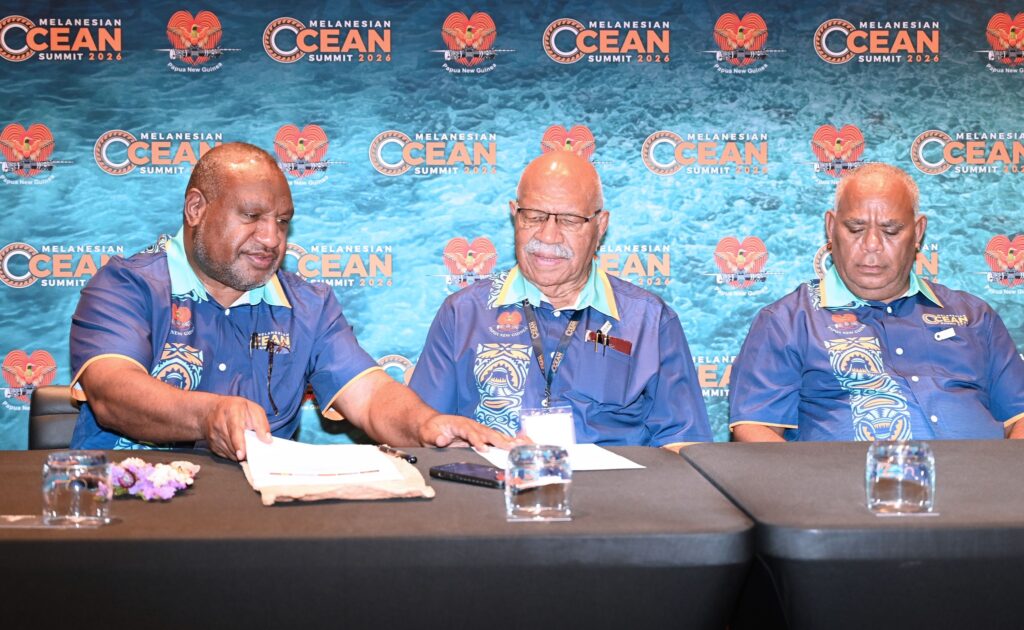
PORT MORESBY, PAPUA NEW GUINEA — Melanesian leaders have signed the historic Melanesian Ocean Corridor of Reserves (MOCOR) Declaration, creating a connected network of Marine Protected Areas spanning Papua New Guinea, Fiji, Vanuatu, Solomon Islands and New Caledonia. The agreement, endorsed at the Pacific Ocean Summit in APEC Haus, establishes shared governance, coordinated enforcement and joint marine science frameworks to strengthen conservation across vast transboundary waters.
Leaders described the pact as a unified commitment to protect the Pacific Ocean for future generations, aligning national and regional priorities on climate action, marine conservation and ocean governance. Although Solomon Islands could not participate due to its ongoing prime ministerial election, leaders expressed confidence it will join soon. The signing was witnessed by UN Special Envoy for the Ocean Peter Thomson, who praised the region’s solidarity. Prime Minister James Marape said the declaration reflects Melanesia’s responsibility as custodians of the Blue Pacific.
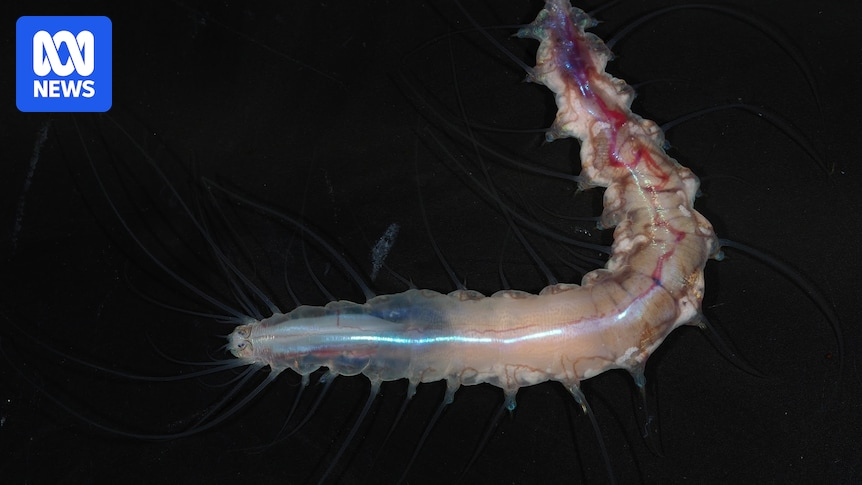
4. Scientists Unveil More Than 1,100 Strange New Ocean Species From the Deep
A global network of more than 1,000 researchers has identified 1,121 previously unknown ocean species over the past year, marking a 54% jump in annual discoveries, according to the Ocean Census initiative. The finds span some of the planet’s least explored waters and include a bristle worm living inside a silica “glass castle” sponge off Japan, a deep‑dwelling ghost shark in Australia, and a carnivorous “death ball” sponge nearly 12,000 feet down in the South Sandwich Islands.
Scientists say the surge in discoveries underscores how little is known about deep‑sea ecosystems, even as climate change, pollution,and emerging deep‑sea mining pressures threaten marine life. To accelerate documentation, Ocean Census now recognizes “discovered” as an immediate scientific status, allowing experts to log species into an open database long before formal descriptions are published.
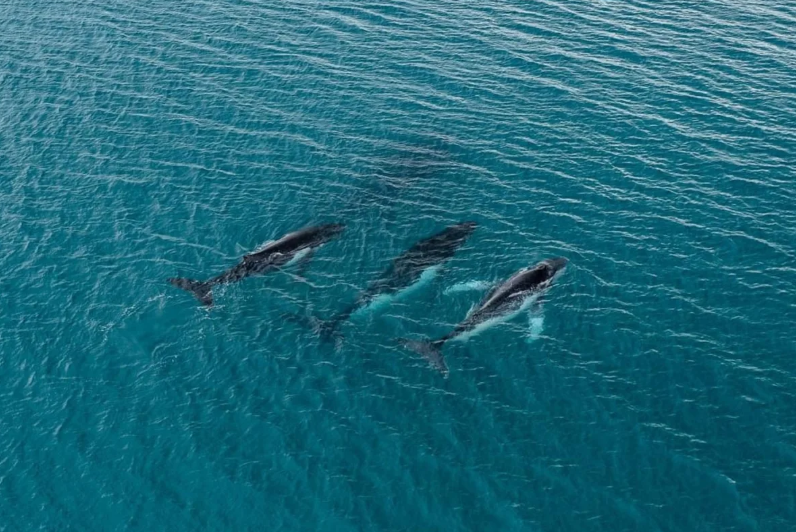
5. Humpback Whale Shatters World Record With 15,000‑Kilometre Journey Across Two Oceans
Marine researchers have confirmed that a humpback whale photographed in both Brazil and Australia traveled more than 15,000 kilometres, breaking the world record for the longest distance between sightings of an individual whale. The discovery emerged after scientists reviewed 40 years of tail‑fluke photographs from the Happywhale database, revealing two whales that crossed entire ocean basins between breeding grounds once thought to be isolated.
One whale moved from Brazil’s Abrolhos Bank to Australia’s Hervey Bay after more than two decades, while another swam roughly 14,200 kilometres from Queensland to São Paulo. The findings challenge long‑held assumptions about humpback population fidelity and support the Southern Ocean Exchange hypothesis, which suggests whales from different regions mingle on shared Antarctic feeding grounds. Researchers say even rare crossings can boost genetic diversity and highlight the power of global citizen‑science photo contributions.
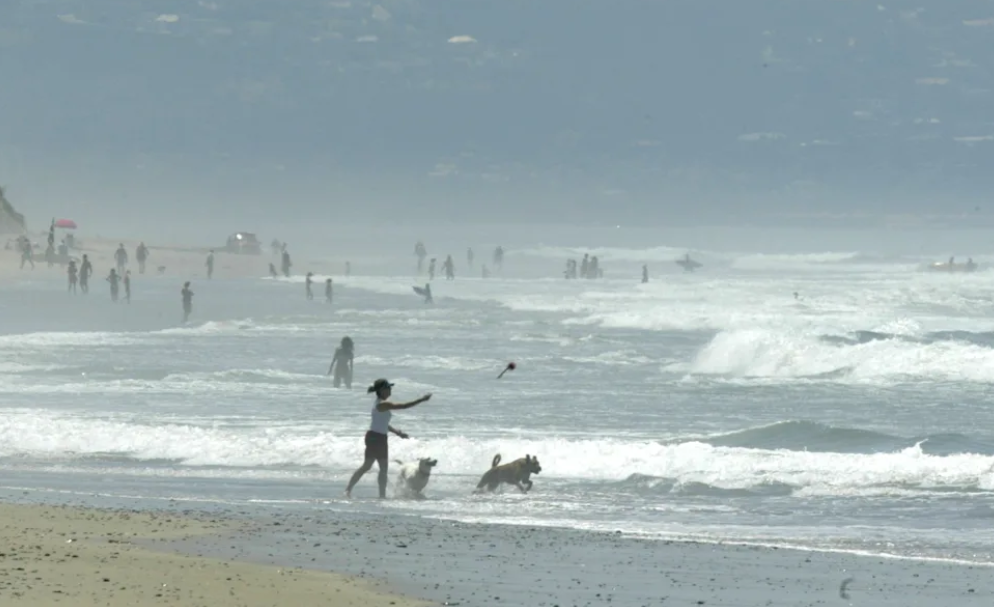
6. Record Pacific Heat Wave Triggers Chain Reaction Behind California’s Seabird Die‑Off
LOS ANGELES — An intense marine heat wave off California has set off a cascade of ecological stresses — from collapsing fish stocks to weakened immunity — that is driving an unusual surge of dead and starving seabirds onto the state’s beaches. Wildlife centers report sharp increases in brown pelicans, cormorants, loons, murres and grebes arriving emaciated as warm waters push anchovies and other cold‑loving prey deeper or farther north.
Scientists say ocean temperatures this spring have soared 4 to 8 degrees above average, breaking records at long‑monitored sites such as Scripps Pier. The food shortage is also amplifying fungal lung infections and risky foraging behavior, including entanglements with fishing gear. Researchers warn the heat‑driven disruption is rippling through the coastal food web, with juvenile birds hit hardest as conditions continue to intensify.
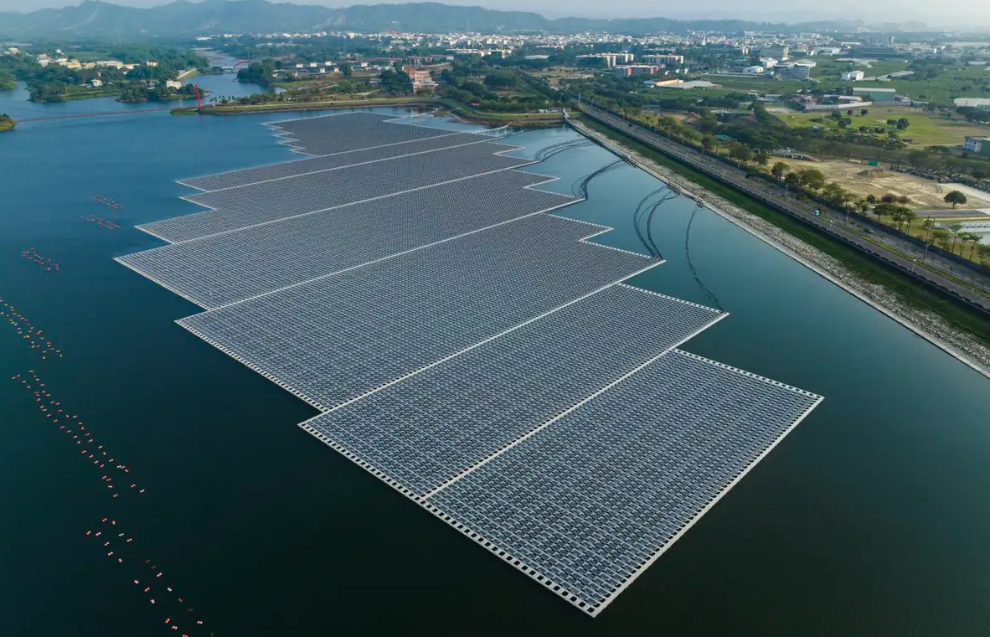
7. Floating Ocean Solar Farm in Taiwan Outperforms Land Panels and Signals a New Energy Frontier
TAIPEI, TAIWAN — A floating solar farm anchored in a tidal bay on Taiwan’s west coast is generating more electricity and higher profits than a nearby land‑based array, offering new evidence that ocean‑based photovoltaics could become a major clean‑energy source for densely populated regions. Researchers compared a 181‑megawatt offshore floating photovoltaic system with a 100‑megawatt land installation built a year earlier. They found the ocean array produced 12 percent more electricity and delivered an 11 percent net profit, despite higher maintenance demands.
Cooler air and stronger winds over water boost panel efficiency, and Taiwan’s limited land availability makes offshore solar especially attractive. But scientists warn that salt corrosion, storms, and ecological impacts — including shading that reduces oxygen and light for marine life — remain significant challenges as developers consider expanding floating solar farther offshore.
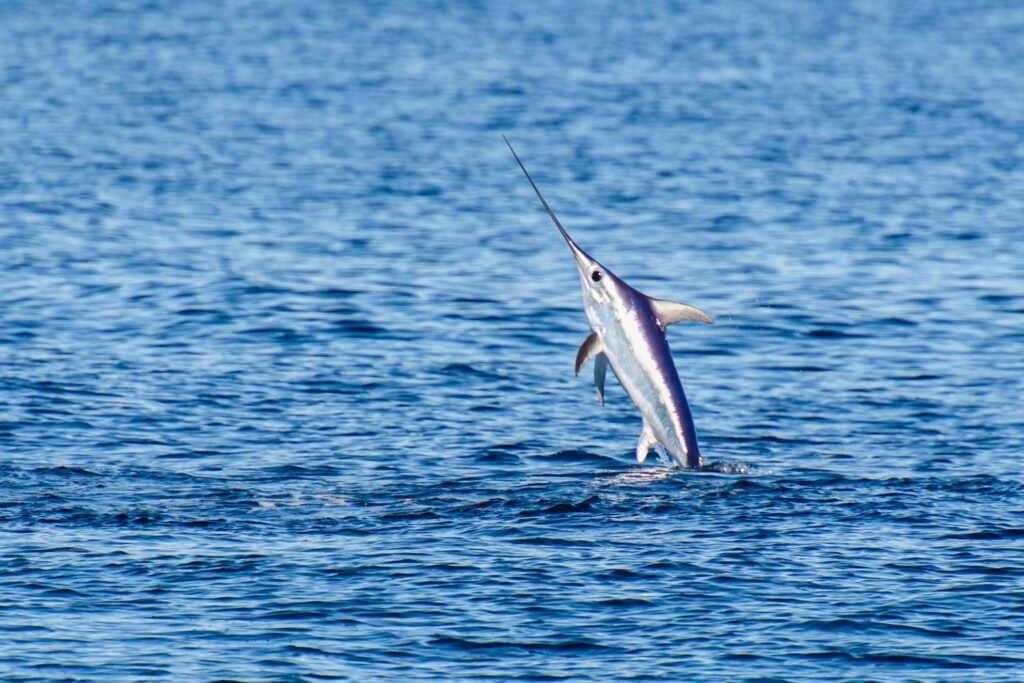
8. EU Secures Breakthrough Deal to Protect Indian Ocean Swordfish at Maldives Summit
MALÉ, MALDIVES — The European Union helped broker a major agreement to safeguard Indian Ocean swordfish at this year’s Indian Ocean Tuna Commission meeting, adopting new catch limits for all major fishing nations based on the latest scientific advice. The measure, co‑proposed by the EU and Australia, aligns with total allowable catches set for 2024 and establishes a two‑year management framework aimed at stabilizing stocks that have long been pressured by regional overfishing.
Swordfish are vital to coastal economies, including EU outermost regions such as La Réunion and Mayotte, where small‑scale fleets depend on them. Under the new allocation, European vessels will receive a combined annual quota of 6,356 tonnes for 2027 and 2028. EU officials called the agreement a significant step toward responsible fisheries governance, reinforcing the bloc’s influence across the 18 regional fisheries management organizations in which it participates.
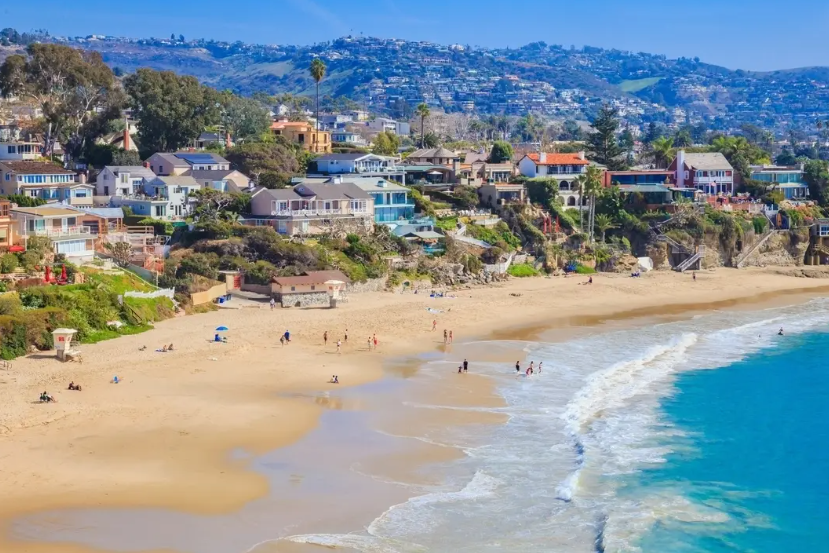
9. Laguna Beach Weighs Expansion of Marine Reserve as New Data Shows Protected Kelp Forests Outperform Surrounding Coast
LAGUNA BEACH, CALIFORNIA — State wildlife officials will consider a proposal Tuesday to expand the Laguna Beach Marine Protected Area by roughly one mile to the south, citing new evidence that protected reefs and kelp forests are healthier and more resilient than nearby unprotected sites. The California Fish and Game Commission will take public input at an 8 a.m. meeting in San Clemente, where conservation groups, including Orange County Coastkeeper and the Laguna Bluebelt Coalition, plan to argue that extending no‑take boundaries is essential as pollution and climate pressures intensify.
A recent monitoring report shows that giant kelp within the reserve remains stable and denser than at Thousand Steps Beach and Three Arches, supporting stronger fish and invertebrate communities. Advocates say expanding protections would boost biodiversity and long‑term coastal resilience.
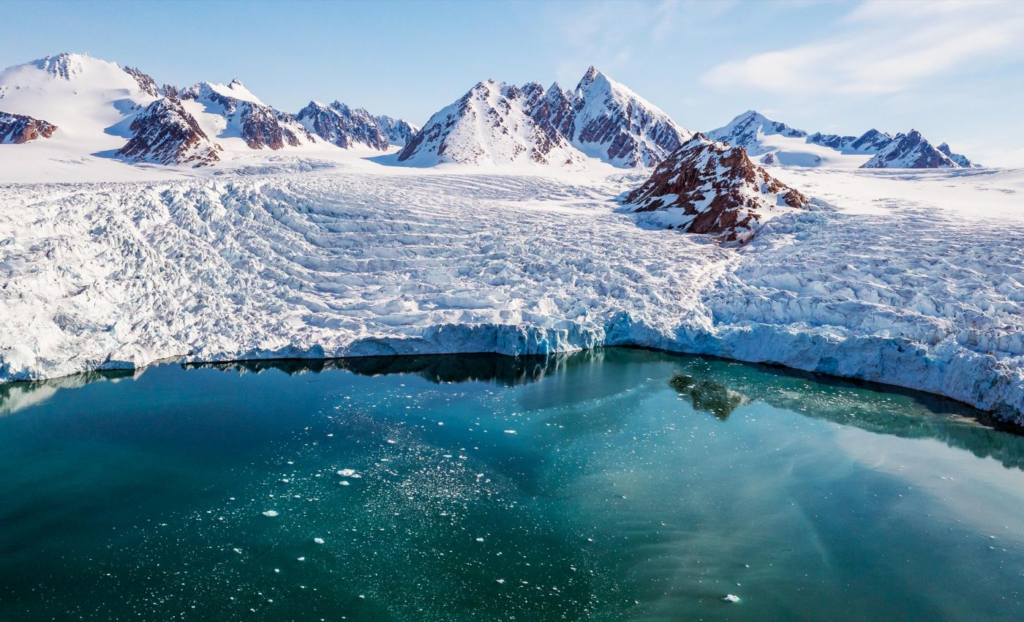
10. New Antarctic Feedback Loop Could Accelerate Global Sea‑Level Rise Far Beyond Current Forecasts
COLLEGE PARK, MARYLAND — Meltwater pouring off Antarctic ice shelves is triggering powerful ocean feedback loops that could accelerate ice loss far faster than today’s climate models predict, according to new research published in Nature Geoscience. Scientists found that freshwater from melting ice weakens the dense, cold layer that normally blocks warm deep‑ocean currents from reaching the base of ice shelves. As that barrier erodes, warmer water surges upward, increasing melt and releasing even more freshwater — a self‑reinforcing cycle largely absent from IPCC projections.
The study shows that feedback is strongest in regions such as the Weddell Sea. At the same time, parts of West Antarctica may experience temporary buffering as upstream melt creates a cold surface layer. Researchers warn that incorporating this feedback could push sea‑level rise estimates well above the current 28–34‑centimeter range by 2100 under high‑emissions scenarios.
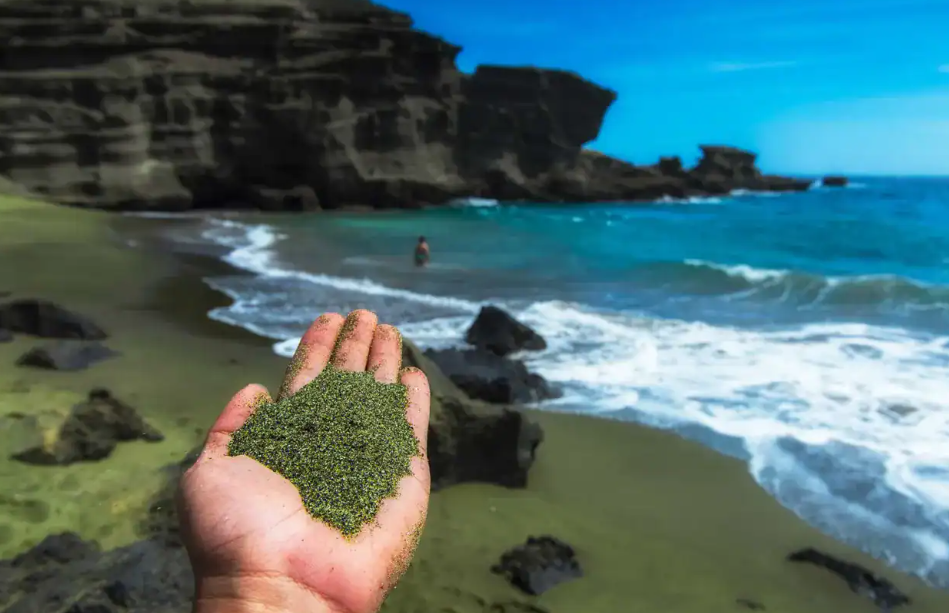
11. First Real‑World Test of Olivine Carbon Removal Shows Promise — and Big Unanswered Questions
SOUTHAMPTON, NEW YORK — A year‑long field trial on Long Island’s coast suggests that spreading crushed olivine on beaches may help the ocean absorb carbon dioxide without causing major ecological harm, though scientists caution the results are far from a green light. Researchers tracked how 650 tons of olivine added to a nourished beach moved offshore and affected worms, mollusks, and crustaceans living in the sand.
The seafloor community initially declined but rebounded within two months, and metals such as nickel and chromium did not accumulate in sampled organisms. Still, critics say limited exposure and natural sand burial make the safety signal uncertain. The trial also highlights unresolved challenges, including mining impacts, carbon‑accounting accuracy, and community acceptance. A larger experiment in North Carolina is now underway as researchers probe whether enhanced rock weathering can scale to a meaningful climate benefit.
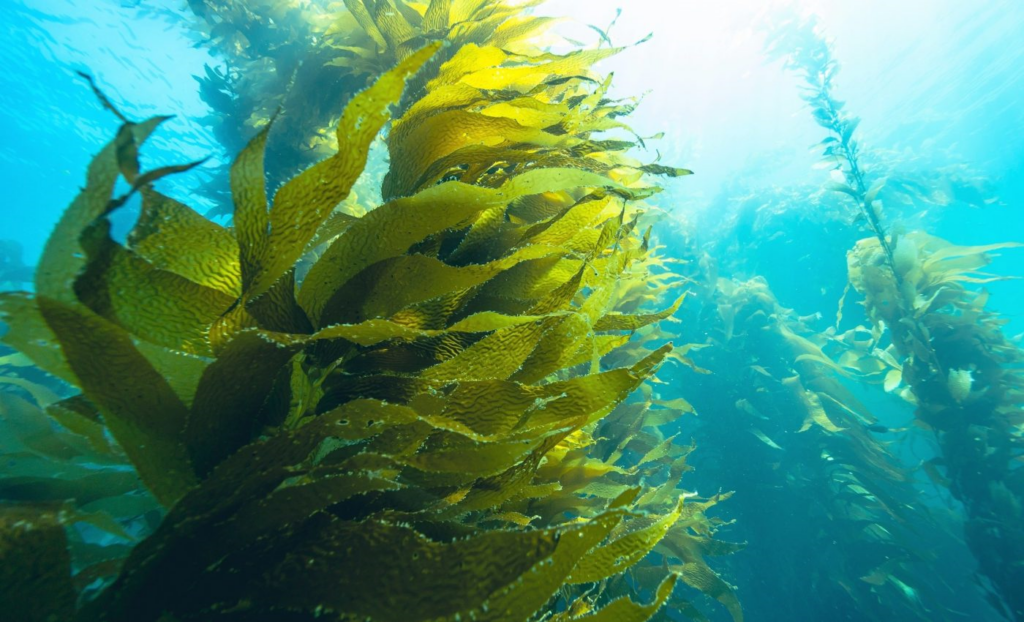
12. Warming Seas Are Erasing Kelp Forests Worldwide as Heat Waves and Invasive Algae Take Over
PORTLAND, MAINE — A five‑year survey of 32 reef sites along the Gulf of Maine shows kelp forests are collapsing at unprecedented speed as warming oceans fuel explosive growth of turf algae and invasive species. Scientists found that long‑dominant kelp beds — once critical habitat for fish, lobsters and other marine life — are being replaced by dense mats of short, fast‑growing algae that thrive in hotter waters.
The Gulf of Maine is warming faster than nearly any other ocean region on Earth, and repeated marine heat waves are accelerating the shift by killing kelp and creating space for opportunistic species such as the invasive red alga Dasysiphonia japonica. Researchers warn that the transformation is already moving northward, threatening the last cold refuges. The loss of kelp reduces carbon storage, habitat complexity, and biodiversity, reshaping entire coastal ecosystems.
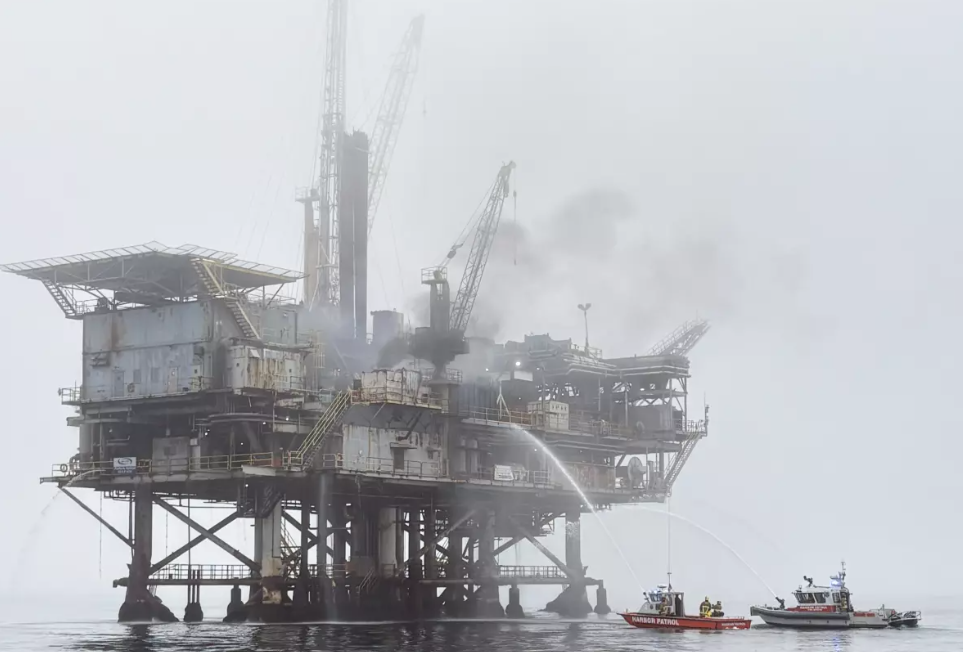
13. Gas Leak Sparks Fire on Idle Offshore Oil Rig Near Carpinteria, Forcing Worker Evacuation
CARPINTERIA, CALIFORNIA — A gas leak ignited a fire aboard Platform Habitat early Monday, forcing the evacuation of 26 workers from the inactive offshore oil rig about eight miles off the Santa Barbara County coast. Two workers suffered minor injuries, according to the U.S. Coast Guard. The platform, which is being decommissioned, caught fire around 7 a.m. when leaking gas ignited; crews shut a safety valve to stop the flow and limit the blaze.
The fire was contained by late morning as firefighting boats and county fire crews surrounded the structure. Officials established a 1,000‑yard safety zone while checking for environmental impacts but said there was “no immediate threat” to the public or marine life. The incident comes amid renewed political battles over offshore drilling and efforts to revive long‑dormant platforms in the Santa Barbara Channel.
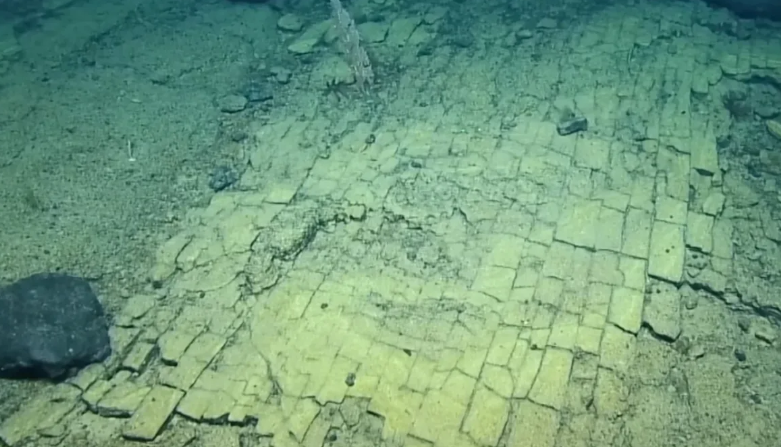
14. Deep‑Sea ‘Yellow Brick Road’ Stuns Scientists Exploring Remote Pacific Seamount
PAPAHĀNAUMOKUAKEA, HAWAII — Deep‑sea researchers mapping an unexplored ridge in the Papahānaumokuakea Marine National Monument were astonished to find a seafloor formation resembling a perfectly paved yellow brick road, captured more than 1,000 meters below the surface. While maneuvering a remotely operated vehicle along the summit of Nootka Seamount, the team spotted a dried‑lakebed‑like surface fractured into neat rectangular blocks, prompting jokes about Atlantis and Oz.
Scientists later confirmed the feature is a “fractured flow of hyaloclastite rock,” created when erupting lava cooled rapidly in near‑freezing deep‑ocean water, shattering like glass and forming right‑angled cracks. The discovery highlights the geological complexity of the monument’s ancient seamounts and underscores the importance of deep‑sea exploration for understanding ecosystems, microbes, and habitats found nowhere else on Earth.
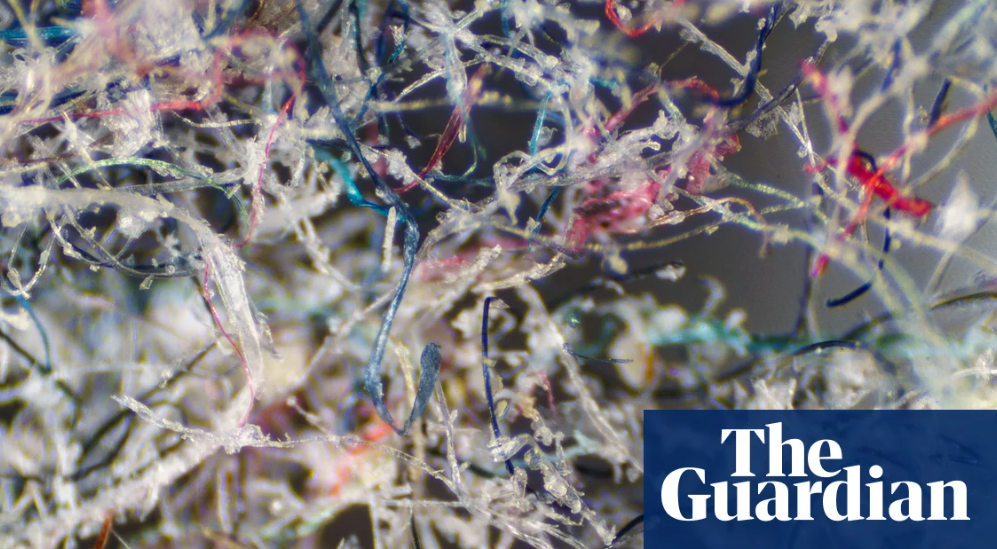
15. The Inventor Racing to Stop Microplastic Pollution at Its Source — Inside Your Washing Machine
A British engineer who once designed Formula One components is now racing to stop one of the planet’s most pervasive sources of pollution: microplastics shed from synthetic clothing during laundry cycles. Adam Root, founder of Matter, has developed a high‑efficiency washing‑machine filter that captures up to 90% of microfibers before they enter wastewater systems.
The device, now being piloted with major appliance manufacturers, is part of a broader push as governments consider mandating microfiber filtration on all new machines. Root argues that tackling pollution “where it starts” is essential because wastewater plants cannot capture the smallest particles. His team is also working on recycling the captured fibers into new materials. Environmental groups say the technology could significantly reduce the trillions of microplastics entering rivers and oceans each year, though widespread adoption remains the key hurdle.
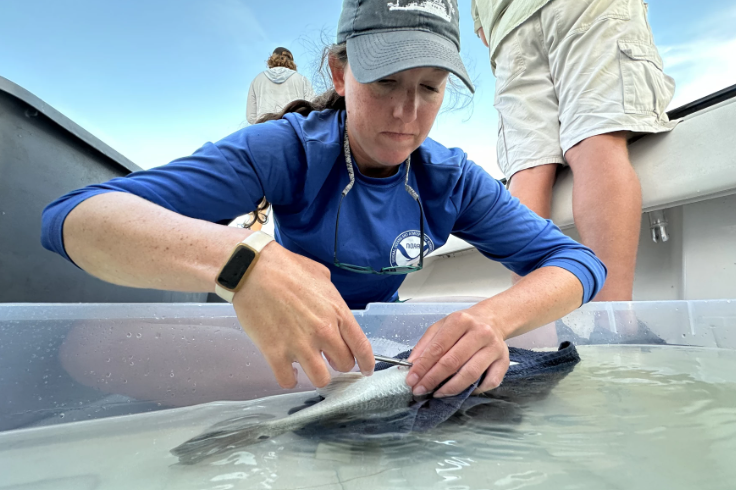
16. As Oceans Heat Up, Scientists Race to Track How Chesapeake Bay’s Trophy Fish Are Changing Their Behavior
CHESAPEAKE BAY, VIRGINA — NOAA scientists are in the middle of a three‑year effort to understand how warming waters, cold snaps, and extreme weather are reshaping the movements of two of the bay’s most prized fish: red drum and striped bass. Using 30 acoustic receivers anchored across the estuary, researchers are collecting data from nearly 250 fish, each implanted with a transmitter about the size of an AA battery.
Each time a tagged fish passes a receiver, it logs temperature, depth, and location, helping scientists map how climate‑driven shifts affect migration in and out of the bay. The work follows recent die‑offs of menhaden, speckled trout, and juvenile red drum after sudden freezes. NOAA says the data will help fisheries managers adjust harvest rules as marine heat waves, acidification, and extreme weather accelerate ecological change in one of the nation’s most important estuaries.
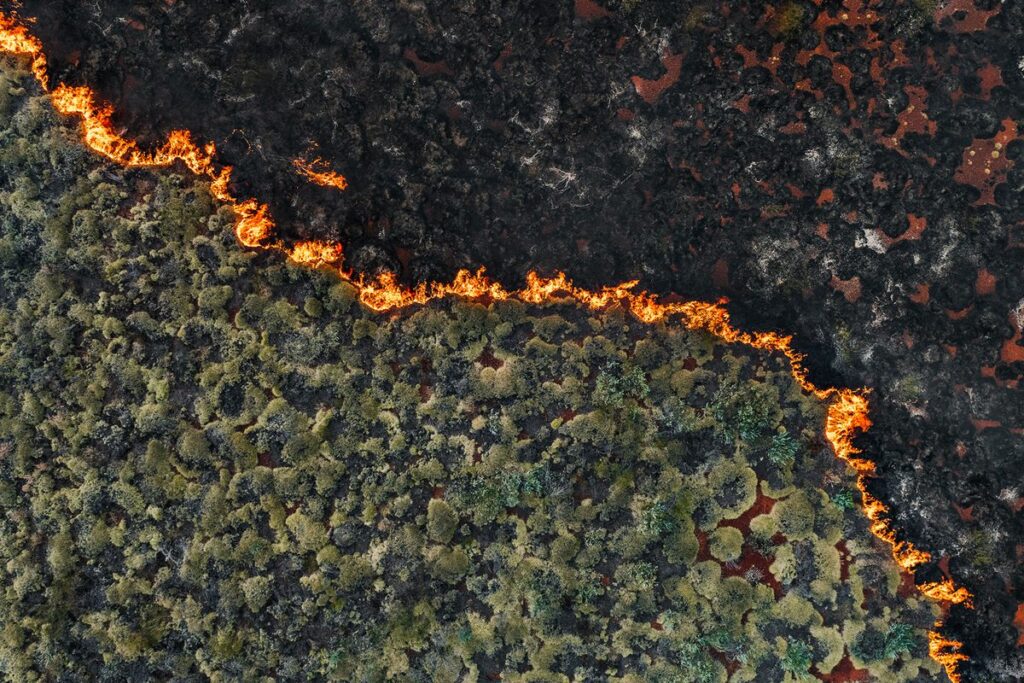
17. Scientists Warn a ‘Super El Niño’ Could Rewrite Global Weather in 2026
LONDON — A rapidly developing El Niño in the Pacific may become one of the strongest ever recorded, with NOAA estimating a 61% chance the event forms by July and a one‑in‑four chance it reaches “very strong” intensity. Atmospheric scientist Paul Roundy now puts the odds of a record‑breaking event near 50%, citing unusually powerful westerly wind bursts that have pushed a massive reservoir of warm water eastward — even hotter than conditions preceding the 1997–98 super El Niño.
Such events disrupt weather worldwide, triggering floods, droughts, crop failures and extreme temperatures. Scientists warn that layering a super El Niño atop today’s already elevated global heat could produce unprecedented impacts, from wildfire‑prone peatlands in Oceania to weakened monsoons in Asia. A December 2025 study suggests such events may also trigger long‑lasting climate regime shifts, though uncertainties remain.
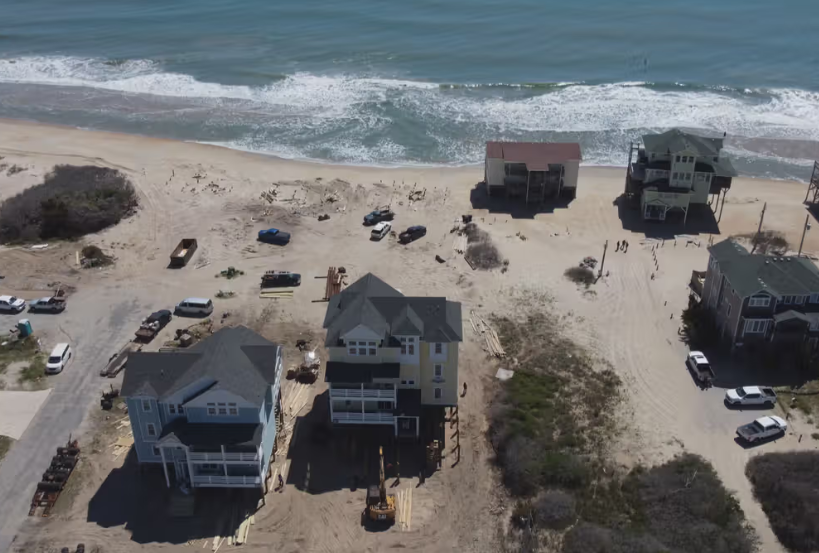
18. North Carolina’s Fastest‑Eroding Beach Town Is Now Moving Houses Like Chess Pieces to Escape the Ocean
BUXTON, NORTH CAROLINA — A 141‑ton beach house crept inland this week as crews rushed to relocate threatened homes along Old Lighthouse Road, where accelerating erosion has turned Buxton into one of the East Coast’s starkest examples of climate‑driven coastal change. Since September 2025, 20 homes have collapsed as storms stripped dunes, exposed septic systems, and scattered debris across the shoreline.
Contractors now use hydraulic jacks, steel beams and temporary rail systems to roll houses away from the surf, though timing depends on tides and weather. Sea levels near Buxton have risen about eight inches in 30 years, allowing storm surge to push farther inland. Dare County is preparing a $42.2 million beach‑nourishment project to rebuild nearly three miles of shoreline, but scientists warn the fix is temporary and that Buxton’s challenges foreshadow decisions many coastal communities will face as erosion accelerates.
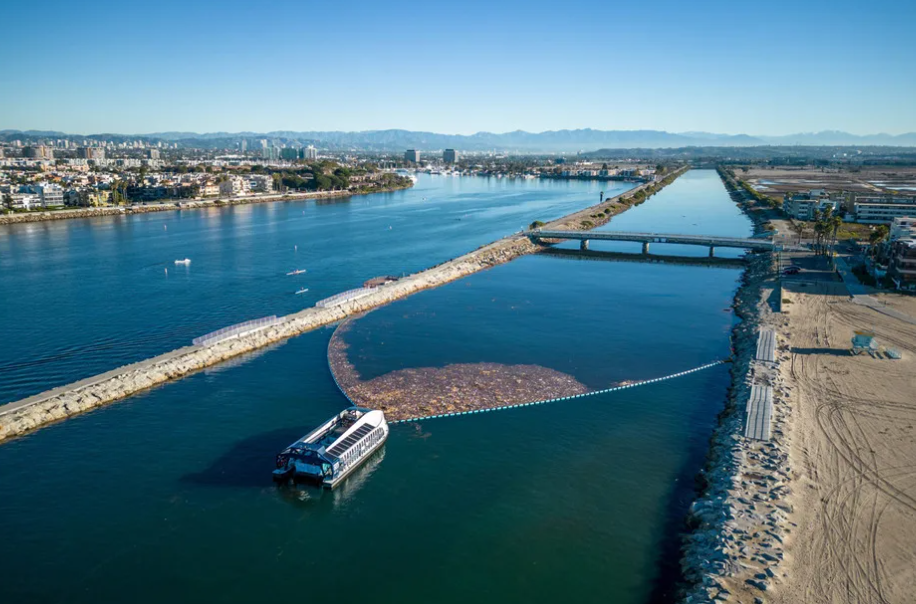
19. Los Angeles Races to Block Olympic‑Year Plastic Pollution With Massive River Cleanup Network
LOS ANGELES — With the LA28 Olympic Games approaching, The Ocean Cleanup is rapidly expanding its river‑interception systems across Greater Los Angeles to stop hundreds of tons of plastic from reaching the Pacific each year. The effort builds on Interceptor 007 at Ballona Creek, which has already prevented nearly 387,000 pounds of trash from entering coastal waters. New deployments in the Los Angeles and San Gabriel Rivers will create a coordinated, city‑wide barrier against plastic leakage, guided by drone surveys, AI‑enhanced cameras, and GPS drifters that mapped pollution hotspots.
Local governments say the project marks a major shift toward regional, upstream intervention as sea‑to‑shore debris worsens. Corporate partners, including Kia, are funding technology expansion and circular‑plastic initiatives. The Ocean Cleanup says the LA network will serve as a model for its global 30 Cities Program aimed at stopping one‑third of river‑borne ocean plastic by 2030.
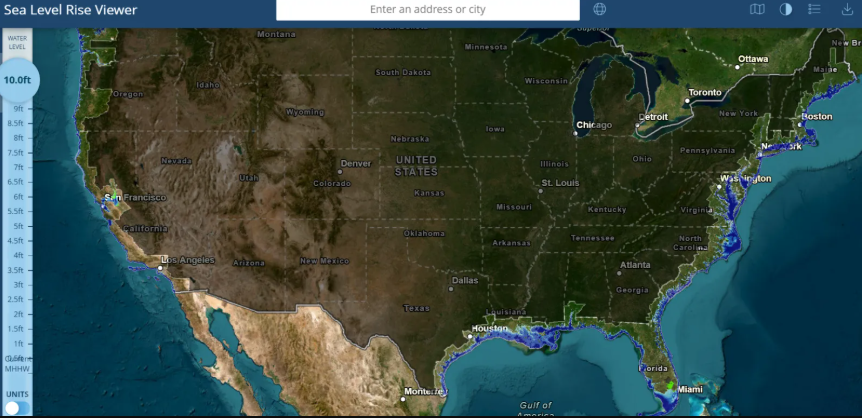
20. New Map Shows Which U.S. Cities Could Drown if Antarctica’s ‘Doomsday Glacier’ Triggers 10‑Foot Sea‑Level Rise
NEW YORK — Scientists warn that the accelerating destabilization of Antarctica’s Thwaites Glacier could eventually raise global sea levels by up to 3 meters, a scenario that would inundate major U.S. cities and critical infrastructure. While Thwaites alone could add about 65 centimeters, researchers fear its collapse could destabilize the wider West Antarctic Ice Sheet. NOAA flood‑risk maps show that a 10‑foot rise would swamp large portions of Florida, including Jacksonville, Tampa, St. Petersburg and Fort Lauderdale, while exposing Gulf Coast cities from Galveston to New Orleans.
The Eastern Seaboard would see chronic flooding in Charleston, Savannah, Norfolk, Baltimore and parts of New Jersey. New York City faces major inundation across Brooklyn, Queens, Staten Island and Lower Manhattan, with Newark Liberty International Airport at risk. California’s Bay Area, San Diego and Oxnard would also see extensive coastal loss.