

1. Coral Collapse Signals Earth’s First Climate Tipping Point
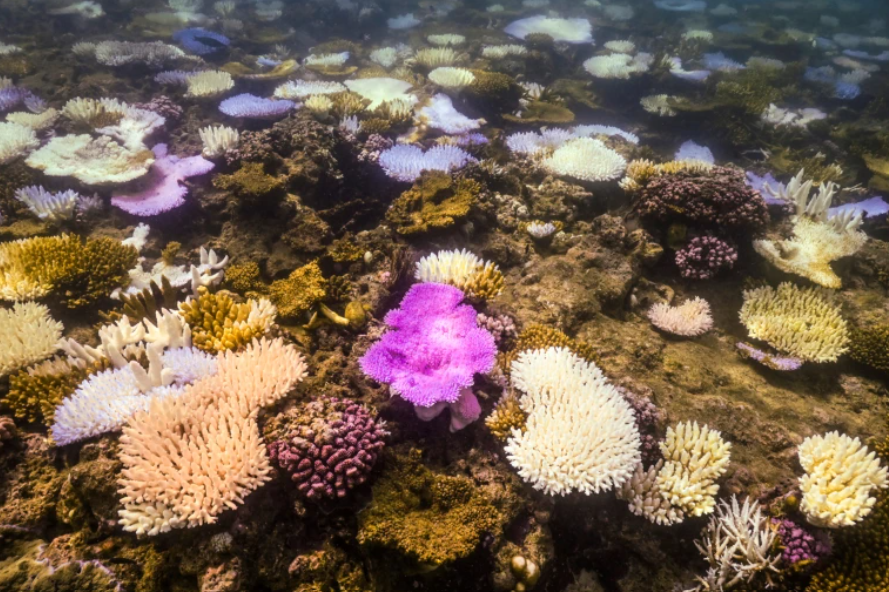
Exeter, United Kingdom — Scientists at the University of Exeter say the world has officially crossed its first climate tipping point, as surging global temperatures drive widespread coral die-offs. A new report led by social scientist Steve Smith identifies reef systems as the first ecosystem to irreversibly shift under human-driven warming. The findings warn that other critical systems—like polar ice sheets and the Amazon rainforest—could soon follow if greenhouse-gas emissions remain unchecked.
The global coral bleaching crisis, now in its fourth major wave since 2023, has affected over 84% of reef ecosystems, including Australia’s Great Barrier Reef. According to University of Miami ecologist Michael Studivan, the frequency and severity of bleaching events have erased natural recovery periods, leaving reefs in a constant state of stress. “We are there,” Studivan said, declaring the coral tipping point reached.
2. Hidden ‘White Coral’ City Found Beneath Naples’ Waves
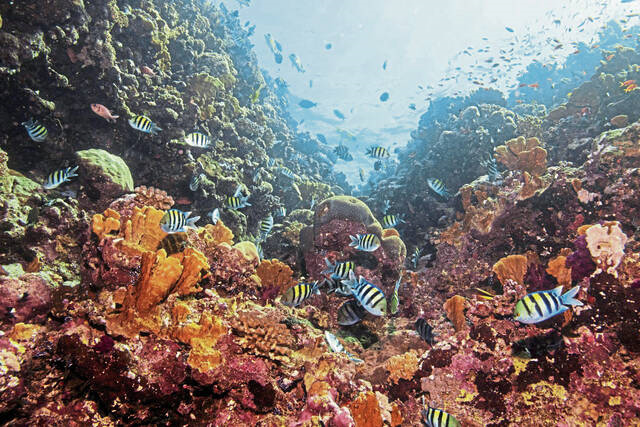
Rome, Italy — Marine scientists with Italy’s National Research Council have uncovered a vast white coral reef more than 500 meters deep in the Gulf of Naples, in what experts call a once-in-a-century Mediterranean discovery. Found using a remotely operated submarine in the Dohrn Canyon, the reef stretches along an 80-meter-high cliff and features coral formations over two meters wide.
The reef is made up of deep-water “white corals,” including Lophelia pertusa and Madrepora oculata, alongside black corals, sponges and fossilized oysters dating back millennia. Mission leader Giorgio Castellan called the find “extraordinary for Italian waters,” noting that structures of this scale have never been documented in the region. Researchers say the discovery could provide new insight into the ecological functions of deep coral systems and aid restoration work across the warming Mediterranean.
Thank you for your generous gift that will help us continue the production of this weekly, free publication
3. AI-driven Automated Coral Restoration in the Great Barrier Reef
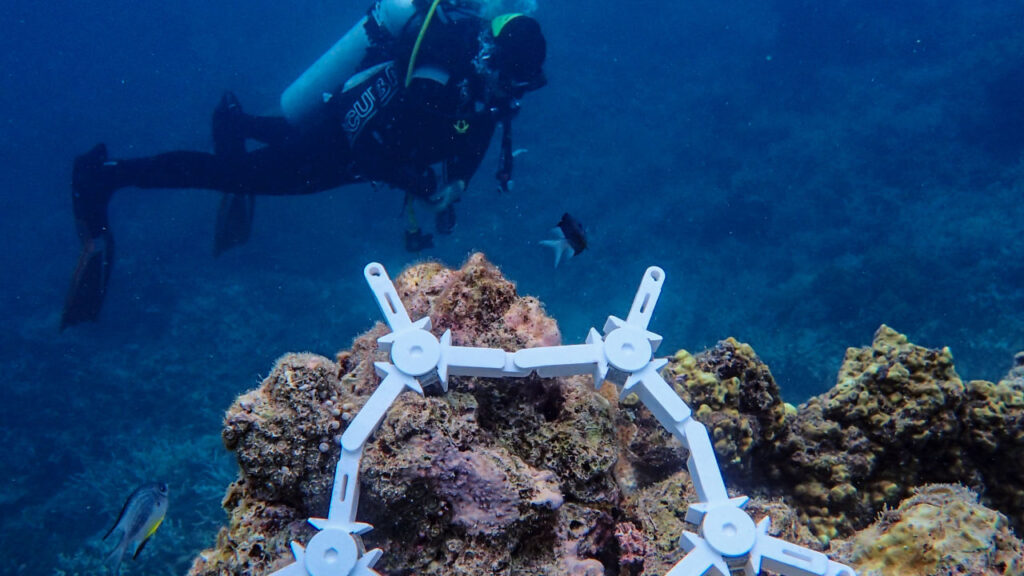
Queensland, Australia — Researchers Scarlett Raine, Benjamin Moshirian, and Tobias Fischer have developed an AI-powered system for large-scale coral reef restoration on the Great Barrier Reef. Their approach utilizes computer vision and robotics to automatically identify suitable seabed areas for deploying coral reseeding devices.
This automation reduces reliance on human experts and significantly increases restoration efficiency. Tests showed a high accuracy of 77.8% in device deployment and 89.1% in substrate classification, with real-time processing at 5.5 frames per second. Accompanying their study, the team has released an extensive annotated image dataset to support further research in AI-assisted marine restoration tools.
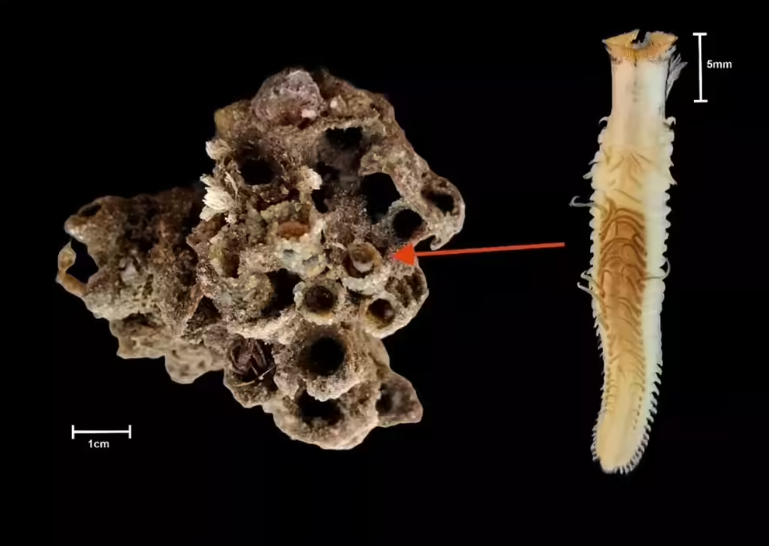
4. Rare Marine Worm Discovered in Bay of Bengal
Berhampur, India — Researchers from Berhampur University’s marine science department have documented a rare polychaete worm, Sabellaria miryaensis, in the Bay of Bengal for the first time. This species, about 5 cm long, was previously last recorded in 1990 off Maharashtra’s coast in the Arabian Sea. The worm builds rigid reefs using sand grains and shell fragments bound by natural secretions, playing a vital ecological role by filtering seawater, modifying local water flow, and providing habitat for diverse marine life.
These reefs stretch approximately 10 to 15 kilometers between Gopalpur and Dhabaleswar. The research team, led by Assistant Professor Shesdev Patro, confirmed the worm’s presence in 2024 through laboratory analyses of coral fragments collected locally. Their findings were published in the Journal of Marine Biological Association of the United Kingdom.
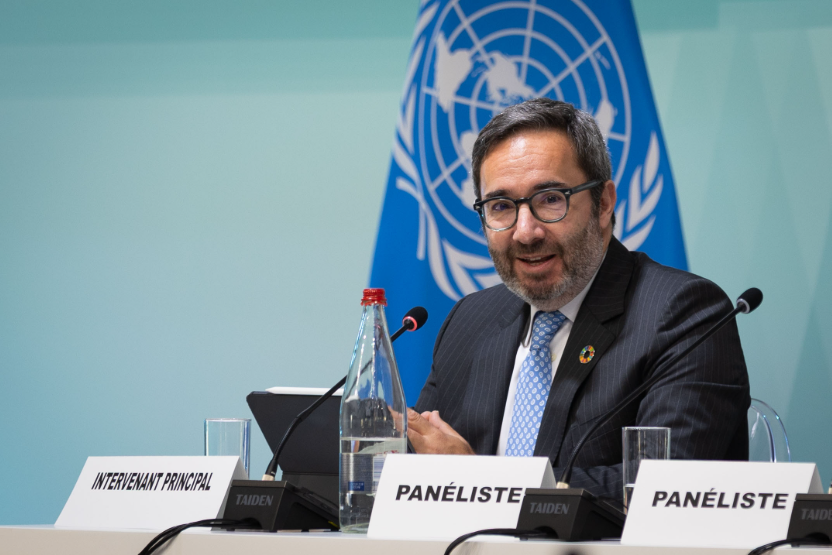
5. UNOPS Highlights Urgent Need to Close Ocean Finance Gap
New York, USA — At the 2025 UN Ocean Conference, Jorge Moreira da Silva, UN Under-Secretary-General and Executive Director of UNOPS, emphasized the critical shortfall in financing to protect and restore ocean health in support of Sustainable Development Goal 14 (SDG14). Despite requiring $175 billion annually, only $10 billion was invested globally from 2015 to 2019, spotlighting a roughly 100-fold funding gap. Ocean-related official development assistance (ODA) represents a mere 1% of global ODA and is often unsustainable or fragmented.
The speech detailed barriers such as fragmented governance, insufficient enabling environments in many countries, data gaps, and a lack of investable projects. UNOPS focuses on bridging this gap by providing practical solutions, including infrastructure planning, procurement expertise, and implementation assistance, supporting nature-based solutions and sustainable ocean economies. The call for coordinated finance and capacity-building efforts aims to translate policies and finance commitments into concrete ocean conservation and sustainable use outcomes.
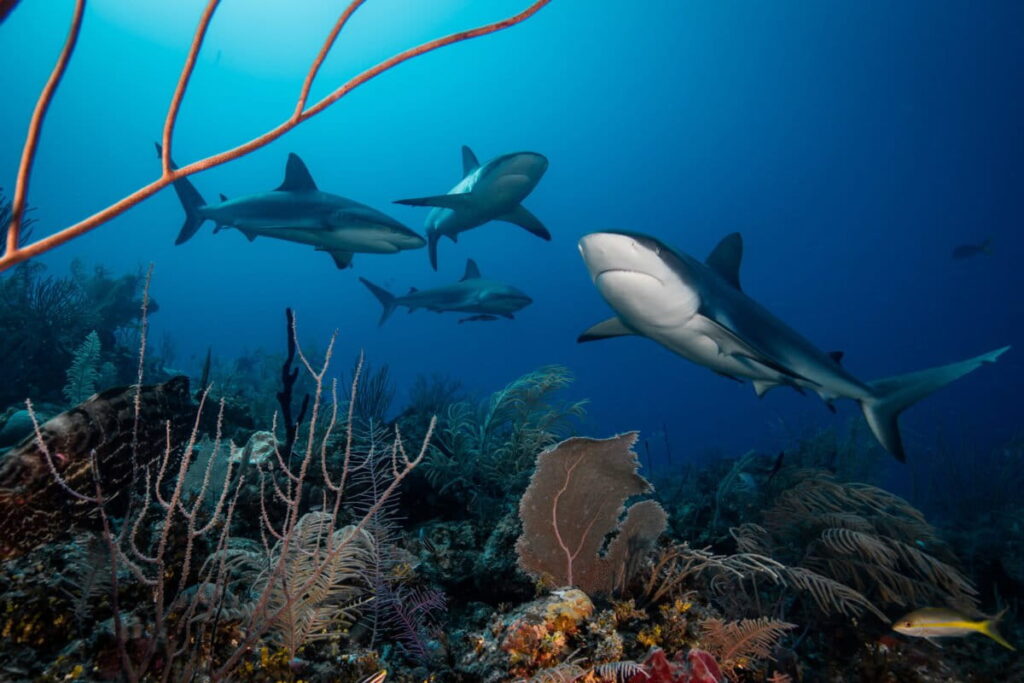
6. Andrea Crosta: Undercover in Shark Fin Trafficking and Crime Convergence
Los Angeles, USA — Andrea Crosta, founder of Earth League International (ELI), has led deep undercover investigations exposing transnational shark fin trafficking networks spanning Latin America to East Asia. Crosta’s work reveals that these illegal networks, often dominated by Chinese nationals, overlap with other criminal enterprises such as drug smuggling, human trafficking, money laundering, and wildlife trade. This “crime convergence” complicates enforcement but also creates opportunities to address multiple criminal activities simultaneously.
ELI’s 2024 report, Operation STELLA MARIS, documents ten trafficking networks and their operations, highlighting the critical threat posed to shark populations, with over one-third of species vulnerable or endangered. Crosta emphasizes the superior organization of traffickers compared to fragmented global law enforcement and calls for increased international cooperation and investigative capability to combat these complex crimes.
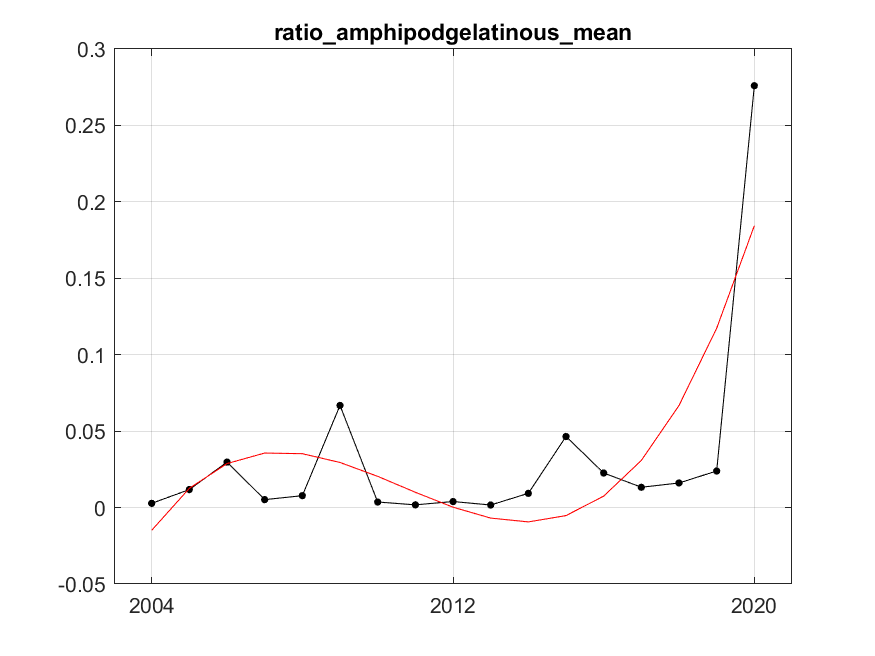
7. Ecosystem Recovery in the Barents Sea Delayed by Climate and Fishing
Bristol, UK — Researchers Matthew Hatton, Jack H Laverick, Neil Banas, and Michael Heath have modeled the Barents Sea ecosystem’s recovery under pressures from climate change and fishing. Using the StrathE2EPolar ecosystem model combined with NEMO-MEDUSA Earth system climate data, their study found that recovery times for key fish groups—Demersal and Planktivorous species—are significantly extended by both stressors.
Projected delays reach up to 18 years for Demersal fish and 54 years for Planktivorous fish, with full ecosystem recovery further hampered by the collapse of top predators under climate change impacts. The study highlights that sustainable fishing strategies are vital as the combined pressures reduce ecosystem resilience, making recovery to historical baselines unattainable without major intervention.
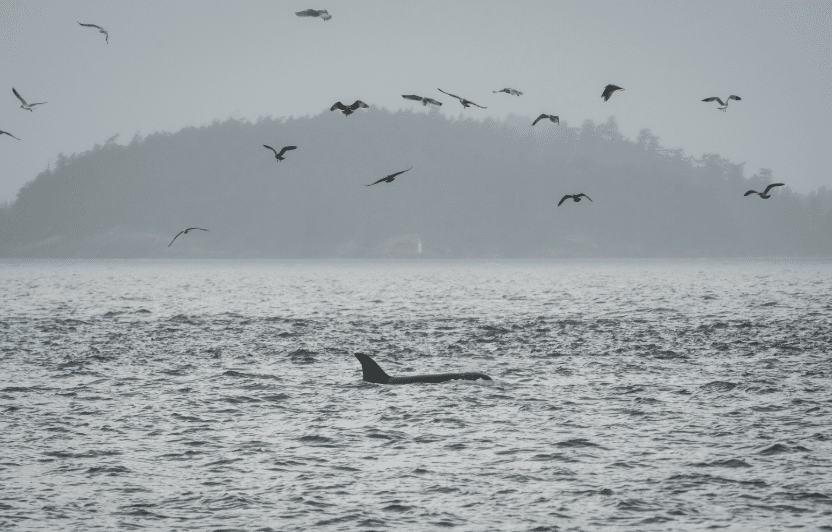
8. Scientists Use Underwater Fiber-Optic Cables to Monitor Endangered Orcas
Seattle, USA — Researchers from the University of Washington have deployed over a mile of fiber-optic cable in the Salish Sea to test whether existing internet cables can be repurposed into underwater microphones to monitor endangered orcas. This innovative technology, known as Distributed Acoustic Sensing (DAS), turns the entire cable into a continuous sensor, capturing orca clicks, calls, and whistles and pinpointing individuals’ locations and movements.
Unlike traditional fixed hydrophones, DAS offers broad spatial coverage and real-time tracking, which could significantly improve understanding of orca behavior and responses to threats such as ship noise, food scarcity, and climate change. The technology could also help dynamically manage human activities—such as slowing vessels—to protect orcas. With some 870,000 miles of submarine fiber-optic cables worldwide, this approach promises a large-scale monitoring network that can fill critical data gaps essential for conservation and policy-making amid accelerating climate impacts.
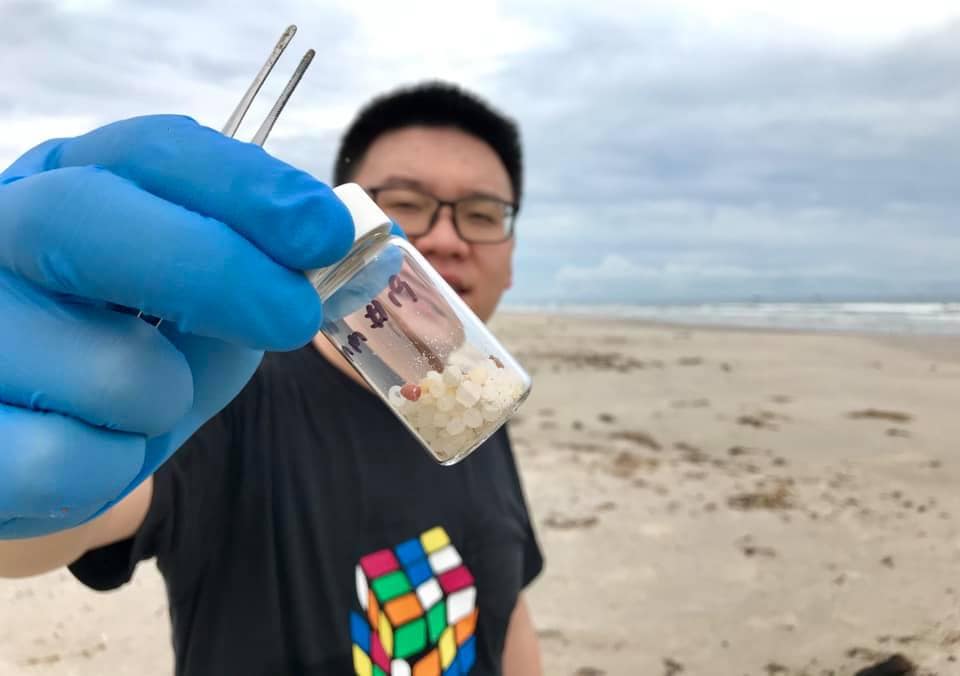
9. Texas is a Major Source of Nurdle Pollution Affecting Mexican Coastlines
Port Aransas, Texas — A study led by Jordan Cisco, a graduate student at the University of Texas Marine Science Institute (UTMSI), pinpointed Texas as a significant source of nurdle pollution—that is, tiny plastic pellets used in manufacturing—impacting beaches along the Mexican Gulf coast. By analyzing over 700 nurdle samples collected between Houston and the Yucatán Peninsula from 2021 to 2024, researchers tracked their weathering patterns, chemical degradation, and ocean current pathways.
The fresher, whiter nurdles found near Texas contrasted with more weathered and oxidized pellets detected farther south in Mexico, supporting the southward dispersal hypothesis. Oceanographic modeling confirmed that Gulf currents transport these pollutants rapidly over hundreds of miles within months. This finding underscores the transboundary nature of plastic pollution and highlights the need for coordinated prevention and cleanup efforts. The research was published in Environmental Research Letters.
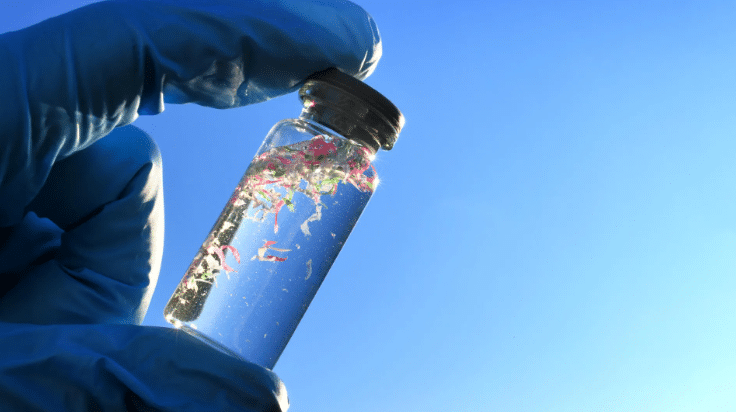
10. Plastic Bottled Water Poses Hidden Health Risks from Micro- and Nanoplastics
Montreal, Canada — Researcher Sarah Sajedi, drawing on over 140 studies, reveals that drinking bottled water exposes consumers to approximately 90,000 more microplastic particles annually compared to tap water users. These particles, ranging from tiny microplastics to nanoscale plastics, are shed from plastic bottles during manufacturing, storage, and transport. Unlike plastics ingested via food, these enter the body directly and can cross into the bloodstream, reaching vital organs.
Potential health consequences include chronic inflammation, hormonal disruption, neurological damage, and cancer. However, long-term effects are still poorly understood due to limited research and standardized testing methods. Sajedi stresses that while legislative efforts curb some plastic waste, single-use water bottles remain a significant overlooked contributor. She advocates for education on this chronic toxicity, urging reduced bottled water consumption for daily use.
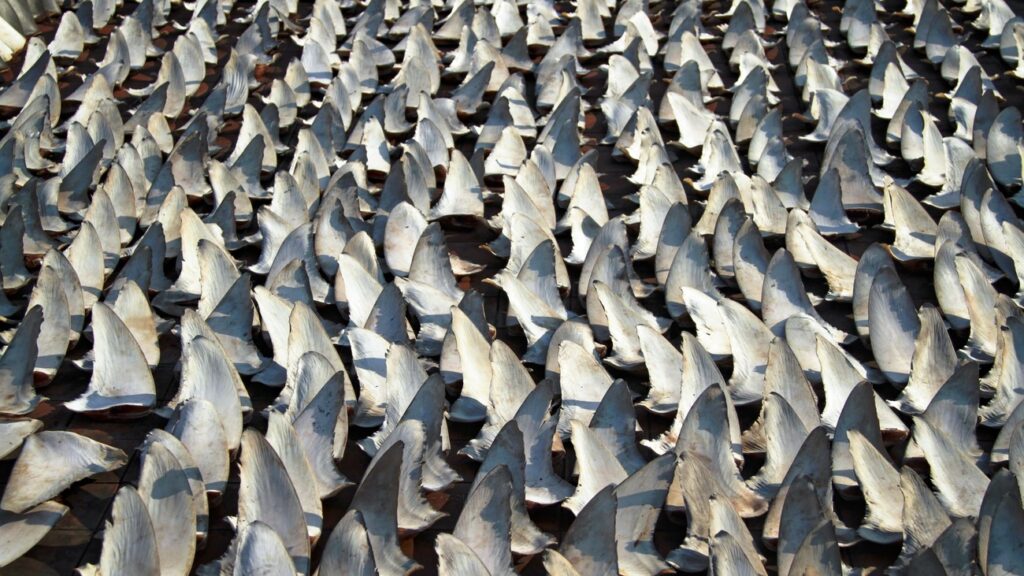
11. Costa Rican Coast Guard Seizes 120 Shark Fins, Arrests Three in Poaching Crackdown
San José, Costa Rica — The Costa Rican Coast Guard apprehended three men off the Pacific coast after discovering a cooler containing 120 shark fins aboard their vessel, marking a significant blow against the country’s persistent shark fin trade. The operation occurred near the Gulf of Nicoya during a routine maritime patrol. Alongside the fins, officials seized fishing gear linked to the illegal capture of protected shark species.
Authorities stated the suspects face prosecution under Costa Rica’s Wildlife Conservation Law No. 8346, Article 139, which bans shark finning and trade in wildlife parts. The fins, reportedly destined for export, reflect ongoing demand driving illegal shark slaughter across Central America. Environmental groups have commended the swift action, calling it a critical step toward reinstating Costa Rica’s status as a marine conservation leader after years of lax enforcement.

12. Spain Designates Six New Marine Protected Areas in Major Conservation Milestone
Madrid, Spain — The Spanish government has declared six new marine protected areas (MPAs), adding more than 17,000 square kilometers to its network of safeguarded ocean spaces. The new zones include the Mallorca Channel seamounts, Seco de Palos seamounts and pockmark fields, Capbreton canyon system, Alboran Sea banks, and the Central Catalan Coast—recognized hotspots for biodiversity that harbor vulnerable coral, sponge, and deep-sea communities.
The declaration raises Spain’s total marine protection to 22.45%, advancing its goal of protecting 25% of national waters by the end of 2025 and aligning with the EU’s Biodiversity Strategy for 2030. The protections were achieved through the LIFE INTEMARES project and years of research and advocacy by Oceana. Scientists now urge robust management plans to restrict damaging activities such as bottom trawling and ensure lasting ecosystem resilience.
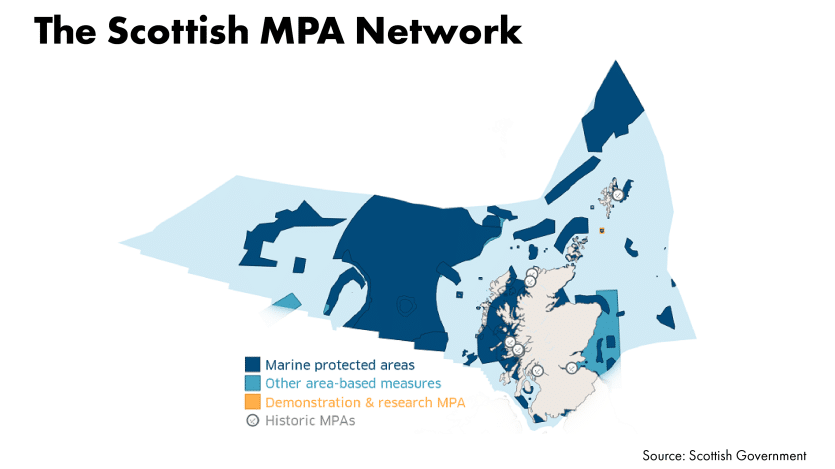
13. Scotland Expands Protection for Marine Areas and Seabed Habitats
Edinburgh, Scotland — The Scottish Government has expanded its network of marine protected areas (MPAs), now covering about 37% of national waters to safeguard marine life and habitats from human pressures. There are more than 240 sites across Scotland’s inshore and offshore zones, designated for purposes including nature conservation, research, and heritage preservation. Oversight of these areas includes restrictions on activities such as bottom trawling, dredging, and certain offshore developments where they threaten conservation goals.
In September 2025, new fisheries management orders came into effect to prohibit damaging bottom-towed fishing methods in twenty offshore MPAs—covering over 60,000 square kilometers of seabed—as part of broader reforms under the Marine (Scotland) Act 2010. The initiative marks the largest expansion of protections in a decade and contributes toward the UK’s legal commitment to protect 30% of its seas by 2030.
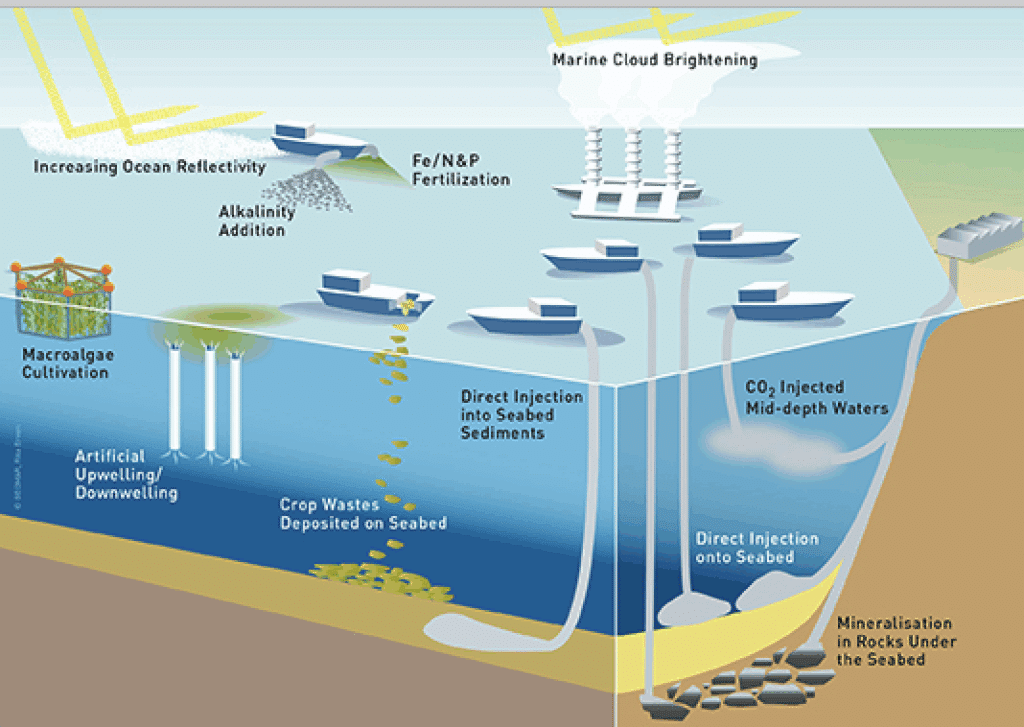
14. New Report Flags Growing Marine Geoengineering Risks, Calls for Precaution
London/Washington D.C. — The Center for International Environmental Law (CIEL) and Friends of the Earth US released a report titled “A Gathering Storm: How Marine Geoengineering Threatens All Ocean Basins,” warning that experimental marine geoengineering activities are escalating despite unresolved scientific, legal, and ethical concerns. The report maps proposed large-scale interventions—such as ocean alkalinity enhancement, ocean fertilization, biomass sinking, and marine cloud brightening—revealing that all ocean basins are at risk of being targeted.
It stresses these technologies are highly speculative and carry profound, potentially irreversible ecological and social risks, including damage to marine ecosystems, disruption of rainfall and fisheries, and threats to the livelihoods of billions reliant on oceans. The report urges governments to uphold existing moratoria under the Convention on Biological Diversity and the London Protocol, forbidding open-ocean deployment beyond small-scale research until risks are fully understood. It calls for prioritizing rights-based, climate solutions focused on fossil fuel phaseout over geoengineering.
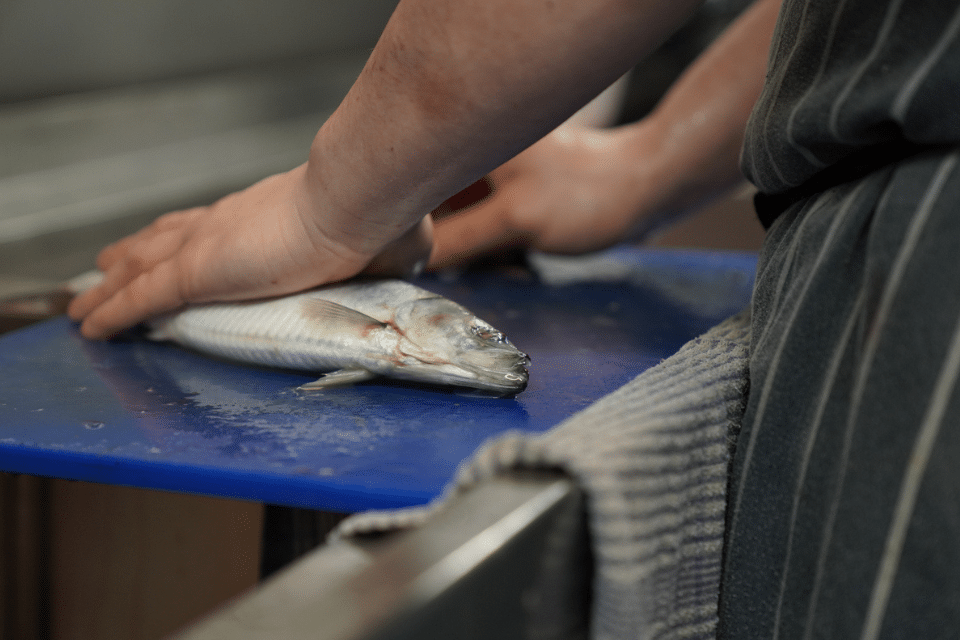
15. UK’s Fish, Trace, Ship Campaign Prepares Seafood Industry for New EU Export Rules
London, UK — Starting January 10, 2026, new EU rules will require UK seafood businesses exporting to the EU to provide detailed processing statements. The Marine Management Organisation (MMO) leads the Fish, Trace, Ship campaign to guide fishers, merchants, processors, and exporters through these changes.
Processing now includes any cutting, filleting, canning, smoking, cooking, or other preparations — excluding just freezing or packing. These statements must list the weights of each seafood type in processed products. Failure to comply risks export delays. MMO is updating its IT system and offering webinars and support to help the industry adapt smoothly. Early registration is encouraged.
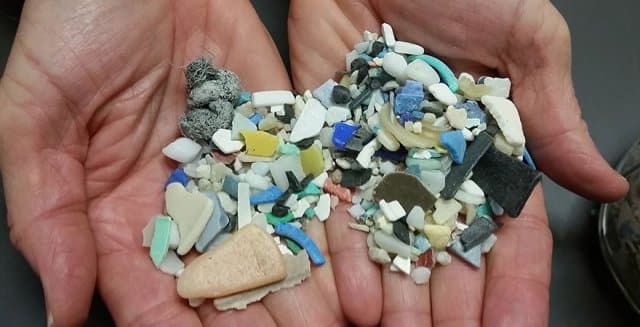
16. Michigan’s First Microplastics Awareness Week to Raise Public Action and Understanding
Lansing, Michigan — Michigan’s Microplastics Awareness Week, Oct. 19–26, aims to educate the public about microplastic pollution in the Great Lakes. Organized by the Michigan Department of Environment, Great Lakes, and Energy (EGLE), the week includes cleanups, educational events, and a virtual Great Lakes Microplastics Summit on Oct. 22.
The summit gathers scientists, policymakers, and community members to discuss microplastics’ sources, detection, risks, and environmental impact. EGLE is allocating $2 million over five years to advance microplastics research, monitoring, and prevention efforts. Microplastics—tiny plastic particles found in water, wildlife, and air—pose potential risks to ecosystems and human health. Michigan encourages residents and businesses to take actions like reducing single-use plastics to protect its waters.
17. You Won’t Believe What Controls These Tiny Ocean Creatures!
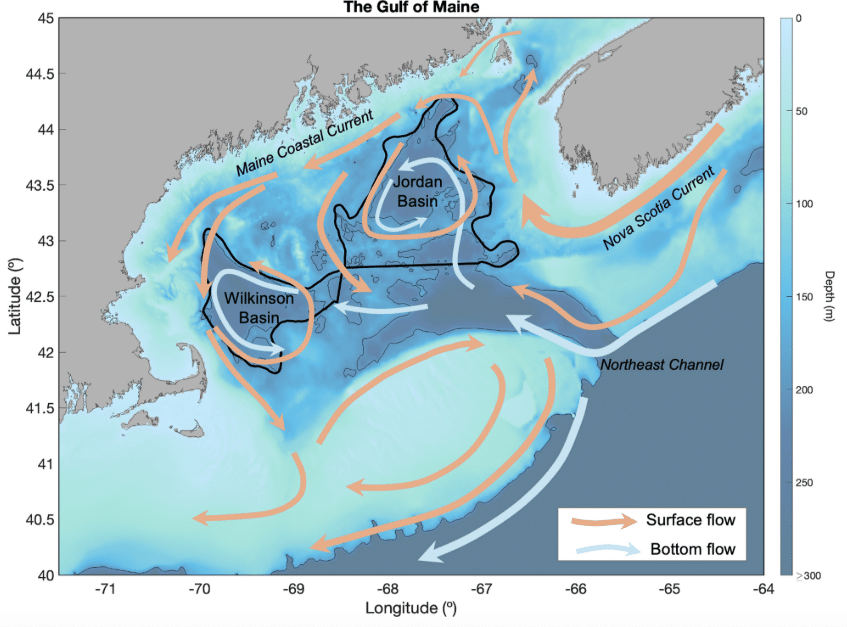
A new 2025 study in Nature Scientific Reports shows that seasonal predator-prey dynamics critically influence the population changes of Calanus finmarchicus, a foundational marine copepod. These tiny animals link microscopic producers to fish, whales, and other sea life. Predators like siphonophores and krill vary in their impact seasonally, driving population swings.
Understanding these controls is key to predicting how marine ecosystems will respond to climate change, as copepod variability cascades across food webs. The research highlights the delicate balance sustaining ocean biodiversity and calls for further studies to inform conservation.

18. Historic Milestone: High Seas Treaty Set to Protect Half the Planet’s Oceans!
The High Seas Treaty has now been ratified by over 60 countries, setting it on course to enter into force on January 17, 2026. This landmark agreement establishes a global framework to protect nearly half of the world’s oceans beyond national jurisdiction. Key provisions include creating marine protected areas, mandating environmental impact assessments for activities like deep-sea mining, and ensuring fair and equitable sharing of marine genetic resources crucial for medicine and biotech.
The treaty also emphasizes capacity building and technology transfer to support developing nations’ participation and benefits. The first Conference of the Parties will convene within a year to formalize governance structures and guide implementation priorities. Universal ratification remains essential for legitimacy, equitable participation, and coordinated international ocean protection. This once-in-a-generation treaty offers a powerful chance to safeguard marine biodiversity for current and future generations.
19. You Won’t Believe How Seismic Surveys Are Shaking Up Tiny Ocean Swimmers!
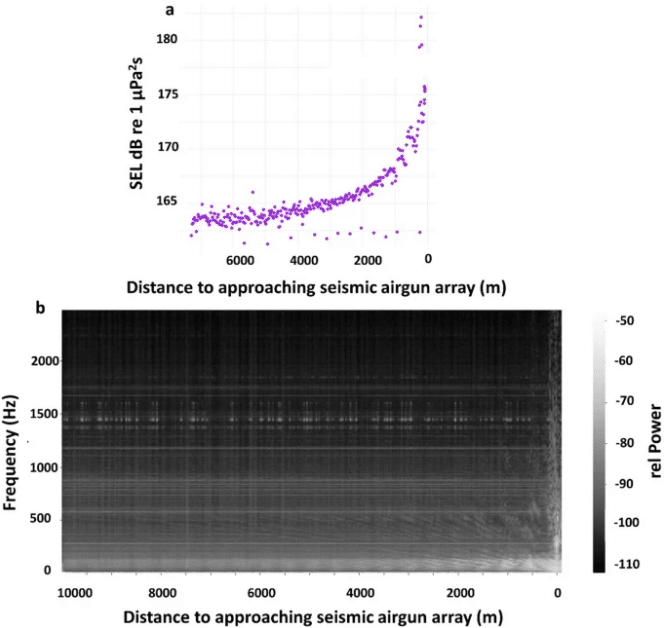
Seattle, USA — Seismic surveys used in underwater resource exploration produce significant noise, but their impact on crustacean zooplankton behavior has been largely unknown. A 2025 study published in Nature Scientific Reports investigates how these tiny but ecologically vital organisms respond in situ to approaching seismic survey sounds. Using acoustic and video monitoring, researchers observed that exposure to seismic noise temporarily reduced zooplankton swimming speed and altered vertical movement patterns.
These behavioral changes could affect feeding efficiency and predator avoidance, potentially disrupting marine food webs where zooplankton serve as a crucial food source. As seismic surveys increase worldwide, understanding these impacts is essential to predicting ecological consequences and informing sustainable ocean management. This study provides valuable evidence of seismic disturbance at foundational marine trophic levels, emphasizing the need for monitoring and mitigation strategies to protect marine biodiversity.
20. Panama’s Pacific Upwelling, a Vital Ocean Process That Brings Nutrient-Rich Waters to the Surface, Failed for the First Time in Over 40 Years!
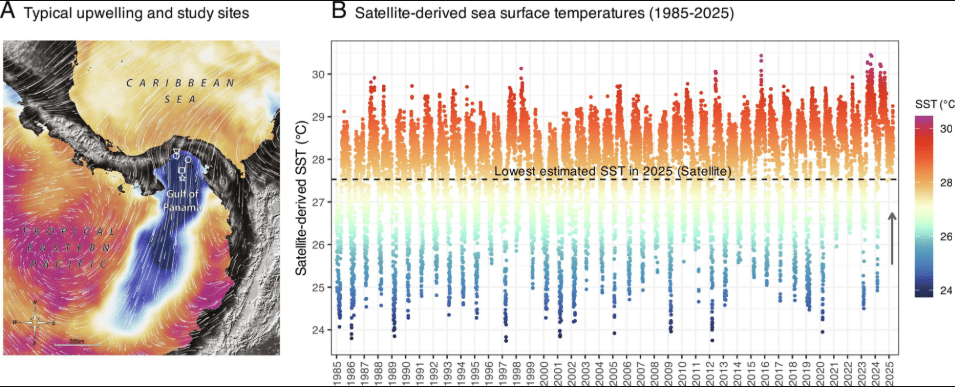
Panama City, Panama — In an unprecedented event documented by scientists from the Smithsonian Tropical Research Institute and published in PNAS, Panama’s Pacific upwelling system failed to occur in 2025 for the first time in over 40 years of records. Normally driven by strong northern trade winds during Central America’s dry season, upwelling brings cold, nutrient-rich waters to the surface, supporting highly productive fisheries and providing thermal relief to vulnerable coral reefs.
The study attributes the collapse to a sharp decline in wind frequency and strength, potentially linked to climate variability associated with the 2024–2025 La Niña. The consequences of this event are significant, including diminished fishery productivity, increased coral stress, and disruption of marine food webs that local coastal communities rely on. This unprecedented suppression underscores the growing vulnerability of tropical upwelling systems to climate change, calling for urgent monitoring and adaptive strategies.
21. Puerto Rico’s Coastlines Swamped: The Shocking Sargassum Crisis Nobody Saw Coming!
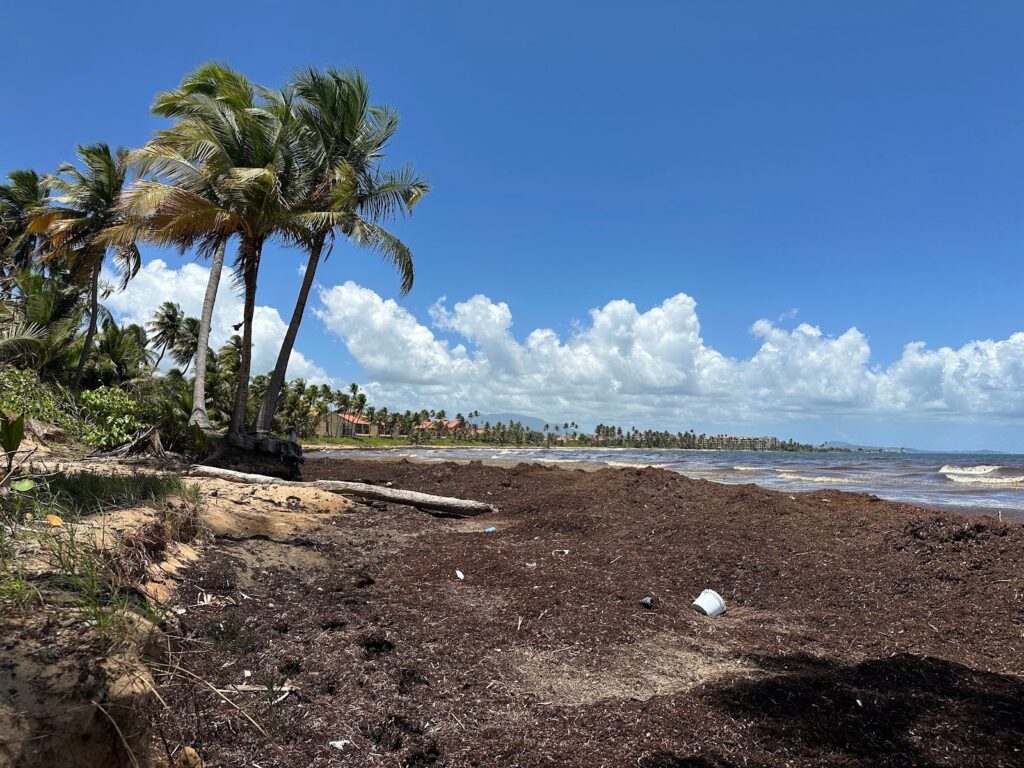
San Juan, Puerto Rico — In 2025, Puerto Rico’s shores faced an unprecedented invasion of Sargassum seaweed, pushing the governor to declare a state of emergency. The National Centers for Coastal Ocean Science (NCCOS) has stepped up support by funding expanded monitoring and response efforts led by Mar Caribe Consulting LLC and local agencies.
With record-breaking Sargassum levels threatening marine ecosystems, tourism, and public health, this crisis reveals the growing impacts of climate-driven changes in the tropical Atlantic. Enhanced monitoring at key coastal sites aims to manage this environmental challenge, providing crucial data to protect coastal communities and ecosystems from future events.
22. 2023 Editorial Revisited: The Ocean’s Crisis of Hypocrisy Persists
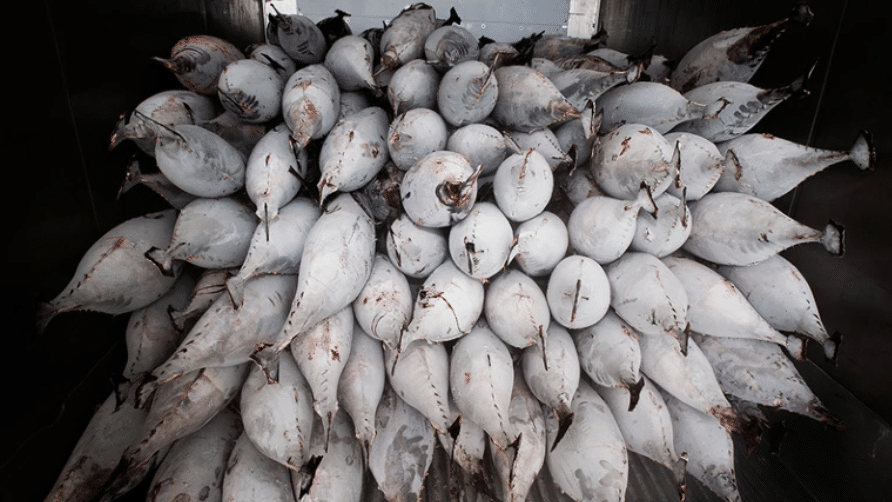
London, United Kingdom — A 2023 editorial in Nature exposes the damaging hypocrisy threatening global ocean conservation. Despite high-profile promises and climate summits, powerful nations undermine their own commitments by supporting harmful fishing practices and lobbying against marine protections.
The piece criticizes leaders like France’s Emmanuel Macron for mismatched policies that put ecosystems and coastal communities at risk. Scientists warn that without genuine action aligning rhetoric with results, the planet faces dire consequences for marine biodiversity and the people dependent on healthy oceans. The editorial calls for urgent, transparent commitment to safeguard ocean health and ensure a sustainable future for all.
23. Revisiting 2022: PEMSEA’s Warning on Ocean Sustainability Still Rings True
East Asia — The Partnership in Environmental Management for the Seas of East Asia (PEMSEA) highlights that Sustainable Development Goal 14 (SDG 14), which targets ocean and marine conservation, remains the most lagging SDG in the Asia-Pacific region. Despite some progress in coastal ecosystem protection and the expansion of marine protected areas, key challenges, including marine pollution from land-based sources, overfishing, destructive fishing practices, ocean acidification, and data deficiencies, hinder accelerated progress.
The COVID-19 pandemic has exacerbated marine pollution, leading to increased plastic and nutrient runoff. PEMSEA advocates for integrated coastal management, strengthened multi-level governance, and enhanced cooperation to address these interconnected issues. Regional initiatives show promise, but more robust monitoring, financing, and alignment with international treaties are essential to meet the 2030 targets and secure healthy oceans for coastal communities and global biodiversity.