


1. Scientists Stumble on Ocean’s Strangest Creatures—Pink Lobsters, Alien Squid, and 40 Hidden Species Revealed!
Buenos Aires, Argentina—A ground-breaking expedition into the Mar del Plata Canyon off Argentina’s Atlantic coast has brought the deep sea to life for millions, as researchers discovered over 40 potential new species using the ROV SuBastian’s robotic arms and high-definition cameras. From glass squids with hornlike protrusions to pastel-pink lobsters moving across the seafloor, the footage stunned 1.6 million daily viewers and showcased a biodiversity hotspot shaped by converging tropical and Antarctic currents.
The team, led by Dr. Daniel Lauretta of CONICET, collected coral fragments and sediment samples, highlighting not only vibrant life but also evidence of plastic pollution and lost fishing gear. Identification of new species will rely on environmental DNA and museum comparisons, positioning the canyon as a vital laboratory for future conservation and climate research.
2. New Species – Glowing Shark and Ghostly Crab Found in Australian Deep Sea—Hundreds of Species Await Discovery
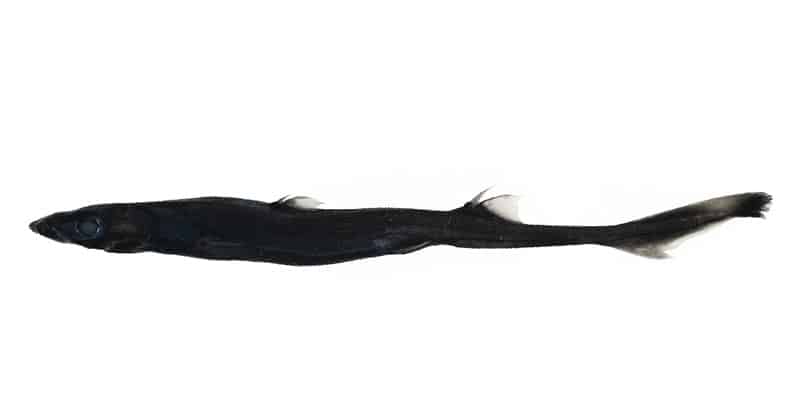
Perth, Australia—Scientists aboard Australia’s CSIRO research vessel Investigator have identified two new species from deep waters off Western Australia: the West Australian Lanternshark—glowing with belly photophores—and Porcellanella brevidentata, a porcelain crab that hides among sea pens. Discovered during biodiversity surveys in the Gascoyne Marine Park and Ningaloo coast, both creatures were described in papers published in September 2025.
The lanternshark reaches just 407 mm, boasting large eyes and slender, spined fins. The tiny opalescent crab, just 15 mm long, is adapted for camouflage and filter-feeds among coral hosts. Nearly 20 new animals have now been described from the 2022 voyage, and researchers suggest up to 600 more species remain to be identified. With another expedition to the Coral Sea underway, this effort reveals just how mysterious and vibrant Australia’s ocean depths remain.
Thank you for your generous gift that will help us continue the production of this weekly, free publication
3. Red Sea Dried Out, Then Catastrophic Flood Brought It Back—KAUST Scientists Reveal Stunning Evidence
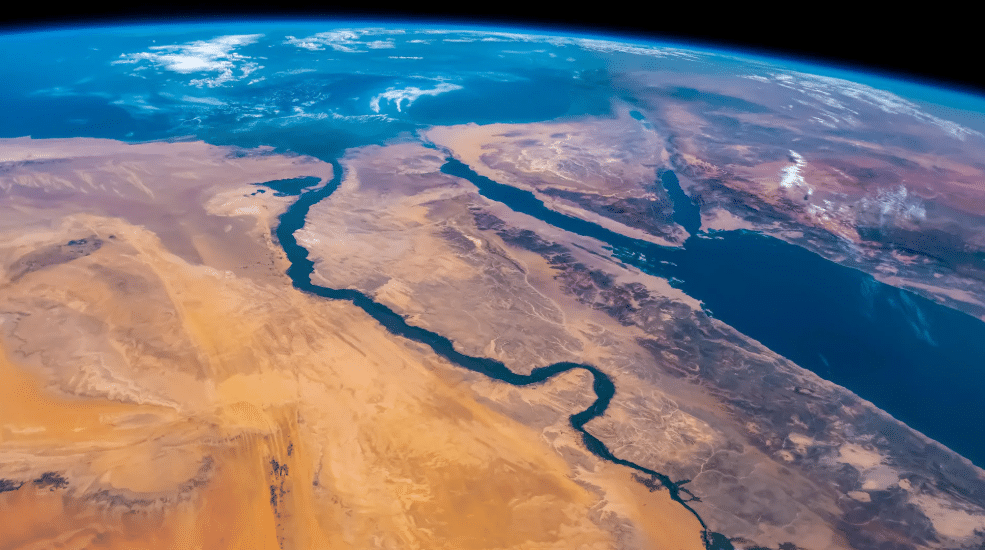
Thuwal, Saudi Arabia—Researchers at King Abdullah University of Science and Technology (KAUST) have proven that the Red Sea vanished completely 6.2 million years ago, only to be refilled by a catastrophic flood from the Indian Ocean. Using seismic imaging, microfossils, and geochemical dating, the team documented how volcanic barriers once blocked ocean connections, transforming the sea into a salt desert.
Suddenly, seawater surged through the Bab el-Mandab strait, carving deep underwater canyons and restoring marine life in less than 100,000 years. This reflooding — nearly a million years before the Mediterranean Zanclean flood — changed the region forever. The Red Sea’s wild transformation provides insights into ocean birth, climate, and tectonics, demonstrating the planet’s history of extreme environmental change and underscoring KAUST’s leadership in Red Sea research.
4. Marine Heatwaves Are Jamming Earth’s Carbon Conveyor Belt, Threatening Climate Resilience
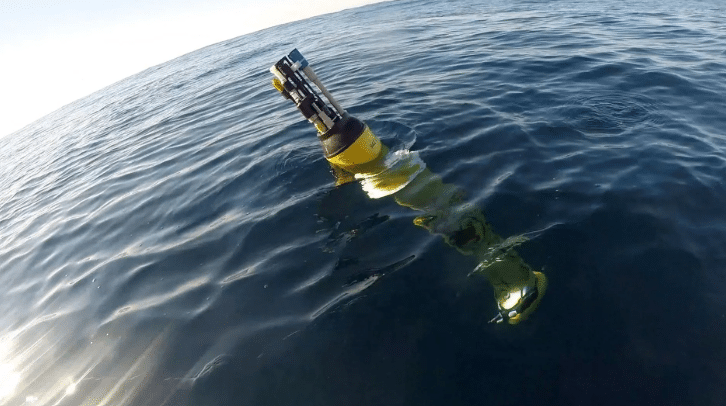
Monterey, California, USA—A new study published in Nature Communications reveals that marine heatwaves disrupt ocean food webs and slow the biological carbon pump that transports carbon from surface waters to the deep sea. Researchers analyzed biological data from the Gulf of Alaska during two heatwaves, “The Blob” (2013-2015) and another in 2019-2020, showing that plankton community shifts caused carbon particles to accumulate near the surface instead of sinking deeply, reducing the ocean’s capacity to store carbon for millennia.
Under typical conditions, phytoplankton convert carbon dioxide into organic matter that sinks and locks carbon away. However, heatwaves alter these processes, favoring small grazers that produce slower-sinking waste and causing carbon recycling in upper layers. The findings underscore the urgent need for continuous, coordinated ocean monitoring as marine heatwaves intensify with climate change, threatening ecosystems, fisheries, and carbon cycling essential for climate regulation.
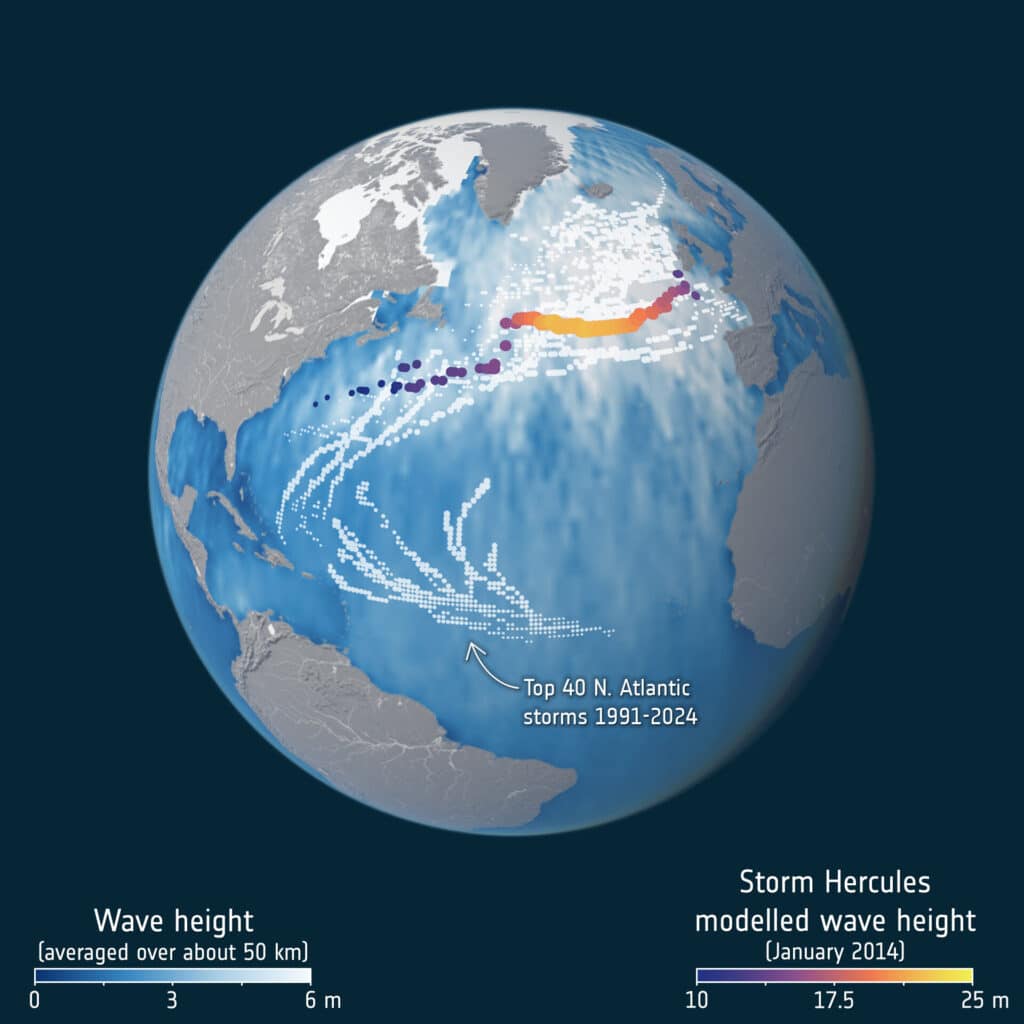
5. Ocean Waves Reach Nearly 20 Meters High in Recent Storms, Satellite Data Reveal
Satellite data from 2023 and 2024 reveal ocean waves averaging nearly 20 meters high, as tall as Paris’s Arc de Triomphe — the largest ever measured from space. These long swells act as powerful storm “messengers,” traveling vast distances to impact coastlines far from the storm source. Storm wind drives wave power, but the greatest coastal damage often results from these swells that carry energy well beyond the storm’s reach.
Wave periods, such as 20 seconds between crests, indicate storm size and strength. ESA’s Climate Change Initiative merged recent French-US SWOT satellite data with a decades-long sea state record dating to 1991 from multiple satellites. This research sheds new light on swells’ scale and wave properties across remote ocean regions, improving understanding of ocean dynamics and coastal hazard forecasting.
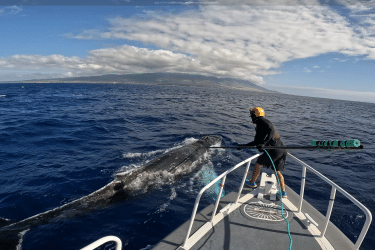
6. NMFS Prohibits Directed Fishing for Atka Mackerel in the Bering Sea and Aleutian Islands Starting October 9, 2025
The National Marine Fisheries Service (NMFS) announced a prohibition on directed fishing for Atka mackerel in the Bering Sea subarea and Eastern Aleutian district of the Bering Sea and Aleutian Islands management area (BSAI). This rule applies to vessels participating in the BSAI trawl limited access sector fishery and takes effect at 12 noon Alaska local time on October 9, 2025.
The closure is intended to prevent exceeding the 2025 total allowable catch (TAC) for Atka mackerel allocated to this sector. While directed fishing is prohibited, vessels may retain maximum amounts allowed under regulations during trips. This fishery management action aims to conserve Atka mackerel stocks and ensure sustainable fishing in the BSAI region.
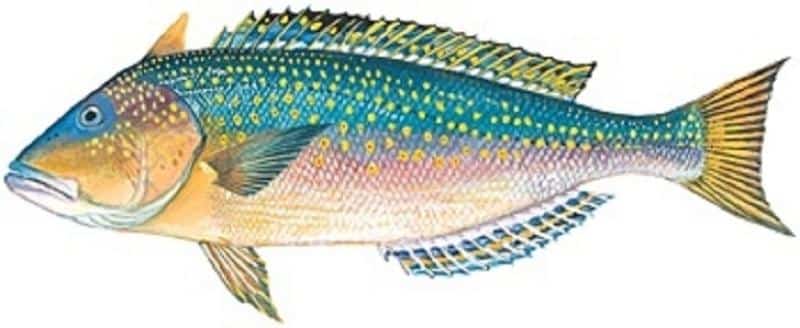
7. South Atlantic Commercial Longline Fishery for Golden Tilefish to Close October 17, 2025
The commercial longline fishery for golden tilefish in federal waters of the South Atlantic will close at 12:01 a.m. local time on October 17, 2025. This closure applies to all harvest or possession of golden tilefish caught with longline gear. NOAA Fisheries forecasts that the 2025 catch limit of 332,165 pounds gutted weight will be reached by this date, triggering accountability measures to prevent overfishing.
After the closure, only vessels with a longline endorsement may harvest golden tilefish with longline gear, but no harvest is allowed with hook-and-line gear on vessels holding the endorsement. Recreational fishing for golden tilefish closed on March 21, 2025, and all possession is prohibited on vessels with a longline endorsement for the remainder of 2025. The fishery will reopen at 12:01 a.m. local time on January 15, 2026.

8. EU and São Tomé and Príncipe Renew Sustainable Fisheries Partnership
Brussels, Belgium—The European Union and São Tomé and Príncipe have signed a new four-year protocol to continue their 40-year-old fisheries partnership. The agreement allows EU vessels to fish around 6,500 tonnes of tuna and other migratory species annually in São Tomé and Príncipe’s waters. The EU commits €3.3 million over four years, including €500,000 annually to support sustainable fisheries management, control, artisanal fishing, and local fishing communities.
EU shipowners will pay São Tomé and Príncipe licensing and catch fees of €85 per tonne. The protocol also aims to improve working conditions for fishers on EU vessels and reinforces adherence to Regional Fisheries Management Organisation recommendations and international labor standards. Fisheries and Oceans Commissioner Costas Kadis highlighted the cooperation’s commitment to sustainable fishing that supports local economies and ecosystem resilience. The protocol applies provisionally as of October 6, 2025, pending ratification.
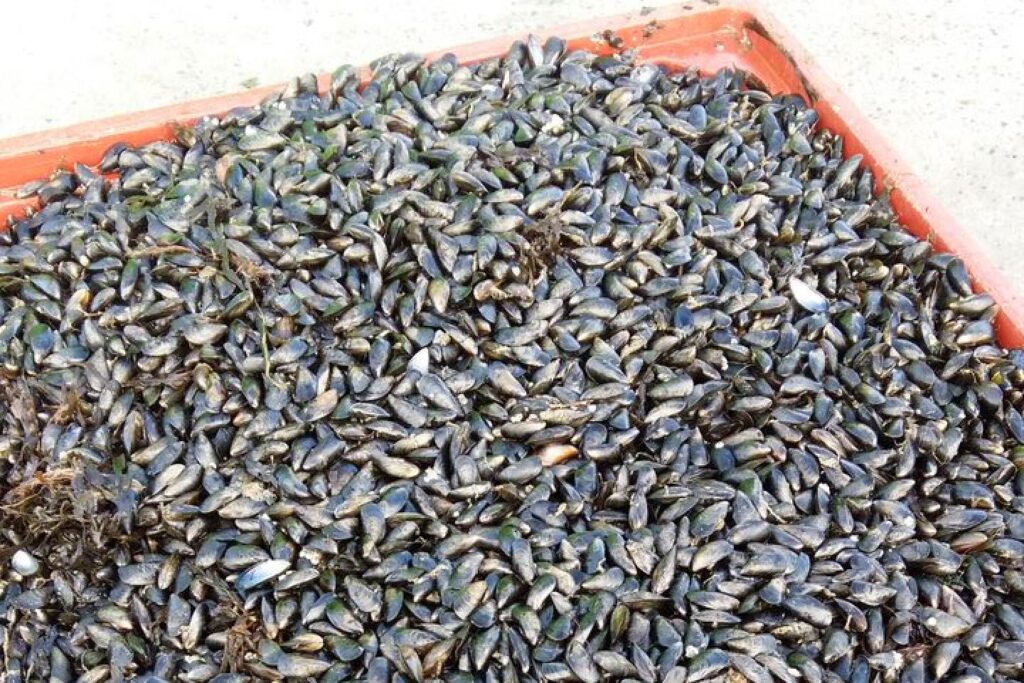
9. Turning Mussel Waste into Green Energy in Brittany, France
Brittany, France—A pioneering project is transforming undersized mussels, which make up 20% of the annual harvest and were often discarded or left to rot, into valuable renewable energy through methanisation—a process producing methane gas from organic materials. Supported by the European Union, this initiative promotes sustainable waste management by processing mussel waste locally with a mobile unit, avoiding environmentally harmful transport.
Additionally, crushed mussel shells are repurposed as agricultural fertilizer or animal feed, creating a circular economy. This innovative approach benefits farmers, reducing environmental impact and generating clean energy, while improving the economic viability of mussel farming. The project reflects broader EU efforts to advance sustainability and waste valorisation in aquaculture, with funding from the European Maritime and Fisheries Fund playing a key role in developing the technology.
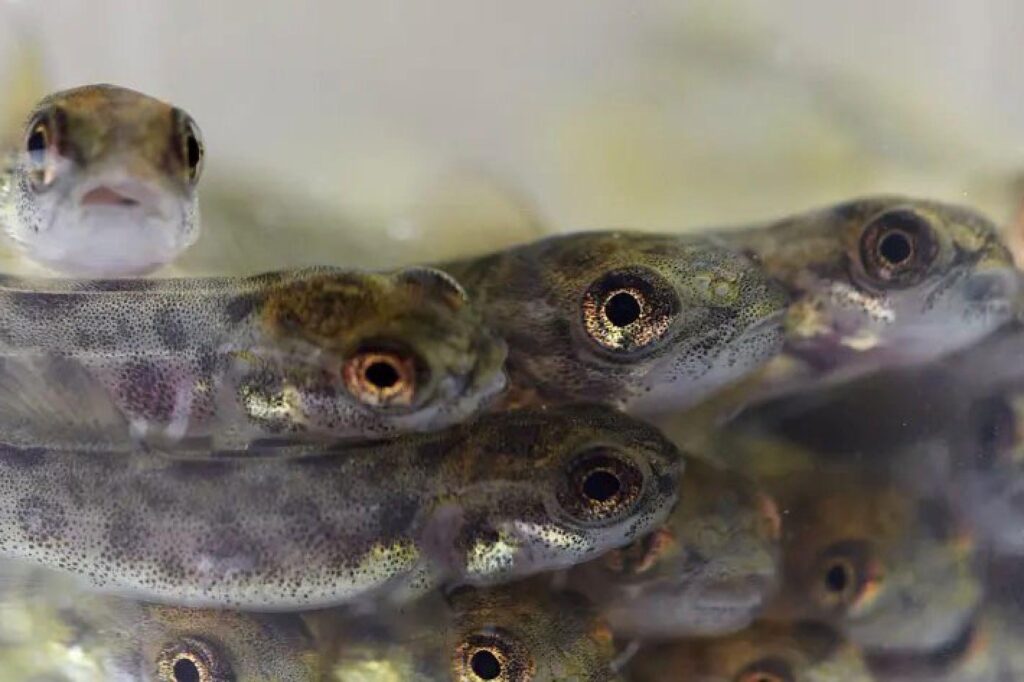
10. Sweden Launches Digital Gateway to Boost Aquaculture Knowledge and Collaboration
Stockholm, Sweden—Supported by the European Union, the Food Fish Farmers, Sweden’s leading fish farming organisation, has launched a modern digital gateway to enhance knowledge exchange and support sustainable aquaculture growth. Known locally as Matfiskodlarna, the platform went live in January 2025 and serves as a central hub offering reliable, up-to-date information for fish farmers, researchers, policymakers, and the public. It delivers specialised content on regulations, research, and innovations, helping producers adapt and collaborate.
The gateway also demystifies fish farming for newcomers and supports future generations entering the industry. CEO Wenche Hansson highlights the platform’s role in reducing confusion and saving time across the sector. Already attracting visitors from 33 countries and widely accessed within Sweden, the digital hub is planned to expand with more detailed guidance on sustainability and practical aquaculture techniques, aiding the sector’s generational shift and growth.
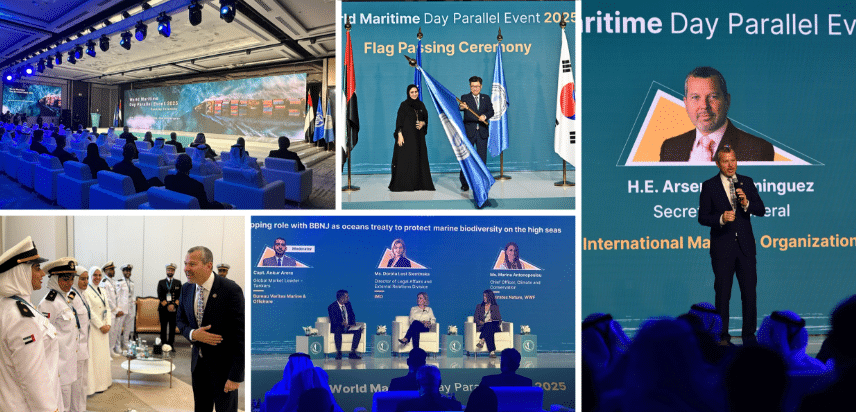
11. World Maritime Day Parallel Event 2025 Held in Dubai
Dubai hosted the 2025 World Maritime Day Parallel Event from September 30 to October 1, organized by the United Arab Emirates Ministry of Energy and Infrastructure in collaboration with the International Maritime Organization (IMO). The event combined a maritime exhibition showcasing sustainable shipping innovations with five panel discussions on key maritime topics: ocean health and blue economy opportunities; pathways to net-zero emissions in shipping; tackling marine plastic litter; the impact of the new BBNJ treaty on shipping lanes and high seas governance; and capacity development for sustainable oceans focusing on maritime training and decent work during the green transition.
The event concluded with the ceremonial handover of the World Maritime Day Parallel Event flag to the Republic of Korea, the host for the 2026 edition in Busan. The 2025 theme was “Our Ocean, Our Obligation, Our Opportunity,” emphasizing ocean protection and sustainable use.
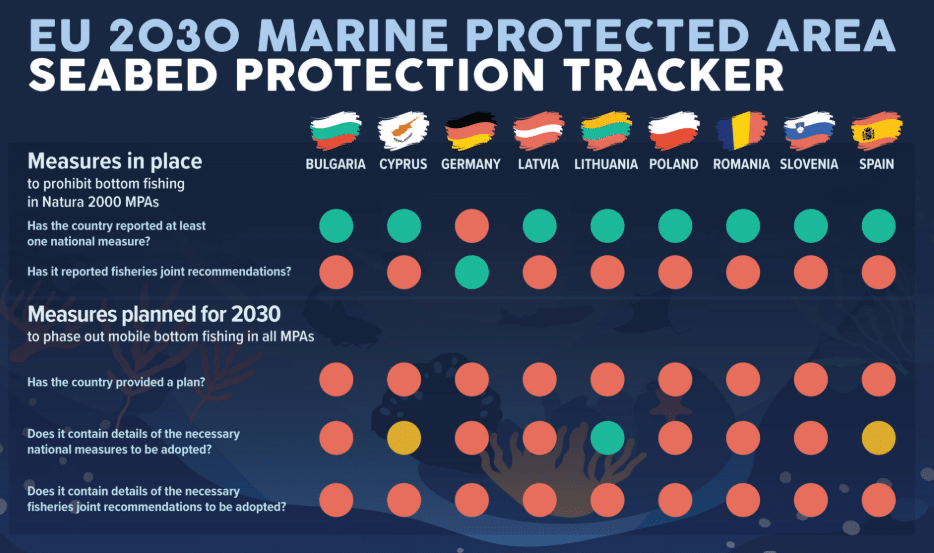
12. EDITORIAL – Stop Destructive Fishing in Marine Protected Areas
Despite the global significance of MPAs for ocean conservation, more than 90% of them currently allow fishing activities, which can undermine their protective purpose. A 2025 article in Nature discusses the urgent need to define and implement fishing practices compatible with conservation goals, especially as the UN High Seas Treaty comes into force in 2026. The treaty aims to facilitate the creation of MPAs in international waters, but effective management and restrictions are crucial to prevent overfishing and habitat destruction.
The authors emphasize that safeguarding MPAs requires clear regulations and enforcement to ensure sustainable fisheries and protect biodiversity. They advocate for integrated policies that balance fishing activities with marine conservation objectives, ultimately contributing to ocean resilience and health. This article underscores the importance of implementing science-based policies and international cooperation to achieve sustainable ocean management.
13. UNESCO IOC Launches Five-Year Global Strategy for 100% Sustainable Ocean Management by 2030
Paris, France—In October 2025, the Intergovernmental Oceanographic Commission (IOC) of UNESCO launched a comprehensive five-year global strategy aimed at achieving 100% sustainable management of ocean areas by 2030. The strategy aligns with the Ocean Panel’s vision for all ocean areas under national jurisdiction to be sustainably managed with science-based Sustainable Ocean Plans. This ambitious initiative focuses on empowering decision-makers with tools and knowledge to develop, implement, and continuously adapt integrated, ecosystem-based, and place-based ocean governance frameworks.
The strategy supports equitable ocean economies, biodiversity conservation, climate resilience, and cross-sector coordination for ocean management. It also promotes international collaboration, capacity building, and the incorporation of Indigenous and local knowledge. This global effort is a key contribution to the United Nations Decade of Ocean Science for Sustainable Development (2021–2030), emphasizing the vital role oceans play in humanity’s well-being and planetary health.
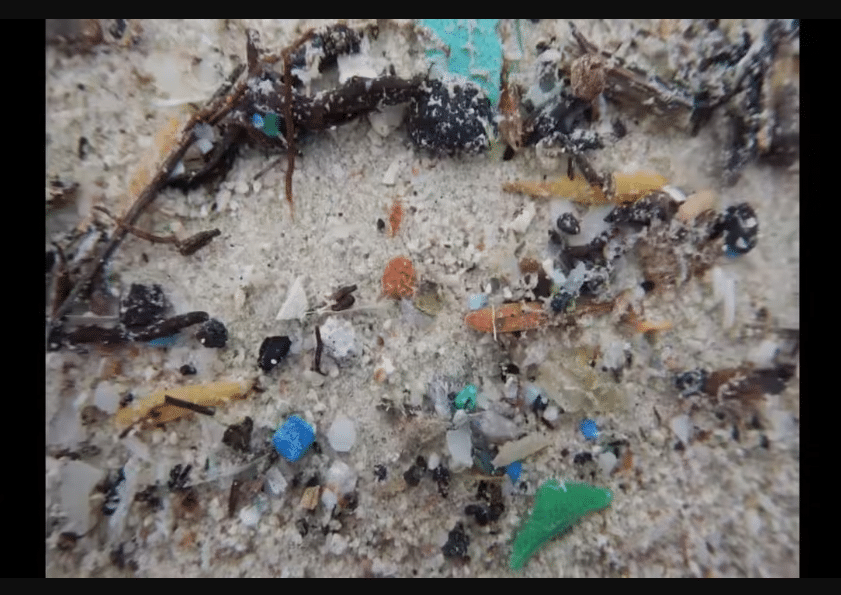
14. Lakshadweep’s Coral Reefs Under Siege: Shocking Microplastic Crisis Threatens This Paradise
Kochi: Lakshadweep faces a high risk of microplastic pollution in its waters and coral reefs due to garbage burning, public littering from tourism, and poor disposal of packaging, PET bottles, and cosmetics. A study by a marine research team from Cochin University of Science and Technology revealed severe contamination in seawater and sediments across six inhabited atolls — Kavaratti, Agatti, Kadmat, Amini, Minicoy, and Kalpeni.
Microplastics averaged 57 particles per cubic meter in seawater and 97 per kilogram in sediments, mostly small fragments and fibers of polyethylene, polypropylene, and PET. Seasonal monsoon winds and ocean currents increase microplastic buildup. Fishing activities contribute to the accumulation of more plastic debris from abandoned gear. Public littering remains the primary contributor. Ecological assessments classify Lakshadweep as a high-risk zone threatening coral health and marine biodiversity.
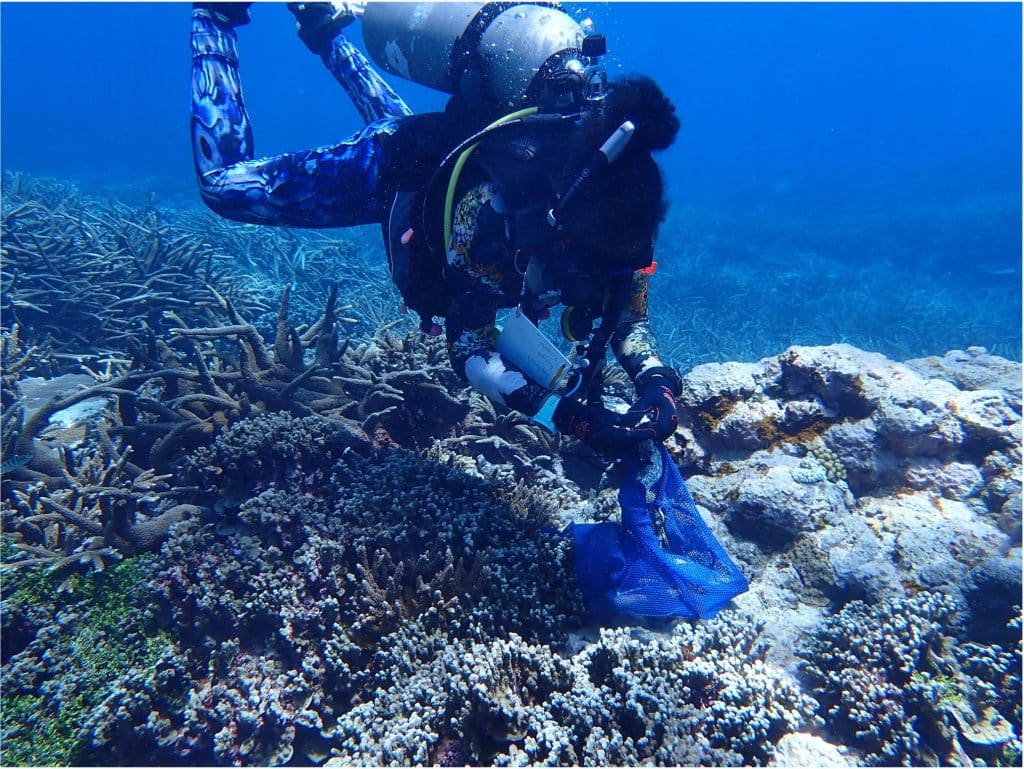
15. University of Hawaiʻi Graduate Reveals Plastic Pollution Threats to Endangered Coral Reefs
Honolulu, Hawaiʻi—New research from the University of Hawaiʻi at Mānoa marine biology graduate Keiko Wilkins highlights the underappreciated threat of plastic pollution to endangered coral reefs. Wilkins’ study shows that chemicals leached from plastics disrupt coral reproduction by reducing fertilization rates and hindering coral larvae from settling on reef surfaces—crucial for reef recovery.
Conducted at UH’s Kewalo Marine Laboratory, the findings reveal harmful effects beyond just plastic debris presence and suggest plastic-associated chemicals are complex stressors impacting coral health. The research, supported by NOAA’s Nancy Foster Scholarship, included coral samples from protected marine sanctuaries. Scientists emphasize the urgency of tackling plastic pollution alongside climate change and overfishing to safeguard fragile reef ecosystems and ensure their long-term survival.
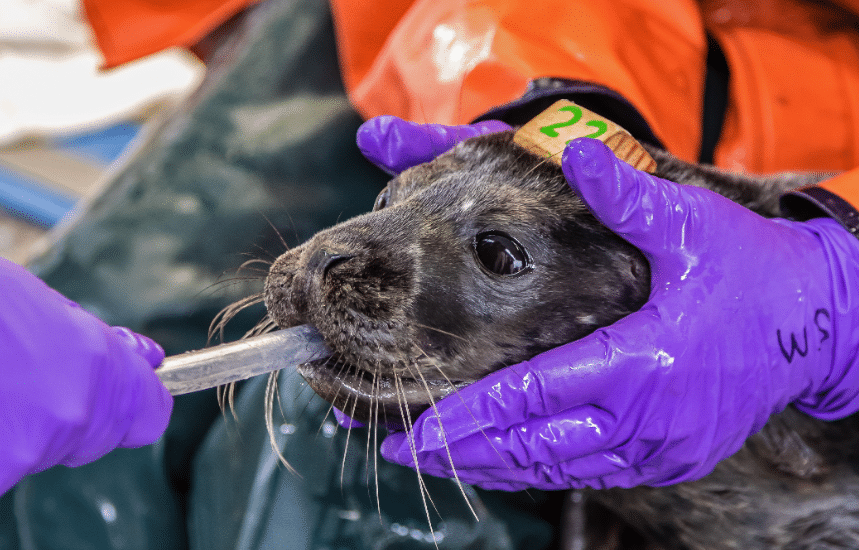
16. California’s Marine Mammal Conservation Faces New Threats Despite Past Success
California’s marine mammals—including whales, sea lions, and seals—have seen remarkable recovery following the 1972 Marine Mammal Protection Act. However, new challenges in 2025 are stressing populations: climate change impacts, pollution (including oil and plastic), pathogens, and disappearing food sources. The gray whale population is in a state of collapse despite a slight recovery in 2024. High sea mammal casualties, such as 21 gray whale deaths so far in 2025, raise alarm.
Federal protections risk weakening if proposed amendments to the Marine Mammal Protection Act move forward. Conservationists and local organizations remain committed to protecting marine mammals amid these challenges, emphasizing the need for strong legal frameworks, pollution reduction, habitat preservation, and community engagement to sustain marine mammal populations and biodiversity in California’s coastal waters.
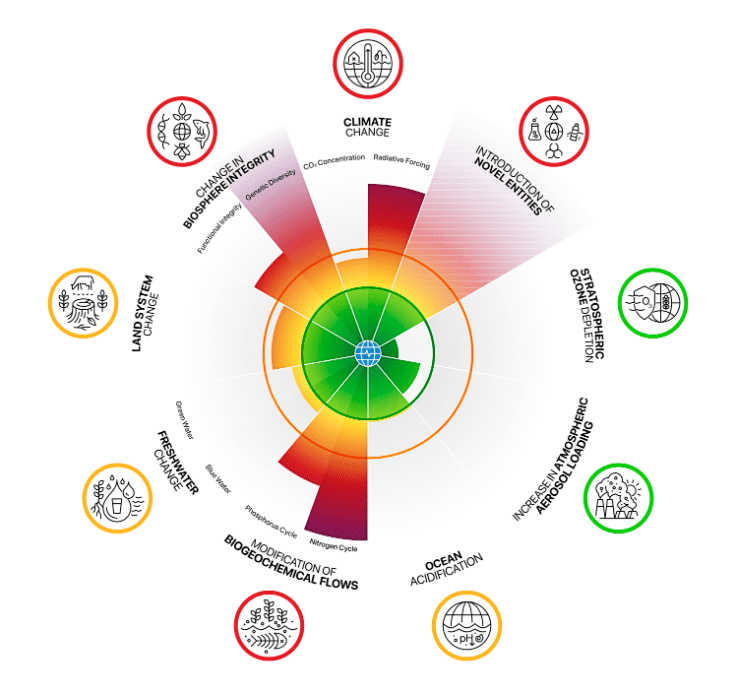
17. Seven of Nine Planetary Boundaries Now Breached – Ocean Acidification Joins the Danger Zone
A landmark 2025 scientific assessment, the Planetary Health Check 2025, reveals that humanity has crossed seven out of nine critical planetary boundaries necessary to maintain Earth’s stable and resilient life-support systems. Newly added in 2025 is ocean acidification, marking the first time this boundary is breached. This alarming development reflects a 30–40% increase in ocean acidity since the industrial era, mainly caused by fossil fuel emissions, along with deforestation and land-use changes, severely degrading the ocean’s ability to stabilize the planet.
Marine life, including cold-water corals, tropical reefs, and Arctic species, are already showing distress. The breach of this boundary amplifies risks to biodiversity, global food security, and human wellbeing. Scientists emphasize that although current trends are dire, coordinated global action can reverse damages, as seen with improvements in aerosol pollution and ozone layer recovery. The report stresses the necessity of holistic, cross-sector cooperation to preserve Earth’s resilience for future generations.