



1. Great Britain’s Tory Party Platform – “Scrap Expensive and Unnecessary Climate Protection
London, United Kingdom – Conservative leader Kemi Badenoch is set to promise sweeping changes to Britain’s climate policy, vowing to scrap the flagship Climate Change Act 2008 if her party wins power, reports The Telegraph. The law currently commits the UK to net-zero emissions by 2050, but Badenoch claims it burdens the country with unnecessary costs and bureaucracy.
She argues that while environmental protection is essential, it shouldn’t come “by bankrupting the country,” and that previous governments failed to make Labour’s climate measures effective. Her plan would drop targets for electric vehicles and heat pumps, shifting emphasis to cheaper energy and economic growth. Meanwhile, Labour faces internal disputes over net-zero policy, with Energy Secretary Ed Miliband warning that climate action is being exploited to sow division.

2. Pope Leo – Presses Planet Protection
Castel Gandolfo, Italy – At a landmark climate conference, Pope Leo XIV urged both governments and global citizens to move beyond words to genuine environmental stewardship, reports the National Catholic Reporter. Pope Leo declared, “We cannot claim to love God…while showing contempt for His creations,” pressing for more stringent action to protect the planet.
He echoed his predecessor’s landmark encyclical, Laudato si’, and called for a “true ecological conversion” that goes beyond gathering data, demanding transformative changes in lifestyles, policies, and spirituality. The pontiff inaugurated a new ecological center and called for pressure on leaders to establish hard-hitting regulations. Noting that faith and care for creation are inseparable, Leo warned that God will demand an accounting of humanity’s treatment of the Earth and its people, urging all to nurture the planet for future generations.
Thank you for your generous gift that will help us continue the production of this weekly, free publication

3. Paradise Expanded: UNESCO Adds 26 Stunning New Biosphere Reserves Worldwide
UNESCO has dramatically expanded its World Network of Biosphere Reserves with 26 new designations across 21 countries, marking the most significant increase in two decades, reports Shiawaves. Now totaling 785 sites in 142 countries, the reserves encompass breathtaking ecosystems, ranging from Indonesia’s Raja Ampat archipelago, home to 75% of Earth’s coral species, to Iceland’s Snæfellsnes coast, which harbors 70% of the nation’s plant life.
These reserves serve as “living laboratories” where conservation, sustainable development, and local cultures coexist, fostering collaboration between scientists, Indigenous communities, and governments. Highlights include France’s Alpine first, Senegal’s Atlantic shore, and rare endangered species habitats in the Democratic Republic of Congo. The expansion underscores a global commitment to balancing biodiversity protection with human livelihoods amid escalating environmental threats.

4. American Bar Association: High Seas Treaty is Critical
This article, published by the American Bar Association’s Oceans and Coasts Committee, highlights how the Biodiversity Beyond National Jurisdiction (BBNJ) Agreement — also known as the High Seas Treaty — is emerging as a key tool for safeguarding marine ecosystems. Following the 2025 UN Ocean Conference in Nice, the treaty has gained momentum, with 50 states having ratified it and pledges of financial and technical assistance to support implementation.
At its core, the treaty establishes procedures for designating Marine Protected Areas (MPAs) beyond national jurisdiction. Proposals are submitted to the secretariat, reviewed by a Scientific-Technical Body, revised after consultations, and then adopted or amended by the Conference of Parties. The BBNJ regime is designed not to intrude upon national sovereignty, excluding territorial waters from oversight. It also leverages global scientific systems and NGO coalitions to guide the creation and management of MPAs.

5. Illegal Fishing Sparks Alarms in Peru’s Biodiversity Hotspot
Piura, Peru – In the Illescas National Reserve, rangers routinely confront illegal fishers using chinchorros, a banned net threatening the region’s delicate marine ecosystem, Mongabay reports. The reserve’s designation as a terrestrial area limits enforcement, letting lawbreakers exploit jurisdiction gaps where marine protections do not apply. Conservationists argue that safeguarding Illescas’ rich biodiversity—including vulnerable South American sea lions and Humboldt penguins—depends on coordinated operations with authorities such as the environmental police and the Ministry of Production.
While eight joint patrols since 2022 have reduced illegal chinchorro use, ongoing enforcement gaps continue to allow destructive fishing practices to persist. Locals highlight vanishing catches, signaling a troubling decline despite community efforts to back responsible handline and gillnet fishing. Experts warn that lasting solutions require extending marine protections and stricter enforcement strategies to preserve this unique “Temperate-Tropical Transition Area,” home to both tropical and cold-water species.

6. Arnold Schwarzenegger Champions Vatican’s Bold Climate Crusade
Vatican City, Italy – Arnold Schwarzenegger lent muscle to the Vatican’s environmental campaign, supporting Pope Leo XIV’s call for immediate climate action at the “Raising Hope for Climate Justice” conference, AP News reports. Schwarzenegger dismissed former President Trump’s skepticism, highlighting the Catholic Church’s solar power initiatives and commitment to carbon neutrality as a model for global leadership.
Urging individuals and local governments not to wait for federal policies, he emphasized the power of grassroots efforts and moral responsibility in addressing pollution. The former California governor hailed the Church’s global influence as a vital force for accelerating the transition away from fossil fuels. Joined by religious and climate leaders, Schwarzenegger’s message underscored the urgency of collective action in combating the climate crisis.

7. Ocean’s Future Secured: Historic UN Treaty to Protect High Seas Biodiversity
Rome, Italy – The Food and Agriculture Organization of the United Nations (FAO) will support implementing a groundbreaking UN treaty aimed at safeguarding marine biodiversity in international waters, Middle East North Africa Financial Network (MENAFN) reports. The treaty, entering into force in January 2026, establishes a global framework for conserving and sustainably managing biodiversity beyond national jurisdictions, covering two-thirds of the world’s oceans.
It introduces legally binding mechanisms for creating marine protected areas, conducting environmental impact assessments, and equitable sharing of marine genetic resources. FAO’s expertise and partnerships will aid coordination with regional fisheries bodies to balance conservation and sustainable use, thereby protecting ecosystems vital for global food security and livelihoods. The treaty marks a historic milestone in international ocean governance, addressing urgent challenges in often unregulated high seas amidst climate change, overfishing, and pollution.

8. Sabah Set to Nearly Double Marine Protected Areas to Boost Ocean Conservation
Kota Kinabalu, Malaysia – Sabah’s government announced ambitious plans to increase its marine protected areas (MPAs) from 7.4% to 13% by 2025, aiming to enhance conservation of its rich coastal biodiversity significantly, Daily Express reports. The expansion focuses on prime marine ecosystems, including coral reefs and mangroves, which face threats from overfishing and habitat degradation.
Key sites, such as the Pulau Mantanani Complex and Darvel Bay, are undergoing proposals for formal protection. Collaborative efforts involving Sabah Parks, local communities, and government agencies aim to ensure sustainable management aligned with the global 30×30 target to protect 30% of ocean areas by 2030. This initiative underscores Sabah’s commitment to striking a balance between environmental safeguarding and the livelihoods of communities that depend on marine resources.

9. Proposed Changes to the Marine Mammal Protection Act Stir Controversy in 2025
The Marine Mammal Protection Act (MMPA), enacted in 1972 to protect whales, dolphins, sea otters, and other marine mammals from harm, is currently under debate in Congress, with proposed revisions being considered. The proposed changes, introduced by Rep. Nick Begich (R-AK), aim to streamline regulatory processes by clarifying definitions, such as “harassment” and “negligible impact,” and reducing what supporters call regulatory redundancies and burdens.
Conservation groups argue that these amendments would severely weaken protections, impair recovery efforts for vulnerable species such as the North Atlantic right whale and humpback, and increase the burden of scientific proof required to trigger protections. Critics warn that the changes could lead to increased harm through industry activities, delay regulations, and undermine precautionary approaches that have long been used to safeguard marine mammals. The debate highlights tensions between environmental protection and economic interests within marine industries.

10. North Pacific Fishery Management Plan Amendments Upheld in Court
Anchorage, Alaska, USA – A federal judge dismissed a lawsuit from environmental group Oceana Inc., which challenged amendments to five fishery management plans in the North Pacific economic zones, Bloomberg Law reports. The court ruled that the National Marine Fisheries Service (NMFS) reasonably considered conservation measures when approving the amendments. Oceana argued that the agency failed to evaluate enough alternatives to strengthen protections for fish habitats, particularly in relation to trawling activities.
However, the judge held that under the Magnuson-Stevens Act, NMFS is not required to consider a specific number of alternatives before finalizing management plans. This ruling upholds NMFS’s approach to balancing conservation and fishing interests within the North Pacific region, allowing for the continued implementation of current fishery plans aimed at sustainable management and habitat protection.

11. Redfish Bycatch Crisis in the Gulf: Can Menhaden Fishery Change?
Louisiana’s Gulf menhaden fishery, the nation’s second largest, unintentionally kills more than 100 million non-target fish annually, including over 30,000 redfish. The 2024 study reveals that many caught redfish are mature, spawning-size fish, mostly caught in shallow waters during peak spawning months, suffering high mortality, especially when diverted into fishing gear chutes.
Bycatch excluder device designs and fishing locations have a significant impact on the survival rates of fish. Effective mitigation could include standardized excluder devices, locational and seasonal restrictions during spawning, and continued monitoring. Redfish are a cornerstone of Louisiana’s $3.7 billion recreational fishing economy, making bycatch conservation vital to sustaining local livelihoods and ecosystem health. Tackling these losses with science-driven management will help secure redfish populations for future anglers.

12. Marshall Islands Ecosystems Flourish Following Invasive Rat Removal
Majuro, Marshall Islands – Following the 2024 removal of invasive rats from the remote Bikar Atoll and Jemo Islet in the Marshall Islands, native ecosystems are experiencing a remarkable recovery, according to reports from Geographical and Secretariat of the Pacific Regional Environment Programme (SPREP). Conservationists observed thriving seabird populations, including a newly established colony of 2,000 Sooty Terns that was feeding hundreds of chicks, as well as thousands of native Pisonia grandis seedlings growing where none had existed before.
The resurgence of seabirds restores vital nutrient links between land and sea, boosting soil fertility and enriching nearby coral reefs, thereby enhancing fish populations and climate resilience for local communities. These ecological gains are preserved within the Marshall Islands’ 48,000-square-kilometer Marine Protected Area, which integrates terrestrial restoration efforts with marine protection. This success highlights the effectiveness of community-led conservation programs and serves as a model for future restoration initiatives throughout the Pacific Islands region.
13. Marine Scientists Call for Overhaul of Ocean Restoration Rules
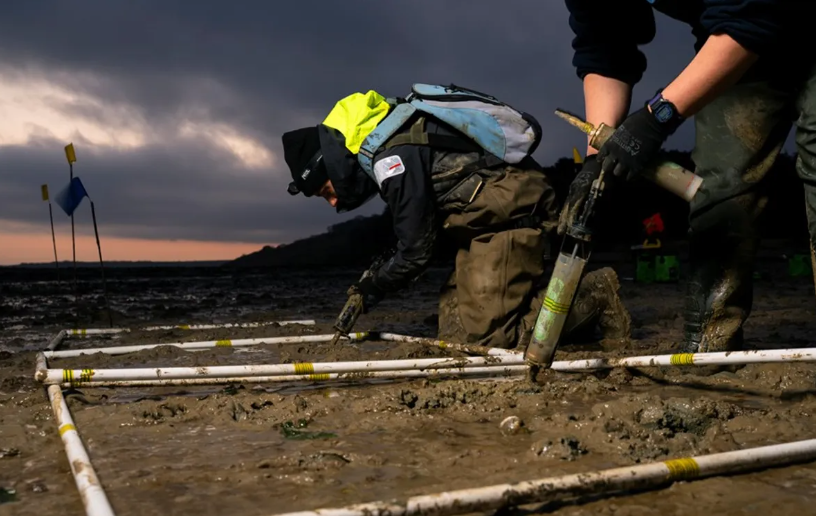
An international team led by researchers from Swansea University is urging urgent reform of licensing for marine and coastal restoration. Published in Cell Reports Sustainability, the study highlights that outdated, complex permitting systems hinder critical restoration efforts despite accelerating ocean declines. Global efforts, such as the UN Decade on Ecosystem Restoration, aim to restore 30% of degraded ecosystems by 2030; however, current regulations hinder progress. Lead author Associate Professor Richard Unsworth emphasized that protective regulations often hinder restoration projects, calling for more intelligent and flexible systems to foster innovation.
The paper recommends reforms, including the adoption of new tools such as assisted migration, the creation of “innovation sandpits,” the streamlining of approvals in designated restoration zones, and the alignment of permits with long-term ecological goals. Co-author Dr. Elizabeth Lacey emphasized the narrow window for reversing ocean decline and stressed that smarter permitting is key to scaling up restoration. This approach is not deregulation, but evidence-based licensing to support resilient, equitable marine ecosystems.

14. Indonesia Intensifies Marine Waste Fight in Anambas Islands
Jakarta, Indonesia – The Indonesian Ministry of Marine Affairs and Fisheries has launched the Laut Sehat Bebas Sampah (Sebasah) program to combat marine waste in the Anambas Islands. The initiative aims to control pollution from rivers, ports, and small island coasts through community awareness, education, and effective waste management. Partners include Raja Ali Haji Maritime University and local foundations working with communities in Keramut Village.
Activities focus on reducing plastic use, promoting waste separation, and converting waste into products such as bioplastics from mangrove skin. Clean-up drives and mobile waste banks empower residents and transform waste into a source of family income. The program has prevented over 400 kilograms of marine waste and aims to foster a cleaner, sustainable marine ecosystem. Minister Sakti Wahyu Trenggono emphasizes the importance of collaboration among academia, government, and grassroots groups for healthy seas and a sustainable future for generations to come.
15. EU Copernicus Report Reveals Dire State of Ocean Health from Arctic to Tropics
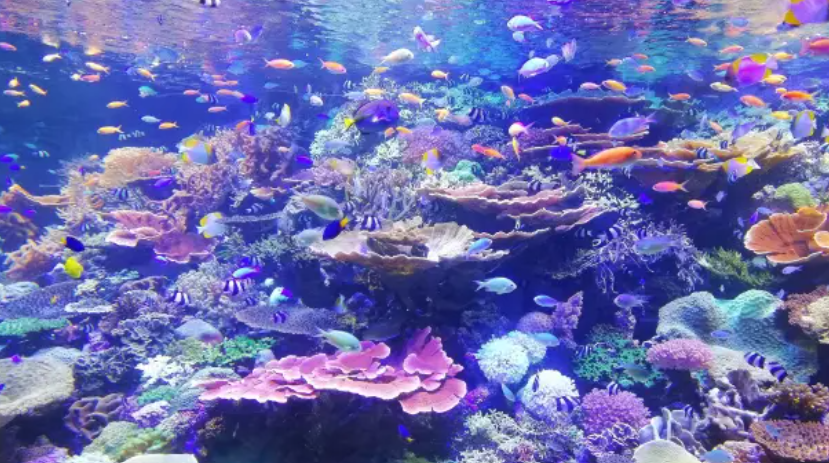
Brussels, Belgium – The ninth Ocean State Report by the European Commission’s Copernicus Marine Environment Monitoring Service warns that all ocean regions face severe threats from climate change, biodiversity loss, and pollution. The report highlights accelerating ocean warming, with a record global sea temperature of 21°C in spring 2024, intensifying marine heatwaves, and rising sea levels that threaten 200 million Europeans and UNESCO sites.
Acidification advances rapidly, invasive species surge, and Arctic sea ice reached historic lows between December 2024 and March 2025. The report highlights the ocean’s crucial role in sustaining ecosystems, ensuring food security, driving economic growth, and regulating the climate. Copernicus utilizes advanced monitoring technologies to provide data that supports biodiversity protection and climate resilience efforts. EU Commissioners emphasize that these findings reveal the grave current impacts and the urgent need for data-driven action to safeguard ocean health globally.
16. Inside the Engine Fraud Scandal Undermining Spain’s Mediterranean Fishing Sustainability
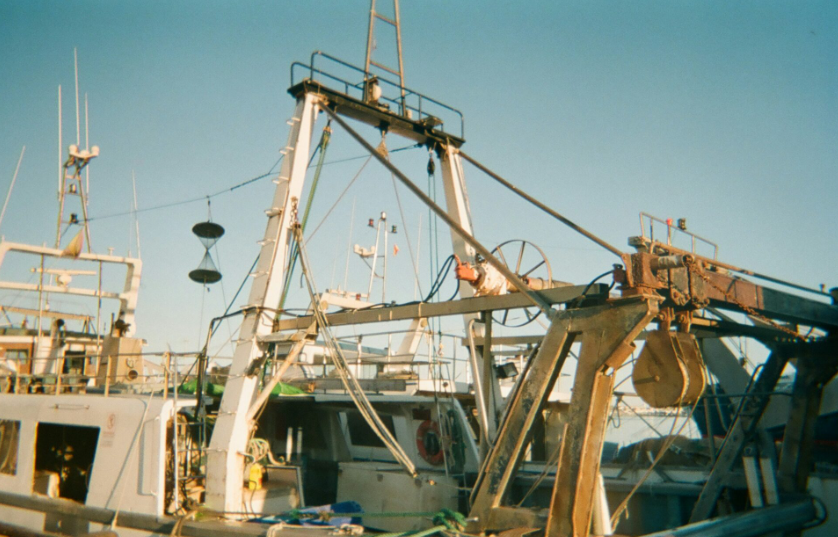
Madrid, Spain – A new report by the ocean advocacy group Oceana reveals widespread engine power fraud in the Spanish Mediterranean fishing fleet, posing a threat to sustainable fishing efforts. The study found that 94% of the analyzed vessels manipulated engine data, with 20% exceeding legal power limits—some by up to 1,600 horsepower, far above the 904 horsepower cap for trawlers and 455 horsepower for purse seiners.
This fraudulent activity undermines fisheries management by distorting fishing capacity data, fueling unfair competition, and increasing pressure on already overexploited marine resources. The report implicates multiple stakeholders, including fishers, fisheries administrations, and engine manufacturers. Oceana calls for a national plan to regulate engine power, legalize irregular engines transparently, control horsepower sales, and incentivize the adoption of selective fishing gear to restore equity and sustainability.
17. Latin America and the Caribbean Set the Pace for Global Environmental Change Ahead of UNEA-7
Lima, Peru — Latin America and the Caribbean are driving global environmental progress, making significant strides ahead of the United Nations Environment Assembly’s seventh session (UNEA-7). The UN Environment Programme (UNEP) emphasized the regions’ commitments to key sustainability goals, focusing on improved management of chemicals, waste, and biodiversity protection.
UNEP is enhancing regional capacity through an Environmental Data and Information framework, which includes an open Environmental Data Platform and biennial State of the Environment reports. These efforts support ministerial leadership in shaping sustainable development agendas aligned with the SDGs. The momentum behind regional cooperation and data transparency exemplifies their critical role in advancing sustainable solutions for a resilient planet, reflecting UNEA-7’s theme.

18. DC’s Bold Move: Reverse Vending Machines to Cash In on Plastic Pollution
Washington, D.C., USA – Washington, D.C. is pioneering an innovative solution to tackle plastic pollution in the Anacostia River by proposing a bill that would provide residents with incentives for returning plastic bottles through reverse vending machines. Councilwoman Brianne Nadeau’s bill aims to reduce river pollution by incentivizing recycling with a 10-cent refund per bottle. Volunteers like Vondre Walston highlight the scale of waste, having collected over 700,000 pounds of bottles, which translates to nearly $1 million in unclaimed refunds.
The proposal shifts the responsibility for cleanup to polluters, requiring them to fund and manage the system. While critics worry about increasing beverage prices, supporters emphasize the environmental and social benefits, particularly for low-income communities. The bill has sparked debate ahead of a public hearing with testimonies from over 200 stakeholders. This inventive approach confronts pollution while empowering residents to turn trash into treasure.

19. The Shocking Lobby Behind Coca-Cola and the Fight to Keep Plastic Pollution Alive
Bogotá, Colombia – An explosive investigation reveals how Coca-Cola, Pepsi, and influential industry groups, such as the International Council of Beverage Associations (ICBA), are lobbying aggressively against efforts to reduce plastic production globally. Led by Santiago López Jaramillo, a former executive at ANDI in Colombia, the ICBA has worked behind the scenes in UN treaty negotiations to stall the implementation of meaningful limits on plastic manufacturing.
Despite public claims promoting recycling, these corporations resist cuts to plastic output, focusing instead on “circular models” that largely maintain the status quo. Environmentalists and Colombian lawmakers warn that this approach only perpetuates the plastic crisis, which continues to poison ecosystems and human health worldwide. As sugary drink taxes face fierce opposition, industry lobbying wields disproportionate influence over public health and environmental policies, allowing billions to profit while the planet suffers.
20. Stanford Scientists Unlock Mysteries of Microplastics from Ocean to Human Health
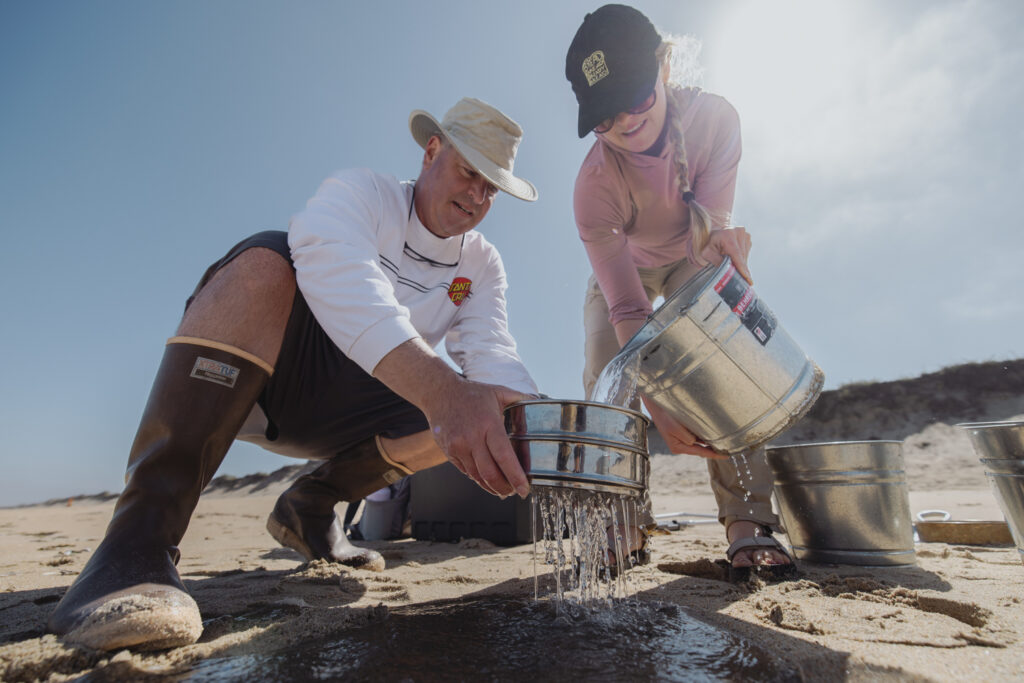
Monterey Bay, California, USA – Researchers at Stanford University, led by ecologist Matthew Savoca, are uncovering the pervasive journey of microplastics—from the sands of Monterey Bay to marine life and even human bodies. Using collaborative efforts that span marine biology, oceanography, and engineering, the team studies plastic particles smaller than a sesame seed found in coastal waters, as well as in marine animals like blue whales, which are ingested through food sources.
A key focus is understanding why fewer microplastics remain on the ocean surface, with advanced models revealing deep ocean accumulation influenced by ocean currents. Innovations in detection methods, including Raman spectroscopy, aim to measure micro- and nanoplastics in human tissues, linking environmental exposure to potential health impacts. Health experts warn that microplastics carry toxic chemicals and may contribute to inflammation and disease, highlighting the urgent need to reduce plastic use and pollution at both systemic and personal levels.
21. Washington State University Study Finds Plastic Bag Ban May Increase Overall Plastic Waste
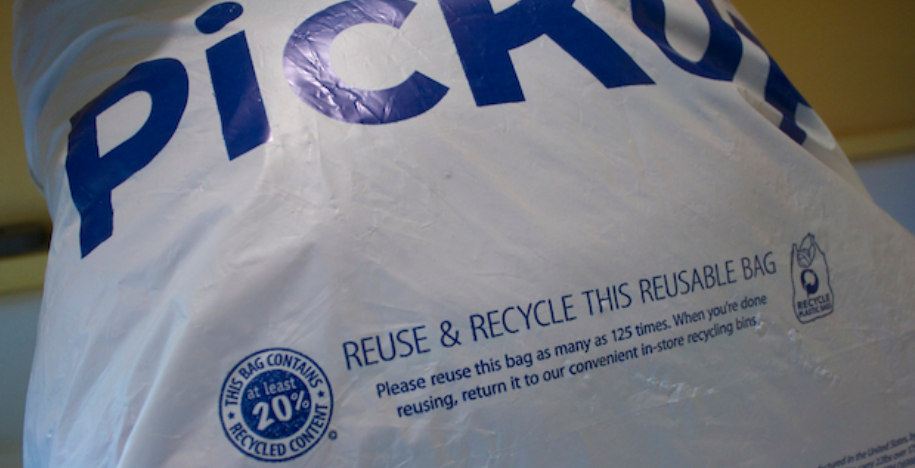
Olympia, Washington, USA — A recent study by Washington State University economists Eric Jessup and Jake Wagner reveals that Washington’s ban on single-use plastic bags may have unintended consequences, resulting in an increase in total plastic waste. Released on September 29, the study found that while the number of plastic bags distributed dropped by 50% since the 2021 ban, consumers switched to thicker reusable plastic bags, resulting in a 17% increase in plastic use by weight.
The Department of Ecology and Commerce disputes the study’s conclusions, emphasizing the broader environmental and social benefits of the ban. Economists argue that banning all plastic bags could impose higher costs on consumers without proportionate environmental benefits, noting that reusable bags must be reused at least 32 times to offset their environmental impact. The debate continues as policymakers consider data and equity implications amid efforts to reduce plastic pollution in the state.
22. Study Finds Plastic Waste Dominates Litter Removed from State Streams
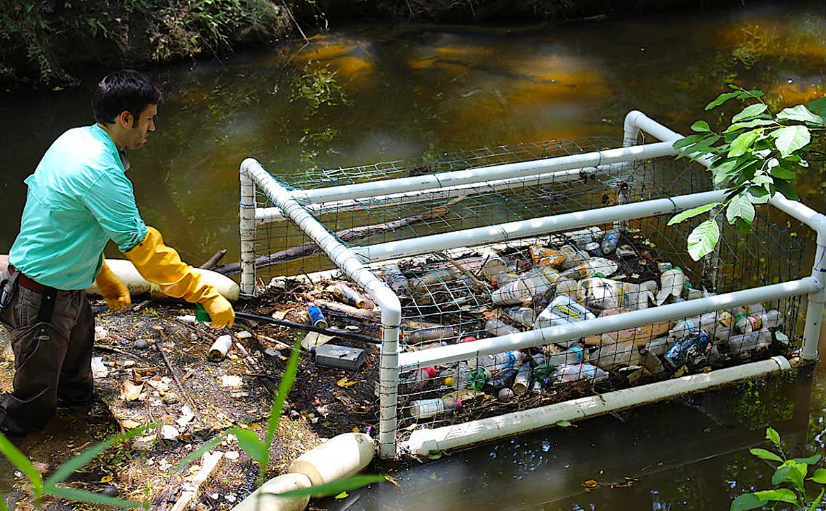
Raleigh, North Carolina, USA — A three-year study led by North Carolina waterkeeper organizations reveals that about 96% of litter captured in in-stream traps across the state consists of plastics. The research, published in the journal Community Science and led by Dr. Nancy Lauer from Duke Environmental Law and Policy Clinic, analyzed 150,750 pieces of litter collected between June 2021 and November 2024.
Plastic bottles and polystyrene foam fragments accounted for approximately 83% of the total litter. The lightweight and buoyant nature of plastics enables them to travel easily through stormwater systems and streams before being trapped. The study highlights the significant presence and mobility of single-use plastics in waterways, urging state-level policies such as bans on Styrofoam and bottle bills to reduce stream litter. However, recent state laws prohibiting local restrictions on single-use plastics have hindered local efforts to address the pollution.