

1. United States Withdraws From UNESCO, In World Heritage Site
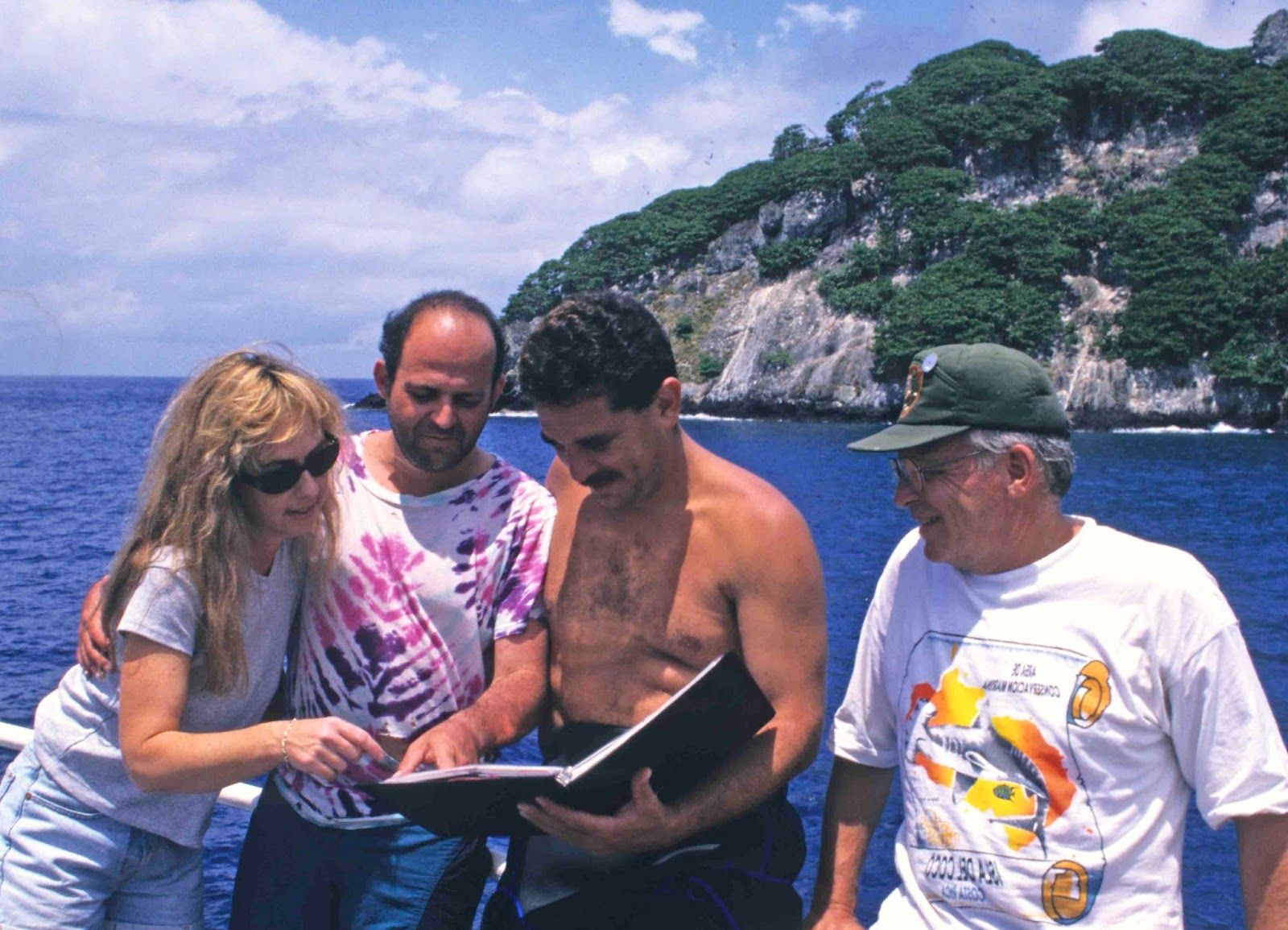 |
| SSF Director, Ms. Bradley with UNESCO team at Cocos Island (c) Jay Ireland |
The United States has withdrawn from UNESCO (United Nations Educational Scientific and Cultural Organization). UNESCO promotes international cooperation in education, science, culture, and communication”. The member nations propose, review and select World Heritage Sites. These unique sites have cultural, historical, scientific or some other form of significance, and they are legally protected by international treaties. These spots are important to the collective interests of all humanity. The Sea Save Foundation leaders were instrumental in getting Cocos Island listed as a UNESCO World Heritage Site. UNESCO tweeted “It is deeply regrettable for the US to withdraw from UNESCO, the UN agency promoting education for peace & protecting culture under attack”
———————————————–
2. Largest Marine Protected Area in North America to Be Created off Mexico

Mexico has announced that it is creating a 57,000 square mile marine protected area. It is composed of the four Revillagigedo Islands, which are 240 miles southwest of Baja California. The Revillagigedo Islands are already a UNESCO World Heritage Site. All fishing will be banned, and no hotels will be built on the islands. Enric Sala says, “It’s one of the places where you can see the most giant manta rays and sharks on the planet.”
———————————————–
3. Endangered Seahorses End Up as Poultry and Fish Feed
 In India, seahorses, small fish and sea cucumbers are caught as by-catch from bottom trawlers who don’t target any particular species. They are then sold as poultry feed, fish oil and fish feed. In the year 2000, India exported 10 tons of seahorses, which equates to 4 million seahorses. This is clearly unsustainable, but there are not enough studies and there are no records of how much by-catch (including seahorses) is caught.
 ———————————————–
4. Warming Oceans May Result in Clownfish Decline

Read More…
———————————————–
5. The Most Valuable Wild Salmon Fishery in the World Could Become a Mine
 Bristol Bay in southwest Alaska is home to 56 million sockeye salmon. Over half the world’s sockeye salmon catch comes from Alaska. “The returning salmon and other ecological resources create some 14,000 full- and part-time jobs, generate about $480 million annually — and support 4,000-year-old Alaska Native cultures.” A Canadian mine company wants to mine for gold and copper there, and the Trump administration is likely to remove the Obama-era protections for Bristol Bay. Public comments are being accepted until October 17th. Click here to register your opinion.
Read More…
6. Great White Sharks are Swimming Farther and Deeper
 New research in the Atlantic Ocean has found that great white sharks are swimming farther and deeper than previously thought. One shark traveled 2,300 miles from Cape Cod to the Azores Islands. They often dove to 3,700 feet or more. Previous studies suggested that great white sharks stay near the continental shelf, but this study shows they patrol open ocean. It is critical to know if the sharks are swimming outside the jurisdiction of countries’ protected ocean boundaries.
———————————————–
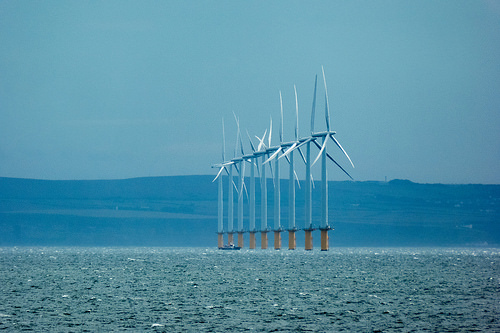
7. There’s Enough Wind Energy Over The Atlantic Ocean To Power Human Civilization
Be sure to “LIKE” http://facebook.com/SeaSave to ensure our “Week in Review” is delivered to your newsfeed every Friday.
Sea Save Foundation is committed to raising awareness of marine conservation. The Week in Review is a team effort produced by the Sea Save staff to provide a weekly summary of the latest in marine research, policy, and news.