



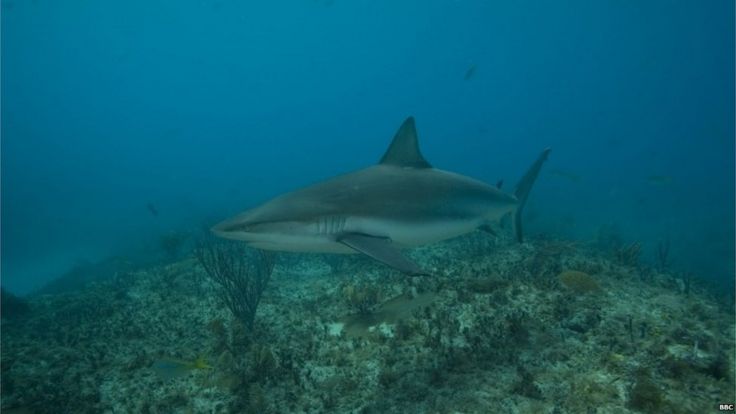
 Almost 20% of the world’s 500 shark species swim in Cuban waters. Due to overfishing and shark finning, the shark populations in Cuba have declines. The Cuban government has already banned killing sharks just for their fins but, now they will enforce a long-term plan to protect the species. The US- based Environmental Defense Fund (EDF) has been working with the nation to preserve the shark population and continue to maintain the healthy coral reefs. Read more…
 This recent invention brings sustainable clothing to a whole different level! A team of engineers at the University of California, Riverside recently revealed the SpongeSuit. This bikini is made from a carbon-based material that repels water while absorbing harmful contaminants. The sponge material in this suit would be able to clean oil and chemical contamination in water. The SpongeSuite won first place at RESHAPE’s 2015 Wearable Technology Competition and has just filed patents for the technology. Fashionable AND beneficial to the oceans?! Sign us up! Read more…
 This week, a commercial fisherman won the 2015 Fuller Challenge with a 3D ocean farming model that has the potential to address a number of the world’s concerns about fishing. Bren Smith, executive director of GreenWave, has created a company that considers issues like overfishing and climate change to design sustainable fishing practices and environments. Read more…
5. Ocean Heat Content Reveals Secrets of Fish Migration
 Researchers at the University of Miami Rosenstiel School of Marine and Atmospheric Science published an article in PLOS ONE revealing a new method to estimate fish movements. The method uses ocean heat content (OHC) images. The scientists compared data on fish movements obtained from satellite tags affixed to migratory Atlantic Tarpon against the heat stored in the upper ocean. The analysis revealed that fish commonly swim along the boundaries of water features in the ocean. Read more…
 Well, this week everything really is bigger in Texas…sharks included! 300 million years ago, there were sharks that were over 8.5 meters long roaming the shallow oceans around what is now Texas. Recently, scientists found a fossil of a one of these supersharks that dated back to roughly 200 million years ago. Finding a fossil like this one is extremely rare and provided scientists with some new insight into this species. The head of this shark was roughly 85 cm long, that’s around the height of a 2 year old child! Read more…
Be sure to “LIKE” http://facebook.com/SeaSave to ensure our “Week in Review” is delivered to your newsfeed every Thursday.