


1. US Will Not Sponsor Any Protection Proposals at Upcoming Trade of Endangered Species CoP
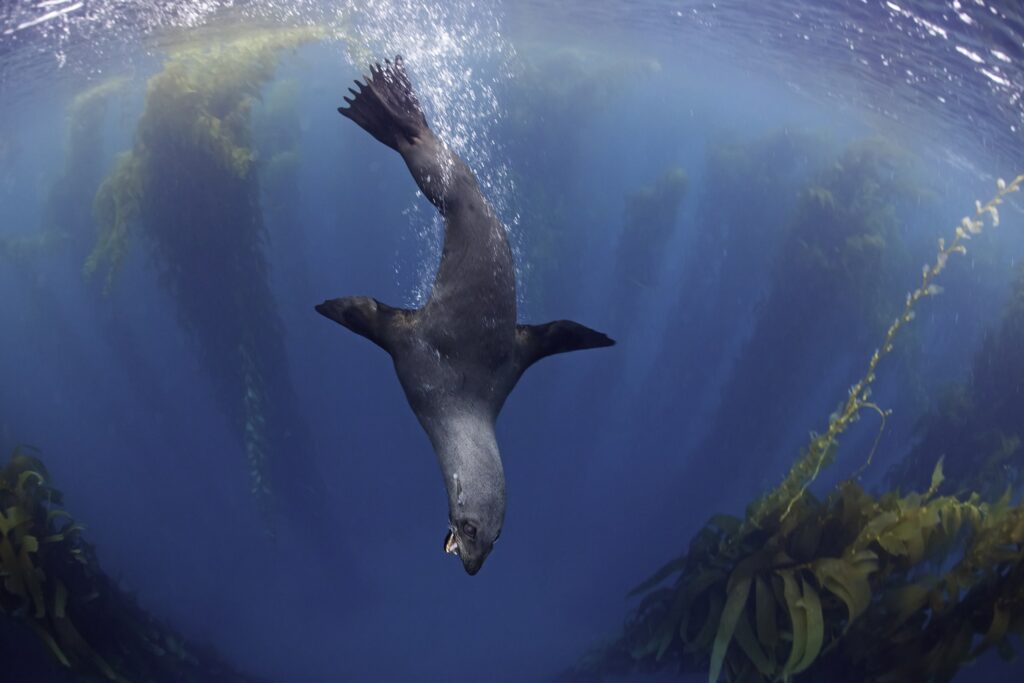
Washington, United States — Ahead of the 20th Conference of the Parties (CoP20) to the Convention on International Trade in Endangered Species (CITES), set for November in Samarkand, Uzbekistan, the United States has submitted just four proposals—the fewest in 25 years—and none support stronger protections for wildlife facing threats from international trade. Historically a leader in science-driven conservation, the US’s limited submissions have alarmed experts and advocacy groups.
Important species like painted woolly bats and blue-spotted tree monitors lack US-backed protection measures, raising fears that political considerations may be sidelining scientific recommendations. With 185 countries set to discuss 51 proposals aimed at regulating wildlife trade, the US’s restrained role may diminish its influence during crucial debates over safeguarding vulnerable fauna and flora from unsustainable commerce.
2. Costa Rica’s Shark Fin Scandal: 15,000 Endangered Sharks Killed in Another Export Scheme
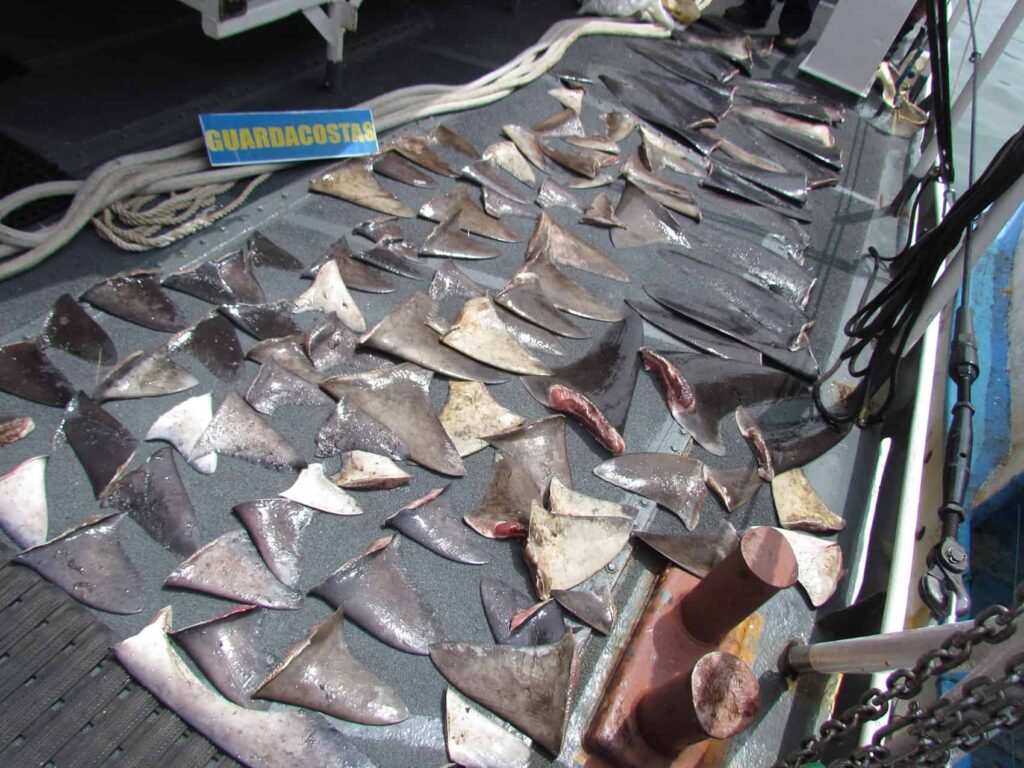
Costa Rica – Despite its eco-friendly reputation, the nation faces intense scrutiny after Mongabay exposed that authorities authorized the transit of 12.6 tons of shark fins—linked to the death of at least 15,000 sharks—from Nicaragua between 2023 and 2024. These exports, including fins from critically endangered hammerhead, silky, thresher, tiger, and bull sharks, violate both national conservation laws and global agreements, such as the IUCN and CITES.
Marine experts from the Center for the Restoration of Threatened Marine Species (CREMA) allege loopholes in “re-exportation” policies allow illegal catch “laundering,” with Ministry of the Environment inaction fueling the trade. Hammerhead shark populations have collapsed by up to 98%, yet the government facilitates exports, mainly to Hong Kong. The industry’s influence undermines Costa Rica’s conservation image and international commitments.
Thank you for your generous gift that will help us continue the production of this weekly, free publication
3. New Enforcement Push and Innovative Fishing Methods Offer Hope for Mexico’s Endangered Vaquita
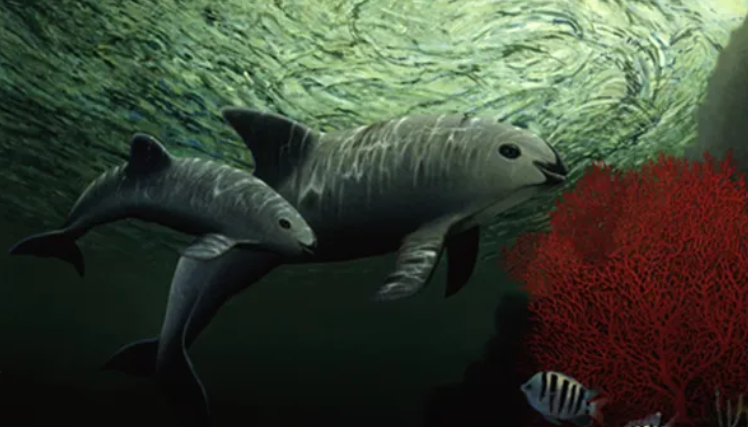
Tiohtià:ke (Montreal), Canada — A factual record released by the Commission for Environmental Cooperation (CEC) reveals ongoing enforcement challenges and successes for the critically endangered vaquita porpoise in Mexico’s Upper Gulf of California. The vaquita, the world’s smallest cetacean, has seen a drastic population decline due to illegal fishing of totoaba fish, whose bladders fuel a lucrative black market in Asia. Despite the vaquita’s critically low numbers, recent efforts in the Upper Gulf of California suggest a turn toward stronger protection and recovery.
Mexico’s National Aquaculture and Fisheries Commission (Conapesca), working with fishing communities and the Navy (Semar), has launched key initiatives: updating fisher registries, beginning satellite tracking for small vessels, and approving more than 120 permits for alternative, vaquita-safe fishing gear. Enforcement has also intensified, with thousands of boat inspections, seizures of illegal gear, and even the placement of concrete “net-blockers” to deter gillnet use. These actions, combined with patrol increases and partnerships with groups like Sea Shepherd, have already cut illegal fishing in some protected zones by as much as 90%.
While challenges remain, these steps point to a growing commitment to innovation and international cooperation.
By pairing stronger monitoring with community-driven solutions, Mexico is building a foundation that could stabilize and even improve the vaquita’s chances. Each enforcement action, new technology, and gear transition represents a small but critical step toward giving the world’s most endangered marine mammal a fighting chance.
4. Arctic Ice MELT Mystery: Scientists Shocked by Unexpected Slowdown
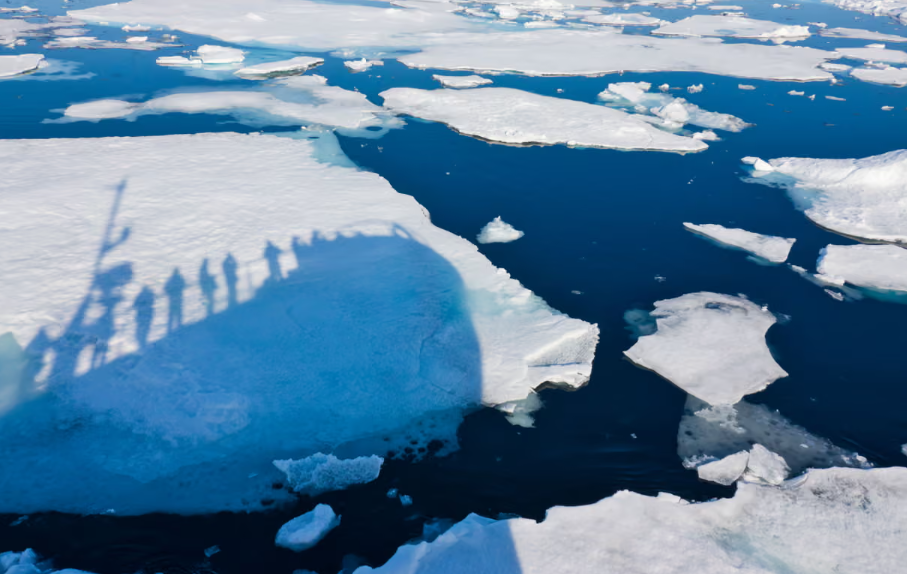
London, United Kingdom — Scientists have been surprised by a notable slowdown in the melting of Arctic sea ice over the past two decades, despite the region’s record high warming due to human-induced climate change. New research, published in Geophysical Research Letters, shows that natural climate variability temporarily offsets the expected long-term decline in ice cover, resulting in a 55% to 63% reduction in the rate of ice loss from 2005 to 2024 compared to earlier decades.
Satellite data reveals that this slowdown affects all months, not just summer. Climate models predict this pause could last another five to 10 years but warn that once it ends, ice loss may accelerate dramatically, potentially outpacing previous declines. Experts emphasize this pause does not lessen the urgency of cutting greenhouse gas emissions as Arctic amplification continues to drive climate change impacts globally.
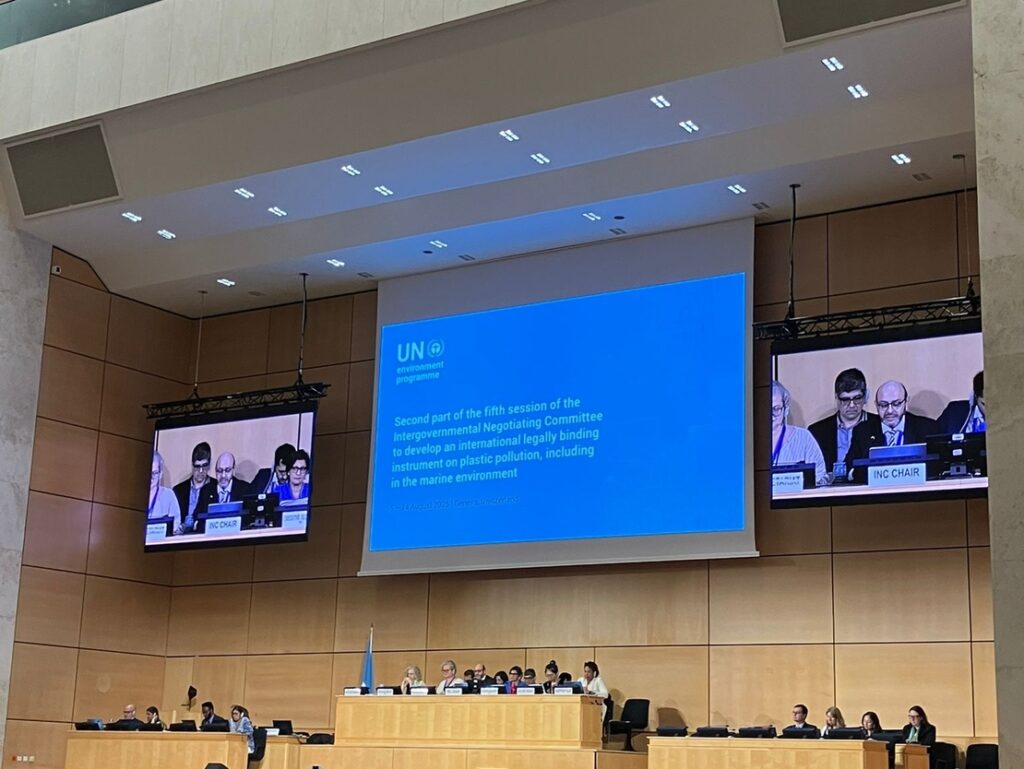
5. Global Plastic Treaty Talks Collapse in Geneva — What’s Next for the Planet’s Future?
Geneva, Switzerland — The latest round of negotiations for a global, legally binding plastics treaty ended without agreement after 10 intense days of discussions, leaving delegates and environmental advocates deeply disappointed. The talks failed to reconcile fundamental disagreements between countries favoring strong binding obligations and those pushing for voluntary measures to address the full lifecycle of plastics. A draft text proposed overnight was rejected by nearly all parties for either being too weak or too strict.
Despite growing global awareness of plastic pollution’s threats to biodiversity, human health, and ecosystems, negotiators could not bridge divides over key issues such as capping plastic production, banning hazardous chemicals, financing, and governance mechanisms. Diplomats pledged to continue discussions at a future unspecified date, emphasizing the urgent need for authentic multilateral cooperation to effectively tackle plastic pollution and protect people and planet.
6. Nations Race to Launch Ocean Biodiversity Treaty’s Information Hub
New York, United States — As the anticipated marine biodiversity treaty nears entry into force, delegates gathered at UN Headquarters to discuss creating a centralized Clearing-House Mechanism. The platform aims to share treaty-related data openly among nations to aid conservation of marine life beyond national jurisdiction. The informal expert group tasked with operationalizing the Mechanism is under debate, with calls for a limited but inclusive membership balancing geographic, gender, and stakeholder representation. Some argue a small group ensures efficiency, while others stress broad participation to foster collaboration.
Delegates also highlighted the need for multilingual access, digital equity for developing countries, and provisions for Indigenous Peoples’ distinct representation. Discussions also touched on the rules of procedure for subsidiary bodies and the location of the treaty’s secretariat. With only eight ratifications remaining for the treaty to take effect, nations urged swift consensus on mechanisms critical to protecting ocean biodiversity.
7. Climate Change Fuels Hurricanes’ Explosive Power Surge—You Won’t Believe What’s Coming
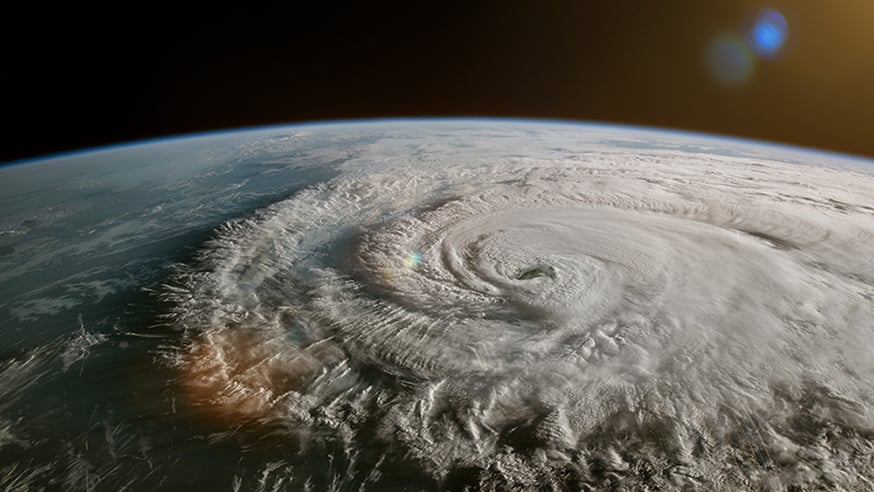
New York City, United States — Scientists warn that climate change is fueling the rise of rapidly intensifying hurricanes, as recently seen with Tropical Storm Erin in the Atlantic. The New York Times reports that warmer ocean temperatures and increased humidity create ideal conditions for storms to strengthen quickly, posing greater risks to coastal communities. Erin, which became the season’s first named storm, demonstrated the potential for explosive growth even as some forecasts remain uncertain about its eventual path.
The intensification phenomenon aligns with decades of research linking climate change to more powerful hurricanes with higher rainfall rates and longer lifespans. Emergency officials face mounting challenges preparing for storms that can escalate faster and cause more severe flooding and damage. Researchers emphasize the urgency of climate mitigation to slow these trends and better adapt infrastructure to withstand the increasing hurricane threat.
8. Oregon’s Secret Shark: The Battle to Save the Elusive Soupfin
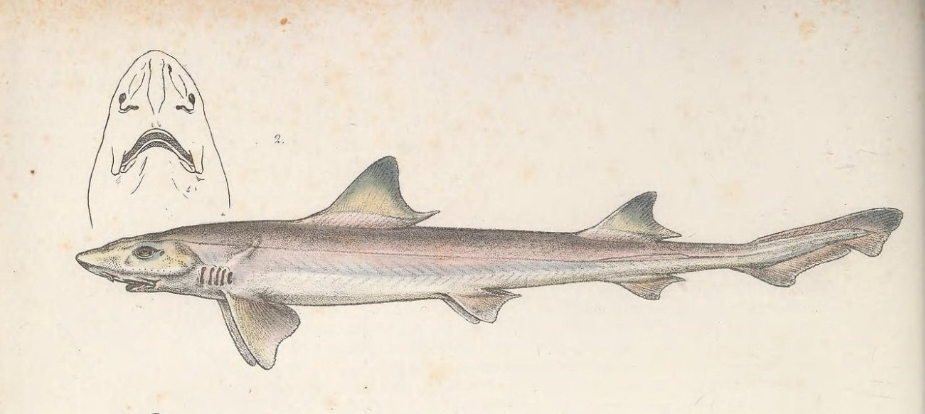
PORTLAND, United States — The soupfin shark is one of Oregon’s lesser-known marine animals, yet it faces serious risks of population decline. This slender shark, growing up to 6.5 feet, inhabits coastal waters off Oregon and the broader Pacific Northwest. Its fins are highly valued in some Asian cuisines and medicines, driving fishing pressures that have contributed to its endangered status.
Conservation groups in Oregon are pushing for stronger protections for the species and working to increase public awareness of its fragile existence. Efforts include preserving critical coastal habitats and promoting scientific research to better understand the shark’s lifecycle and distribution. The soupfin shark’s survival is closely tied to maintaining the health and balance of the coastal ecosystem, making its protection a crucial local environmental priority.
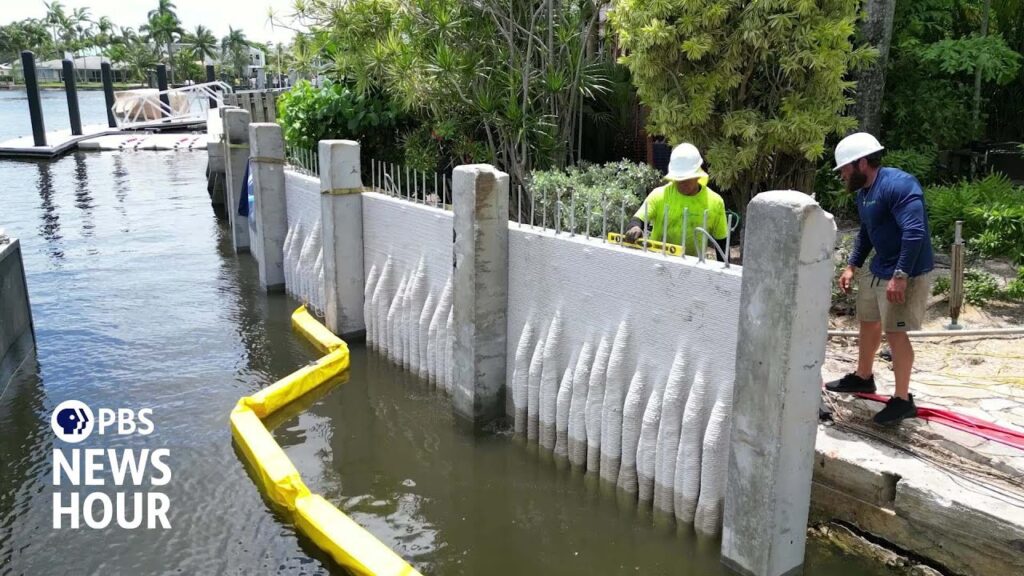
9. Florida’s Climate Tech Crisis: Federal Cuts Threaten Groundbreaking Innovations
Miami, United States — Florida’s climate-focused tech sector is grappling with uncertainty as federal funding cuts threaten ongoing efforts to bolster resilience against climate change’s impacts. PBS NewsHour reports that start-ups, researchers, and local governments in South Florida are pioneering innovations like living seawalls printed with designs inspired by mangroves to dissipate wave energy and ultra-durable concrete sprays for repairing aging infrastructure.
These projects, critical for a region highly vulnerable to storms, flooding, and sea level rise, face an uphill battle due to federal budget reductions on climate initiatives. Supported by a $20 million federal tech hub grant last year, the sector’s future hinges on maintaining funding to scale technologies aimed at climate adaptation. Despite challenges, entrepreneurs emphasize blending capitalism with environmentalism to sustainably grow solutions. Local resilience programs have shown measurable success in flood prevention, but continued investment remains essential for South Florida’s survival in a warming world.
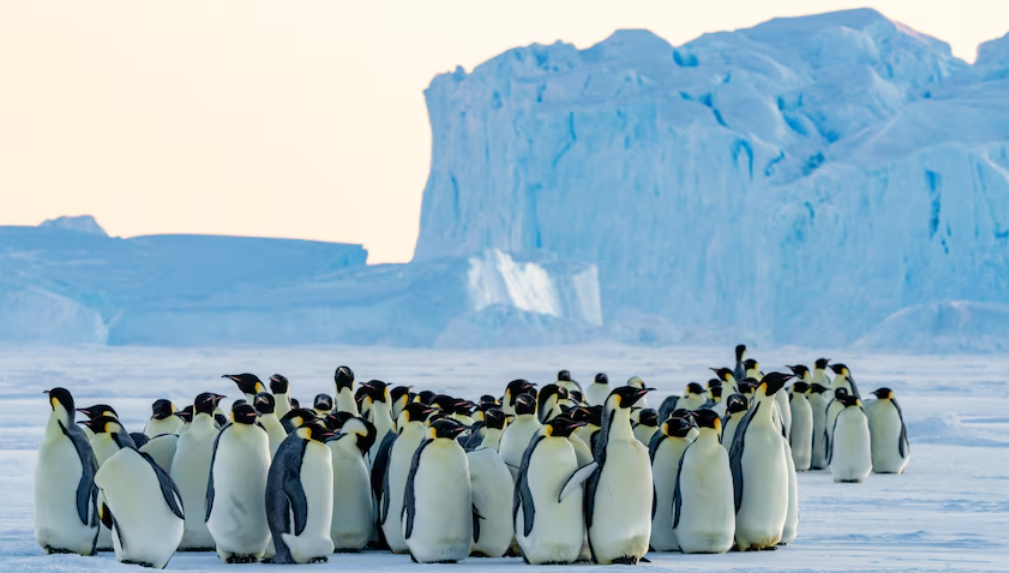
10. Antarctica on the Edge: Climate Change Pushes Continent Toward Irreversible Collapse
Climate change is driving rapid, potentially irreversible transformations across Antarctica’s ice, ocean, and ecosystems, threatening global climate stability, Australian researchers warn. A new study led by experts from UNSW Sydney and The Australian National University highlights severe consequences such as rising sea levels, warmer and oxygen-depleted Southern Oceans, collapsing ice shelves, and heightened extinction risks for species like emperor penguins.
The West Antarctic Ice Sheet faces critical collapse risks that could raise sea levels by over three meters, endangering coastal communities worldwide. Scientists warn that loss of sea ice and disruptions to ocean circulation will intensify warming locally and globally. They emphasize that while conservation efforts under the Antarctic Treaty System are vital, only rapid, significant cuts to greenhouse gas emissions limiting warming to 1.5 degrees Celsius can prevent further catastrophic changes. The research calls for urgent government, business, and community action to prepare for and mitigate ongoing Antarctic climate impacts.

11. How Belize’s ‘Super Reefs’ Are Racing to Save Coral from Climate Disaster
Hopkins, Belize — The Super Reefs program, a multinational collaboration involving experts from the Woods Hole Oceanographic Institution, Stanford University, and The Nature Conservancy, is identifying heat-resilient corals in Belize’s waters to protect and restore the country’s vital reefs amid climate change. Using innovative heat stress tanks made from everyday coolers, researchers simulate extreme temperature spikes to test coral species’ tolerance. Their findings reveal that massive starlet coral (Siderastrea siderea) demonstrates strong heat resistance, while symmetrical brain coral (Pseudodiploria strigosa) is far more vulnerable.
The team also employs advanced hydrodynamic models to map temperature gradients across Belize’s reefs and pinpoint locations where corals have naturally adapted to warmer water. Plans are underway to publish these results in 2026 to guide the Belize government on prioritizing conservation and restoration efforts. Harnessing nature’s own heat tolerance, the project aims to safeguard coral ecosystems crucial for marine biodiversity and coastal protection.
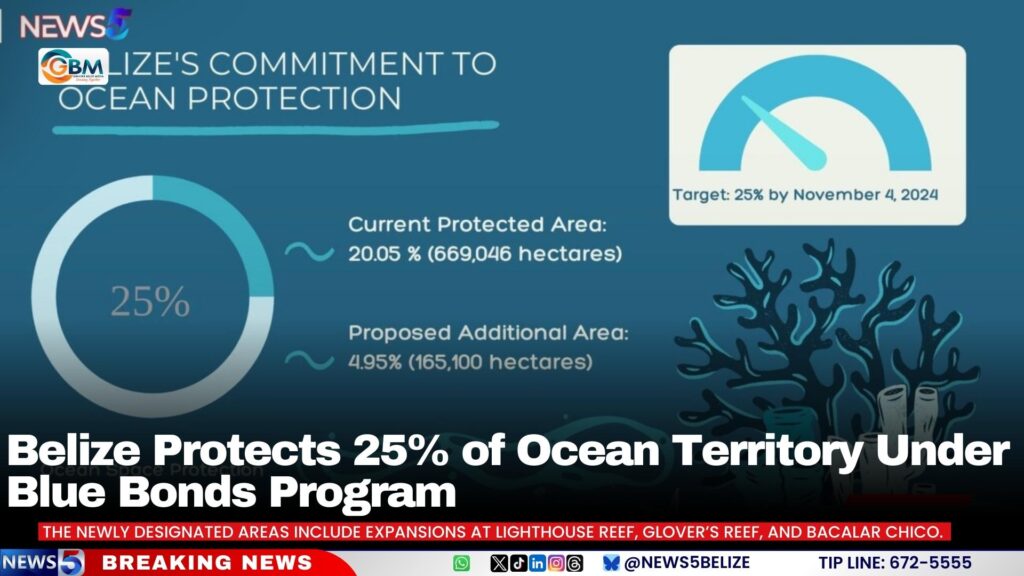
12. Belize Protects 25% of Ocean Territory Under Blue Bonds Program
Belmopan, Belize — The Government of Belize achieved Milestone 4 of its Blue Bonds Program by designating 25% of its ocean territory—about 8,360 square kilometers—as Biodiversity Protection Zones. This milestone, completed in late 2024, is part of efforts to protect reefs, mangroves, and seagrass beds crucial for marine life and coastal communities. Expansions include Lighthouse Reef, Glover’s Reef, and Bacalar Chico. The protection zones were established through science-driven marine spatial planning and broad stakeholder consultations.
Medium Protection Zones allow limited, regulated use to maintain healthy ecosystems while supporting local livelihoods. Belize aims to strengthen fisheries, enhance coastal resilience, and conserve biodiversity under its Sustainable Ocean Plan. The country continues working with partners to meet conservation goals, ensuring a sustainable blue economy for future generations.
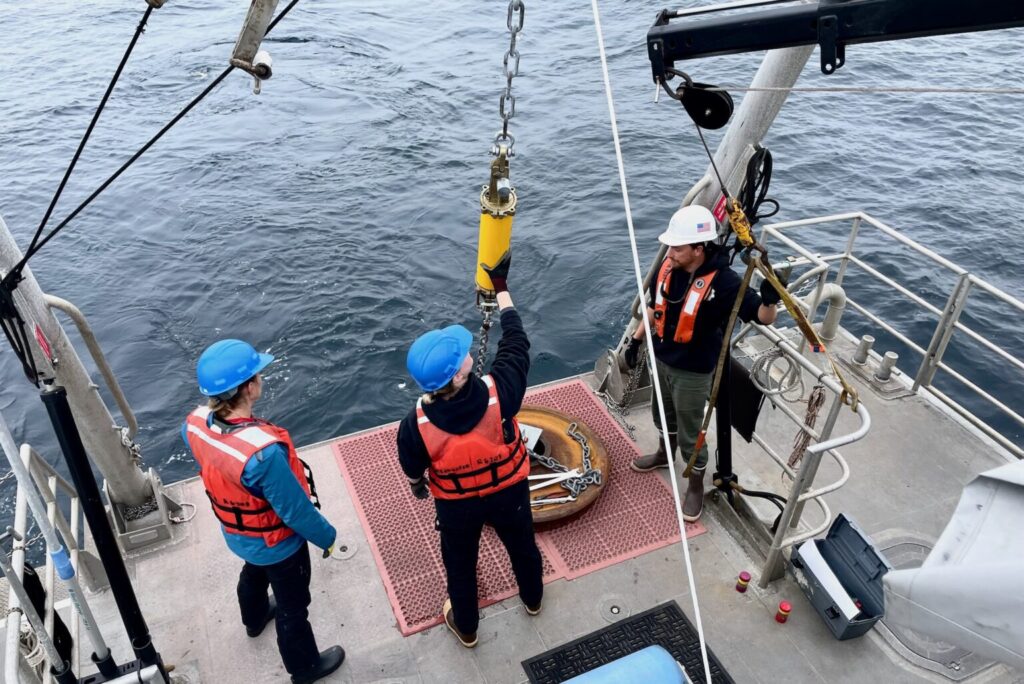
13. Quiet Oceans Reveal Hidden Secrets: NOAA’s Insight into the Sounds of the Sea
Washington, United States — NOAA’s recent research highlights a rare “quieter ocean” phenomenon, where reduced human activity has led to significant drops in underwater noise levels. This quieter state, partially observed during the global slowdown caused by the COVID-19 pandemic, offers scientists a unique opportunity to study natural ocean soundscapes and their impact on marine life.
NOAA’s Ocean Noise Strategy focuses on understanding how ambient and human-generated sounds affect marine species, aiming to fill critical knowledge gaps and develop tools to mitigate noise impacts. Through passive acoustic monitoring and international cooperation, NOAA works to preserve marine acoustic habitats vital for communication, navigation, and survival of diverse ocean species. This research underpins efforts to manage ocean noise pollution and protect ocean ecosystems amid increasing human industrial activity.
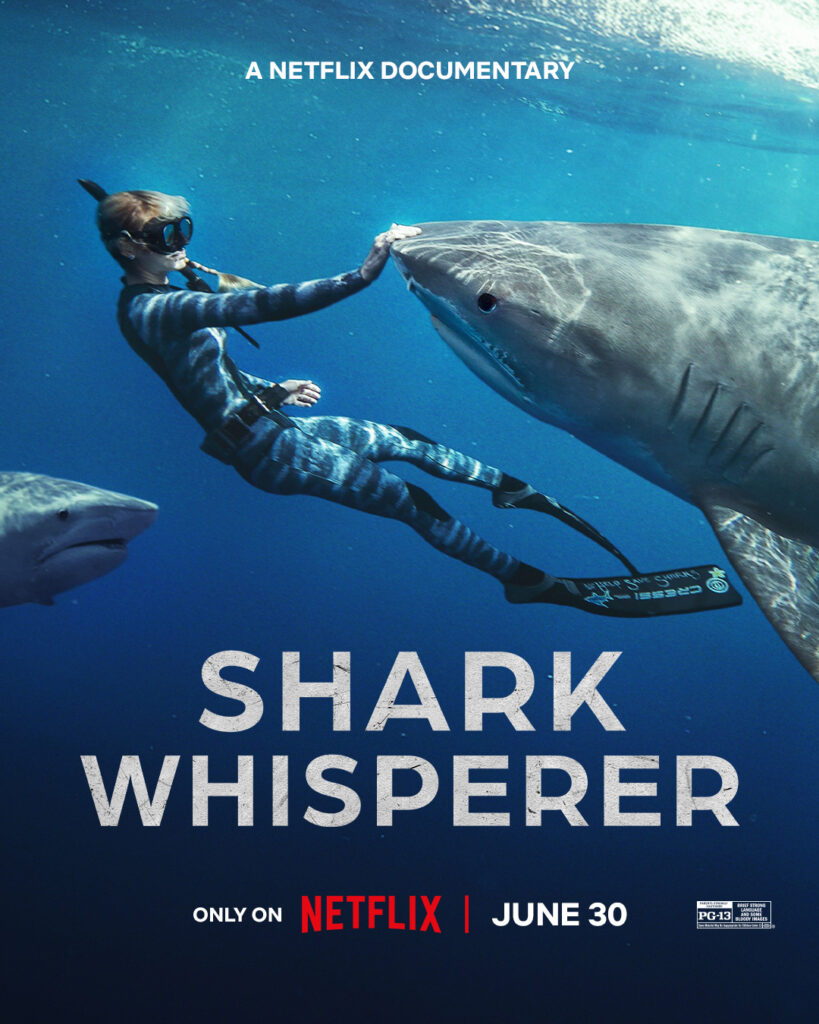
14. Controversy Surrounds Netflix’s “Shark Whisperer” and Ocean Ramsey’s Conservation Claims
The Netflix documentary “Shark Whisperer,” featuring Ocean Ramsey, has faced strong criticism from the scientific community. Experts argue Ramsey lacks formal scientific credentials, does not conduct legitimate research, and often spreads misinformation about shark biology and conservation. They describe her interactions with sharks—such as grabbing and riding them—as wildlife harassment that harms the animals. Critics emphasize that true shark conservation requires evidence-based science and ethical practices, which Ramsey does not follow.
Additionally, the documentary raises concerns about cultural misrepresentation of Native Hawaiian communities. While Ramsey’s social media presence increases public interest, specialists warn her approach undermines legitimate shark conservation efforts. This critical perspective is detailed in an article on Southern Fried Science, highlighting the need for responsible conservation based on accurate knowledge and respect for wildlife.
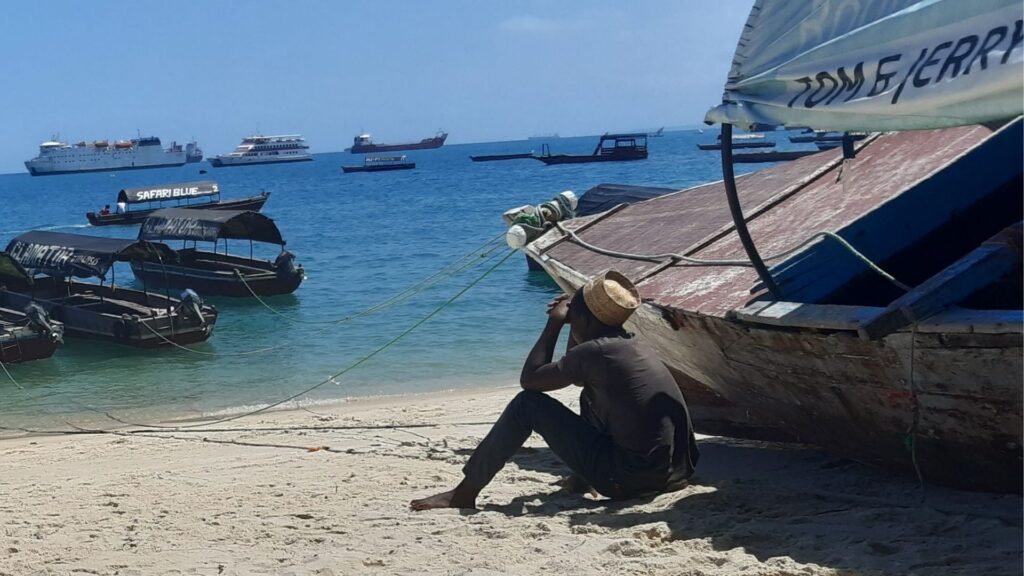
15. The Jahazi Project: Steering East Africa’s Blue Economy Toward a Sustainable Future
The East African coastline, a historic source of life and culture, now faces serious threats from illegal, unreported, and unregulated (IUU) fishing, which drains over US$415 million annually and depletes vital fish stocks. In response, pan-African organisation Ascending Africa has launched The Jahazi Project, aiming to protect the ocean while unlocking East Africa’s Blue Economy potential—a sector projected to reach US$405 billion by 2030 with benefits for food security, jobs, and climate resilience.
Named after the traditional Swahili dhow, The Jahazi Project guides coastal communities toward sustainable prosperity by combating IUU fishing through enhanced maritime surveillance and regulatory enforcement. It also empowers locals via capacity building, sustainable fishing cooperatives, and alternative livelihood options, while advocating for balanced policies that harmonize economic growth with environmental conservation. Education and community engagement foster marine heritage pride, and regional collaboration extends efforts across Tanzania, Kenya, and Mozambique. The project envisions a resilient coastline with healthy ecosystems and shared prosperity, emphasizing collective responsibility amid rising climate and economic pressures.
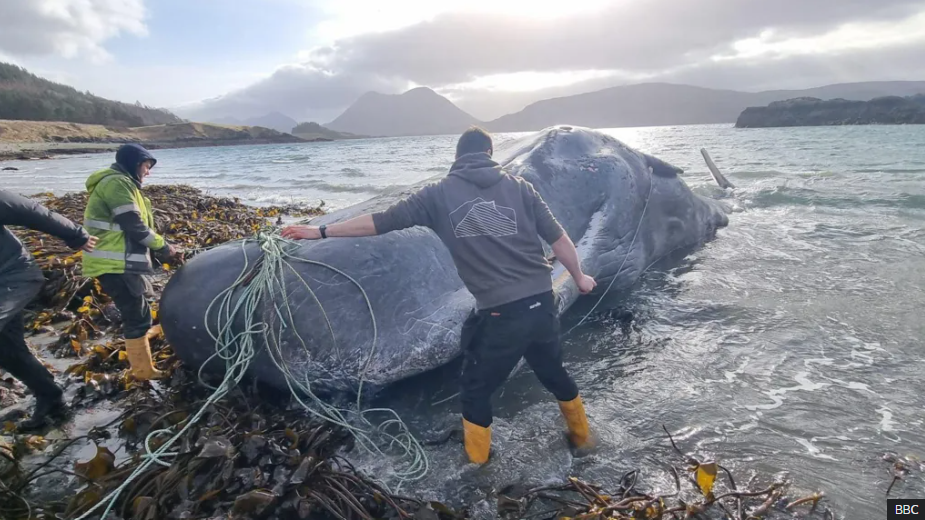
16. Scientists Investigate Surge in Whale and Dolphin Strandings
The number of whales, dolphins, and porpoises found stranded or in distress has surged from about 100 cases annually 30 years ago to more than 300 cases today. Researchers believe this troubling increase is linked to multiple environmental pressures including chemical pollution, plastic debris, noise pollution from shipping and industrial activities, and entanglements in fishing gear.
These factors collectively threaten marine mammal health and survival, prompting scientists to investigate the causes and seek mitigation strategies to protect these vulnerable species.
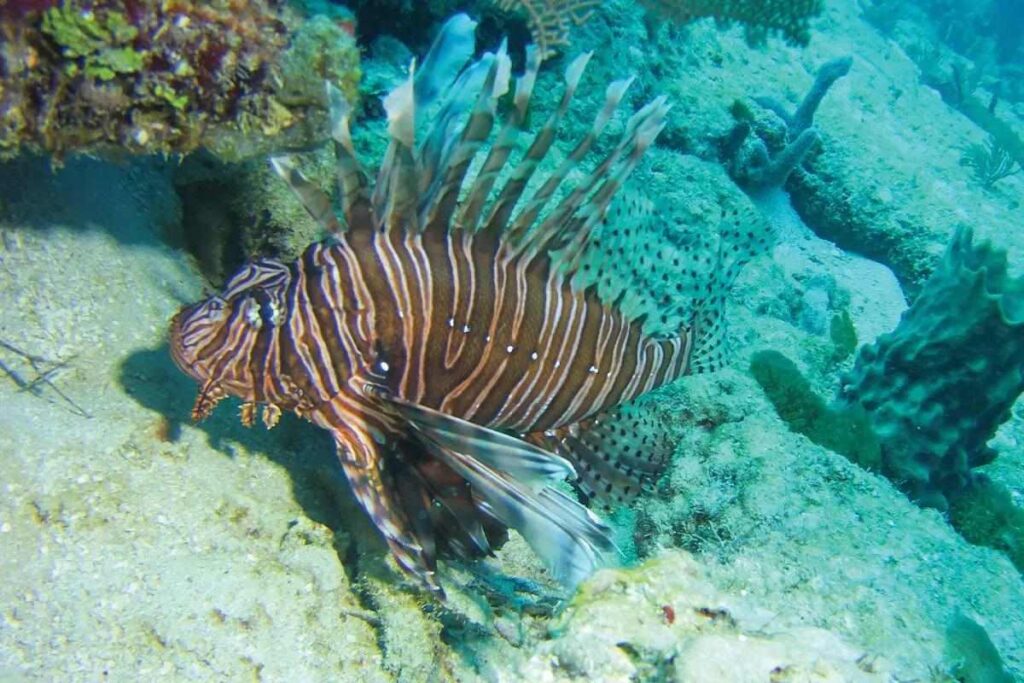
17. Florida’s Ongoing Battle Against Invasive Lionfish
Florida continues to actively combat the invasive lionfish, a species native to the Indo-Pacific but first spotted in Florida waters in the 1980s due to aquarium releases. Lionfish have no natural predators here, reproduce rapidly, and aggressively prey on native fish species, significantly harming reef ecosystems and local fisheries. The state organizes events like the annual Lionfish Challenge, running through the summer, encouraging divers and fishers to remove lionfish in exchange for prizes.
Since its start in 2014, over one million lionfish have been captured and removed. Lionfish flesh is edible, mild-tasting, and has become popular in local cuisine as part of efforts to control their populations through consumption. NOAA and partners continue developing management plans to mitigate lionfish impacts on Florida’s marine environment, emphasizing cooperative efforts and public participation to protect native species and habitats.
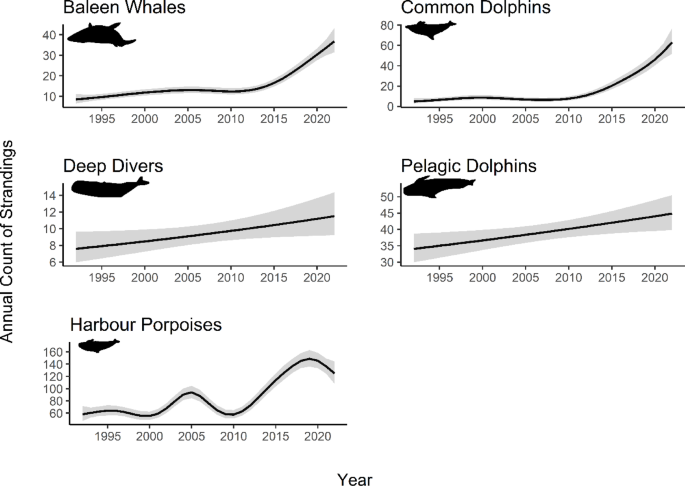
18. An Approach to Using Stranding Data to Monitor Cetacean Population Trends and Guide Conservation Strategies
The Nature article “An approach to using stranding data to monitor cetacean population dynamics: a case study on sperm whales stranded along the North Sea coast” (2025) presents a methodology using cetacean stranding records to infer population changes and habitat use. The study found a significant rise in juvenile sperm whale strandings, suggesting potential shifts in habitat driven by environmental or biological factors.
This work demonstrates how historical and contemporary stranding data can be valuable indicators for monitoring the status and trends of marine mammal populations, especially in areas where direct observation is difficult. The article emphasizes that systematic analysis of strandings may reveal ecological changes and support conservation planning for vulnerable cetacean species.
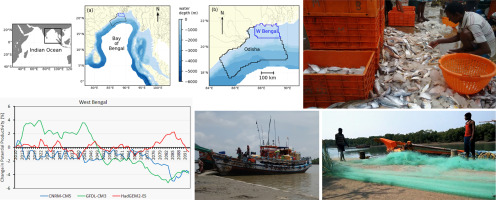
19. Effects of Climate Change on Indian Marine Fisheries and Adaptive Strategies Under PMMSY
India’s marine fish production increased from 34.76 lakh tonnes in 2020-21 to 44.95 lakh tonnes in 2023-24, growing at an average annual rate of 8.9%. The Indian Council of Agricultural Research (ICAR) Central Marine Fisheries Research Institute reported that 91.1% of 135 fish stocks assessed in 2022 were sustainable and in good health. ICAR institutes conduct ongoing research to assess climate change impacts on fisheries and aquaculture and develop climate-resilient strategies.
Research topics include vulnerability assessments, climate trend analysis of river basins, ocean acidification impacts, and adaptive management. The Pradhan Mantri Matsya Sampada Yojana (PMMSY) promotes sustainable fishing, resilient infrastructure, marine ecosystem conservation, and climate adaptation through measures like artificial reefs and fish stock replenishment. PMMSY also supports developing 100 Coastal Fishermen Villages as Climate Resilient Coastal Fishermen Villages, with state-specific interventions tailored to enhance resilience.

20. Saudi Freediver Salma Shaker Breaks Records and Champions Coral Conservation
At 25 years old, Saudi freediver Salma Shaker has made history by breaking four Saudi national freediving records in the elite Vertical Blue competition in the Bahamas—the first Arab woman to compete there. Inspired by her ocean-loving family and coached by Mariam Shalan, Salma has won titles including Deepest GCC Woman (2019) and Deepest Arab Woman (2024, 2025).
She describes freediving as therapy, emphasizing mastering mental calmness and physical techniques to overcome fear and challenges underwater. Salma partners with Red Sea Global to advocate for coral reef protection and sustainable tourism, reflecting her deep connection to the Red Sea. Looking ahead to the CMAS World Championship in September, she hopes to inspire others by sharing the power of silence, breath, and inner strength, demonstrating that Arab women can lead in extreme sports while highlighting the uniqueness of the Red Sea ecosystem.
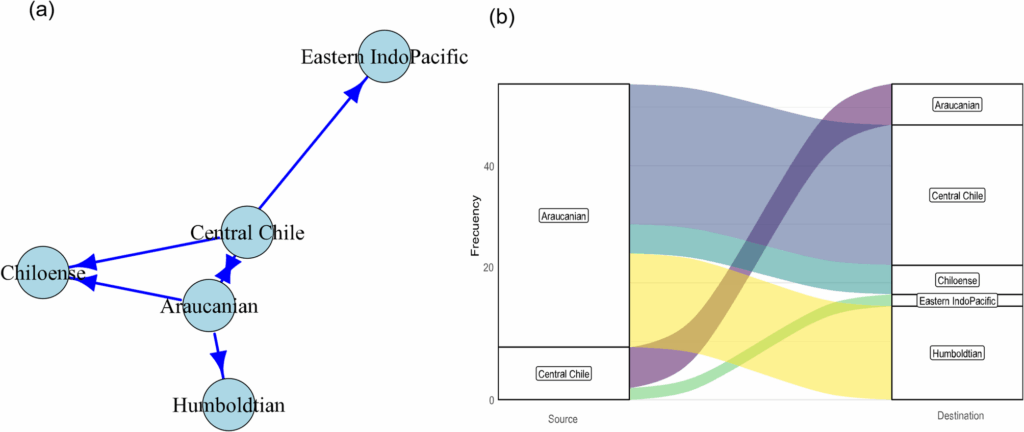
21. How Ships Are Secretly Spreading Invasive Species Across Chile and Beyond—The Shocking Network Revealed
Marine biological invasions threaten global biodiversity, making it vital to identify high-risk areas for effective prevention. This study uses network analysis to assess the risk of non-native species (NNS) dispersal via maritime transport by examining connectivity among Chilean and international ports. San Antonio, San Vicente, and Concepción Bay emerge as key national hubs, linking Central Chile and Araucanian ecoregions—critical corridors for NNS spread. Secondary ports like Corral and Mejillones have limited roles. Internationally, Chilean ports connect frequently with global hubs such as Panama and Shanghai, underscoring their importance in global shipping networks.
Procrustes analysis shows strong environmental similarity between connected regions, which likely promotes NNS survival and establishment. Visualization through alluvial diagrams and networks highlights high-risk routes and ports, guiding monitoring efforts. This integrated approach combining network and environmental data is essential for assessing invasion risk, prioritizing areas, and strengthening prevention strategies.
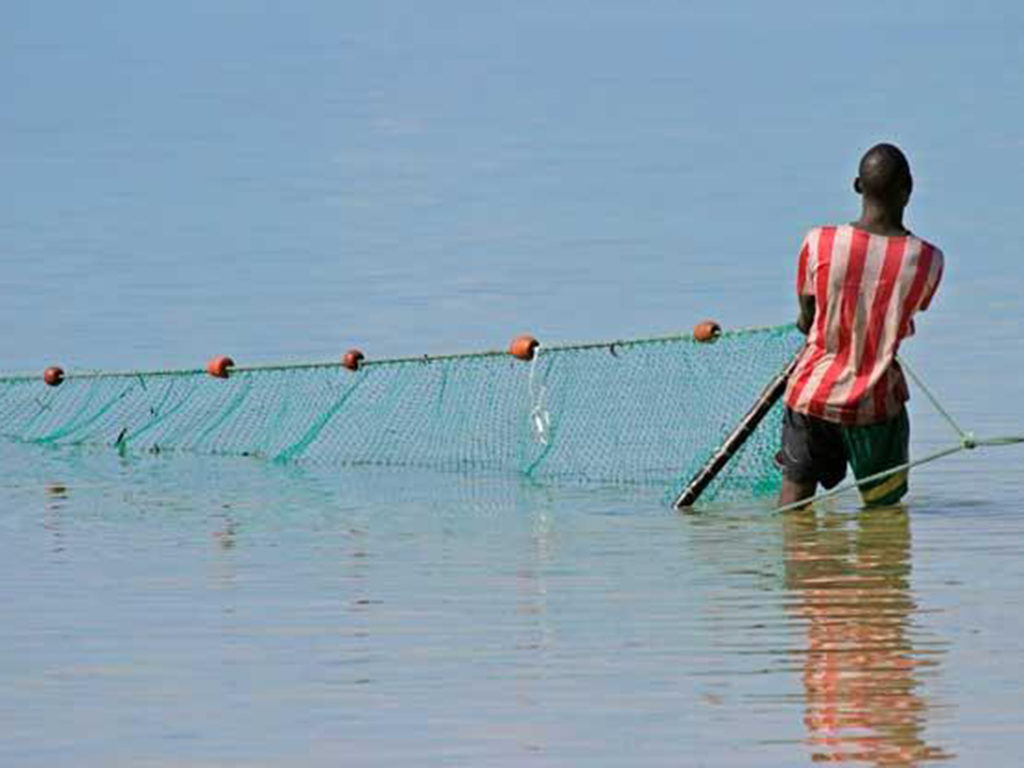
22. Beach Seine Fishing and Marine Conservation: Navigating a Path Toward Sustainable Solutions
Beach seine fishing in the Western Indian Ocean has a long history and plays a significant role in the livelihoods of coastal communities. However, this fishing method also poses ecological challenges, including overfishing and habitat degradation. Efforts to manage and regulate beach seining vary across the region, with governance frameworks aiming to balance sustainability and the needs of local fishers.
Successful management relies on adaptive strategies and active involvement from the communities directly affected. Understanding these dynamics is crucial for ensuring that beach seine fisheries remain viable and support both people and marine ecosystems in the long term.
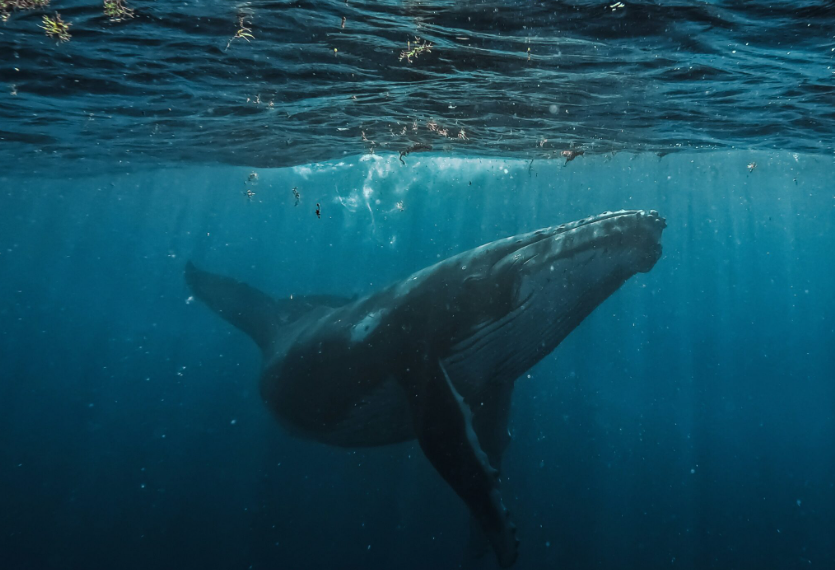
23. Inside the Mind-Blowing Bubble Net Feeding: How Humpback Whales Master Ocean’s Greatest Surprise
Based in the coastal waters studied by marine biologists, this story dives into the remarkable bubble net feeding technique used by humpback whales. Researchers reveal that these whales display an extraordinary level of cooperation and precision to create a spiraling net of bubbles that traps schools of fish. This hunting skill requires a unique combination of communication, timing, and teamwork that is nothing short of a marine ballet.
Scientists have discovered how whales use vocal signals and physical maneuvers to coordinate this feeding frenzy, maximizing their catch efficiency. The article highlights that this behavior is passed socially among whale pods, underscoring their intelligence and sociability. Bubble net feeding is described as a “very particular set of skills” crucial for humpbacks’ survival. The piece captures the awe-inspiring nature of these giants’ ingenuity and the ongoing research efforts to understand them better.
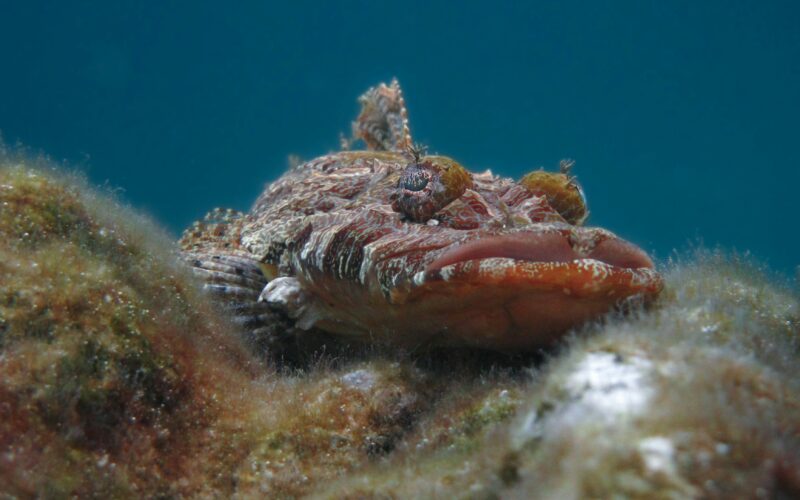
24. Scientists Warn: Seafloor Marine Heatwaves Exploding Faster Than You Thought—Massive Threat to Ocean Life!
Based at Plymouth Marine Laboratory in the UK, researchers reveal a startling discovery that marine heatwaves on the seafloor are becoming more than 50% more frequent than those at the ocean surface during summer. These heatwaves threaten bottom-dwelling species that cannot escape rising temperatures, risking widespread ecological disruption and economic impacts for coastal communities.
Using advanced climate models under high-emission scenarios, the study shows that deep-sea heatwaves last longer and will intensify in the North Sea, English Channel, and Bay of Biscay. Experts warn that marine conservation must urgently focus on vulnerable seafloor habitats as impacts extend beyond surface waters. This discovery is raising alarm bells for the future of marine ecosystems facing climate change’s growing grip.
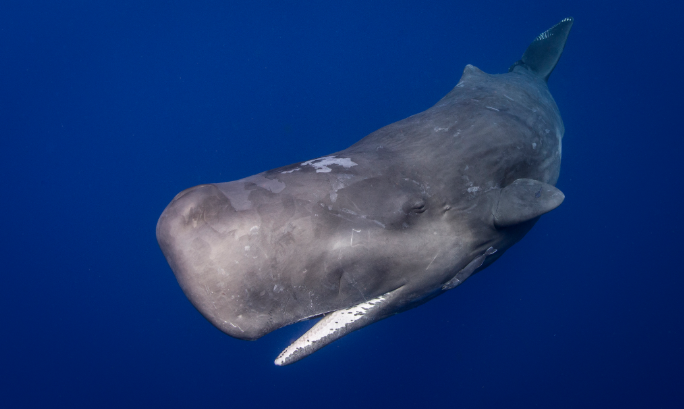
25. Ocean Carbon Storage Explosion: Billion-Dollar Projects Spark Hopes and Fears for Our Seas!
Researchers and industry leaders worldwide are ramping up efforts to store captured carbon dioxide in subsea reservoirs like depleted oil and gas wells and aquifers, aiming to curb “hard-to-abate” emissions from industries like cement and steel. Projects in regions including the North Sea, Gulf of Mexico, and Southeast Asia are backed by governments and corporations, targeting millions of tons of CO2 storage annually. Proponents hail this offshore carbon capture and storage (CCS) as essential to achieving net zero emissions.
Yet critics warn of environmental risks like carbon leakage, ocean acidification, and continued fossil fuel exploitation disguised as climate action. Concerns also surround high costs, technological uncertainties, and ecosystem harm, including noise pollution and habitat disruption. Experts emphasize stringent regulation, transparency, and monitoring to mitigate potential impacts as CCS scales up globally, marking a controversial chapter in climate change solutions.
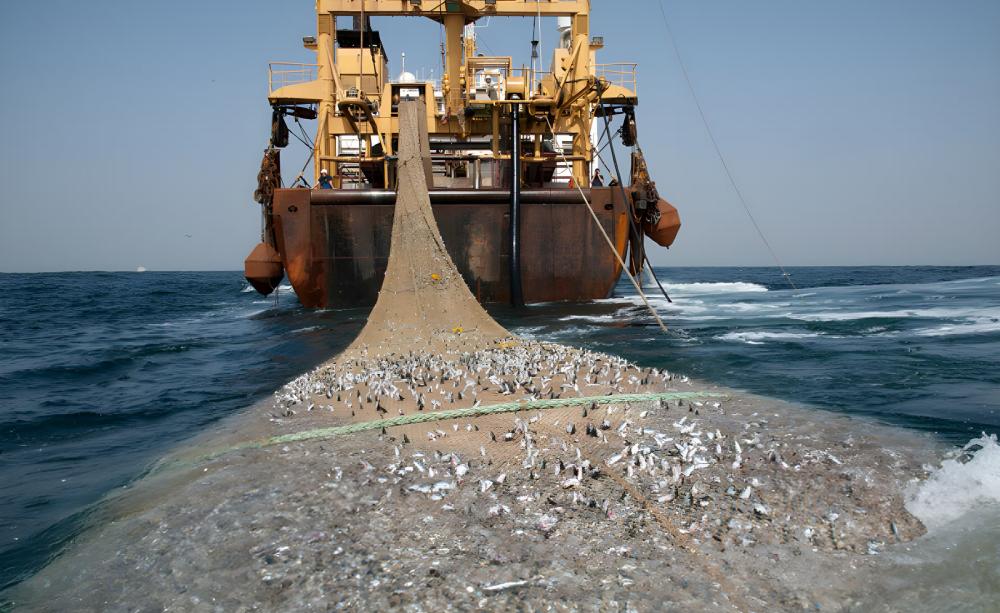
26. Shocking Truth: Why Bottom Trawling is Rotting Our Marine Protected Zones—and What Must Stop Now!
Based in the UK, this article exposes the devastating impacts of bottom trawling in marine protected areas (MPAs), where heavily weighted nets devastate seafloor ecosystems by dragging along the bottom, destroying biodiversity and carbon-storing habitats like seagrass and kelp forests. Despite MPA designations meant to safeguard marine life, bottom trawling remains legal and widespread, turning protected zones into ecological graveyards.
The practice not only compacts carbon stocks and harms fish populations but also outcompetes small-scale fishers with lower-impact methods. Experts argue that banning bottom trawling inside MPAs is essential to restoring ocean health, sustaining fisheries, and combating climate change. Without strict enforcement, many European MPAs fail their purpose, underlining the urgent need for policy reforms and a transition toward sustainable, low-impact fishing.