


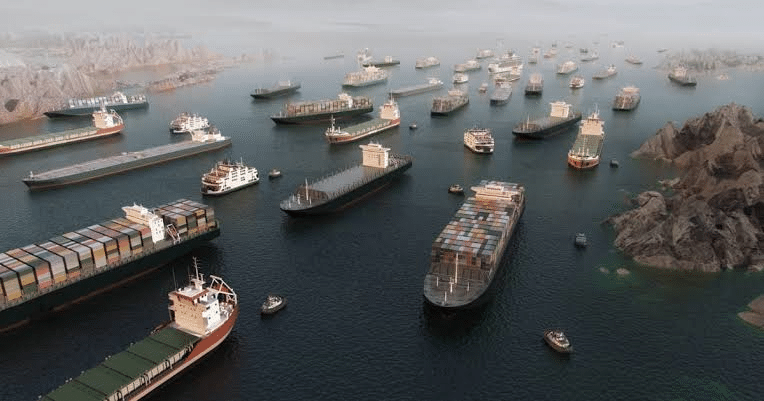
1. Idle Ships Could Trigger an Ecological Chain Reaction Across the World’s Oceans
STRAIT OF HORMUZ — A team of 24 marine scientists warns that thousands of commercial vessels stranded for months in the Persian/Arabian Gulf and the Gulf of Oman may unintentionally trigger a global invasive‑species crisis. Their study, published in Biological Invasions, explains that prolonged anchorage has allowed ship hulls to accumulate dense layers of algae, barnacles, mussels, and other organisms that thrive during extended layups.
Once ships resume normal routes, these biofouling communities could disperse across international coastlines, creating what researchers describe as a potential “bioinvasion super‑spreader event.” Scientists from the University of Maryland Center for Environmental Science and Woods Hole Oceanographic Institution say invasive species are nearly impossible to eradicate once established. They urge port authorities and regulators to strengthen biofouling management and coordinate rapid monitoring to prevent irreversible ecological and economic impacts.
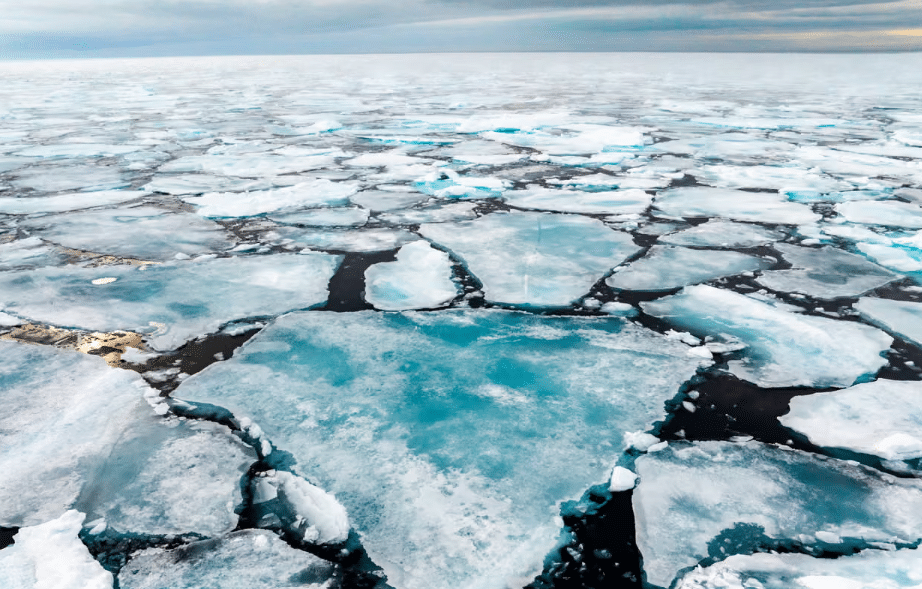
2. Slowdown in Arctic Ice Melt Ends as Scientists Record Largest Winter Drop Ever
ARTIC OCEAN — A new study shows that a previously observed slowdown in Arctic sea ice decline has abruptly ended, marking the largest year‑to‑year winter reduction ever recorded. Researchers had reported a surprising pause between 2005 and 2024, when sea ice extent showed no statistically significant decline despite rising global temperatures. They attributed the reprieve to natural variations in ocean currents that temporarily limited melting. Using updated satellite observations, scientists now say the slowdown was “temporary rather than sustained.”
Between 2024 and 2025, winter sea ice dropped 5.8%, the sharpest decline since measurements began in 1979. Researchers at the University of Southampton warn that reduced winter ice allows more ocean heat and moisture to enter the atmosphere, influencing pressure patterns, storm development and weather farther south. They say the new data underscores that Arctic sea ice loss is continuing in a warming climate.
Your generous gift helps us keep this publication afloat.
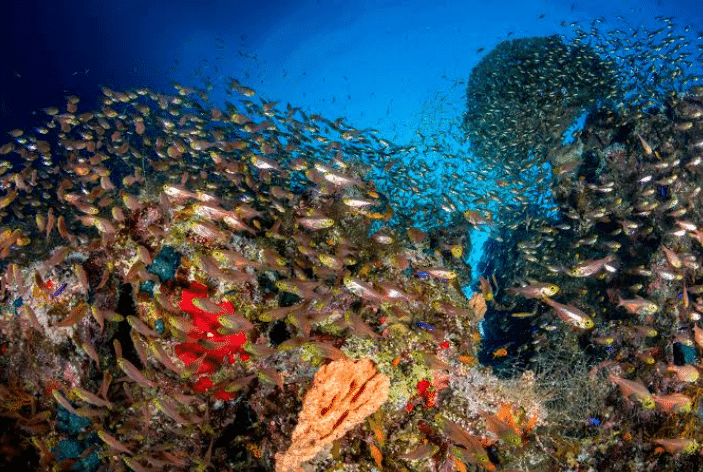
3. Oxygen Is Vanishing From Earth’s Waters Faster Than Scientists Expected
A new scientific review warns that dissolved oxygen is disappearing from Earth’s oceans, lakes and rivers at a rate that threatens entire food webs and could push the planet into what researchers call an “unsafe space.” Led by scientists at UC San Diego’s Scripps Institution of Oceanography, the study finds that aquatic deoxygenation—driven by warming waters, nutrient pollution and weakened ocean circulation—is accelerating and may become irreversible for centuries.
The team argues that oxygen loss is so fundamental to planetary stability that it must be added to the Planetary Boundaries framework, which tracks global environmental risks. Researchers say declining oxygen disrupts everything from microscopic organisms to apex predators, expanding dead zones and destabilizing marine ecosystems. They warn that without rapid global action to curb emissions and nutrient runoff, the “breath of life” in Earth’s waters will continue to fade.
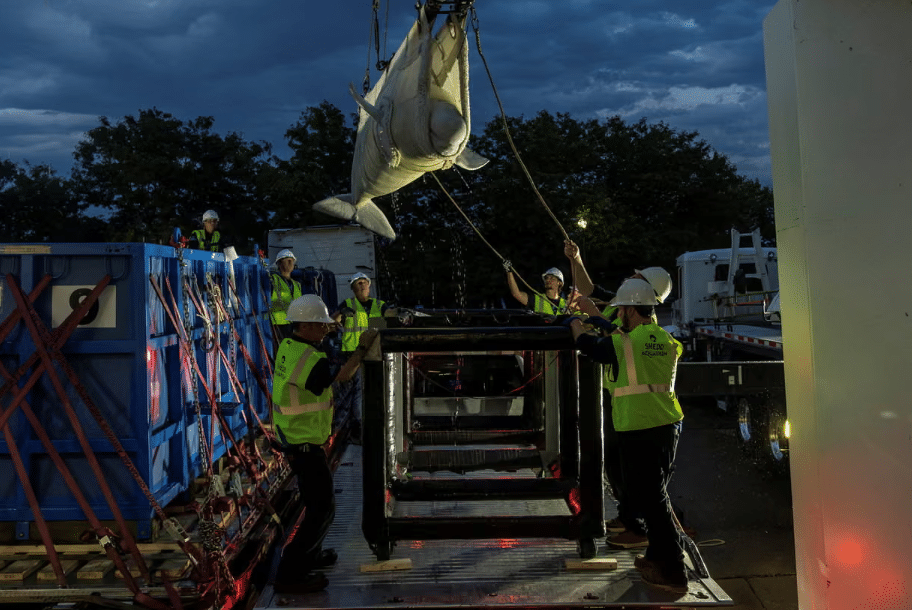
4. Six Beluga Whales Escape Troubled Canadian Marine Park After Years of Controversy
NIAGARA FALLS, Canada – Six beluga whales have finally been removed from Marineland, the embattled marine park long criticized for poor animal care and repeated threats to euthanize its remaining whales. The transfer ends a years‑long saga marked by declining attendance, federal restrictions on captivity and breeding, and a series of whale deaths that intensified scrutiny of the park. Former trainer Phil Demers said he felt relief but warned that the whales’ new homes in US aquariums may still pose challenges, even with stronger oversight.
The belugas were lifted from their tanks, transported to Toronto Pearson airport and flown to aquariums in Chicago and San Antonio. Canada and Marineland reached a deal last month to rehome the animals after the park’s failed attempt to send them to China. Advocates remain concerned about transparency and are urging US facilities to prohibit breeding and performance use. Twenty‑four other whales and two dolphins remain at Marineland.
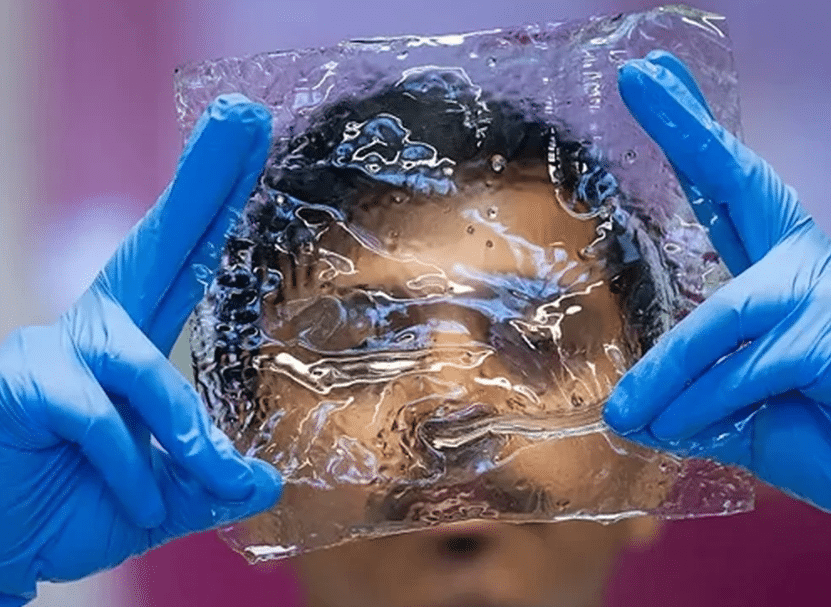
5. Scientists Create Plastic That Vanishes in Six Days Without Microplastics
SYDNEY, Australia — Scientists have developed a new form of plastic that breaks down in just six days without leaving behind microplastics, a breakthrough that could dramatically reduce global pollution. The material, created by researchers at the University of California San Diego, is engineered with special enzymes that activate when exposed to heat and moisture, rapidly degrading the plastic into harmless natural components.
Unlike conventional plastics, which can persist for centuries and fragment into microplastics that contaminate oceans, soil and food chains, the new material fully disappears without producing toxic residues. Researchers say the innovation could transform packaging, consumer goods and medical products, though large‑scale manufacturing and regulatory approval remain hurdles. They argue that rapid‑degrading plastics could help curb the mounting environmental crisis driven by plastic waste, which now affects ecosystems worldwide.
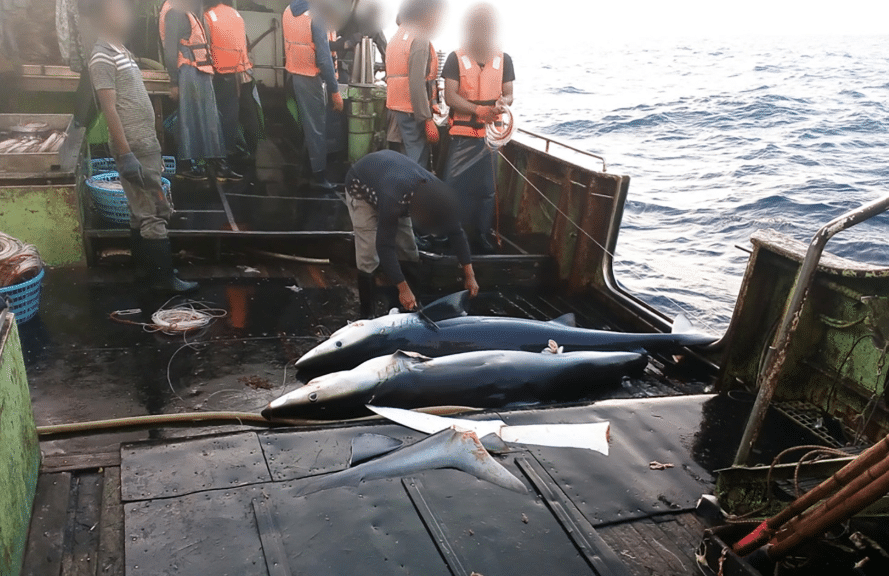
6. Dakar Serving as Hub for Illegal Shark Fin Trade Tied to Chinese and Taiwanese Fleets, Watchdog Says
DAKAR, Senegal — A new investigation by the Environmental Justice Foundation (EJF) alleges that Dakar has become a major transit point for illegal shark fins linked to Chinese and Taiwanese distant‑water fleets operating off West Africa. According to the report, vessels offload fins through informal networks that bypass Senegalese oversight, exploiting weak monitoring and limited enforcement capacity. The trade is driven by high demand in Asian markets, where fins can fetch premium prices, incentivizing the targeting of vulnerable and often endangered shark species.
EJF says transshipment practices, opaque ownership structures and gaps in port‑state controls facilitate the illicit activity. The group warns that the trade threatens regional marine ecosystems and undermines sustainable fisheries management. It is urging Senegal and international regulators to strengthen inspections, increase transparency and crack down on vessels linked to illegal finning.
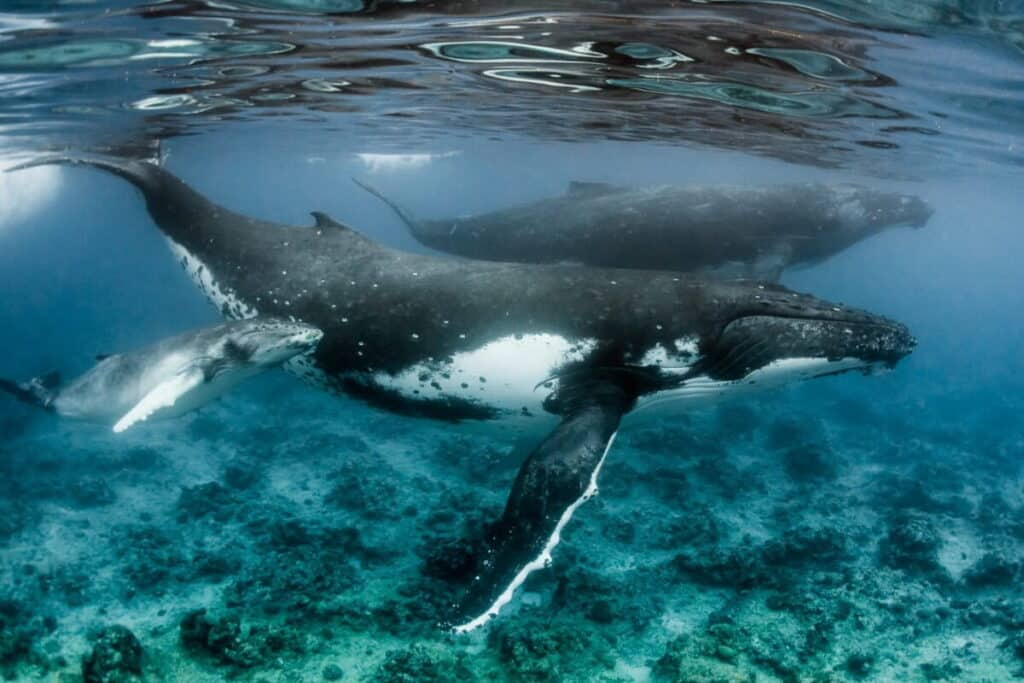
7. Australia’s Seismic Testing Expansion Raises Alarm Over Deep Impacts on Marine Life
CANBERRA, Australia — As Australia moves to expand seismic testing for offshore oil and gas exploration, marine experts warn the practice could have profound and long‑lasting effects on whales, dolphins, fish and invertebrates. Seismic airguns produce powerful underwater blasts that can travel hundreds of kilometers, disrupting communication, migration and feeding. Scientists say repeated exposure can cause hearing damage, stress responses and displacement from critical habitats, including areas used by humpback whales and other protected species.
Researchers argue that regulatory assessments underestimate cumulative impacts, especially as testing zones overlap with key breeding and migration corridors. Conservation groups warn that expanding seismic surveys during a period of rapid ocean warming and ecological stress could compound risks to already vulnerable populations. They are urging the government to strengthen environmental safeguards and consider alternative, less harmful exploration technologies.
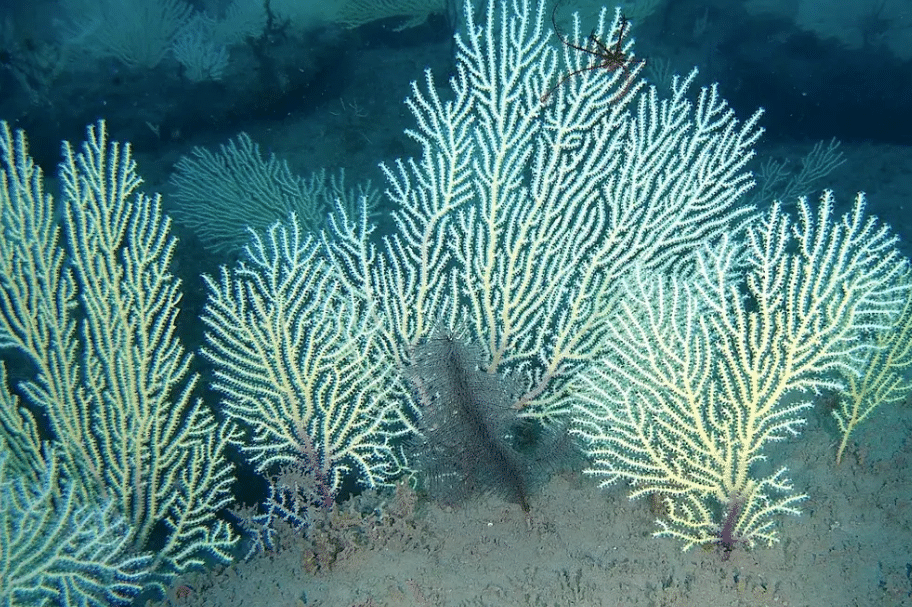
8. Long‑Lost West African Coral Reef Found Thriving After 60 Years
COTONOU, Benin — Scientists have rediscovered a coral reef off the coast of Benin that was first hinted at in a 1960s fisheries report and long presumed dead. After decades without surveys and widespread global reef decline, local oceanographers believed any remnant reef had vanished. But a Beninese research team, funded by a National Geographic Explorers grant, used sonar and deep‑sea cameras to locate a healthy mesophotic coral ecosystem more than 175 feet below the surface.
The reef hosts at least eight coral types and eight fish species, including African snappers and doctorfish, forming a vibrant, undisturbed habitat. Researchers say the discovery could offer rare insights into past climate conditions through carbon dating and paleoclimate analysis. Conservation advocates are now seeking formal protection, noting the reef may also shelter sharks and rays vital to regional biodiversity.
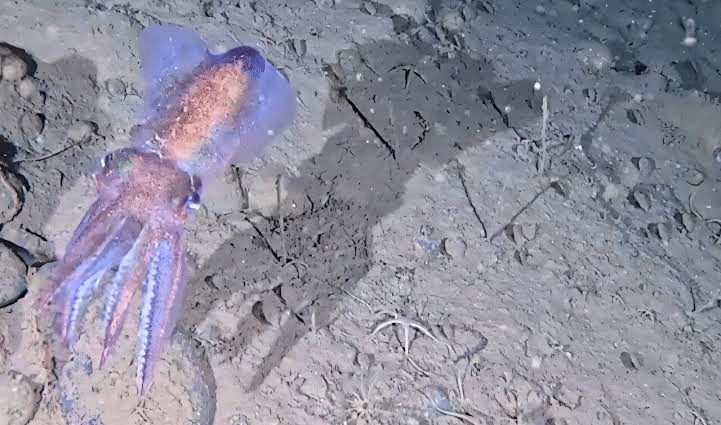
9. Rare Arctic Bobtail Squid Filmed in the Wild — and She’s Carrying Eggs
NORTHEAST GREENLAND NATIONAL PARK, Greenland — Marine researchers have captured the first‑ever footage of an Arctic bobtail squid in the wild, documenting a female carrying a clutch of eggs deep within one of the world’s most remote fjord systems. The discovery occurred during a National Geographic‑funded expedition using a deep‑sea camera deployed in the cold, dark waters of Greenland’s far northeast.
Scientists say the squid’s appearance and brooding behavior provide unprecedented insight into a species so elusive that nearly all previous knowledge came from trawl samples. The footage reveals reproductive strategies adapted to extreme polar conditions and underscores how little is known about Arctic deep‑water ecosystems. As warming temperatures and expanding human activity reshape the region, researchers warn that fragile, understudied species like the bobtail squid may face growing threats before their ecology is fully understood.
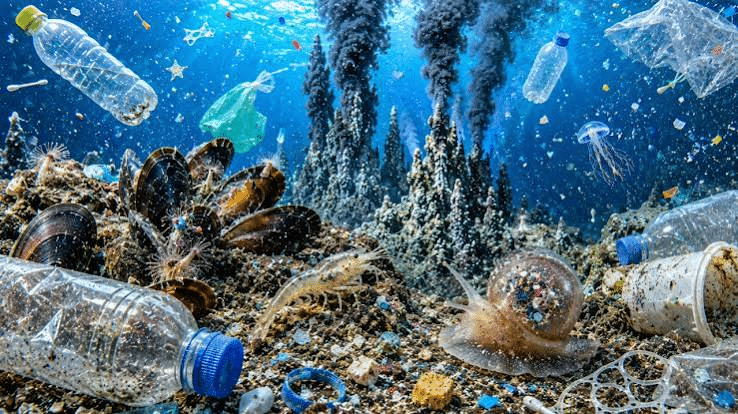
10. Microplastics Found in 92% of Deep‑Sea Animals, Showing Pollution Has Reached Earth’s Most Remote Ecosystems
Scientists examining life more than 2,000 meters below the ocean surface have found microplastics in 92% of deep‑sea animals sampled, revealing that plastic pollution has infiltrated even the planet’s most remote ecosystems. The study, based on specimens collected from abyssal zones, shows that microplastics are now present in species ranging from sea cucumbers to deep‑water crustaceans, raising concerns that plastic contamination is moving through marine food webs.
Researchers warn that ingestion can impair feeding, reproduction and overall survival, especially in slow‑growing deep‑sea organisms that are already vulnerable to warming and industrial impacts. The findings suggest that plastic waste is no longer confined to surface waters or coastal regions but has spread throughout the global ocean. Scientists say the results underscore the urgent need to curb plastic production and improve waste management worldwide.
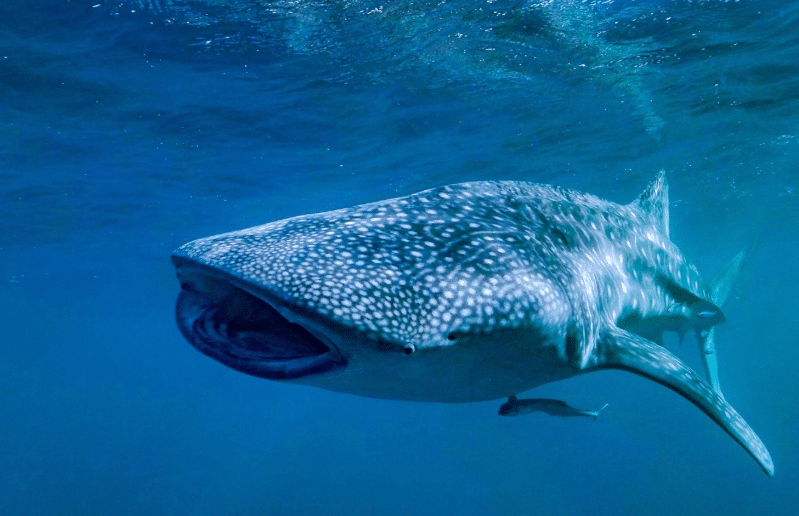
11. Whale Sharks Caught on Camera Revealed as Constant “Snackers” of the Sea
PERTH, Australia — New video footage from cameras mounted on whale sharks at Ningaloo Reef shows the world’s largest fish are relentless snackers, feeding on small prey at nearly every ocean depth. The study, led by the Australian Institute of Marine Science and Murdoch University, catalogued 36 distinct whale shark behaviors — the most comprehensive record ever assembled — including six feeding strategies never before documented.
Researchers observed “gliding slow feeding,” where sharks sink with mouths open to catch prey, and “dive feeding,” in which they plunge straight to the seafloor while suctioning food. Scientists say the sharks’ wide range of feeding tactics helps them thrive in tropical waters where food is patchy. The findings also underscore Ningaloo Reef’s importance as a safe, productive feeding ground, reinforcing the need for continued protection of the site.