


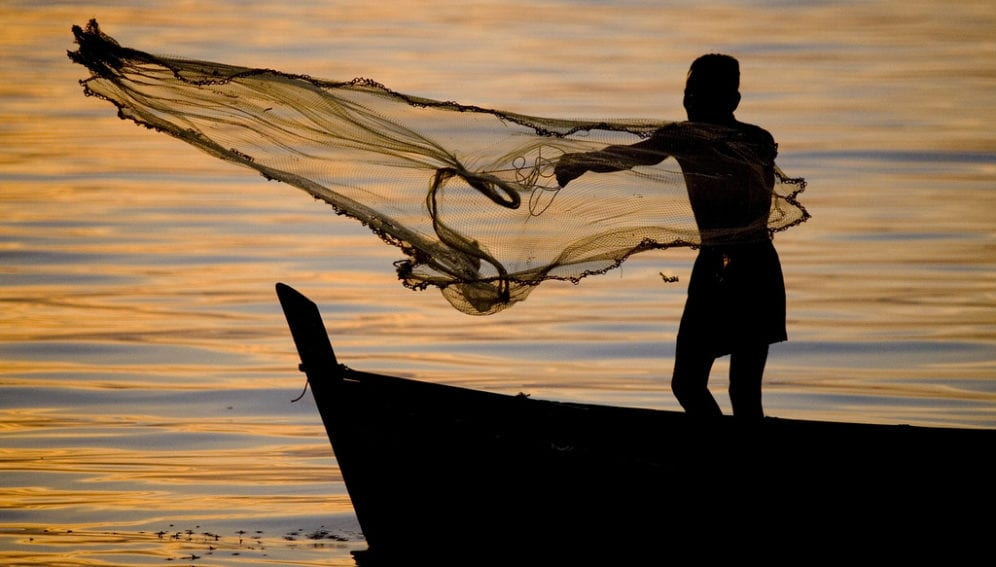
1. Treaty That Could Save Pacific Fishers From Subsidised Ocean Plunder
Port Vila, Vanuatu — Pacific leaders say a landmark new ocean treaty could finally shift power toward communities that depend on the sea for food, culture, and livelihoods. The Agreement on the Conservation and Sustainable Use of Marine Biological Diversity of Areas Beyond National Jurisdiction, often referred to as the BBNJ Agreement, sets rules for protecting marine life in high seas areas that have long been treated as a free-for-all.
It aims to ensure that future ocean industries, including the use of marine genetic resources, share benefits more fairly with small island states on the front lines of climate change. For coastal families whose daily lives are tied to healthy fish stocks and intact ecosystems, the treaty offers hope that global ocean governance may at last reflect their survival needs, not just distant political and commercial interests.
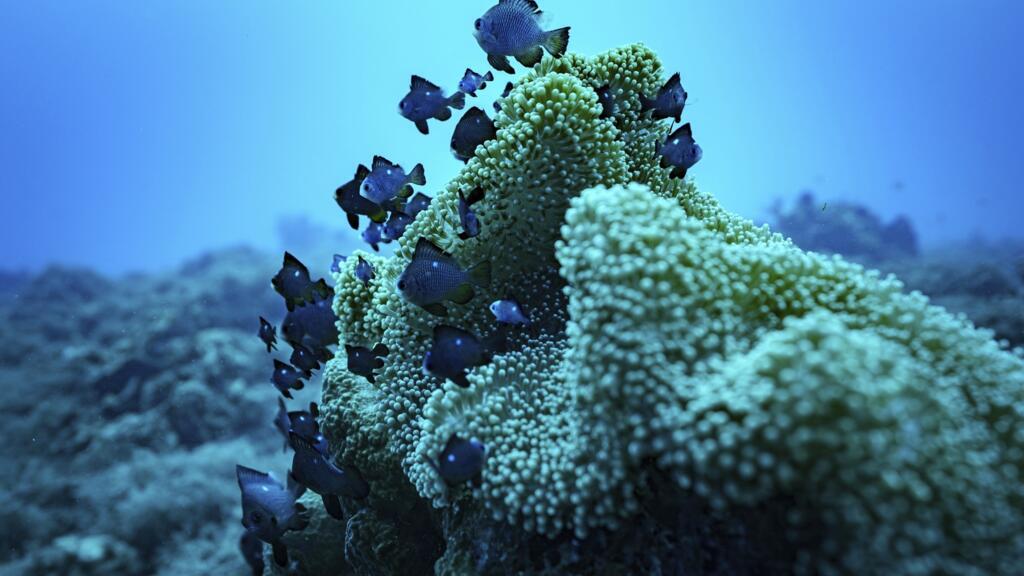
2. Granting Legal Personhood and Quasi-State Status to the High Seas to Strengthen Marine Protection
The article argues that current international legal frameworks for the high seas — including the BBNJ, UNCLOS, and CITES — suffer from fragmented enforcement and weak protection for biodiversity, and proposes a novel solution: granting the high seas legal personhood and quasi-state status.
This status would allow the high seas to participate more effectively in international governance, improve treaty coordination and enforcement, and enable representation by bodies like scientific panels or Indigenous groups. By giving the high seas rights under a “rights of nature” approach and quasi-state standing, it could bring stronger oversight, better implementation of conservation treaties, and more robust protection for marine wildlife.
Thank you for your generous gift that will help us continue the production of this weekly, free publication
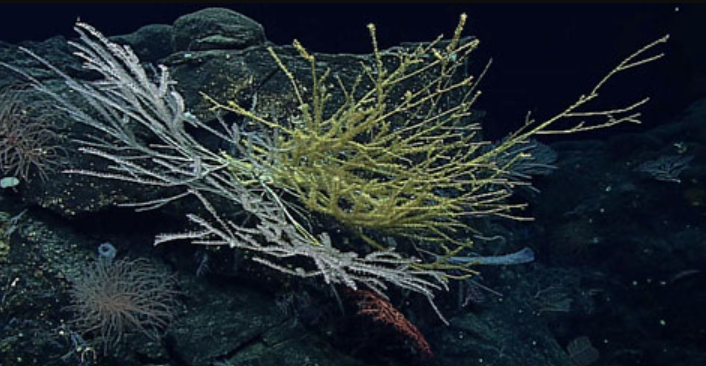
3. High Seas Treaty Will Transform Our Fragile Ocean for the Better
New York, United States — A new UN High Seas Treaty has entered into force, promising to reshape how nearly half the planet is governed as climate and biodiversity crises intensify. The agreement, also known as the Agreement on the Conservation and Sustainable Use of Marine Biological Diversity of Areas Beyond National Jurisdiction (BBNJ), creates the first global mechanism to protect marine life in waters beyond national borders.
Only about 1 percent of the high seas is currently protected, but the treaty will enable large-scale marine protected areas, stricter environmental impact assessments, and greater transparency around corporate activities such as fishing, shipping, mining, and bioprospecting. Advocates say the deal crowns two decades of negotiations led by Small Island Developing States and coastal communities, and marks a turning point for multilateral cooperation on ocean health.
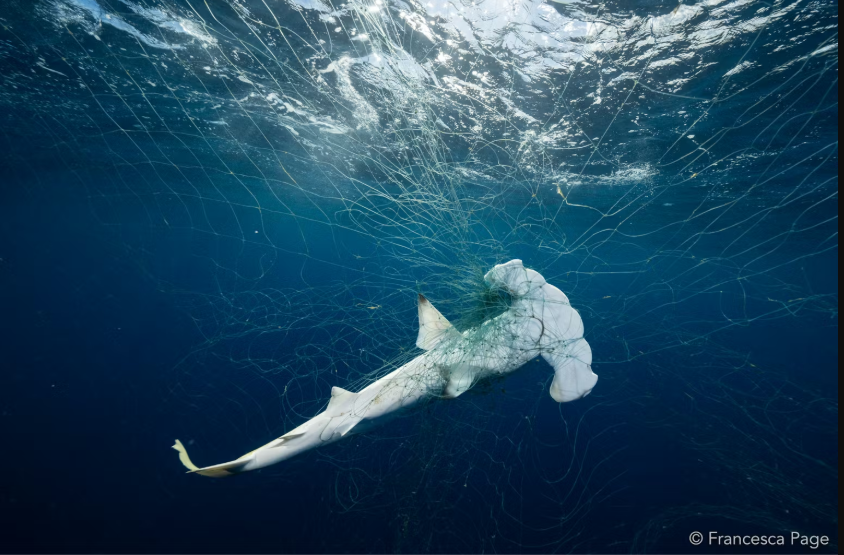
4. Shark Trade Crackdown Still Leaves Apex Predators on the Brink
Sydney, Australia — New research warns that fresh global limits on shark trade will not, on their own, stop dangerous overfishing of some of the ocean’s most threatened predators. Governments agreed to new or stronger restrictions on more than 70 shark and ray species, including whale sharks, oceanic whitetips, devil rays, and gulper sharks, at a major wildlife trade conference in Uzbekistan in late 2025.
The rules tighten how countries can export listed species, aiming to ensure trade is demonstrably sustainable. But many sharks are still caught as bycatch or for local consumption, slipping outside the reach of international trade rules. Without stricter catch limits, stronger bycatch controls, and demand‑reduction strategies, scientists caution these headline‑grabbing listings could become “paper victories” while shark populations continue to decline.
5. Fishing Ban Reversal Rocks California Coastal Reef
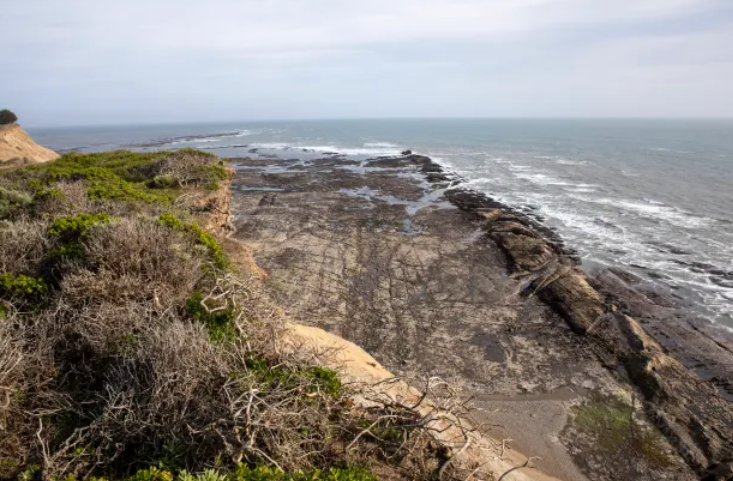
Point Reyes Station, United States — Marin County Parks has abruptly withdrawn its backing for a proposed ban on all fishing at Duxbury Reef, deepening tensions in a small coastal community where the shoreline is both pantry and playground. The reversal comes after months of controversy over an environmental petition seeking to upgrade the Duxbury Reef State Marine Conservation Area to a stricter no‑take reserve, which would have ended even limited hook‑and‑line fishing from shore.
Critics argued the proposal overlooked the cultural and generational importance of local fishing and lacked clear evidence that current practices are driving ecological decline. Supporters countered that heavy visitation, poaching, and disturbance of wildlife demand stronger protections for one of North America’s most extensive shale reefs. With county support gone, the petition’s future now hinges on state wildlife officials and ongoing community negotiations.
6. This Probiotic Discovery Could Change Shrimp Farming Forever
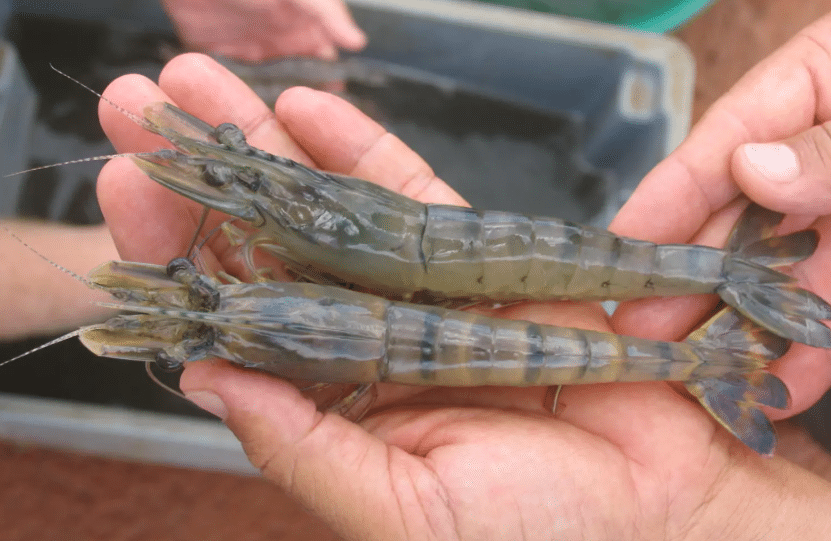
Researchers at the University of Santo Tomas in Manila received high praise from the Philippine Department of Science and Technology for a 2024 study that identified sustainable, eco-friendly ways to enhance disease immunity in shrimp and prawns. The paper, honored with the Dr. Elvira O. Tan Award for Outstanding Published Paper in the Aquatic Sciences category, was featured in the Fish Shellfish Immunology journal’s November 2024 issue and formally recognized by DOST-PCAARRD in November 2025.
Authored by Kristelle Mae C. Tardecilla and Prof. Mary Beth B. Maningas, PhD, the research focuses on Macrobrachium rosenbergii, a commercially valuable prawn species. Rather than relying on conventional antibiotics, which face growing antimicrobial resistance, their work explored host-derived Weissella confusa C6 as a probiotic feed supplement. The results were compelling: enhanced immune responses, better survival, growth gains, and improved disease resistance when prawns were challenged with the pathogen Vibrio parahaemolyticus.
7. Pakistan Wants Ocean Literacy in Every Classroom
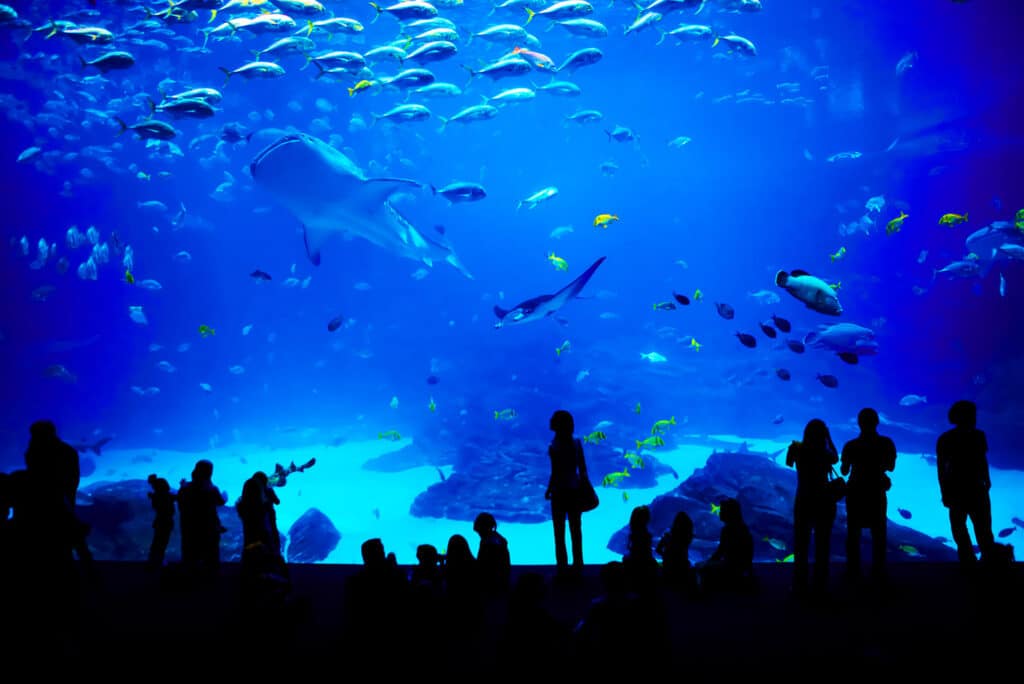
Islamabad, Pakistan — Federal Maritime Affairs Minister Muhammad Junaid Anwar Chaudhry is calling for the formal integration of ocean awareness and marine literacy into Pakistan’s national education system, stressing their importance for climate resilience and sustainable development. Speaking alongside Minister of State for Education and Professional Training Wajiha Qamar, Chaudhry said educating young people about oceans is essential to protecting marine ecosystems and supporting the country’s blue economy.
He urged alignment of school curricula with the UN Sustainable Development Goals, particularly SDG 14 on life below water, SDG 4 on quality education, and SDG 13 on climate action. The minister also highlighted proposed reforms to strengthen maritime education, including granting degree-awarding status to the Pakistan Marine Academy and creating a Maritime Educational Endowment Fund to support students from coastal communities. Both ministers emphasized combining classroom learning with community outreach to connect students with real-world marine and environmental challenges.
8. Shocking New Study Reveals How Global Conservation Is Abandoning Freshwater Life
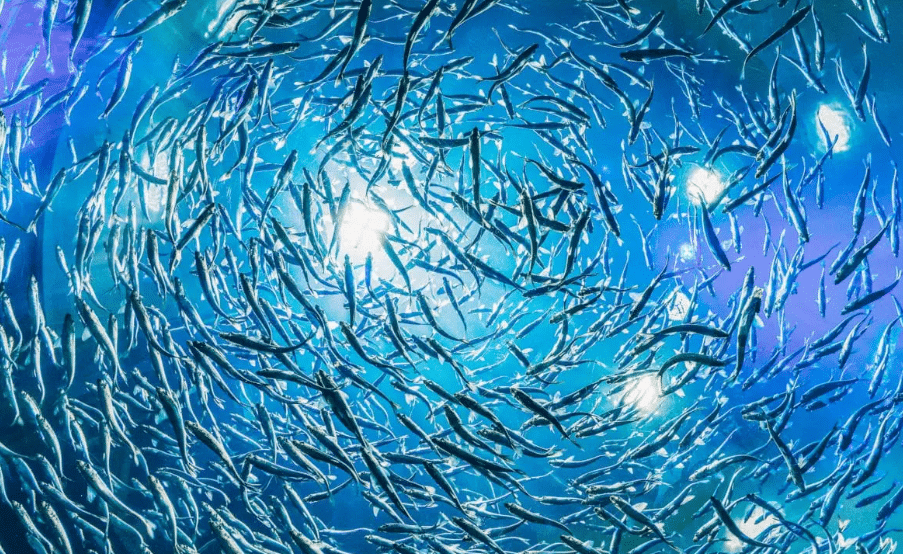
Global conservation is leaving rivers, lakes, and streams behind, and freshwater species are paying the price. Aquatic ecosystems remain the most overlooked in international biodiversity strategies, which still prioritize forests, oceans, and charismatic wildlife over the rich but fragile life in inland waters. Researchers warn that this neglect undermines climate resilience, food security, and access to clean water for communities that depend on these ecosystems.
The article urges governments and institutions to integrate freshwater biodiversity into global frameworks, expand the range of species and habitats represented in protected areas, and align funding with the real risks facing river, lake,e and stream life. Without urgent action, they caution, some of the planet’s most threatened ecosystems will continue to be sidelined in conservation decisions.
9. BOEM’s Massive Gulf Lease Bonanza Ignites America’s Next Energy Boom!
Gulf of America –The Bureau of Ocean Energy Management (BOEM) just unleashed the Final Notice of Sale for Lease Sale Big Beautiful Gulf 2 (BBG2), the second of 30 massive Gulf of America auctions mandated by the One Big Beautiful Bill Act. Acting Director Matt Giacona hailed it as a pivotal move to supercharge offshore oil and gas, building on BBG1’s blockbuster industry turnout and fueling U.S. energy independence under Executive Order 14154.
Up for grabs: 15,066 unleased blocks spanning 80.4 million acres, from 3 to 231 miles offshore in depths up to 11,100 feet—tapping into an estimated 29.59 billion barrels of oil and 54.84 trillion cubic feet of natural gas. Bids open live on March 11, 2026, promising billions in revenue for the Treasury, states, jobs, infrastructure, and coastal protection, while avoiding sensitive zones such as marine sanctuaries.

10. BNI’s Mangrove Miracle in Banyuwangi Turns Barren Shores into Green Goldmines!
Banyuwangi, Indonesia – Bank Negara Indonesia (BNI) is seeing strong results from its mangrove rehabilitation efforts in Banyuwangi, transforming battered coastlines into thriving ecosystems and economic lifelines. Launched in August 2024, the Teluk Pangpang Mangrove Forest Regeneration Program has planted and nurtured mangroves in degraded areas affected by coastal erosion, shrimp pond conversion, and illegal logging.
Local communities, including the Baret Pokmaswas group, women, and youth, lead seeding, planting, and maintenance efforts, fostering ownership and sustainability through hands-on training in conservation and eco-tourism management. The initiative reduces beach erosion, improves water quality, restores habitats for crabs, fish, and migratory birds, and sequesters carbon to combat climate change—all while aligning with SDGs 13, 14, and 15. BNI amplifies community income through mangrove nursery businesses, eduwisata development, and infrastructure upgrades such as clean water and tourist facilities, embodying a “creating shared value” model for long-term coastal resilience.

11. Perspective – Ocean Sustainability Dreams Drown in 2026’s Geopolitical Storm!
Stockholm, Sweden – The Stockholm Environment Institute warns that 2026 will bring a perfect storm for ocean conservation as sustainability goals collide with geopolitical tensions. Hotspots like the South China Sea and Arctic see marine protected areas and wind farms overlap with resource disputes, territorial claims, and subsea cables. Rising powers battle over seabed minerals, fishing rights, and sea lanes, while vulnerable nations push UN Ocean Decade targets amid fraying trust.
Authorities juggle green energy expansion with naval patrols and surveillance, fortifying economic zones against rivals. The piece urges hybrid diplomacy that merges environmental treaties with security talks, along with data sharing on illegal fishing and climate threats, to foster cooperation. Without it, ocean health and global stability teeter dangerously.
12. Newfoundland and Labrador Abruptly Axe Massive Marine Park Plan—Fishermen Cheer, Locals Fume!
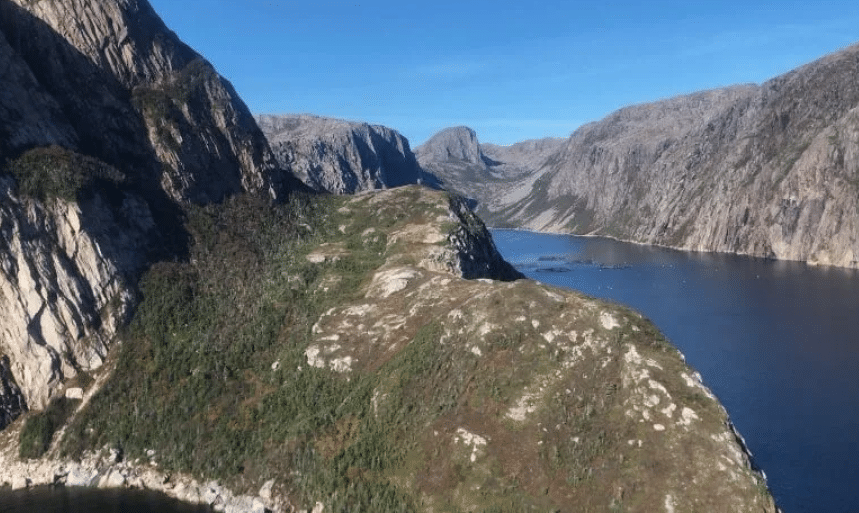
St. John’s, Canada – Newfoundland and Labrador’s new Progressive Conservative government slammed the brakes on a proposed National Marine Conservation Area off its south coast, scrapping a 2023 MOU with Ottawa, Miawpukek First Nation, Qalipu First Nation, and Burgeo. Environment Minister Chris Tibbs cited threats to fishing, aquaculture, and mining as the deal-breaker, vowing to protect paychecks over federal conservation dreams spanning 6,500 sq km of fjords near Sandbanks Provincial Park.
Fish harvesters and industry groups hailed the move as a lifeline for small-boat fisheries such as high-value scallops, while Burgeo’s mayor blasted the “murky” process and the loss of tourism potential. First Nations leaders lamented stalled talks but hope for an industry-conservation compromise. Tibbs insists the province welcomes eco-protection—just not at workers’ expense.
13. Scientists Crack the Code on Supercharged Seagrass Comebacks in Malaysia!
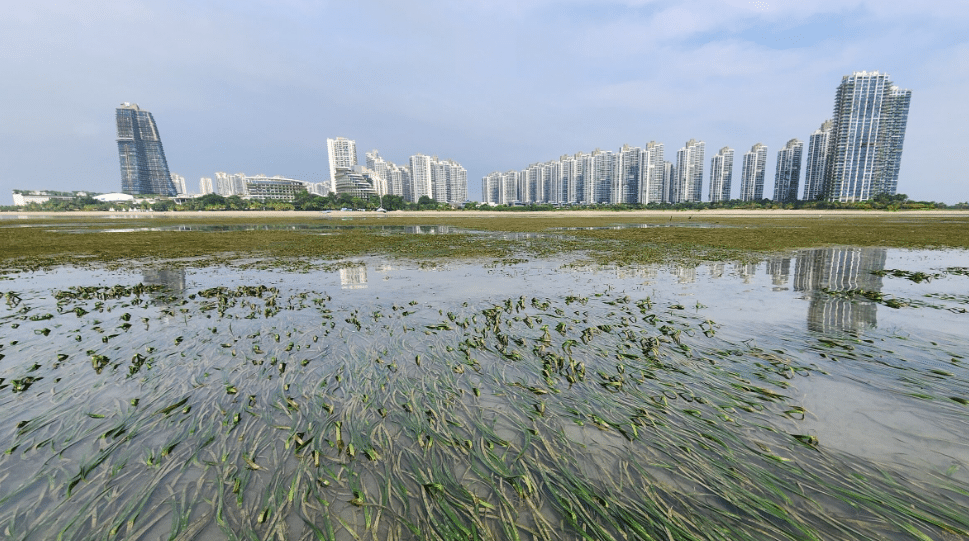
Johor Bahru, Malaysia – A decade-long restoration experiment in southern Malaysia has shown that mixing multiple seagrass species can turbocharge the recovery of degraded coastal meadows. Researchers planted more than 8,500 seedlings using a strategic sequence: first larger, hardier species to stabilize sediments, then smaller, fast-spreading ones to fill in gaps. The result was a standout 66% seedling survival rate in some plots, far higher than many past efforts.
The recovering meadow now hosts 13 of Malaysia’s 17 known seagrass species, including one never before recorded in the country, and supports more than 100 invertebrate species, signaling a broader biodiversity boom. Scientists say the project shows that heavily damaged seagrass beds can recover if restoration mimics natural community structure and local conditions. They urge regulators to add seagrass to impact-mitigation rules, alongside coral reefs and mangroves, to protect these blue-carbon powerhouses.
14. Colorado’s Tiny Plastic Menace? Bill Aims to Stop Nurdle Spills Before They Ruin Rivers!
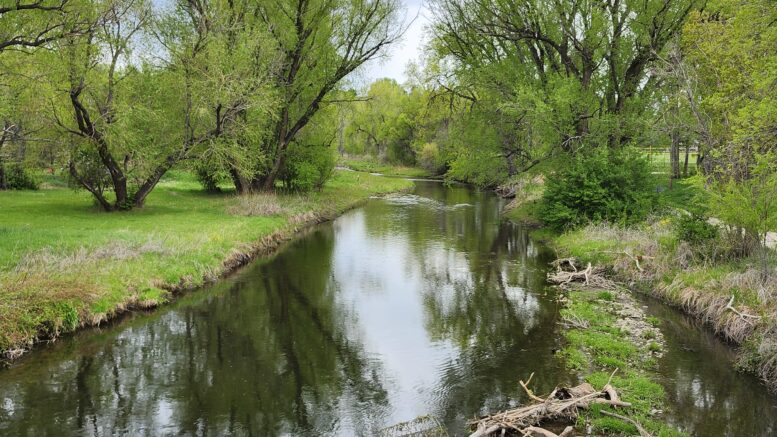
Denver, United States – Senate Bill 16 kicks off Colorado’s 2026 environmental debates by banning plastic pellet discharges into waters and storm drains, sparking fierce pushback from industry over costs and jobs. Sponsored by Sens. Lisa Cutter and Katie Wallace, the measure targets “nurdles”—tiny pre-production plastics used to make toys, bottles, and electronics—that escape factories and trucks, becoming persistent microplastics that are deadly to fish, birds, and the food chain.
Plastics groups favor voluntary Operation Clean Sweep pledges over misdemeanor fines of up to $25,000, warning that such fines could scare manufacturers away and harm recycling. Advocates counter that proactive bans prevent cleanup nightmares from the 230,000 metric tons spilled globally each year globally, protecting Colorado’s waters upstream.
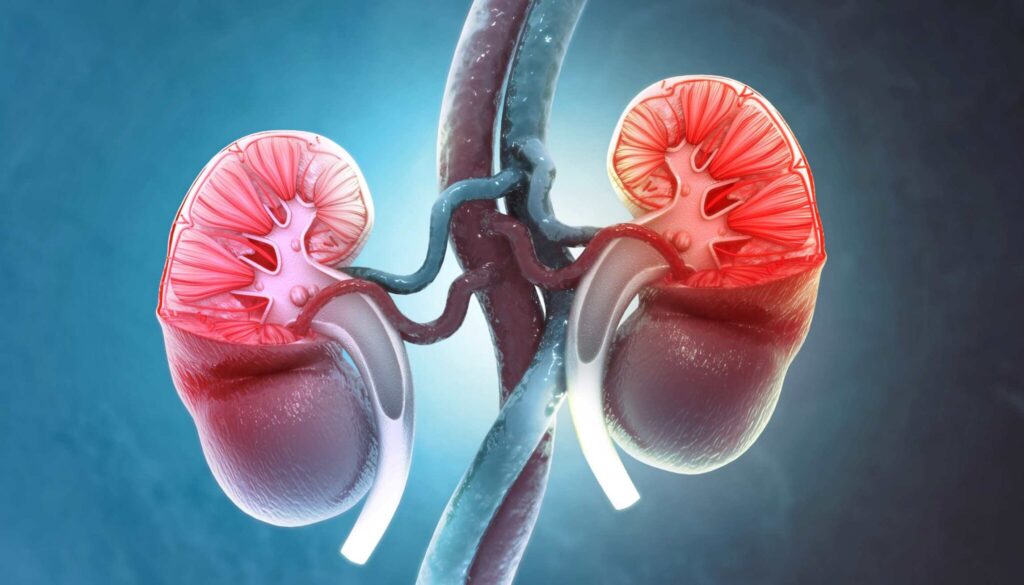
15. Nanoplastics Invade Kidneys—Your Tiny Plastic Nightmare Just Got Real!
Adelaide, Australia – Flinders University researchers exposed kidney cells to nanoplastics derived from everyday polymers such as polystyrene, polyethylene, and PMMA, revealing alarming dose-dependent damage. Low concentrations showed minimal short-term harm, but higher “burdens” triggered drastic changes in cell shape, survival rates, and regulatory functions—effects varying by particle size, polymer type, and exposure level. PhD candidate Hayden Gillings warns that sustained accumulation could impair filtration, trigger inflammation, and enable the buildup of plastics in renal tissue, worsening chronic kidney disease amid rising global plastic pollution.
The lab study, published in Cell Biology and Toxicology, calls for long-term in vivo research on DNA damage, chronic toxicity, and real-world additive chemicals to understand the full human health risks.
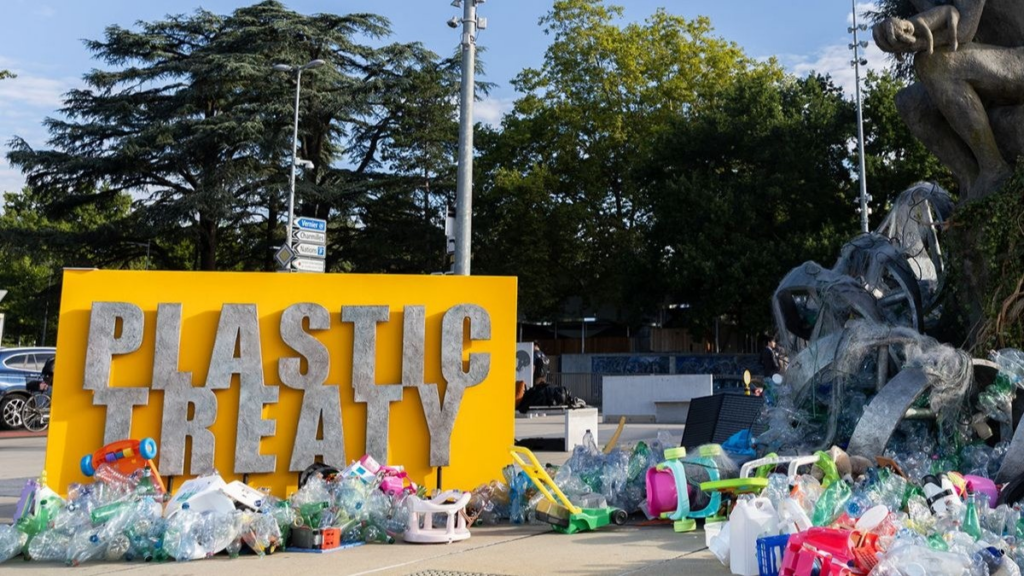
16. Global Plastics Treaty Talks Hit Crisis Mode—Can INC-5.3 Save the Day?
Winnipeg, Canada – INC-5.3—the third segment of the fifth Intergovernmental Negotiating Committee session—looms as a make-or-break moment for the global plastics treaty on February 7, 2026, in Geneva, electing a new chair after the last one’s resignation amid deadlock. High Ambition Coalition nations demand production caps, binding chemical controls, and life-cycle measures, while producer countries stick to waste management without upstream limits.
The heavy presence of fossil fuel lobbyists at prior sessions fueled accusations of influence, with over 100 nations backing polymer reduction. This emergency one-day procedural session aims solely to appoint leadership for future substantive talks to meet UNEA ambitions before plastic pollution spirals further. Without unified direction, experts warn the landmark treaty risks indefinite delay despite scientific urgency.
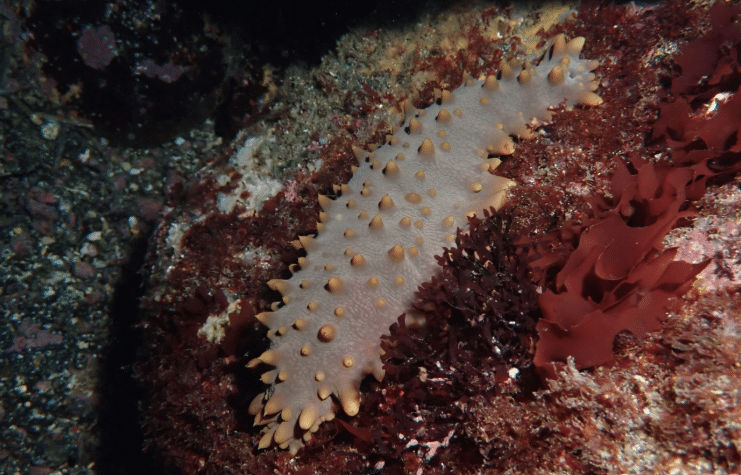
17. Sea Cucumbers Unlock Nanoplastics Mystery in Groundbreaking Marine Data!
A landmark dataset published in Nature’s Scientific Data reveals how sea cucumbers interact with nanoplastics in marine environments, offering unprecedented insights into the dynamics of deep-sea plastic pollution. Researchers detail bioaccumulation patterns, microbial degradation processes, and ecosystem impacts as these deposit feeders ingest tiny plastic particles alongside marine snow, potentially accelerating pollutant breakdown or spreading contamination through food webs.
The comprehensive resource includes imaging, toxicity metrics, and microbial community profiles from controlled exposures, showing that sea cucumbers’ gut microbiomes partially degrade plastic-sorbed hydrocarbons such as phenanthrene. This dual role—as both natural recyclers and unwitting vectors—highlights urgent needs for expanded monitoring of benthic plastic sinks and their cascading effects on ocean health.
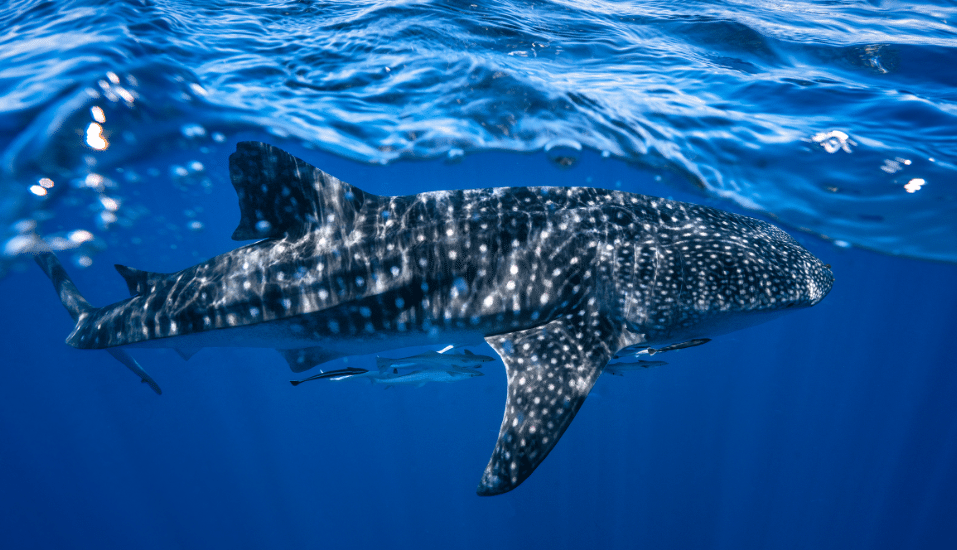
18. Indian Fishers Sacrifice Nets to Save Giant Whale Sharks—Heartwarming Sea Turnaround!
Thiruvananthapuram, India – Once hunted ruthlessly for oil and meat along India’s western Arabian Sea coast, whale sharks now find salvation as fishers cut their nets to free the endangered giants. Since 2001, the Wildlife Trust of India (WTI) has trained communities from Gujarat to Lakshadweep in safe disentanglement, compensating 25,000 rupees ($276) per damaged net—leading to over 1,000 successful rescues. Spiritual leader Morari Bapu’s renaming them Vhali (“beloved one”) sparked a cultural shift, amplified by street plays, school drives, and India’s 2001 Schedule-I tiger-level protections.
In Kerala, volunteers like Ajit Shanghumukhom have freed 50 sharks in seven years, turning small-scale fishers into rapid-response guardians despite the risk of lost income. Experts praise the model but urge better compensation covering fuel, time, and full net costs, plus insurance and livelihood incentives to sustain this community-led lifeline for the world’s largest fish amid climate threats and habitat loss.
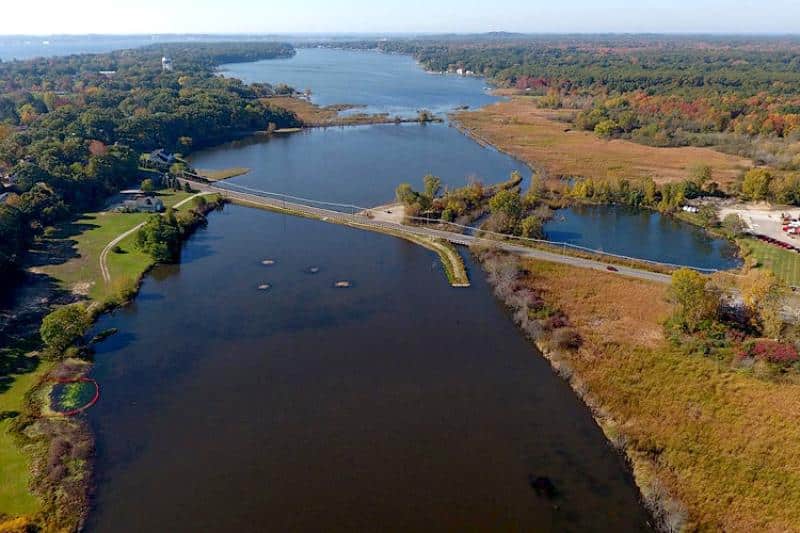
19. Muskegon Lake’s Epic Comeback—Scrubbed from Great Lakes Toxic List!
Muskegon, United States – After four decades as one of the Great Lakes’ most polluted hotspots, Muskegon Lake earned delisting from the EPA’s Areas of Concern roster in September 2025, celebrating a stunning environmental turnaround. NOAA Fisheries poured over $36 million from the Great Lakes Restoration Initiative into the $80 million cleanup, restoring 134 acres of wetlands and offshore habitat, 7,000 feet of shoreline, while hauling out 347,350 tons of debris and 190,000 tons of contaminated soil.
Projects revived walleye, salmon, bass, and threatened lake sturgeon spawning grounds at sites like Veterans Memorial Park, Bear Lake Creek, and the former Amoco refinery. Tourism surged by 500,000 annual visits, generating $28 million in recreational value, demonstrating restoration’s massive economic payoff through cleaner water and thriving fisheries. The community-led Muskegon Lake Watershed Partnership credits NOAA’s science-driven strategy for turning skepticism into success, setting a blueprint for delisting the region’s 24 remaining impaired waters.

20. Indigenous Pacific Leaders Unite at Waitangi for Ocean Lifeline!
Waitangi, New Zealand – Over 20 Indigenous leaders from Canada, Australia, Hawai’i, Niue, Rapa Nui, Cook Islands and Māori iwi converged at Waitangi Treaty Grounds for the Taiātea: Gathering of the Oceans forum, forging unified calls to protect Te Moana Nui a Kiwa amid climate threats. The February 4 public event blended traditional knowledge with marine science, emphasizing the Pacific Ocean as a living ancestor that demands intergenerational guardianship through rāhui, customary management, and regional cooperation.
Hawaiian elder Uncle Sol Kaho’ohalahala linked Waitangi’s treaty legacy to modern ocean stewardship, urging Pacific whānau to preserve ancestral pacts for unborn generations. Cook Islands advocate Louisa Castledine championed the reclaiming of moana as family, while Wuikinuxv Nation’s Danielle Shaw highlighted salmon-ocean parallels that bind distant communities through shared resilience. The ten-day wānanga continues in Tūwharetoa and Whanganui for case studies, amplifying Indigenous voices, as 2019 research shows that their lands often outperform national parks in biodiversity protection.