

1. Shark Superhighways Exposed: The Secret Map That Could Save Our Ocean Predators
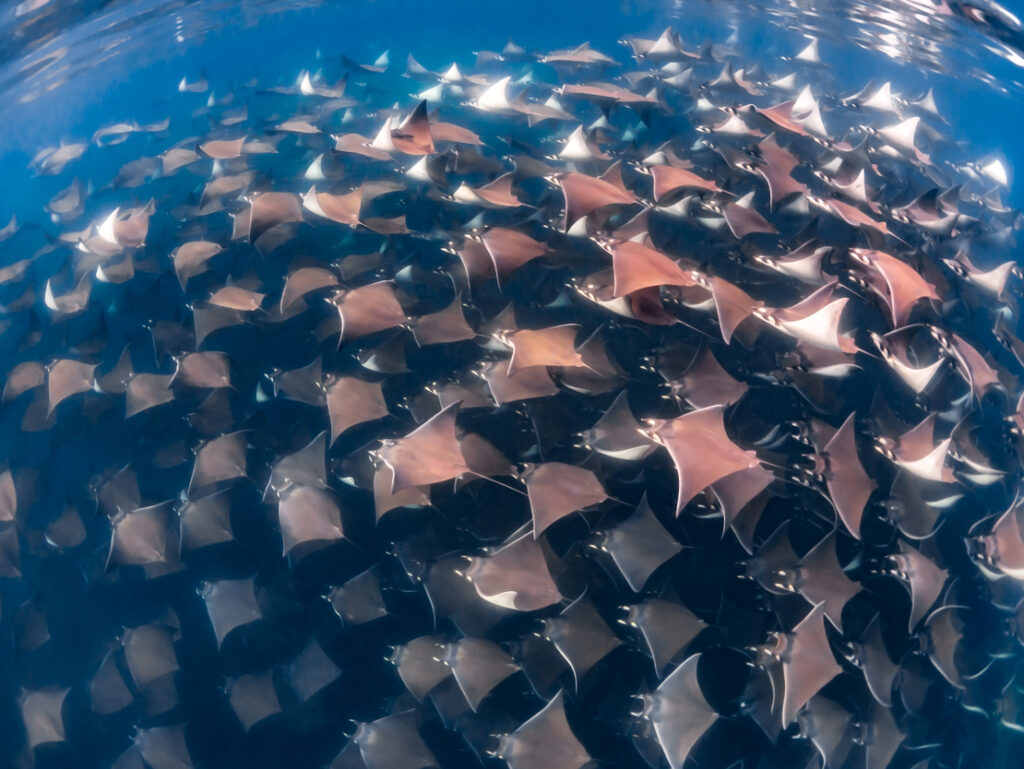
A sweeping new global analysis from the International Union for Conservation of Nature (IUCN) maps more than 750 “Important Shark and Ray Areas” (ISRAs) across 70% of the world’s oceans, revealing the migratory superhighways, nurseries, and feeding hotspots that keep these threatened predators alive. Drawing on contributions from over 1,330 scientists in more than 100 countries, the Ocean Travellers report pinpoints reproductive grounds, coastal corridors, offshore seamounts, and high-seas refuges critical to sharks and rays, which are now the second-most-threatened group of vertebrates on Earth, with over one-third of species at risk.
While ISRAs themselves carry no legal protection, IUCN says they offer a standardized scientific blueprint to guide marine spatial planning, fisheries rules, climate-resilient conservation, and delivery of global biodiversity and UN migratory species commitments. The next phase of the initiative will strengthen transboundary collaboration and apply ISRA insights in emerging governance processes such as the new High Seas BBNJ Agreement.
2. Immortal Shark Eyes: Scientists Just Unlocked How the World’s Oldest Predator Sees in Near-Total Darkness
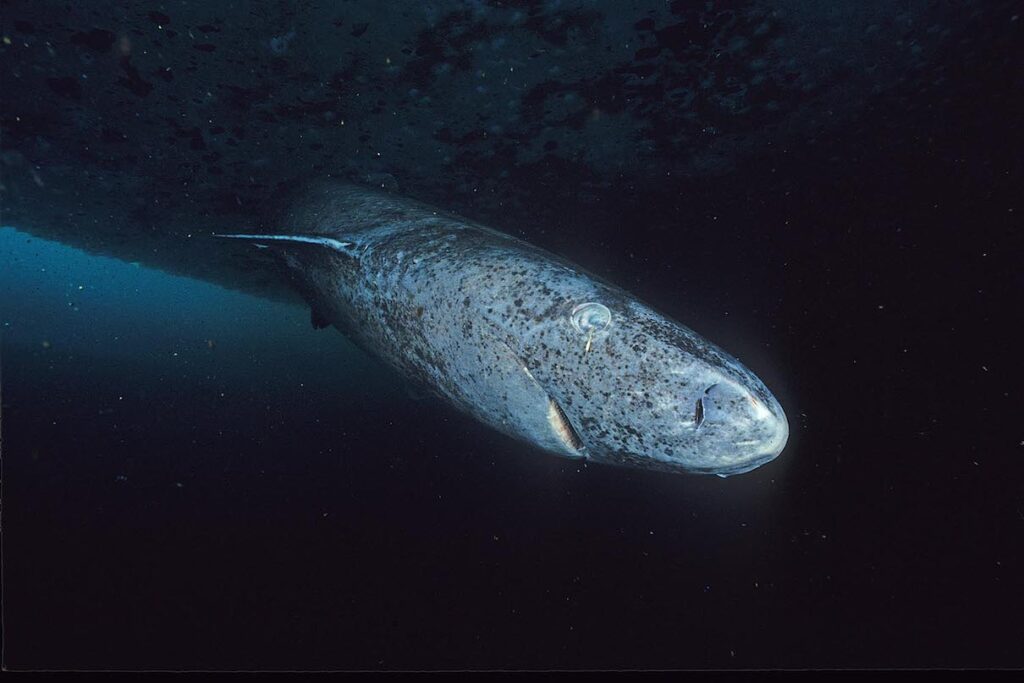
Copenhagen, Denmark – Scientists studying the Greenland shark, a deep-sea predator believed to live for several centuries and potentially approaching 400–500 years, have uncovered how this ultra‑long‑lived giant can still see in the inky Arctic depths. In a new Nature Communications study, researchers show that the shark’s visual system is highly specialised for cold, dim waters, combining photoreceptors tuned to low light with neural processing adapted to sparse, blue‑shifted illumination.
By analysing eye anatomy and molecular features, the team reveals how its retina and visual pigments prioritise sensitivity over sharp detail, enabling slow but effective navigation and prey detection even in daylight that barely penetrates. The findings challenge the assumption that extreme longevity and sluggish metabolism are associated with poor vision, instead pointing to a finely honed system built for darkness and offering fresh insight into how vertebrate sight evolves in deep-sea and polar environments.
Thank you for your generous gift that will help us continue the production of this weekly, free publication
3. Great White Collapse: Scientists Sound Alarm as South Africa’s Ocean Superstar Faces Local Extinction
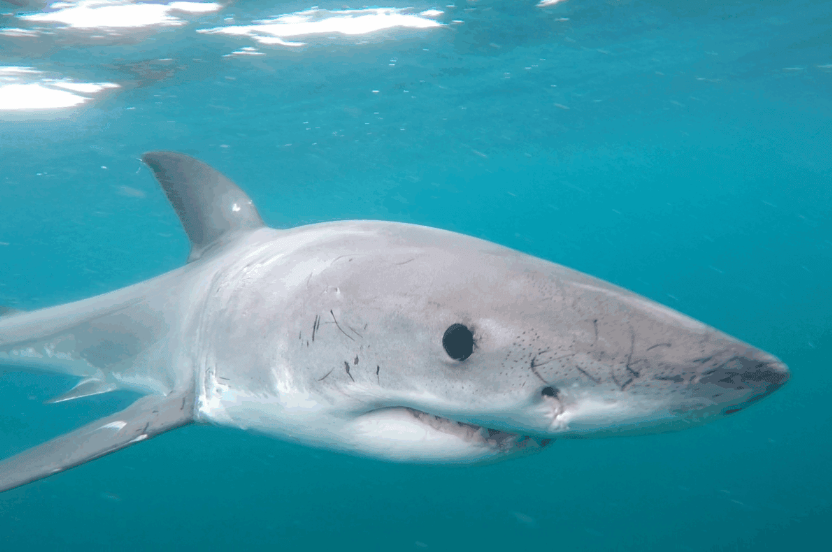
Cape Town, South Africa – Once hailed as a global hotspot for great white sharks, South Africa’s Western Cape has seen its iconic apex predators all but vanish from main aggregation sites since 2018, alarming researchers who warn the population may be collapsing. Great whites now number an estimated 500 to 1,000 individuals, and human-caused deaths alone may remove 5% to 10% of the entire population each year, an unsustainable toll for a slow‑reproducing species.
Lethal beach‑safety programs run by the KwaZulu‑Natal Sharks Board kill about 28 great whites annually, while longline fisheries add further bycatch mortality. Orca predation and possible shifts in shark distribution play a role, but scientists say human pressure is the dominant driver. Despite South Africa’s early legal protection of great whites and their estimated $240 million in tourism and conservation value, experts now urge the government to urgently cut human‑caused mortality to avoid local extinction.

4. Aquaculture Showdown: How Ottawa’s Salmon Policies Are Forcing Canadians to ‘Buy Canadian’ From Chile and Norway
Vancouver, Canada – As Prime Minister Mark Carney tours Europe and China, urging the world to ‘Buy Canadian’, salmon farmers say federal aquaculture policies are driving Canadians toward foreign fish instead of homegrown seafood.
A new Canadian Aquaculture Industry Alliance report finds British Columbia’s farmed salmon output has fallen more than 40% since 2015, even as salmon imports have more than doubled to about $700 million a year, eroding food security and sovereignty. Industry leaders argue that activist-driven decisions to phase out open‑net pen salmon farming in B.C. have chilled investment and weakened a sector that generated a $6 billion economic footprint, 18,074 full‑time jobs, and $1.36 billion in primary revenues in 2024.
They warn Canada risks sidelining itself in a global aquaculture market projected to jump from US$311.1 billion in 2023 to US$573.7 billion by 2035 unless Ottawa resets policy.
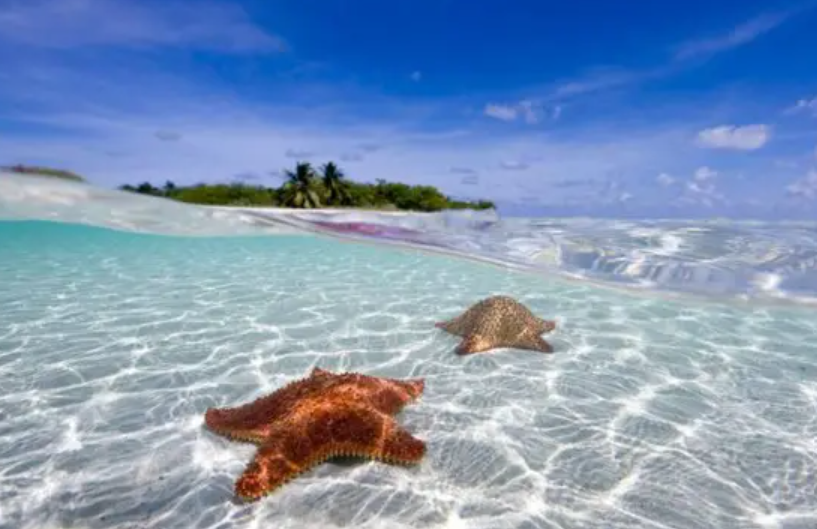
5. Caribbean Sea’s Hidden Depths: New Mission Will Reveal an Underwater World We’ve Never Seen
A new project will map large parts of the Caribbean Sea for the first time, revealing what lies on the seafloor in areas that have never been charted in detail. The work is part of the UK government’s Blue Belt programme, which supports marine conservation and better protection of the ocean around UK Overseas Territories. Scientists will use advanced sonar technology from research vessels to create detailed 3D maps, helping them understand underwater mountains, trenches, and marine life habitats.
The data will make it easier to plan marine protected areas, manage fishing, and protect threatened species. It will also improve navigation safety, since many existing charts are old or incomplete. For young viewers, the project shows how ocean science can help protect the planet while uncovering brand‑new underwater landscapes.

6. Plastic Recycling Fail: California’s ‘Green’ Reputation Crumbles as Most Packaging Ends Up in the Trash
California, long seen as a recycling leader, is facing stark numbers showing that most plastic packaging in the state is barely being recycled at all. A new CalRecycle analysis finds common items like yogurt tubs and takeout trays made from polypropylene (#5) have a recycling rate of just 2%, while coloured shampoo and detergent bottles are only at 5%, and even “highly recyclable” clear polyethylene bottles reach just 16%.
No plastic category exceeds 23%, despite Californians generating 2.9 million tons and 171.4 billion single‑use plastic items in 2023. At the same time, regulators have withdrawn draft rules to implement SB 54, the state’s landmark plastics law, after criticism that exemptions for food and agricultural packaging and openness to chemical recycling would undermine its goals. Supporters now fear delays could further stall real progress.
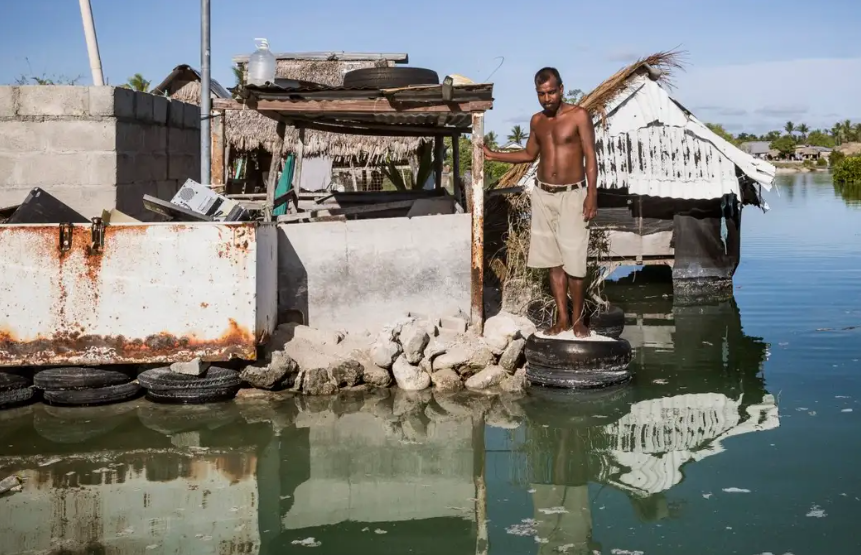
7. Drowning Paradise: Pacific Islanders Battle Climate Catastrophe to Save Vanishing Homes?
A powerful New Scientist feature follows Pacific Islanders on the front lines of climate change as they race to save low‑lying homelands from disappearing beneath rising seas. Small nations like Tuvalu, Kiribati, Fiji, and Samoa contribute less than 1% of global emissions, yet face sea-level rise roughly twice the global average, with many islands just 1 to 2 metres above sea level and most people and infrastructure crowded near the coast.
Coastal erosion, repeated flooding, and saltwater intrusion are wiping out homes, crops, and drinking water, pushing some entire villages to relocate inland or to higher ground, while others resist leaving ancestral lands. Intensifying cyclones, dying coral reefs, shifting fish stocks, and expanding mosquito‑borne disease further deepen the crisis, turning climate migration from a future threat into a present reality across the Pacific.
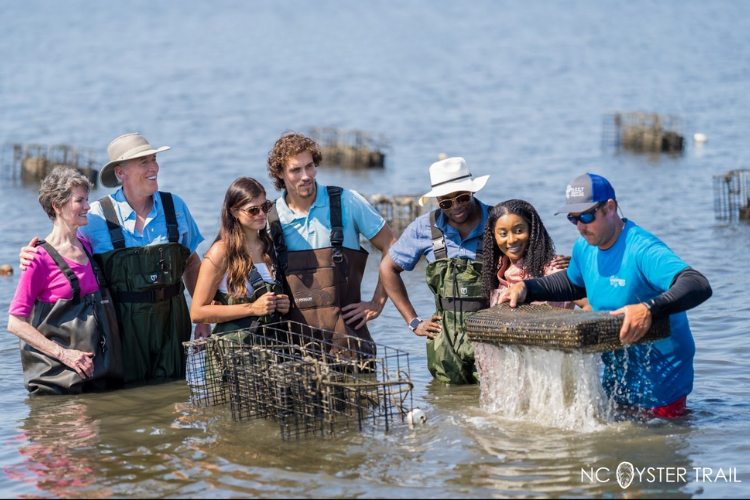
8. Farm-to-Fork Revolution: NOAA Grants Unleash Hands-On Aquaculture Lessons Nationwide
NOAA Fisheries-backed grants have powered nine community education projects across America to demystify farmed seafood, showing students, chefs, and coastal residents how aquaculture bolsters food security, jobs, and ocean health. The eeBLUE Aquaculture Literacy Mini-Grants, completed in July 2025, paired farms, NOAA experts, and learning centers for farm tours, podcasts, cooking demos, and exhibits despite hurricane delays in some areas.
Florida’s Tampa Bay Watch created an interactive exhibit on conservation aquaculture, expected to reach 40,000 visitors annually, while North Carolina’s Oyster Trail brought grower stories and workshops to 3,000 people across 15 events. South Carolina teens learned about the benefits of oyster farming for water quality through shucking events and farm visits, and Washington state’s “Merroir Wheel” grew from 4 to 24 events, even helping a high school culinary team win competitions with farmed sablefish. These efforts bridge producers and the public while supporting sustainable U.S. seafood communities.
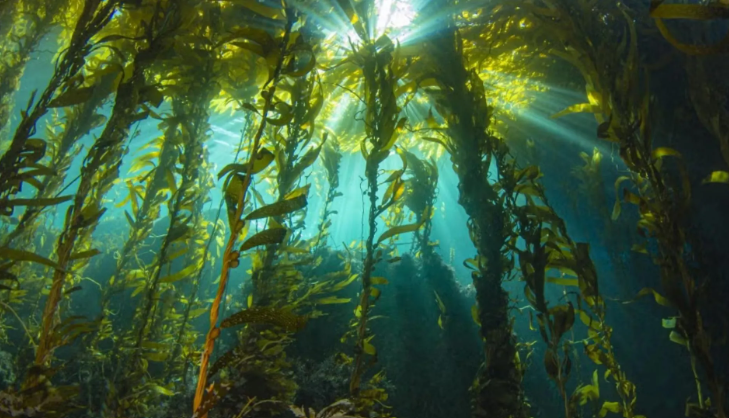
9. Ocean Blackouts: Invisible Darkwaves Are Silently Killing Kelp Forests and Seagrass
Scientists have identified “marine darkwaves,” sudden episodes of underwater darkness lasting days to months that threaten light-dependent coastal ecosystems worldwide. Triggered by storms, sediment runoff, algae blooms, and murky water, these events can slash seafloor light to near zero, disrupting photosynthesis in kelp forests, seagrass meadows, and corals. Researchers developed the first global framework to measure and compare darkwaves using 16 years of Santa Barbara data, 10 years of New Zealand’s Hauraki Gulf data, and 21 years of satellite observations along New Zealand’s East Cape, identifying 25 to 80 events since 2002.
Brief but intense, darkwaves rival chronic light decline as an ecological threat, altering fish behavior and marine mammal patterns while compounding pressures from heatwaves and acidification. The new system helps managers track acute ocean stress alongside established marine heatwave monitoring.

10. Coke’s Plastic Explosion: 8 Billion Pounds of Bottles Flood Planet as Green Promises Fizzle
Coca-Cola’s plastic packaging use has surged 21% since 2019 to 7.95 billion pounds in 2024, making it the world’s top branded plastic polluter amid weak recycling goals and abandoned reuse targets. Environmental groups project that by 2030, up to 602,000 metric tons of the company’s plastic could pollute oceans each year—equivalent to 18 million blue whale stomachs—while cumulative waste from 2024-2030 may reach 3.61 million tons.
Despite claims of 28% recycled content in primary packaging, virgin plastic weight climbed to 2.94 million metric tons last year after a brief dip. Critics slam the firm’s pivot to 30-35% recycled plastic and 70-75% collection targets by 2035, calling them greenwashing that ignores refill systems while production balloons. Oceana says 25% reusables by 2030 could cut plastic use 15% and “bend the curve” below current levels.
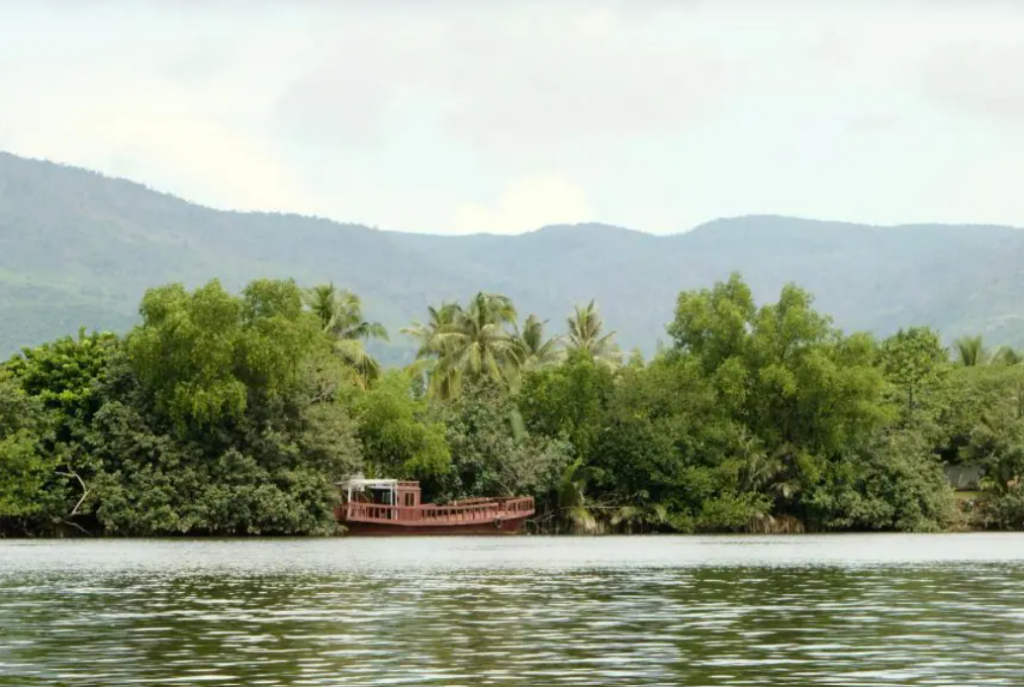
11. Regenerate While You Relax: Kep Resort Makes Guests Part of Cambodia’s Ocean Revival
Kep, Cambodia – Knai Bang Chatt by Kep West has launched “The Regenerative Stay,” inviting guests to become active contributors to Cambodia’s coastal renewal through hands-on environmental projects. The beachfront resort’s new initiative transforms luxury travel into tangible regeneration, where every booking directly supports marine conservation and community restoration efforts along the Gulf of Thailand.
Guests participate in curated experiences designed to heal the local ecosystem while enjoying the property’s serene accommodations and wellness offerings. This pioneering program positions the resort as a leader in regenerative tourism, blending high-end hospitality with meaningful environmental impact in one of Cambodia’s prime coastal destinations.
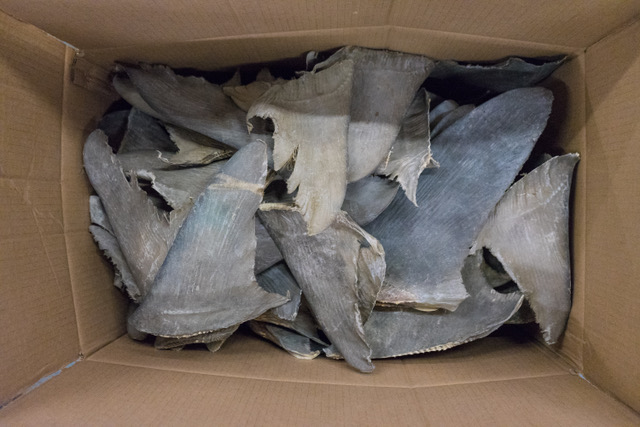
12. Shark Fin Scandal: Global Bans Mocked as Illegal Trade Thrives Nearly 10 Years Later
Silver Spring, United States – A new global study reveals that the illegal shark fin trade persists nearly a decade after international CITES protections took effect for five threatened species, with Hong Kong remaining a major hub despite minimal official reporting. Researchers found fins from four of the five protected species – including scalloped hammerhead, smooth hammerhead, great hammerhead, and oceanic whitetip – consistently appearing in Hong Kong markets from 2015-2021, even as 81% of 90 shark fin-exporting nations reported zero trade in these species to CITES.
DNA analysis of scalloped hammerhead fins traced origins to regions with little or no reported exports, confirming substantial unreported and illegal commerce. The study highlights systemic failures in trade enforcement, urging stronger CITES compliance mechanisms as populations of these endangered sharks continue declining.

13. Mexico’s Plastic Challenge: Households Take Lead as City Steps Up Waste Reform
Mexico City, Mexico – A new Universidad del Valle de México (UVM) study reveals Mexicans view plastic reduction primarily as a household responsibility despite the country generating over 103,000 tons of waste daily. The research highlights a widespread perception that individual families—not government, industry, or businesses—bear the main burden for tackling plastic pollution through daily choices and waste management.
Researchers found citizens recognize the environmental problem but see solutions rooted in personal actions rather than systemic policy changes or corporate accountability. Meanwhile, Mexico City advances waste management improvements amid the growing crisis, where inadequate infrastructure leaves families shouldering what experts call a collective challenge. The study suggests grassroots awareness could spark broader behavioral shifts toward sustainable consumption if paired with supportive policies.

14. UK’s Ocean Betrayal: Protected Seas Invaded by New Oil Drilling Plans
London, United Kingdom – The United Kingdom is failing to meet its own nature restoration targets while advancing oil and gas exploration licenses that encroach directly on protected marine areas, environmental groups warn. New analysis reveals UK plans overlap with designated protected seas, undermining commitments to restore 30% of waters by 2030. North Sea licensing continues despite global calls to halt new fossil fuel projects, with production licenses covering significant portions of OSPAR-protected zones where marine biodiversity should take priority.
Critics highlight the contradiction between government rhetoric on ocean protection and actions that prioritize extraction over ecosystem recovery. The developments threaten marine habitats already under pressure from climate change, overfishing, and pollution at a time when decisive conservation action is urgently needed.
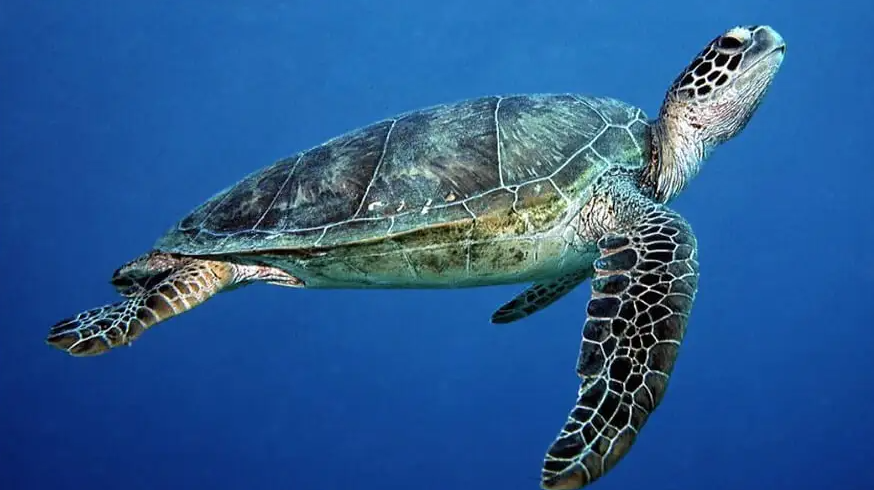
15. Fiji Turtle Trackers Reveal Juvenile Green Sea Turtles’ Growth Secrets
Suva, Fiji – Researchers measured somatic growth rates of 215 juvenile green sea turtles (Chelonia mydas) across three foraging sites in the Fijian Archipelago from 2015 to 2022, providing critical data on the development of this vulnerable species. The multi-year study tracked straight carapace length to reveal site-specific growth patterns, which are essential for population modeling and conservation planning.
Findings highlight environmental influences on juvenile growth during this formative life stage, when turtles aggregate in coastal foraging habitats before oceanic migration. These baseline growth metrics support habitat protection efforts and refine age-class estimation for Pacific green turtle populations facing ongoing threats from coastal development, fisheries bycatch, and climate impacts. The research underscores Fiji’s importance as a key developmental habitat for an IUCN-listed species.
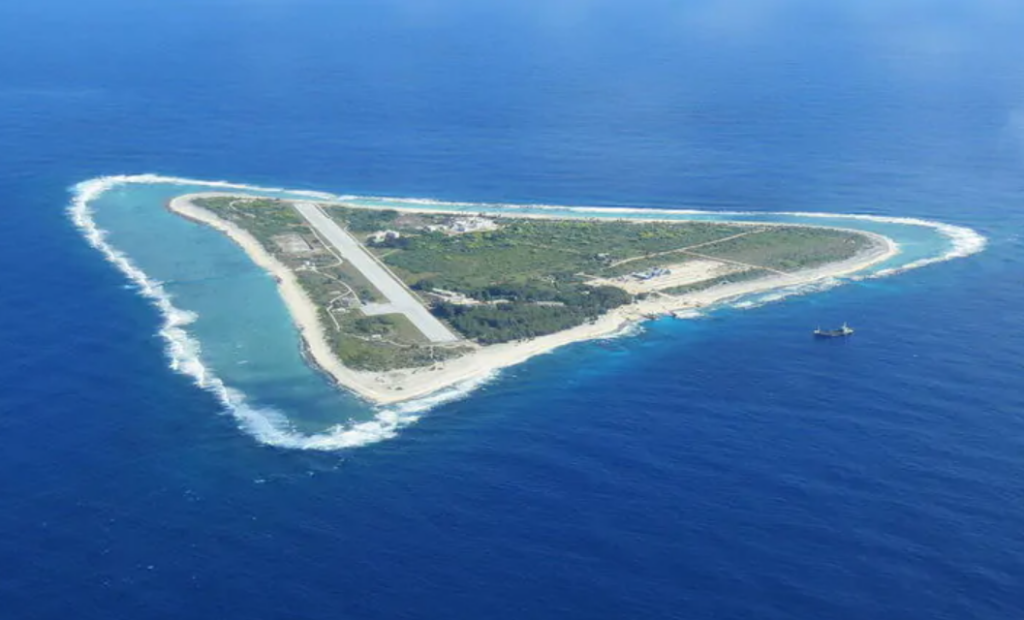
16. Japan Dives 6km Deep: World’s First Seabed Rare Earth Grab Begins
Shimizu, Japan – Japan’s research vessel Chikyu sailed on January 12 toward Minamitori Island, 1,900 km offshore, to launch the world’s first test extraction of rare earth elements from Pacific seabed mud over 6 km deep.
The 130-member crew will spend a month collecting REE-rich sediment, such as neodymium, dysprosium, and yttrium, from Japan’s territorial waters, with plans to begin permanent mining by February 2027 if successful. Tokyo has invested over $250 million since 2018 to secure the 16 million-tonne deposit—enough dysprosium alone to meet domestic demand for 730 years—after China’s January export restrictions revived 2010 supply fears.
The mud will be dewatered 80% at Minamitorishima port before mainland refining for EVs, wind turbines, electronics, and defense. Environmentalists warn that deep-sea mining threatens fragile marine ecosystems and the ocean’s role in carbon storage, joining 40 countries that favor moratoriums.
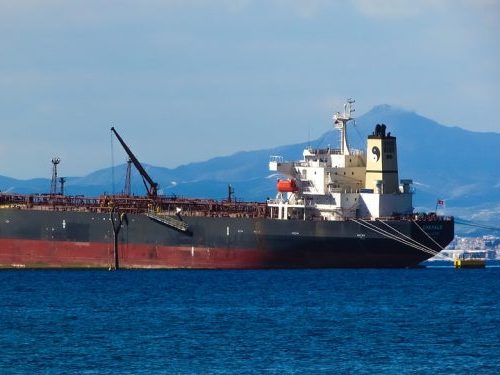
17. Coastal First Nations Pipeline Blockade: Coastal Leaders Tell Carney “No Deal”
Prince Rupert, Canada – Coastal First Nations leaders met with Prime Minister Mark Carney and doubled down on their fierce opposition to an Alberta-to-B.C. bitumen pipeline that would lift the northern coast oil tanker moratorium. Despite Carney’s commitment to seeking their free, prior, and informed consent for coastal projects, the alliance made clear that no amount of economic promises will sway their position, citing the catastrophic impact of a potential oil spill on their way of life, culture, and sustainable economy.
President Marilyn Slett emphasized partnership in marine conservation and the Oceans Protection Plan funding, while rejecting pipeline development; Vice President Gaagwiis (Jason Alsop) stressed coastal unpreparedness to address increased shipping risks from other resource projects.
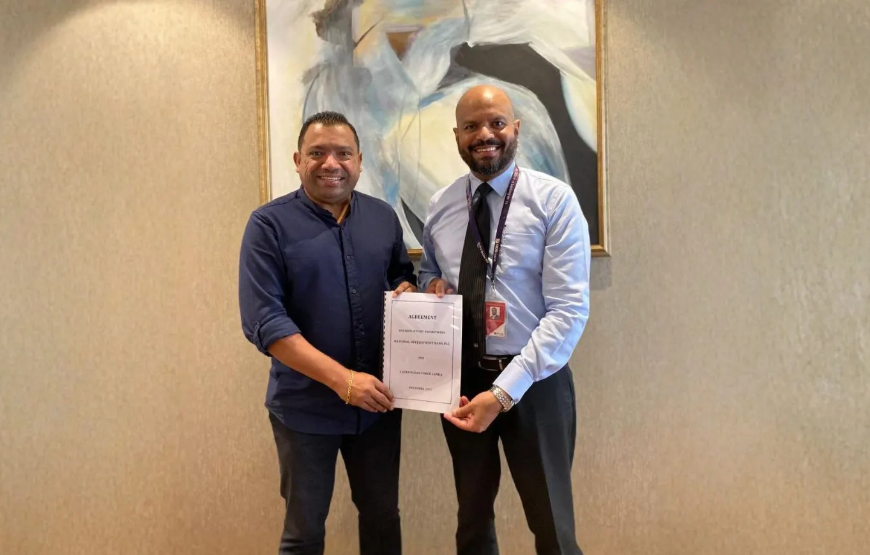
18. Sri Lankan Bank Dives Into Ocean Cleanup with Third Year Partnership
Colombo, Sri Lanka – NDB Bank has strengthened its commitment to coastal and marine conservation through a renewed partnership with Clean Ocean Force Lanka, marking the third consecutive year of collaboration. The agreement extends three vital environmental initiatives focused on protecting Sri Lanka’s beaches and marine ecosystems from plastic pollution. Guided by its sustainability mandate, NDB Bank continues to support hands-on conservation efforts that combine corporate responsibility with tangible ocean protection.
This long-term alliance underscores the bank’s leadership in environmental stewardship while addressing the growing threat of marine debris to Sri Lanka’s coastal biodiversity and tourism economy. The partnership demonstrates how financial institutions can drive meaningful ecological impact through sustained community engagement.
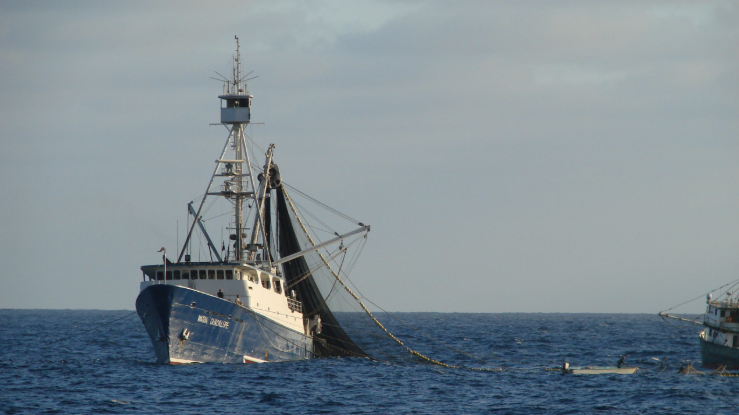
19. Fishermen as Ocean Alarms: Boat GPS Tracks Tuna Shifts During Heat Waves
A new Proceedings of the National Academy of Sciences (PNAS) study shows that fishing vessel tracking data can detect extreme northward and inshore shifts in the distribution of albacore and Pacific bluefin tuna during marine heat waves, outperforming sea surface temperature (SST) alone. Researchers analyzed 2010-2024 Vessel Monitoring System (VMS) data from U.S. West Coast tuna fisheries, positioning fishers as “apex predators” and ecosystem sentinels who respond rapidly to fish movements.
During the devastating 2014-2016 “Blob” heat wave, VMS accurately captured major tuna shifts, while correctly identifying no extreme movements during 2019 and 2023 events despite high SST—avoiding false positives that could trigger unnecessary management actions. The approach also flagged 2023’s reduced albacore catchability via landing receipts, enabling faster economic relief for fisheries facing social conflicts, infrastructure gaps, or overfishing risks from undetected ecological change.
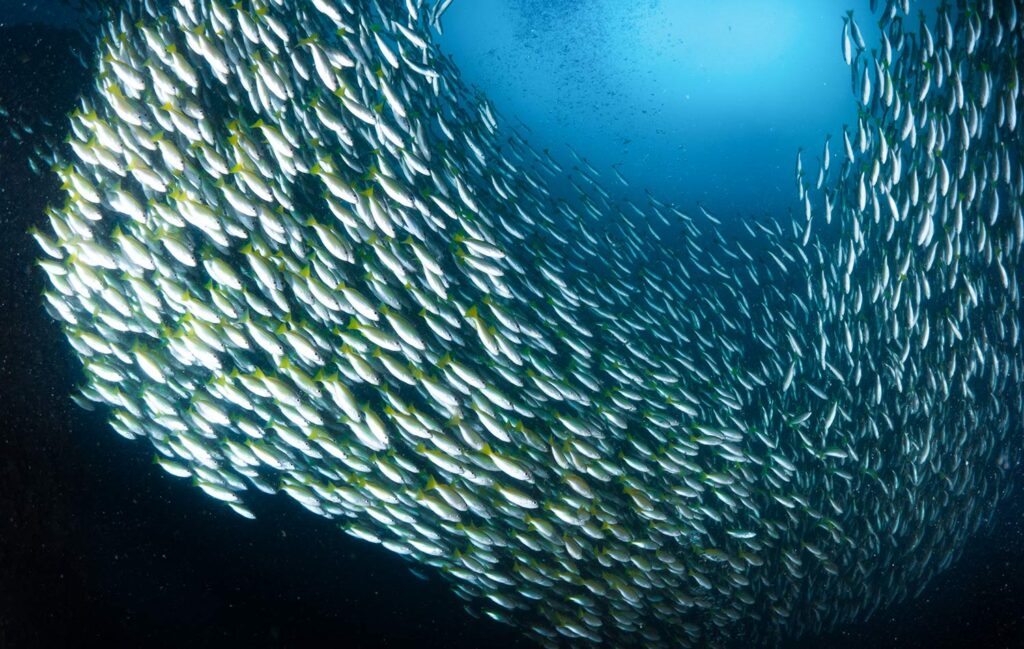
20. High Seas Victory: Global Ocean Treaty Finally Becomes International Law
The Agreement under the United Nations Convention on the Law of the Sea on the Conservation and Sustainable Use of Marine Biological Diversity of Areas Beyond National Jurisdiction (BBNJ Agreement) has officially entered into force, marking a historic moment for ocean protection and multilateral cooperation. Known widely as the High Seas Treaty, the legally binding instrument addresses marine biodiversity in areas beyond national jurisdiction—covering two-thirds of the global ocean.
The treaty establishes frameworks for marine protected areas, environmental impact assessments, capacity-building, and marine technology transfer to safeguard high-seas ecosystems from overexploitation, climate change, and emerging threats. Adopted in 2023 after two decades of negotiations, the BBNJ creates new governance mechanisms, including a Conference of the Parties and specialized committees to ensure effective implementation and equitable benefit-sharing from marine genetic resources.

21. Shura Council Poised to Unleash Wildlife Protection Power Grab!
Manama, Bahrain-based Shura Council prepares to vote Sunday on a pivotal draft law empowering the Supreme Council for Environment to swiftly update all protected-species schedules under the CITES trade law. The amendment targets Article 3 of Law No. 5 of 2021, expanding authority over Annexes 1, 2, and 3—beyond the current limit of Annex 3 alone—to add or delete species without cumbersome legislative delays.
This shift aligns Bahrain’s lists with rapid decisions of the CITES Conference of the Parties, avoiding slow constitutional processes that hinder the fulfillment of international obligations. The Public Utilities and Environment Committee endorsed the bill, citing Article 9 of the Constitution, which mandates wildlife preservation, while affirming that it bolsters biodiversity efforts and regional cooperation.