


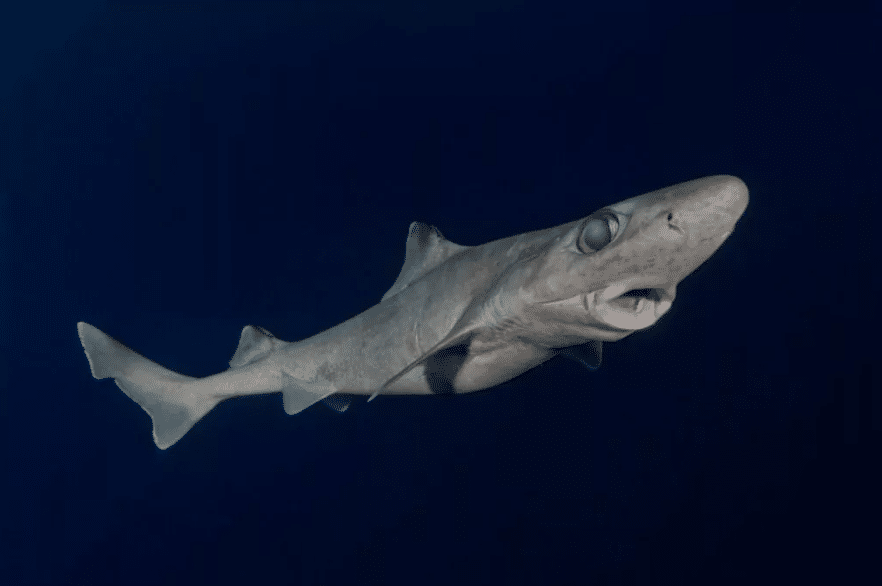
1. Global Movement Rallies to Shield 70+ Shark and Ray Species With Strict CITES Protections
London, United Kingdom — In a sweeping push for ocean conservation, over 50 governments have joined forces to propose new CITES protections for more than 70 shark and ray species. The coordinated action, unveiled by global officials and conservation groups ahead of the CITES CoP20 summit in November, would see iconic species, such as whale sharks, oceanic whitetip sharks, manta rays, and devil rays, elevated to Appendix I status—the highest possible under CITES, effectively banning most international trade.
The proposals respond to urgent warnings: more than 37% of all shark and ray species now face extinction risks, with pressures soaring for those targeted in the global wildlife trade. Backers include Panama, Ecuador, Brazil, Senegal, the EU, and the U.K. If passed, these measures would close legal loopholes, address unsustainable trade in fins and gill plates, and help halt the decline of species critical to healthy oceans.

2. Kim Jong-Un’s Secret Soup Obsession Outrages the World
North Korean leader Kim Jong-Un’s fascination with shark fin soup is stirring global controversy, intertwining culinary luxury with political symbolism. Once celebrated in East Asian high society, shark fin soup is now condemned for its environmental impact and the inhumane “finning” practices that devastate shark populations—some species have declined by more than 90%. Despite widespread food insecurity in North Korea, Kim and his inner circle enjoy this rare delicacy at lavish gatherings, signaling elite power and privilege.
The United States outlawed shark fin sales in 2022 with the Shark Fin Sales Elimination Act, reflecting mounting pressure from animal welfare groups. Chefs like Gordon Ramsay have publicly distanced themselves from the dish following investigative exposés. Accounts from defectors and insiders, such as chef Kenji Fujimoto, describe Kim’s extravagant insistence on luxury imports for family banquets, highlighting a sharp contrast between the regime’s opulence and the country’s persistent hunger.
Thank you for your generous gift that will help us continue the production of this weekly, free publication
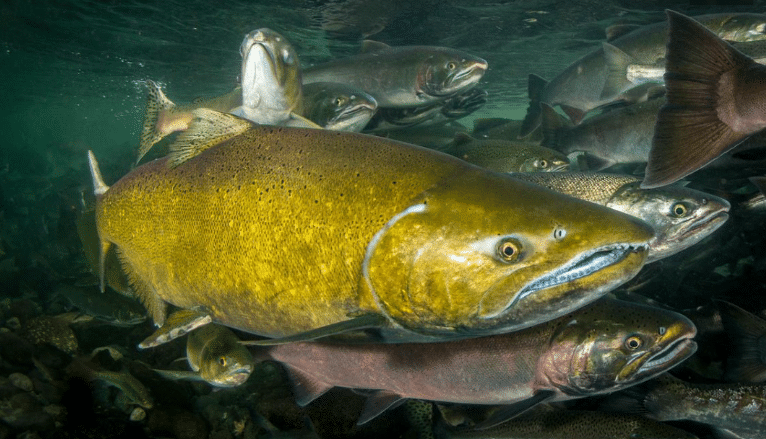
3. Industrial Trawling Threatens British Columbia’s Marine Ecosystem Amid Calls for Transparency
Victoria, Canada — In a revealing investigation, Mongabay reports that industrial trawling off British Columbia’s Pacific coast has ravaged marine habitats, with damage spanning an area larger than Ireland since 2009. Nine large trawlers are singled out for their sweeping impact, including at least 47 instances of encroaching on protected areas. These vessels track the migratory routes of Chinook salmon, a lifeline for endangered southern resident killer whales—heightening concerns over cascading ecological risks.
Industry leaders argue their practices are strictly regulated and monitored, while federal officials cite robust enforcement. Yet Pacific Wild’s analysis highlights persistent secrecy: Canada hasn’t released full trawling footprint data since 2016, monitoring is based on privately held electronic logs, and beneficial ownership of trawl licenses remains opaque. Environmental advocates demand urgent action for greater transparency and a pause on industrial bottom-trawling.
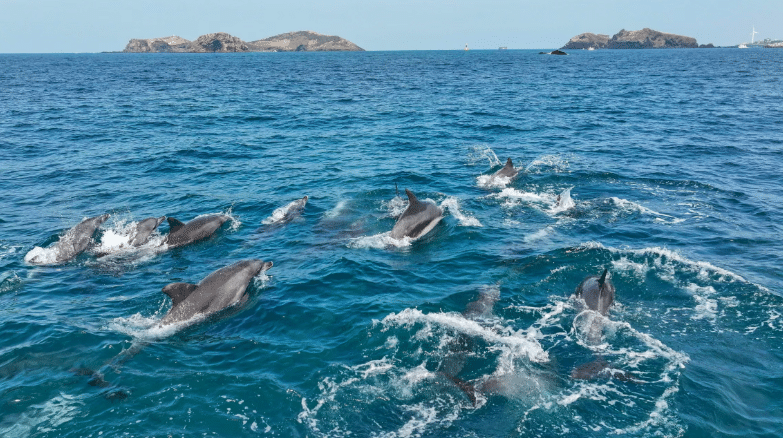
4. Korean Activists Launch Battle to Give Dolphins Human-Like Rights in Effort to Safeguard Their Future
JEJU ISLAND, South Korea – Korean activists are ramping up efforts to grant legal rights to the Indo-Pacific bottlenose dolphins inhabiting the waters off Jeju Island, aiming to protect the vulnerable animals from escalating threats. The push comes as these dolphins face risks from fishing gear, boat traffic, and pollution, prompting local environmental groups to lobby for “eco-legal personhood” status.
The proposed legal protections would recognize dolphins as entities with rights similar to those of humans. This bold move, supporters hope, will fortify conservation efforts and safeguard the remaining population. If successful, Jeju Island could set a precedent for animal legal rights across Asia. The initiative is drawing both national attention and debate as the local government considers formal legislation on the issue.
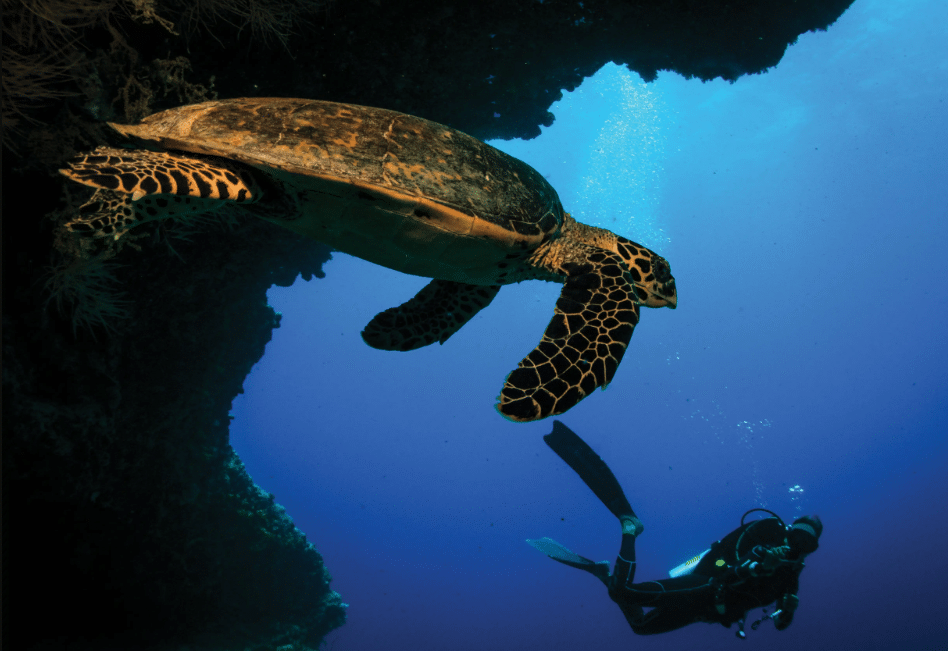
5. Luxury Maldives Resort Signs Groundbreaking Reef Conservation Pact With EPA
Malé, Maldives — OBLU SELECT Sangeli, perched on the northwestern tip of North Malé Atoll, has entered a landmark partnership with the Maldives Environmental Protection Agency (EPA) to restore and protect some of the nation’s most vital coral reefs. The Memorandum of Understanding, signed on July 2, 2025, outlines a collaborative strategy for managing and monitoring the Rasfari Reef Restoration Programme, located just 25 kilometers from the resort. Sangeli’s seasoned marine team—already responsible for transplanting over 10,000 coral fragments—will lead ongoing monitoring, spearhead innovative reef rehabilitation strategies, and host workshops together with EPA scientists.
The alliance blends rigorous government oversight with practical conservation expertise, targeting both Rasfari and Sangeli’s house reefs for rehabilitation. This pioneering public–private model offers hope for more resilient reefs amid record coral bleaching and is helping to establish sustainable tourism as a standard for the Maldives’ world-renowned hospitality scene.
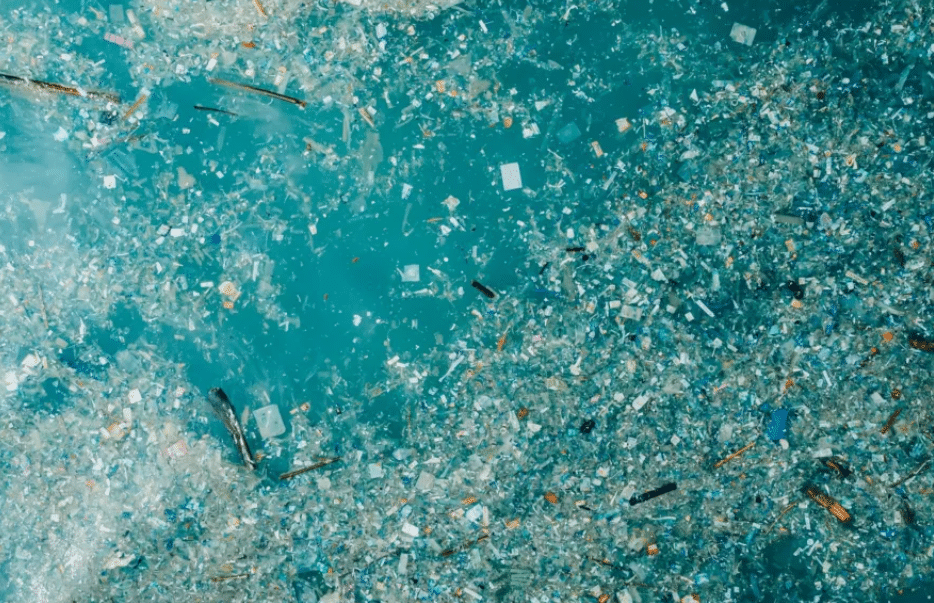
6. Scientists Discover Shocking Amounts of ‘Invisible’ Plastics Hiding in Oceans
NEW YORK, United States – A startling new study reveals that oceans are teeming with vast quantities of “invisible” nanoplastics—tiny plastic particles less than one micrometer across, making them nearly impossible to detect with the naked eye. Published in the journal Nature, the research highlights how these undetectable plastics far exceed previous estimates and may be even more prevalent than larger microplastics. Scientists used cutting-edge mass spectrometry to burn and identify plastic fragments collected from ocean water, revealing masses of nanoplastics pervading the sea.
These findings intensify longstanding concerns about plastic pollution, with experts warning that the presence of nanoplastics bolsters fears raised by the United Nations and environmental advocates about the impact on marine ecosystems and human health. If no solutions are found to replace or break down plastics, the problem is set to escalate further.

7. Mediterranean Sea Heatwave Threatens Marine Ecosystems Like Never Before
An unprecedented heatwave has gripped the Mediterranean Sea, with water temperatures around popular destinations such as Majorca surpassing 30°C, far above the seasonal average. While the extreme warmth appears to be subsiding, marine species are struggling to adapt to the sustained temperature spike, raising grave concerns among environmental scientists. The prolonged and intense heat could have cascading effects, jeopardizing the health of fragile marine ecosystems and impacting economies reliant on fishing and tourism.
Experts warn that certain species, unable to cope with these rapid changes, may face long-term population declines or even local extinction. This episode follows a series of record-setting heat events globally, a trend many attribute to climate change’s accelerating impact on oceans. As communities along the Mediterranean brace for potential fallout, calls are growing for urgent action to preserve vulnerable species and mitigate future risks.
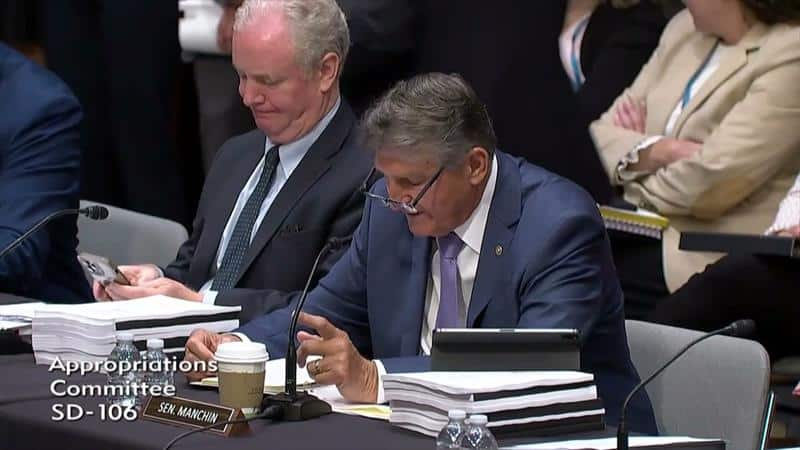
8. Senator Manchin Slams NOAA Over Whale Rule, Calls for Tech-Driven Solutions
Washington, DC., United States – Deep divisions emerged as Senator Joe Manchin (I-WV) criticized the National Oceanic and Atmospheric Administration’s proposed North Atlantic Right Whale Vessel Strike Reduction Rule during a key Senate Appropriations Committee hearing on the 2025 Commerce, Justice, and Science spending bill.
Manchin, voicing strong opposition, voted against the bill, spotlighting NOAA’s lack of engagement with the marine technology sector and its failure to consider immediate technological remedies for vessel strikes. He argued that technology could be adopted swiftly to protect endangered North Atlantic right whales while preserving boater safety and coastal economic interests, challenges that the current rule overlooks.
Manchin’s stance was echoed by Senator Bill Hagerty (R-TN), who questioned NOAA’s cost-benefit analysis and promised bipartisan collaboration to address industry concerns. The legislation includes $4 million for whale research and conservation, but stops short of halting the vessel speed rule’s expansion, drawing ire from boating groups.
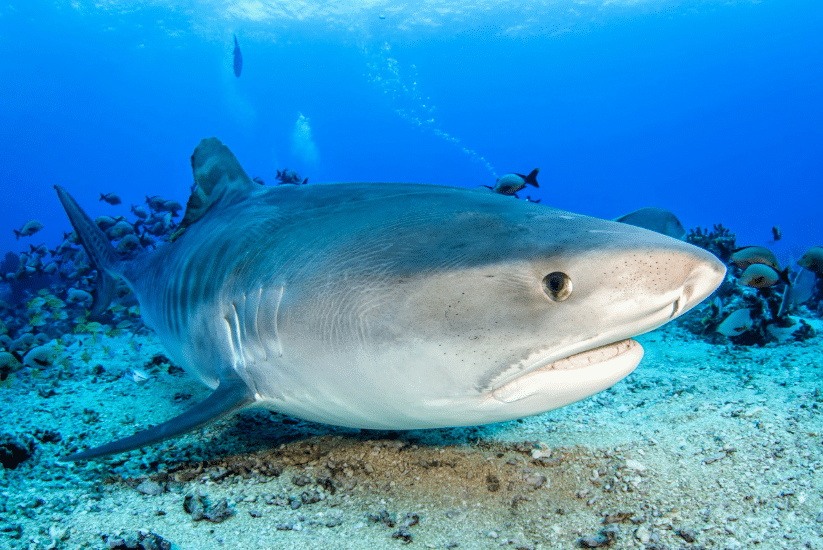
9. World’s Sharks Face Dire Future as 30% of Species Teeter on Brink of Extinction
Thiruvananthapuram, India — Nearly 100 million sharks are killed worldwide each year, sending almost 30% of known species to the edge of extinction. Marking World Shark Awareness Day, experts warn that the loss of sharks cripples ocean health, impacts fisheries, and weakens coral reefs, chiefly due to overfishing and the soaring trade in shark fins and meat. Kerala’s ICAR-Central Marine Fisheries Research Institute hosted a workshop for fisheries officials and wildlife experts, emphasizing the importance of better enforcement and species identification.
Discussions also covered new Indian wildlife protections and global CITES trade rules, which require robust scientific assessments for exports. India has recently strengthened its shark protections in step with international conservation efforts, but major markets in Asia, South America, and Europe continue to fuel the crisis. Pressing for awareness and tightened regulation, advocates call for urgent international coordination before sharks vanish from the world’s oceans.
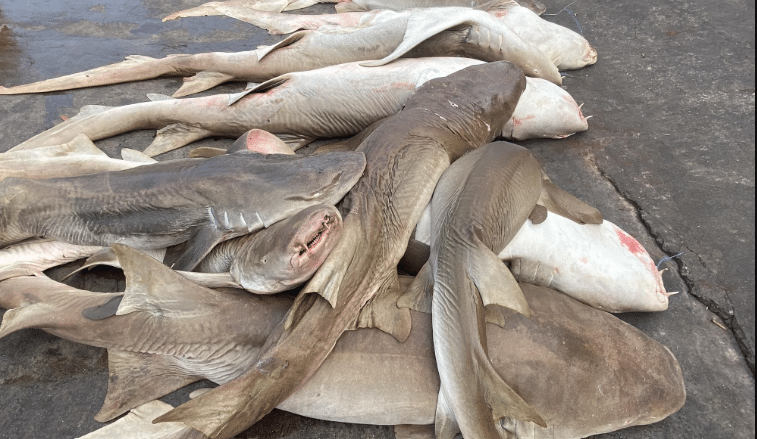
10. India Unites to Combat Illegal Shark Fishing Amid Expanded Protections
Kochi, India — Marine experts and officials convened in Kochi to urge coordinated action against illegal shark fishing and trade, as new amendments to India’s Wildlife (Protection) Act now safeguard 26 shark and ray species. The ICAR-Central Marine Fisheries Research Institute’s workshop outlined key enforcement upgrades, including joint training for customs, fisheries, and law enforcement officials; real-time agency communication; mapping of habitats; advanced technology, such as AI-driven shark detectors; and streamlined ID manuals.
While these reforms address enforcement gaps and identification challenges—especially for frozen fins—experts warn that regulation must not imperil the livelihoods of coastal fishers who rely on shark catches. Vigilance is vital, as global demand for shark fins continues to drive illegal exports to East Asia. The gathering concluded with calls for stronger international cooperation, targeted public awareness, and smarter enforcement across agencies to save India’s dwindling shark population.
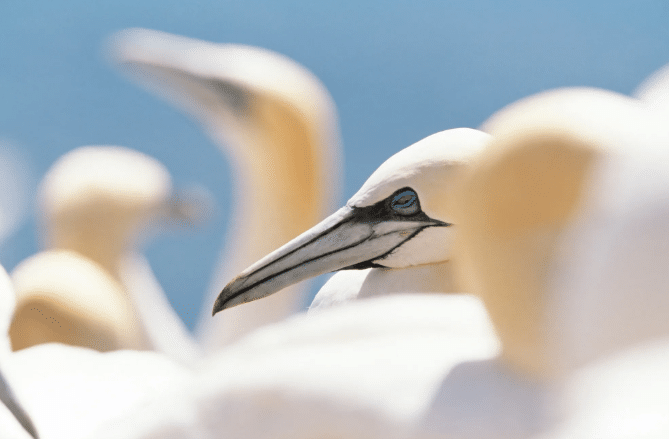
11. Offshore Wind Boom in Scotland Sparks Fears for Declining Seabirds
Edinburgh, United Kingdom — Scotland’s urgent drive to expand offshore wind energy risks worsening the crisis for seabirds, warns the Royal Society for the Protection of Birds (RSPB) Scotland. Plans to quadruple capacity by 2040 could push already declining species, such as puffins, kittiwakes, and gannets, further towards collapse, unless safeguards are prioritized. Nearly 70% of seabird populations are shrinking from climate change, disease, and overfishing, and conservationists say poorly sited wind farms could hasten their decline through collisions and habitat loss.
RSPB Scotland calls for strategic wind farm placement, substantial investment in seabird recovery, and strict commitments to nature-friendly climate approaches. The organization urges the Scottish Government and energy developers to align their green ambitions with urgent conservation needs, warning that failing to act could lead to catastrophic declines in seabird populations and undermine Scotland’s pledges on both climate and biodiversity.

12. EU, Iceland Forge Fisheries Deal, Launch New Era of Ocean Partnership
Brussels, Belgium — The European Union and Iceland have agreed to a landmark Memorandum of Understanding, vowing closer collaboration on fisheries management and marine conservation. Signed by EU Commissioner Costas Kadis and Icelandic Minister Hanna Katrín Friðriksson, the agreement establishes annual high-level talks to coordinate sustainable fishing practices, joint research, and initiatives promoting the blue economy. Both sides will jointly manage shared North-East Atlantic fish stocks and pursue science-driven conservation, with a renewed focus on cetacean protection and advancing biodiversity goals.
Key priorities include aligning with global biodiversity frameworks and promoting the swift ratification of the High Seas Treaty (BBNJ). The MoU underscores the importance of evidence-based policymaking and multilateral action for healthier oceans. Leaders highlighted this accord as a blueprint for responsible fisheries, robust scientific exchange, and long-term economic prosperity while safeguarding marine ecosystems.
13. Marine Science Communication Revolution: Closing the Policy Gap to Save the Oceans
Pasaia, Spain — A review in Frontiers in Communication urges better links between marine scientists, policymakers, and the public to boost ocean health. Researchers from AZTI (Spain) and their European partners say that current gaps in science communication exacerbate ocean decline by limiting the effectiveness of policy. The team advocates for jargon-free messaging, emotional storytelling, and a greater use of diverse media to promote ocean literacy and garner public support for conservation.
Key recommendations include increasing funding for science communication, engaging with target audiences early, and providing transparent and balanced messaging about the impacts of research. Improved communication is crucial for informing decision-makers and inspiring public action, thereby helping to secure lasting protection for marine ecosystems.

14. Polystyrene Bans Spread Across U.S. States Amid Pollution and Health Concerns
Several U.S. states—including California, New York, Oregon, Rhode Island, Delaware, Maine, Colorado, and D.C.—now ban or restrict expanded polystyrene (Styrofoam) food containers and packaging, citing pollution and health risks. Polystyrene is hard to recycle, lingers in the environment for centuries, and may leach chemicals into food. Businesses must switch to biodegradable or reusable containers, which often cost more and pressure small restaurants.
Since New York’s ban, landfill polystyrene waste dropped by 54%. More states and cities are considering bans, and a nationwide “Farewell to Foam Act” is under review in Congress. While costs challenge some businesses, supporters argue that the prohibitions protect oceans, land, and public health by addressing persistent plastic pollution.
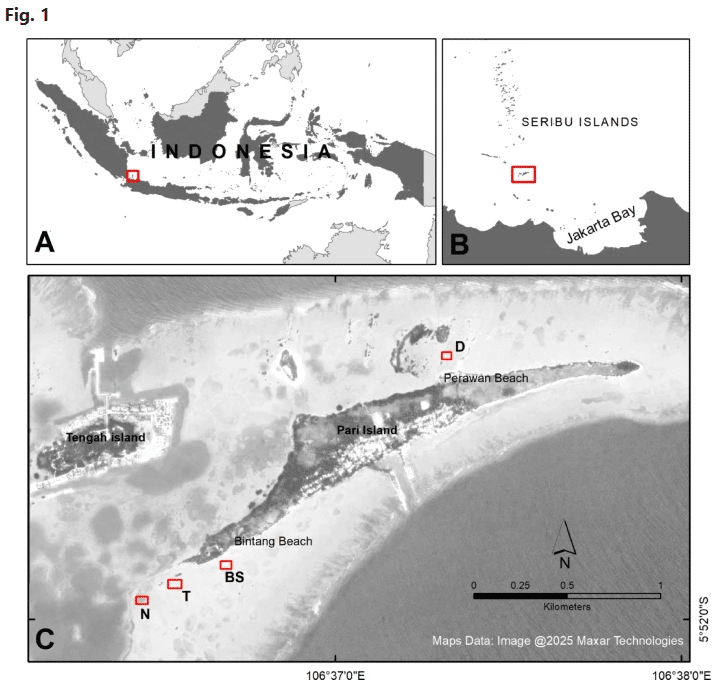
15. Indonesia’s Blue Carbon Setback: Dredging Deals Lasting Blow to Seagrass Climate Benefits
Makassar, Indonesia — Just how much has coastal engineering altered nature’s carbon bank? Researchers studying Makassar’s seagrass meadows reveal that decades-old dredging operations have triggered long-lasting declines in sedimentary carbon stocks. Analyzing sediment cores, the team tracked the amount of blue carbon lost since major dredging in the 1960s. Restoration efforts are underway, but their carbon gains are modest. Even after many years, restored seagrass beds struggle to recover the deep carbon stores once held by the original meadows.
The findings challenge assumptions about ecosystem resilience and show that coastal development has irreversible impacts on the climate-mitigation capacity of seagrass habitats. This landmark study highlights the importance of protecting remaining natural seagrass beds and reevaluating large-scale engineering projects along Indonesia’s coasts.

16. Plastic Treaty Talks at Risk: Why Fighting Politics Matters More Than Fighting Plastics
Washington, D.C., United States — As nations negotiate a global plastics treaty, new analysis from the R Street Institute suggests that political debate could hinder real progress against pollution. Global plastic waste has nearly doubled since 2000. Still, the op-ed argues that insisting on capping production is a distraction from the real driver of plastic pollution: the mismanagement of waste in a handful of countries, especially in Asia.
Citing research, the author states that most ocean plastic originates from just a few rapidly growing economies where waste management is inadequate, rather than from global production rates. Instead of targeting production, the commentary calls for the treaty to focus on proven fixes—boosting waste infrastructure and enforcing practical policies where they’re needed most. Getting lost in politics instead of targeting actual sources of pollution, the piece concludes, risks stalling global solutions.