


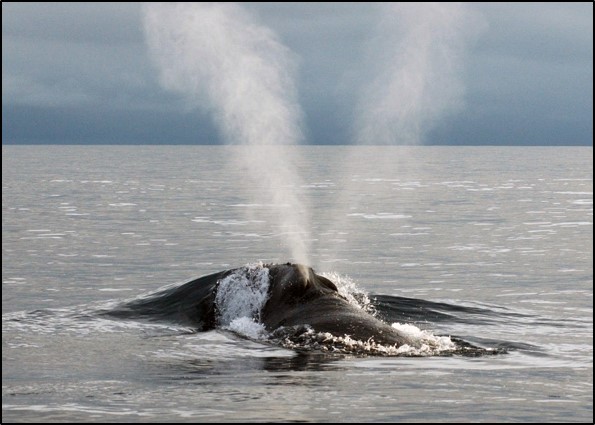
1. Rare Right Whale Stuns Researchers With Surprise Appearance Off B.C. Coast
PORT MCNEILL, British Columbia, Canada — A whale researcher on Malcolm Island captured an extremely rare sighting of a North Pacific right whale, one of the world’s most endangered marine mammals. Troy Bright recorded the whale breaching repeatedly just offshore, prompting Fisheries and Oceans Canada to send a team to verify the encounter. Using a drone, federal scientists confirmed the species and determined the animal was a juvenile.
The department said only a handful of confirmed sightings have ever occurred in British Columbia waters, and the species is so scarce that a specialized response team is activated whenever a potential report comes in. Researchers described the footage as an important documentation opportunity for a whale population with very few known individuals in the eastern North Pacific.
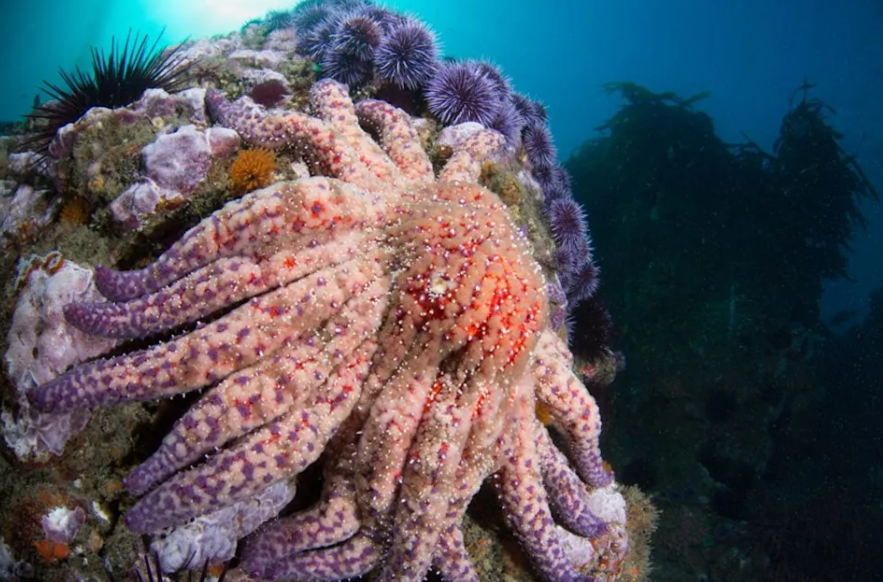
2. Scientists Report Rare Good News for Endangered Sunflower Sea Star
SAN FRANCISCO — The critically endangered Sunflower Sea Star had essentially vanished from California waters after sea star wasting disease popped up in 2013, decimating the population. Researchers have just revealed the largest and heaviest sea stars on the planet could be starting to bounce back.
AN expedition last year discovered 18 individuals, the biggest group of Sunflower Sea Stars spotted in state waters in the recent past. Scientists are now racing to learn as much as possible about this resilient population, in hopes of learning how they survived wasting disease and the warming waters that likely contributed to its rise and spread.
Your generous gift helps us keep this publication afloat.
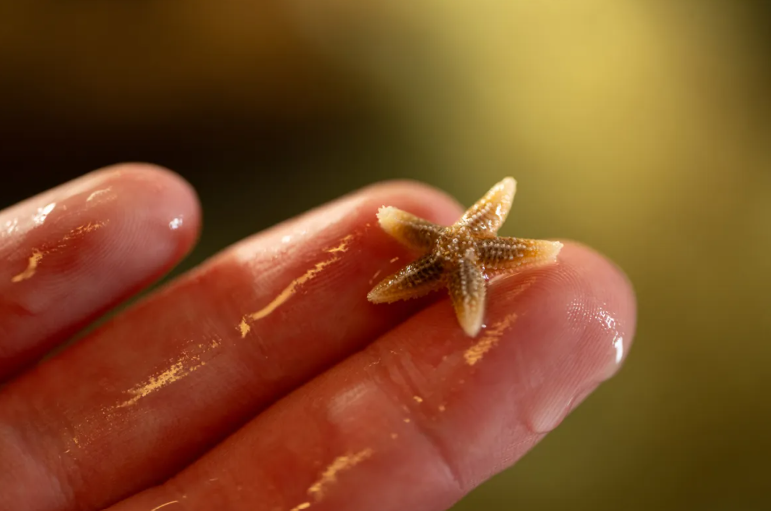
3. Scientists See ‘Baby Boom’ of Sea Stars on Oregon Coast After Decade of Mass Die‑Off
ON THE OREGON COAST – Scientists are reporting a surge of juvenile sea stars along Oregon’s coast, a promising sign after sea star wasting disease wiped out 90% of West Coast sea stars over the past decade. Researchers say tide pools are now crowded with young stars the size of pennies, feeding on mussels and urchins that had overtaken ecosystems during their absence. Angela Jones of Northeastern University said the resurgence offers hope and mirrors recent signs of recovery she observed in Maine.
Scientists suggest the comeback may stem from stressed sea stars releasing large numbers of eggs, with even minimal survival producing thousands of juveniles. Some areas have recorded more than an 8,000% increase in young sea stars, though few are reaching adult size. Wasting disease remains present, and warm waters linked to El Niño could threaten the fragile recovery. Researchers are urging the public to document sea stars through citizen‑science platforms.
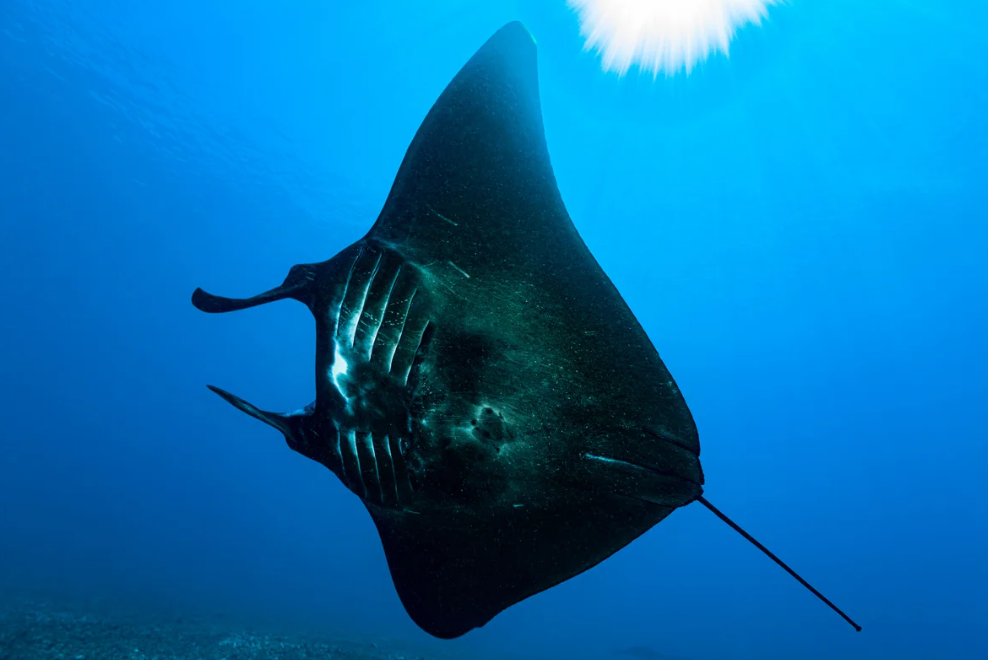
4. Sharks Caught Using Manta Rays as Living Scrub Brushes in Rare Footage
REVILLAGIGEDO ARCHIPELAGO, Mexico — A new study has documented Galapagos sharks rubbing against oceanic manta rays to scrape off parasites, revealing an unexpected behavior that may signal deeper ecosystem stress. Researchers recorded three separate encounters in which sharks approached manta rays and dragged their heads, gill regions, and sides along the rays’ undersides — areas where parasitic copepods often attach.
Lead author Jane Vinesky told BBC Wildlife Magazine that these tiny crustaceans can significantly weaken sharks when present in large numbers. The interactions occurred near natural “cleaning stations,” where fish typically gather to have parasites removed by cleaner species. Scientists suspect the sharks may be turning to manta rays because cleaner fish, such as the Clarion angelfish, have declined, thereby increasing competition for parasite‑removal services. The behavior may reflect shifting ecological pressures in a rapidly changing ocean.
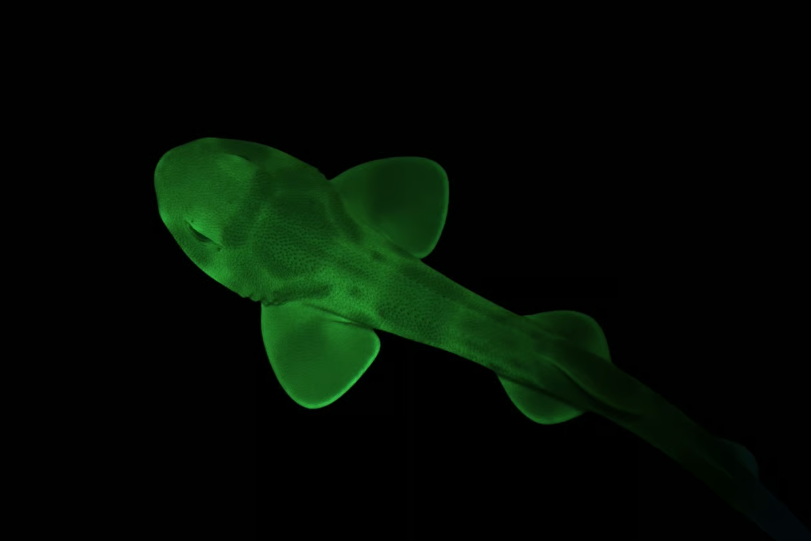
5. Glowing Shark Discovery in Victoria Reveals a Hidden World of Marine Light
WESTERN PORT BAY, Australia — Filmmakers documenting marine life in Victoria’s coastal waters have captured what appears to be the first recorded evidence of biofluorescence in the Australian swellshark, a species native to southern Australia’s temperate seas. Using specialized underwater lighting, the team filmed the shark glowing a vivid green, revealing intricate patterns invisible to the human eye. The glow is produced by molecules in the shark’s skin that absorb blue light and re‑emit it as green, a trait previously documented in only a handful of shark species.
Researchers say males and females may display different fluorescent patterns, potentially aiding mate recognition or camouflage from predators with color vision. The discovery adds a surprising new dimension to a species already known for inflating its body to hide in rocky crevices. It underscores how little is understood about Australia’s coastal ecosystems.
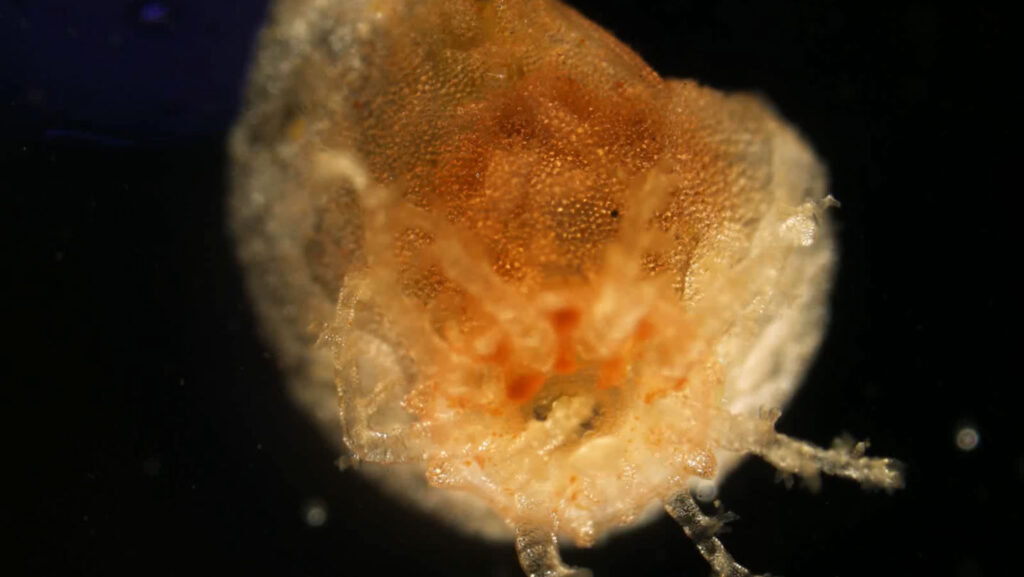
6. Zombie‑Like Sea Cucumber Tissue Discovery Surprises Scientists
A new study reveals that sea cucumbers can keep parts of their bodies alive and functioning long after they detach, offering scientists a rare look at how these animals regenerate. Researchers found that tissues such as tentacles and internal organs can continue to move, react, and even attempt to feed for hours after separation. The work shows that the tissues remain electrically active and responsive, behaving almost like “zombie” body parts.
Scientists say the findings help explain how sea cucumbers survive major injuries and rebuild lost structures, a process that has long puzzled biologists. The study also suggests that the animals’ decentralized nervous systems allow individual tissues to operate independently, giving researchers a new model for understanding regeneration in other species. The team plans to explore how long these tissues can persist and what triggers their eventual shutdown.
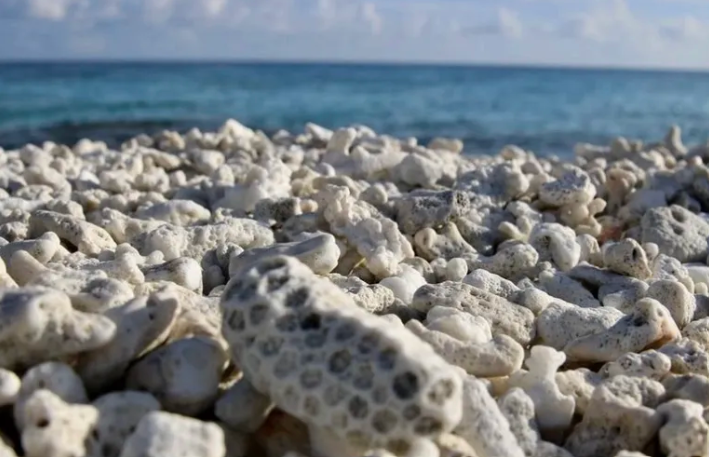
7. Scientists Warn French Polynesia’s Reefs May Be Trapped in a Death Loop
MOOREA, French Polynesia — Researchers studying Moorea’s coral reefs have uncovered a disturbing process that may prevent damaged reefs from ever recovering. After the island’s severe 2019 bleaching event, scientists expected storms to break apart dead coral and clear space for new growth. Instead, they found that the coral skeletons had become hollow and fragile, yet still held together by encrusting red algae and microscopic organisms.
Lead researcher Kathryn Scafidi discovered the phenomenon during a 2020 dive when a coral branch snapped in her hand, revealing an empty interior — something veteran biologist Peter Edmunds had never seen in 40 years of reef work. The algae’s chemical defenses block baby corals from settling, effectively freezing the reef between collapse and renewal. If widespread, this process could redefine global expectations for reef resilience in a warming climate.
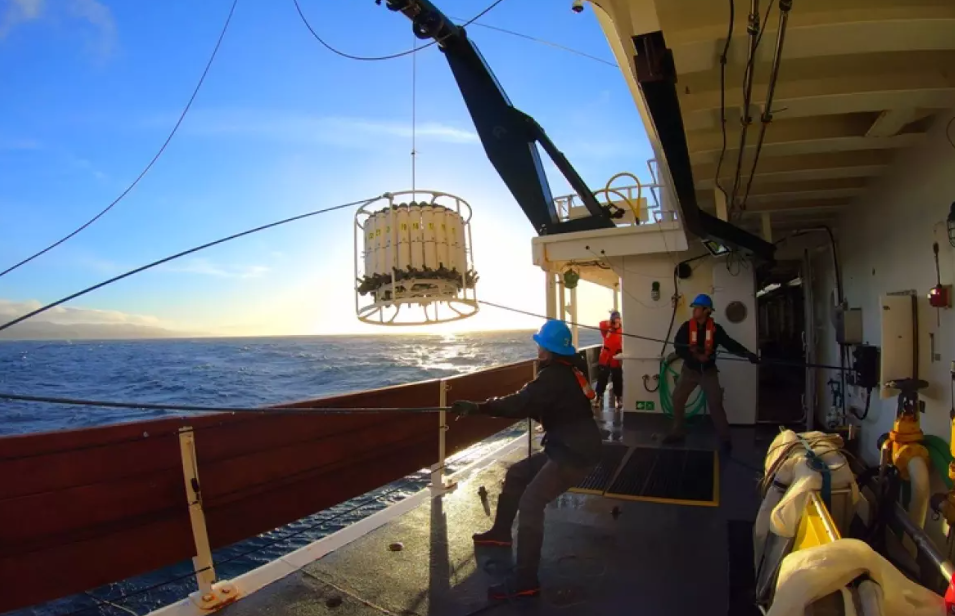
8. The Program Behind California’s Ocean Data Record Is at Risk
SAN DIEGO — A quiet but indispensable ocean‑monitoring program that has guided California climate and fisheries science for 75 years is now at risk just as a powerful El Niño builds offshore. The CalCOFI program, run jointly by Scripps Institution of Oceanography, NOAA, and the California Department of Fish and Wildlife, has long provided the state’s most consistent record of ocean temperature, chemistry, plankton, and fish populations. Scientists say the data set is unmatched globally, offering a continuous window into how marine heat waves, acidification, and shifting currents reshape the Pacific.
But funding gaps and bureaucratic delays threaten upcoming research cruises, raising alarms among researchers who rely on CalCOFI to detect early signs of ecosystem stress. With El Niño expected to intensify through the year, scientists warn that losing even a single survey could leave major blind spots in California’s climate readiness.
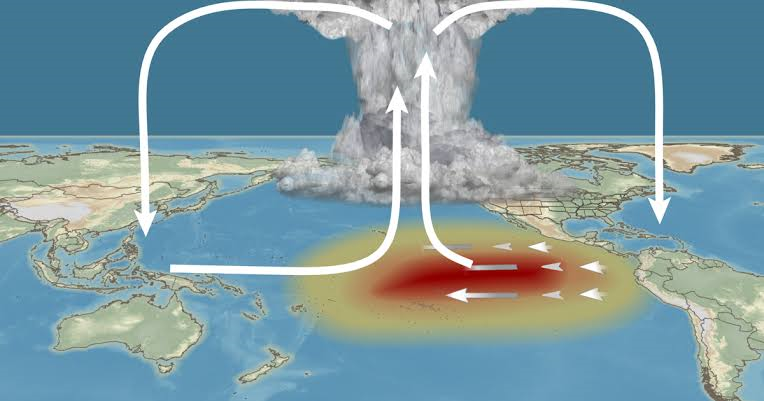
9. Super El Niño Declared as Scientists Warn the Planet Is Entering Uncharted Territory
NOAA has officially declared the onset of El Niño and now forecasts a very strong, potentially “Super” El Niño with a 63% likelihood of reaching extreme intensity and a 100% chance of persisting through fall. Vast pools of unusually hot water, driven eastward by shifting Pacific winds, are rising toward the surface near South America — a hallmark of past record‑breaking events in 1997–98 and 2015–16.
Because El Niño releases enormous heat from the ocean into the atmosphere, scientists say it will amplify human‑driven warming and virtually guarantee that 2027 surpasses 2024 as the planet’s hottest year. The pattern tilts global odds toward heat waves, drought, flooding, and altered hurricane behavior, with impacts already emerging across Asia, Australia, and the Americas. Researchers warn that this event is unfolding atop the warmest background climate in history, increasing uncertainty and risk.
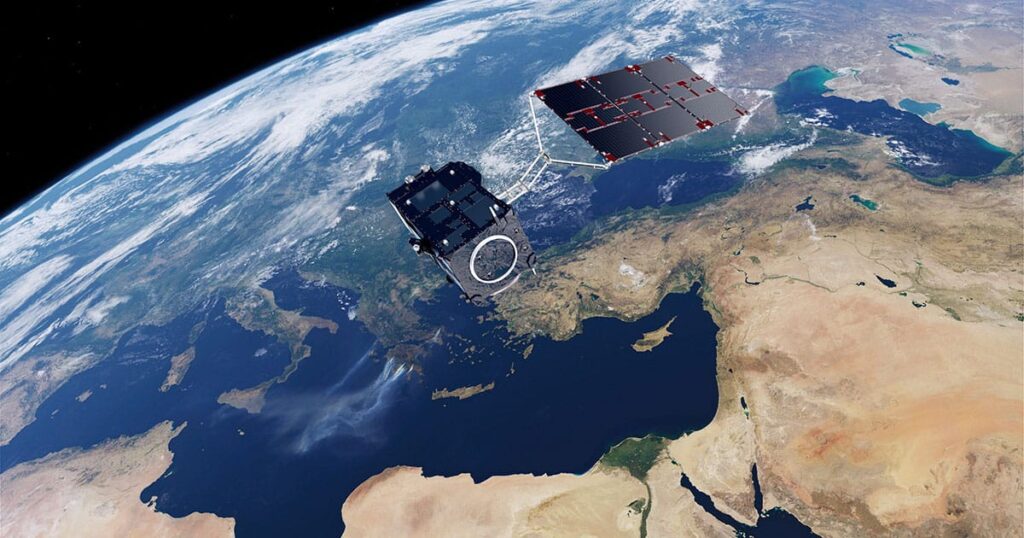
10. Satellites Detect Sharp Pacific Warming as El Niño Rapidly Intensifies
New satellite measurements show a rapid surge in sea‑surface temperatures across the tropical Pacific, offering one of the clearest early signals that El Niño has re‑emerged and is strengthening. Data from Europe’s Copernicus Sentinel‑3 mission reveal unusually warm waters spreading eastward as weakened trade winds allow heat stored in the western Pacific to shift toward South America. Scientists say even small temperature anomalies carry major implications because the ocean stores vast amounts of energy, and slight warming can trigger large‑scale atmospheric changes.
Rising heat over the tropical Pacific can alter global circulation, influence the jet stream, and, under the right conditions, increase the odds of a disrupted polar vortex or unusual winter patterns across Europe. Researchers emphasize that combining satellite observations with models and atmospheric measurements is essential for tracking how this El Niño will reshape global weather in the months ahead.
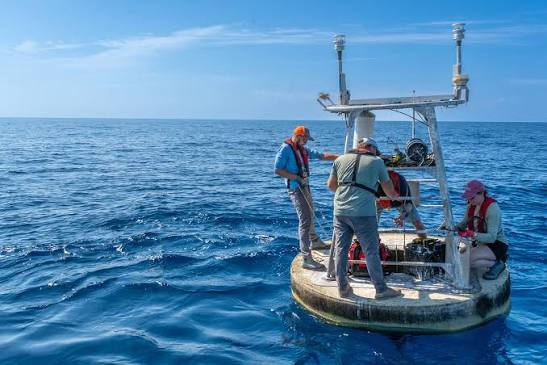
11. After Devastating Fire, USF Scientists Race to Keep Critical Hurricane‑Forecasting Buoy Network Alive
ST. PETERSBURG, Florida — A week after a fire destroyed the University of South Florida’s 80,000‑square‑foot Marine Science Laboratory, researchers from the College of Marine Science rushed back into the Gulf of Mexico to keep their buoy‑based ocean monitoring system operating ahead of hurricane season. The blaze displaced more than 125 people and wiped out the Ocean Circulation Lab’s primary workspace. Still, scientists salvaged key equipment and quickly assembled a crew to service offshore sensors that feed real‑time data into storm‑surge and rapid‑intensification models.
Those models have repeatedly proven accurate during major storms, including Hurricanes Ian and Idalia, and are used by NOAA and emergency managers to forecast coastal flooding and evacuation needs. With subsurface temperature data essential for predicting explosive storm growth, researchers say maintaining the buoy network is critical as Florida enters another high‑risk season.
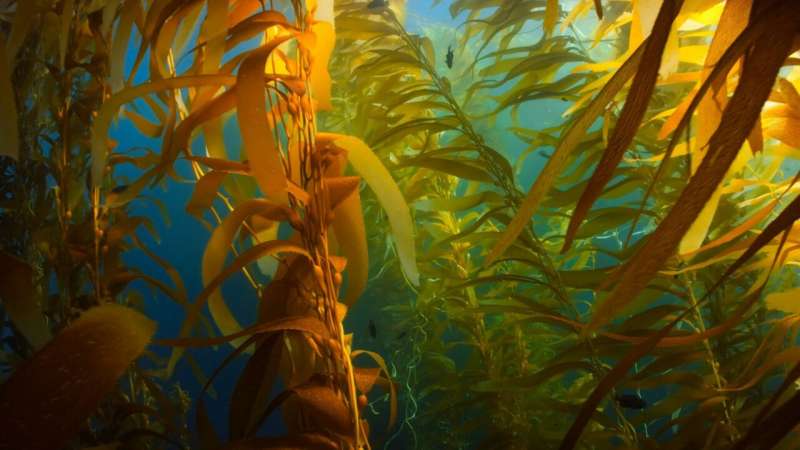
12. Global Review Finds Community Partnerships Key to Kelp Forest Recovery
A global review of kelp conservation efforts has found that the strongest restoration programs are built on partnerships among scientists, fishers, Indigenous groups, and coastal communities. The study, published in The Journal of Applied Phycology, brought together more than 100 researchers and practitioners from 35 regions to compare how kelp forests are being protected and restored. Kelp forests support marine life, fisheries, carbon storage, and shoreline protection, but are increasingly threatened by warming oceans, marine heat waves, pollution, and expanding sea urchin populations.
Lead author Aaron Eger of UNSW Sydney said regions make the most progress when conservation is tied to the people who depend on healthy kelp ecosystems. The review found monitoring is widespread, but active restoration occurs in fewer than half the regions, highlighting a gap between knowledge and implementation.
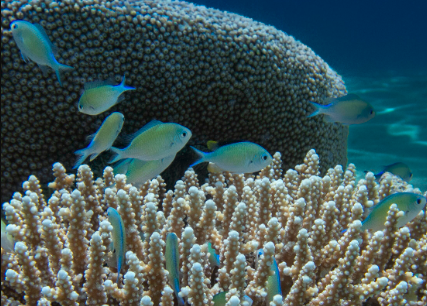
13. Study Finds Artificial Light at Night Disrupts Sleep and Brain Health Markers in Reef Fish
A new study from Bar‑Ilan University shows that artificial light spilling into coastal waters disrupts sleep in coral reef fish and is associated with changes in markers linked to brain health. Published in Current Biology, the research found that even low nighttime illumination caused fish to sleep less, show fragmented sleep, feed at unusual hours, and behave as if night had turned into day. Working with blue‑green damselfish in lab and field settings in the Gulf of Aqaba/Eilat, scientists confirmed clear sleep‑like states under natural darkness but saw these patterns break down under artificial light.
Fish exposed to nighttime light pollution showed elevated levels of markers associated with DNA damage, changes that appeared after only a few nights and persisted during a five‑month reef experiment. Researchers warn that widespread coastal lighting may have lasting biological and ecosystem‑level consequences.
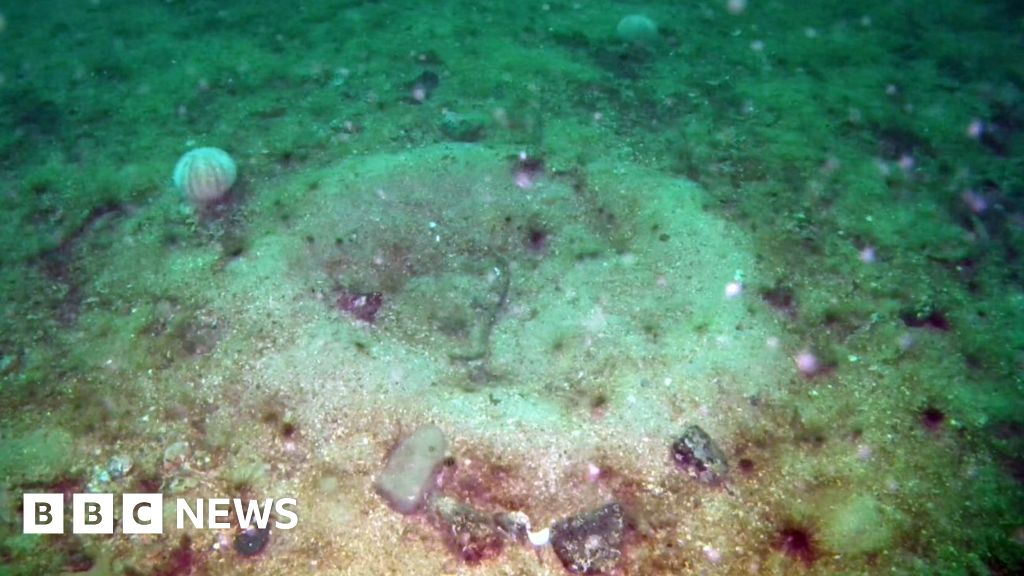
14. Protected Seabed Shows Early Signs of Recovery After Illegal Dredging
ULLAPOOL, Scotland — Conservationists have found early signs of recovery on a protected seabed in the Summer Isles that was heavily damaged by illegal dredging in 2019. Monitoring by the group Open Seas shows sea cucumbers, cat sharks, cushion sea stars, crabs, and some returning algae in the affected area. However, experts say full recovery may take at least a decade. The Wester Ross Marine Protected Area, established in 2016, contains habitats such as flame shells and maerl beds that support a range of marine life, but a single pass of dredging can destroy these ecosystems.
Campaigners accuse ministers of delaying stronger protections for Scotland’s inshore waters and plan to petition the Scottish Parliament to restrict fishing in at least 30 percent of coastal areas. Fishing leaders argue that blanket bans are too simplistic, while officials say they remain committed to marine protection.
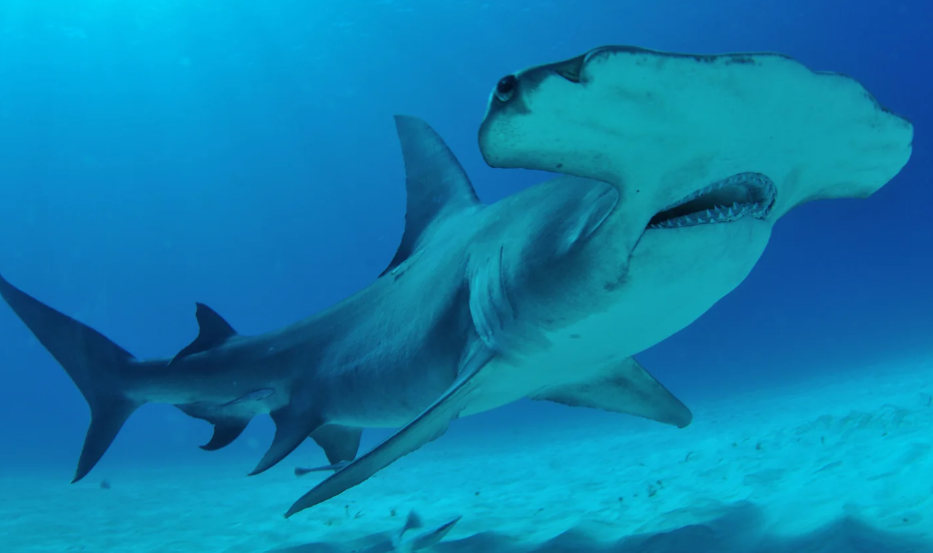
15. Sharks Found Living Inside an Active Volcano Challenge Marine Biology Assumptions
HONIARA, Solomon Islands — Two species of sharks, including scalloped hammerheads and silky sharks, have been documented living and hunting inside the active crater of Kavachi. This underwater volcano has erupted at least 39 times since 1939. A 2015 National Geographic‑supported expedition recorded the animals swimming through acidic, superheated, debris‑filled water that standard models say should be uninhabitable for large vertebrates.
Cameras also captured bony fish and extensive mats of sulfur-oxidizing bacteria, revealing a functioning ecosystem inside the crater. Researchers suggest the sharks may be exploiting concentrated prey near the vent, moving in and out opportunistically, or possessing local physiological adaptations, though no genetic data exist. Comparisons with other active submarine volcanoes show Kavachi is unusual in supporting vertebrate life, likely due to its shallow crater and strong mixing currents. Scientists say the findings expand understanding of how large animals survive extreme environments.
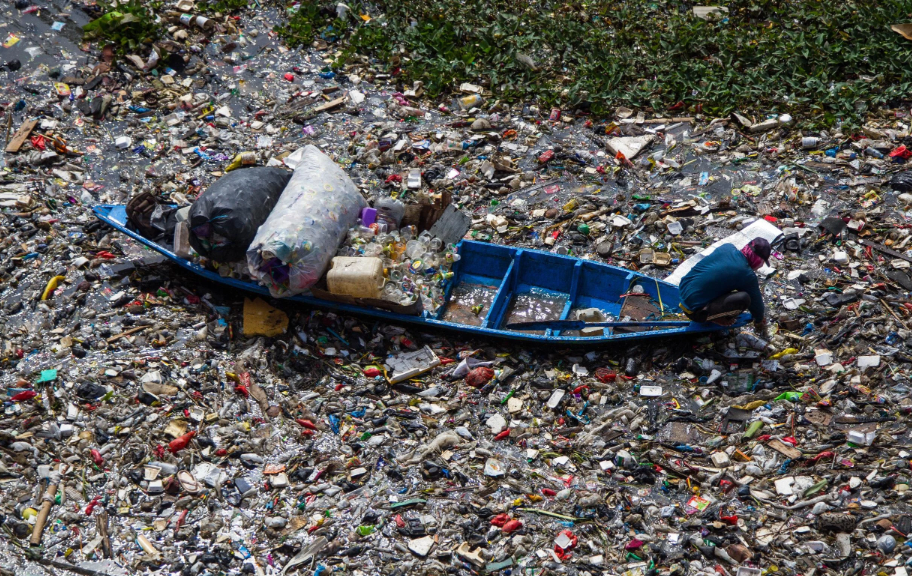
16. Corporate Disinformation Brief Warns Plastics Crisis Is Industry‑Driven, Not a Waste Failure
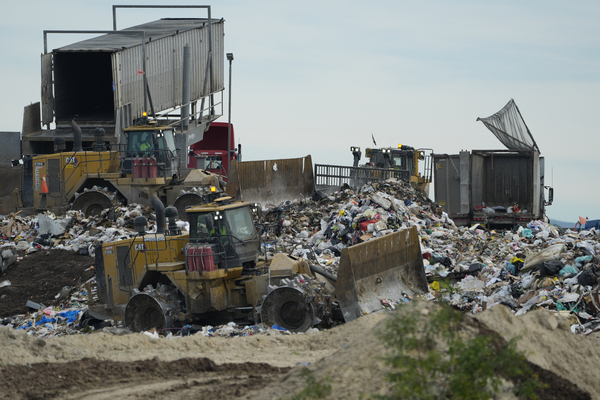
A new brief argues that plastic pollution is not a waste‑management failure but the predictable result of a decades‑long corporate disinformation campaign that shapes how the plastics crisis is defined and governed. The Plastics Plot: The Corporate Disinformation Tactics Behind Plastics Pollution draws on Grant Ennis’s Dark PR framework to map nine recurring frames the plastics industry uses to delay regulation, distort public understanding, and resist binding limits on plastic production.
The brief says these tactics — from recycling myths and bioplastics promises to victim‑blaming campaigns dating to the 1950s — form a coordinated system designed to protect industry legitimacy and deflect accountability. It states that reducing plastic production is essential, yet industry messaging works to make that conclusion politically unthinkable. As negotiators work toward a Global Plastics Treaty, the authors say recognizing these frames is critical to keeping focus on root‑cause solutions.
17. States Sue California Over Landmark Plastics Packaging Law
SACRAMENTO, Calif. — Seventeen U.S. states with Republican attorneys general have sued California to overturn its Plastic Pollution Prevention and Packaging Producer Responsibility Act, arguing the law improperly imposes the state’s policy preferences on the nation. The complaint, filed Monday in federal court, challenges requirements that producers cut single‑use plastic for packaging and food service items by 25% and ensure all such items are recyclable or compostable by 2032.
The states, led by Nebraska, say the law violates the Constitution’s Commerce Clause by burdening interstate commerce and will raise consumer prices as companies pass on “extremely expensive” compliance costs. Nebraska Attorney General Mike Hilgers said California is again enacting policies that negatively affect the rest of the country. The National Association of Wholesaler‑Distributors joined the suit. California officials and the Circular Action Alliance did not immediately comment.
18. Sargassum Surge Along Texas Coast Is Trapping Endangered Green Sea Turtles
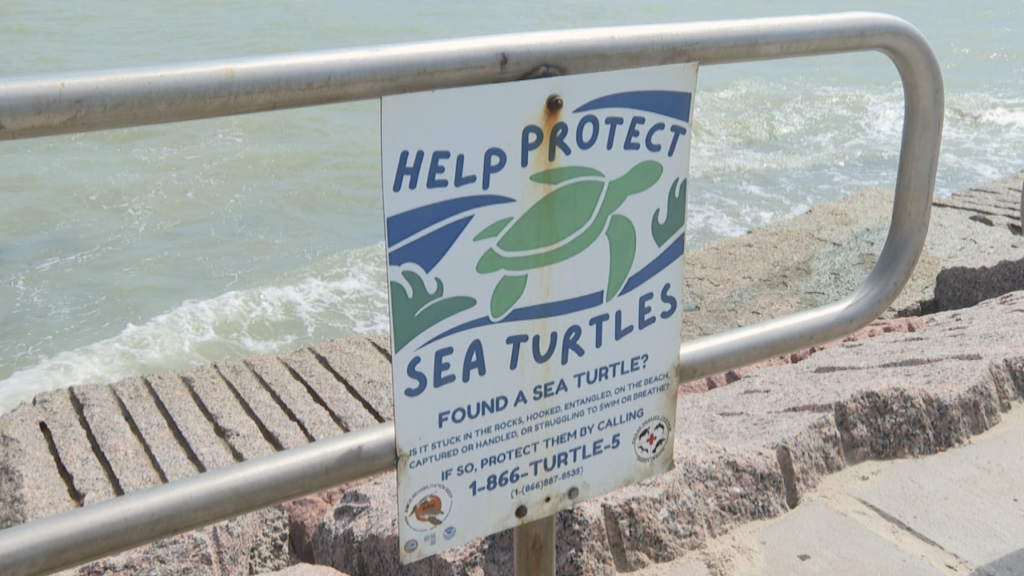
CORPUS CHRISTI, Texas — More than 100 endangered green sea turtles have been rescued or documented after becoming entangled in unusually thick sargassum piling up along the Texas coast this summer. Wildlife responders are patrolling Padre Island beaches nightly as residents report the seaweed arriving earlier, in greater quantities, and accumulating differently than in past years.
Texas State Aquarium CEO Jesse Gilbert said smaller turtles are especially vulnerable when wind, tide, and sargassum combine, leaving some animals unable to fight through the buildup. Once pushed ashore, turtles can become tangled and too exhausted to return to open water. Despite the problems, Gilbert noted that sargassum also serves as a nursery habitat for fish and turtles. The Texas Sealife Center said most rescued turtles arrived exhausted but unhurt, and it released 77 back into the wild this week. Crews will continue beach patrols.
19. Ocean’s ‘Invisible Forest’ Makes Half Our Oxygen — but Not the Way People Think
About half of Earth’s oxygen comes from phytoplankton, the microscopic algae and bacteria that photosynthesize in the sunlit ocean, not from rainforests that consume close to as much oxygen as they make. One group, Prochlorococcus, is so abundant that it may produce up to a fifth of the oxygen in the entire biosphere. Scientists note that, like forests, the ocean’s net oxygen contribution is close to zero because marine life consumes roughly the same amount through respiration and decay.
Instead, the atmosphere reflects hundreds of millions of years of carbon burial. Satellites estimate ocean photosynthesis by reading sea colour, and NASA’s PACE — short for Plankton, Aerosol, Cloud, ocean Ecosystem — can distinguish different phytoplankton communities. Researchers say this complexity matters for tracking ocean changes and for interpreting oxygen as a biosignature on distant worlds.

20. Experts Warn NASA’s Plan to Dump the ISS in the Ocean Poses Major Environmental Risks
NASA’s plan to deorbit the International Space Station in the early 2030s is drawing scrutiny from a U.S. government watchdog and sharp criticism from an ocean conservation group. Under the blueprint, the ISS will be lowered beginning in 2028, then pushed into a controlled reentry by a SpaceX‑supplied U.S. Deorbit Vehicle, sending debris into Point Nemo, a remote Pacific Ocean zone.
The Ocean Foundation says the plan “raises serious concerns for ocean health,” citing a “troubling structural gap” in international law that leaves the high seas unprotected from debris impacts. President Mark Spalding warns that denser ISS components will survive reentry and reach the seafloor, with unknown effects on marine ecosystems. He also notes that the High Seas Treaty may require an environmental impact assessment. The group is calling for full disclosure of surviving materials and a rigorous legal review.
21. Cornwall Harbour Installs New Buoys to Protect One of Region’s Largest Seagrass Meadows
LOOE, England — Looe Harbour Commissioners and the Ocean Conservation Trust have installed new sensitive‑habitat marker buoys in Looe Bay to protect one of the South West’s largest seagrass meadows. The buoys mark a voluntary no‑anchor zone intended to encourage water users to avoid anchoring, reduce seabed damage, and safeguard declining seagrass habitats.
The groups also fitted three Advanced Mooring Systems, which use mid‑water floats to suspend chains above the seabed as a low‑impact alternative to traditional anchoring. The work is part of the trust’s Blue Meadows programme to protect seagrass ecosystems along the south coast. The trust said seagrasses can store large amounts of carbon, support diverse marine life, and help stabilise coastlines, but an estimated 40% of the UK’s seagrass has been lost since the 1940s. Looe Harbour Commissioner Dave Bond said protecting the habitat is essential.
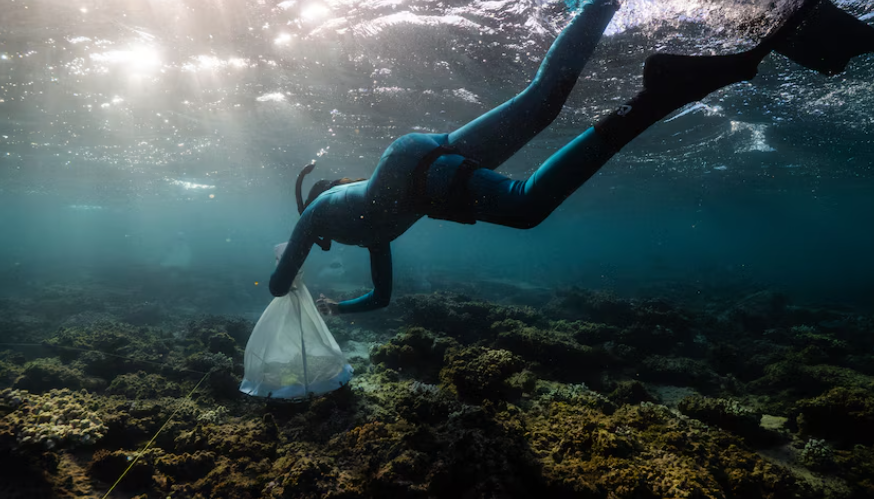
22. Ningaloo Reef Shows First Signs of Recovery After Heatwave and Cyclone Damage
NINGALOO REEF, Australia — The UNESCO‑listed Ningaloo Reef is showing early signs of recovery after Western Australia’s worst bleaching event on record and a direct hit from Cyclone Narelle. Researchers from the Western Australian Marine Science Institution began a coral larval enhancement trial to grow baby coral, or planula, on the reef. They feared the cyclone had destroyed their work. Instead, they found the tiles with young corals still intact.
Scientists from several institutions collected planula during mass spawning events in Exmouth and Coral Bay, cultured them in floating nursery pools, and released them onto damaged reef sections. Researchers said the reef is vital for marine wildlife and the tourism‑dependent local economy. Despite the encouraging signs, scientists warn the problem is far from solved, noting bleaching will continue as carbon emissions rise. The juvenile corals will require years of monitoring.