

1. New Species, New Look: The Furry ‘Chewbacca Coral’ Found in Hawai‘i’s Depths
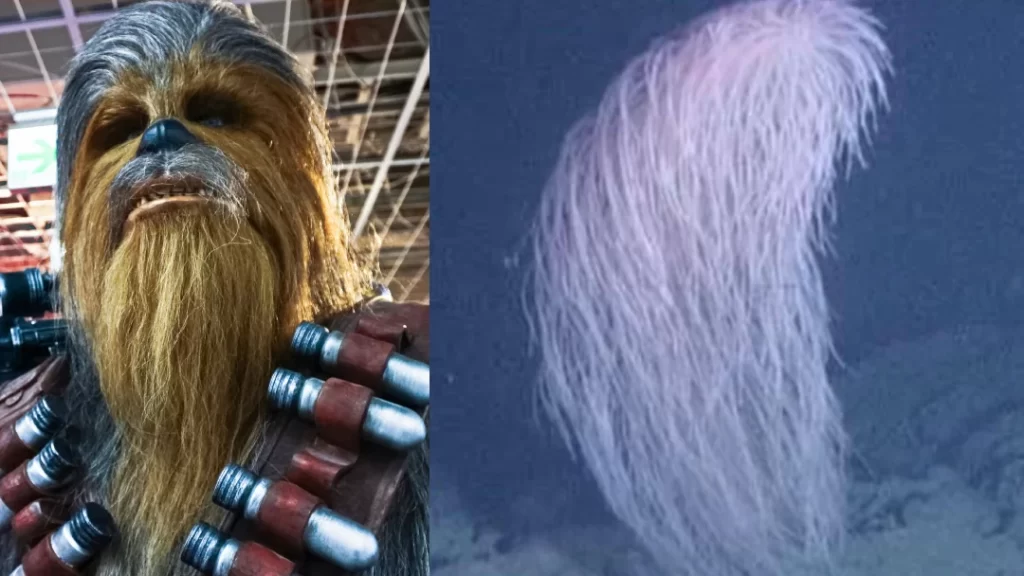
Honolulu, US – Marine biologists have unveiled a fascinating new species in the western Pacific: Iridogorgia chewbacca, a deep-sea coral so hairy and towering it’s been named after Star Wars’ beloved Wookiee. First captured on video near Hawaii’s Moloka’i in 2006 and later near the Mariana Trench, this species stands out for its long, flexible branches—up to 15 inches—resembling the shaggy mane of Chewbacca.
University of Hawai‘i ecologist Les Watling led the team that recently published the coral’s formal description in Zootaxa, alongside another new species, Iridogorgia curva. Despite measuring up to four feet tall, I. chewbacca prefers solitude, thriving alone on rocky ocean floors, unlike most corals. This discovery comes as climate change and threats like warming seas imperil even iconic new finds, making conservation efforts—and breakthroughs such as probiotic treatments—critical for future survival.

2. Pacific on Fire: Record-Breaking 5,000-Mile Marine Heat Wave Threatens Ecosystems and Weather
A massive marine heat wave is sweeping across the Pacific, stretching nearly 5,000 miles from Japan to the U.S. West Coast. Fueled by global warming and unusual wind patterns, this “blob” of warm water set a new August sea surface temperature record for the North Pacific, with data dating back to the 19th century. The heat contributed to Japan’s hottest summer on record and is raising humidity along the U.S. West Coast, potentially intensifying rain and snow if it persists into winter. Scientists warn that such events are becoming more frequent as oceans absorb more heat, threatening ecosystems and altering weather patterns.
Previous “blobs” triggered seabird die-offs, fishery disruptions, and marine mammal strandings. While this event ranks as the fourth-largest observed, it is mostly surface-based and may fade once strong winter storms mix cooler water upward. Experts worry that repeated basin-wide heat waves signal a long-term shift in Pacific climate patterns tied to greenhouse gas emissions. If prolonged, this event could reshape the jet stream, alter winter storms, and further stress marine ecosystems — a stark reminder of climate change’s growing impact.
Thank you for your generous gift that will help us continue the production of this weekly, free publication

3. A Decade Listening Underwater: How Grouper Grunts Reveal Shocking Spawning Secrets and Population Shifts
Puerto Rico – More than 12 years of underwater acoustic recordings have uncovered fascinating new insights into the reproductive behavior of the red hind grouper (Epinephelus guttatus), a commercially important Caribbean reef fish. Researchers from Florida Atlantic University analyzed over 2,000 hours of sounds recorded at a single offshore spawning site. They identified two main types of male grunts—courtship calls to attract mates and territorial calls to defend spawning territories.
Notably, from 2018 onward, territorial calls nearly tripled, possibly signaling changes in population structure or spawning locations. The data also show that spawning may now extend over more days per lunar cycle. Using advanced machine learning, the study highlights how passive acoustic monitoring is revolutionizing fisheries management by offering a non-invasive method to detect early signs of population stress and behavior changes, critical for conserving vulnerable reef fish.
4. The Shocking Truth About Orange Roughy Fishing: Are 200-Year-Old Fish Doomed by Deep-Sea Trawling?
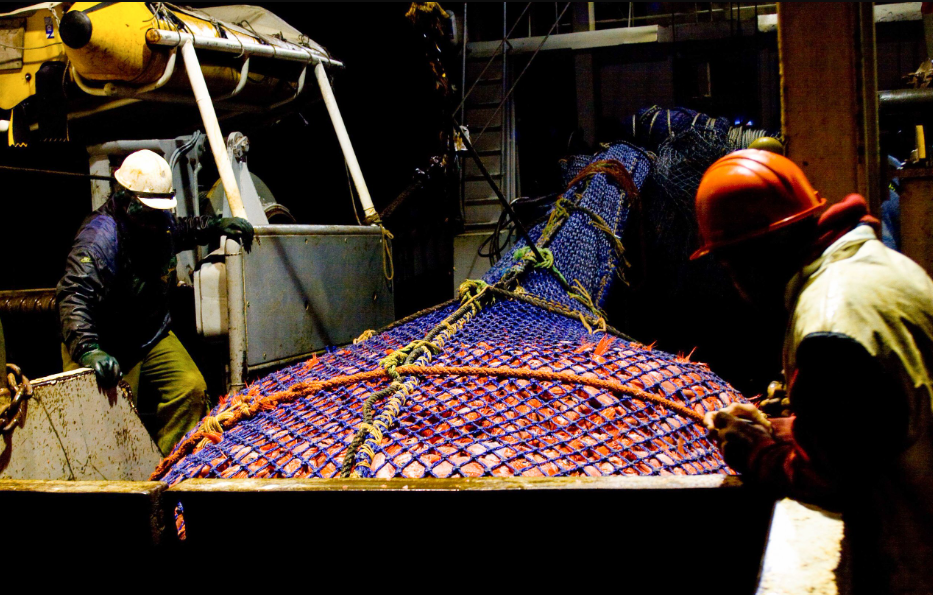
Nice, France – New Zealand’s orange roughy fishery, targeting a deep-sea species that can live up to 250 years, faces intense controversy due to the destructive impacts of bottom trawling. Orange roughy grow slowly, reaching maturity in their late 20s or early 30s, making populations vulnerable to overfishing. Since industrial deep-sea fishing began in the late 1970s, orange roughy numbers have fallen dramatically, with some areas reduced to just 8%-18% of their pre-fishing biomass—below accepted sustainable levels.
The trawling nets also cause collateral damage, scraping ancient corals and sponges that form vital seamount ecosystems. Despite calls from conservationists to end trawling on these fragile habitats, the fishing industry argues that the fishery supports thousands of jobs and contributes billions to the economy. This decades-long battle highlights the urgent need to balance economic interests with the protection of one of the ocean’s oldest and slowest-growing species.
5. South Africa Sounds Alarm: Will CITES Save Abalone from Disappearing Forever?
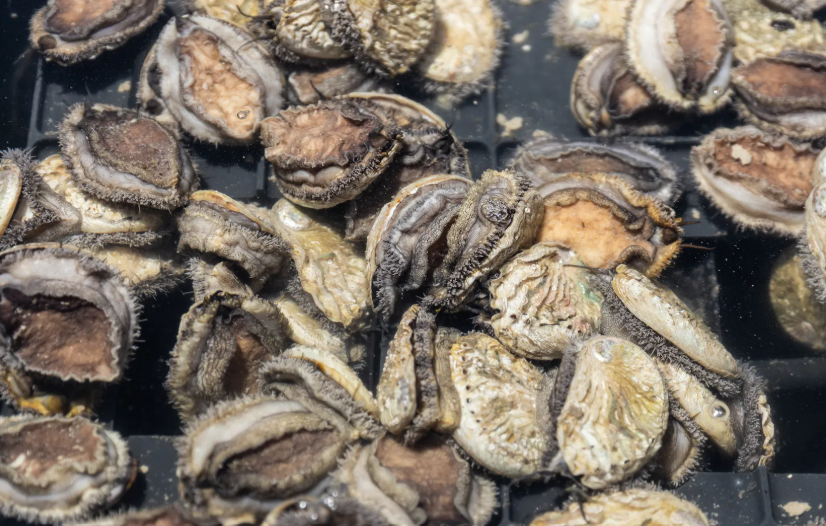
Cape Town, South Africa – Wild abalone populations, vital to coastal communities and the aquaculture sector, have crashed by 90% across their natural range, including a shocking 99% decline even inside marine protected areas like Betty’s Bay. South Africa’s Minister of Forestry, Fisheries, and the Environment is urgently pushing for dried abalone—Haliotis midae—to be listed under Appendix II of CITES to curb rampant poaching and illegal trade.
Annual illegal harvests exceed 2,000 tonnes, dwarfing the legal catch quota, and threaten one of the nation’s precious marine resources and associated livelihoods. Supporters of the CITES listing warn that time is running out to protect abalone before populations reach irreversible lows, underscoring the crucial balance between conservation goals and economic survival for communities.
Editorial Comment – South Africa is a range state, has submitted Proposal 39, which seeks to have the dried form of this abalone species included in CITES Appendix II at the December CoP.
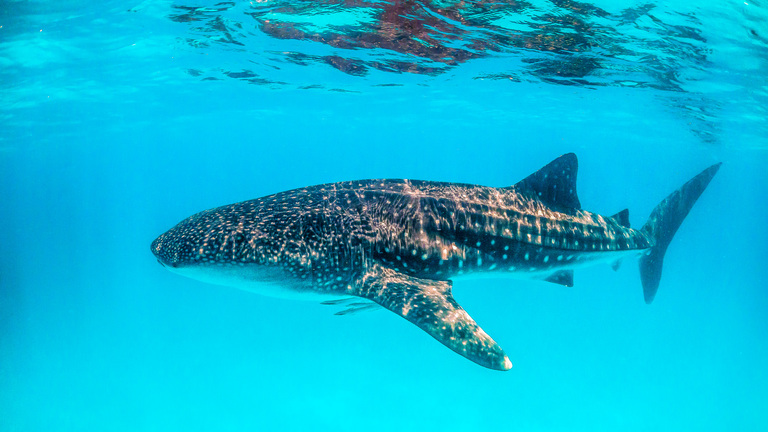
6. Indonesia Steps Up to Protect the Ocean’s Gentle Giants with New Whale Shark Conservation Plan
Jakarta, Indonesia – Indonesia’s Ministry of Marine Affairs and Fisheries is evaluating its 2021-2025 National Action Plan for Whale Shark Conservation and preparing a new strategy for 2026-2029 to better protect this fully protected species. Whale sharks (Rhincodon typus) are vulnerable due to their slow growth rate, low reproductive capacity, and delayed maturity.
The ministry aims to enhance governance with a systematic approach, focusing on emergency responses to whale shark strandings and promoting sustainable whale shark tourism. Key habitats in Indonesia, such as Cenderawasih Bay, Kaimana, Saleh Bay, and the Derawan Islands, support significant aggregations of young whale sharks. The new strategy will focus on promoting wildlife-friendly tourism and enhancing stranding response and handling to ensure the long-term survival of these iconic ocean creatures and the health of marine ecosystems.
Editorial Comment: This announcement comes at the same time that many in the international community are working to impose the most stringent international trade embargo on whale sharks at the upcoming CITES CoP.

7. Jamaica’s Secret to Saving Queen Conch: Why a Strict Fishing Ban Could Keep a Marine Treasure Alive
Kingston, Jamaica – The National Fisheries Authority (NFA) has announced the annual Conch Close Season from August 30, 2025, to February 28, 2026, a critical measure to preserve Jamaica’s queen conch population. Dr. Zahra Oliphant, Principal Director at the NFA, emphasized that the peak spawning season falls during this period, making it crucial to protect conch from fishing pressures.
The queen conch is listed as a threatened species by CITES, and Jamaica’s Fisheries Act forbids harvesting, selling, or processing conch products during the closed season to ensure sustainability. Fishers must abide by these regulations to secure the fishery for future generations. Failure to comply risks hefty penalties, underscoring the seriousness of this conservation effort. The NFA urges fishers and the public alike to respect the close season and protect this vital marine resource.
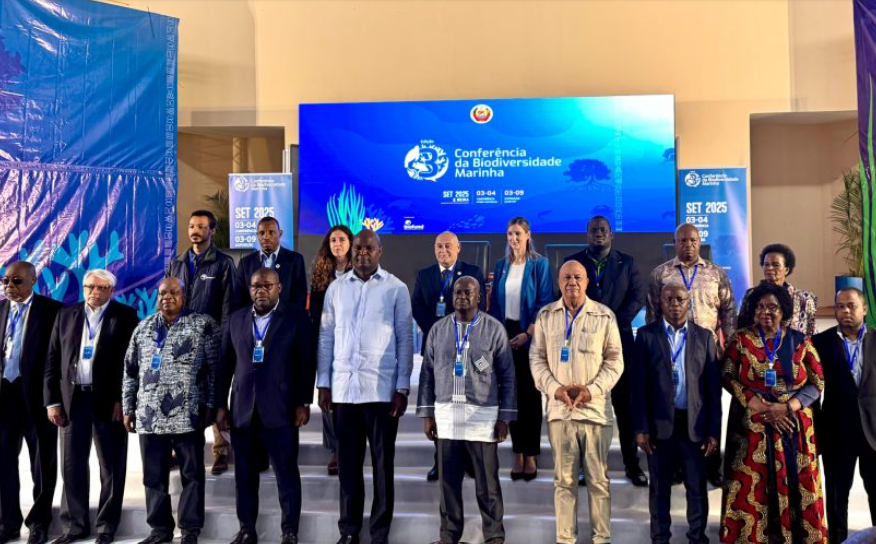
8. Mozambique President’s Bold Call: Communities Must Lead the Charge to Save Our Oceans
Beira, Mozambique – President Daniel Chapo urges Mozambique to embrace community-driven environmental education and marine protection as critical elements for preserving the nation’s rich marine ecosystems. Speaking at the third Marine Biodiversity Conference in Beira, Chapo emphasized blending scientific and traditional knowledge to safeguard marine resources sustainably. He called for joint management involving local communities and the government, promoting measures like strict closed seasons, fishery monitoring, and combating illegal fishing.
The president also highlighted Mozambique’s commitment to international biodiversity targets, including the Kunming-Montreal Global Biodiversity Framework, aiming to conserve 30% of land and sea by 2030. He painted a hopeful picture of schools and coastal communities becoming “living laboratories” to nurture stewardship and innovation for future ocean health. Mozambique’s devotion to sustainable blue economy growth and investment in local marine product processing are also cornerstones of this vision.

9. Inside the New Cutting-Edge Conservation Hub Transforming Britain’s Most Iconic Nature Reserve
Lindisfarne, UK – The iconic Lindisfarne National Nature Reserve has launched a state-of-the-art volunteer, community, and research science hub, creating a hub for cutting-edge conservation efforts across North-East England. This world-class facility fosters critical research partnerships with regional universities, focusing on pressing issues such as climate change adaptation, tracking invasive species, and protecting marine ecosystems.
Supporting up to 60,000 wintering birds, 4,000 grey seals, and nationally essential seagrass beds, the reserve will serve as a living laboratory for innovative studies on wildlife disturbance, water pollution, and environmental DNA monitoring. Beyond science, the hub promotes public engagement with nature recovery and offers mental health and wellbeing programs, encouraging broader community participation in protecting and restoring natural habitats. Natural England emphasizes this investment as a vital step towards expanding, connecting, and enriching nature conservation for future generations.

10. Conservation Groups Take DHS to Court Over Hatcheries Threatening Wild Salmon and Endangered Orcas
Seattle, US – Wild Fish Conservancy and The Conservation Angler announced plans to sue the federal government, alleging NOAA Fisheries’ flawed 2024 Biological Opinion violates the Endangered Species Act by allowing hatchery operations under the Mitchell Act to harm wild salmon, steelhead, and Southern Resident killer whales in the Columbia River Basin.
The suit demands immediate action to protect threatened species and their habitats from genetic and ecological risks posed by hatcheries. This legal challenge continues a persistent campaign to safeguard fish populations critical to ecosystem and community health.

11. California’s Salmon Fishery Closes Early Again: What This Means for Anglers and the Future of Chinook
Sacramento, California – The California Department of Fish and Wildlife (CDFW) announced that the 2025 fall ocean salmon fishery met its 7,500 Chinook salmon harvest guideline during the Sept. 4-7 recreational fishery and will close the remaining fall fishing dates of Sept 29-30, October 1-5, and October 27-31. Approximately 12,000 Chinook salmon were caught by 12,400 anglers in the brief season between Point Reyes and Point Sur.
This in-season management approach, new in 2025, uses harvest guidelines to minimize impacts on vulnerable Klamath River fall Chinook and Central Valley Chinook stocks. The National Marine Fisheries Service took swift action to close the fishery once the harvest limit was reached. Anglers are encouraged to prepare for the possibility of crowded launch sites during the short open periods and to follow all regulations designed to protect the long-term sustainability of the salmon population.
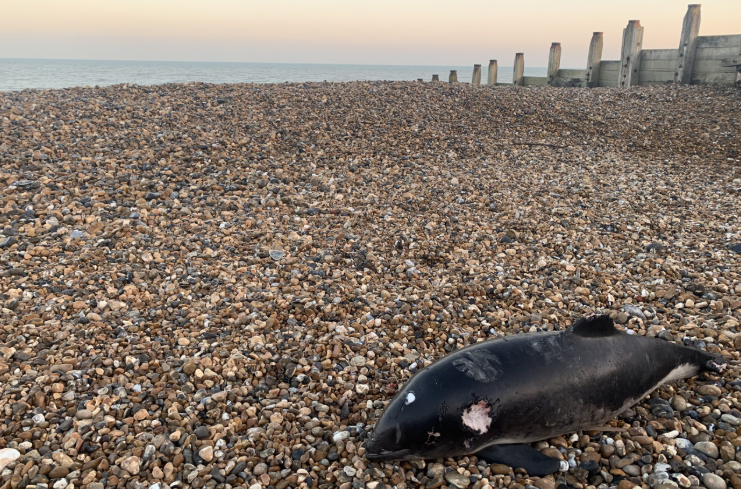
12. Could This Be the End of Harbour Porpoise Bycatch in English Waters? Urgent Action Needed
London, UK – Over a thousand harbour porpoises and common dolphins are killed each year as unintended victims of static fishing nets in English waters, with bycatch rates threatening to deplete vulnerable marine mammal populations further. The UK’s Marine Management Organisation (MMO) is considering new management measures for key Marine Protected Areas (MPAs), including the Southern North Sea and Bristol Channel Approaches, alongside broader protections across the North Sea and Celtic and Irish Seas.
Experts warn that tackling bycatch requires comprehensive strategies combining gear modifications, time-area closures, and acoustic deterrents, supported by government investment and fisher incentives for a just transition. With legal obligations to reduce bycatch and ambitious targets set by the UK Parliament’s EFRA Committee, there is a rare chance to implement practical solutions to protect these iconic species after more than 30 years of warnings. The time to act is now or risk irreversible harm to these vital marine mammals and the ecosystems they support.

13. Ancient Horseshoe Crabs on the Brink: New Study Reveals Devastating Decline in Long Island Sound
Long Island Sound, USA – A new comprehensive study by researchers at The Maritime Aquarium reveals a severe and consistent decline of Atlantic horseshoe crab populations in Long Island Sound over the past two decades, shrinking at an alarming 2% to 9% annually. These 450-million-year-old creatures play an essential ecological role, providing vital nourishment for migratory shorebirds and supporting marine food webs. Habitat loss due to coastal development, beach erosion, and overharvesting for bait and biomedical purposes are primary drivers of this decline.
While Connecticut banned horseshoe crab harvesting in 2023, New York still permits significant harvesting, prompting advocates to push Governor Kathy Hochul to enact protective legislation. Scientists emphasize the urgent need for coordinated conservation efforts to prevent local extinction and preserve this cornerstone species critical to ecosystem health along the Atlantic coast.

14. Ireland Joins Global Wave to Protect Oceans with Historic High Seas Treaty Ratification
Dublin, Ireland – The Irish government has approved the ratification of the landmark Agreement on the Conservation and Sustainable Use of Marine Biological Diversity of Areas Beyond National Jurisdiction (BBNJ Agreement), known as the High Seas Treaty. Adopted in 2023 after years of negotiation, this treaty is the first binding international framework for safeguarding marine biodiversity in ocean areas beyond any national control, covering two-thirds of the world’s oceans.
Ireland, one of the earliest signatories, commits to advancing global efforts to create marine protected areas, promote environmental impact assessments, and enhance capacity-building, especially for developing nations. The ratification moves the treaty closer to entering into force, expected soon after reaching 60 ratifications globally. Irish officials hailed the move as a critical step in defending oceans facing threats from pollution, climate change, and industrial activities, thereby placing Ireland at the forefront of ocean conservation.
15. Philippines Nears Historic Ratification of Global Ocean Treaty to Protect Our Future
Manila, Philippines – The Philippine Senate has unanimously ratified the Agreement on the Conservation and Sustainable Use of Marine Biological Diversity of Areas Beyond National Jurisdiction (BBNJ Agreement), also called the High Seas Treaty. Adopted in 2023 after nearly two decades of negotiation, this treaty is the first legally binding framework to protect marine biodiversity in international waters outside any national jurisdiction.
The Philippines, one of the earliest signatories, has actively championed the treaty’s prompt ratification and implementation to secure benefits such as fair sharing of marine genetic resources, environmental protections, and capacity-building support for developing countries. Filipino fisherfolk, scientists, and coastal communities are poised to benefit from increased funding, advanced technologies, and leadership roles in global marine governance. The ratification positions the Philippines among the first 60 nations to implement the treaty, awaiting the upcoming Conference of Parties to finalize its rules and mechanisms.
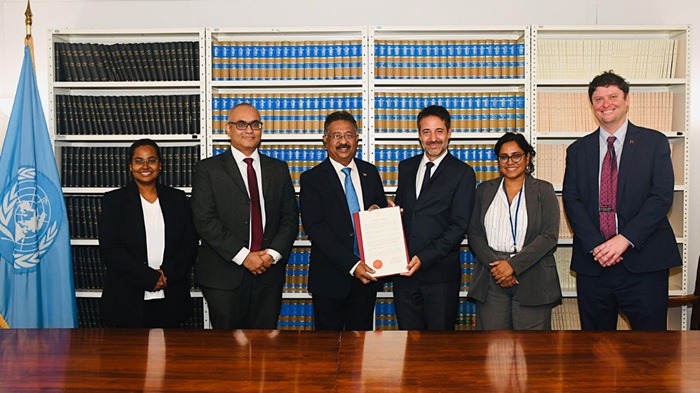
16. Sri Lanka Joins Global Fight to Protect the Ocean with Historic BBNJ Treaty Ratification
Colombo, Sri Lanka – Sri Lanka officially became a State Party to the landmark United Nations Convention on the Law of the Sea Agreement on the Conservation and Sustainable Use of Marine Biological Diversity of Areas Beyond National Jurisdiction (BBNJ Agreement) by depositing its Instrument of Ratification with the United Nations on September 16, 2025. This move marks another milestone in Sri Lanka’s leadership role in international ocean governance, following its key role in the 1982 UNCLOS.
The Agreement promotes fair sharing of marine genetic resources and digital sequence information from areas beyond national jurisdiction. It also emphasizes capacity building and technology transfer, empowering developing countries like Sri Lanka to better conserve marine biodiversity and boost climate resilience. The treaty further strengthens Sri Lanka’s ability to collaborate internationally toward protecting biodiversity and advancing Sustainable Development Goals.
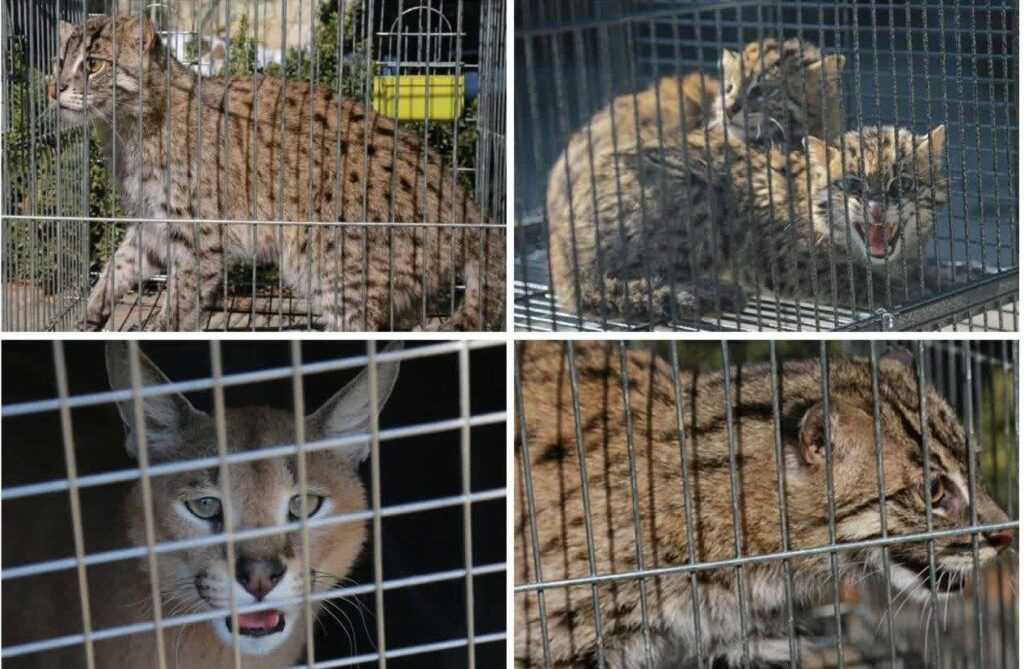
17. Iran Takes Bold Stand: New Cyber Unit Targets Wild Animal Trafficking Online
Tehran, Iran – Iran’s Department of Environment (DOE) has established a dedicated working group to combat wildlife trafficking in cyberspace, focusing on the growing illegal trade of wild species through online platforms. Wildlife trafficking ranks as the third most profitable crime globally, after drug and arms trafficking. Studies reveal that a troubling 25% of species sold online are listed under international trade bans by CITES. The new unit monitors wildlife cybercrimes involving diverse animals from lion cubs and falcons to turtles and iguanas.
In cooperation with the National Wildlife Organization, the DOE is preparing a nationwide anti-trafficking plan aimed at heightened vigilance and stricter enforcement. Penalties for wildlife crimes were significantly increased in 2024 to deter hunters and traffickers, with fines rising from roughly $20 to over $500 depending on the offense severity. This initiative seeks to curb wildlife crimes and strengthen species conservation across Iran’s ecosystem.
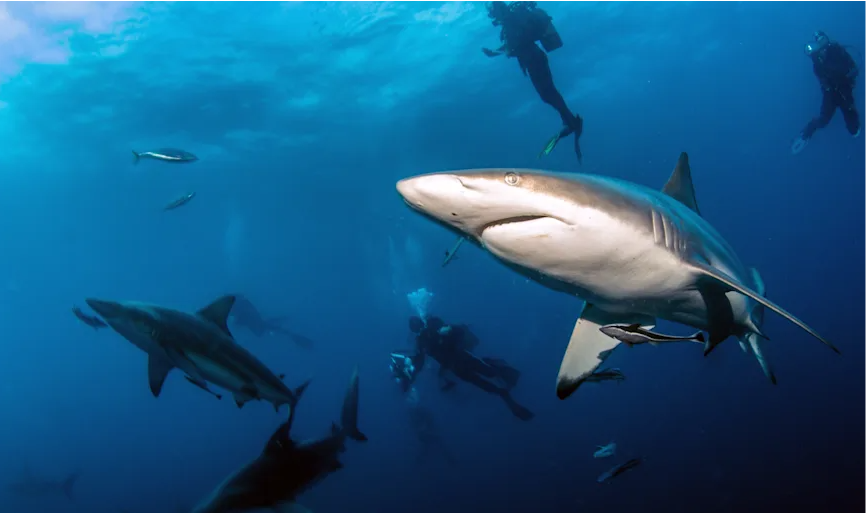
18. Cheap Jerky, Priceless Threat—Endangered Shark Meat Secretly Sold Across America
Chapel Hill, US – Despite global regulations aiming to safeguard imperiled shark species, a recent University of North Carolina at Chapel Hill study finds that endangered shark meat regularly slips into the US marketplace under vague or false labels. Of 30 products tested, including raw steaks and jerky, 31% derived from endangered or critically endangered sharks. Researchers used DNA barcoding to reveal that generic “shark” labels mask the actual source, enabling illegal trade and confusing consumers.
Some products marked as less vulnerable species were instead endangered shortfin makos. Shockingly affordable prices—fresh meat as low as $6.56/kg—suggest a booming, illicit industry. Health risks escalate: meat from great hammerhead and scalloped hammerhead sharks can deliver dangerous doses of mercury and arsenic. The study calls for mandatory species-specific labeling and consumer restraint, arguing that ethically informed choices can help halt the silent extinction hidden in America’s seafood aisles.
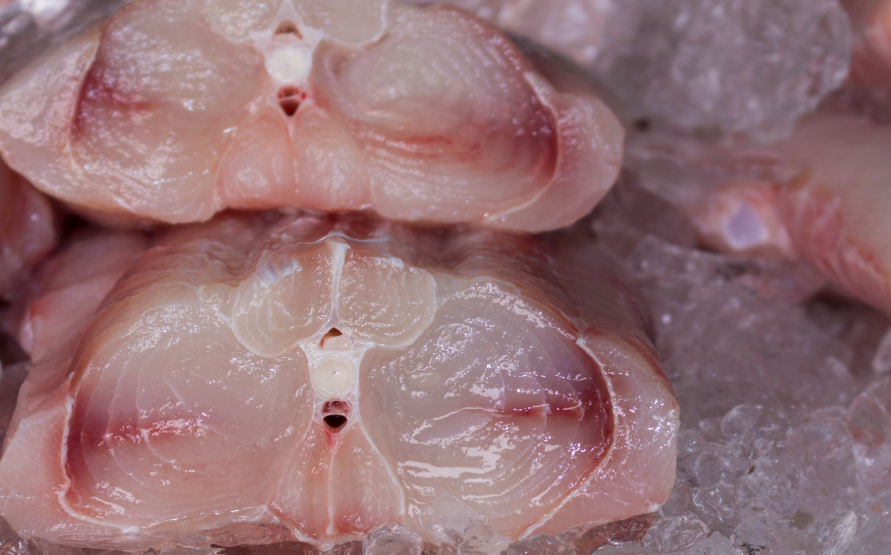
19. You Won’t Believe What’s Really in Your Shark Steak—Are Endangered Species Hiding on American Plates?
Washington, US – A startling new study reveals shark meat sold in the US often comes from endangered species, masked by generic labeling in grocery stores, seafood markets, and online vendors. Researchers from the University of North Carolina at Chapel Hill used DNA barcoding on products purchased in Washington, D.C., North Carolina, Florida, and Georgia, finding that 31% of samples contained meat from critically endangered sharks like great hammerhead, scalloped hammerhead, tope, and shortfin mako.
With the global shark meat trade valued at $2.6 billion, traceability is elusive—products often change hands frequently, concealing illegal and unsustainable catches. The mislabeled meat isn’t just an ecological concern; these sharks can contain mercury, methylmercury, and arsenic, posing severe health risks, including neurological damage and cancer. The study recommends stricter species-specific labeling and increased consumer awareness to protect vulnerable sharks and public health.
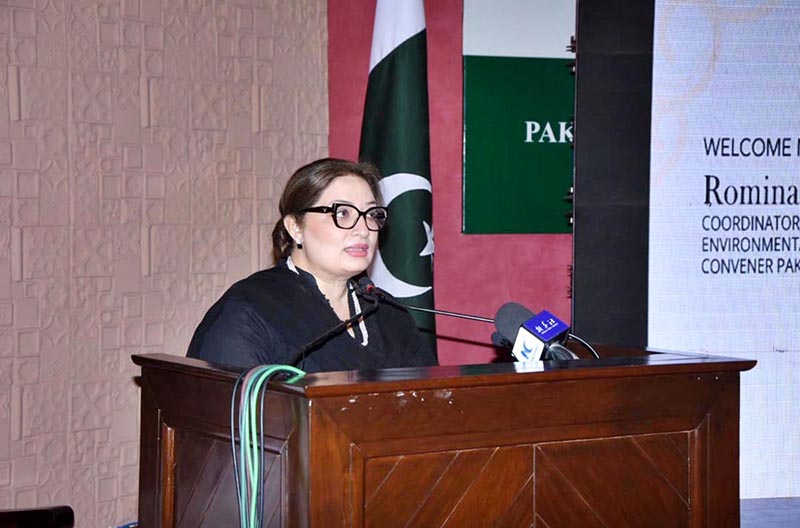
20. Pakistan’s Plastic Crisis Hits Hard: Government’s Bold Move to Ban Single-Use Plastics
Islamabad, Pakistan — Pakistan faces a staggering plastic pollution crisis with 3.3 million tons of plastic waste generated annually, causing severe economic, social, and environmental damage, warned Romina Khurshid Alam, the Prime Minister’s Coordinator on Climate Change. Speaking at Green Action Week 2025 at NUST, Alam highlighted that single-use plastics contribute to climate change, urban flooding, biodiversity loss, and public health risks. The government has enacted a nationwide ban on single-use plastics, starting with Islamabad and expanding to provinces, targeting items such as polythene bags and disposable cutlery with strict penalties.
The “Plastic-Free Pakistan” campaign promotes alternatives like cotton bags and biodegradable products, supported by community awareness efforts and recycling initiatives that repurpose confiscated plastics. Alam called for joint responsibility among industries, authorities, and the public to secure sustainable communities, emphasizing that behavioral change alongside regulation is vital to turn the tide on plastic pollution.

21. Punjab’s Plastic Crackdown: Are Unregistered Businesses Facing Total Shutdown?
Lahore, Pakistan — Punjab’s government is intensifying its efforts to combat plastic pollution with a new policy aimed at targeting unregistered plastic businesses. From January 1, 2025, any manufacturer or supplier not registered by the December 31 deadline faces hefty fines and potential closure. This hard-hitting move aims to clean up the province by dismantling the underground plastic trade fueling environmental damage.
An easy online registration system supports compliance, but the stakes are high for those ignoring the call. Officials promise this crackdown will transform Punjab’s plastic landscape, forcing the industry to adopt more sustainable practices while protecting public health and natural resources. Community awareness campaigns will bolster enforcement as Punjab pushes toward a greener future.