

1. EU Cracks Down on Invisible Plastic Invading Your Food and Water
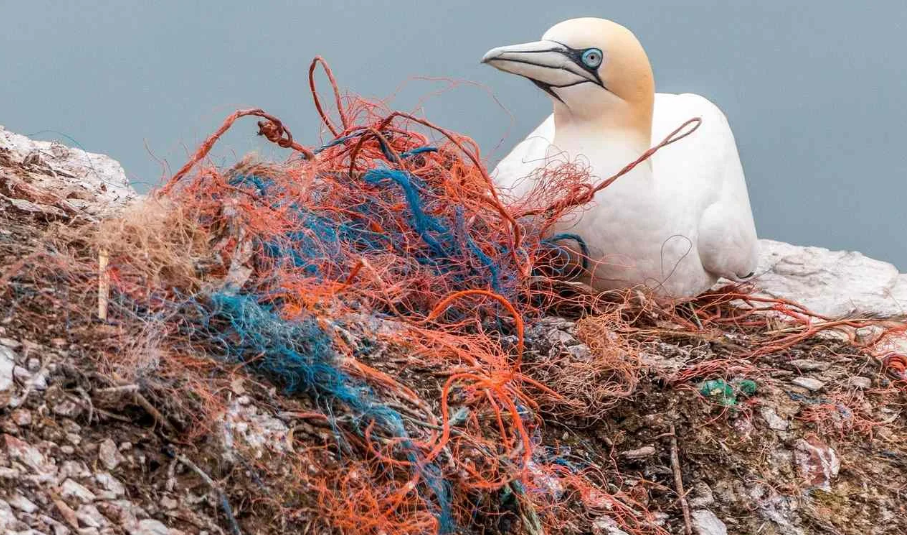
Brussels, Belgium – New European Union rules to curb microplastic pollution from plastic pellets have officially entered into force, tightening controls on one of the most significant sources of tiny plastic particles leaking into the environment. The legislation targets companies that handle at least five tonnes of plastic pellets a year, from manufacturers and recyclers to transporters, requiring them to prevent, contain, and promptly clean up any pellet spills.
Operators must put in place risk management plans tailored to the size and nature of their facilities, while larger firms handling more than 1,500 tonnes annually will need certification or permits proving compliance. EU officials say the law will harmonize standards across the single market and drive better industrial practices to prevent pellets from entering rivers and seas.
2. How A Group of Girl Scouts Just Killed Glitter in Anchorage Classrooms
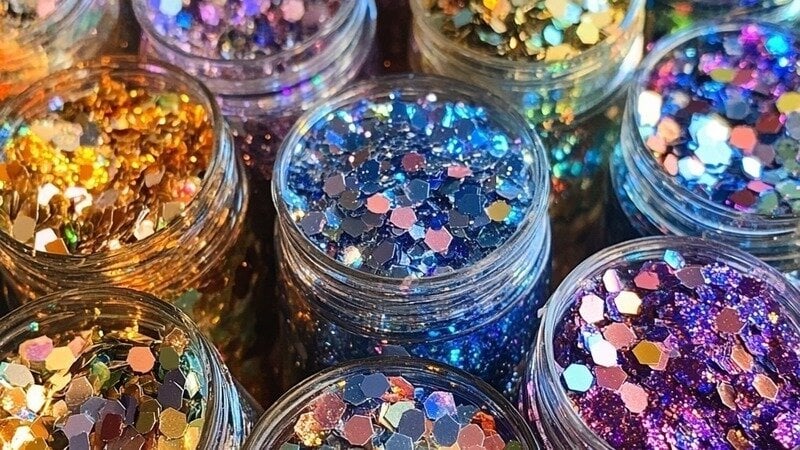
Anchorage, Alaska – Plastic glitter is officially out in the Anchorage School District, after local Girl Scouts led a campaign highlighting how those tiny sparkles can end up as harmful microplastics in rivers and oceans. The students researched glitter’s environmental footprint and testified that the plastic fragments are nearly impossible to clean up, can be eaten by fish and seabirds, and may eventually make their way back to people through the food chain.
Their advocacy convinced the Anchorage School Board to prohibit plastic glitter in classrooms and school events, while encouraging biodegradable alternatives for crafts and celebrations. Supporters say the move will both reduce plastic pollution and teach kids that their choices – and their voices – can drive real-world environmental change.
Thank you for your generous gift that will help us continue the production of this weekly, free publication
3. Mediterranean Trawling Ban Protects Ancient Sea Canyon from Ruin
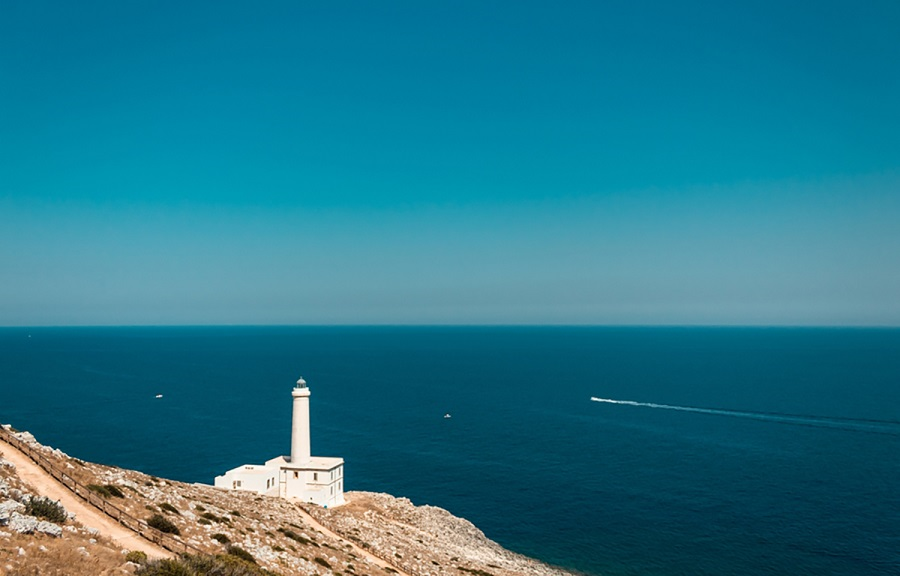
Rome, Italy – The General Fisheries Commission for the Mediterranean (GFCM) has created its 11th fisheries restricted area in the Otranto Channel, banning destructive bottom trawling to safeguard a pristine submarine canyon teeming with vulnerable marine life. The SeafoodSource report details how the Santa Maria di Leuca Canyon, stretching from Italy’s Puglia region into Albanian waters, now joins a network of no-trawl zones preserving seagrass meadows, cold-water corals, and deep-sea sponges.
The decision follows scientific evidence that trawling gear scrapes the seabed, destroying habitats, releasing carbon stored in sediments, and threatening overfished species like hake, red shrimp, and Norway lobster. GFCM members agreed that the ban will remain in place indefinitely, with strict monitoring to ensure compliance and support sustainable fishing alternatives in the region.
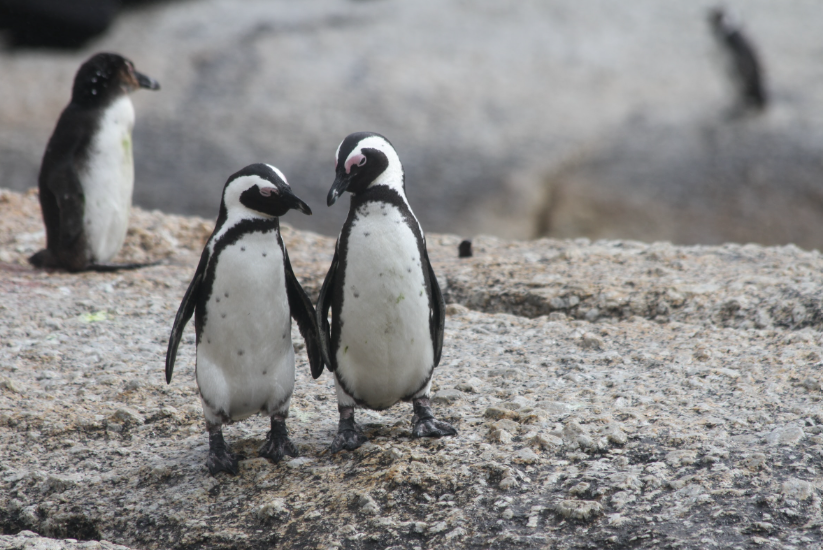
4. Will South Africa’s Next Nuclear Plant Doom a Crucial Penguin Colony?
South Africa – State utility Eskom is once again weighing two controversial coastal sites for a new 5,200-megawatt nuclear power plant, and one sits beside a crucial African penguin refuge. The short article reports that Eskom has launched a fresh environmental impact assessment for a third reactor at Thyspunt, on the Eastern Cape coast, and Bantamsklip in the Western Cape, near Dyer Island’s declining colony of critically endangered African penguins.
Conservationist Wilfred Chivell of the Dyer Island Conservation Trust warns that Bantamsklip’s powerful currents support whales, Cape fur seals, sharks, abalone, and roughly 1,000 breeding penguin pairs, and that a nuclear plant could stir up sediment, increase underwater noise, dump heat and chemicals into the sea, and smother kelp forests with excavated sand. He says this could undo decades of research, conservation, and nature-based tourism that sustain local livelihoods.
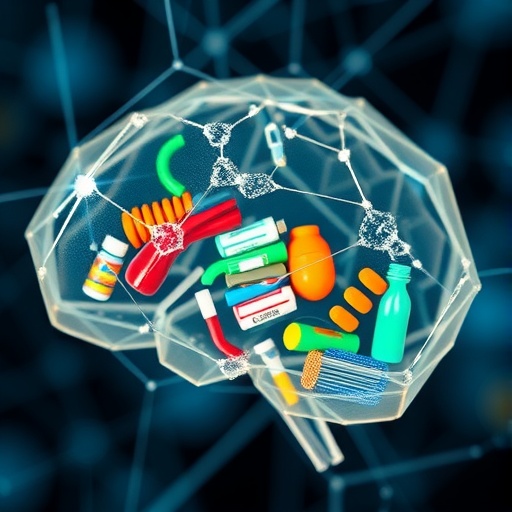
5. Tiny Plastics, Big Brain Damage? New Study Sounds the Alarm
A new review of micro- and nanoplastics warns that these invisible particles may be quietly damaging the human brain, from the blood-brain barrier to the cells that keep neurons healthy. The article on Bioengineer.org explains that microplastics (under 5 millimeters) and nanoplastics (under 100 nanometers) are now found in oceans, soils, air, and even human brain tissue, where their small size allows them to cross biological barriers once thought secure.
The featured study, “The plastic brain part II,” reports that these particles can trigger chronic neuroinflammation, oxidative stress, mitochondrial damage, and disrupted synaptic activity, all of which are linked to cognitive decline and neurodegenerative disease. The authors also highlight specific risks to developing brains, calling for stricter regulation, enhanced monitoring, and urgent research into prevention and treatment strategies.
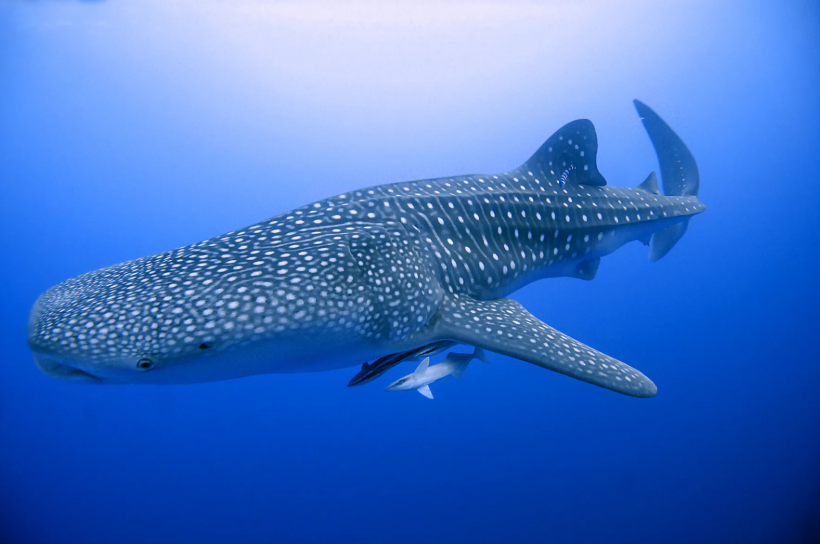
6. Global Whale Shark Trade Just Got Shut Down — Here’s How Taiwan Helped Make It Happen
Taipei, Taiwan – Taiwan’s Ocean Conservation Administration is hailing a new global ban on whale shark trade after countries agreed to give the species the highest level of protection under CITES. Delegates at the 20th Conference of the Parties in Samarkand, Uzbekistan, upgraded whale sharks from Appendix II, which allows regulated trade, to Appendix I, which generally prohibits international trade except in rare, exceptional cases.
The OCA notes that Taiwan already listed whale sharks and manta rays as protected marine wildlife in 2020, with prison terms and steep fines for harassment, capture, or killing. Officials say whale sharks are still frequently caught as bycatch, so since 2021, they have coordinated with fixed-net fishers via a LINE reporting group, helping release 362 whale sharks and two manta rays alive by late 2025. The agency pledges to keep sharing Taiwan’s marine conservation experience worldwide.
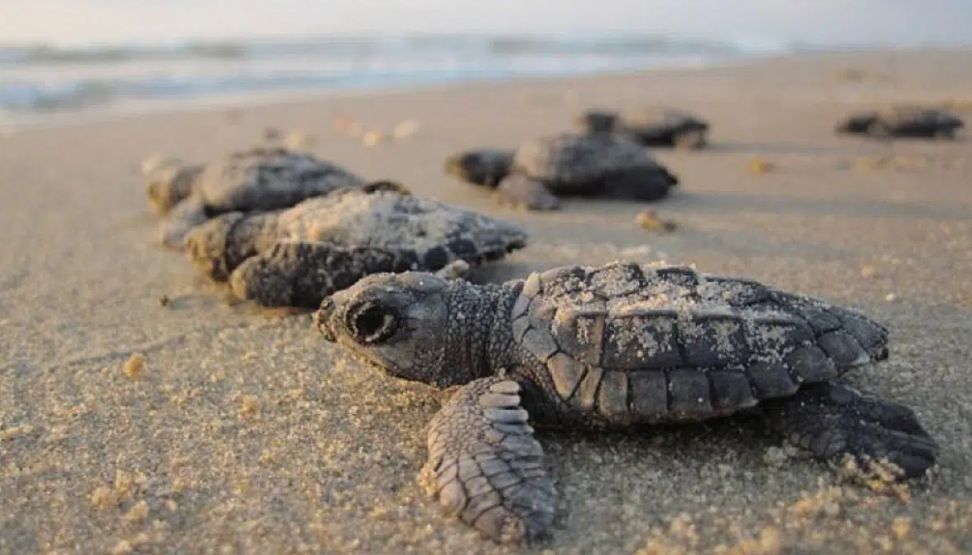
7. India’s Sea Turtles Lay a Million Nests – Oceans’ Greatest Comeback?
Mumbai, India – Conservation efforts have triggered a stunning rebound for sea turtles along India’s coasts, with nearly one million nests recorded in a single season – a number 10 times higher than two decades ago. Noticias Ambientales reports that olive ridley turtles, listed as vulnerable by the IUCN, are now digging nests in record numbers from Maharashtra to Odisha, thanks to hatcheries that protect eggs from predators, seasonal fishing bans, protected beaches, and community festivals like Velas that draw tourists while raising awareness.
Volunteers relocate eggs to safe enclosures, release hatchlings, and keep plastics off beaches that the turtles mistake for jellyfish. Experts credit these patchwork measures with turning the tide after years of bycatch, egg harvesting, and hunting nearly wiped out local populations.
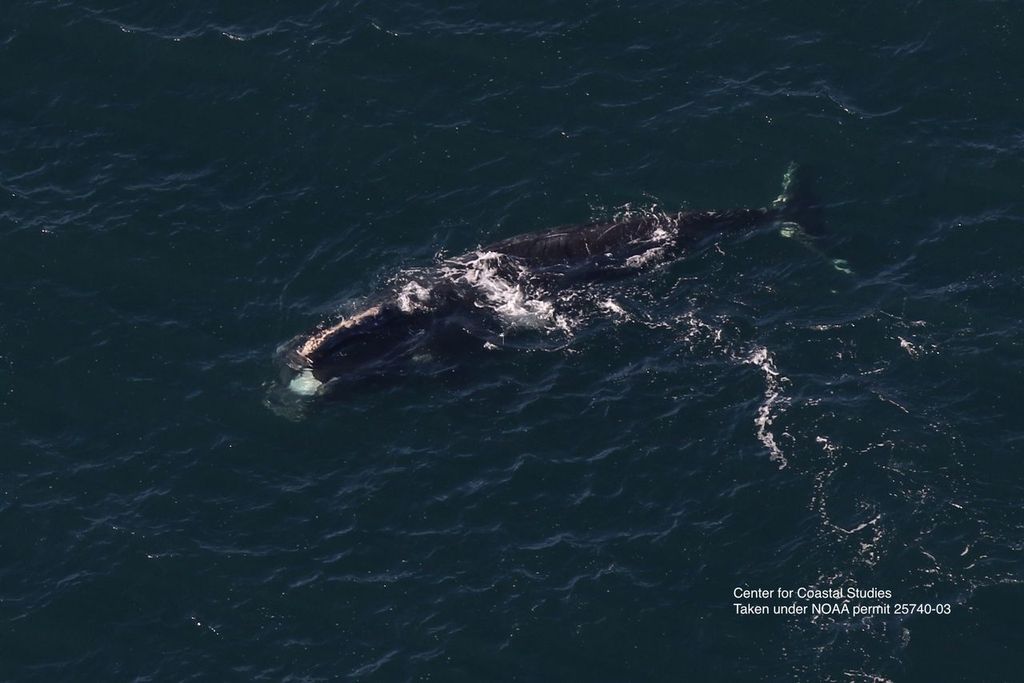
8. Right Whale Crosses Atlantic from Ireland to Boston – First Time Ever Caught on Camera!
Boston, United States – A critically endangered North Atlantic right whale, first photographed off Ireland in 2024, has swum 4,800 kilometers across the Atlantic to resurface near Boston on Nov. 19, marking the first time scientists documented one initially spotted in Irish waters. The Mongabay short article explains that researchers from the Center for Coastal Studies matched unique scarring patterns to confirm the ID, with only 384 individuals left in the species after warming waters pushed their range northward.
Experts like Amy Warren from the New England Aquarium note that this wanderer may be foraging or exploring lost historical habitats, as six other right whales have made similar transatlantic trips in the opposite direction. The sighting underscores the need for global cooperation to protect these resilient but vulnerable giants from extinction.
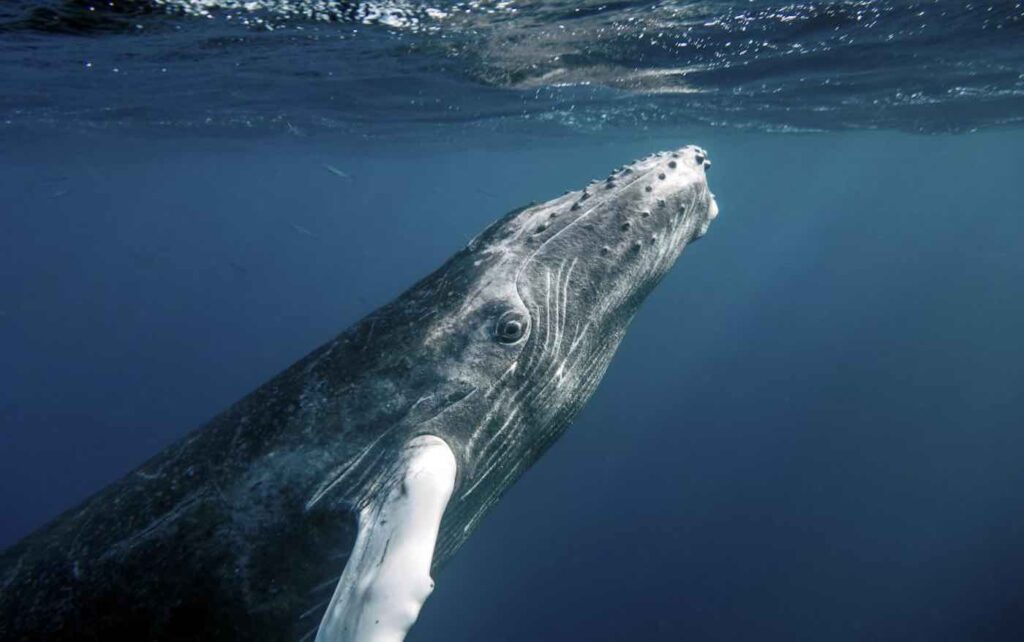
9. Whaling’s Dark Legacy: Humpback Genomes Still Carry the Scars
A new genomic study reveals that industrial whaling’s devastating efficiency left lasting damage in humpback whale DNA, even as populations rebound. Researchers compared historical bones from South Georgia’s Grytviken whaling station with modern Southern Ocean samples, finding 20-30% lower genetic diversity and higher “mutation load” from mildly harmful variants in today’s whales.
The analysis tracks effective population crashes to just 370 in the Southern Ocean by 1930 after mechanized harpoons and factory ships wiped out 98% of pre-whaling numbers – mirroring catch records with striking precision. Though numbers recover, these genomic scars may hobble adaptation to warming oceans and new threats.
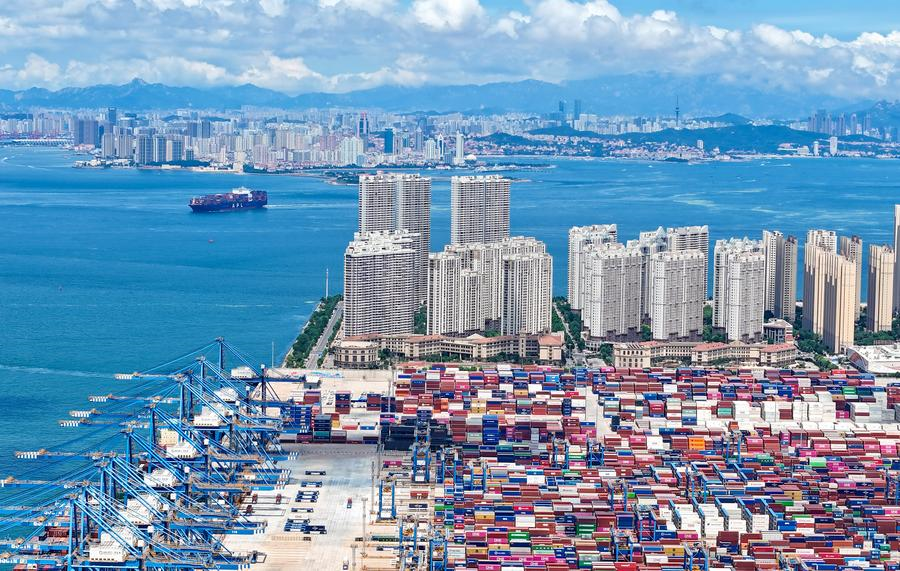
10. China’s Bay Boom: Trillion-Dollar Marine Economy Set to Explode
Beijing, China – China plans to supercharge its marine economy by integrating the planning of major bays such as Bohai Bay, Hangzhou Bay, and Beibu Gulf, turning these coastal hubs into engines of high-quality growth. Ministry of Natural Resources official Shen Jun told Xinhua that the country’s 18,000-km coastline holds vital economic, cultural, and ecological value, with the ocean sector already producing 7.9 trillion yuan ($1.12 trillion) in the first three quarters of 2025 – up 5.6% from last year.
The strategy emphasizes coordinated land-sea development, breakthroughs in core technologies such as seawater desalination and marine biomedicine, and stronger disaster prevention and ecological protection to build a sustainable blue economy model.
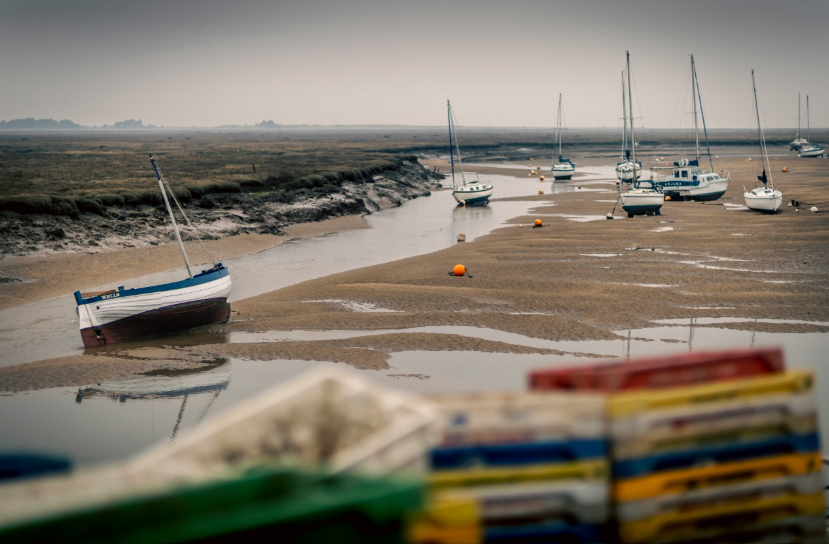
11. Ocean Sediments Secretly Saving Salt Marshes from Drowning
Scientists have discovered that ocean sediments, not rivers, provide the crucial soil that keeps Northeastern U.S. salt marshes alive as seas rise. Oceanographic Magazine reports on new University of Massachusetts Amherst research using 40 years of satellite data to track how waves, tides, and storms deliver sediment to 103 marshes from New York City to the Canadian border.
Northern marshes in Cape Cod Bay and beyond thrive with ample ocean sediment keeping pace with sea-level rise, while southern New England sites starve as coastal walls, dredging, and weakening waves cut supply, dooming them to drown. The study warns planners to rethink shoreline hardening and offshore dumping, and offers a free web tool, SedXplorer, for global sediment tracking to boost coastal resilience.
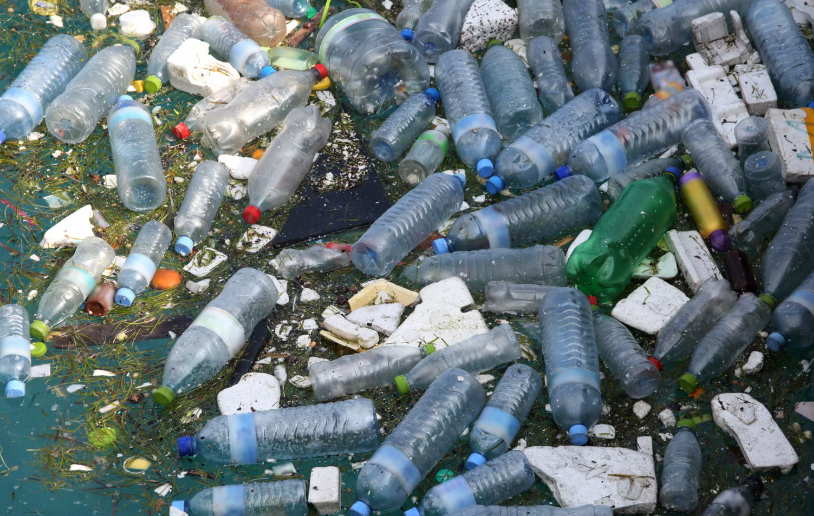
12. 8 Million Tons of Plastic Forms Deadly Underwater Tornadoes
Woods Hole, Massachusetts – Scientists at the Woods Hole Oceanographic Institution have modeled how microplastics churn into twisted, closed-loop “tornadoes” deep beneath the ocean surface, explaining where much of the annual 8 million tons of plastic pollution hides. Popular Mechanics reports that lab experiments using rotating cylinders to mimic ocean currents show spherical microplastic particles forming stable attractors – spiraling upward and downward in chaotic 3D flows – rather than just floating on top.
Unlike surface garbage patches, these subsurface eddies invisibly trap particles, complicating cleanup while their inertia disrupts normal water flow. The researchers note irregular real-world plastic shapes and turbulence could alter patterns, but the model offers clues for targeted sampling to map hidden accumulation zones and protect marine life.
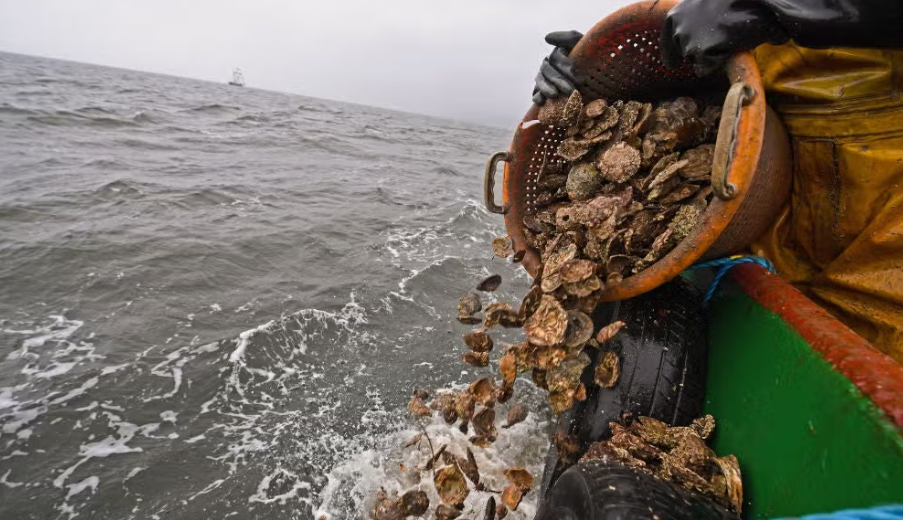
13. 435,000 Oysters Just Dropped Into Jersey Bays – Water Miracle Incoming?
Toms River, New Jersey – The Ocean County Soil Conservation District planted 435,000 farm-raised oysters across two restoration reefs in Barnegat and Great Bay last month, teaming up with nine shellfish farmers and Stockton University. Workers deployed the 1.5-inch juveniles on Nov. 19 at Tuckerton Reef (built 2016) and Mill Creek Reef (established 2022), despite rain and wind, with buoys marking zones for optimal placement.
This second-year effort under the USDA-funded COASTAL Aquaculture Project uses season-grown oysters on recycled shell for better structure, reducing burial by mud and predator losses while linking commercial farms to habitat restoration. Stockton monitors survival and growth biannually, aiming to improve water quality and estuarine health as part of the second of four planned plantings.

14. Ocean Currents Hold Key to Saving Seabirds from Mass Death
Halifax, Canada – Researchers are using ocean current tracking to predict and prevent seabird deaths by mapping migration routes where birds follow predictable water flows in search of food. ECO Magazine details how seabirds like shearwaters and petrels ride major currents – from Pacific figure-8 patterns to Atlantic flyways – making them vulnerable to bycatch in fisheries, storms, and pollution hotspots along these highways.
By modeling these dynamic paths with satellite data and tags, scientists aim to create early warning systems, adjust fishing zones seasonally, and protect critical refueling corridors. The approach reveals six global “Ocean Flyways” connecting breeding grounds to wintering areas, urging international marine protected areas to safeguard these feathered ocean nomads.
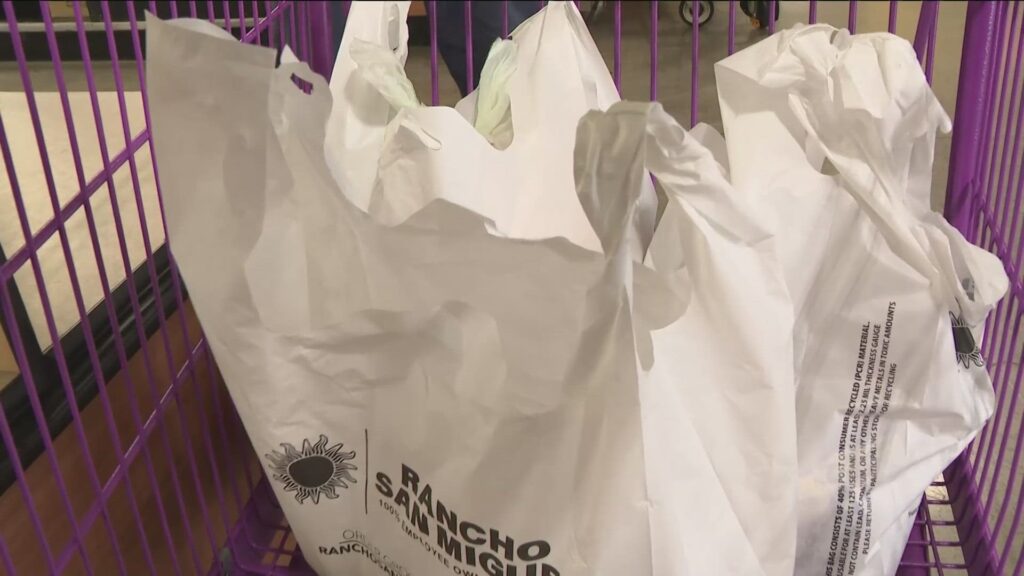
15. California’s Plastic Bag Ban Just Got Even Tougher – No Exceptions Left
Sacramento, California – California is closing the final loophole on single-use carryout bags, banning all plastic checkout bags – including thicker “reusable” ones – starting January 1, 2026, under new legislation building on the 2014 ban. CBS 8 reports that stores like grocery, pharmacy, and convenience outlets can only offer recycled paper bags (at least 10 cents each) or certified reusable alternatives.
At the same time, produce bags must also switch to paper or compostable bags by next year. The move addresses how thicker plastics flooded the market without reducing overall pollution, as consumers rarely reused or recycled them, leading to billions ending up in landfills and oceans. Retailers face daily fines of up to $5,000 for violations, prompting a shift to customer-supplied reusables to cut marine debris and litter.
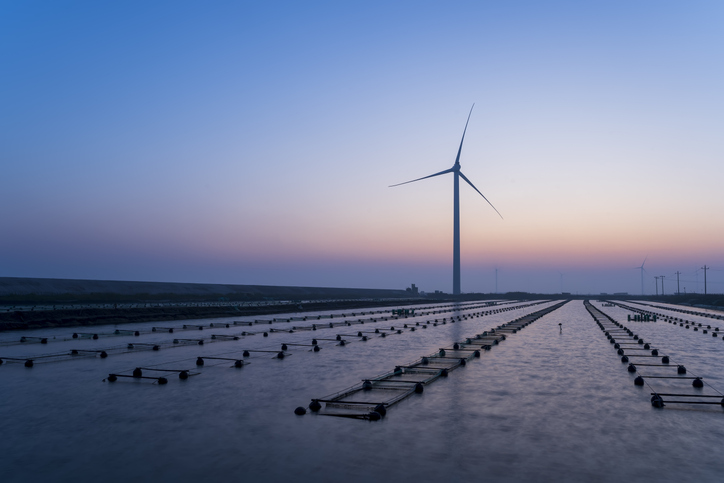
16. Europe’s Ocean Economy Needs Corporate Champions Now
Europe’s vision for a sustainable blue economy risks stalling without stronger corporate leadership to drive innovation, investment, and real-world implementation, industry experts warn. Euractiv reports that while EU policies push ocean renewables, aquaculture, and coastal tourism toward climate neutrality, private sector buy-in remains patchy amid regulatory complexity, financing gaps, and slow tech scaling.
Leaders from shipping, offshore wind, and fisheries call for public-private partnerships to accelerate digital twins, blue biotech, and circular supply chains, plus clearer incentives for SMEs to join the green transition. Without businesses stepping up as “blue champions,” the bloc’s 2030 ocean goals – from zero pollution to restored biodiversity – could slip further out of reach.
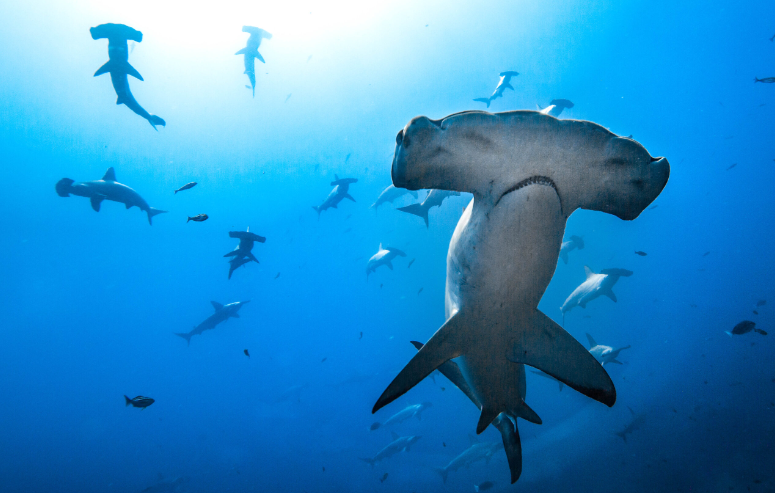
17. Young Sharks Doomed? “Baby” Species Face Highest Extinction Risk
Zurich, Switzerland – New research analyzing 20,000 fossils spanning 145 million years reveals that younger shark and ray species are far more vulnerable to extinction than their ancient counterparts that have survived mass die-offs. Oceanographic Magazine covers University of Zurich findings showing species under 4 million years old face dramatically higher risks, with a massive extinction 30 million years ago stunting new species emergence ever since.
Modern overfishing compounds this pattern, as “young” evolutionary lineages lack the stability of older sharks and rays that endured dinosaurs’ demise. Conservationists warn that prioritizing these vulnerable newcomers is critical before human pressures wipe out biodiversity that’s barely begun.
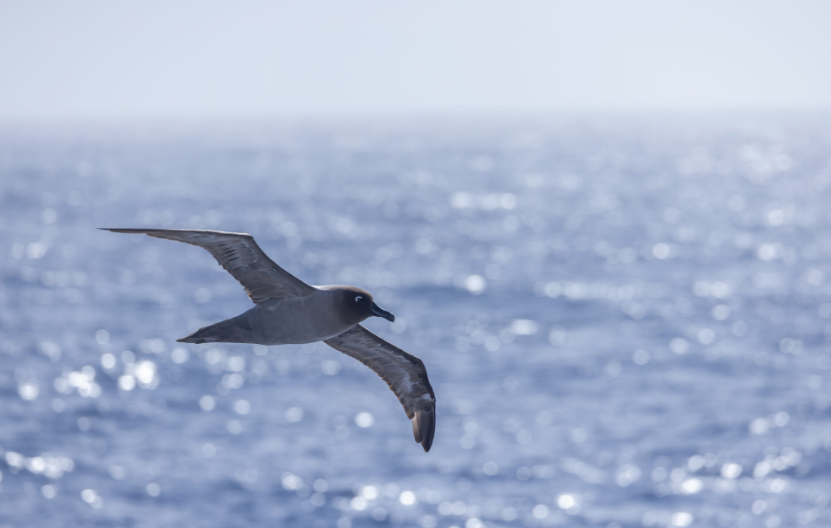
18. Albatrosses Hooked: Tracking Data Exposes Deadly Bycatch Crisis
Satellite tracking has revealed shocking levels of bycatch killing endangered albatrosses in longline fisheries, with birds following predictable foraging paths straight into fishing hooks. Oceanographic Magazine reports that researchers analyzed GPS data from multiple species, finding up to 20% of tracked albatrosses suffer fatal encounters with commercial vessels in hotspots across the Southern Ocean and Pacific.
The study maps precise overlap zones where birds scavenge bait, urging dynamic fishery closures, bird-scaring lines and weighted lines to protect these long-lived wanderers already hammered by habitat loss and invasive predators.
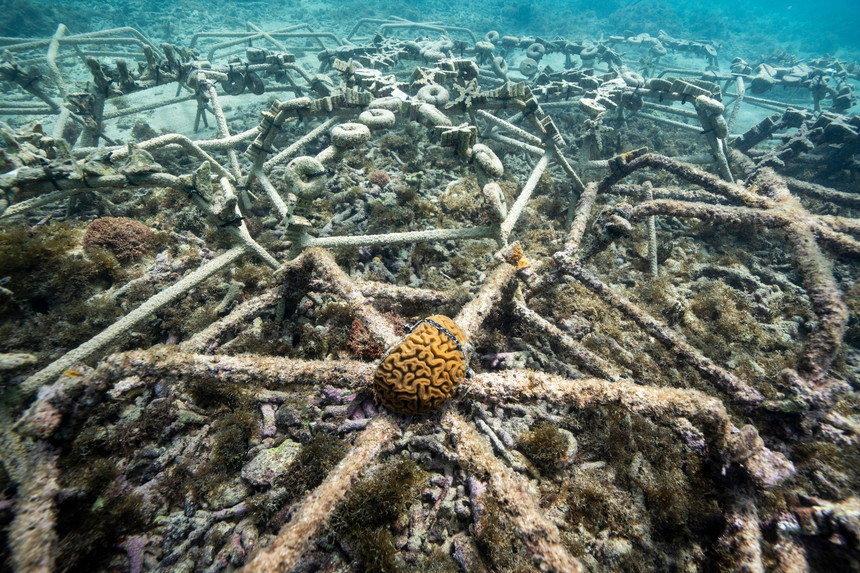
19. Coral IVF Saves Dominican Reefs from Climate Collapse
Bayahibe, Dominican Republic – Scientists are using lab-assisted coral fertilization to rescue vanishing reefs, producing 2.5 million embryos annually at Fundemar’s new research center, where tiny “coral babies” grow in nurseries before reef planting. Politico Pro reports that conservationists collect eggs and sperm during full-moon spawning, perform IVF-like joining in controlled tanks, and nurture larvae, beating natural rates on reefs, now down to under 5% coverage due to warming oceans.
Unlike cloning methods that produce disease-vulnerable copies, sexual reproduction yields genetically diverse corals better able to fight outbreaks, with Australia pioneering the tech that is now spreading across the Caribbean. The effort protects beaches, fishing, and tourism as corals shelter 25% of marine life.
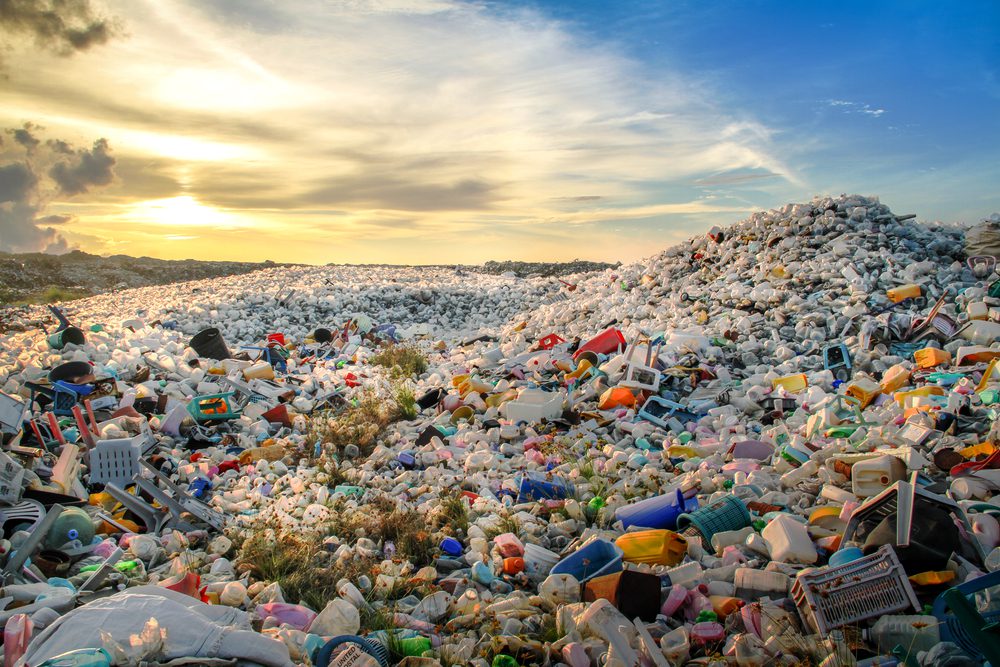
20. Plastic Pollution to Triple by 2040 – Dump Truck Every Second!
A groundbreaking Pew Charitable Trusts study warns annual plastic pollution could surge to 280 million metric tonnes by 2040 – equivalent to a dump truck’s load entering the environment every second – unless drastic global action reverses the crisis. Mumbai Mirror covers the “Breaking the Plastic Wave 2025” model, which tracks 52 plastic types and seven microplastic sources, such as tire wear and textiles, across 10 sectors, revealing that less than 10% of plastic is recycled today, while 140 million tonnes already leak into ecosystems each year.
Yet “System Transformation” via four pillars – slashing virgin production with levies and caps, redesigning for single polymers and reuse, fair waste worker integration, and mandatory transparency – could cut pollution over 80%, spawn jobs, and slash $1.2 trillion climate costs.
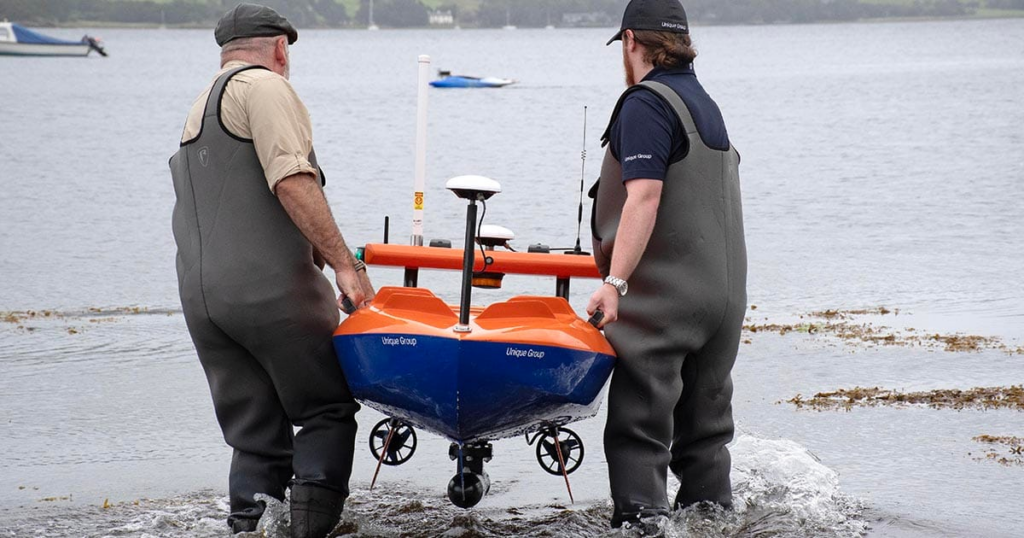
21. Scottish Robots to Rescue Loch’s Oysters and Skates
Oban, Scotland – Marine robotics are revolutionizing restoration at Loch Melfort, where autonomous surface vehicles will map ideal habitats for reintroducing European flat oysters and protecting the critically endangered flapper skate. ECO Magazine reports a collaboration between the Scottish Association for Marine Science (SAMS), Unique Group, and the University of Glasgow, which used trial surveys to measure currents and bathymetry across the 22-km shoreline loch on Kilchoan Estate.
The upcoming complete survey will build a precise habitat suitability model to guide oyster planting and skate egg-laying zones, potentially scalable to other Scottish waters. This tech-driven approach boosts oyster restoration already underway while creating a sanctuary for the rare skate.
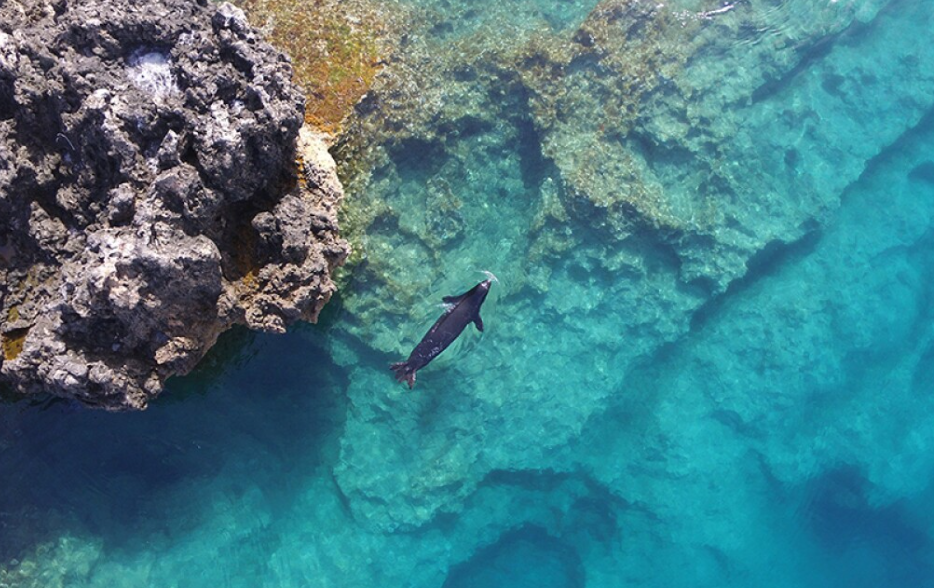
22. Tourist Boats Invading Monk Seal Caves – Greece Fights Back
Athens, Greece – Greece is expanding marine protected areas around endangered Mediterranean monk seal caves to shield the world’s rarest pinniped from tourist boats and snorkelers crowding their breeding sites. The Guardian reports that with fewer than 1,000 monk seals left globally – half in Greek waters – new restrictions target popular Ionian and Aegean spots where visitors paddle into sea caves, causing seals to flee and abandon pups.
Conservation groups push for buoyed no-entry zones, speed limits, and fines of up to €30,000, balancing tourism with habitat protection in Natura 2000 sites such as the Northern Sporades. Local operators offer “seal-safe” viewing from afar while rangers patrol hotspots.
23. Concrete Pyramids Boost Georgia Marsh Reef for Fish and Future
Savannah, Georgia – Georgia DNR and a nonprofit coalition dropped 60 concrete pyramids into Wassaw Sound’s Romerly Marsh Creek to expand an artificial reef, enhancing biodiversity and fishing habitat in the coastal marsh. Savannah Now reports the deployment at Joe’s Cut site – first established in 1987 – uses stackable structures to create complex hiding spots for juvenile fish, crabs, and oysters while filtering water naturally.
The project counters habitat loss from erosion and development by monitoring marine growth over time as part of broader inshore reef efforts that support coastal economies.
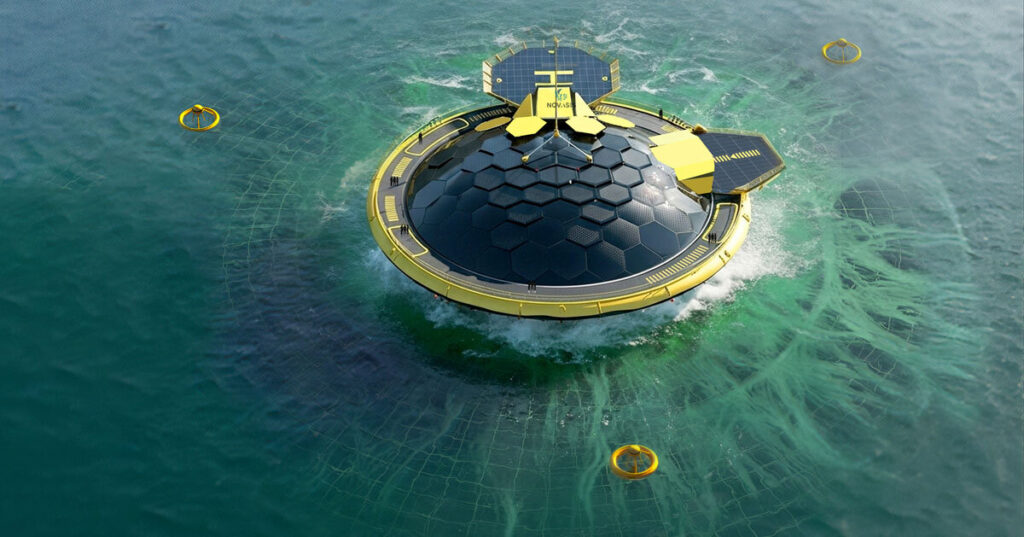
24. Floating Algae Cities: The Future of Ocean Farming?
Designer Mohsen Laei unveils NOVASIS, a modular floating platform that grows algae for biofuels and bioplastics, generates renewable energy, and produces freshwater. Designboom spotlights the Grand Prix nominee from the Jacques Rougerie Foundation competition, featuring recycled PET nets for macro- and microalgae cultivation that double as artificial reefs to boost marine biodiversity and fight ocean acidification.
Powered by wave converters, solar panels, and biogas from waste digestion, the self-sufficient structure includes adaptive ballast for storm stability, rainwater harvesting, desalination, and automated marine debris collection. Scalable from single farms to interconnected ocean communities with labs, museums, and housing, it creates a profitable circular economy addressing climate change, resource scarcity, and marine degradation.