


1. AI Breakthrough Promises to Reveal Hidden Lives of Deep‑Sea Species
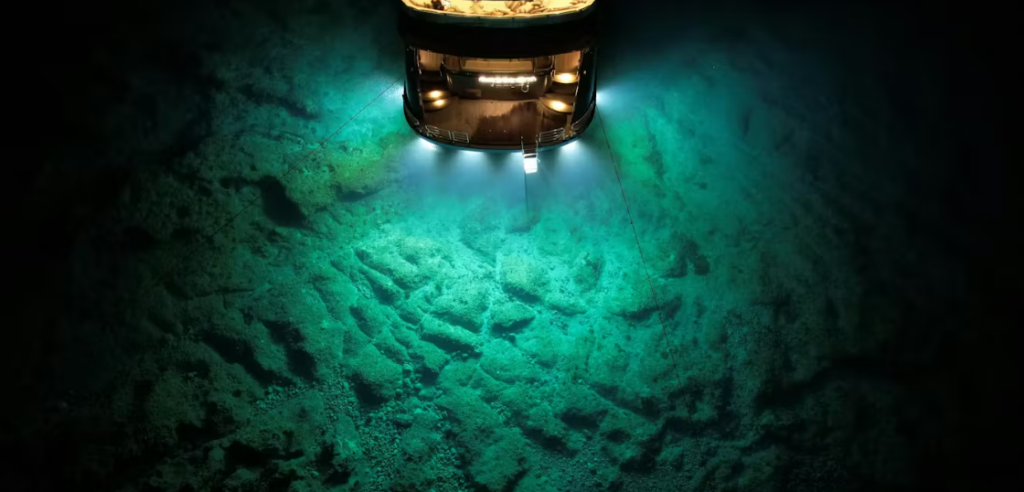
Researchers writing in The Conversation say artificial intelligence is poised to transform deep‑sea science by unlocking biological insights long buried in decades of underwater imagery. Marine scientists note that remotely operated vehicles have captured vast archives of video from the ocean floor. Still, only a fraction has ever been analysed because manual review is slow and inconsistent.
New AI models trained to recognise species, behaviours, and habitats could rapidly process this backlog, revealing how deep‑sea organisms feed, migrate, and interact in environments where direct observation is nearly impossible. The authors argue that these tools will help identify vulnerable ecosystems, track biodiversity shifts driven by climate change, and support global conservation efforts, including implementation of the High Seas Treaty. They caution, however, that AI must be paired with expert validation to avoid misidentification and ensure ecological accuracy as deep‑ocean research accelerates.

2. Sri Lanka Monitors Waters Closely After Iranian Warship Is Sunk
GALLE, Sri Lanka — Mongabay reports that Sri Lankan authorities are keeping a tight watch on coastal waters after the Iranian frigate IRIS Dena sank 40–50 nautical miles off Galle on March 4. A U.S. submarine torpedoed the vessel in international waters, marking the first sinking of an enemy ship by a U.S. submarine since World War II.
Sri Lanka’s Navy recovered 90 bodies and rescued 32 survivors, finding only oil patches and life rafts at the scene. Environmental agencies, including the Marine Environment Protection Authority, are monitoring for any potential oil spill, though none has been detected so far. Experts say Sri Lanka may have grounds to pursue environmental‑damage claims through an international tribunal, given the wartime circumstances of the sinking.
Thank you for your generous gift that will help us continue the production of this weekly, free publication
3. Half of All Migratory Species Are Now Declining — And It’s Getting Worse
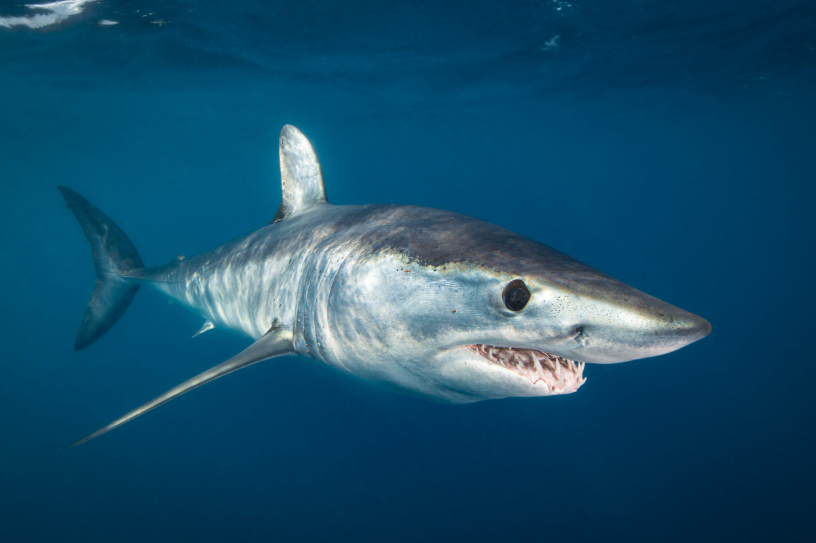
Almost half the world’s protected migratory species are declining, and the trajectory is accelerating. A new UN interim report finds 49% of migratory species populations are now in decline, up five percentage points in just two years, while 24% face extinction. The data reveal that 26 species have moved into higher extinction-risk categories, including 18 migratory shorebirds. Migratory fish face the starkest outlook: populations have plummeted by 90% since the 1970s, and 97% of treaty-listed species are at risk of extinction.
Despite grim trends, seven species show recovery, including the Mediterranean monk seal. Researchers have identified 9,372 key biodiversity areas critical to migratory species, though nearly half lack protected status. The report arrives ahead of CMS COP15 in Brazil, arming governments with current science to determine whether political will can match the urgency the numbers demand.
4. CITES Confirms March 2026 Entry Into Force for CoP20 Amendments and Decisions
Geneva, Switzerland — CITES Secretariat has announced that all amendments to the CITES Appendices adopted at the 20th Conference of the Parties (CoP20) officially entered into force on 5 March 2026, in line with Article XV of the Convention. These changes apply to all Parties except those that have entered formal reservations. For several species identified in earlier notifications, certain amendments will take effect 18 months after CoP20, unless a Party has lodged a reservation.
The Secretariat also confirmed that all new and revised Resolutions and Decisions adopted at CoP20 became effective on the same date, in accordance with the provisions of Resolution Conf. 4.6 (Rev. CoP20). Updated Appendices, Resolutions, and Decisions have now been posted on the CITES website, providing Parties with the authoritative guidance needed to implement the latest regulatory changes governing international wildlife trade.
5. Deep Divisions Persist as Plastics Treaty Talks Restart at Informal Meeting
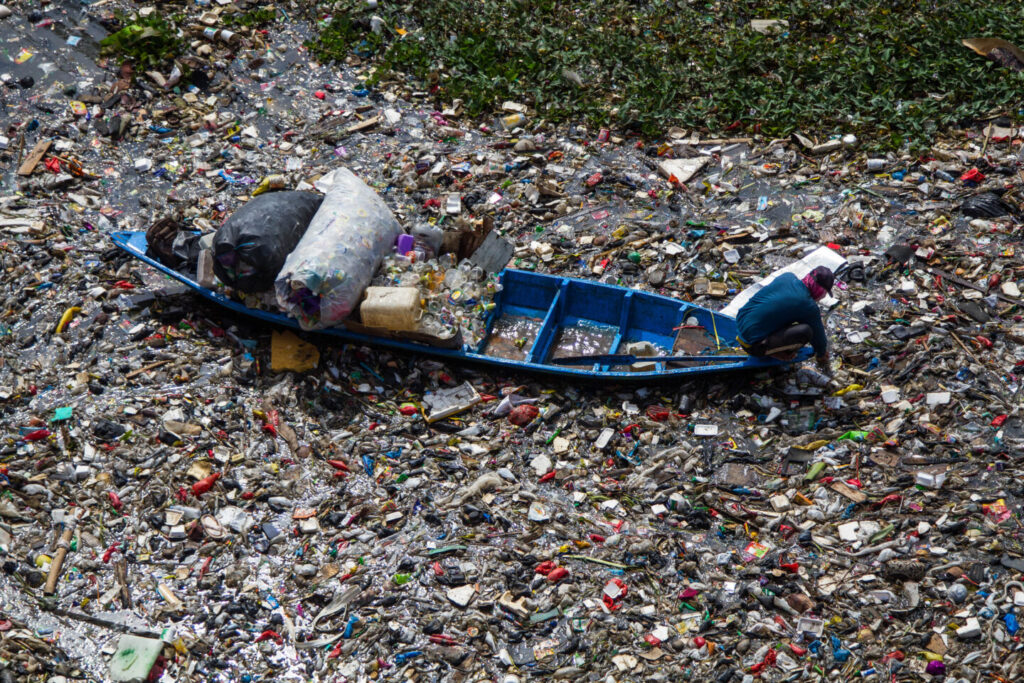
TOKYO, Japan — Climate Home News reports that negotiators from about 20 countries met informally in Japan to revive momentum on a global plastics treaty after last year’s talks collapsed. Delegates described the closed‑door discussions as constructive but said major political divisions remain unchanged, leaving the path to a final agreement uncertain. The core split centers on whether the treaty should limit plastic production or focus narrowly on waste management.
The **EU, Pacific Island nations, and several Latin American states continue to push for binding rules across the full plastics lifecycle, including curbs on high‑risk polymers and chemicals. The United States, Saudi Arabia, Russia, and Kuwait oppose production limits, arguing they would harm economies and raise consumer costs. Participants said the meeting helped clarify positions ahead of the next formal negotiating session, but warned that bridging the divide will require significant political movement.
6. Record Sargassum Blooms Are Smothering Coasts, Threatening Wildlife and Human Health
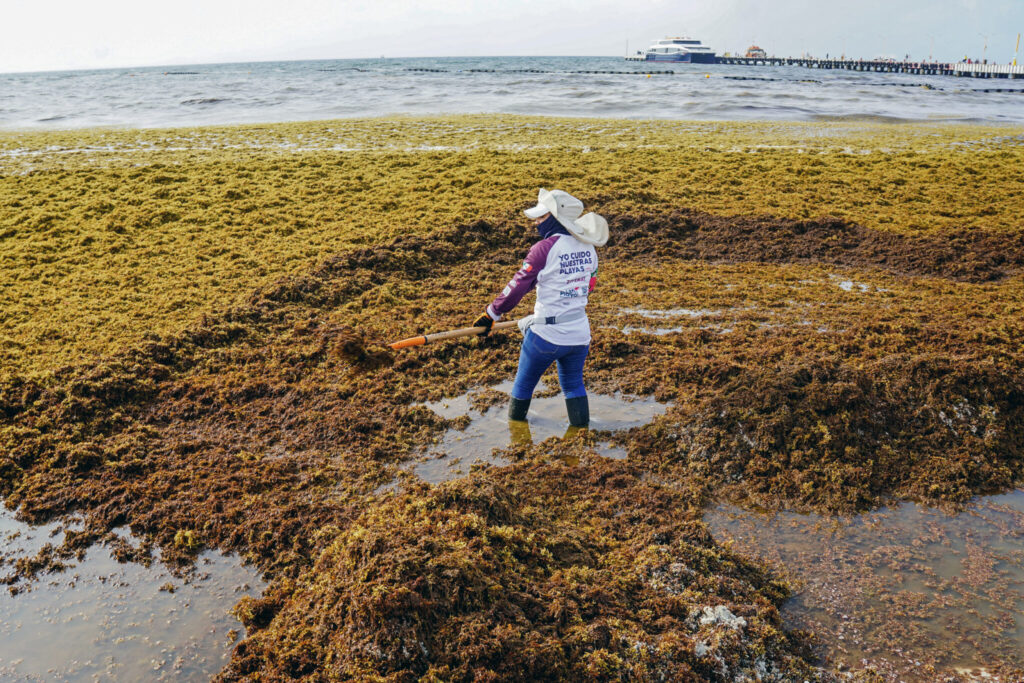
Living on Earth reports that massive sargassum blooms are overwhelming tropical coastlines as the Great Atlantic Sargassum Belt expands into a 5,000‑mile stretch from West Africa to the Gulf of Mexico. Oceans correspondent Teresa Tomassoni tells the program that 2025 marked a record year, with a 40% increase over the previous high, and early signs suggest 2026 may surpass it. Scientists link the crisis to a “perfect storm” of factors: climate‑driven wind anomalies that pushed sargassum out of the Sargasso Sea, warming waters that accelerate growth, and nutrient‑rich runoff from major river basins.
The dense mats are devastating coral reefs and seagrass beds by blocking sunlight and smothering habitats, while also trapping or drowning sea turtles. As the seaweed decomposes, it releases hydrogen sulfide and ammonia, causing respiratory problems and contaminating groundwater. Tourism‑dependent regions are losing billions as beaches become unusable.
7. Blue Whale Sightings Off Nantucket Stun Researchers as Survey Spots Even More Rare Marine Giants
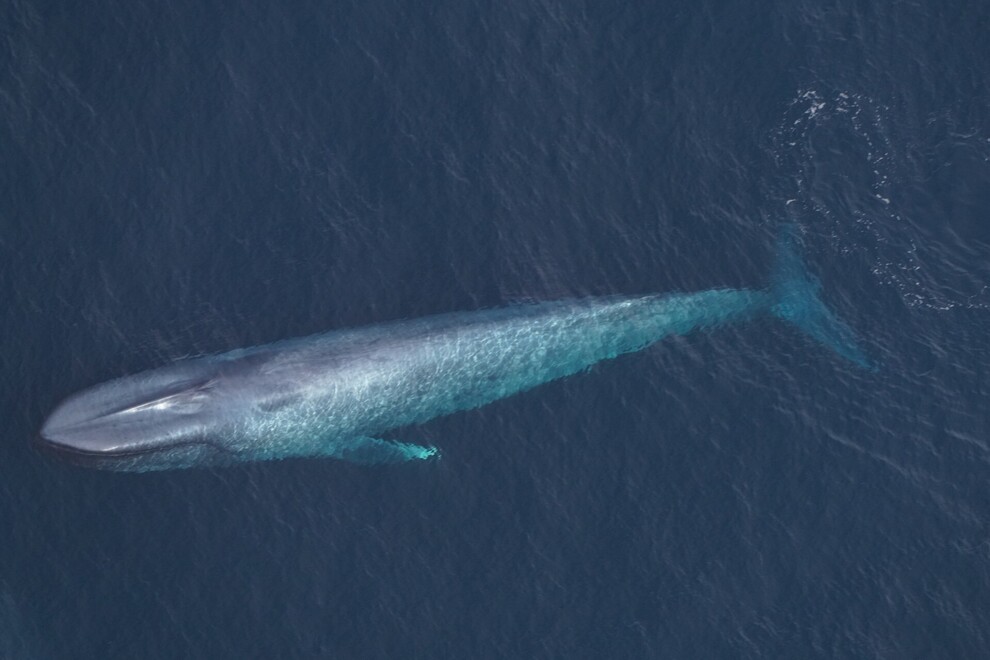
Nantucket, USA — Nantucket Current reports that endangered blue whales were spotted south of Nantucket and Martha’s Vineyard, a rare event confirmed by the New England Aquarium’s aerial survey team. At least two blue whales were observed feeding in deep offshore waters, an area where sightings of the world’s largest animals are uncommon. Researchers say dense concentrations of krill likely drew the whales in the region’s offshore canyons, which provide rich foraging habitat.
The survey team also documented fin whales, sperm whales, pilot whales, and a large pod of common dolphins during the same flight, underscoring the area’s ecological productivity. Scientists noted that seeing multiple endangered species in a single survey is unusual and highlights the importance of continued monitoring. The team plans to keep surveying the region to determine whether these blue whale sightings represent an isolated occurrence or part of a broader pattern.
8. Warming Oceans Are Pushing Marine Life to the Brink, New Study Warns
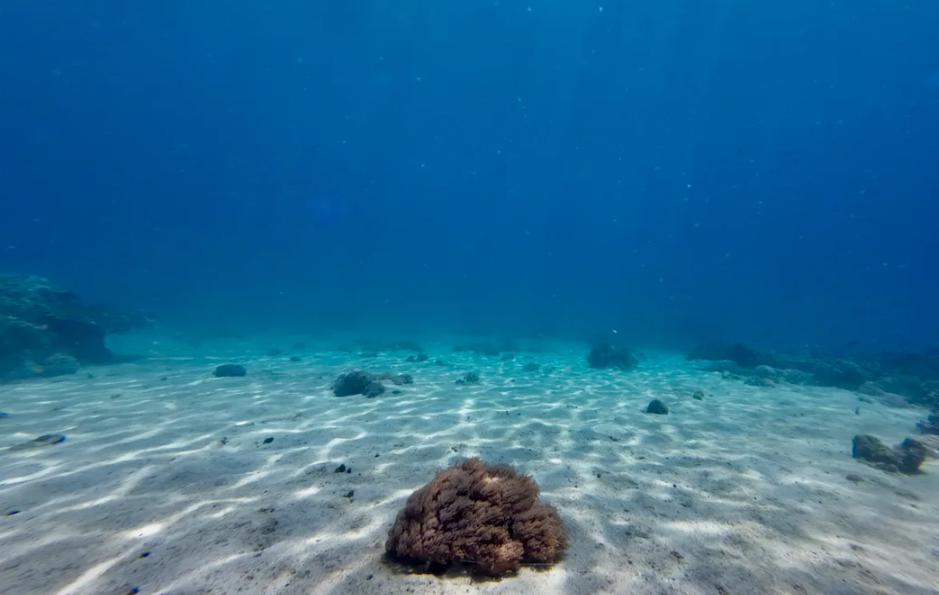
San Francisco, USA — The Cool Down reports that a new scientific study has found rapid ocean warming is driving steep declines in marine life, with some species already experiencing population drops of more than 50 percent. Researchers say rising temperatures are disrupting food webs, altering migration patterns, and shrinking habitable zones for fish, seabirds, and marine mammals. The study highlights that many species are reaching their thermal limits far faster than expected, leaving them little time to adapt.
Scientists warn that continued warming could trigger widespread ecosystem collapse, particularly in regions already stressed by overfishing and pollution. The findings underscore the urgency of reducing greenhouse gas emissions and expanding marine protected areas to give vulnerable species a chance to recover. Researchers emphasize that without swift action, the ocean’s ability to support biodiversity—and the human communities that depend on it—will continue to erode.
9. Gulf Stream Shift Raises Fears of Looming Ocean Circulation Collapse
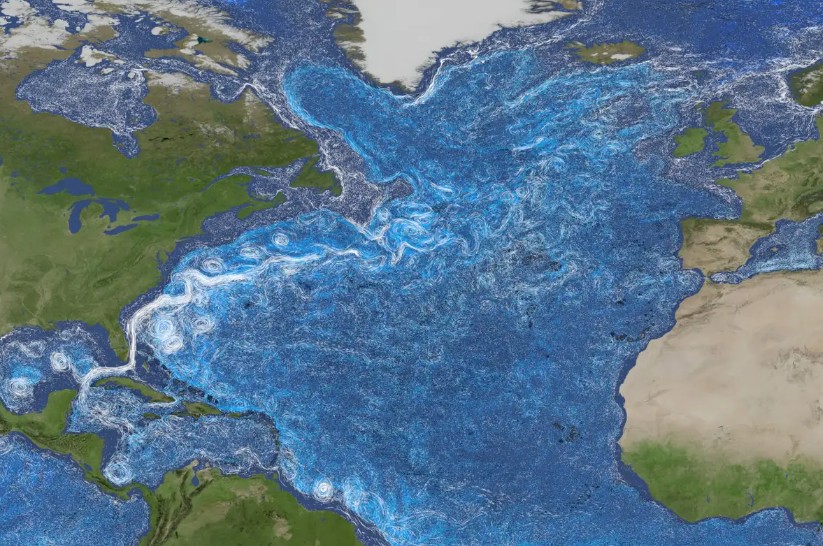
New Scientist reports that the Gulf Stream has shifted noticeably northward, a movement that scientists say matches model predictions of a weakening of the Atlantic Meridional Overturning Circulation (AMOC). The AMOC is a major system of currents that transports warm water from the tropics toward Europe before it cools, sinks, and flows back south. Climate models show that as this system weakens, the Gulf Stream veers farther north — and an abrupt jump in its position could signal that the AMOC is nearing a tipping point.
Researchers note that this northward drift is already appearing in observational data, raising concern that the circulation may be destabilizing faster than expected. A collapse of the AMOC would dramatically reshape global climate patterns, with Europe facing sharp cooling and major shifts in weather systems. Scientists emphasize that continued monitoring is essential, as the system is showing increasing signs of stress.
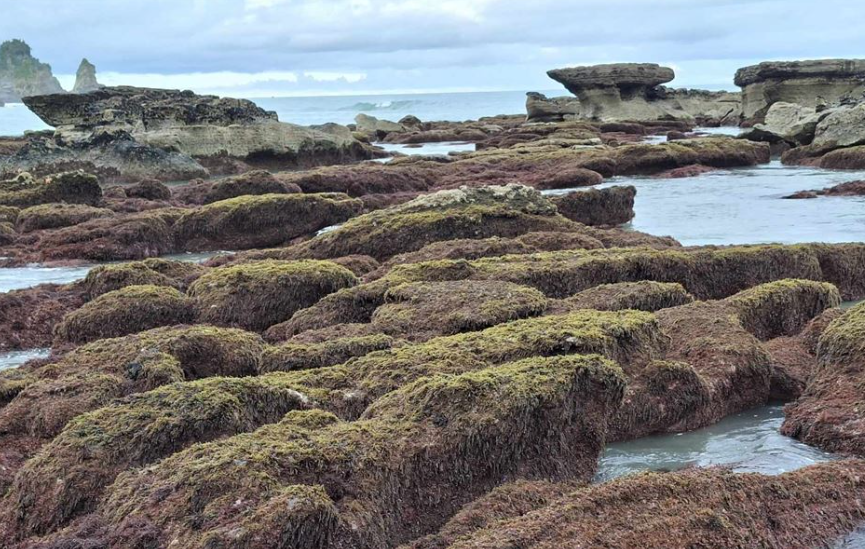
10. Historic Photos Reveal Dramatic Loss of Kelp and Intertidal Species on New Zealand’s West Coast
New Zealand’s Department of Conservation reports that newly uncovered photographs from the 1960s and 1970s show striking ecological changes along the West Coast’s rocky shorelines. The images, compared with photos taken in 2026, reveal major declines in bull kelp, mussels, seaweeds, and barnacles, with some intertidal areas now hosting entirely different species assemblages. Marine Ranger Don Neale says these visual records confirm shifts that would have been difficult to verify from memory alone.
The photos are now being incorporated into long‑running monitoring of kelp beds that began in 2004, supporting research across the region’s five marine reserves, which serve as protected “control” sites for understanding broader coastal change. DOC is encouraging the public to contribute additional historic coastal photos as part of a citizen‑science effort to document long‑term environmental trends. The call coincides with Seaweek, a nationwide celebration of ocean stewardship running through 8 March.
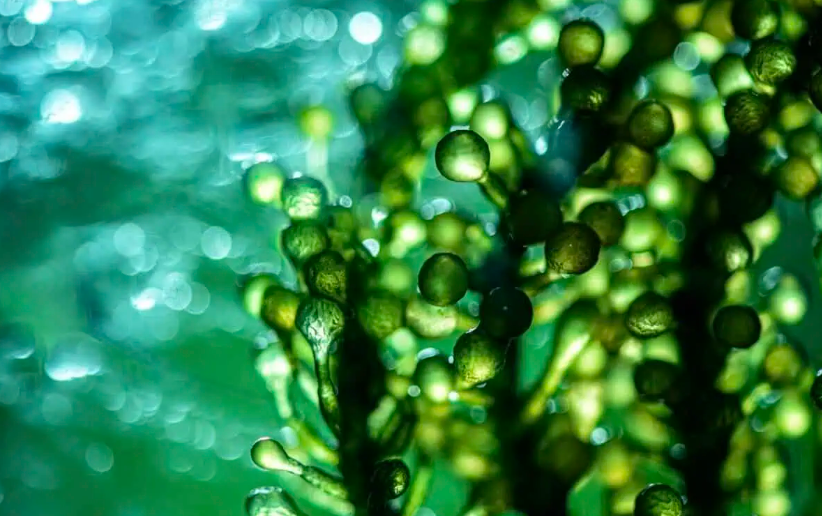
11. Algae Could Become a Natural Tool for Cleaning Microplastic‑Polluted Waters, Researchers Say
DeeperBlue reports that a new review from the Chinese Research Academy of Environmental Sciences highlights how algae could help remove microplastics from polluted waters. The study outlines how algae are often the first organisms to interact with microplastics and describes three key processes: surface adsorption, embedment in cell walls, and, in some cases, internalization** into algal cells. Researchers found that particle traits — including size, surface charge, polymer type, and aging — strongly influence how tightly microplastics bind to algae, with smaller or rougher particles forming more stable aggregates.
The review also notes that while microplastics can inhibit algal growth by blocking light or damaging cells, algae can adapt by thickening cell walls or altering metabolism. These interactions may help microplastics settle out of the water column, suggesting algae could play a role in future cleanup strategies.
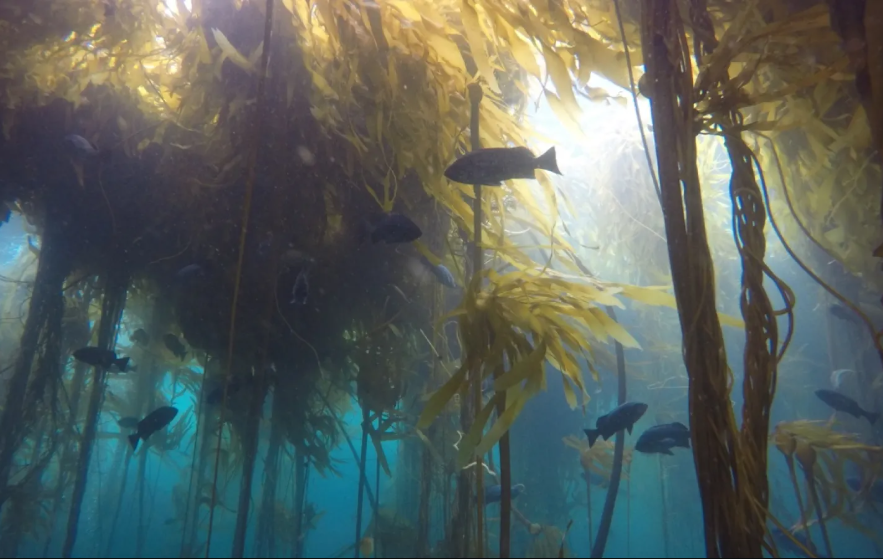
12. California Kelp Users Identify Monterey Peninsula as Top Priority for Restoration and Monitoring
MSN reports that giant kelp and bull kelp forests—critical habitats supporting diverse marine life—have declined sharply in Northern California, with additional patchy losses in central regions. Satellite imagery has struggled to capture the full extent of these changes because cloud cover and low resolution can miss smaller canopies. To understand which areas matter most to coastal communities, California Sea Grant fellow Melissa Ashley interviewed a wide range of kelp users, including harvesters, fishers, surfers, divers, kayakers, scientists, educators, and tour operators.
Participants ranked kelp forests based on factors such as easy access, species diversity, long‑term scientific datasets, ongoing restoration work, good fishing conditions, and strong wildlife viewing. While responses varied from Half Moon Bay to San Simeon, the Monterey Peninsula and Carmel Bay emerged as the most frequently prioritized areas. Specific high‑priority sites included Otter Cove, North Monastery Beach, Stillwater Cove, Cannery Row, and Hopkins Marine Station.
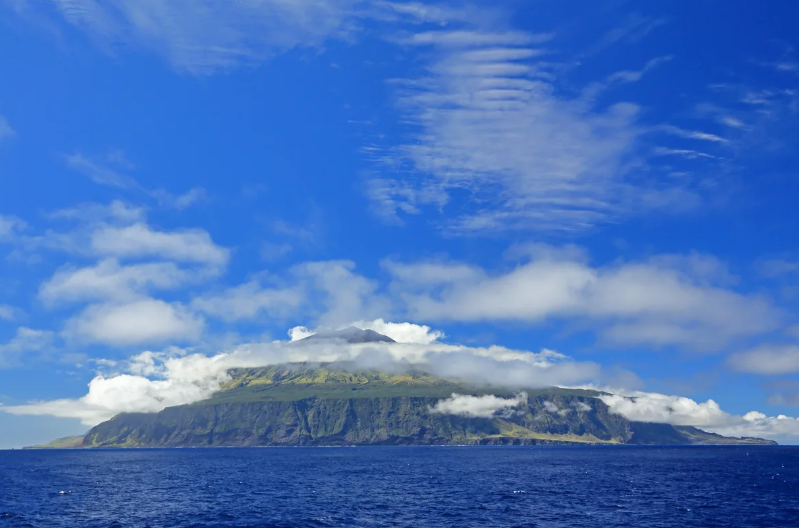
13. Tristan da Cunha’s Marine Protected Waters Recognized as One of the World’s Most Pristine Ecosystems
Discover Wildlife* reports that Tristan da Cunha — one of the most remote island groups on Earth — is now home to one of the world’s largest and most strictly protected marine reserves. The Tristan da Cunha Marine Protection Zone spans the islands’ entire Exclusive Economic Zone, safeguarding vast feeding and breeding grounds for seabirds, seals, sharks, and migratory whales. The community-led designation reflects the islanders’ long‑standing commitment to conservation, supported by the UK government and international partners.
The reserve protects critical habitat for species found nowhere else, including several albatrosses and petrels that depend on the islands for nesting. It also shields underwater volcanic features, deep‑sea ecosystems, and rich kelp forests from industrial fishing and extractive activities. The article highlights Tristan’s role as a global model for locally driven ocean stewardship, demonstrating how small communities can protect large, ecologically significant marine areas.
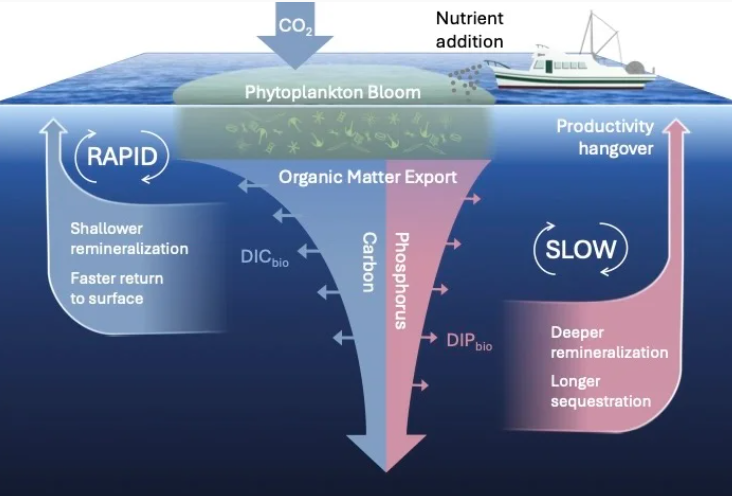
14. Study Warns That Overlooking Nutrient Cycles Could Undermine Marine Carbon Removal Efforts
University of Rhode Island researchers report that many proposed marine carbon dioxide removal strategies may significantly overestimate their long‑term effectiveness because they focus only on how much carbon sinks from the surface ocean while ignoring how nutrients move through the system. The study, led by postdoctoral researcher Megan Sullivan, used large‑scale ocean simulations to track the cycling of carbon and phosphorus under scenarios such as iron fertilization, a widely discussed approach intended to boost phytoplankton growth and increase carbon uptake.
The team found that carbon and nutrients follow different timelines: biologically captured carbon can return to the surface relatively quickly, while nutrients like phosphorus remain trapped in the deep ocean for much longer. This mismatch can create a productivity hangover, in which an initial surge in carbon uptake is followed by a long‑term slowdown as nutrient shortages suppress phytoplankton growth. The findings suggest that interventions such as iron fertilization may deliver short‑term gains but fail to sustain carbon removal over decades or centuries unless nutrient redistribution is fully accounted for.
15. Newly Discovered Marine Fungus Kills Toxic Algae Behind Harmful Blooms
Yokohama, Japan — ScienceDaily reports that researchers at Yokohama National University have identified a newly discovered marine fungus capable of killing toxic algae responsible for harmful coastal blooms. The microscopic chytrid fungus, Algophthora mediterranea, infects and destroys Ostreopsis cf. ovata. These algae species produce ovatoxin, a compound known to irritate the lungs, skin, and eyes of people exposed during Mediterranean bloom events.
The fungus is unusually adaptable, able to infect multiple algae species and even survive on pollen, suggesting it may be a more influential natural regulator of marine ecosystems than previously recognized. Scientists first detected it in Spanish seawater in 2021, later confirming through genetic analysis that it represents not only a new species but an entirely new genus. The discovery highlights a potentially overlooked biological force that may help control toxic blooms as they become more frequent with warming waters.
16. New Calculations Show Coastal Sea Levels Are Already Higher Than Previously Estimated
Los Angeles, USA — The Los Angeles Times reports that a new study published in Nature reveals that global sea‑level assessments have been based on incorrect baseline measurements, meaning actual coastal sea levels are already higher than scientists previously believed. Researchers analyzed 385 peer‑reviewed studies and found that more than 90% relied on geoid models — mathematical estimates of where the ocean surface should sit—rather than real, measured sea levels.
Because the real ocean is shaped by tides, currents, winds, and temperature differences, these models often underestimate the true sea level by several feet. Corrected calculations show that under a scenario of roughly 3 feet of sea‑level rise, up to 37% more land could fall below sea level than previously projected, placing 77 million to 132 million additional people at risk of inundation. The largest discrepancies occur in Southeast Asia, the Pacific, and parts of Africa, where fewer tide gauges exist, and communities are already highly vulnerable.
17. New Report Calls for Stronger Integration of Ocean Action Into Global Climate Policy
Berlin, Germany — Wuppertal Institute researchers argue that current global climate strategies fail to account for the ocean’s full role in mitigation and adaptation, leaving major gaps ahead of the next round of Nationally Determined Contributions (NDCs). The policy brief highlights that while the ocean absorbs vast amounts of heat and carbon, most national climate plans still treat marine issues as secondary, with limited commitments on coastal resilience, blue carbon ecosystems, or sustainable ocean economies.
The authors call for countries to embed ocean‑climate linkages directly into their 2025 NDC updates, including stronger protection of mangroves, seagrasses, and salt marshes, improved marine spatial planning, and clearer accounting of ocean‑based emissions and removals. They emphasize that ocean action can deliver both climate and biodiversity benefits but requires coordinated governance across fisheries, conservation, and climate ministries. The brief concludes that integrating ocean priorities into NDCs is essential for meeting global climate goals and safeguarding marine ecosystems already under stress.
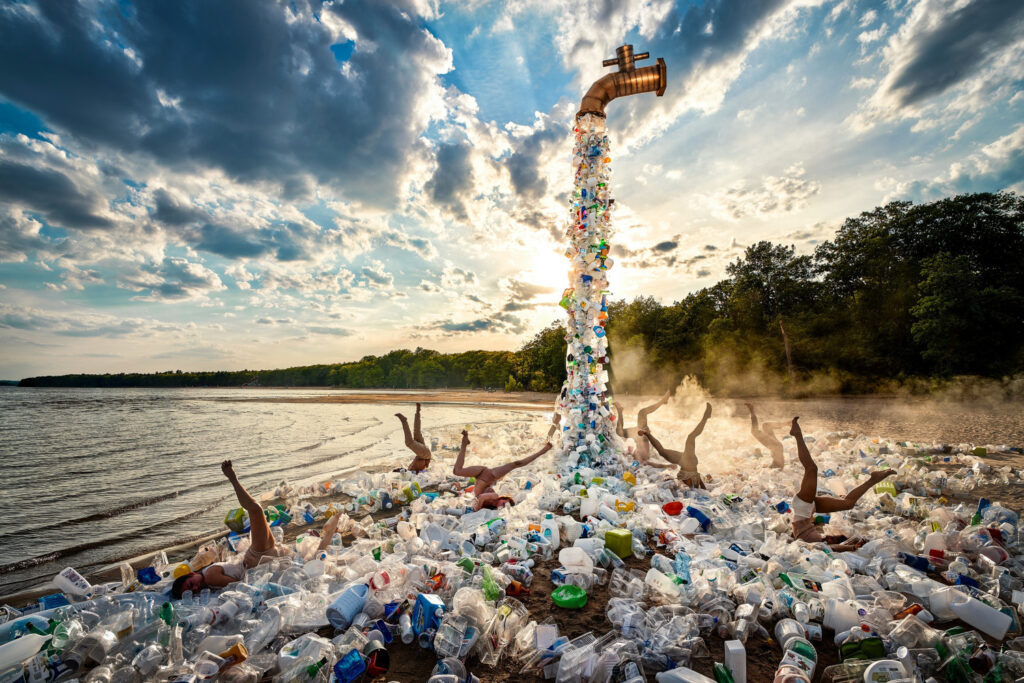
18. Canada’s Court Victory Clears the Way for Stronger Single‑Use Plastics Bans
Brampton, Canada — The Pointer reports that Canada has won a major legal battle allowing federal bans on single‑use plastics to move forward after years of industry pushback. The Federal Court of Appeal unanimously upheld Ottawa’s decision to list plastic‑manufactured items as toxic under the Canadian Environmental Protection Act**, restoring the legal foundation for national restrictions on checkout bags, cutlery, takeout containers, and other problematic plastics. The ruling follows years of stalled global negotiations on a plastics treaty.
It comes as Canada faces mounting plastic waste: more than five million tonnes discarded annually, with only nine percent recycled. Artist and activist Benjamin Von Wong’s “Turn Off The Plastic Tap” installation, featured at international treaty sessions, underscores the urgency of reducing production rather than managing pollution after the fact. Officials say the decision affirms federal authority to regulate plastics and respond to growing public concern over environmental and health impacts.
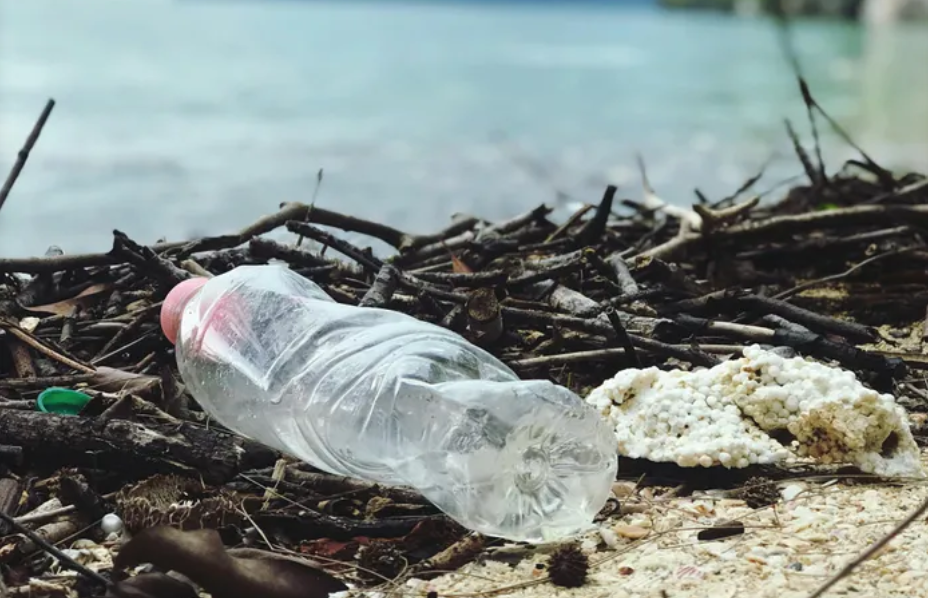
19. Plastic Bottles Are Flooding One of the World’s Most Remote Islands, Long‑Term Study Finds
Cape Town, South Africa — Cape Argus reports that plastic bottles are increasingly washing up on the shores of Marion Island, a sub‑Antarctic territory thousands of kilometres from major population centres. A University of Cape Town–led study, published in Marine Pollution Bulletin, draws on decades of beach‑litter surveys dating back to 1984. Early surveys showed that more than half of the debris came from the island’s research station, but improved waste management has reduced local litter to less than 1% of items found today.
Despite that progress, overall debris has risen sharply over the past two decades, driven largely by offshore‑sourced plastic bottles. Researchers note that most bottles reaching remote Southern Hemisphere islands are likely to have been illegally dumped from ships, violating international maritime rules. The findings highlight a growing surge of floating plastic in the Southern Ocean, a region once considered relatively pristine.
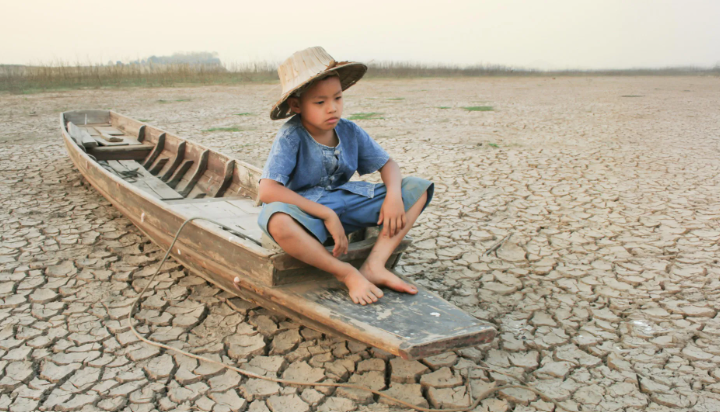
20. Ocean Warming Creates Global “Drought Shields, New Study Finds
Gandhinagar, India — ScienceDaily reports that researchers at the Indian Institute of Technology Gandhinagar have found that shifting ocean‑temperature patterns may be preventing the world from experiencing simultaneous, planet‑wide droughts. By analyzing climate records from 1901 to 2020, the team discovered that droughts typically affect only 1.8% to 6.5% of the global land area at the same time, far lower than earlier estimates suggested, suggesting that synchronized droughts could strike up to one‑sixth of the planet.
The study shows that major ocean cycles — including El Niño and La Niña — create alternating regional “drought hubs” across continents, limiting the chance of a single global dry spell. These patterns also influence crop risk: when one region suffers, others often remain productive, helping stabilize the global food supply. Researchers say understanding these ocean‑driven connections could improve early‑warning systems for agriculture and climate resilience.
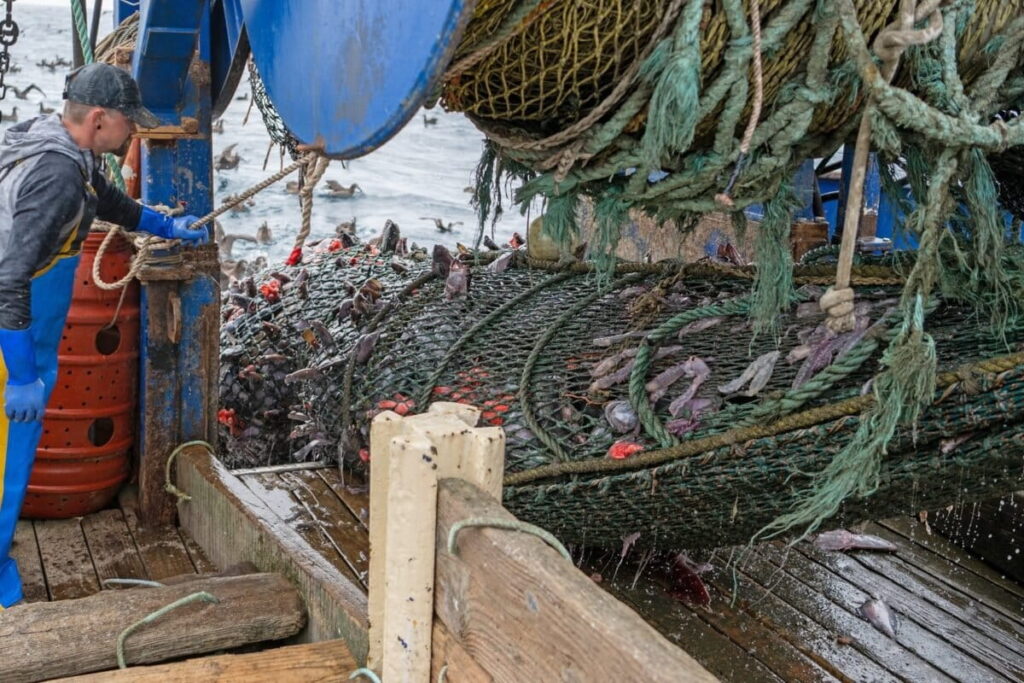
21. West Coast Groundfish Fishery Rebounds After 25 Years, but Challenges Remain
PORT ORFORD, Oregon —Mongabay reports that the U.S. West Coast groundfish fishery has made a remarkable recovery 25 years after being declared a federal disaster. In 2000, ten key groundfish species had fallen below a quarter of healthy stock levels, prompting sweeping closures of trawling areas, deep quota cuts, and a federally funded buyout that forced many fishers into early retirement. A broad coalition of fishers, scientists, conservation groups, and federal managers spent the next two decades rebuilding the fishery through strict monitoring, modified trawl gear, and science‑driven quota setting.
By October 2025, officials announced that all ten previously overfished species had been fully rebuilt, years ahead of schedule. Fishers now land catches once thought impossible, with species like redbanded rockfish and lingcod supporting strong quotas. Despite the ecological success, profits remain low, and experts warn that budget cuts or deregulation could weaken the very conservation programs that enabled the recovery.
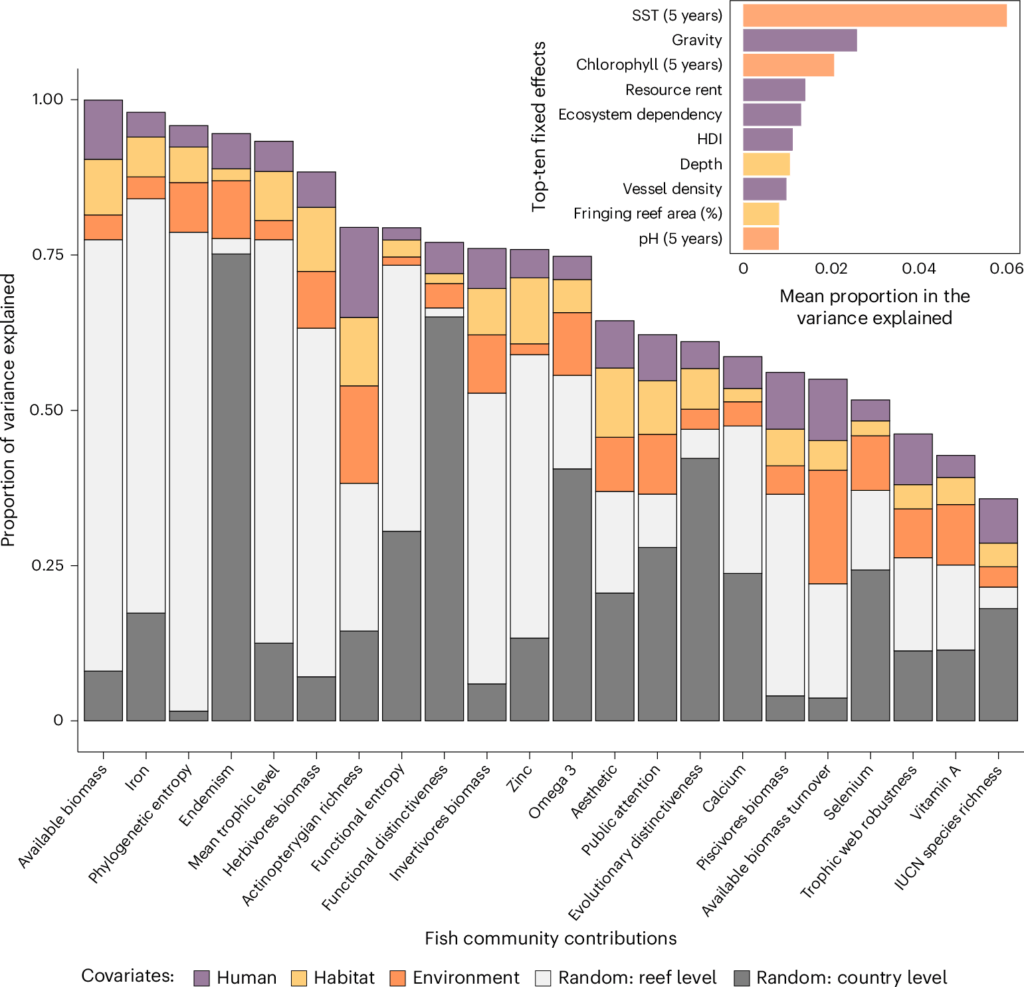
22. Marine Protected Areas Offer Only Limited Protection Against Long‑Term Reef Fish Declines, Study Finds
Montpellier, France — Nature Ecology & Evolution reports that human pressures have sharply reduced the ecological contributions of tropical reef fish, and marine protected areas (MPAs) are offsetting only a small fraction of those losses. Researchers analyzed 22 fish‑community functions across 2,800 reefs. They found steep declines linked to fishing, climate impacts, and other human activities, including a 120% drop in piscivore biomass, equal to 19 kg of lost fish per hectare. The study shows that MPAs provide benefits, but these gains are modest — conservation measures compensate for only about 5% of the declines seen on unprotected reefs.
Only older, fully protected MPAs deliver strong ecological improvements, and even widespread expansion of protected areas by 2030 would not quickly reverse decades of degradation. The authors argue that safeguarding reef ecosystems will require a broader shift in how societies interact with marine biodiversity, beyond simply designating new MPAs.