


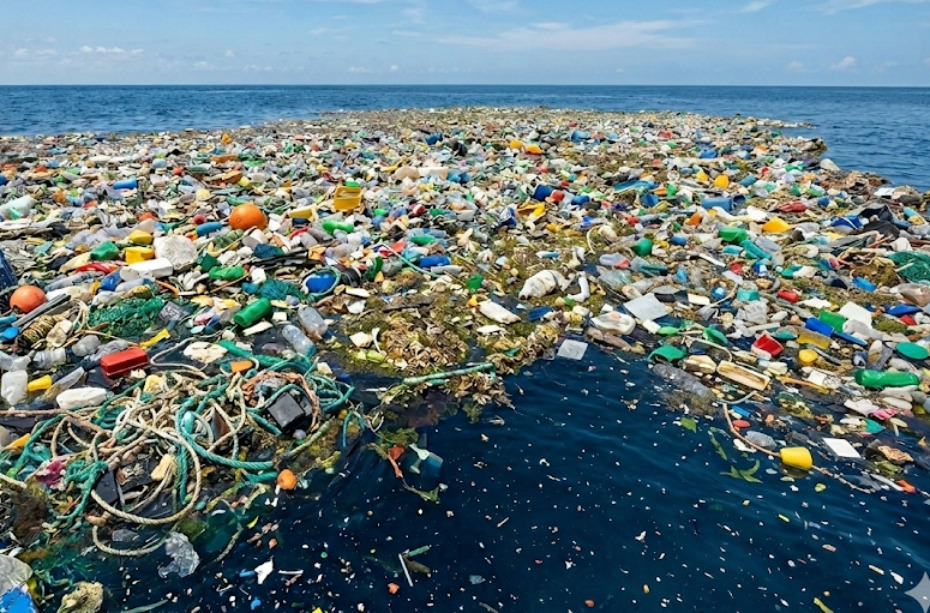
1. The Great Pacific Garbage Patch Is Turning Into an Accidental Floating Continent
Once dismissed as a lifeless plastic wasteland, the Great Pacific Garbage Patch is now home to thriving communities of coastal species that have adapted to life thousands of miles from shore. New research shows barnacles, anemones, molluscs, and other shoreline organisms are establishing multi‑generational colonies on durable plastic debris circulating between Hawaii and California. Scientists call this emerging hybrid ecosystem “neopelagic,” a fusion of coastal and open‑ocean life made possible by long‑lasting synthetic materials.
While the discovery highlights biological resilience, researchers warn that it also raises serious ecological risks, including the spread of invasive species across ocean basins and altered food webs as plastics accumulate toxins. The patch spans roughly 1.6 million square kilometers and contains an estimated 1.8 trillion pieces of plastic, creating an unintended, human‑engineered habitat with unpredictable consequences for global marine biodiversity.
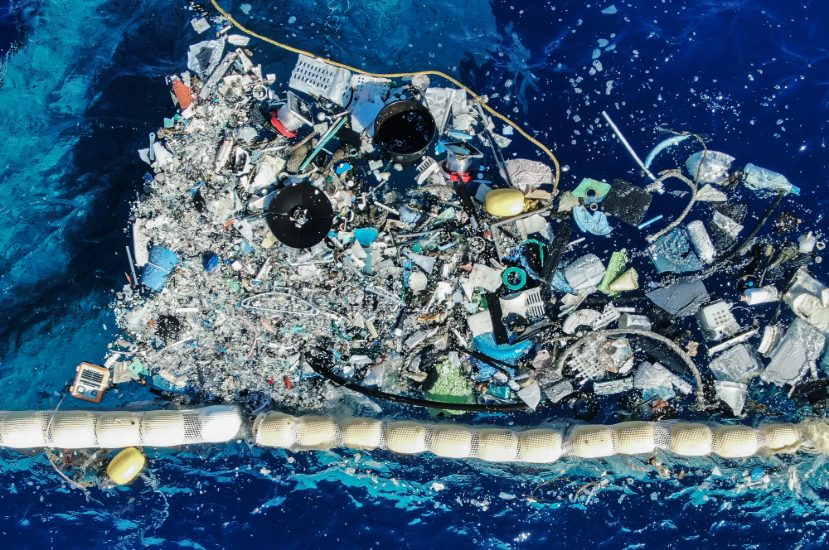
2. Scientists Uncover a Hidden Community Thriving on Plastic in the Pacific
Coastal species long believed unable to survive in the open ocean are now thriving, reproducing, and forming complex communities on floating plastic debris in the North Pacific Subtropical Gyre. A new study analyzing 105 debris items found that 70.5 percent carried coastal organisms, with 37 coastal taxa—mostly from the Western Pacific—outnumbering pelagic species by a factor of three. Researchers documented hydroids, amphipods, sea anemones, and bryozoans not only surviving but reproducing, with multiple size classes indicating long‑term, self‑sustaining populations.
The findings challenge the long‑held assumption that the open ocean is inhospitable to coastal life, suggesting instead that the explosion of durable plastics since the 1950s has created a vast new habitat. Scientists warn this emerging “neopelagic” community could reshape species dispersal, competition, and biogeography as plastic pollution continues to rise.
Thank you for your generous gift that will help us continue the production of this weekly, free publication
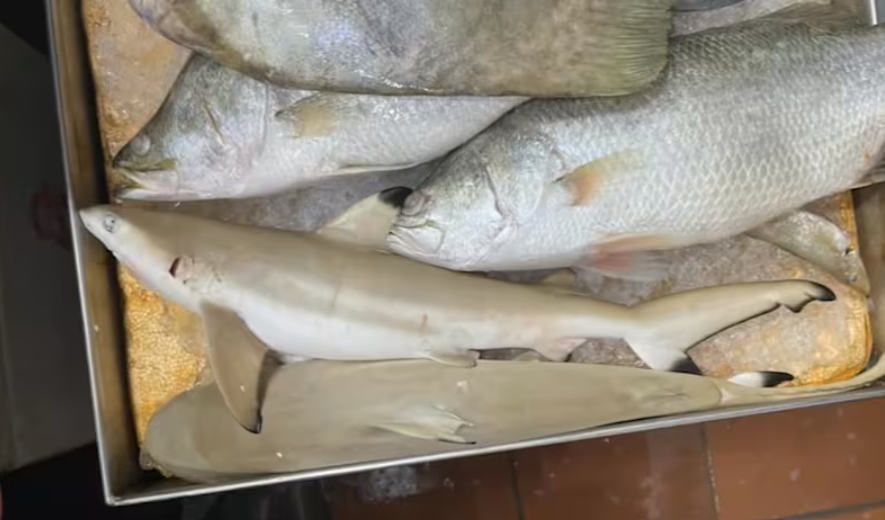
3. Protected Sharks Sold in Plain Sight in Singapore’s Markets
Singapore — Protected sharks and rays are allegedly being sold as everyday seafood in wet markets and hawker centers, raising serious conservation concerns as traders bypass required CITES permits. A recent investigation found blacktip reef sharks, spot‑tail sharks, bull sharks, blackspot sharks, and spadenose sharks openly available for sale at Tekka Market, despite strict international rules and the absence of permits for their sale.
Many fishmongers say they cannot identify species once seafood arrives pre‑cut, allowing protected animals to slip into legal supply chains. Researchers warn that as much as 89 percent of shark meat products in local markets may now come from species protected, a sharp increase from previous years. While authorities use tools like the Fin Finder AI app and DNA testing to improve enforcement, conservation groups argue that reducing consumer demand is essential to easing pressure on vulnerable shark populations.
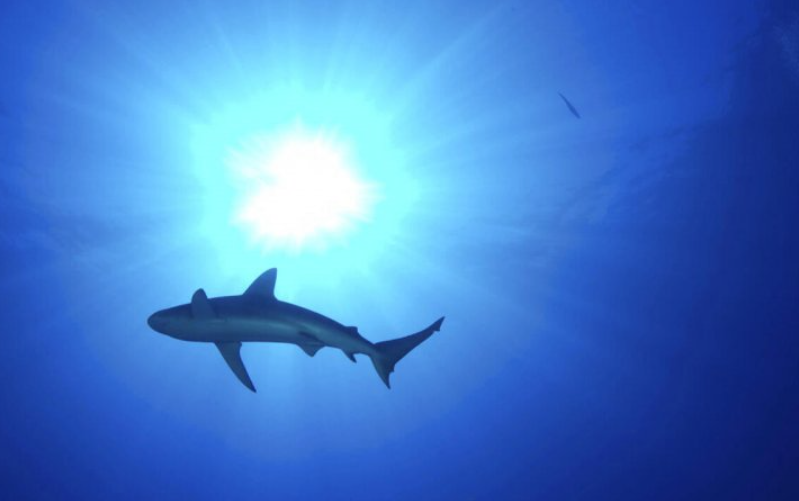
4. New Caledonia Launches Controversial Shark Cull After Deadly Attack
Noumea, New Caledonia — Authorities have reinstated a shark‑culling program and imposed a sweeping coastal swimming ban after a fatal attack on a 55‑year‑old wing foiler near Anse Vata beach. Officials described the incident as the territory’s first deadly shark encounter since 2023 and said the response aims to protect the public while investigations continue. The ban covers all water activities within 300 meters of Noumea’s shoreline and will remain in effect until March 4.
The government plans to target tiger and bull sharks, a move that has drawn sharp criticism from environmental groups who argue the cull is both ineffective and legally questionable, noting a 2023 court ruling that prohibited such operations. Shark‑behavior specialists warn that indiscriminate killing does little to reduce risk and may undermine long‑term conservation and safety strategies.
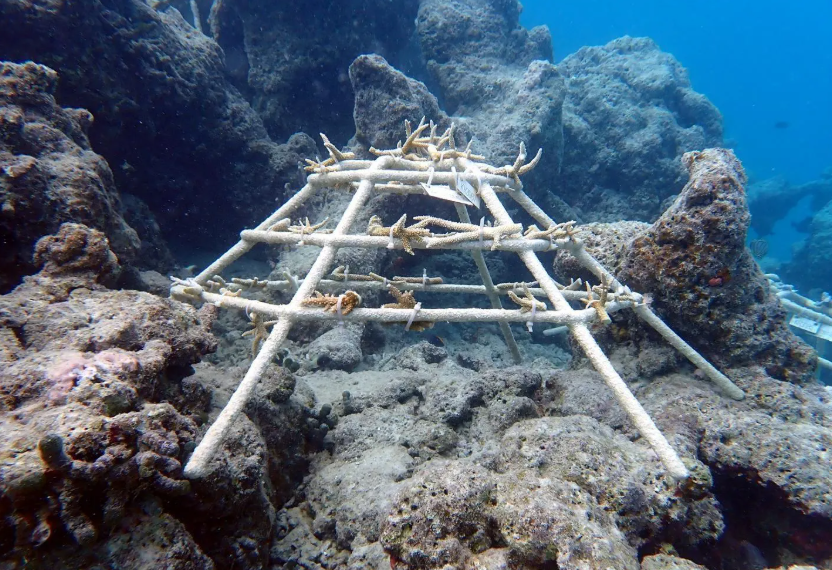
5. Coral Reefs Are Quietly Holding Up the World—and We’re Running Out of Time to Save Them
A firsthand look at coral restoration in the Maldives and Hawaii underscores both the fragility and resilience of reefs as warming oceans trigger mass bleaching events. After a 2024 heatwave killed many newly planted corals, surviving fragments revealed which species can withstand rising temperatures, offering hope for global restoration efforts. The article highlights how reefs protect coastlines by absorbing up to 97 percent of wave energy, support a billion people through fisheries, and generate nearly $10 trillion in annual economic value.
Yet half the world’s reefs have vanished in three decades, and scientists warn that up to 90 percent could disappear within our lifetimes. Conservation groups like The Nature Conservancy are advancing solutions—from heat‑resilient coral propagation to blue‑bond financing—that treat reefs as critical infrastructure requiring active stewardship, not passive protection.
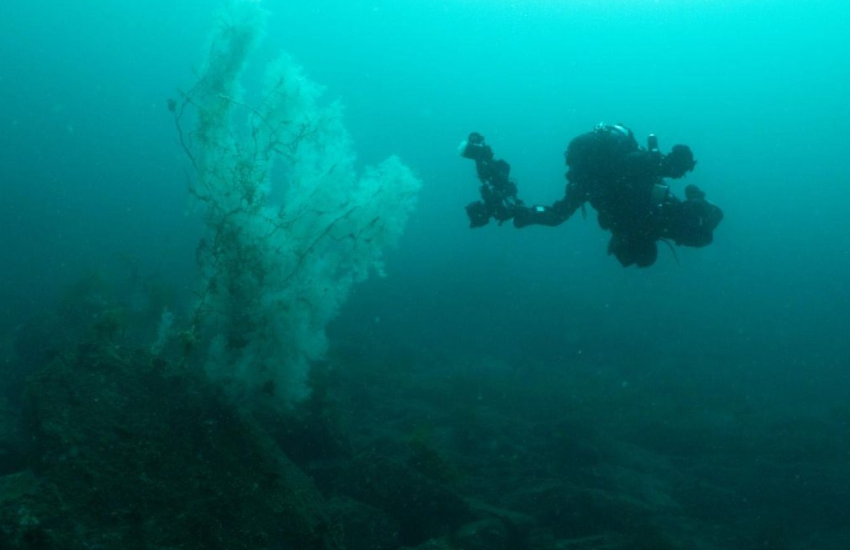
6. Divers Find a 400‑Year‑Old Deep‑Sea Giant Hidden in New Zealand’s Fiords
Wellington, New Zealand — Marine researchers surveying the deep waters of Fiordland have documented one of the largest black corals ever recorded in New Zealand: a massive colony measuring 4 meters tall and 4.5 meters across, estimated to be 300 to 400 years old. The legally protected species grows slowly, making large, mature individuals vital for reproduction and long‑term population stability. Scientists described the coral as “absolutely huge,” noting that most black corals encountered during dives are only a fraction of this size.
The discovery highlights the importance of mapping ancient colonies to prevent accidental damage from anchoring or fishing gear. Researchers from Victoria University, the Department of Conservation, and the Fiordland Marine Guardians are now working to survey and protect these rare giants, which appear white in life despite their black internal skeletons.
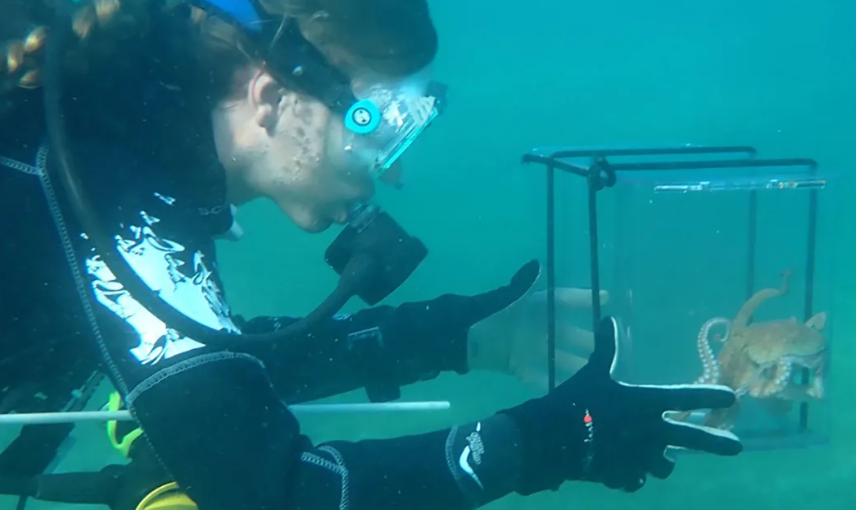
7. Plastic Chemicals Are Scrambling Octopus Hunting Instincts, Scientists Warn
A new study reveals that oleamide, a chemical leached from degrading plastics, can disrupt the chemical cues octopuses and their prey rely on, reshaping predator‑prey behavior in coastal ecosystems. Researchers at Florida Atlantic University exposed common South Florida octopuses to oleamide. They found immediate shifts in prey choice, proximity, and interaction rates—effects that persisted for days even after the chemical was removed.
Crustacean prey, which normally avoid predators, reduced their defensive behaviors, while octopuses became more exploratory and increased non‑consumptive interactions such as failed attacks and brief grasps. Scientists believe prey may misinterpret oleamide as oleic acid, a natural cue associated with scavenging, prompting them to forage despite danger. The findings suggest that plastic‑derived chemicals could subtly alter marine food webs by breaking down the chemical communication that governs survival.
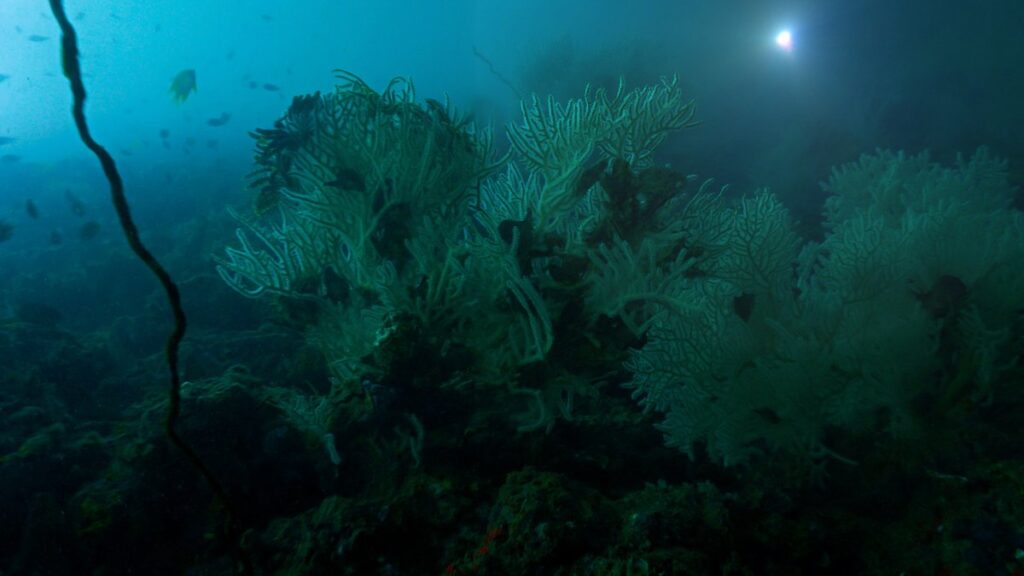
8. UN Experts Warn Nations: Ocean Governance Is Failing Without Real International Law
Geneva, Switzerland — United Nations human‑rights experts are urging governments to anchor all ocean governance in binding international law, warning that fragmented policies and weak enforcement are accelerating ecological decline and human‑rights risks. The experts stressed that oceans are not just environmental assets but essential to food security, climate stability, cultural identity, and the livelihoods of millions. They cautioned that emerging industries such as deep‑sea mining, offshore energy, and marine biotechnology are expanding faster than regulatory frameworks can keep pace, creating legal gaps that threaten both ecosystems and coastal communities.
The statement calls on states to fully implement the UN Convention on the Law of the Sea, strengthen protections for marine biodiversity, and ensure that Indigenous peoples and small‑island nations have a meaningful voice in decision‑making. Without coordinated global action, they warn, ocean degradation will accelerate and disproportionately harm vulnerable populations.
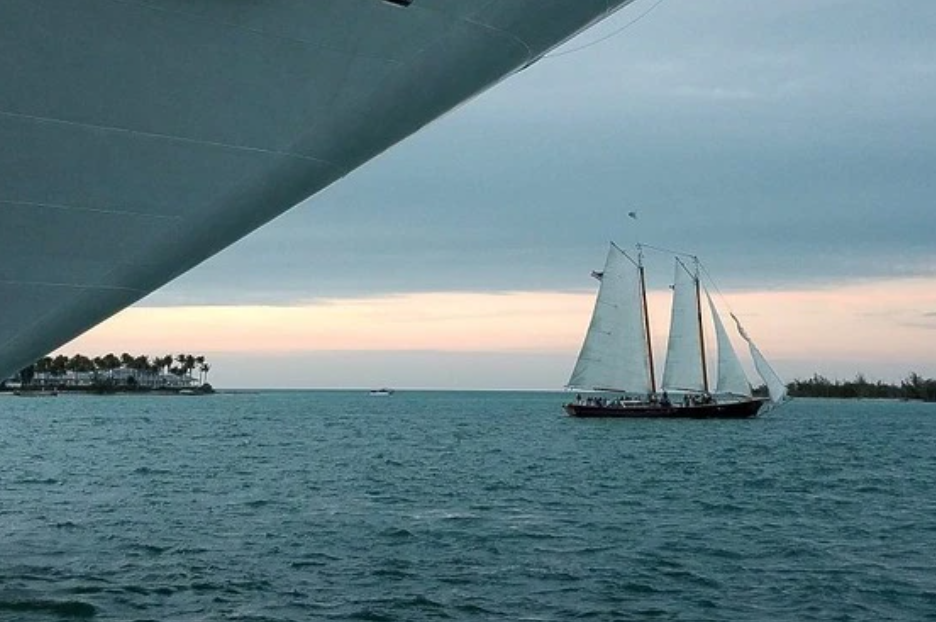
9. A New Ocean Power Struggle Is Emerging Over Who Controls High‑Seas Genetic Wealth
As the High Seas Treaty enters into force, developing nations warn they may be sidelined in a new era of ocean geopolitics dominated by states with advanced scientific and technological capacity. The treaty promises “fair and equitable benefit‑sharing” for marine genetic resources, which underpin pharmaceuticals, industrial materials, and climate‑resilient crops, yet the tools needed to access and analyze these resources remain concentrated in wealthy countries.
The article argues that without clear legal definitions and enforceable rules, the treaty could entrench existing inequalities. Experts urge developing states to seek an advisory opinion from the International Tribunal for the Law of the Sea to clarify obligations around benefit‑sharing, digital sequence information, and technology transfer. With norms still forming, the next few years will determine whether the high seas become a shared global asset or another domain controlled by technological powers.
10. Countries Are Adding Ocean Actions to Climate Plans — But Missing the Biggest Emissions Cuts!
A new World Resources Institute (WRI) analysis finds that more coastal and island nations are including ocean‑based measures in their 2026 climate commitments. Yet, many of the most impactful mitigation opportunities remain largely absent. While over 90 percent of updated NDCs now reference ocean actions, most focus on adaptation — especially conserving and restoring coastal ecosystems, climate‑proofing ports, and supporting resilient fisheries.
The article notes that commitments to cut emissions from major ocean sectors such as offshore energy, maritime transport, and aquatic food systems are sparse, and no country has pledged to phase down offshore oil and gas despite its significant climate impact. Many governments lack the data, financing, and technical capacity needed to adopt emerging ocean technologies. WRI argues that stronger mitigation targets, better support for developing nations, and clearer implementation plans are essential to unlock the ocean’s full climate potential.
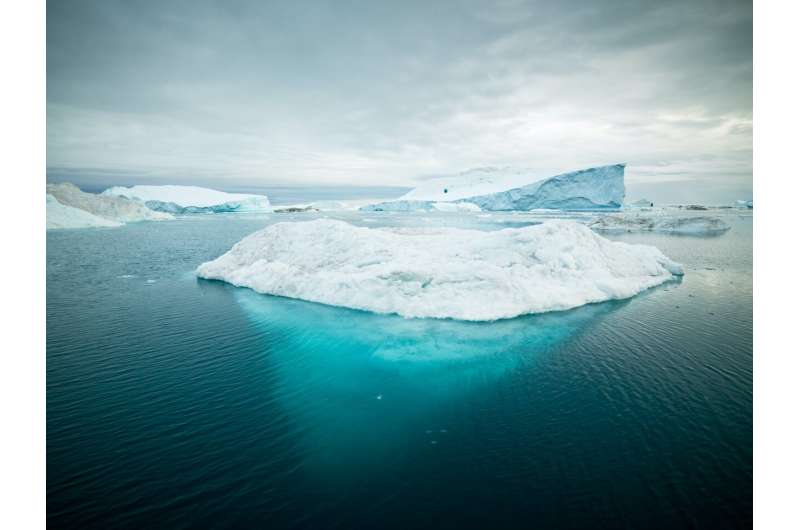
11. The Arctic Is Getting Louder — And Wildlife Is Struggling to Cope
Cambridge Bay, Nunavut — A decade of underwater recordings from Iqaluktuuttiaq (Cambridge Bay), Nunavut, shows that human activity is rapidly transforming the Arctic Ocean’s soundscape, creating new pressures for marine wildlife that depend on sound to communicate, navigate, and hunt. As sea ice melts and shipping increases, researchers found that noise from vessels, snowmobiles, machinery, and even low‑flying aircraft now penetrates waters that were once acoustically quiet.
Long‑term monitoring revealed strong seasonal differences: in summer, open water allows higher‑frequency noise to travel farther. At the same time, winter ice cover blocks ships but still transmits sounds from snowmobiles and activity above the ice. Many smaller vessels lack satellite transponders, meaning their noise cannot be tracked without direct acoustic measurements. Scientists argue that accurate baselines and expanded monitoring are urgently needed as climate change accelerates human access to the Arctic.
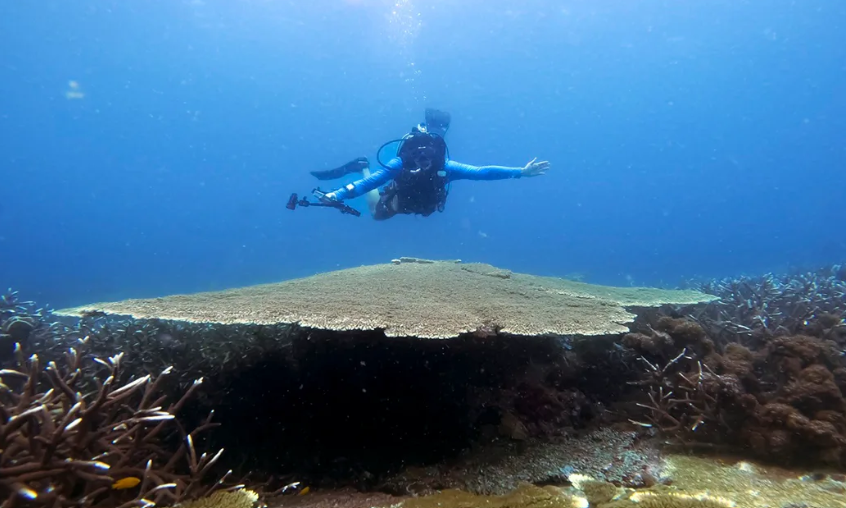
12. Scientists Warn U.S. Policy Rollbacks Are Leaving Coral Reefs Exposed to Accelerating Damage
Researchers from the University of Tokyo, University of Guam, University of Technology Sydney, and Cornell University warn that recent U.S. policy shifts are weakening protections for Guam’s already at‑risk coral reefs by exploiting gaps in the Endangered Species Act. Their letter in Science argues that overly narrow species definitions allow military and commercial projects to bypass safeguards, even as reef‑building corals disappear faster than scientists can classify them.
The team notes that corals’ extreme morphological plasticity and unreliable reproduction make traditional species identification difficult, leaving many vulnerable organisms outside legal protection. They describe a growing “conservation gap” in which biodiversity is vanishing before it can be formally recognized. To address this, the researchers urge policymakers to broaden ESA categories to protect entire genera rather than individual species, a shift they say is essential to prevent further ecological decline in Guam and other sensitive reef systems.
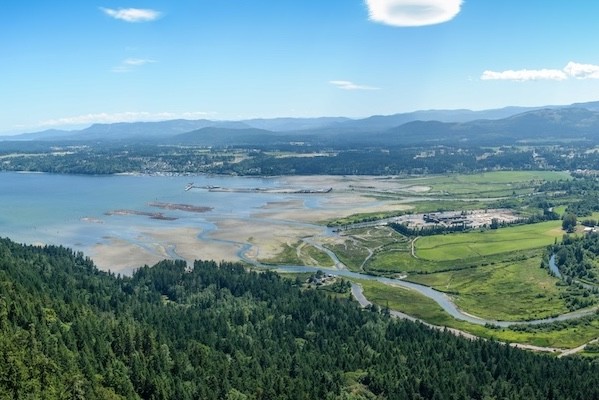
13. Scientists Sound Alarm Over a New ‘Forever’ Contaminant Spreading Through a Canadian Estuary
Burnaby, British Columbia — A new Simon Fraser University study has uncovered widespread fiberglass contamination in the Cowichan Estuary on Vancouver Island, raising concerns about risks to marine life, migratory birds, and Indigenous food security. Researchers found fiberglass particles at 96 percent of sediment sampling stations in 2023, up sharply from 2020, with the highest concentrations near industrial sites, log transport channels, and busy marinas. Biofilm layers that fuel shorebirds also showed elevated levels.
Scientists warn that fiberglass, a silica‑based material often reinforced with plastic, is poorly understood toxicologically and accumulates in deeper sediment zones where clams, mussels, and other invertebrates feed. The study identifies deteriorating boats, sanding debris, and industrial runoff as major sources and calls for stronger controls on boatyards, improved stormwater management, and better end‑of‑life regulations for fiberglass vessels to prevent further contamination.
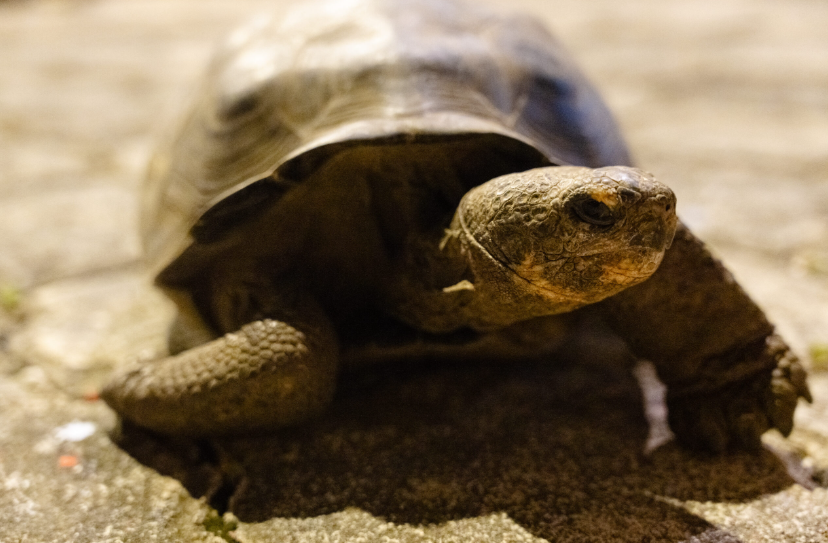
14. The Return of Galápagos Giant Tortoises Is Quietly Transforming an Entire Ocean Ecosystem
Puerto Baquerizo Moreno, Galápagos — Conservationists say the comeback of the Galápagos giant tortoise is delivering unexpected benefits for the surrounding marine environment, revealing how deeply land and sea systems are intertwined. Once pushed to the brink of extinction, tortoise populations on several islands are now rebounding thanks to decades of restoration work, including habitat recovery and the removal of invasive species.
As tortoises return, they are reshaping vegetation, nutrient flows, and soil structure in ways that ultimately influence coastal productivity. Their grazing and movement patterns help restore native plant communities, which in turn stabilize shorelines and support healthier nearshore waters. Scientists note that these changes can boost the availability of nutrients that fuel marine food webs, benefiting species from algae to fish. The tortoise recovery shows how restoring keystone land animals can generate cascading gains for ocean ecosystems.
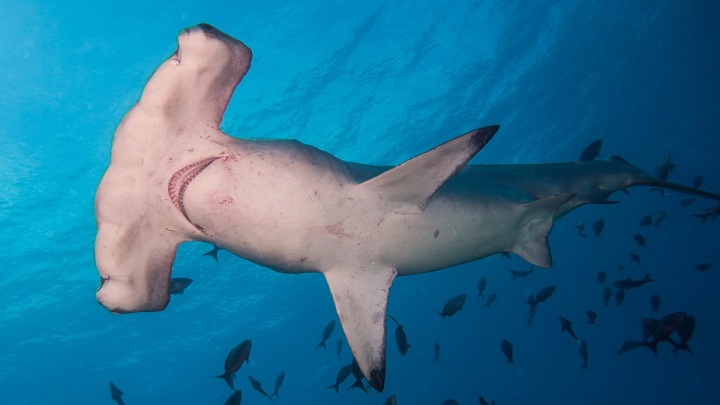
15. A Simple Strand of Lights Could Revolutionize Global Bycatch Reduction, New Study Shows
Tempe, Arizona — New research led by Arizona State University reveals that illuminated fishing nets can dramatically reduce bycatch across dozens of marine species, offering a practical global solution to one of fisheries’ most persistent conservation challenges. PhD candidate Kayla Burgher analyzed seven years of data from Mexico and found that adding LEDs or glow sticks to gillnets consistently reduced accidental capture of sharks, skates, and rays, with orange lights cutting elasmobranch bycatch by about 50 percent.
The approach, already known to protect endangered sea turtles, showed no significant reduction in the catch of commercially valuable bony fish, making it a rare win‑win for conservation and fishing livelihoods. By comparing four light types and reactions across more than 40 species, the study provides tailored recommendations that fishermen worldwide can adapt to local waters, demonstrating how simple illumination can protect vulnerable marine life without sacrificing economic viability.
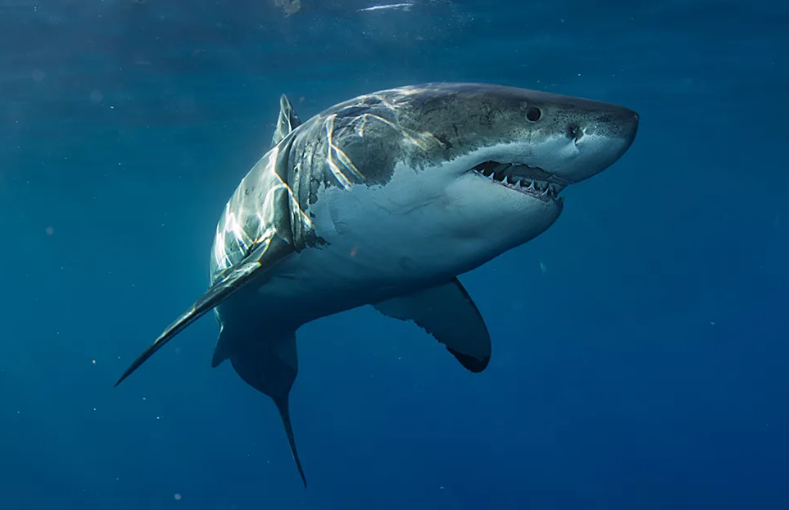
16. New Research Shows White Sharks Don’t Always Flee Killer Whales — Even After Violent Attacks
A 12‑year study of white sharks at South Australia’s Neptune Islands challenges the long‑held belief that killer whales are the primary cause of prolonged shark disappearances from aggregation sites. Researchers from Flinders University combined acoustic telemetry with wildlife tourism sightings and found six extended absences of more than 42 days, but only one coincided with the presence of killer whales.
The widely publicized 2015 predation event, in which six killer whales attacked and killed a white shark near a cage‑diving vessel, was followed by a two‑month disappearance — yet an even longer absence occurred in a year with no killer whales detected at all. The study also shows that not every encounter triggers long‑term departures; some events caused absences of only four to five days. Scientists conclude that natural variability in shark residency plays a larger role than previously assumed, underscoring the need for long‑term monitoring.
17. Global Seafood Fraud Is Far Worse Than Anyone Realized, UN Warns
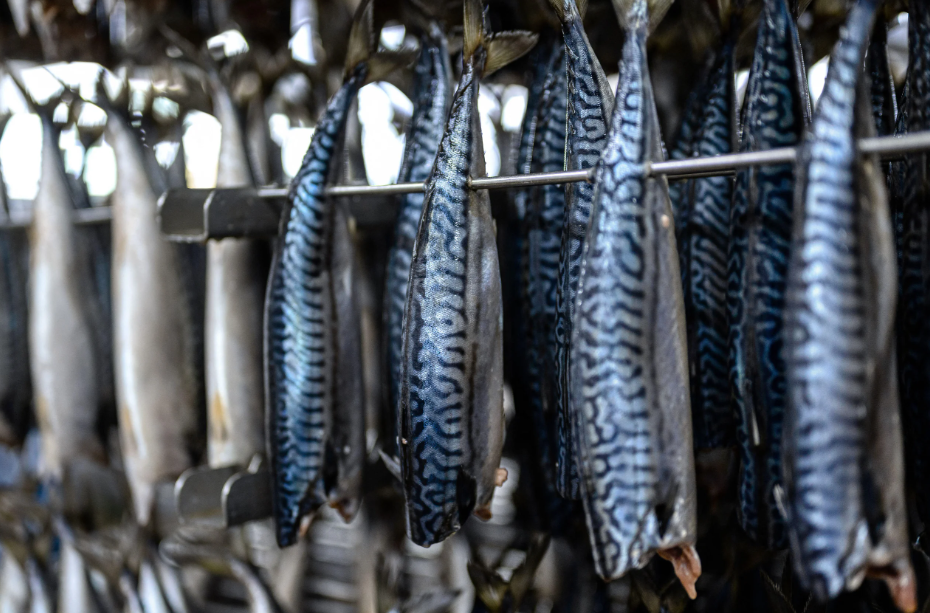
London, England — A new UN Food and Agriculture Organization report warns that the USD 195 billion global seafood industry is increasingly vulnerable to fraud, with more than one in five fisheries and aquaculture products likely to be misrepresented. The study highlights widespread practices such as species substitution, counterfeiting, misbranding, and even the manufacture of imitation shrimp from fish paste or starch compounds.
Researchers note that seafood fraud is especially common in restaurants, where some studies suggest mislabeling rates of 30 percent or higher, and even higher in countries like Peru and China. FAO fisheries officer Esther Garrido Gamarro says the issue extends beyond economic deception, masking food‑safety risks and enabling illegal trade that pressures endangered species. While many nations have strengthened regulations and traceability systems, fraudsters adapt quickly. The report calls for stronger governance, better oversight, and expanded use of DNA and chemical analysis to protect consumers and marine resources.
18. Marine Conservation Set to Dominate High‑Stakes COP15 Wildlife Talks in Brazil
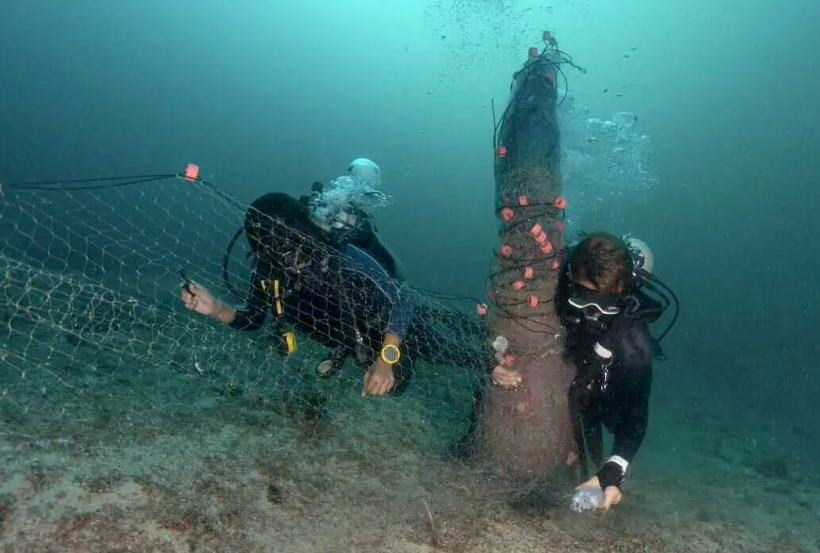
Marine conservation will be among the most prominent issues at next month’s CMS COP15 conference in Campo Grande, Brazil, where governments will confront a sweeping agenda aimed at protecting migratory wildlife. Delegates will review roughly 100 items spanning deep‑sea mining impacts, illegal and unsustainable take, bycatch, habitat loss, vessel strikes, underwater noise, marine pollution, and the safeguarding of migratory corridors.
The agenda highlights a series of urgent ocean‑focused threats, including fisheries‑induced mortality, bycatch of chondrichthyan species, fish aggregating devices, and aquatic wild meat. Officials will also consider how light, noise, and industrial activity disrupt marine species that rely on long‑distance movement. With climate change and insect decline also on the table, the meeting underscores the growing pressure on governments to strengthen protections for marine migratory species and preserve ecological connectivity across global oceans.
19. Baby Clownfish Lose Their Stripes Faster When Adults Are Watching, New Study Finds
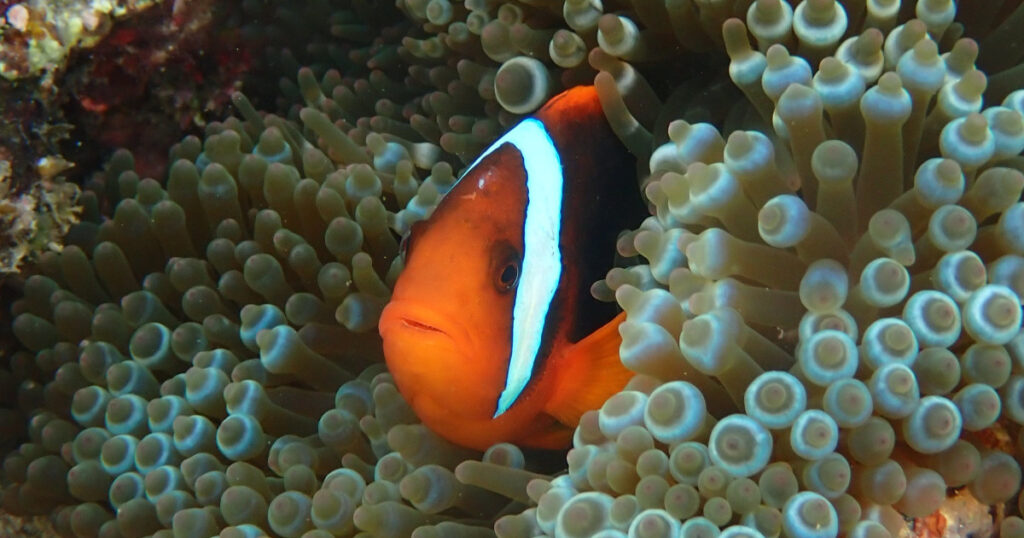
New research from the Okinawa Institute of Science and Technology reveals that young tomato anemonefish shed their extra white bar more quickly when adult fish are present, showing how social pressure shapes color‑pattern development. Scientists found that bar loss, a key signal of social status, accelerates when juveniles settle into anemones already occupied by adults, likely helping them appear less threatening and secure a subordinate position.
Conversely, juveniles at unoccupied anemones retain their bars longer, possibly as protection against aggressive adult intruders. Cellular analysis showed that bar loss occurs through programmed cell death of iridophores, with genes such as caspase‑3 strongly expressed during the process. Evolutionary reconstruction suggests bar loss evolved multiple times in species living in small social groups, where visual cues help prevent dangerous conflicts. The study highlights how social dynamics, hormones, and cell biology interact to shape the appearance of reef fish.