


1.
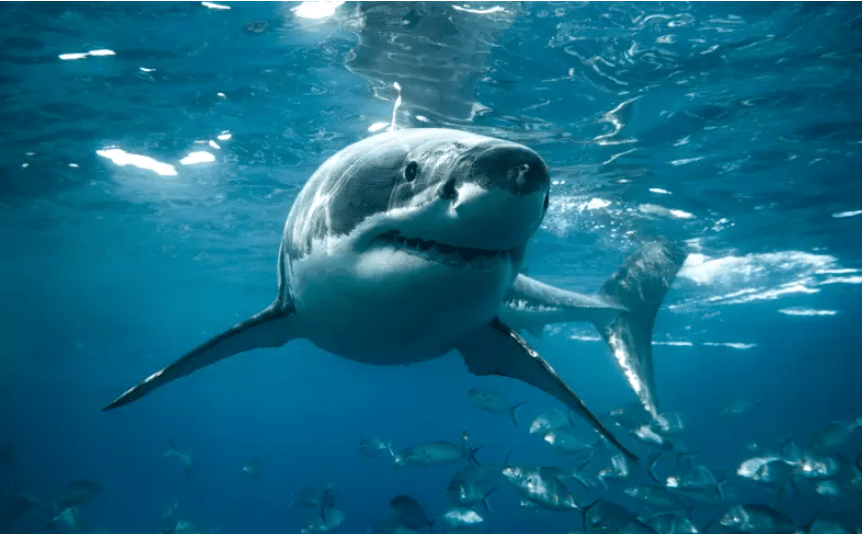
Will CITES Protect Threatened Sharks & Rays?
SAMARKAND, Uzbekistan – With the 20th Conference of the Parties to CITES approaching, shark conservationists are pushing for unprecedented global protections. Proposals up for debate include upgrading iconic species such as the whale shark and oceanic whitetip to Appendix I, which would ban all commercial trade, as well as listing deep water species like smooth hound sharks under Appendix II.
The Good Men Project explores whether these measures—supported by nations like Panama, Brazil, and the EU—can turn the tide for some of the ocean’s most imperiled predators. The decisions made in Uzbekistan this November could reshape the future of shark and ray conservation.
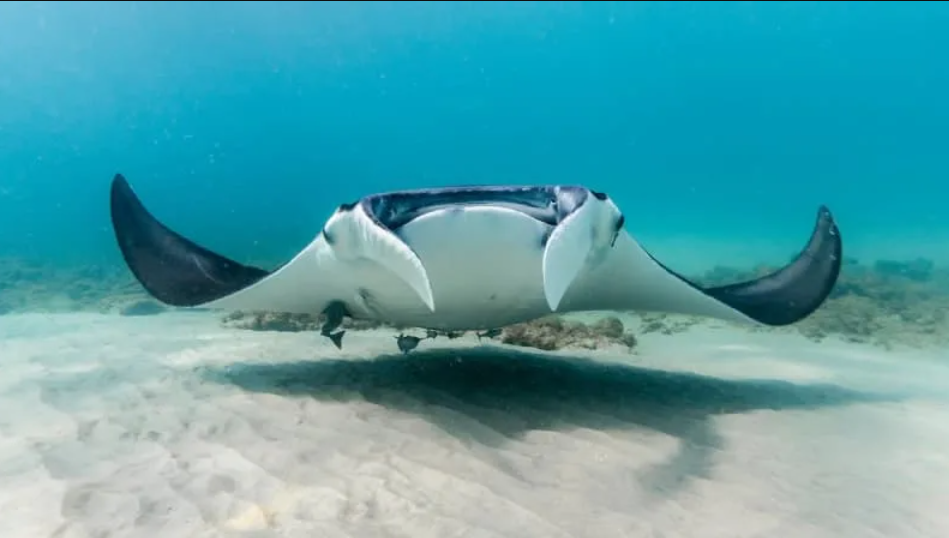
2. Viral Manta Ray Capture Sparks Uproar and Legislative Push in Florida
TALLAHASSEE, Florida – A viral video showing the capture of a federally threatened giant manta ray has ignited a swift political response from Florida lawmakers. State and federal representatives have jointly called on the Florida Fish and Wildlife Conservation Commission to revoke the permit that allowed the animal’s capture for public display in SeaWorld Abu Dhabi.
Florida is currently the only U.S. state that allows marine wildlife collection for export exhibition. Lawmakers are demanding an immediate pause on such permits while the legal and ethical implications are reviewed. Public outcry continues as animal rights groups amplify pressure.
Thank you for your generous gift that will help us continue the production of this weekly, free publication
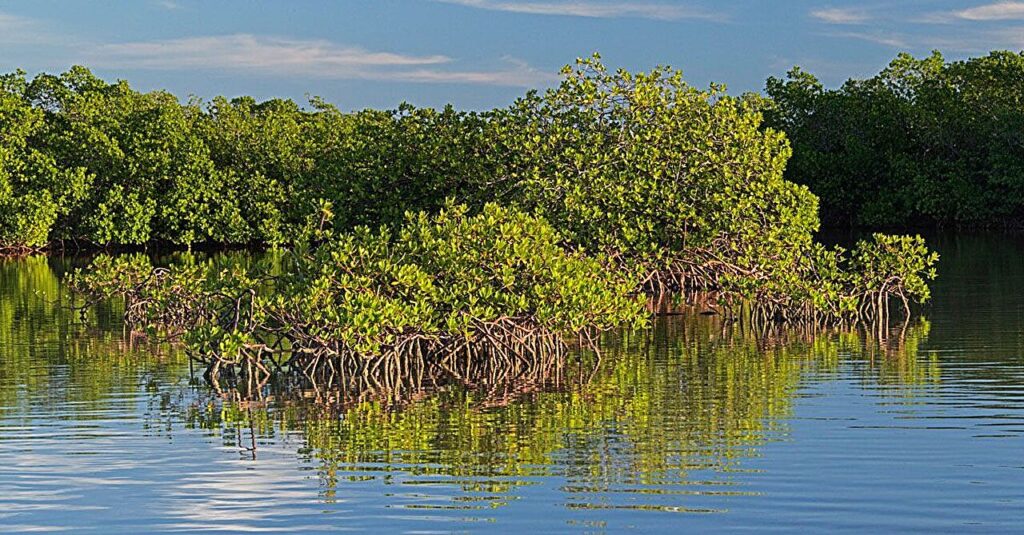
3. Warming Seas Are Undermining Mangrove Recovery, New Study Finds
LA JOLLA, California – A new study from the Scripps Institution of Oceanography at UC San Diego reveals a sobering reality: ocean warming is advancing too rapidly for restoration efforts to keep pace with mangrove loss. Despite decades of conservation-led recovery, rising sea temperatures threaten to reverse those gains, undermining both ecosystems and their role in coastal protection.
Mangroves, which act as nurseries, storm barriers, and carbon sinks, are increasingly vulnerable to temperature-induced dieback. Researchers caution that without large-scale emissions reductions and habitat buffering strategies, the global mangrove safety net may unravel faster than it can be rebuilt.

4. U.S. Arctic Oil Plans Raise Alarm Over Environmental Fallout
ARCTIC REGION, United States – Worth Magazine has spotlighted the environmental, geopolitical, and cultural risks tied to the current U.S. administration’s support for expanded oil drilling in Arctic zones. The article outlines potential threats to fragile ecosystems, Indigenous livelihoods, and global climate targets.
With Arctic regions warming nearly four times faster than the global average, critics warn that increased fossil fuel extraction could trigger irreversible tipping points. Conservationists are calling for a moratorium on Arctic exploration and a pivot to renewables before deep-sea drilling becomes standard practice.
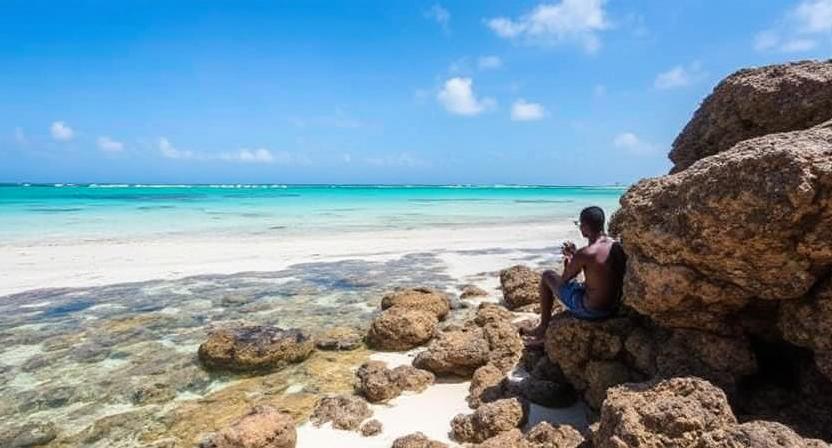
5. Zanzibar Just Raised Its Marine Entry Fees—Here’s Why It Matters
ZANZIBAR, Tanzania – The Revolutionary Government of Zanzibar introduced new entry fees for various marine conservation and protected areas—effective September 1, 2025—including the Mnemba Island Conservation Area, Menai Bay Conservation Area, Chumbe and Changuu-Bawe zones, and the Pemba Channel Conservation Area.
East African citizens will pay 5,000 Tanzanian shillings for adults and 2,500 shillings for children aged 5–15 (children under five remain exempt), while non–East African visitors will be charged $10 per adult and $5 per child. These changes, intended to bolster both marine biodiversity protection and eco‑tourism initiatives, are also expected to contribute to local economic growth by funneling more revenue toward community services and conservation measures.

6. Eel Prices Could Skyrocket Under New Wildlife Trade Proposal
GENEVA, Switzerland – A proposal from the CITES Secretariat recommends listing all eel species, including Japan’s heavily traded Anguilla japonica, under Appendix II to ensure their international trade is legal, sustainable, and traceable. The suggested change, backed by the European Union and conservation groups, comes amid escalating concerns over population decline.
Japan has opposed the listing, claiming it would severely disrupt its eel imports and economy. The final decision will be made at the CITES CoP20 summit in Samarkand, where a two-thirds vote is required. If passed, the rules could take effect by mid-2027.

7. Philippines Protects Climate-Supercharged Coral Reef
PANAON ISLAND, Philippines – President Ferdinand Marcos Jr. signed into law the Panaon Island Protected Seascape on August 29, 2025, designating 61,204 hectares—around 151,200 acres—of one of the world’s most climate-resilient coral hotspots as a legally protected marine area within the Coral Triangle, the “Amazon of the Sea.” In 2020, a survey led by Oceana revealed that coral cover in the area was three times the national average and supported abundant marine life.
The region also serves as a migratory route for whale sharks and supports threatened species like sea turtles and the Philippine duck. The move is a milestone in marine conservation and climate adaptation.
8. UNEP’s New Roadmap Could Reshape High Seas Protections
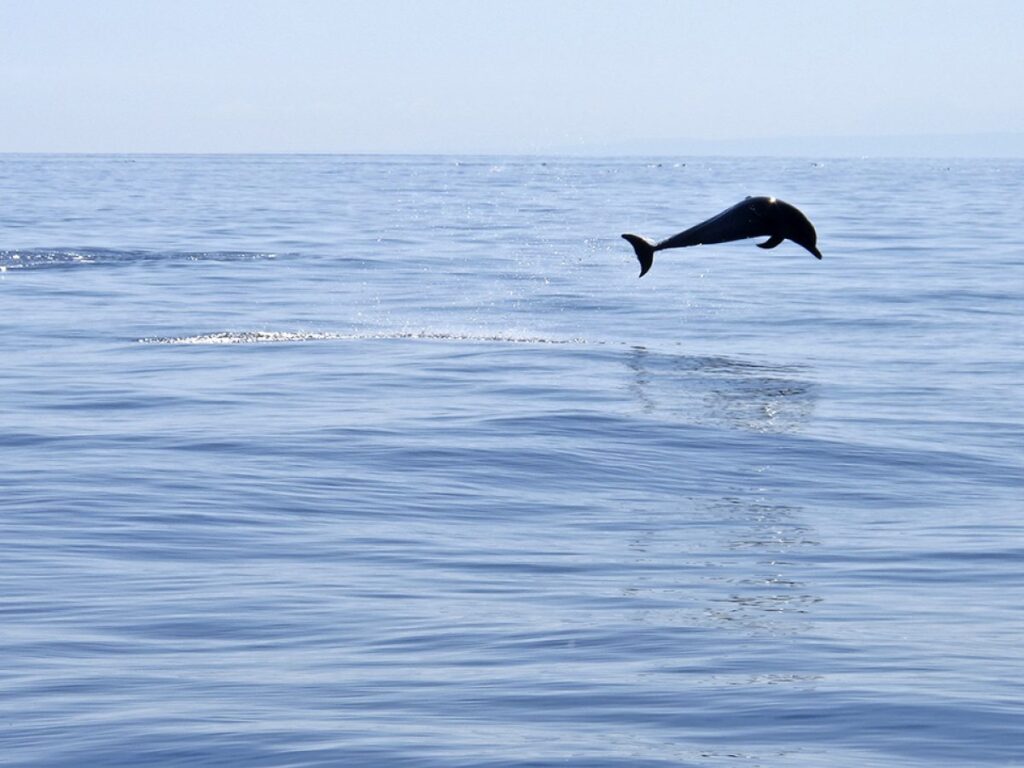
NAIROBI, Kenya – The UN Environment Programme’s latest technical paper offers a forward‑looking analysis of how the upcoming Agreement under UNCLOS on marine biodiversity beyond national jurisdictions (the BBNJ Agreement) could interconnect with existing biodiversity multilateral environmental agreements (MEAs).
The scan identifies four key overlap areas—marine genetic resources, MPAs, EIAs, and capacity-building—where alignment with treaties like the CBD, CITES, and CMS could amplify outcomes. Co-produced with UNEP-WCMC and released in August 2025, ahead of PrepCom II, the paper is intended as a springboard for further policy development, rather than a prescriptive tool. Stakeholder feedback will help define these emerging linkages.

9. IUCN Heads to Uzbekistan to Influence High-Stakes Wildlife Decisions
SAMARKAND, Uzbekistan – IUCN will play a central observer role at the upcoming 20th Meeting of the Conference of the Parties to CITES (CoP20), slated for 24 November to 5 December 2025. The summit, hosted at the Silk Road Samarkand Expo Center, will evaluate dozens of proposals affecting species listings, international trade regulations, and enforcement measures.
IUCN’s participation will include presenting scientific assessments, advising on ecological sustainability, and coordinating with other conservation actors. This year’s CoP20 could shape the fate of multiple marine and terrestrial species facing accelerating threats.
10. Belize Secures Green Light for Fisheries Exports Through 2029
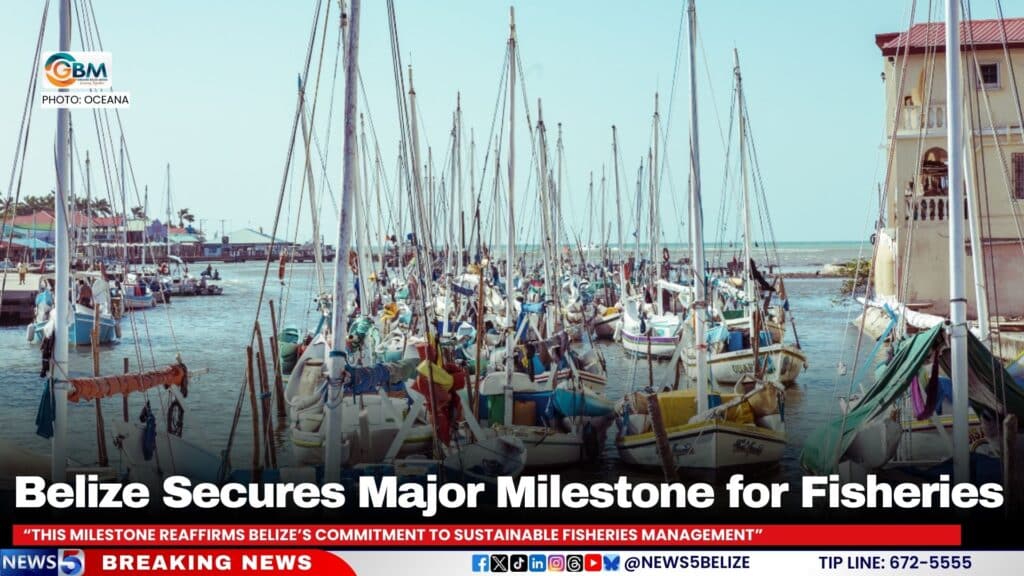
BELIZE – Belize’s Ministry of Blue Economy has announced that the country has passed NOAA Fisheries’ sustainability compliance review, allowing its seafood exports to the U.S. to continue through December 31, 2029. The review cited Belize’s progress in regulating gillnets, enforcing logbook use, mandating bycatch reporting, and enacting the 2020 Fisheries Resources Act. This milestone supports fishers, boosts investor confidence, and underscores the country’s growing role in sustainable marine resource management.
11. Ocean Warming Could Strip $28 Billion From Global Mangrove Benefits
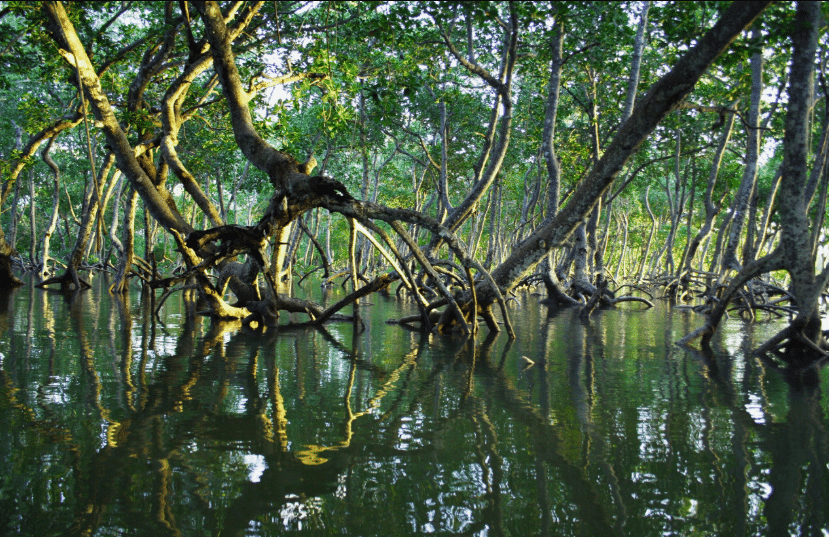
LONDON, United Kingdom – A study highlighted by Oceanographic Magazine warns that the world could lose up to $28 billion annually in ecosystem services if mangrove degradation continues under current climate projections. Mangroves offer storm protection, carbon capture, and nursery grounds for marine life—but rising sea levels and heat stress are pushing their limits. The study calls for immediate international action, warning that failure to adapt restoration policies will result in irreversible economic and ecological loss.

12. Shark Jaws, Fins, and Teeth Seizures Reveal Ongoing Wildlife Crisis in New Zealand
WELLINGTON, New Zealand – A government report revealed that New Zealand authorities have seized hundreds of shark jaws, fins, and teeth in recent years, exposing a persistent illegal trade network. The seizures span protected and endangered species, with intercepted items including great white shark jaws and mako fins.
Despite stricter CITES controls, wildlife trafficking persists through both mail and in-person transport. Officials say the trend poses a threat to shark populations and undermines international conservation agreements. Conservation groups are calling for enhanced border checks, increased public education, and stricter penalties to halt this illicit trade.
13. Asia’s Luxury Fish Maw Trade Fuels Marine Species Decline
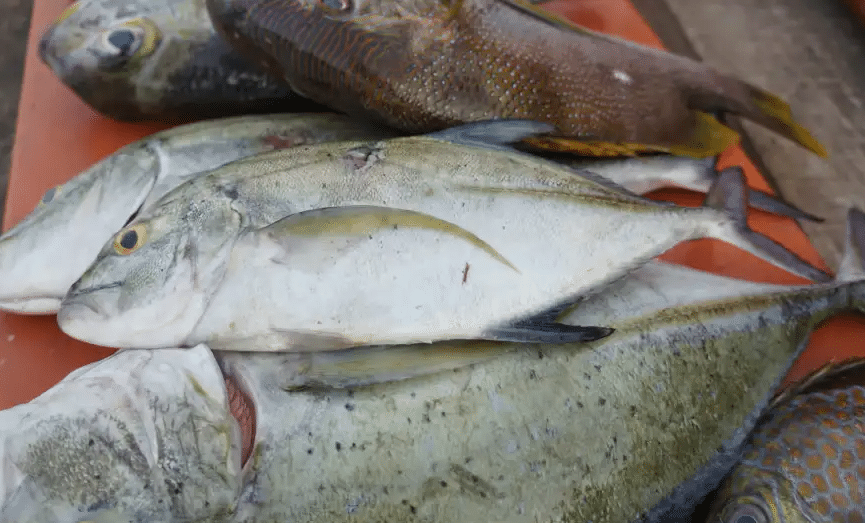
SINGAPORE – The lucrative trade in fish maw—a delicacy made from the swim bladders—is booming in Singapore and Malaysia, and researchers warn that it’s contributing to the overfishing of threatened species. Investigations found dried fish maw openly sold in Chinatown markets, with some products sourced from endangered species such as the totoaba, listed under Appendix I of CITES.
While many sellers claim sustainability, verification is scarce, and most products lack traceable sourcing. The demand from affluent buyers in mainland China continues to drive poaching and smuggling, despite global conservation efforts to curb illegal trade.

14. Cigarette Filters May Be Banned as Microplastic and Cancer Concerns Mount
LONDON, United Kingdom – The UK and EU are considering bans on cigarette filters as new studies reveal that the plastics in them may not only pollute oceans, but also increase cancer risks. Filters, long believed to reduce harm, actually leach toxic microplastics into the environment and may encourage deeper inhalation of smoke.
Environmental advocates say these single-use plastics are one of the most littered items globally, with billions discarded annually. Researchers and public health officials alike are urging regulators to reclassify filters as dangerous products and eliminate them from circulation altogether.

15. Deep Ocean is Boiling: Earth’s Heat Engine Is Storing Trouble Below
PARIS, France – A groundbreaking report from Nature reveals that over 89% of excess global heat caused by climate change is being absorbed by the ocean—especially in its deepest layers. Scientists now warn that the abyssal ocean is becoming a vast heat sink, with implications for sea level rise, circulation patterns, and the long-term balance of the planet.
The findings suggest that ocean heating is both accelerating and being underestimated, as satellite surface data misses much of the warming that is buried in deep trenches and currents. Researchers are calling for urgent global attention to the silent thermal buildup that threatens Earth’s equilibrium.
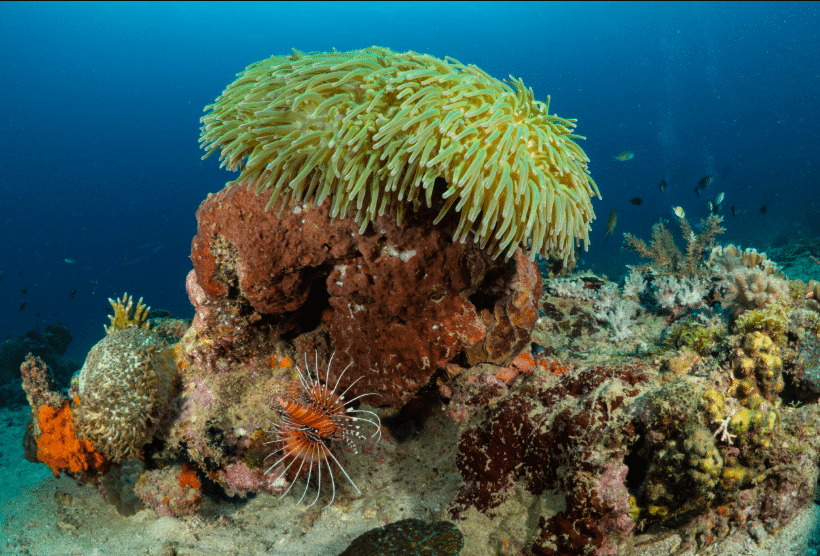
16. Philippines Declares New Protection for World’s Most Climate-Resilient Reef
SOUTHERN LEYTE, Philippines – In a significant marine conservation move, the Philippines has designated a 61,200-hectare coral system near Panaon Island as a protected seascape. Scientists believe this reef, which has thrived despite ocean heatwaves and bleaching, may be the planet’s most climate-resilient coral ecosystem.
The designation follows years of campaigning by local communities and marine scientists, and includes strict fishing limits, habitat restoration plans, and monitoring protocols. Conservationists hope this area can serve as a blueprint for protecting reefs in a warming world.

17. Alabama’s Oyster Season Is On—But the Outlook Remains Gritty
MOBILE, Alabama – State officials have confirmed that Alabama will reopen its oyster season this year for limited harvesting, offering a temporary win for fishers and coastal communities. However, long-term prospects are bleak: warming waters, sediment shifts, and storm-related die-offs continue to erode oyster beds. Scientists say the state’s reef systems are in decline, and rebuilding efforts may not be enough to secure the future of the Gulf’s oyster economy. Regulators are weighing stricter limits and restoration plans to try to salvage the industry.
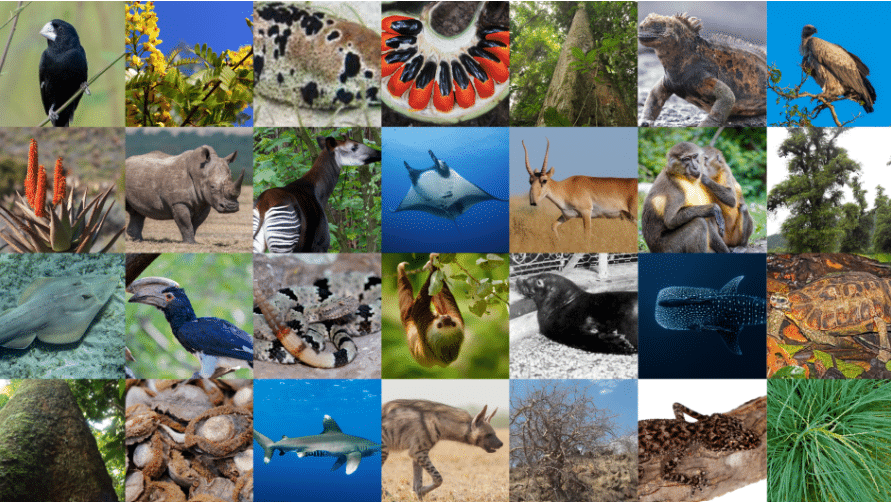
18. You Won’t Believe What the CITES Secretariat Just Dropped Ahead of CoP20!
Geneva, Switzerland — The CITES Secretariat has released its provisional assessments of 51 proposals aimed at amending Appendices I and II in anticipation of CoP20, scheduled for November 24 to December 5, 2025, in Samarkand, Uzbekistan. These assessments evaluate incoming submissions by considering their scientific merit, conservation impact, and feasibility for vote at the upcoming Conference of the Parties.
CoP20 will bring global attention to wildlife trade regulation, with the Secretariat’s assessments offering crucial insight into proposals ranging from upgraded protections to sustainable use strategies. Stakeholders—including governments and NGOs—can now engage with these assessments before formal deliberations begin, potentially influencing conservation outcomes for threatened species. This advanced transparency is expected to shape and streamline discussions when delegates convene to decide which species warrant heightened protection under international law.
19. Unveiling the Secrets of Amazon’s Fishermen—How Small Boats Fuel a Giant Coastal Economy CITES Secretariat Just Dropped Ahead of CoP20!
Belém, Brazil—Small-scale artisanal fisheries are driving economic growth and food security along the Eastern Amazon coast, according to new research published in Frontiers in Marine Science. Researchers from local institutions mapped the unique strategies of fishermen who operate vessels just eight to ten meters long, stocking less than five tonnes of catch with crew sizes no larger than five.
These fishermen rely mainly on gillnets and set out for trips lasting up to two weeks, navigating distant environments using deep local knowledge to target species like acoupa weakfish, megrim, and mullet. Analyzing landing data from 2008 to 2010, scientists at the Federal University of Pará identified seven fishing profiles-some species-specific, others more varied. This marks the first multivariate study giving a data-driven breakdown that could inform smarter management policies for the region’s highly diverse artisanal fleet.
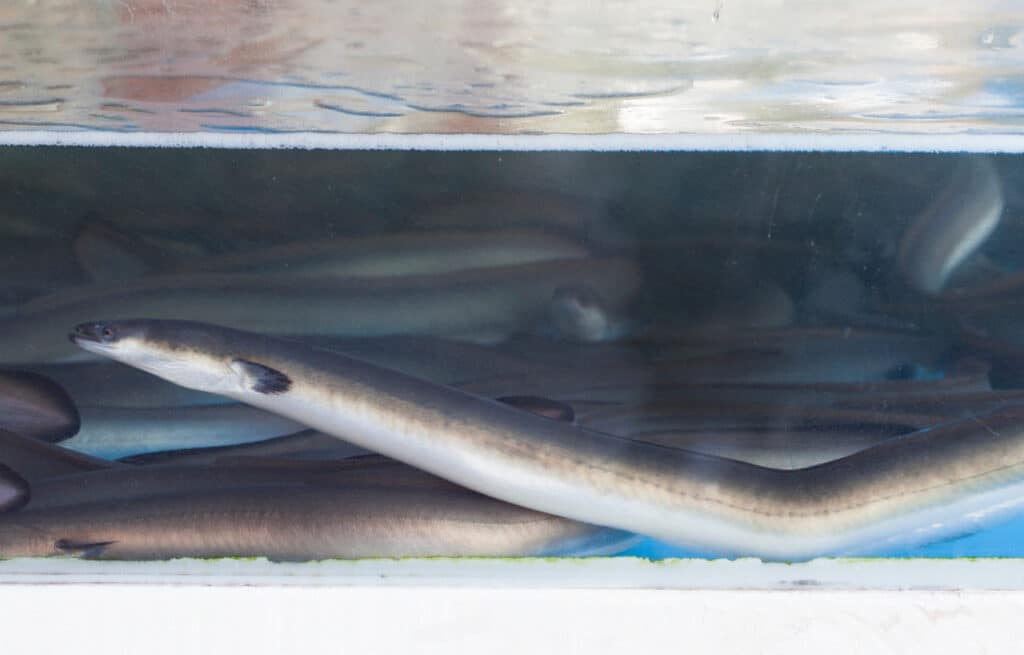
20. Conservation Group Pushes to Shield All Eel Species by Expanding CITES Protections
A growing conservation movement is urging the global community to list all eel species under CITES Appendix II to curb illegal trade and better protect these vulnerable species. Currently, only the European eel (Anguilla anguilla) is listed, with strict trade bans enforced by the EU since 2010 following its 2009 inclusion on the convention. However, morphological similarity among anguillid eels complicates species identification, often allowing illegal trade to persist through mislabeling and loopholes.
Advocates argue that including the entire eel genus Anguilla under Appendix II would enhance monitoring, close enforcement gaps, and ensure sustainable international trade practices. This move is crucial as many eel species face threats from overfishing, habitat loss, and illicit trafficking. Experts warn that without comprehensive protections, pressures could shift to less-regulated eel species, risking their populations and the livelihoods of communities that rely on them. The proposal is set for discussion at the 2025 CITES Conference of the Parties.

21. Dive into Adventure at Taman Safari Indonesia’s Marine Family Destination with Over 22,900 Animals!
Gianyar, Bali, Indonesia—Taman Safari Indonesia welcomes Indian travelers to explore Marine Safari Bali, a premier family destination home to over 22,963 animals representing 673 species. This marine park offers an engaging blend of entertainment, conservation, and education, showcasing Indonesia’s rich marine biodiversity across diverse ecosystems. Visitors can experience interactive activities such as stingray feeding, penguin keeper talks, and shark presentations, plus enjoy the unique Varuna underwater theatrical dining, combining storytelling with fine dining and marine conservation themes.
The park is committed to sustainability with advanced facilities and active conservation programs focusing on species rehabilitation and breeding. Behind-the-scenes tours provide insights into animal care, enhancing visitor understanding of marine life protection. This destination promises unforgettable adventures and valuable ecological education for families and travelers alike.