

Despite our best intentions — and our promise to send daily updates from the front lines here at CITES CoP20 — the opening days took an unexpected turn. Within hours of arriving, half our team was knocked flat by a brutal fever. Picture a group of determined conservationists huddled in a hotel room, trading thermometers, cold compresses, and whatever medicines we could find, all while editing videos and pushing out social-media posts between coughing fits. Not glamorous… but absolutely true.
But this work is too important, and even sick, we refused to stay down. Our first priority, of course, was not getting our colleagues sick — so only the healthy members took the floors, while the rest of the team worked feverishly (pun intended) from their beds, laptops balanced on pillows, doing whatever it took to keep the mission moving forward. Bit by bit we rallied, propped ourselves up, and ensured critical news still reached you through our updates and fast-break videos.
And the truth is… what we are doing is working. Even under the toughest conditions, the job is getting done. We’re standing. We’re pushing. And we are more committed than ever.
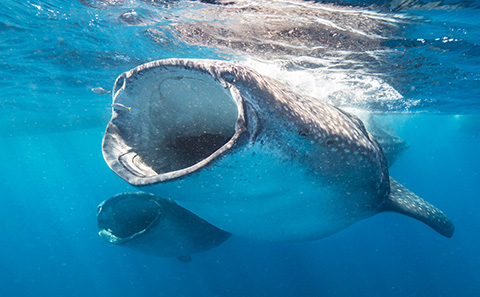
As expected, the FAO — the United Nations Food and Agriculture Organization — spoke out against all marine proposals. Their positions carry heavy weight at CITES, but their perspective can feel short-sighted. While certain species may provide food security today, the science is unmistakable: populations are collapsing. Many of the species we reviewed today have declined 50–90% in just three generations. Without stronger protection now, they will not provide food security in the future — because they may not exist at all.
Even the CITES Secretariat recommended rejecting many of the proposals.
And still, something extraordinary happened.
Some nations attempted to dilute protections, carve out loopholes, or shield select species for economic reasons. But this week, the tide turned. Every attempt to weaken conservation measures was swept aside by clear, decisive majorities. The room felt it — science, urgency, and global willpower aligned in a way we rarely see at CITES.
Then came a moment that moved the entire chamber: Fiji’s intervention on the proposal to list all manta and devil rays in Appendix I.
Fiji reminded the world that this is not only a scientific decision, but a moral one.
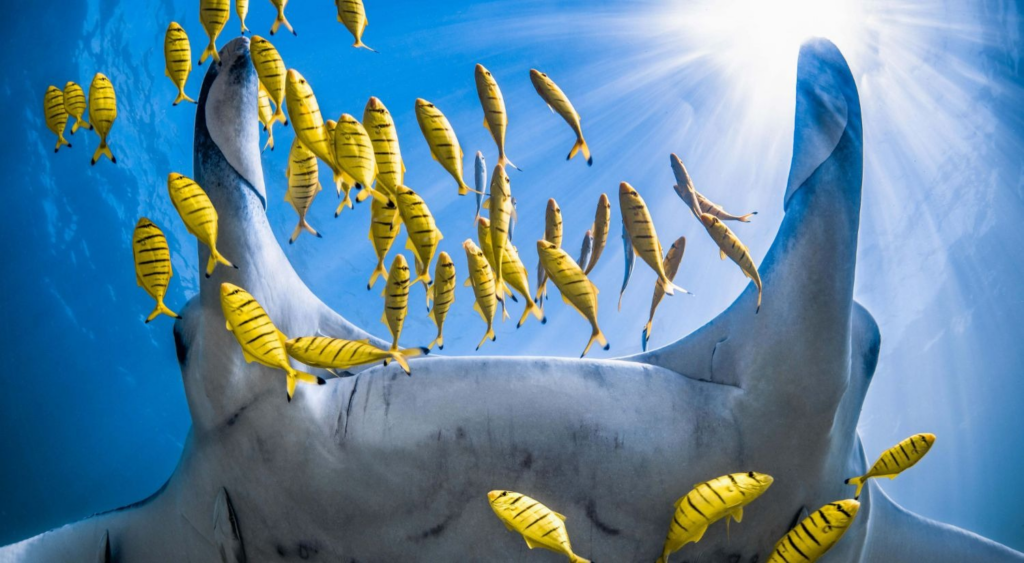
They spoke of the ocean as a relative — central to identity, ceremony, food systems, and stories. Manta and devil rays, they said, embody wisdom, peace, and the quiet intelligence of the sea. Their loss would not simply be a statistic; it would be a rupture in cultural heritage, a fraying of the great tapestry that sustains Pacific life. Protecting these rays is an act of cultural responsibility as much as ecological stewardship.
Science is now catching up to what Pacific cultures have known for centuries. Mantas have the largest brain-to-body ratio of any fish. They show advanced social awareness, self-recognition, and problem-solving ability. Divers know the stories: mantas calmly approaching humans to be freed from fishing gear. Remarkable, sentient animals — all the more deserving of the strongest possible protections.
Today was one of the most important victories for Sea Save at this CoP — but it is not the end of the story.
Though the proposals have been adopted by vote, a “cooling-off” period now begins, followed by a second vote during ratification. This is when pressure campaigns intensify. Parties seeking to exploit these species will negotiate, persuade, or offer incentives to reverse decisions. We have our eyes open and our energy high.
And this is where the work ahead becomes critical.
Over the next several days, we’ll take you deeper into the heart of this CoP — breaking down each major proposal and unpacking what it truly means:
• Why these species matter — not just scientifically, but culturally and economically.
• How they landed in the global spotlight here in Samarkand.
• What stronger protections could accomplish — and where the fight goes next.
And the larger question echoing across the conference halls:
If this powerful conservation wave holds through ratification…
Are we witnessing a turning point?
Is the international community finally recognizing the severity of species declines — and accepting that halting or reducing trade is not only wise, but often the only viable path to survival?
We’ll be watching. We’ll be reporting. And together, we’ll see where this momentum leads.
Best wishes,
Phil, Georgienne, Jay, and Tobias
CITES CoP20, Uzbekistan