


1. China and Japan Crash the High Seas Power Party
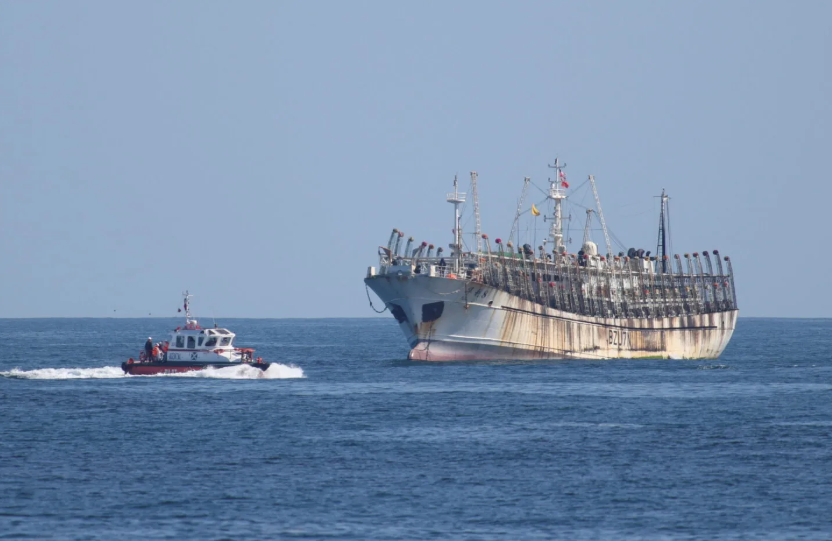
China and Japan have clinched last-minute spots on a powerful scientific body that will help decide which parts of the high seas and deep ocean get new protections under the UN’s Biodiversity Beyond National Jurisdiction (BBNJ) treaty. The pair were among 15 countries elected to the Scientific and Technical Body, which will guide rules on marine protected areas, environmental impact assessments, and benefit-sharing from marine genetic resources in areas beyond national jurisdiction.
Their inclusion bolsters Asia’s influence over how conservation and industrial interests, including deep-sea mining and high-seas fishing, are balanced in two-thirds of the global ocean. Small island states and EU countries, which have driven the treaty’s ambition, will now have to navigate a more crowded geopolitical landscape as negotiations shift from drafting the agreement to implementing it at sea.
2. Alaska’s Belugas Play the Long Game in Love
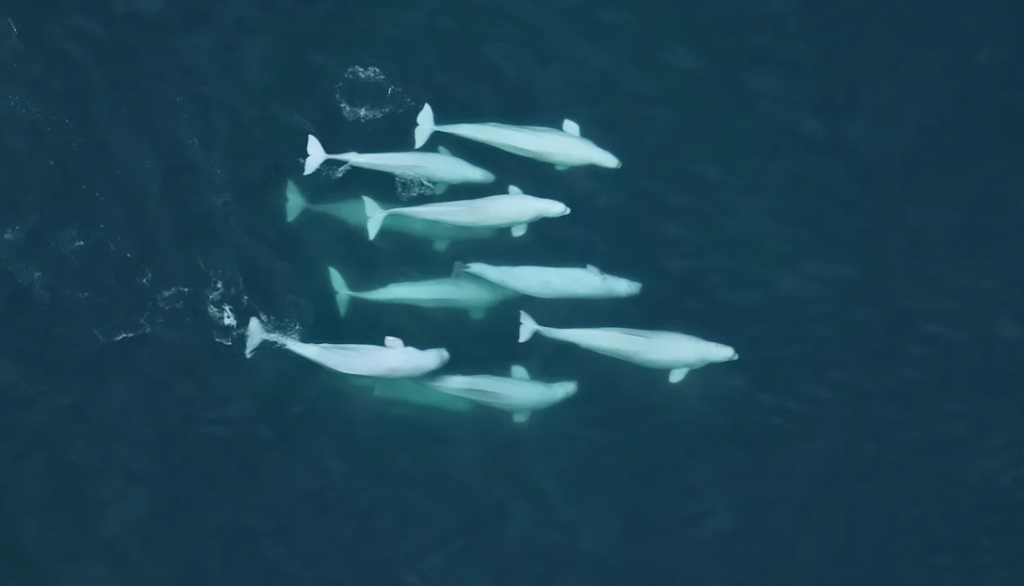
Bristol Bay, Alaska — A 13-year study of about 2,000 beluga whales in Alaska’s Bristol Bay reveals a surprisingly strategic mating system that may help the isolated population survive. Using genetic samples from 623 whales combined with field observations, researchers from Florida Atlantic University’s Harbor Branch Oceanographic Institute and Alaska partners found that both male and female belugas routinely switch mates over multiple breeding seasons. Instead of a few dominant bulls fathering most calves, reproductive success is more evenly distributed, creating many half-siblings but few full-siblings and helping maintain genetic diversity.
Females frequently change partners, likely avoiding low-quality mates and reducing inbreeding risk, while long-lived males appear to spread their efforts across decades rather than competing intensely in any single year. The team, working closely with Indigenous communities, says this polygynandrous “mate switching” strategy may buffer small populations against genetic erosion in a rapidly changing Arctic.
Thank you for your generous gift that will help us continue the production of this weekly, free publication
3. Plastic Revolt: How Two Caribbean Hotspots Plan to Crush Urban Waste
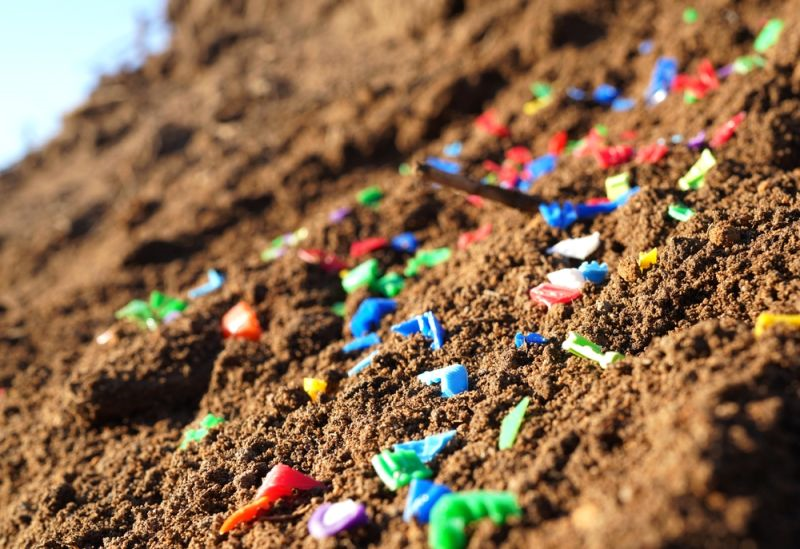
Cartagena, Colombia — Cartagena and Barranquilla have launched “Circular Cities: Beyond Plastic,” a new initiative to curb urban plastic pollution and protect the wider Caribbean Sea. Led under the Cartagena Convention framework, the project focuses on redesigning how plastics move through each city, from use and collection to final treatment, so less waste leaks into waterways and coasts.
City officials and regional partners aim to align local action with broader marine protection commitments and show how coastal hubs can shift away from a linear “take, make, dispose” model. The effort will also connect both Colombian cities to a growing regional network experimenting with circular approaches to plastic, creating space for shared learning and coordinated solutions across Latin America and the Caribbean.
4. Shark Love Secrets Revealed Off Maui’s Whale Nursery
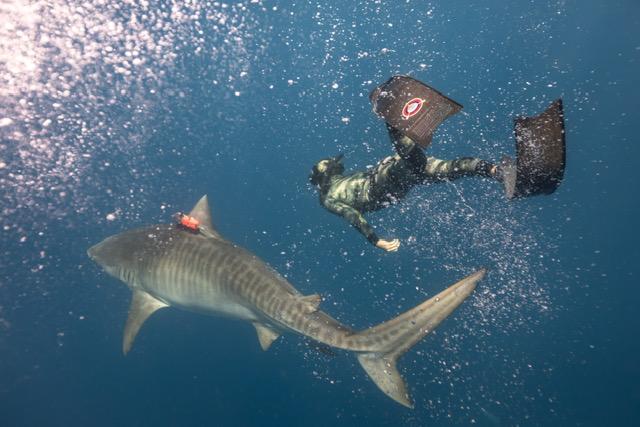
Maui, Hawai’i — New research from the University of Hawaiʻi Mānoa has uncovered that tiger sharks are flocking to Olowalu during humpback whale calving season, not just to feed, but to mate. For six years, scientists with the Hawaiʻi Institute of Marine Biology’s Shark Research Lab tagged sharks to better understand human–shark interactions, then began noticing clear mating marks: bite wounds on females’ dorsal fins and skin abrasions on males appearing around February.
The data show that sharks are multitasking, gathering to scavenge on whale placentas and target vulnerable calves while also engaging in coordinated mating events that extend from Maui to Oʻahu. Before this study, scientists did not know whether tiger sharks mated by chance or through intentional aggregations, making this the first documented evidence of organized mating behavior for the species anywhere in the world.
5. High Seas Treaty Finally Puts the High Seas on the Map
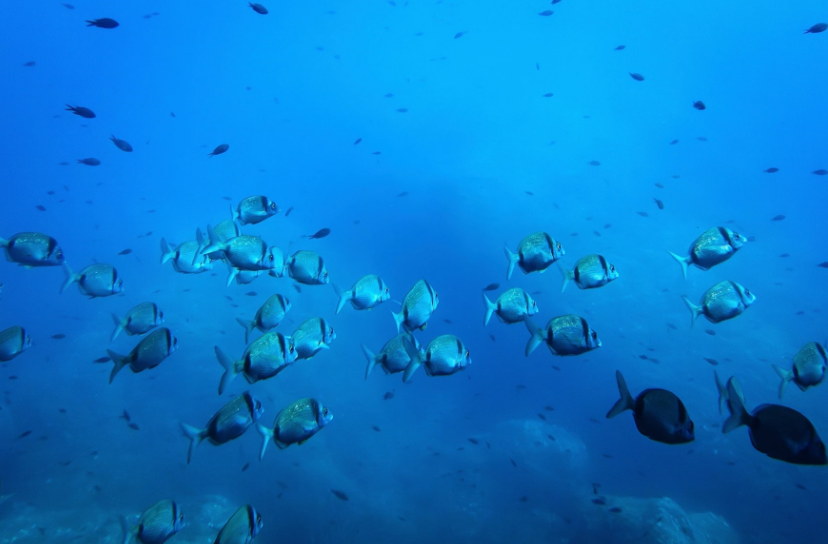
Honolulu, Hawai’i — The world’s first legally binding agreement to protect marine life in international waters has just taken effect, marking a major turning point for global ocean conservation. Known as the High Seas Treaty, it covers nearly half of Earth’s surface – ocean areas beyond any single country’s jurisdiction – and targets threats such as destructive fishing, pollution, and climate change after nearly two decades of negotiations.
The agreement became legally binding 120 days after the 60th ratification and now counts 83 ratifying countries, including major maritime powers like China and Japan, while the United States remains a non‑ratifying observer without voting rights. The treaty will enable the creation of new marine protected areas on the high seas, require environmental impact assessments for harmful activities, and push countries to cooperate on ocean science and technology as they race to protect 30% of the ocean by 2030.
6. Antarctic Science Pushes Forward as U.S. Icebreaker Fleet Falters
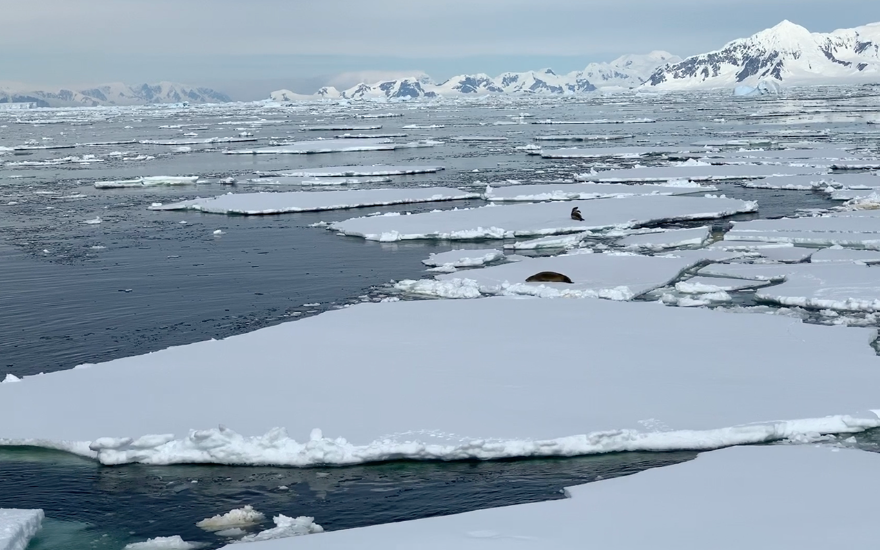
Scientists from UC San Diego’s Scripps Institution of Oceanography and the Scripps Polar Center are braving the 2025-26 Antarctic summer to keep critical research going, even as federal support shrinks. Teams are probing why West Antarctica’s Thwaites Glacier is losing ice so rapidly, hunting cancer-fighting compounds produced by microbes inside Antarctic sea squirts, and tracking how penguin guano fertilizes phytoplankton blooms at the base of the food web.
Their work unfolds in a more challenging logistics era: the National Science Foundation has halted operations of the R/V Nathaniel B. Palmer, the only U.S. icebreaker dedicated to Antarctic research, leaving the U.S. Antarctic Program without a purpose-built research vessel for the first time in nearly six decades. Stopgap ships can’t handle heavy ice, forcing scientists to lean on international partners and creative workarounds to reach key study sites.
7. Who Really Owns the Planet’s Last Wild Waters?
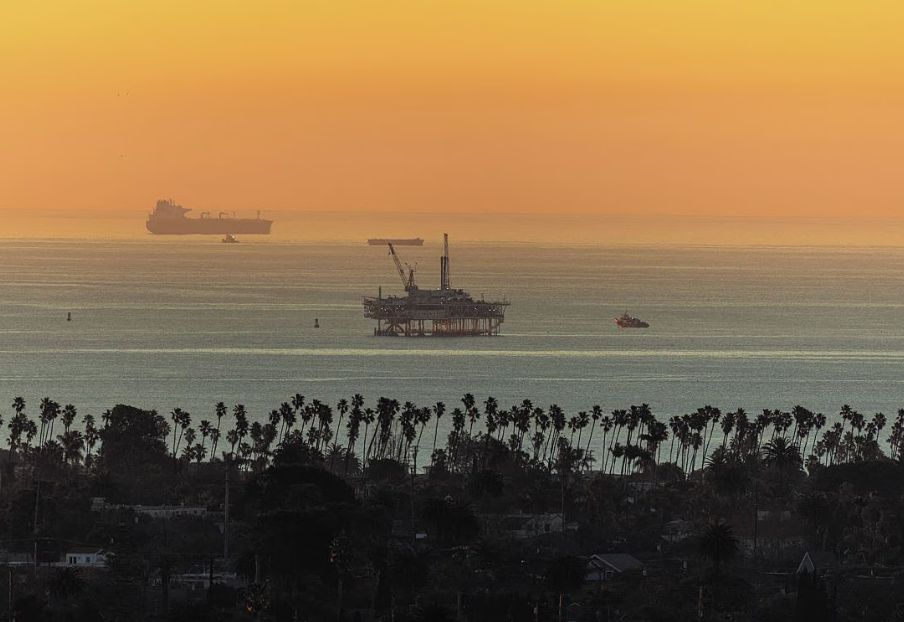
A new analysis in “tovima” explains how the High Seas Treaty (BBNJ agreement) turns vast ocean areas that “belong to everyone and no one” into more tightly governed global commons, with rules for sharing benefits from biodiversity and genetic resources. Covering roughly 75% of the oceans beyond national jurisdiction, these waters sit at the heart of disputes over energy, rare earths, and strategic shipping routes, making the treaty as geopolitical as it is environmental.
More than 80 states have joined, including Greece, the EU, and Turkey, whose ratification is striking because Ankara (Turkey) still rejects the UN Convention on the Law of the Sea (UNCLOS), fueling tensions in the Eastern Mediterranean. Experts say the pact reinforces UNCLOS, builds pathways for regional cooperation and dispute resolution, and could modestly reduce global inequality—if states actually choose to implement it.
8. How “Risky” Charity Could Unlock Billions to Save the Seas
Global stability hinges on ocean health, yet the seas face chronic underfunding amid intensifying climate threats and overexploitation. Shaun Seow, CEO of Philanthropy Asia Alliance, contends that conventional philanthropy falls short; it must evolve into catalytic risk capital to mobilize vast public and private investments for ocean protection. By de-risking innovative projects such as blue carbon initiatives and community conservation, donors can demonstrate scalable models that attract hesitant governments and investors.
Seow spotlights Asia’s vulnerable marine zones, urging the creation of coordinated platforms that unite funders, scientists, and locals for high-impact wins in coastal resilience and sustainable blue economies. Wealthy philanthropists should treat oceans not as charity side quests but as essential global security assets demanding bold, patient capital. This shift promises to unlock billions for marine salvation.
9. Boston Harbor Clams Safe to Eat After 100 Years of Filth!
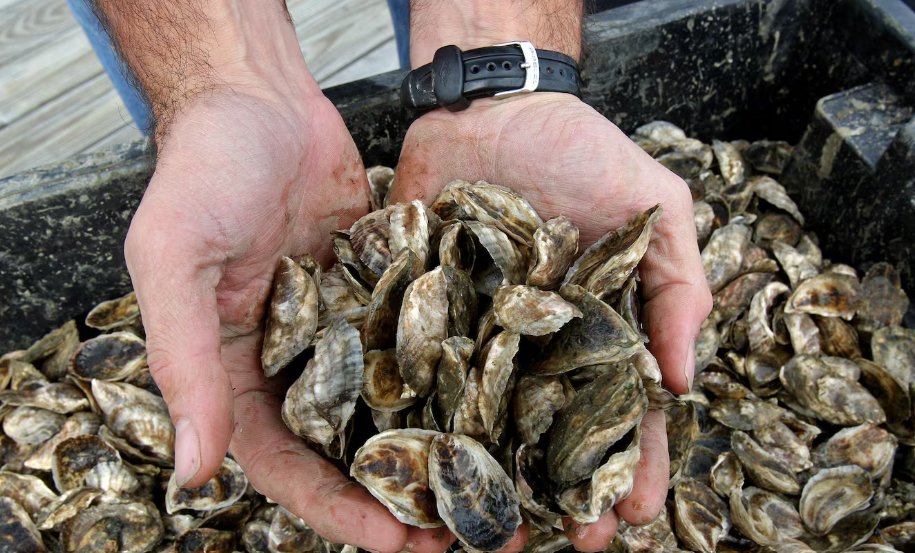
Boston, Massachusetts — Once memorably damned as “Dirty Water” in song, Boston Harbor’s outer reaches in Winthrop, Hingham, and Hull now boast water so pristine that shellfish like soft-shell steamers can be harvested for direct human consumption without costly purification. The Massachusetts Division of Marine Fisheries recently granted “conditionally approved” status to these areas — the first such allowance since a 1925 typhoid outbreak from tainted oysters shut down shellfishing a century ago.
This milestone crowns decades of cleanup triumphs, including the $3.7 billion Deer Island treatment plant serving 43 communities and lawsuits from Quincy and the Conservation Law Foundation that forced action. Filter-feeding clams act as nature’s vacuum cleaners, filtering gallons daily, so their safety signals top-tier national water quality standards. Recreational and commercial harvesters could dig in as early as 2026 once towns issue permits and appoint constables, though restaurants like Union Oyster House eye public perception warily. Chris Mancini of Save the Harbor/Save the Bay exults: “I can literally go feed myself.”
10. Kelp Miracle Resurrects Arctic Seas from Underwater Desolation!
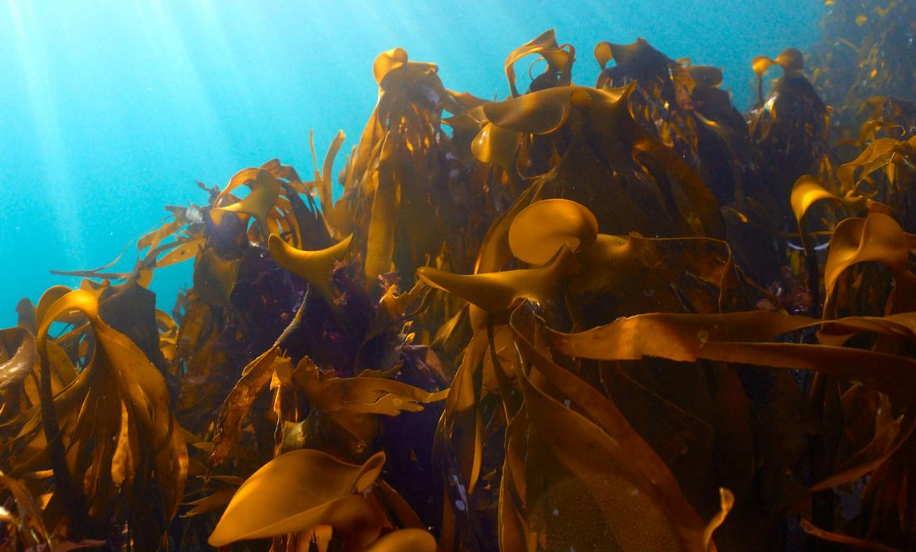
Tromsø, Norway — Northern Norway’s researchers have cracked a decades-long puzzle by resurrecting vanished kelp forests in barren Arctic waters ravaged by ravenous sea urchins and overfishing. After 25 years of failed experiments, Hans Christian Strand’s team deployed ingenious “artificial reefs” — spore-coated ropes anchored in sand-filled rings — submerged in February to harness spring sunlight. Three months later, lush kelp blanketed the structures, untouched by urchins, signaling a breakthrough for ecosystems that shelter fish, filter carbon, and shield coasts.
Overfishing since the 1950s decimated predators like wolffish, unleashing urchin barrens across 5,000 square kilometers of Norway’s kelp heartland. Freedivers like Pauline Stum Kvalo witnessed returning life but battled filmy seaweeds blocking light; now Strand plans 1,000 plastic-pipe units despite warming seas and global kelp crashes up to 95% in places like California. This simple fix offers hope for scalable restoration worldwide.
11. Fishermen Turn Lobster Traps into Whale Whisperers Off Scotland!
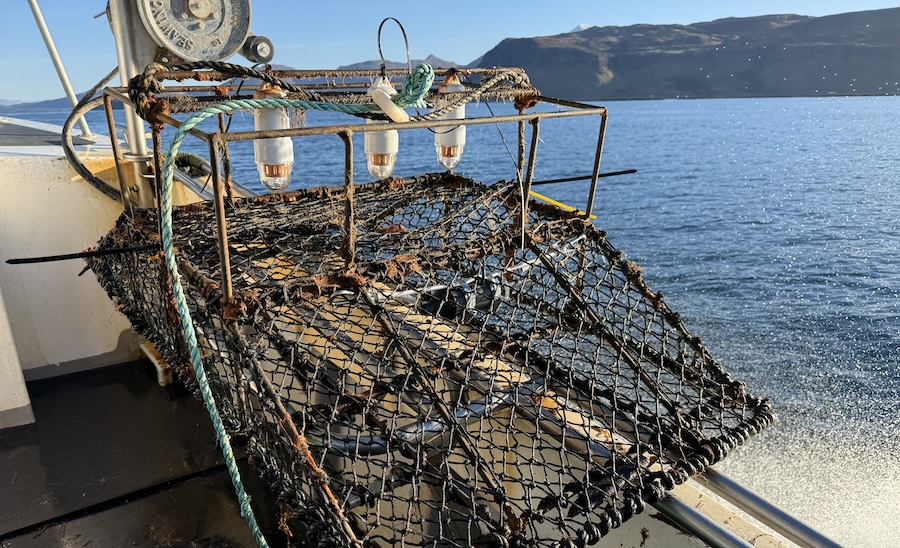
Isle of Mull, Scotland — Creel fishermen and marine scientists off Scotland’s west coast are pioneering “Creeling for Sounds,” strapping underwater acoustic recorders to working lobster pots to eavesdrop on elusive whales, dolphins, and porpoises year-round. Led by the Hebridean Whale and Dolphin Trust (HWDT), the low-impact trial tests if passive acoustic monitoring can hitch a ride on creel gear without disrupting hauls or fouling data with fishing noise.
Local fishers donated pots and shaped rugged designs during initial sea trials, answering whether recorders survive rough conditions, capture clean cetacean calls for communication and foraging, and stay manageable amid daily operations. Winter weather long blinded surveys of protected species like minke whales and harbor porpoises in Marine Protected Areas; this fisher-led method fills those gaps while tracking human noise impacts. Funded by a £29,937 Scottish Government grant, success could scale community monitoring nationwide, bridging conservationists, fisheries, and coastal livelihoods.
12. Traveler’s Paradise Souvenirs Turn into Customs Nightmare at Warsaw Airport!
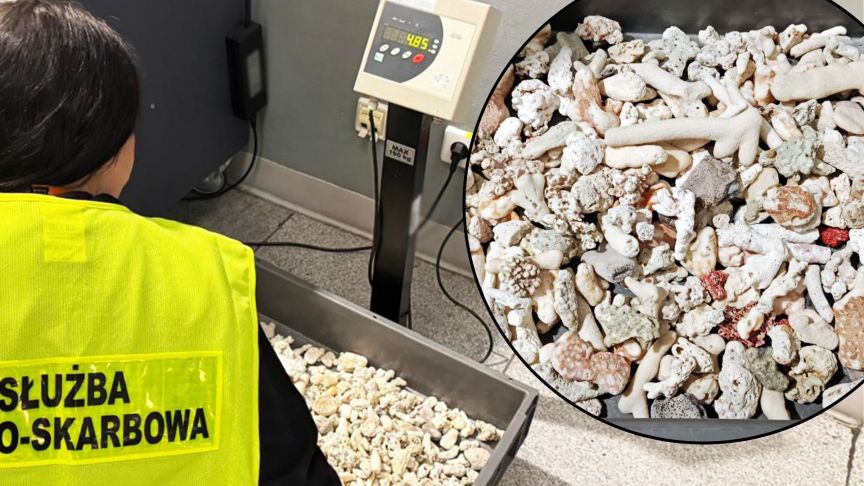
Warsaw, Poland — Customs officers at Warsaw’s Chopin Airport made a stunning interception when they discovered nearly five kilograms of protected coral reef fragments stuffed in a traveler’s luggage returning from the Seychelles via Abu Dhabi. The man breezed through the “green channel,” declaring nothing to declare, but officers stopped him anyway and uncovered 361 limestone coral skeletons during a routine check.
The beach “souvenirs” he claimed to have collected violate the Convention on International Trade in Endangered Species (CITES), requiring strict permits for protected marine life. Without documentation, the haul was confiscated as evidence in a criminal probe under Poland’s nature protection laws, and the hauler faced potential fines, liberty restrictions, or prison time. The Mazovian National Revenue Administration used the bust to warn travelers: skip the coral, snap a photo instead — pictures don’t destroy fragile ecosystems or land you in court.
13. Trump Greenlights Deep-Sea Gold Rush Beyond U.S. Waters!
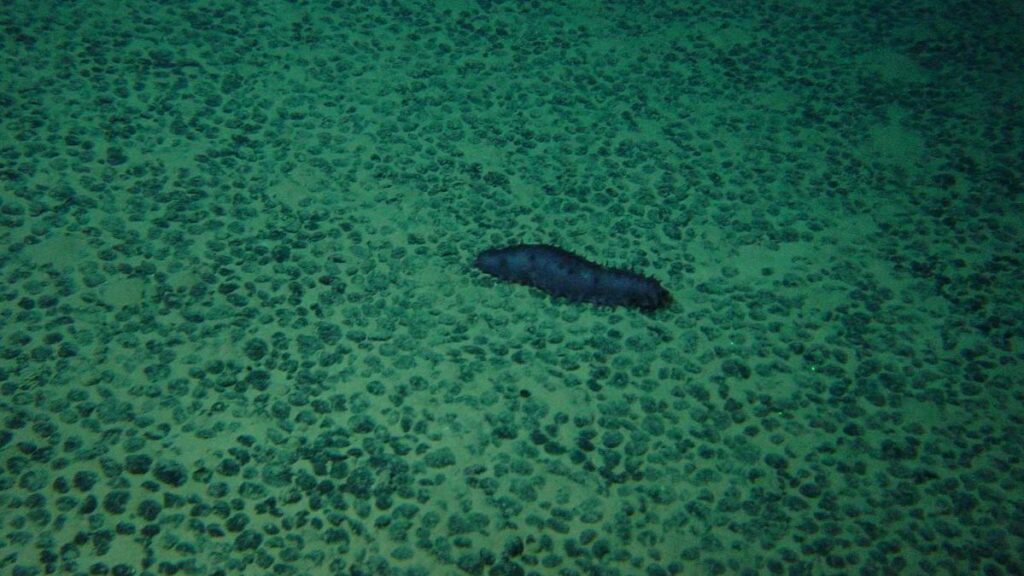
NOAA has finalized sweeping changes to the Deep Seabed Hard Mineral Resources Act, slashing red tape by allowing companies to apply for deep-sea exploration licenses and commercial mining permits simultaneously rather than sequentially. The 113-page rule, which dropped on January 21, fulfills President Trump’s executive order to fast-track access to potato-sized nodules packed with nickel, cobalt, copper, and manganese — critical minerals fueling EV batteries and tech amid China’s supply dominance.
Administrator Neil Jacobs hailed it as an “America First” win for economic resilience, even authorizing U.S. firms to mine beyond national boundaries despite the U.S. never ratifying the UN Law of the Sea Convention. The International Seabed Authority blasted the move as destabilizing global ocean governance, while critics like the Center for Biological Diversity warn that simultaneous permitting skips essential environmental impact data on fragile, poorly understood seafloor ecosystems that could take millions of years to recover. The Metals Company already refiled under the new rules for vast Pacific claims.
14. Particle Accelerators Obliterate “Forever Chemicals” in Revolutionary PFAS Purge!
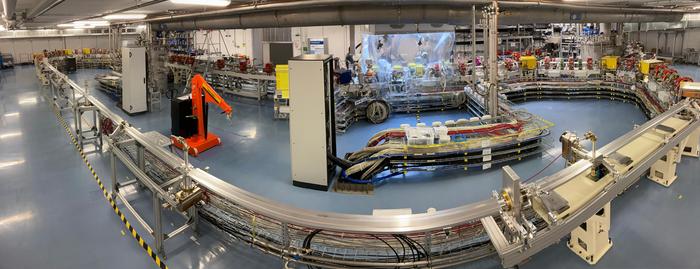
Berlin, Germany — Environmental engineers have unlocked a sci-fi solution to the PFAS crisis, wielding high-energy electron beams from superconducting particle accelerators to shatter the unbreakable “forever chemicals” plaguing global water and soil. Helmholtz-Zentrum Berlin researchers proved that the technology triggers radiolysis, violently breaking stubborn PFAS molecules into harmless fragments — unlike filters that merely trap the toxins for later disposal. The breakthrough adapts adjustable beams to target diverse PFAS variants, optimizing destruction for complex pollution cocktails where traditional methods falter.
Visionaries eye compact, containerized units deployable at hotspots like Berlin’s contaminated Tegel Airport site, slashing transport costs while matching filtration economics through true molecular annihilation. This fusion of accelerator physics and eco-remediation promises scalable, on-site treatment superior to chemical additives, heralding a faster, greener era against the synthetic scourge accumulating in rivers, groundwater, and human blood worldwide.
15. Fishing Ban Push Crumbles as Key Ally Abandons West Marin Activists!
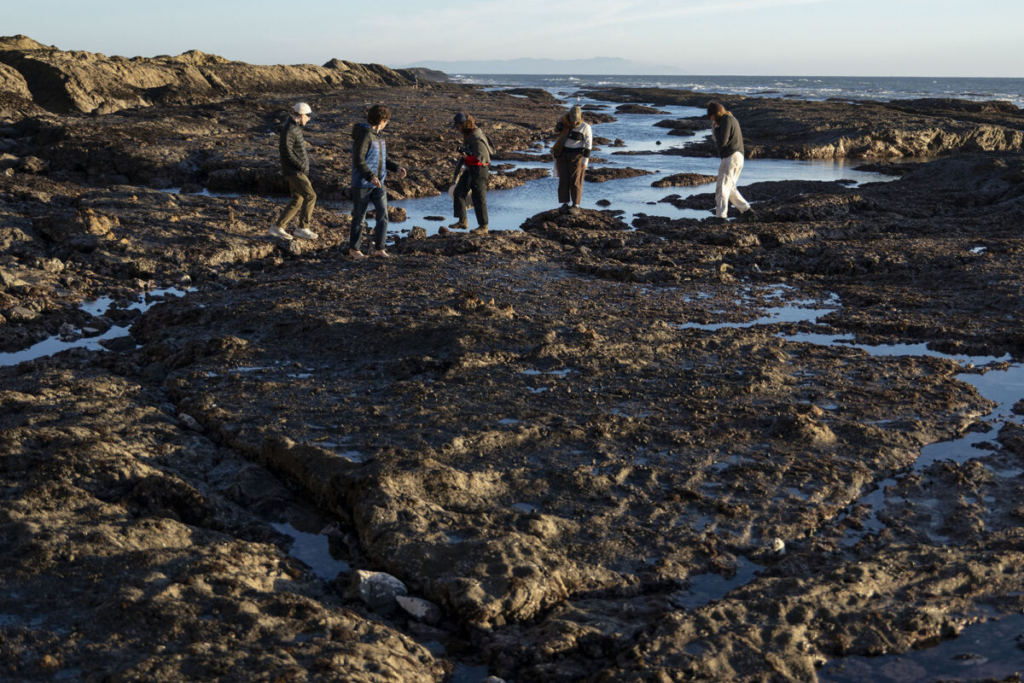
Point Reyes Station, California — The Environmental Action Committee of West Marin (EAC) lost critical backing for its push to ban all fishing around Duxbury Reef and Drakes Estero after a key supporter withdrew amid concerns over impacts to local anglers. The group sought to upgrade Duxbury to full marine reserve status — prohibiting even hook-and-line shore fishing — while expanding boundaries to protect harbor seal colonies and intertidal zones from poaching, mussels, urchins, and seaweed harvesting.
Citing 259 potential violations logged by MPA Watch volunteers last year, EAC called for total extraction bans until at least 2026, alongside abalone closures. But the supporter deemed the proposed 1,000-foot offshore buffer excessively harsh on Bolinas fishermen and suggested a 300-foot limit instead. State scientists flagged the redesignation for extended review, delaying Drakes Estero decisions past December while Duxbury faces protracted scrutiny.
16. Dark Oxygen Mystery Threatens Deep-Sea Mining Gold Rush!
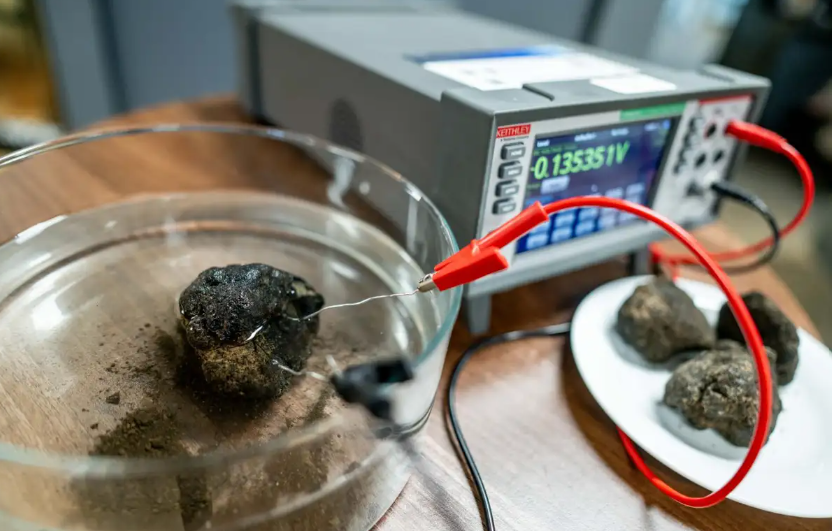
London, England— Scientists are diving back to the Clarion-Clipperton Zone, the Pacific’s prime deep-sea mining target, to probe astonishing “dark oxygen” production from potato-sized metallic nodules that could sustain hidden ecosystems thousands of meters below sunlight’s reach. Last year’s bombshell discovery upended beliefs that oxygen requires photosynthesis, revealing nodules generating up to 0.95 volts — nearly enough for seawater electrolysis, splitting H2O into breathable O2 for microbes, sea cucumbers, and anemones.
Expedition leader Andrew Sweetman of the Scottish Association for Marine Science dismisses mining industry skepticism from The Metals Company, claiming surface contamination, noting 90% of 65 experiments showed net oxygen buildup, not consumption. With landers (essentially metal frames with instruments inside) descending to validate the “geobattery” effect and assess its vulnerability to nodule harvesting, critics warn that extraction could devastate abyssal life support systems, leaving them to recover only after millions of years. Sweetman charges commercial interests with a motive to suppress findings now under peer review.
17. Ocean Microbes Team Up Instead of Fighting, Shocking Six-Year Study Finds!
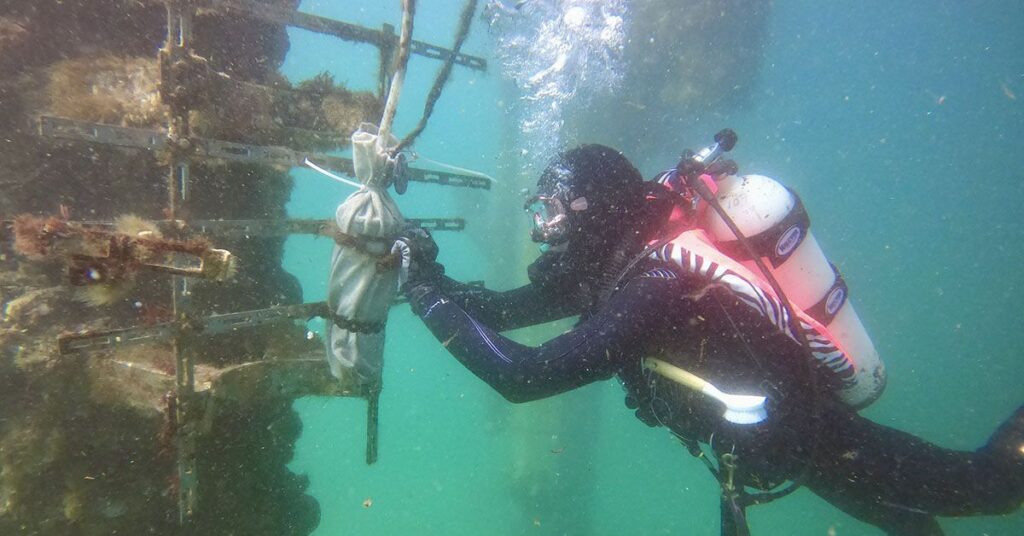
La Jolla, California — A six-year analysis of coastal California seawater has upended marine biology’s core assumptions, revealing that microscopic bacteria and phytoplankton cooperate far more than they compete or prey on each other. Scripps Institution of Oceanography researchers, sampling twice weekly from Scripps Pier since 2018, found 78% of the 162 most abundant microbe types showed net positive interactions — one species’ growth boosting neighbors through nutrient sharing or waste recycling. Far from cutthroat survival, these foundational ocean organisms form mutual aid networks powering food webs from zooplankton to whales while cycling climate-critical carbon, oxygen, and nitrogen.
Surprisingly, warming waters — typically stressful due to nutrient scarcity — amplified cooperation by 11% even as total interactions dropped 33%, with keystone species identities shifting across the 13°C range observed. Lead author Ewa Merz warns current ecosystem models ignore this facilitation, potentially mispredicting fisheries, carbon storage, and warming impacts.
18. Record Ocean Heat Unleashes Non-Stop Downpours on NZ—Here’s Why
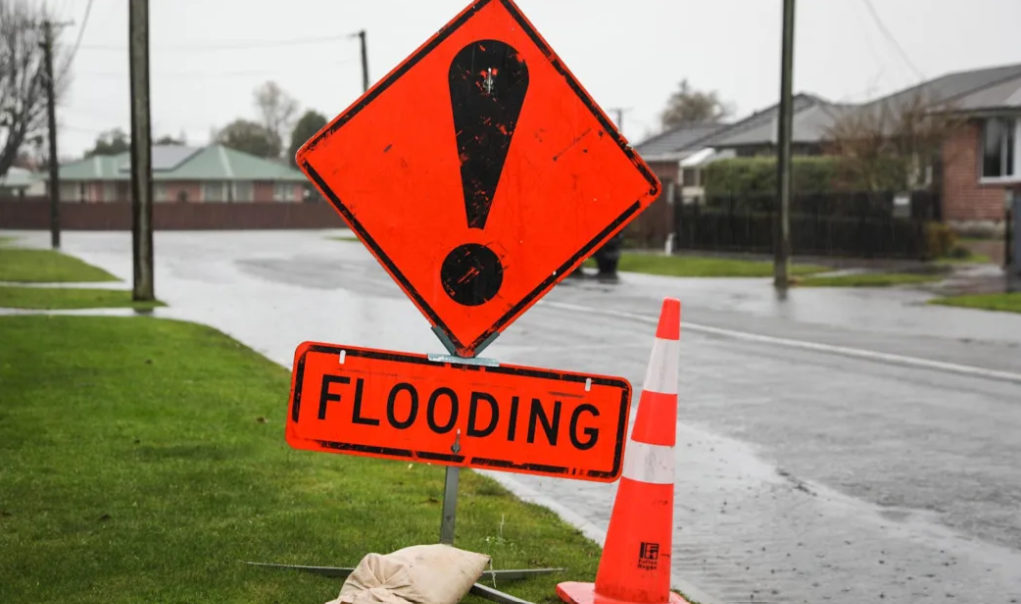
Auckland, New Zealand — Northland, Auckland and Coromandel residents face another summer of relentless showers and flash floods as record ocean heat content supercharges the atmosphere with moisture and storm energy. Analysis reveals 2025 oceans absorbed a staggering 23 zettajoules more heat than 2024 — equivalent to 200 times global annual electricity use or heating 28 billion Olympic pools from 20°C to boiling. This unprecedented heat, stored through the upper 2,000 meters and tracked by profiling floats since the early 2000s, fuels marine heatwaves and atmospheric rivers pounding New Zealand’s upper North Island.
Weak La Niña conditions atop record sea surface temperatures east of Aotearoa amplify the onslaught, mirroring 2023’s Auckland floods and Cyclone Gabrielle. As the ocean — absorbing over 90% of Earth’s excess greenhouse heat — expands and drives 40% of sea-level rise, scientists warn of escalating cyclones, droughts, and wildfires while urging continuous satellite and float monitoring, despite constraints imposed by mass, energy, and water physics.
19. Plastic Turns Oil Spills into Global Pollution Time Bombs!
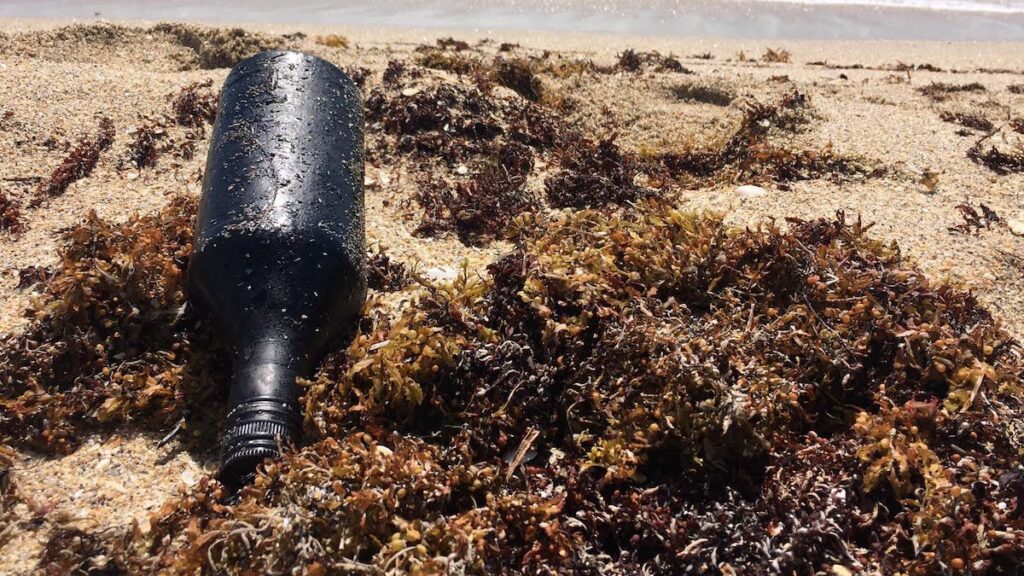
Palm Beach, Florida – Black-sludged plastic bottles and rubber bales washing up on Palm Beach, Florida, shores in 2020 baffled beach cleaners until Woods Hole Oceanographic Institution scientists linked the mystery residue to Brazil’s massive 2019 oil spill — an unprecedented 8,500-kilometer transatlantic journey. Chemical oceanographer Christopher Reddy’s team confirmed forensic identity through chromatographic matching of oil scraped from 10 debris samples with Brazilian spill remnants, while 1960s drift bottle experiments and computer simulations demonstrated the 240-day voyage was plausible.
Normally, weathering confines oil to 300 km, but plastic’s durability shields petroleum from the sun and microbes, creating “petroplastic” that vectors toxins across ocean basins where pollution sources overlap. Community science from Friends of Palm Beach provided the crucial debris database, revealing that likely Caribbean beachings went unnoticed. As researchers probe why plastics preserve oil integrity, the discovery warns that regional spills now threaten distant shores through this additive contaminant nightmare.