



1. Balloon Releases Just Became Illegal in Another State — Here’s Why It Matters
BATON ROUGE, La. — Louisiana will ban most outdoor balloon releases beginning Aug. 1 under a new law aimed at reducing wildlife deaths and environmental damage. State lawmakers approved the measure after years of reports showing Mylar and latex balloons drifting into marshes, waterways, and forests, where animals often ingest the debris or become entangled in it. Officials also warned that balloons can strike power lines and electrical equipment, triggering outages and costly repairs across the state.
The law prohibits intentional outdoor releases of helium‑filled balloons but exempts children under 17, indoor events, and accidental releases. First‑time violators face a $500 fine and mandatory litter cleanup, with penalties escalating to $2,500 and possible license suspension for repeat offenses. Louisiana becomes the 12th state to enact such restrictions, joining a growing national trend.
2. Scientists Warn Critical Ocean Climate Record Is About to Go Dark
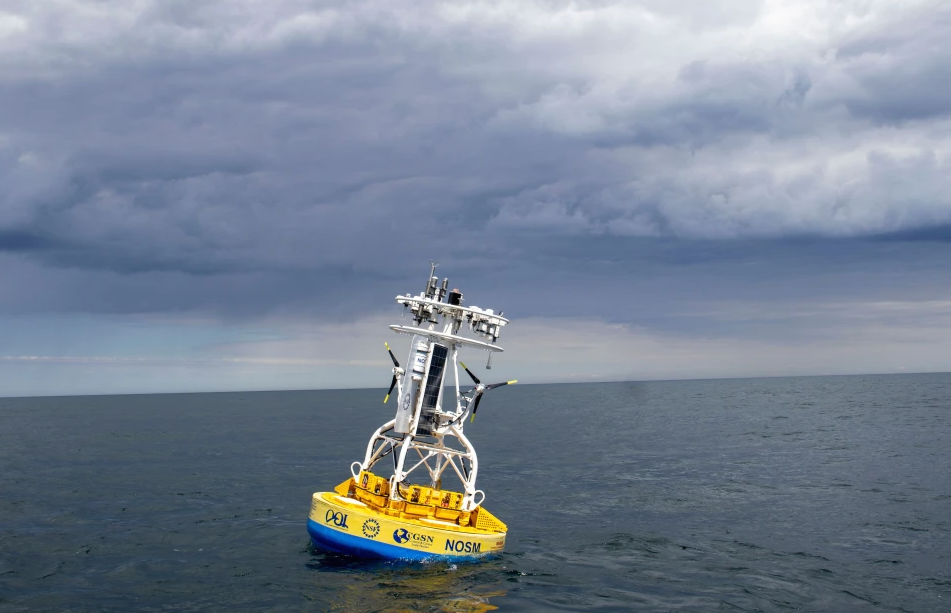
SEATTLE — A major section of one of the world’s most advanced ocean‑monitoring networks will shut down this month as federal funding cuts force scientists to pull key instruments from the Pacific. Researchers will remove a deep‑water buoy off Oregon on June 16, marking the beginning of a broader dismantling of the Ocean Observatories Initiative — a $386 million system of more than 900 sensors that has delivered real‑time data for over a decade.
The National Science Foundation says the move is part of a strategic “descopin.” Still, scientists tell the Associated Press the loss comes at the worst possible moment, with a new El Niño and marine heat waves emerging along the West Coast. The system was designed to run for 25 to 30 years to capture long‑term climate signals; instead, most of it will go dark by 2027, erasing critical insight into subsurface changes that satellites cannot detect.
Your generous gift helps us keep this publication afloat.
3. New Zealand Just Created Five New Marine Reserves — And a Sixth May Be Next
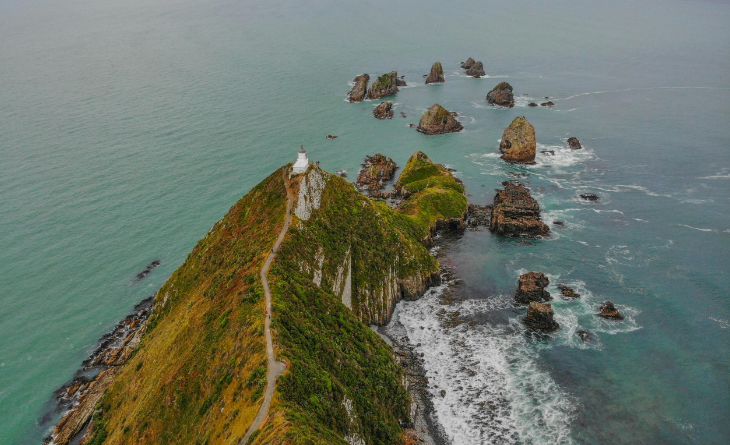
AOTEAROA, New Zealand — Aotearoa (land of the long white cloud) has approved its largest marine‑reserve expansion in more than a decade, establishing five new no‑take reserves along the Otago coast. Oceanographic Magazine reports the 308‑square‑kilometre network increases the country’s mainland marine‑reserve coverage by nearly 50 percent. Known collectively as Te Au Roa o Te Rakihouia, the reserves honor Kāi Tahu ancestral voyages and will be co‑managed with the iwi beginning July 1, 2026.
The protected areas include giant kelp forests, rocky reefs, steep offshore canyons, and deepwater coral communities. Officials say the achievement follows more than a decade of consultation and three decades of local advocacy, formally extending Māori kaitiakitaka into the moana. Crucially, the government confirmed that a sixth proposed reserve remains under active consideration, signaling that this expansion may not be the final chapter in Otago’s marine‑protection effort.
4. Deep‑Sea Expedition off Brazil Reveals More Than Two Dozen Newly Discovered Species
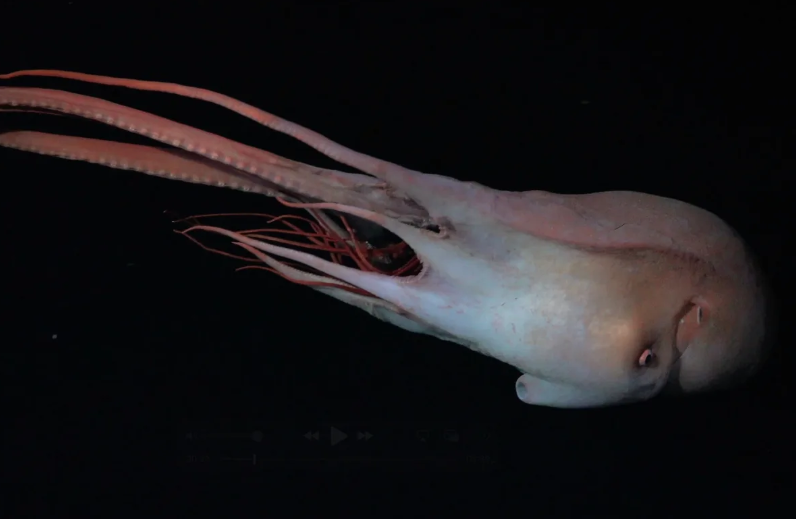
FORTALEZA, Brazil — A Schmidt Ocean Institute expedition off Brazil’s northeast coast has uncovered more than two dozen previously unknown marine species, offering a rare glimpse into the planet’s least‑explored ecosystem: the midwater zone. Discover Wildlife reports that scientists aboard the research vessel Falkor (too) used advanced imaging systems developed by MBARI to document new jellyfish, comb jellies, siphonophores, larvaceans, amphipods and a striking gossamer worm.
The team also captured footage of a juvenile glass squid and a rarely seen pelagic octopus, Haliphron atlanticus, filmed alive as it consumed a red jellyfish at a depth of 800 meters. Researchers say the midwater — the vast region between the sunlit surface and the deep seafloor — remains Earth’s largest and least understood habitat. By combining high‑resolution imaging with genetic sequencing, the team was able to identify new species without collecting specimens, marking a major step forward in non‑invasive deep‑sea exploration.
5. Toxic Chemical Found in Fish Before They Even Hatch, Scientists Warn
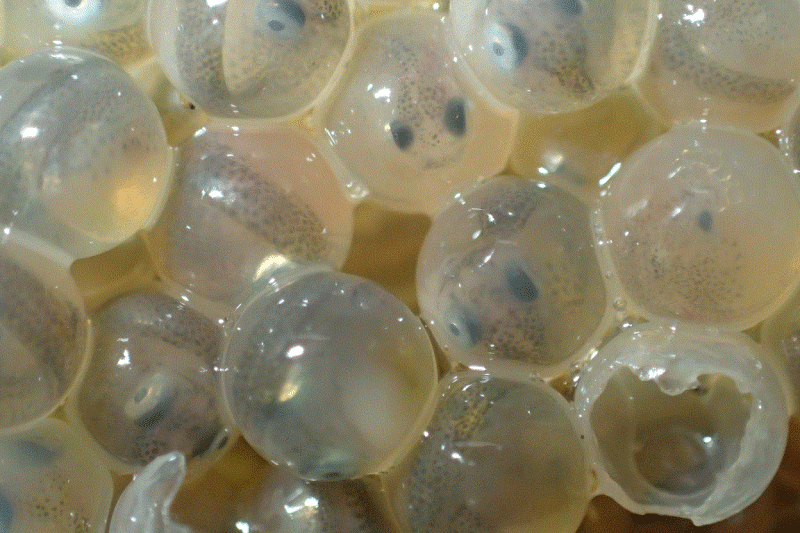
A new study from FIU News reveals that PFOS, one of the most persistent PFAS “forever chemicals,” is disrupting fish development before embryos even hatch. Working with yellowtail snapper embryos, researchers identified 18 metabolites linked to liver and neural dysfunction, altered energy metabolism, and oxidative stress — early biological warning signs that PFOS is infiltrating core metabolic pathways. The team exposed embryos to controlled concentrations of PFOS to mimic long‑term bioaccumulation, observing changes in morphology and swimming behavior within 48–72 hours.
Scientists say these metabolic shifts could serve as biomarkers for disease and may even carry epigenetic consequences across generations. While current levels in wild fish remain below thresholds of concern for human consumption, the findings underscore how PFAS contamination quietly reshapes marine life from the inside out, long before environmental damage becomes visible.
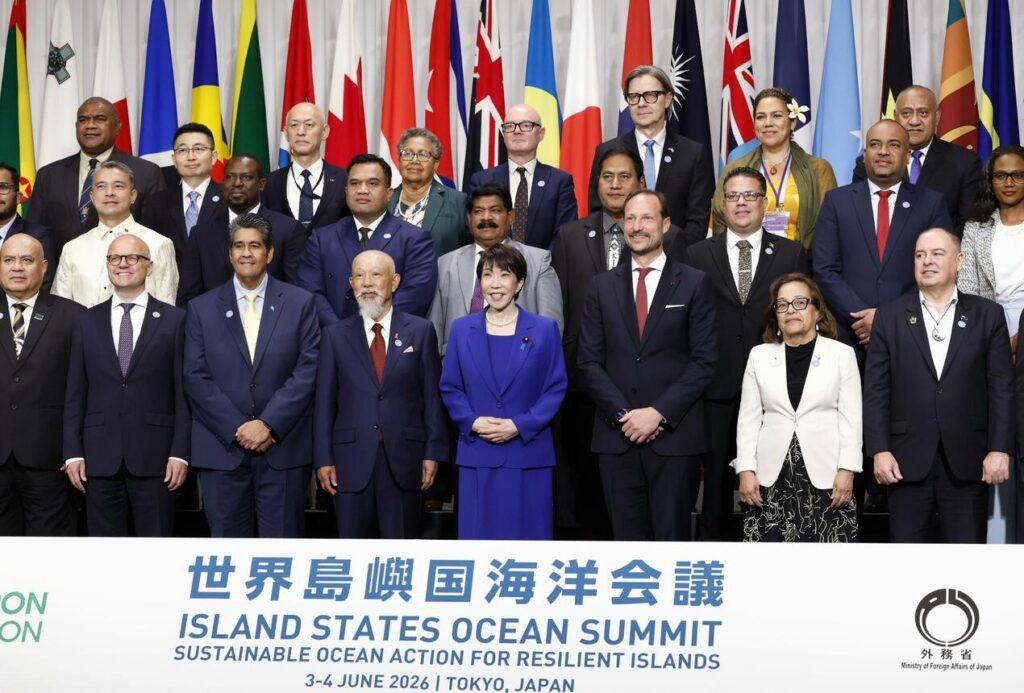
6. Island Nations Unite in Tokyo to Demand Stronger Global Action for Oceans and Climate
TOKYO — Representatives from 35 island nations convened in Japan for the first‑ever Island States Ocean Summit, a two‑day gathering focused on maritime conservation, climate resilience, and securing greater international support. Hosted by the Nippon Foundation, the event drew roughly 300 participants from the Pacific, Indian Ocean and Caribbean — a scale Japan’s Foreign Ministry called unprecedented. Prime Minister Sanae Takaichi opened the summit by pledging Japan’s commitment to helping nations facing extreme weather and rising seas, emphasizing the need for cooperation grounded in the rule of law.
Co‑chair and Palau President Surangel Whipps urged wealthy nations to deliver “financing that reaches us” and technology suited to island contexts. Delegates highlighted worsening climate‑driven disasters, biodiversity loss and mounting marine debris, with several calling for a global plastics treaty. A concluding document will guide island‑state positions ahead of November’s U.N. climate conference in Turkey.
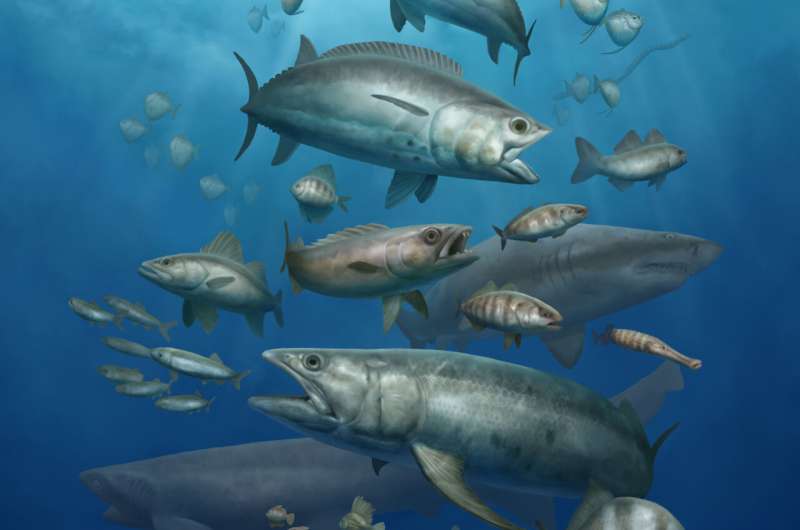
7. Ancient Egyptian Fossils Reveal Modern Ocean Fish Emerged Far Faster Than Once Believed
CAIRO — Newly uncovered fossils from Egypt’s Eastern Desert show that modern‑style ocean fish communities were established just 4 million years after the dinosaur extinction, far earlier than scientists had confirmed. Phys.org reports that the 62.2‑million‑year‑old Qreiya 3 site preserves an exceptionally diverse offshore ecosystem from the earliest Paleocene, including more than 20 types of ray‑finned fishes. Researchers from the Mansoura University Vertebrate Paleontology Center, the University of Michigan, and KU Leuven found early relatives of tunas, mackerels, jacks, moonfishes, and pipefishes — many comparable bone‑for‑bone with their living descendants.
The site’s richness, depth (150–250 meters), and pristine preservation reveal that older Cretaceous predators had vanished, allowing modern groups to expand into newly opened ecological roles rapidly. Scientists say the discovery provides the clearest evidence yet that today’s marine fish lineages rose swiftly in the warm, low‑oxygen oceans that followed the K‑Pg extinction.
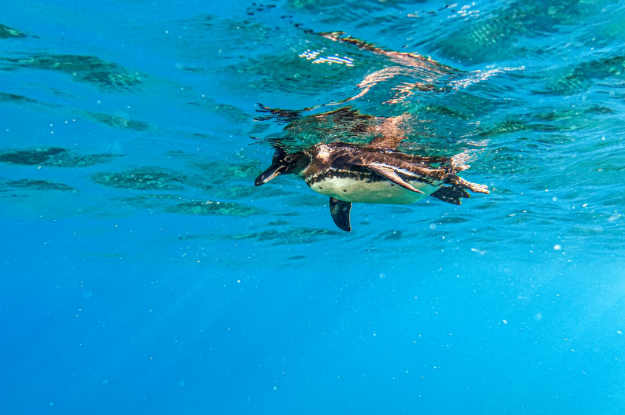
8. Super El Niño Could Push Galápagos Penguins to the Brink, Scientists Warn
QUITO, Ecuador — A powerful super El Niño forecast for later this year has raised fears that the majority of the world’s 2,000 remaining Galápagos penguins could die, according to new reporting from Newsweek. NOAA’s Climate Prediction Center says ocean and atmospheric conditions are rapidly aligning toward El Niño, with unusually strong warming possible as early as mid‑summer. Past strong events have been catastrophic: the 1982–83 El Niño killed 77 percent of Galápagos penguins and wiped out 97 percent of shallow‑water coral.
Scientists warn that a super El Niño would again shut down the cold, nutrient‑rich upwelling the penguins depend on, collapsing their food supply as fish flee to cooler waters. Marine iguanas also suffered massive die‑offs in previous events, while some land species temporarily benefited from increased rainfall. Experts say even the possibility of a super El Niño is enough to trigger alarm, given how sensitive Galápagos wildlife is to rapid ocean warming.
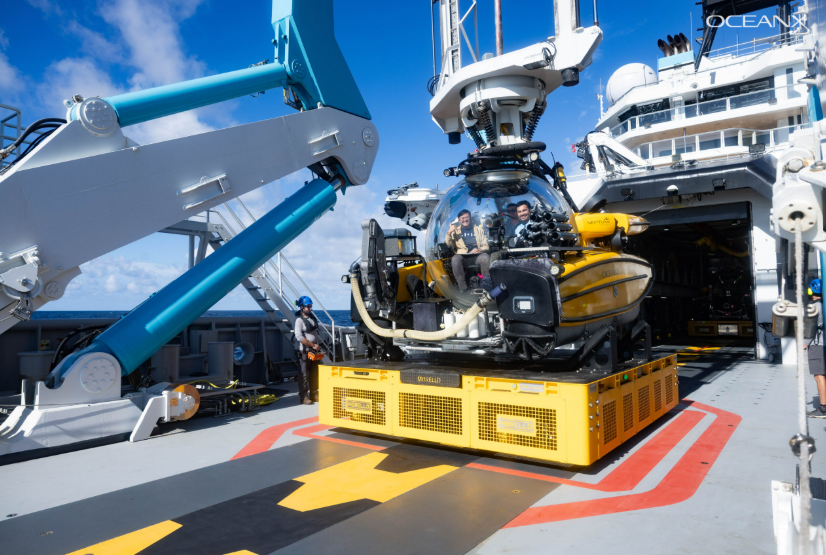
9. Scientists Map Biodiversity on Indonesia’s Remote Deep‑Sea Seamounts
A three‑week expedition to Indonesia’s most remote tropical seamounts has produced critical baseline biodiversity data, according to Oceanographic Magazine. The January 2026 mission, led by Indonesian institutions and the University of Rhode Island, targeted seamounts that remain largely uncharted despite Indonesia hosting some of the world’s most extensive seamount chains. Researchers examined how animal communities shift from a seamount’s summit to its deeper slopes and whether those changes track with declining food availability.
Using remotely operated vehicles, the team collected biological samples at multiple depths and paired them with eDNA and traditional DNA barcoding to build a clearer picture of regional biodiversity. The expedition also documented plankton communities above the seamounts, finding correlations between certain phytoplankton and harmful algal blooms that may originate offshore and then reach coastal waters. Lead researcher Drajad Seto described the mission — which included a submersible dive to 950 meters — as a milestone in understanding Indonesia’s deep‑sea ecosystems.
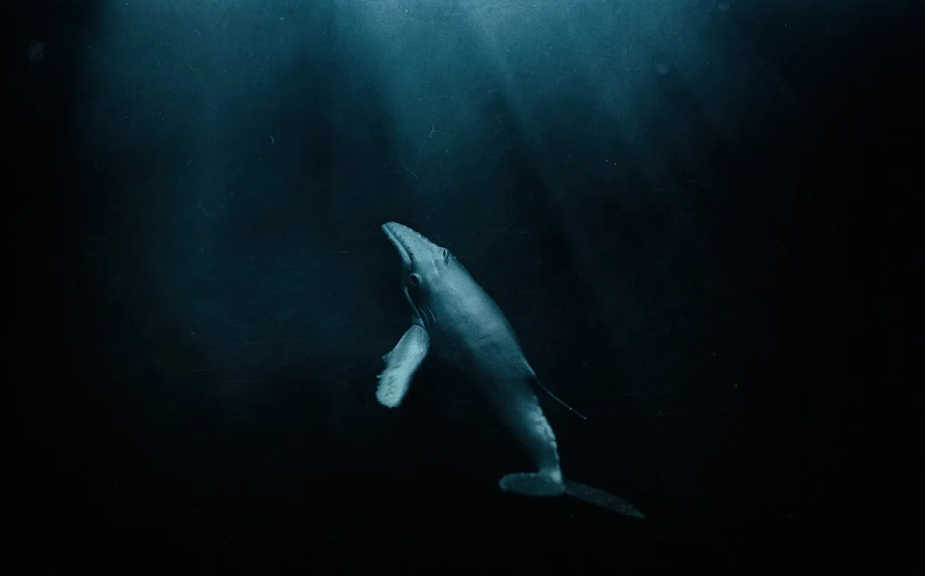
10. The Ocean’s Most Mysterious Whale Calls Out at a Frequency No Species Should Use
For nearly four decades, scientists have tracked a whale vocalizing at 52 hertz, a pitch far higher than any known blue or fin whale, creating one of marine biology’s longest‑running mysteries. First detected by the U.S. Navy’s SOSUS hydrophone network in 1992 — and earlier by Woods Hole researchers in 1989 — the call has appeared every year from a single source, with no matching signals anywhere else.
A 2004 analysis of 12 years of data confirmed the uniqueness of the vocalizations, inspiring the nickname “52 Blue,” the loneliest whale. Researchers still cannot identify the species. Hypotheses include a deaf blue whale or a blue–fin hybrid, a possibility scientists say may become more common as climate‑driven changes push whale populations into overlapping breeding ranges. Despite its unusual voice, experts note that other whales can likely hear it — even if none answer.
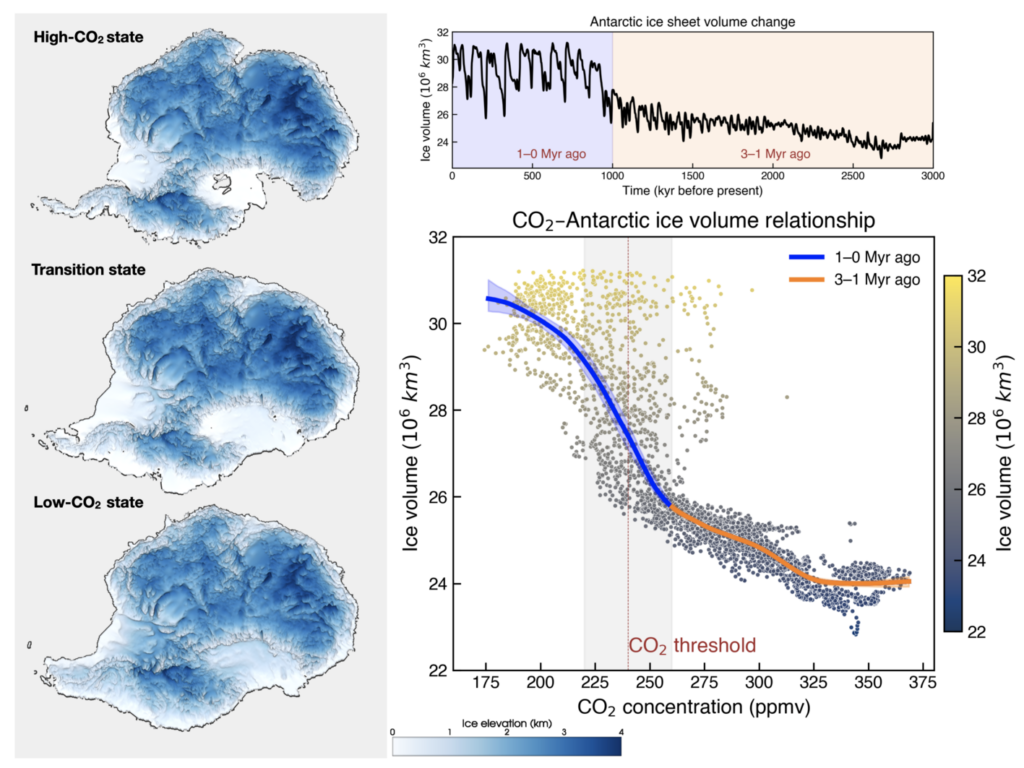
11. Antarctic Ice Became Far More Sensitive to Climate Change After a Major Shift One Million Years Ago
A new Nature Geoscience study from the IBS Center for Climate Physics finds that the Antarctic ice sheet became dramatically more sensitive to climate forcing after the Mid‑Pleistocene Transition roughly one million years ago. Using a high‑resolution paleoclimate simulation covering the past 3 million years, researchers generated realistic temperature and precipitation inputs for the Penn State ice‑sheet–ice‑shelf model, enabling a continuous reconstruction of global ice evolution.
The results show that once atmospheric CO₂ fell below ~240 ppm, Antarctic ice began responding with much larger fluctuations, marking a shift into a new dynamical regime. Colder oceans, lower global sea levels, and reduced sub‑ice‑shelf melting helped expand and stabilize Antarctic ice during later glacial cycles. Scientists say the findings reveal that ice sheets can undergo abrupt shifts in sensitivity, underscoring the importance of understanding thresholds that may shape future sea‑level rise.
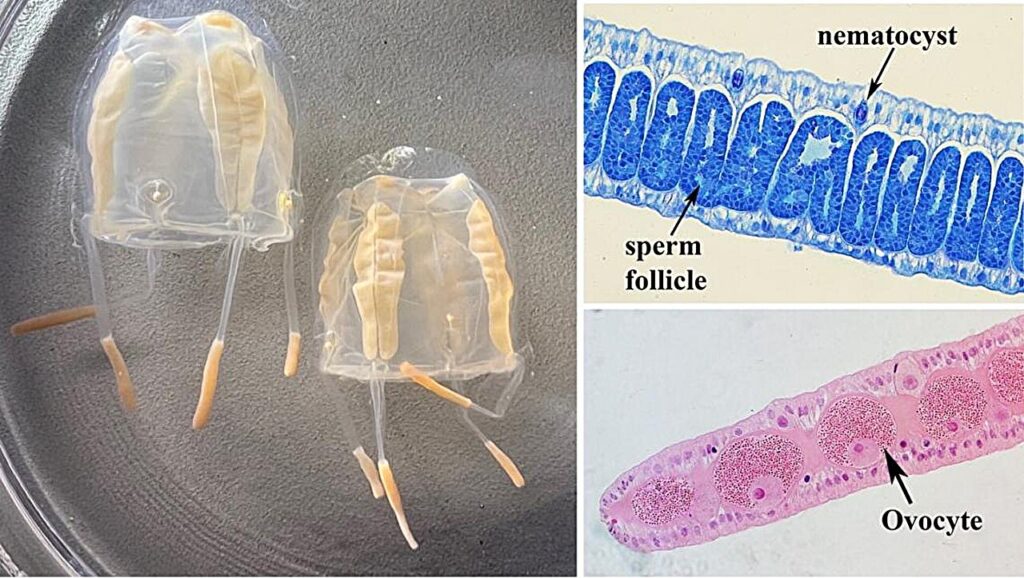
12. New Global Study Reveals Box Jellyfish Have Far More Complex Reproductive Strategies Than Expected
A new international study has uncovered surprisingly complex reproductive traits in box jellyfish, offering insights that could improve predictions of dangerous coastal blooms, according to Phys.org. Researchers from Tohoku University, the University of São Paulo, the Smithsonian Institution, and European partners analyzed preserved specimens from multiple species using detailed histology to examine how sperm and eggs develop across the group. The work fills a major knowledge gap, as obtaining samples of venomous box jellyfish is notoriously difficult.
The team found that box jellyfish reproduction is more diverse and intricate than in other cnidarians, with species‑specific differences that shape how they function in marine ecosystems. Understanding these life cycles, scientists say, is essential for forecasting when and where jellyfish may appear in large numbers — a key issue for tourism, fisheries, and coastal safety. Future research will explore how climate conditions influence these reproductive patterns.
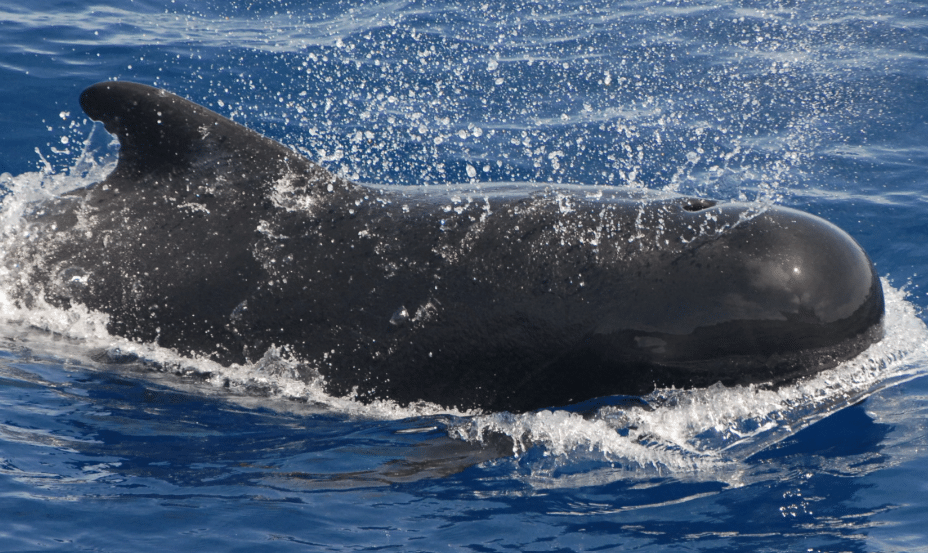
13. Annual Faroe Islands Whale Hunt Faces Growing Pressure From Welfare Advocates
TORSHAVN, Faroe Islands — More than 700 whales and dolphins were killed in the Faroe Islands’ annual grindadráp hunt. Animal rights organizations documented scenes of “extreme animal cruelty,” according to The Independent.Sea Shepherd recorded 402 pilot whales and four bottlenose dolphins killed in Tórshavn, plus 300 white‑sided dolphins in two additional bays. Photos showed graphic scenes along the beaches as children watched.
The Faroese parliament recently voted to let hunting regulations override animal‑welfare laws, shielding participants from prosecution. International condemnation followed, with PETA calling the hunt “barbaric” and urging an immediate ban. Supporters argue the centuries‑old hunt remains a culturally important food source.
The original article/link below includes graphic images that some readers may find disturbing.
14. Citizen Science Effort Helps Map Key Habitats for Hawai‘i’s Green Sea Turtles
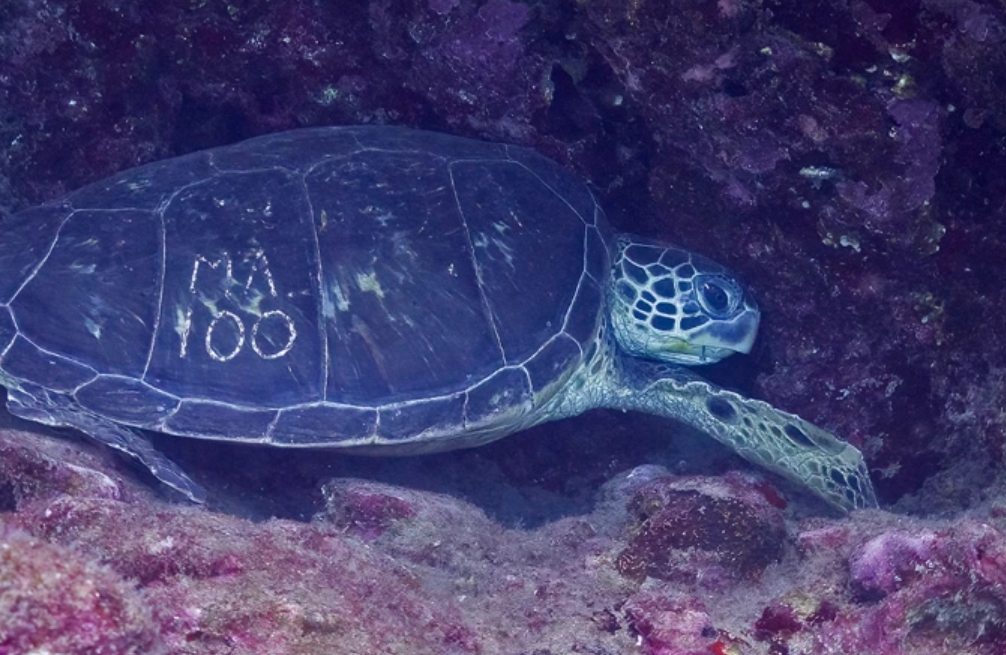
HONOLULU — A misunderstanding over shell markings on Hawaiian green sea turtles has grown into a major citizen‑science project that is now helping protect the endangered species, according to “Good Good Good”. NOAA biologists have long used a painless method to etch and paint alphanumeric codes onto turtle shells to track migration and nesting across the Northwestern Hawaiian Islands. But after residents mistook the markings for graffiti in 2017, NOAA launched the Honu Count, encouraging the public to photograph and report turtles with these identifiers.
Since then, nearly 600 participants have submitted 688 sightings of 253 individual turtles, providing data that helped researchers map important foraging sites and refine habitat‑protection boundaries. Scientists say the project has strengthened both conservation planning and community trust, showing how public participation can meaningfully support honu recovery.
15. Warming Arctic Drives Food Collapse, Leaving Gray Whales Malnourished and Dying
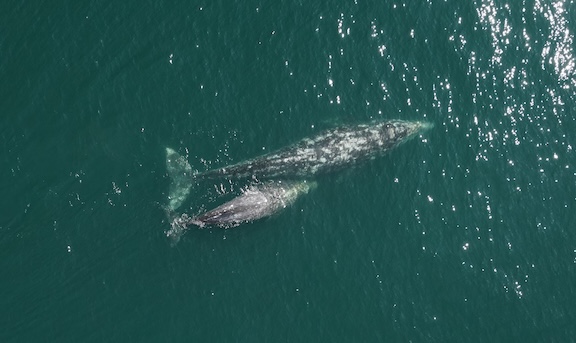
RAYMOND, Washington — Gray whales are washing up skinny and exhausted along the Pacific Coast as rapid Arctic warming undermines the food sources that once sustained their 10,000‑mile migrations, according to the Alaska Beacon. More than 900 whales have died since 2019, and the eastern North Pacific population has fallen from 27,000 to under 13,000. Calf counts have also crashed to record lows. Scientists link the decline to the collapse of amphipods in the northern Bering Sea’s Chirikov Basin — once a “wheat field of the Arctic” — after shrinking sea ice reduced algae reaching the seafloor.
Warmer currents then swept away the silt amphipods needed to survive. Whales initially shifted north into the Chukchi and Beaufort seas, but a 2019 marine heat wave left even those regions unable to support them. Researchers warn that a potentially strong El Niño this summer could further disrupt feeding conditions.
16. Ottawa Approves Plan to Relocate Marineland’s Remaining Whales to Accredited U.S. and Spanish Aquariums
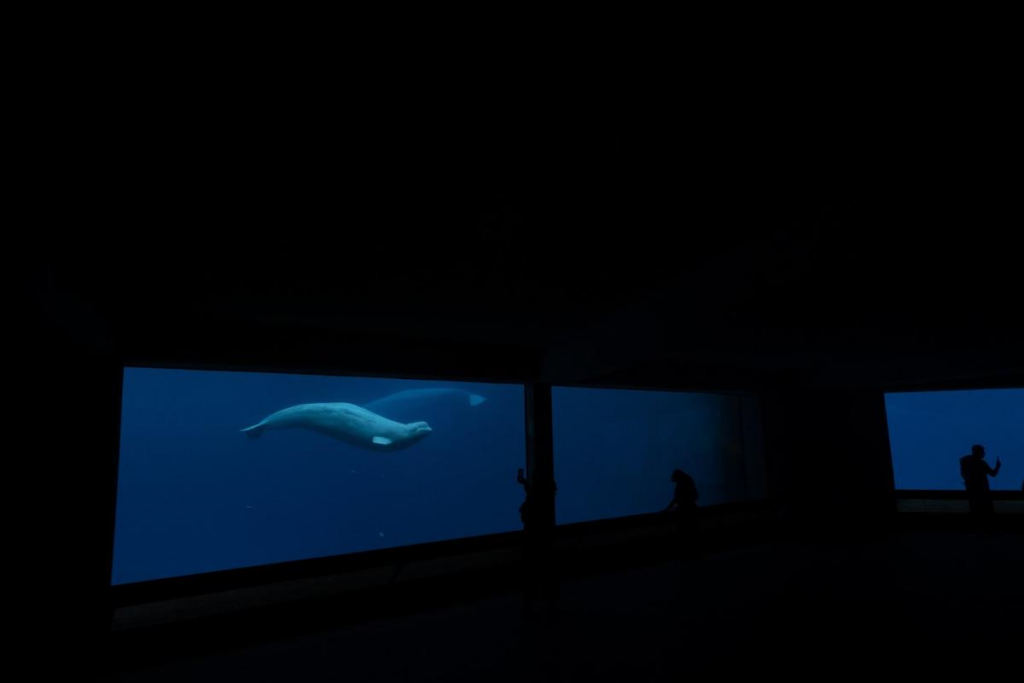
TORONTO — Ottawa has endorsed a plan to move 30 belugas and four dolphins from the shuttered Marineland park in Niagara Falls to accredited aquariums in the United States and Spain, CityNews reports. The Department of Fisheries and Oceans has issued the first permits under CITES, with additional authorizations expected ahead of the transfer in the coming months. Marineland says relocation is its “top priority,” noting the operation’s complexity — from specialized transport containers to multi‑agency coordination.
The move is considered urgent: 20 whales have died at the park since 2019, and the estate must rehome the animals for a major property sale to proceed. The whales are slated for facilities including Shedd Aquarium, Georgia Aquarium, SeaWorld San Diego and San Antonio, and Oceanogràfic Valencia. Ottawa previously blocked an export attempt to China over concerns the whales would be used in performances.
17. FSU Scientists Boost Accuracy of Satellite Measurements of Ocean Surface Dynamics
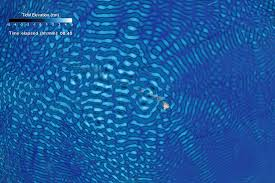
TALLAHASSEE, Fla. — Florida State University researchers have developed a new method that significantly improves the accuracy of NASA’s SWOT satellite, which maps global water surfaces at high resolution. The study, published in Science Advances, shows that kilometer‑scale internal tides—underwater waves that distort sea‑surface height—can be predicted and removed from SWOT data using a refined modeling framework.
The team used the U.S. Navy’s Hybrid Coordinate Ocean Model (HYCOM), which continuously assimilates satellite, buoy, float and ship measurements to maintain a real‑time 3D depiction of the ocean. By separating HYCOM’s internal‑tide signals into predictable and chaotic components, researchers were able to strip both from SWOT observations, yielding a 59% improvement over current correction methods. Scientists say the advance will sharpen understanding of fine‑scale ocean circulation, a key factor in how the ocean absorbs heat and carbon.
18. NOAA Confirms Fourth Global Coral Bleaching Event Ended in Mid‑2025
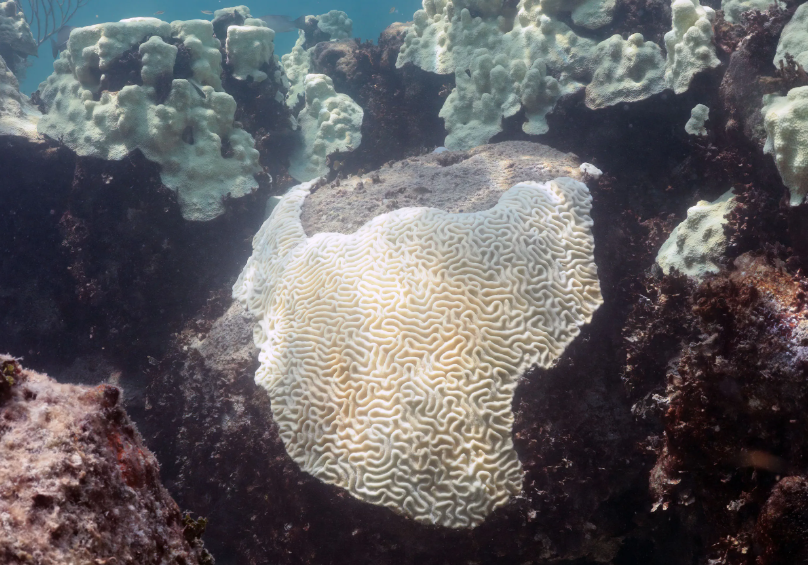
NOAA scientists report that the fourth global mass coral bleaching event—the most extensive on record—likely ended in mid‑2025 after unprecedented heat stress affected reefs worldwide. From early 2023 through mid‑2025, 84% of the global reef area experienced bleaching‑level temperatures across the Pacific, Atlantic and Indian Oceans, with confirmed mass bleaching in at least 83 countries and territories.
The event was bookended by severe bleaching in Western Australia in early 2025, after which global heat stress declined and only isolated bleaching was observed. NOAA notes that near‑annual bleaching is becoming the new norm, complicating efforts to define the start and end of global events. With El Niño expected to emerge in the coming months, NOAA’s four‑month outlook shows a high bleaching risk for Hawai‘i, the North Pacific, Florida,and the Caribbean. Scientists are also studying reefs that resisted bleaching to understand heat‑tolerance mechanisms.
19. California Officials Highlight Why Strict Fishing Laws Matter After Restaurant Misrepresentation Case
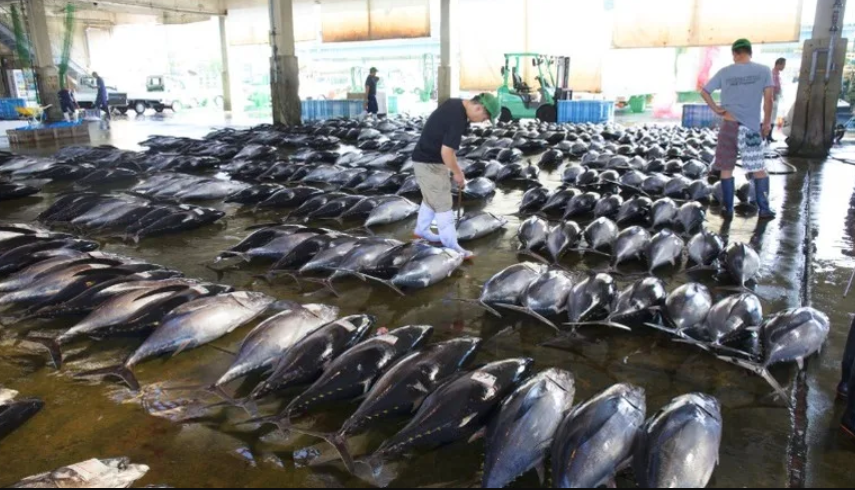
LOS ANGELES — A Venice restaurant’s admission that it served sport‑caught fish as a commercial product has renewed attention on California’s strict fishing regulations, according to The Takeout. State law requires all seafood sold to the public to be commercially landed, documented and traceable — rules designed to protect depleted species, prevent unreported harvest,t and ensure sustainable management. Officials note that sport‑caught fish, including bluefin tuna, cannot legally enter the commercial market because they bypass reporting systems that track catch limits and population health.
Violations undermine conservation efforts and can distort the regulated seafood supply chain. The Los Angeles District Attorney emphasized that sustainability claims are meaningless without compliance, calling the case a reminder that California’s commercial‑landing rules are central to protecting marine resources.
20. Octopus Takeover? Scientists Say the Oceans Are Sending a Warning
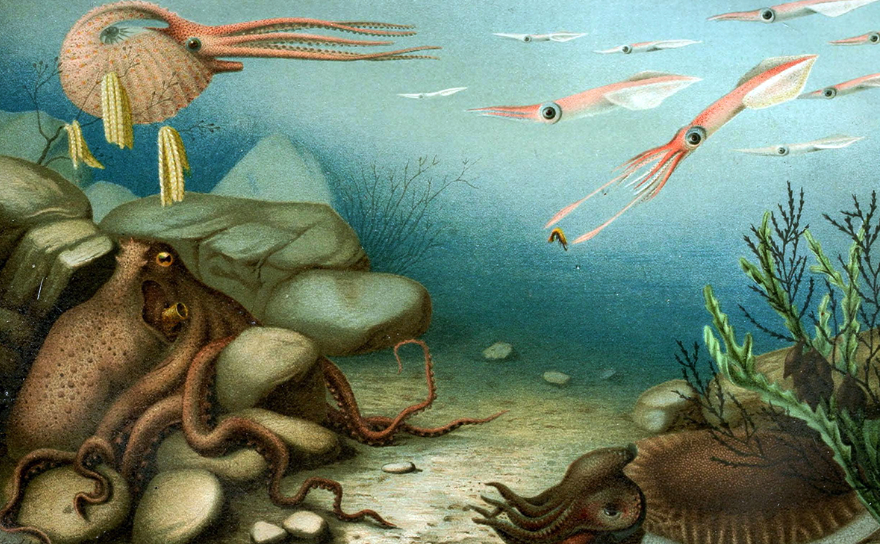
A sweeping analysis in Nautilus describes an unexpected marine shift: cephalopods—octopus, squid, cuttlefish, and nautiluses—are rising worldwide as many fish and sharks decline. Researchers note that similar patterns appear in the fossil record after past mass extinctions, when warming seas, collapsing circulation, and low oxygen wiped out competitors and opened ecological space for fast‑adapting cephalopods. Today’s oceans show the same stress signals.
Long‑term Pacific field sites now report fewer large predators but more cephalopods, while global catch data reveal rising cephalopod harvests across dozens of species, even as many fish catches stagnate. Scientists warn that continued warming and a potential slowdown of major ocean currents could accelerate deoxygenation, turning the cephalopod boom into a biological alarm that marine ecosystems are sliding toward an extinction‑style reset.