


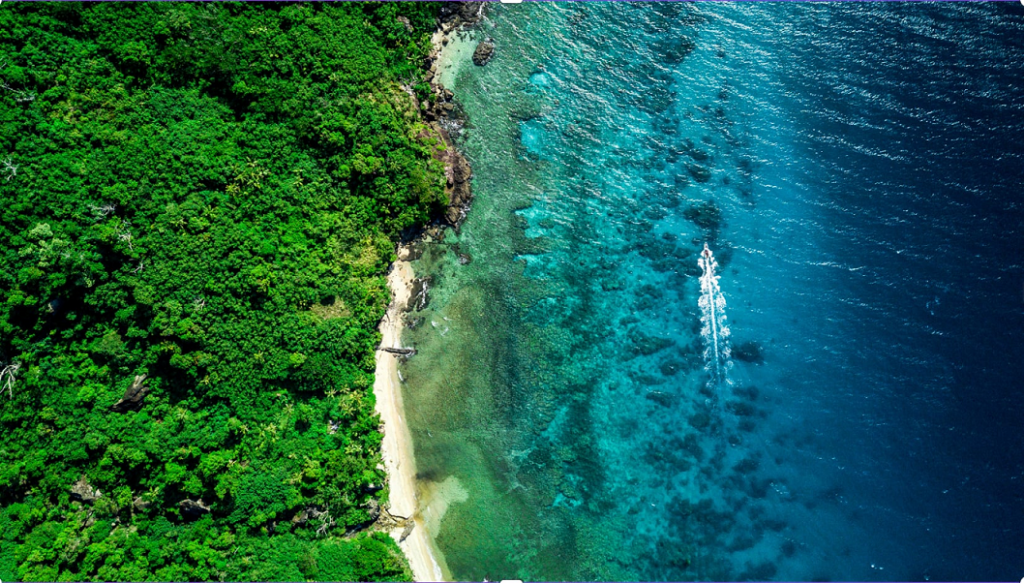
1. Fiji’s Pristine Beaches May Be in Trouble After Shocking Plastic Findings
SUVA, Fiji — Plastic waste discovered at every stop along Fiji’s Paddle for Hope campaign is raising urgent concerns about the country’s waste management system and the long-term health of its coastlines. The Pacific Recycling Foundation said the widespread debris highlights persistent gaps in collection, recycling and processing, threatening the natural assets that support Fiji’s tourism-driven economy. Founder Amitesh Deo warned that pollution is already straining communities and conservation groups working to protect beaches and marine ecosystems.
He said Fiji must adopt coordinated national strategies that include informal waste collectors and community recyclers, noting that awareness campaigns alone cannot solve the problem without reliable infrastructure. Without decisive action, plastic pollution could intensify across Fiji and the wider Pacific over the next two decades, making it harder to safeguard coastal environments and sustain tourism activities.
2. Europe’s Scientists Warn the Ocean Is Changing Faster Than Expected
BRUSSELS, Belgium — A sweeping new Copernicus Ocean State Report finds the world’s oceans transforming rapidly under climate change, with warming, acidification and extreme events reshaping ecosystems from microscopic phytoplankton to major circulation systems. The 10th edition highlights accelerating ocean heat storage, record marine heatwaves in the Mediterranean and Black Seas, and intensifying storms that disrupted ports and flooded coastal regions. Polar data show steep Arctic sea‑ice losses and rising risks to Antarctic habitats, including a large‑scale Emperor Penguin breeding failure. Small Island Developing States face mounting pressure as coral reefs decline and ocean heat intensifies cyclones.
Scientists say the ocean now faces overlapping stressors at unprecedented scales, threatening biodiversity, coastal infrastructure, and global climate stability. The report underscores how improved monitoring and forecasting can help societies prepare for extreme sea‑level events, marine heatwaves and long‑term ecological shifts.
Your generous gift helps us keep this publication afloat.
3. Seabirds May Be the Missing Link to Saving Coral Reefs
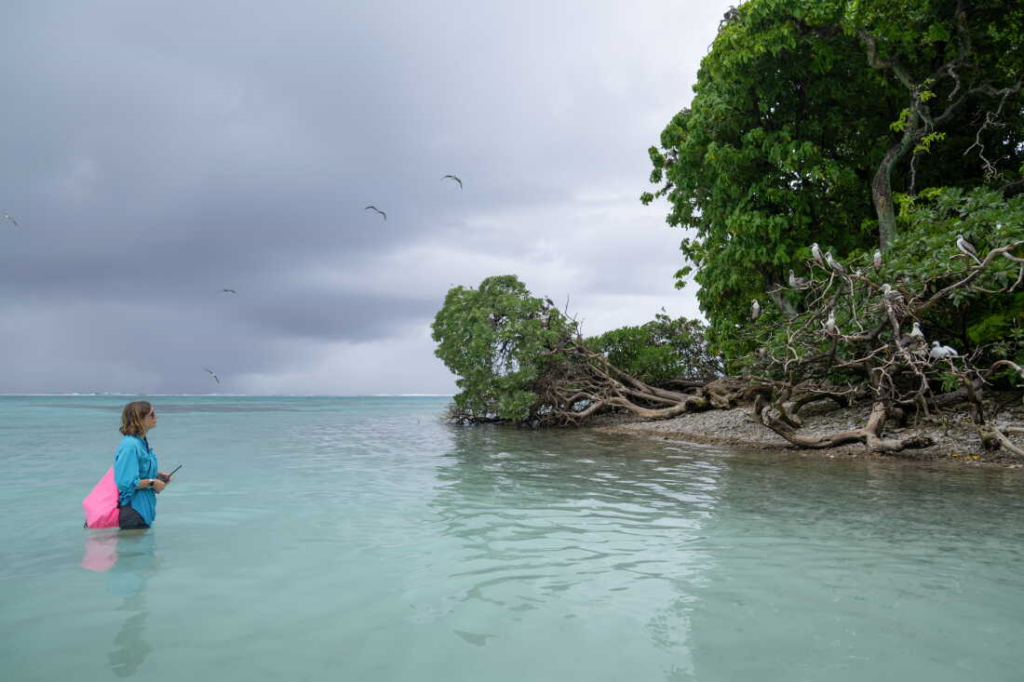
PALMYRA ATOLL, Pacific Ocean — Scientists working on one of the world’s most pristine coral reefs have uncovered a surprising ally in reef restoration: seabirds. NPR reports that colonies of red-footed boobies, white terns, and other species deliver vital nutrients to surrounding waters through their guano, strengthening coral growth and overall ecosystem health. But this natural partnership has weakened on many islands where invasive species and habitat loss have reduced bird populations, cutting off a key nutrient pipeline.
As restoration teams work to revive damaged reefs, they’re now also focusing on rebuilding seabird colonies to restore the full ecological cycle. Researchers say that in a warming ocean, reefs need every advantage to survive rising temperatures and intensifying bleaching events. If local threats can be reduced, they believe resilient reefs like Palmyra’s can recover and adapt even as climate pressures mount.
4. Super El Niño Shatters Heat Records Weeks Before Its Predicted Peak
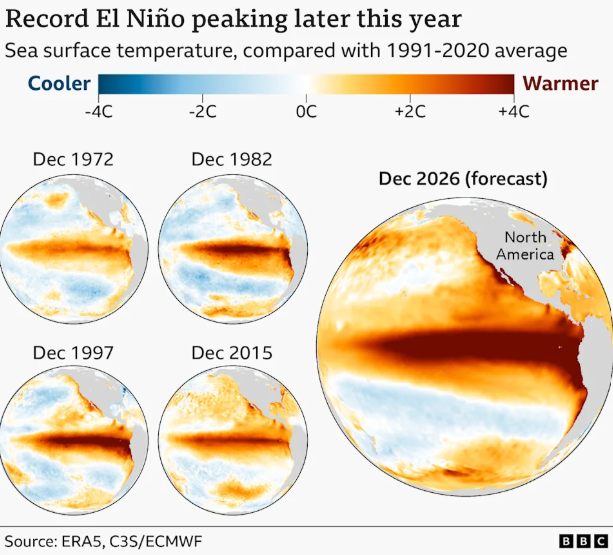
A rapidly intensifying El Niño is breaking multiple ocean‑temperature records months ahead of its expected December peak, BBC Weather reports. Australia’s Bureau of Meteorology says weekly sea‑surface temperatures in the central Pacific have reached their highest recorded levels, surpassing benchmarks set during the powerful 2015 event. Scientists note temperatures above 30°C in parts of the tropical Pacific and exceptional subsurface warmth spreading far beyond traditional monitoring zones.
Climate researcher Zeke Hausfather calls the event “unprecedented in the historical record”. The World Meteorological Organization says El Niño itself isn’t becoming more frequent or stronger, but long-term ocean warming is amplifying its impacts. With global temperatures already elevated, forecasters expect 2026 to rank among the warmest years ever measured, with effects ranging from drought to flooding and shifts in cyclone activity.
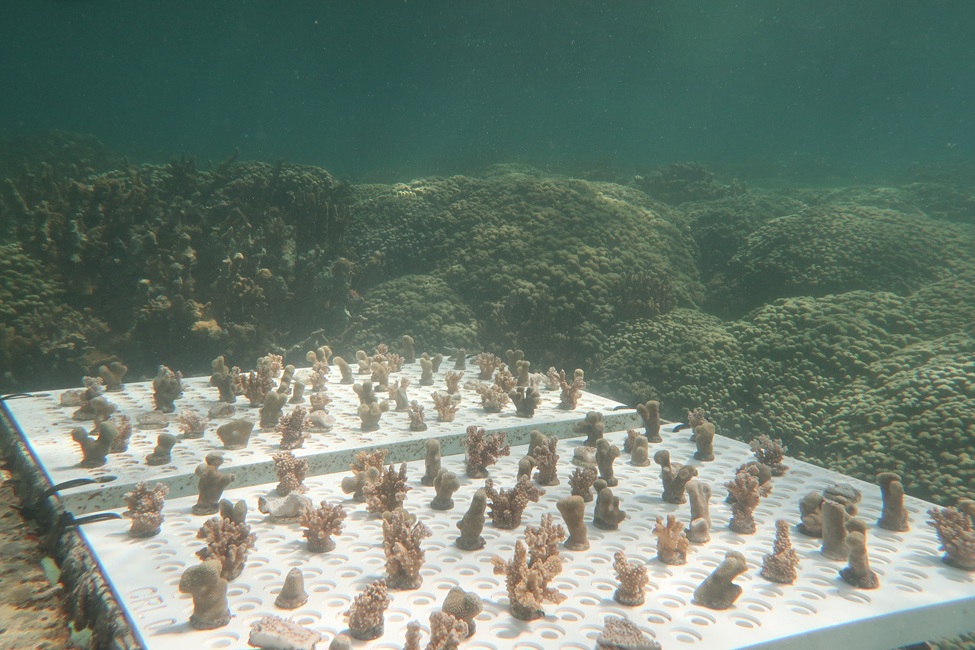
5. Hawaiian Corals Reveal Sharp Differences in How They Cope With Rising Ocean Heat
A joint study from Florida Atlantic University and the University of Hawaiʻi shows that two common Hawaiian corals respond to warming seas in strikingly different ways. Researchers tested Montipora capitata and Porites compressa collected from Kāneʻohe Bay and Kailua Bay, exposing fragments to controlled heat stress while tracking photosynthetic efficiency as an indicator of physiological strain.
The results reveal that thermal tolerance depends not only on species but on environmental history: P. compressa from the cooler, wave‑exposed Ulupaʻu site endured significantly more accumulated heat stress than its counterparts from warmer Kāneʻohe Bay and more than M. capitata from either location. Scientists say these differences highlight how local conditions shape resilience, offering guidance for restoration efforts as marine heatwaves intensify across the Pacific.
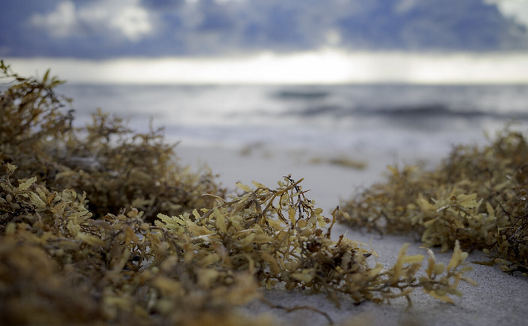
6. Sargassum Superblooms Are Overwhelming Coastlines and Reshaping an Entire Ocean Ecosystem
A massive sargassum bloom stretching 5,500 miles across the Atlantic is piling record amounts of foul‑smelling seaweed onto beaches from Florida to West Africa, WAMC reports. The mats, which can grow 20 feet thick, reached an estimated 40 million tons this summer — more than the weight of all Americans combined. As the seaweed decomposes, it releases gases that trigger respiratory problems, disrupt tourism, block boats, kill marine life, and prevents sea turtles from nesting.
Thirty countries now face the economic fallout, with Mexico alone spending over $300 million annually on cleanup and deploying offshore barriers to intercept the weed. Despite the damage, scientists note that the floating belt also forms a vast open‑ocean habitat and may act as a carbon sink, underscoring its dual role as both a menace and an ecological resource.
7. New Global Rules Aim to Make Ocean Geoengineering Experiments Safer for Marine Life
The International Maritime Organization (IMO) adopted new guidance to ensure marine geoengineering research doesn’t harm ocean ecosystems. Geoengineering projects such as ocean fertilization, alkalinity enhancement, and biomass sinking are designed to boost the ocean’s ability to absorb or store carbon, but their ecological risks remain poorly understood. The new frameworks require governments to decide whether proposed activities qualify as legitimate scientific research and can proceed without unacceptable environmental impacts.
IMO Secretary‑General Arsenio Dominguez said the guidance gives regulators and researchers transparent tools to evaluate risks as interest in ocean‑based climate interventions grows rapidly. Each framework includes screening, environmental assessment, risk management, decision‑making, and post‑project review. All proposals must demonstrate scientific purpose, undergo peer review, consult stakeholders, and include rigorous monitoring and reporting to protect marine life.
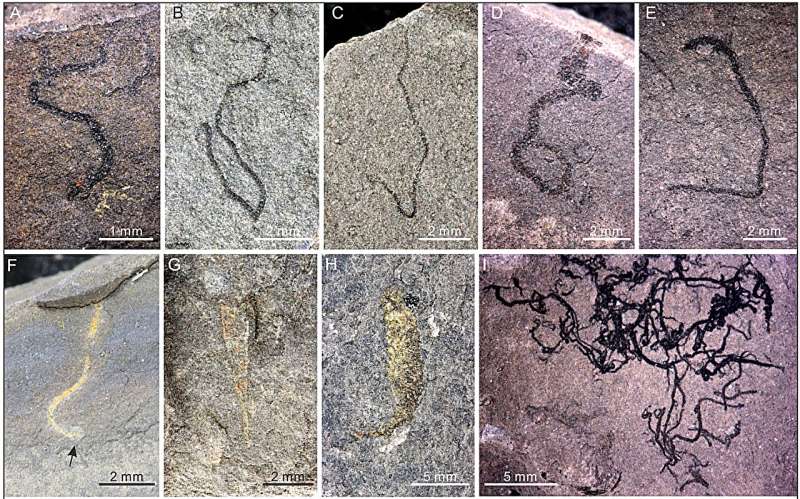
8. Tiny Fossils Fill a Missing Chapter in Ocean Life After Earth’s Deep Freeze
WUHAN, China — A rare mix of micro‑ and macro‑fossils from a roadside outcrop in South China is shedding new light on how marine ecosystems recovered after the Marinoan “Snowball Earth” glaciation ended 635 million years ago. The assemblage, found at Ancangping in the Yangtze Gorges region, preserves both microscopic acritarchs and millimeter‑scale algae impressions in the same rock layers. This unusual pairing helps scientists link drifting plankton‑like organisms with seabed‑anchored algae.
Researchers identified 35 microfossil species, including three new ones, alongside six larger forms such as ribbon‑shaped algae, tangled filaments and balloon‑like structures. Based on regional correlations, the fossils likely date to 620–610 million years ago, predating the more complex Lantian biota and filling a poorly documented interval between global glaciation and early Ediacaran ecosystems. The discovery offers a clearer view of how early marine communities re‑established after extreme climate upheaval.
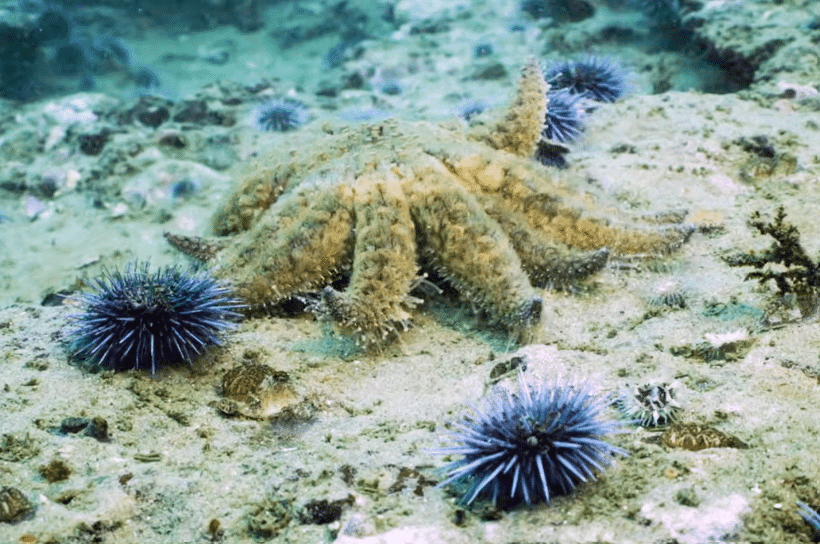
9. California’s Vanishing Sunflower Sea Star Leaves Kelp Forests in Peril
SAN FRANCISCO — Marine scientists warn that the near‑extinction of the sunflower sea star is worsening the collapse of California’s kelp forests, the Guardian reports. Once numbering in the millions along the Pacific Coast, the species was devastated by sea star wasting disease beginning in 2013, losing more than 90% of its population. Without this key predator, purple sea urchins have exploded in number, forming “urchin barrens” that strip kelp down to bare rock.
Researchers say the loss of kelp has reshaped coastal ecosystems, reduced habitat for fish and abalone, and weakened natural shoreline protection. Conservation groups are racing to breed sunflower sea stars in captivity and test reintroduction strategies, but recovery will require long-term monitoring and improved ocean conditions. Scientists caution that warming waters and marine heatwaves continue to stress kelp, making predator restoration only one part of a larger challenge.
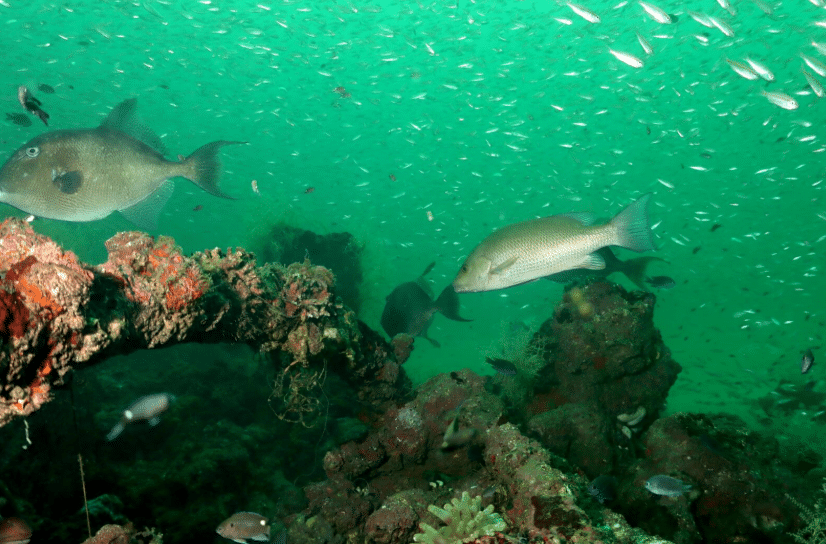
10. Florida Locks In 8,800 Acres of New Conservation Lands—A Major Win for the Wildlife Corridor
TALLAHASSEE, Florida — Florida leaders approved funding on September 29 to permanently conserve 8,838 acres across seven properties within the Florida Wildlife Corridor, advancing statewide efforts to protect natural and working lands for future generations. The newly secured parcels span Hardee, Hendry, Lake, Martin, and Putnam counties, strengthening ecological connectivity across the 18‑million‑acre Corridor, nearly 10 million acres of which are already protected.
Conservation easements funded through Florida Forever and the Rural and Family Lands Protection Program now total more than 250,000 acres, marking a milestone in Florida’s land‑stewardship strategy. The approved properties include Panther Glades, Etoniah/Cross Florida Greenway, Limestone Creek Ranch, Fair Bluff Ranch, Turnpike Dairy, Leonard Property, and Encore Farms—each providing habitat for species such as the Florida panther, black bear, wood stork, and sandhill crane.
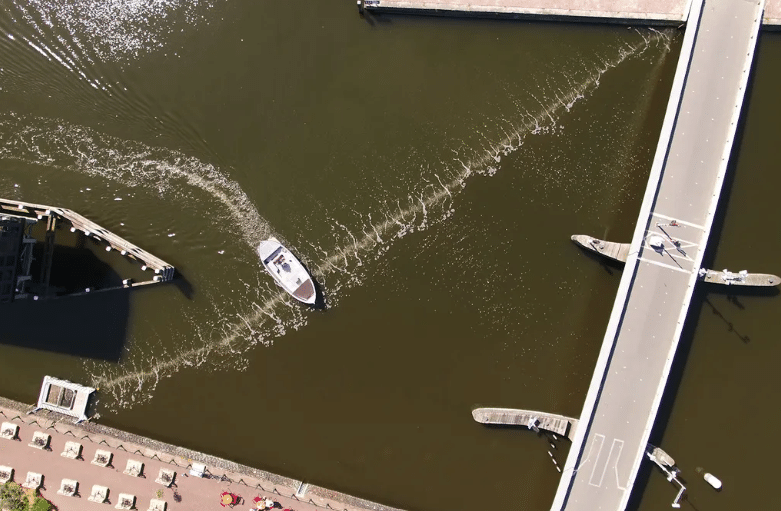
11. Amsterdam’s Bubble Curtain Could Be the Great Lakes’ Next Big Pollution Fix
AMSTERDAM, Netherlands — A Dutch innovation known as the Bubble Barrier is drawing U.S. interest as Lansing, Michigan, prepares to install America’s first version of the technology. In Amsterdam’s Westerdok canal, a perforated tube pumps air upward, creating a diagonal curtain that lifts plastic to the surface and pushes it toward an aluminum catchment system that prevents debris from reaching the North Sea.
The barrier captures everything from menus and wrappers to selfie sticks, collecting roughly 175 pounds of inorganic waste per month and intercepting 86 percent of floating plastic. Lansing officials hope the system will help protect the Great Lakes, which receive an estimated 22 million pounds of plastic annually. The project requires feasibility studies, community buy‑in, and coordination among city agencies, researchers, and sponsors before installation can begin.
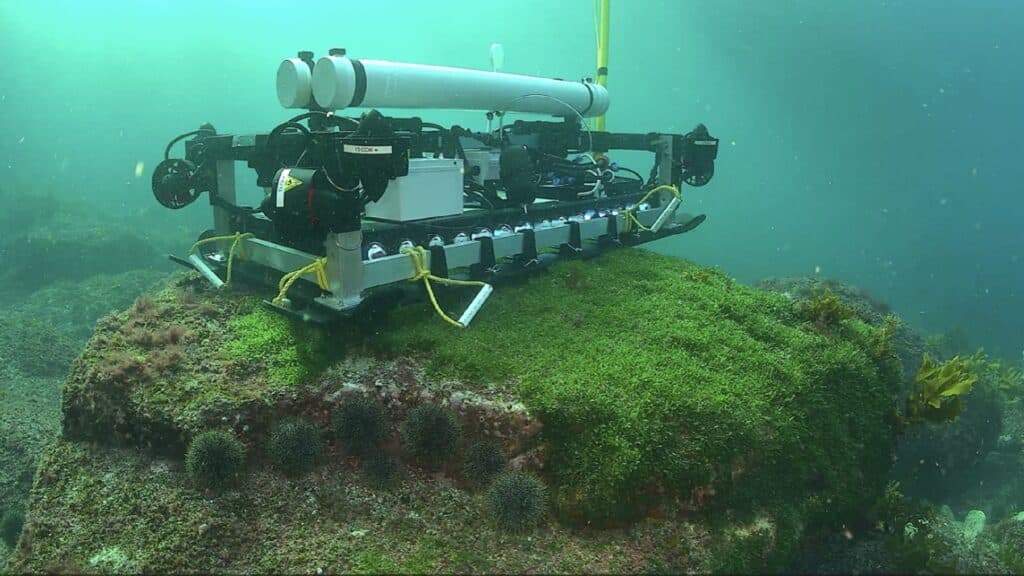
12. New Zealand’s Secret Seaweed War: Inside the High-Tech Battle Against a ‘Wily’ Invader
BAY OF ISLANDS, Aotearoa New Zealand — New Zealand’s marine scientists, Māori communities, and coastal divers are mounting an unprecedented defense against two invasive caulerpa species discovered in 2021. The seaweed spread quickly, forming dense underwater meadows that threatened native biodiversity and alarmed iwi who rely on healthy coastal ecosystems. Researchers and contractors have since developed an arsenal of removal tools — from handheld suction devices to a 16‑metric‑ton dredge planer capable of clearing a hectare a day.
UV‑C irradiation systems, chlorine‑based treatments, salt applications, and biodegradable mats round out the experimental toolkit. A surprising natural dieback beginning in late 2024 eased immediate fears, but experts warn the threat remains. The government has increased marine biosecurity funding, while Māori leaders push for stronger, iwi‑led management as New Zealand prepares for future invasions.
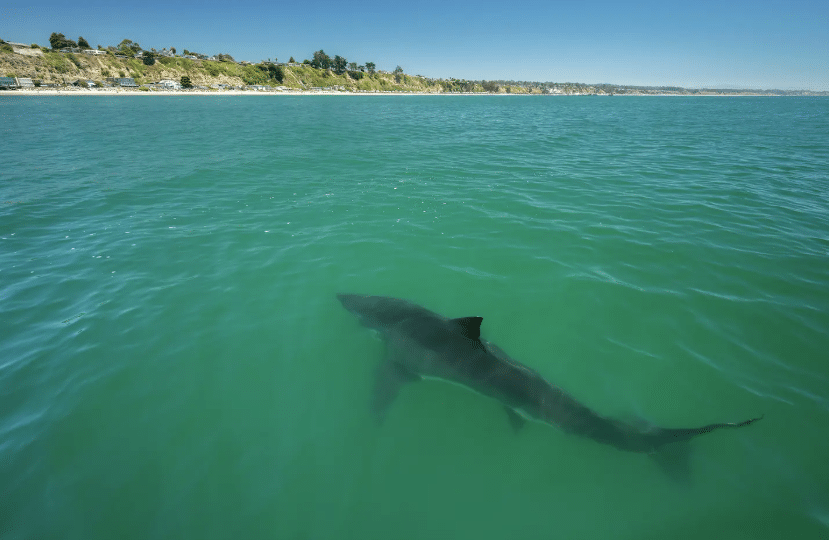
13. El Niño Turns California Waters Into a Shark Superhighway — Scientists Stunned by Rare Visitors
SAN FRANCISCO — An unusually warm Pacific driven by a strengthening El Niño is drawing an unexpected entourage of sharks into California waters. Marine biologists say temperatures several degrees above normal are luring species rarely seen this far north, including smooth hammerheads and even whale sharks. Researchers conducting coastal surveys have documented spikes in shark activity, with some teams encountering multiple species in a single outing.
The warm-water shift is also altering prey distribution, pulling predators closer to shore and into bays where sightings are typically infrequent. Scientists caution that while the influx is striking, it reflects broader climate‑driven changes unfolding across the eastern Pacific. As El Niño intensifies, experts expect continued surprises — and emphasize the need for expanded monitoring to understand how these visiting sharks interact with local ecosystems.
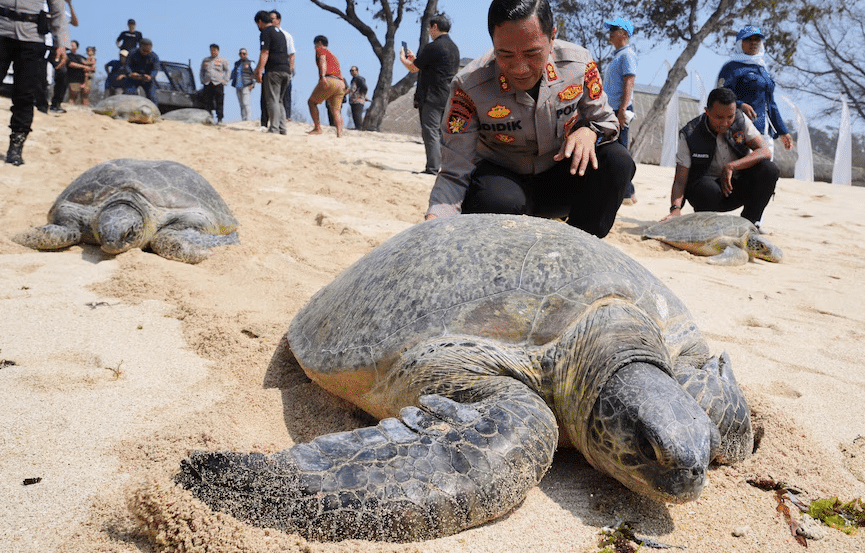
14. Police Raid, Smugglers Flee — and 20 Sea Turtles Get a Second Chance in Bali’s Waters
SERANGAN ISLAND, Indonesia — Indonesian authorities on Bali have released 20 protected green sea turtles back into the ocean after a weekend smuggling attempt was foiled. Marine police discovered 22 turtles on an abandoned boat following a raid prompted by residents’ suspicions of illegal wildlife activity. All turtles were found alive, though two remain under treatment at a conservation center on Serangan Island. Officers conducted health checks before lifting the animals with blue cloths and transporting them by truck to the shoreline for release.
Officials emphasized that Indonesia has protected green sea turtles under conservation and fisheries laws since 1990, with additional regulations banning trade. Bali has long struggled with turtle trafficking tied to cultural practices, but recent enforcement actions — including a June raid that intercepted 21 turtles — signal a renewed crackdown on the illegal trade.