

1. Florida’s Sea Turtles Could Be at Risk Due To Rising Water & Sand Temperatures
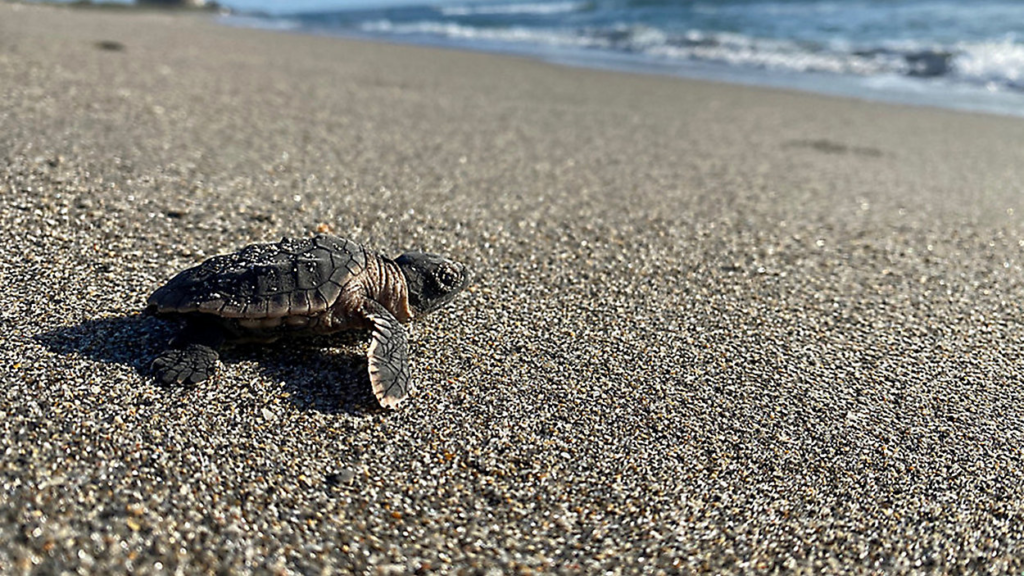
JUNO BEACH, FLORIDA – Florida’s Loggerhead Marinelife Center is studying how warming water and sand temperatures are affecting sea turtles. According to a recent report by Spectrum News, nest temperature is a contributing factor to the sex of hatchlings, so hotter sand could skew populations to favor female sea turtles.
Researchers are now placing sensors in nests to monitor sand sand temperature, in addition to performing blood tests on young turtles to track the number of male and female hatchlings in a brood. Sea turtles have successfully adapted to changing conditions multiple times over tens of thousands of years, but the rate of change scientists are observing now is a cause for concern. They’ve already found eggs that haven’t survived in high temperatures.
2. Researchers Begin Work on 107 Million Dollar Project To Create Early Warning System for Potential AMOC Collapse
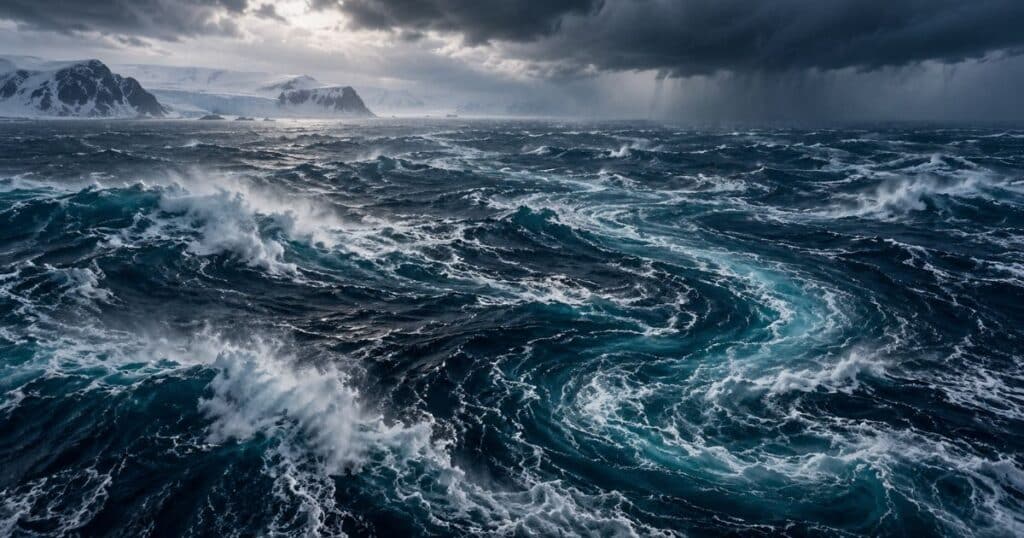
SOUTHEASTERN GREENLAND – Concern over the potential collapse of the Atlantic Meridional Overturning Circulation (AMOC) has grown as ocean temperatures have continued to rise at alarming rates. According to New Scientist, the shut down of this critical ocean current that circulates warm surface water to the north and dense, cold water south would likely cause severe drought, sea level rise, and disruption to the global food supply chain.
A recently launched $107 million program to develop an early warning system is now underway in Greenland where researchers are studying the increasingly severe calving of icebergs. The fieldwork is part of a five-year study called Greenland Ice sheet to AtlaNtic Tipping points (GIANT), an international partnership of 17 organizations funded by the Advanced Research + Invention Agency (ARIA), as part of its Forecasting Tipping Points program.
Your generous gift helps us keep this publication afloat.
3. Scientists Are Monitoring Plankton, a Keystone of the Ocean’s Food Web
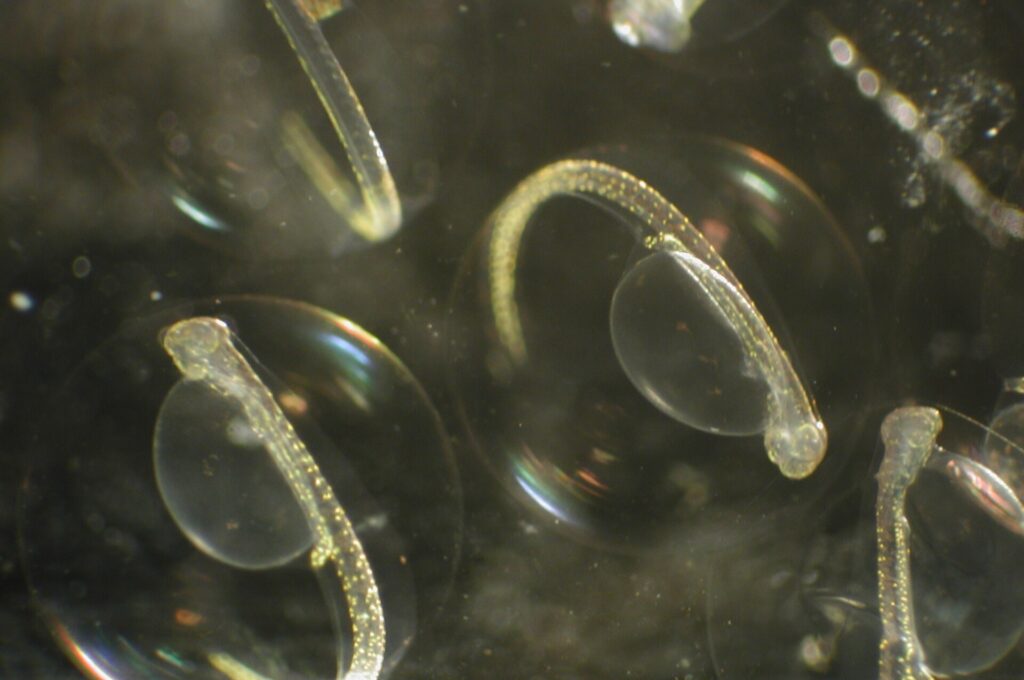
Researchers at a Norwegian university are using artificial intelligence to monitor plankton as oceans continue to warm according to an article published by Oceanographic. Phytoplankton and zooplankton form the foundation of both marine and freshwater food webs, so their health trickles up, and quickly.
The study tracks how plankton are changing in both species presence and abundance, and early findings have indicated that fish who rely on plankton for food are getting both fewer and lower quality meals. In addition to threatening the food web, a major alteration in plankton presence could also affect the way Earth’s oceans regulate temperature. In addition to monitoring plankton, researchers are also building a research network to share data and findings across Europe.
4. Kazakhstan Bolsters Restoration Projects Focused on Aral & Caspian Seas
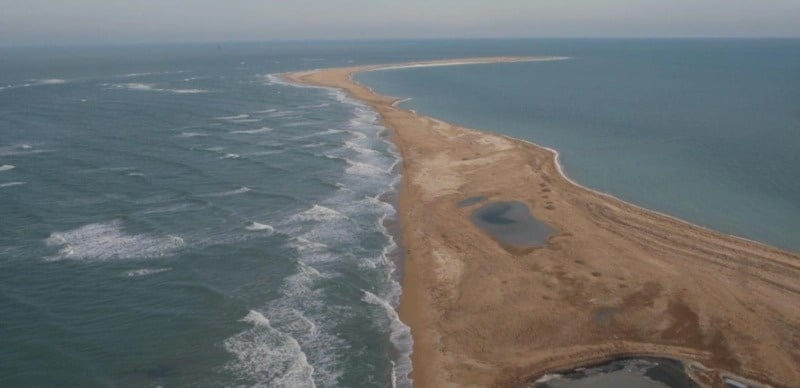
NORTH ARAL SEA, KAZAKHSTAN –The president of Kazakhstan has instructed the government to increase resources for restoring the Aral Sea and preserving water in the Caspian Sea. Kazinform reported that over the last 20 years, restoration efforts have yielded a 36% expansion in surface area of the Aral Sea and near doubling of its water volume.
The next phase of the Aral Sea project will include construction of a dam designed to increase the sea level and surface area even more over the next five to six years. The country is also launching a conservation program to boost scientific cooperation with neighboring countries, as well as planning to create a research institute dedicated to studying ecology.
5. Kelvin Wave Moving up California Coast May Worsen Coastal Flooding and Erosion, but Scientists Caution Against Panic
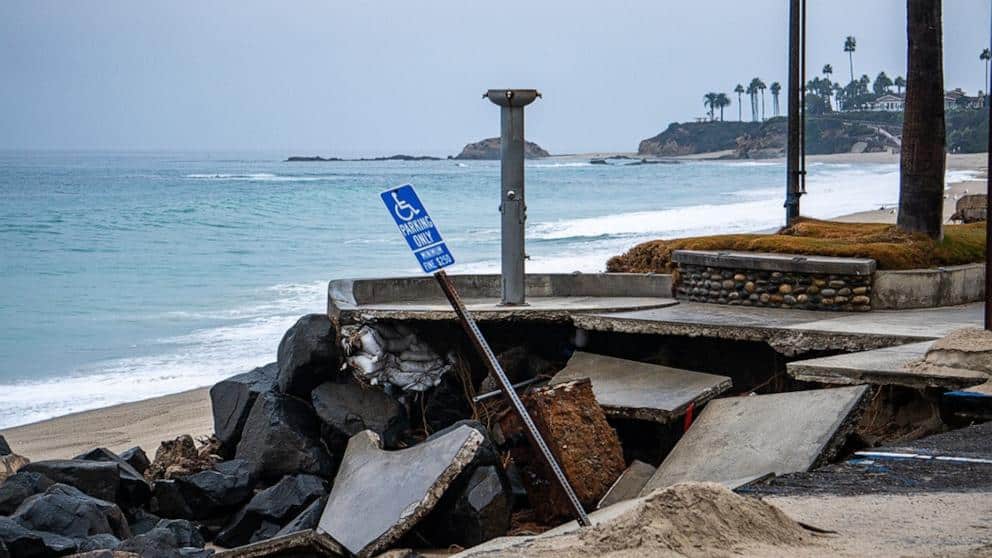
After Southern Californians experienced severe and coastal flooding that caused millions of dollars property damage, some were incredibly concerned to learn that a “kelvin wave” was making its way up the coast, driven by what is likely going to be a super El Niño.
Experts say there’s no reason to panic, though it could temporarily intensify coastal flooding and erosion if it coincides with high tides, intense surf, or a storm as it continues on its way north. Without an overlap of those conditions, most kelvin waves would go mostly unnoticed.
6. El Niño Data Continues to Alarm Scientists
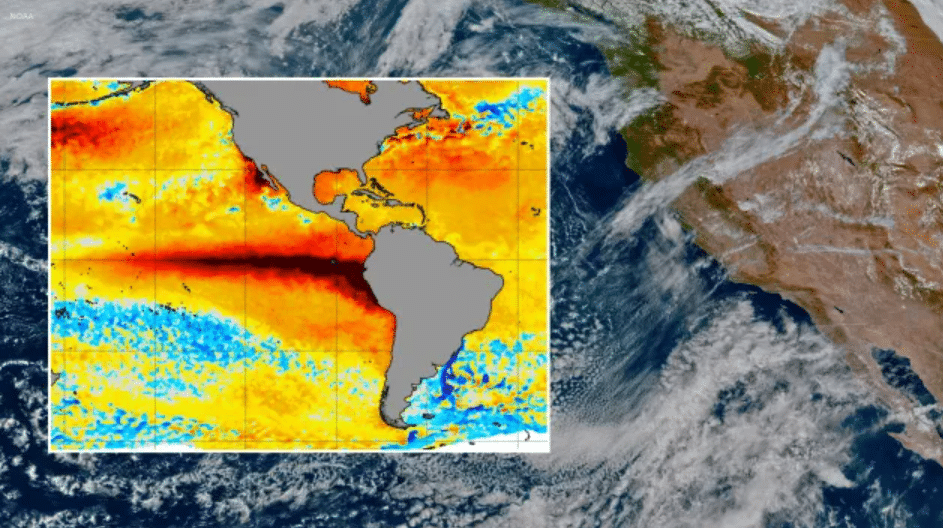
LOS ANGELES, CALIFORNIA – The intensity of the 2026 El Niño has already made global headlines, and scientists are still expressing concern over what it could bring with it later in the year. From hurricanes to species migration, the natural phenomenon has already affected quite a bit. This week KTLA reported that a climate scientist from University of California Agriculture and Natural Resources shared the following on social media: “Based on what I am seeing now, I am officially concerned.
We’ve never seen an event this big before in the context of our rapidly warming climate… The warning lights are flashing.” California Governor Gavin Newsom has preemptively declared a statewide emergency.
7. New Study Demonstrates Some Sharks Can Hear Sounds From Much Farther Away Than Previously Thought
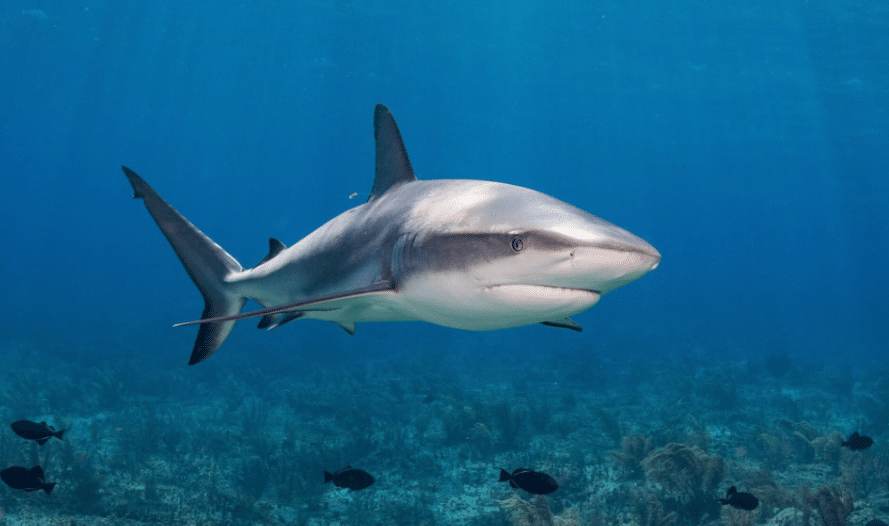
FLORIDA – Some sharks can detect sound from nearly 250 feet away, well past the limit of what’s known as “near-field sound” which affects water particles more intensely than “far-field sound”. Researchers from Florida Atlantic University just published a new study that tracked blacktip sharks’ reaction to sounds being played at three different pitches from varying distances.
All three frequencies elicited a response from as far as 203 feet away. Because sharks are not equipped with a swim bladder that allows many bony fish to hear, scientists are curious to see if they’re somehow detecting movement in the water to hear, and if so, how it works.
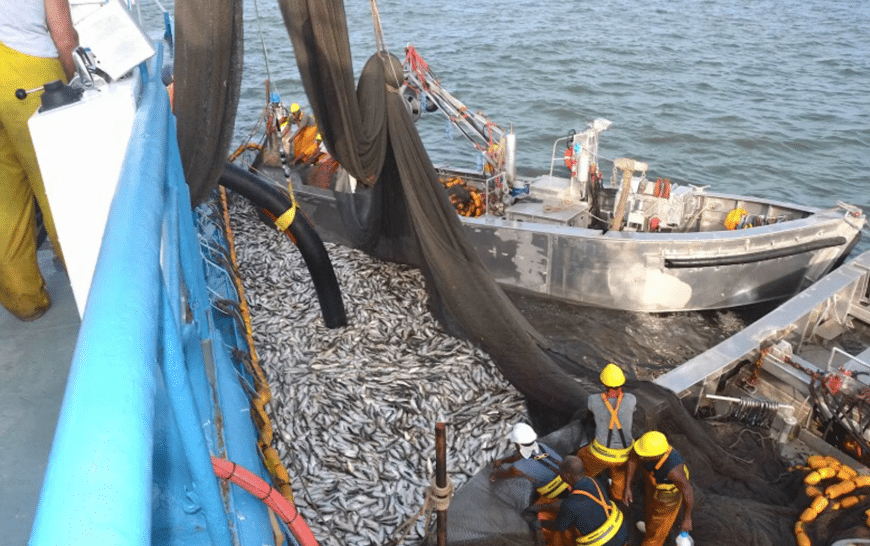
8. Maryland Legislators Issue Letter Urging Regulators to Address Mendhaven Population Decline
BALTIMORE, MARYLAND — Populations of Atlantic mendhaven, a small fish near the base of the food chain in Chesapeake Bay, have plummeted over recent years, resulting in a harvest decline of more than 80% in Maryland alone. To address the problem, a bipartisan group of 29 Maryland lawmakers has penned a letter urging state regulators to institute tighter restrictions on mendhavan limits.
Their recommendations included limiting the Chesapeake Bay mendhaven harvest to 13.6% of the total coastwide cap, the establishment of three, equally long fishing seasons, and requiring fishery managers at the Atlantic States Marine Fisheries Commission to reassess state menhaden regulations every three years.
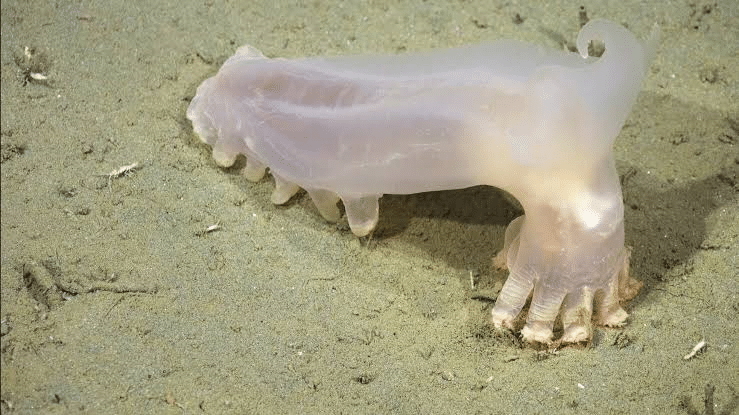
9. 57 New Marine Species Discovered in Deep Ocean Canyon off the Coast of Argentina
BUENOS AIRES, ARGENTINA — An international expedition to a deep sea marine canyon off the coast of Argentina led to the discovery of 57 new marine species and five new genera. The Mar del Plata Submarine Canyon, which is twice as deep as the Grand Canyon, is located in the Brazil–Malvinas Confluence where warm and cold ocean currents mix and distribute nutrients throughout the area.
A sea cucumber dubbed Loki, 20 species of copepod, and 14 species of coral were among the new discoveries found in under two weeks. Researchers say the discovery speaks to the power of international cooperation and how little we still know about the deep ocean.
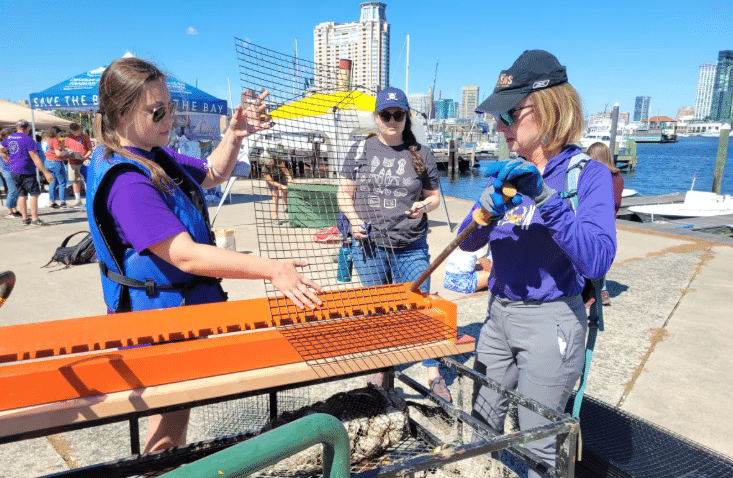
10. Maryland Lawmaker Threatens Funding for Successful Oyster Sanctuary Program
CHESAPEAKE BAY, MARYLAND — Environmental advocates are pushing back after Maryland’s sole Republican congressperson added language to a fiscal appropriations bill that would end NOAA funding for the state’s oyster sanctuaries unless they are opened up for harvesting.
The sanctuary program has enabled the oyster population to triple in size over the last three decades, but it is still not nearly what it was before overharvesting and disease took their toll. Chesapeake Bay nonprofits and activists warn that opening sanctuaries to harvesting would end up destroying them, and they point to a new report released by the state’s Department of Natural Resources which highlights the incredible success of the sanctuaries and advocates for their expansion.
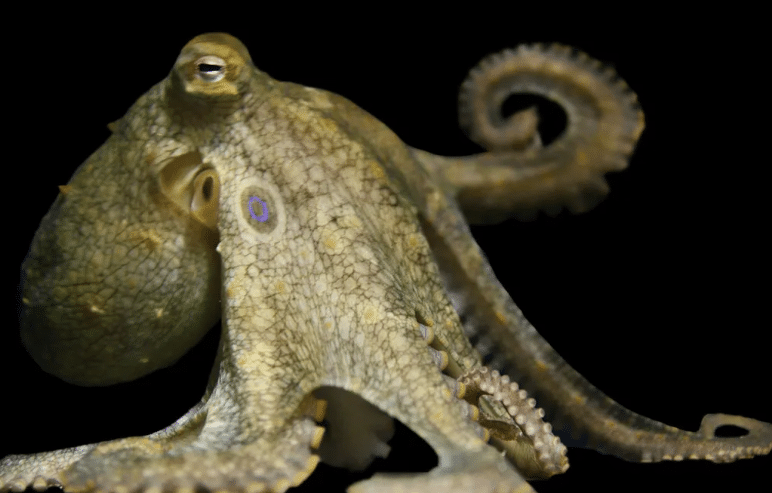
11. Researchers Discover Mutation in Octopuses That May Be Linked to Their Intelligence
Five years ago, a study of California two-spot octopus rRNA (ribosomal RNA) yielded something unexpected: a piece of rRNA that is usually one piece in most other animals was split in two. What researchers initially thought was a mistake in their data turned out to be something present in five species of incirrate octopuses – shallow-water species with advanced nervous systems.
Scientists compared those findings with with samples from a dumbo octopus, a deep-sea dwelling, slow moving cirrate, and did not find the break in the rRNA. The two groups had split off from one another around 100 million years ago, suggesting though not definitively linking the mutation with the development of more developed nervous systems in incirrates.
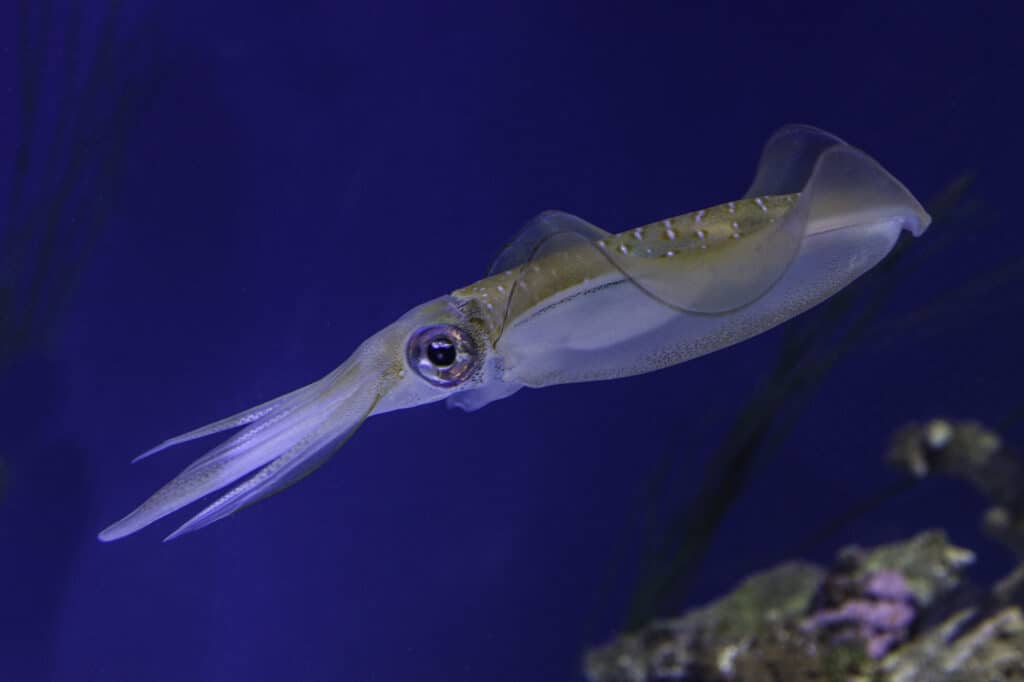
12. Environmental Factors Influence Color Changing in Bigfin Reef Squid
NEW YORK, NEW YORK— A new study led by researchers from the City University of New York has found that bigfin reef squid change their color based on their age and the color of their surroundings. Color change patterns shift as the squids age and depend somewhat on how dark or light their environment is.
The 14-week study involved placing hatchlings in tanks with contrasting backgrounds, and found that in lighter environments, the squid will simply stretch their existing color cells (chromatophores) rather than creating new ones. Growing these specialized cells requires a large amount of energy, and the findings seem to indicate that the squid will adapt and make existing cells work a bit harder rather than expending more energy on the creation of new cells.