


1. America’s Hidden Ocean Sanctuaries Are Suddenly at Risk
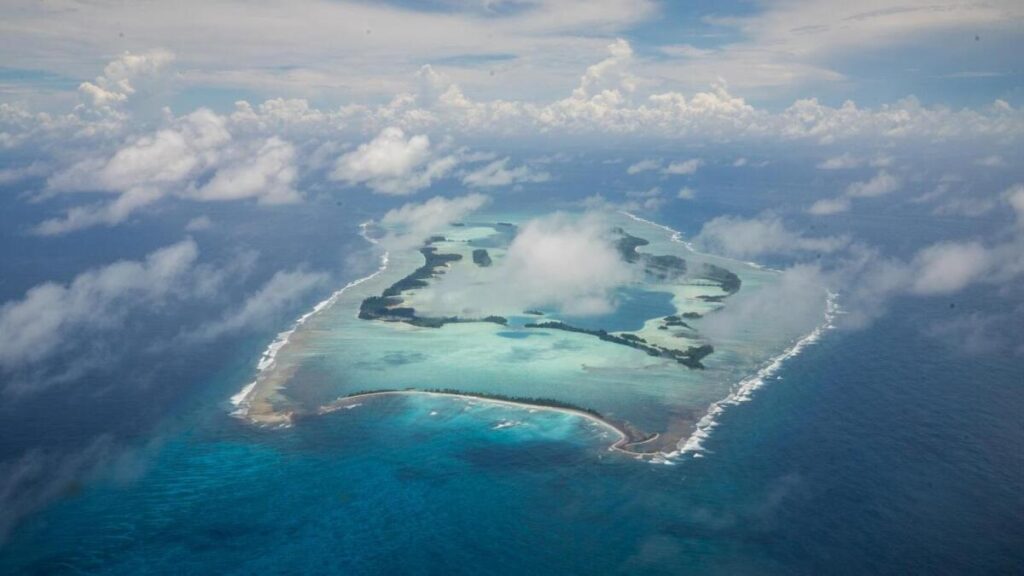
Palmyra Atoll, Pacific Ocean — A rare visit to one of the world’s most untouched ecosystems shows what’s at stake as U.S. protections for Pacific marine monuments face rollback. Palmyra Atoll, a remote ring of coral islands, hosts massive coral structures, thriving shark populations and tens of thousands of seabirds — a rare example of an intact ecosystem. Scientists say atolls act as nutrient hubs that draw sharks and tuna from hundreds of miles away, making them vital to ocean health.
The United States Administration has moved to reopen several protected Pacific monuments to commercial fishing, prompting conservation groups and Native Hawaiian leaders to push back, citing cultural significance and ecological risk. Fishing advocates argue the change would help Hawaii’s fleet compete with foreign vessels, but researchers warn that endangered species and climate‑stressed reefs could suffer lasting damage.
2. Global Shark Fin Trade Isn’t Slowing Down — Even With New Laws
A new interdisciplinary study finds that shark‑finning regulations, long promoted as a key conservation tool, have had little measurable impact on global shark product trade. Researchers from UC Santa Barbara, The Nature Conservancy and Renmin University analyzed a newly unified dataset linking fishery landings with international trade flows. Their review shows no statistically significant change in exports, imports, domestic consumption or trade partnerships after countries adopted fin‑retention rules.
Scientists say the findings highlight how complex and resilient shark supply chains are, with demand, regulation and fishing practices interacting in unexpected ways. The study also underscores the vulnerability of shark species, many of which reproduce slowly and are already threatened by overfishing. Researchers argue that null results are crucial for shaping future policy, noting that real‑world outcomes are far more complicated than previously assumed.
Your generous gift helps us keep this publication afloat.
3. Charter Captains Band Together to Stop a Growing Poaching Crisis in Sarasota Bay
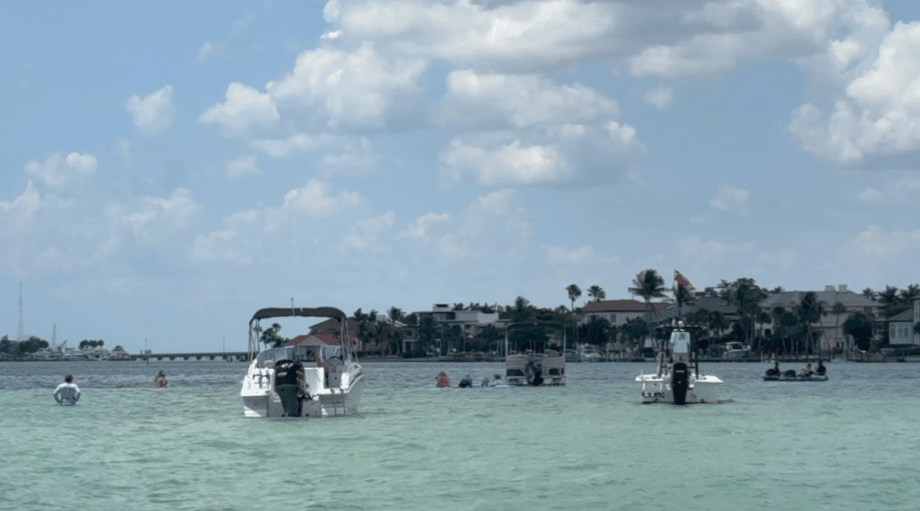
Sarasota, Fla. — Charter captains along Florida’s Suncoast are joining forces to confront a surge in illegal fishing that’s damaging one of the region’s most important estuaries. Sarasota Bay, already stressed by seagrass loss and water‑quality challenges, is now facing organized poaching of snook, redfish and other species protected by strict state regulations. Captains say they’ve repeatedly witnessed nighttime harvesting, unlicensed netting and the removal of undersized fish, all of which threaten recovery efforts.
The coalition is working with local law enforcement, wildlife officers and conservation groups to document violations and push for stronger enforcement. They argue that protecting the bay is essential not only for the ecosystem but also for the tourism and charter industries that depend on healthy fish populations. Their message is simple: conservation only works when everyone plays by the rules.
4. Ocean Governance Research Reveals Why Marine Conservation Efforts Keep Falling Short
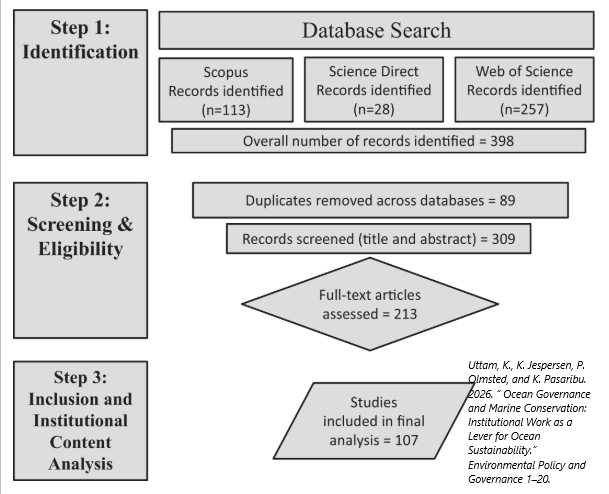
A new peer‑reviewed study examines how ocean sustainability depends on the institutional work carried out by governments, NGOs, communities and financial actors. Reviewing 107 academic articles, researchers found that most efforts focus on creating and maintaining governance structures, while disruptive actions — those that challenge entrenched norms or remove outdated rules — are far less common.
The paper argues that ocean governance remains fragmented across competing priorities such as conservation, economic development and community livelihoods, creating gaps that weaken marine protection. Statistical analysis shows that effective conservation requires coupling three types of institutional work: creating new rules, maintaining functional systems and strategically disrupting harmful or outdated practices. Without this alignment, marine policies become layered, inconsistent, or ineffective. The authors propose a new integrated model to strengthen governance and improve global ocean sustainability outcomes.
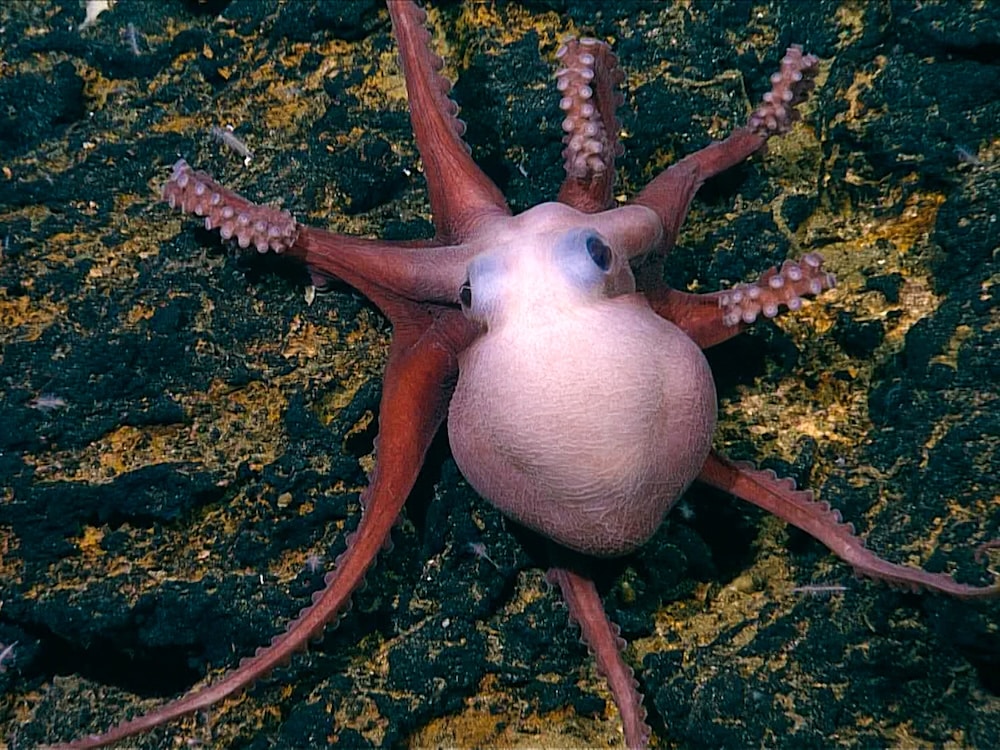
5. Scientists Warn Deep-Sea Mining Could Trigger an Oceanic Mass-Extinction Event
Marine ecologists say proposed deep‑sea mining could cause irreversible damage to some of Earth’s oldest and most fragile ecosystems. Fisheries and Oceans Canada scientist Cherisse Du Preez warns that life in the deep ocean evolves on geological time scales, with sponges thousands of years old, sharks living for centuries and species that have survived every mass extinction until now. Mining machines would crush seafloor habitats, while toxic sediment plumes containing heavy metals and radioactive material could spread through ocean currents, suffocating animals and contaminating food webs.
Researchers say seamounts — biodiversity hotspots — are especially vulnerable, and mining near the Canada‑Alaska border could push pollution into Haida Nation territory. Scientists fear impacts on whales, turtles, plankton and migratory species, with potential consequences for human seafood security. They argue the precautionary principle is the only responsible path forward.

6. Scientists Stunned by Hidden Underwater World Discovered Beneath the Indian Ocean
Singapore — A 22‑day OceanX expedition has produced one of the most detailed scientific baselines ever assembled for the high seas, mapping more than 12,800 square kilometers of the Roo Rise seamount region in the eastern Indian Ocean. Researchers aboard the R/V OceanXplorer used high‑resolution seafloor mapping, remotely operated vehicle (ROV) dives, eDNA sampling and targeted specimen collection to document deep‑sea ecosystems that had never been surveyed at this scale.
The team gathered 2,365 samples, including coral and sponge communities that signal vulnerable marine ecosystems, along with xenophyophore morphotypes that may represent new species. Scientists also collected 528 eDNA samples at Roo Rise and 90 around Christmas Island to support future genomic biodiversity monitoring. The findings establish a critical reference point as nations prepare to implement the BBNJ Agreement and expand conservation planning for remote ocean habitats.
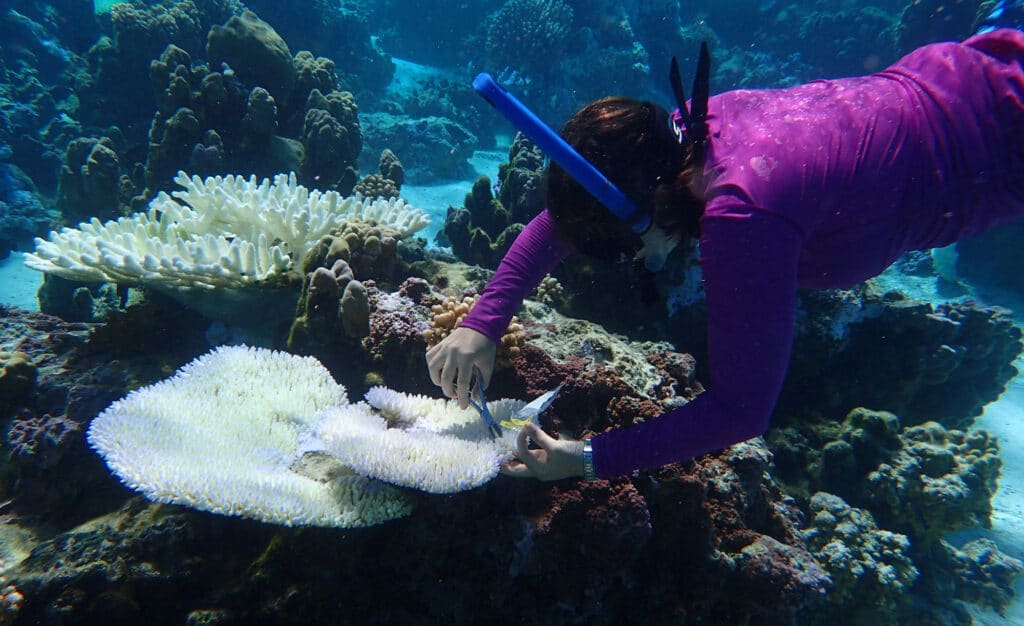
7. Heat Waves Are Forcing Coral Reefs to Rapidly Rewrite Their Own DNA
Mo’orea, French Polynesia — Texas A&M researchers have uncovered striking genomic evidence that coral reefs may be evolving in real time to survive increasingly deadly marine heat waves. By sequencing 349 coral colonies before, during, and years after the catastrophic 2019 heat wave that killed up to 80% of local corals, scientists found that surviving adults carried heat‑tolerant genetic variants — and passed many of those advantages directly to their offspring.
The study shows mass mortality events act as powerful genetic filters, leaving only corals with traits suited for extreme temperatures to rebuild future reefs. Researchers emphasize that while evolution is offering corals a short‑term lifeline, rising ocean temperatures may still outpace their ability to adapt. The findings reshape how scientists understand reef resilience and highlight the urgency of studying genetic responses to climate‑driven bleaching events.

8. Corals Are Spinning Tiny Oxygen Tornadoes — Until Rising Heat Stops Them Cold
New research highlighted by Quanta Magazine reveals that coral colonies rely on microscopic cilia to spin fast‑moving vortices of water that deliver oxygen to their tissues, a survival mechanism scientists only discovered in 2014. During daylight, corals receive oxygen from symbiotic algae, but at night they depend entirely on these cilia‑driven swirls. A new study published in Science shows that as ocean temperatures rise, corals push their cilia harder to compensate for declining oxygen levels — until the system collapses.
At extreme temperatures near 37–39 degrees Celsius, the cilia slow, then shut down, causing corals to suffocate even before bleaching occurs. Researchers say this overlooked physiological process may explain why some corals die while neighbors survive, and why deoxygenation — not just bleaching — is becoming a critical threat in a warming climate.
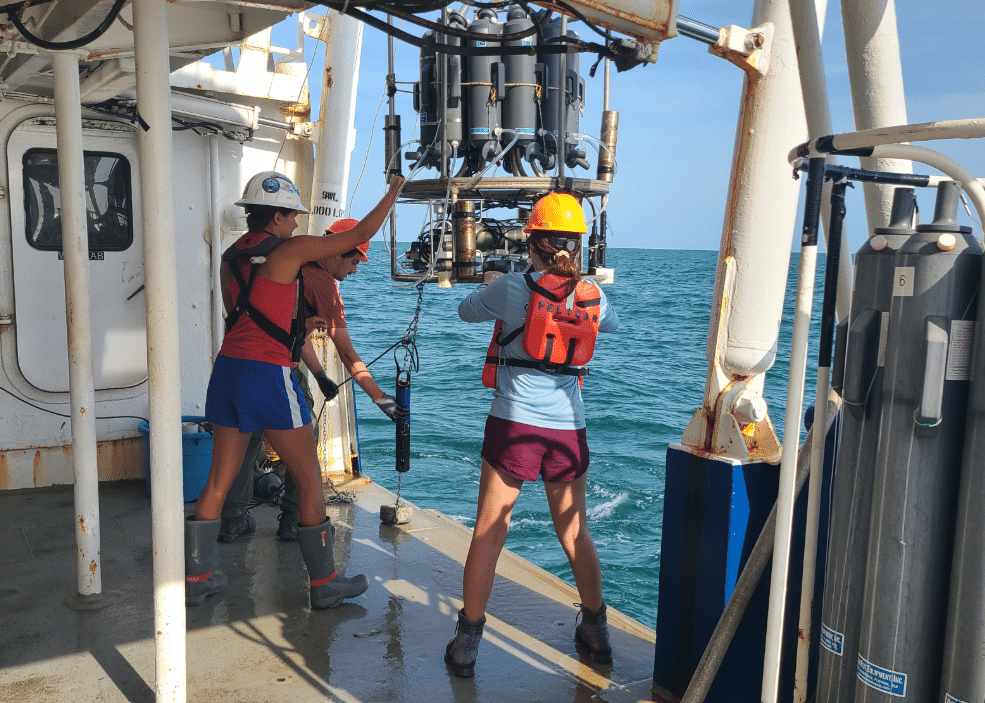
9. Massive Storm Scrambles Gulf Waters and Shrinks America’s Annual “Dead Zone”
NOAA scientists report that this year’s Gulf of America hypoxic zone measured just 1,332 square miles, the second‑smallest in four decades of surveys. The annual research cruise, led by Louisiana State University and LUMCON, found that Tropical Storm Bertha dramatically mixed the water column days before sampling began, pushing oxygen‑rich surface water to the seafloor and temporarily disrupting the formation of low‑oxygen areas.
Hypoxic zones, often called dead zones, form when excess nutrients from the Mississippi–Atchafalaya River Basin fuel algae blooms that deplete oxygen as they decompose. Although NOAA had predicted a much larger zone of more than 7,000 square miles, the storm’s timing fell outside typical forecast assumptions. Researchers say abnormal weather events like Bertha help refine models and improve long‑term strategies for reducing nutrient pollution and protecting fisheries across the Gulf.
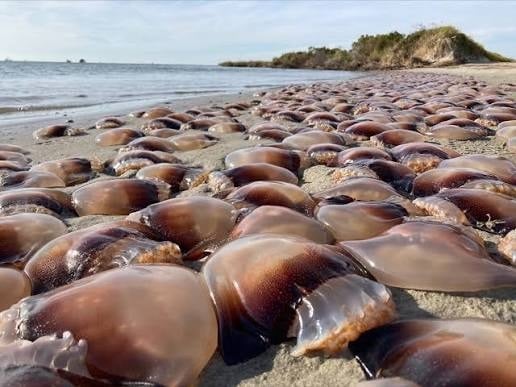
10. Why Ocean City Waters Are Suddenly Swarming With Jellyfish This Summer
Ocean City, Md. — Marine biologists say swimmers at Ocean City are encountering more jellyfish this summer because warming ocean temperatures, nutrient pollution and coastal development are creating ideal conditions for rapid population growth. Dr. Ellen Prager told WJLA that submerged structures along developed coastlines offer new habitat for jellyfish reproduction, while declines in predators such as certain fish and sea turtles remove natural population controls. When conditions align, jellyfish release large numbers of juveniles at once, triggering sudden blooms that make it seem like they’re everywhere.
The species most common in Ocean City now is the sea nettle, responsible for many summertime stings in the Chesapeake Bay. NOAA’s daily sea nettle probability maps help swimmers avoid high‑risk areas. Experts recommend saltwater or vinegar rinses, careful tentacle removal and heat application for stings, while noting that severe reactions require immediate medical care.
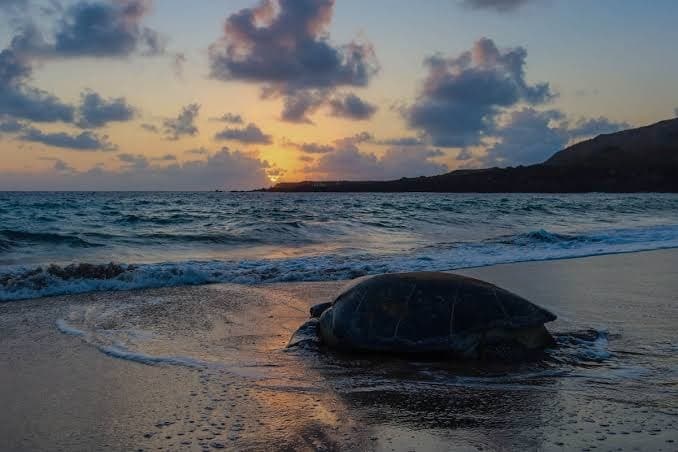
11. A Sea Turtle’s 1,200‑Mile Journey Back Home Leaves Scientists Speechless
Ascension Island — Researchers tracking a green sea turtle’s movements have documented a remarkable 1,200‑mile migration across the Atlantic as the animal navigated currents, predators and fishing zones to return to the exact beach where it hatched decades earlier. The turtle, tagged in French Polynesia, traveled for weeks through open ocean before reaching its natal site to lay eggs, demonstrating a level of navigational precision scientists still struggle to explain.
Marine biologists say turtles rely on a combination of Earth’s magnetic field, chemical cues and long‑term memory to complete these odysseys — a behavior that dates back more than 100 million years. The study highlights how climate change, coastal development and fishing pressures threaten these ancient routes, making long‑distance migrations increasingly dangerous for species already facing global declines.
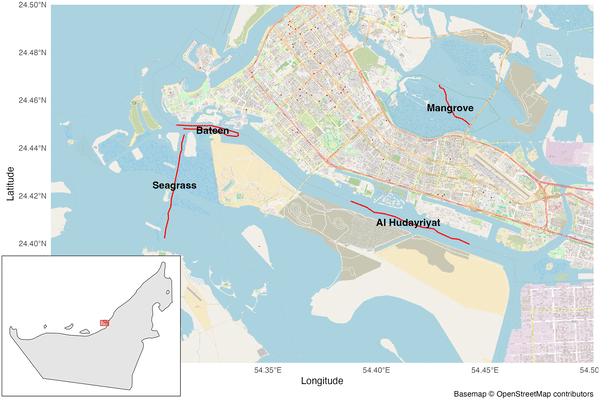
12. Urban Abu Dhabi’s Coastal Waters Show Troubling Signs in New DNA Survey
Abu Dhabi, United Arab Emirates — A new environmental DNA survey of Abu Dhabi’s urban marine ecosystem reveals a stressed and increasingly vulnerable community of vertebrates living under extreme Gulf conditions. Researchers detected 83 taxa across mangroves, seagrass beds, marinas and newly engineered channels, but warn that much of this diversity masks deeper ecological strain.
Mangrove and seagrass sites function as last refuges, while heavily modified areas such as Al Bateen and Hudayriyat show phylogenetic clustering — a sign that only disturbance‑tolerant lineages are persisting. The study highlights chronic pressures from coastal development, pollution, overfishing and recurring hypoxia, noting that many species already exist near their physiological limits. Authors describe the Arabian Gulf as “particularly concerning,” with projections suggesting steep declines and possible local extinctions by 2090. The findings establish a baseline for monitoring an ecosystem under accelerating stress.
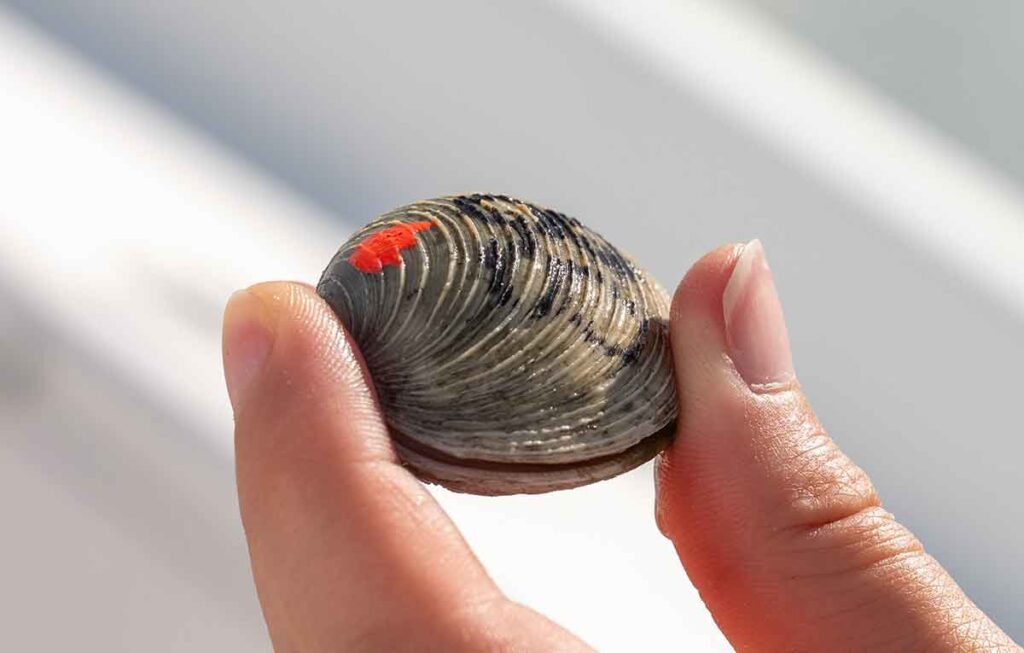
13. Florida Scientists Test Whether Clams and Seagrass Can Rescue Polluted Coastal Waters
Bonita Springs, Fla. — Researchers at Florida Gulf Coast University are testing whether restoring clams and seagrass together can help revive Southwest Florida’s declining coastal ecosystems. As part of a statewide consortium, FGCU scientists placed 1,500 marked clams into experimental plots in Estero Bay and Rookery Bay to study how the shellfish and seagrass influence each other’s recovery. Clams filter water and recycle nutrients into sediment, potentially improving conditions for seagrass, while seagrass may shield clams from predators.
The team is monitoring growth, survival, nutrient levels and sediment chemistry through the fall, with early fieldwork challenged by strong tidal currents near New Pass. Students and interns play a major role in sampling and lab analysis, including tracking hydrogen sulfide levels in oxygen‑poor sediments. Researchers say the findings could guide future restoration efforts in bays where seagrass loss, environmental stress and historical overharvesting have weakened coastal habitats.
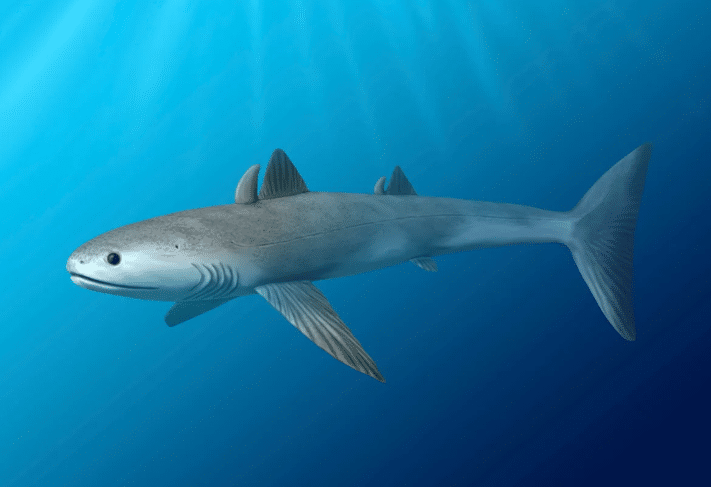
14. This Ancient Shark Was Faster, Stranger and Deadlier Than Scientists Expected
New analysis of fossil specimens from the Devonian period reveals that Cladoselache, one of the earliest known sharks, was a sleek, fast‑moving predator unlike many of its modern relatives. The species lived roughly 370 million years ago and measured around six feet long, with a torpedo‑shaped body built for speed and agility. Fossils show it lacked scales and had a short snout, large eyes, and a powerful tail, suggesting it hunted in open water rather than ambushing prey.
Its teeth were surprisingly simple, indicating it likely swallowed prey whole. Researchers say Cladoselache’s anatomy offers a rare glimpse into early shark evolution, showing how some traits — streamlined bodies, fin placement and rapid swimming — emerged long before the rise of today’s larger, more heavily armored species. The findings help clarify how early sharks adapted to ancient marine ecosystems.