

1. Tiny Ocean Creatures Are Making Clouds — And Scientists Just Realized They’re Way Better at It Than Anyone Thought
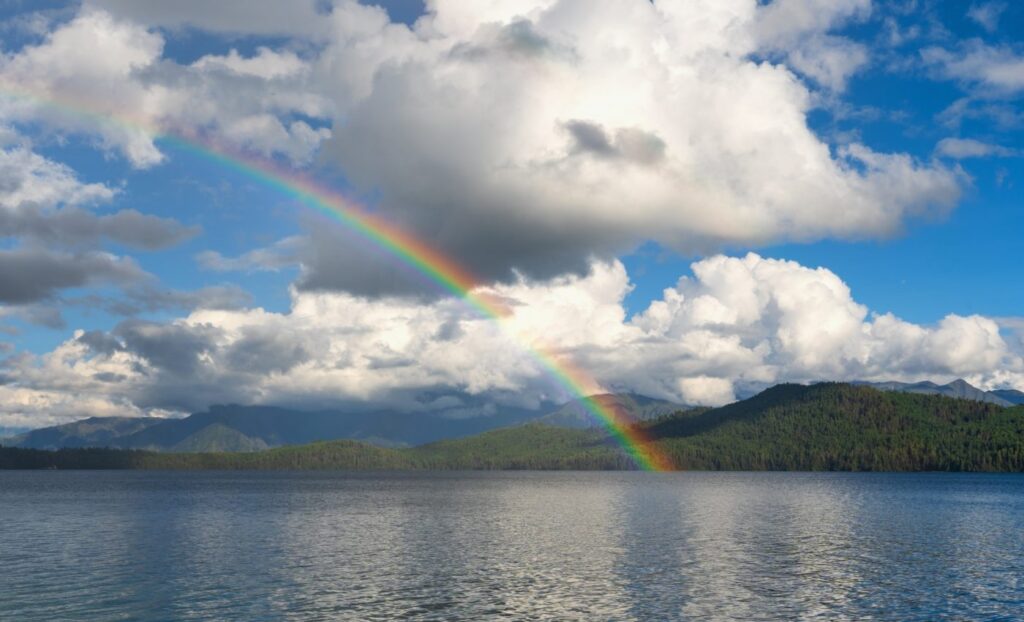
HELSINKI — Scientists at the University of Helsinki have cracked a climate mystery nearly 50 years in the making. Ocean plankton, it turns out, are far more powerful cloud-makers than anyone realized — and an overlooked acid is the reason why. When plankton photosynthesize, they release a sulfur gas that drifts skyward and breaks down into particles that seed cloud droplets.
For decades, sulfuric acid was considered the dominant driver of that process. Now, researchers working inside a chilled European Organization for Nuclear Research (CERN) chamber have discovered that methanesulfonic acid, or MSA, can independently spark cloud formation in cold air — and when paired with sulfuric acid, can accelerate cloud formation over cold oceans up to ten times faster than previously thought. The findings, published in Nature, could fix a longstanding flaw in climate models that have consistently underestimated cloud cover over the Southern Ocean.
2. The Ocean Just Shattered Its June Temperature Record — And Scientists Say the Worst Is Coming
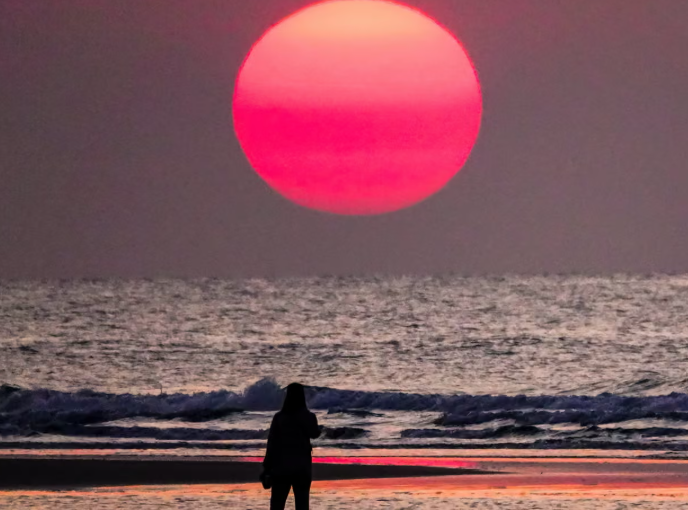
Ocean surface temperatures shattered records on June 21, surpassing the extraordinary highs observed in 2023 and 2024, the Copernicus Climate Change Service announced. Scientists warn of consequences for weather patterns, global climate, and marine ecosystems — particularly because the new peak coincides with an El Niño event forecast to be the strongest in decades.
When the previous June record fell in 2023, scientists described the numbers as “worrying,” “terrifying,” and “bonkers,” presaging devastating global heatwaves, floods, and storms. Now that benchmark has been surpassed. Oceans absorb more than 90% of Earth’s excess energy — an imbalance hitting a record 23 zettajoules last year, more than double the prior two decades’ average. Carlo Buontempo, Copernicus director at the European Centre for Medium-Range Weather Forecasts, warned: “We are likely to see more temperature records fall in the coming months.”
Your generous gift helps us keep this publication afloat.
3. Birds Are Washing Ashore Dead by the Hundreds — And a Record Ocean Heat Wave Is to Blame
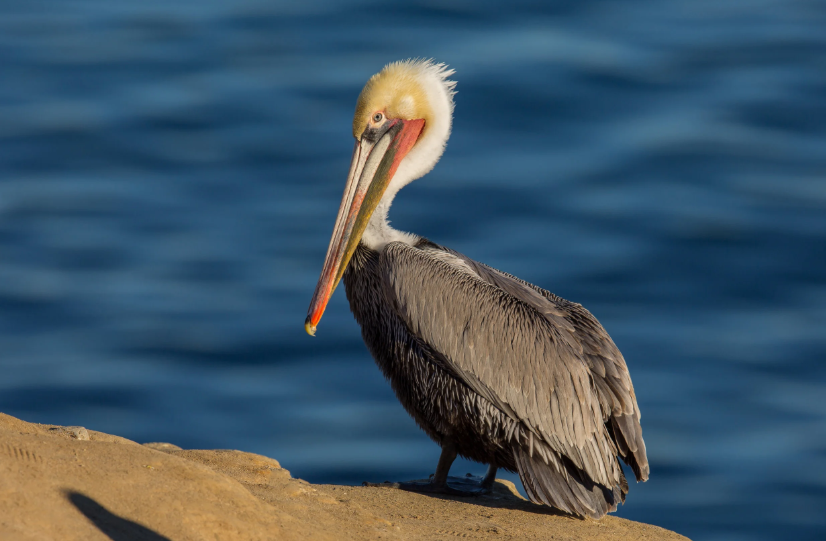
SAN DIEGO — Within minutes of stepping onto a San Diego beach, marine ornithologist Tammy Russell began finding feathered carcasses — tucked under rocks, tangled in washed-up kelp, one after another. A relentless marine heat wave gripping parts of the California coast has pushed ocean temperatures to record highs, shrinking the cold, nutrient-rich surface water where anchovies, sardines, and krill thrive. California brown pelicans, loons, grebes, and cormorants are starving en masse.
Russell, a postdoctoral scholar at the University of California, San Diego’s Scripps Institution of Oceanography, described watching cormorants walk ashore and die within 15 minutes. Hundreds of emaciated birds flooded wildlife rehabilitation centers this spring. Scientists now fear the crisis will worsen: the U.S. National Oceanic and Atmospheric Administration confirmed a new El Niño forming in June, forecast to reach historic strength and potentially stretch into 2027.
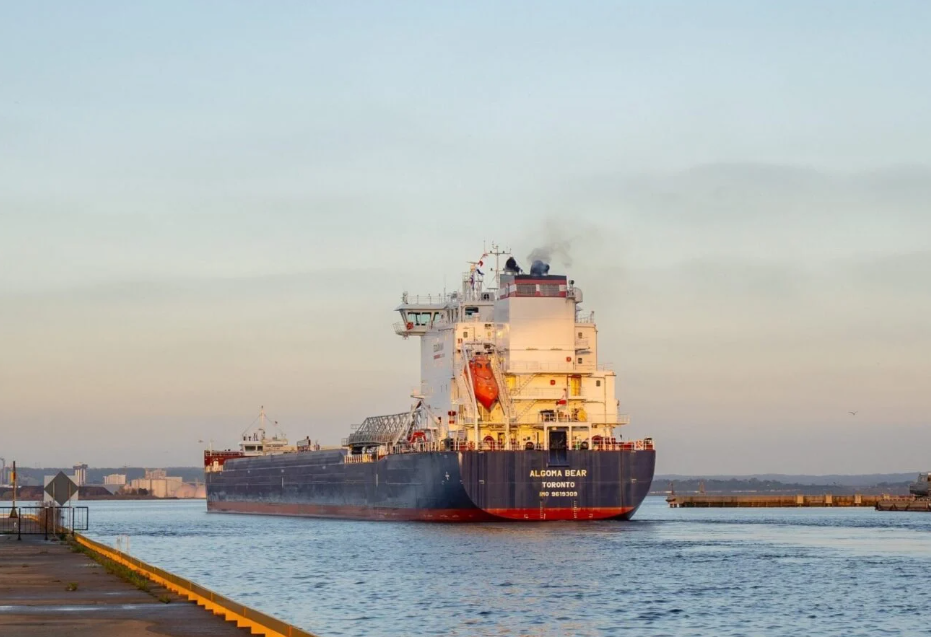
4. How the Great Lakes Quietly Became the World’s Most Powerful Blueprint for Saving Our Oceans
GREAT LAKES REGION, U.S. and Canada — When the High Seas Treaty officially entered into force on Jan. 17, 2026, it marked a milestone decades in the making. But one freshwater region had already been quietly writing the rulebook. The Great Lakes, straddling the U.S.-Canada border and holding roughly one-fifth of the planet’s total surface freshwater, have been subject to some of the world’s most rigorous environmental maritime regulations for decades. Among them: U.S. Environmental Protection Agency Vessel General Permit rules requiring vessels 79 feet and larger to use environmentally acceptable lubricants that are biodegradable and non-bioaccumulative.
The urgency is real. Conventional oil-lubricated propeller shafts discharge an estimated 80 million litres of oil annually into the world’s waterways. Burlington, Ontario-based Thordon Bearings has outfitted more than 120 Great Lakes vessels with water-lubricated bearing systems that eliminate oil discharge entirely — a solution, experts say, the world’s oceans now desperately need.
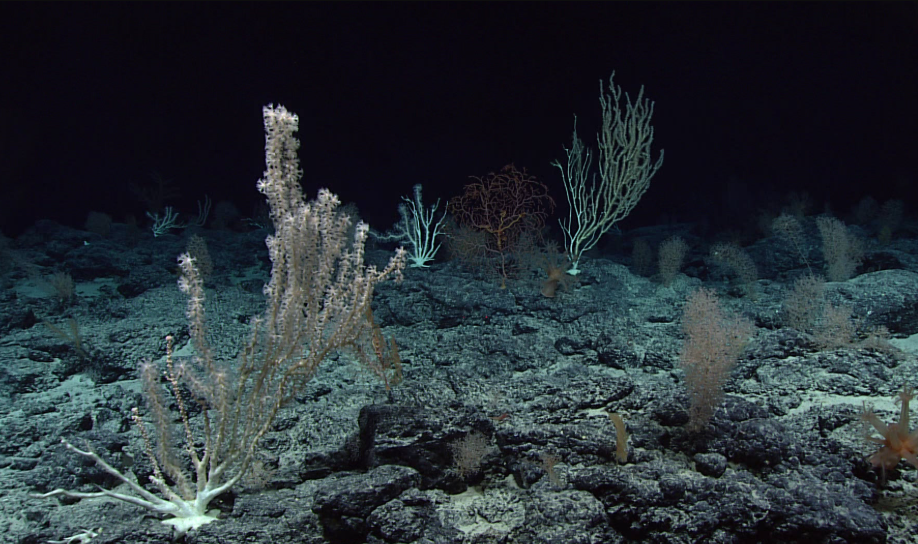
5. The Seafloor May Be Radioactive — And Deep-Sea Mining Could Send That Radiation Straight Into Your Next Meal
As the International Seabed Authority convenes to write the rules for deep-sea mining, two new reports warn the world is racing toward commercial extraction without fully grasping the consequences. The first, released by the Deep Sea Mining Campaign, identifies a critical overlooked hazard: the mobilization of naturally occurring radioactive materials from the seafloor.
Polymetallic nodules targeted by mining companies concentrate radioactive alpha-particle emitters that, once disturbed, can be ingested by marine life and accumulate through the food chain — potentially reaching humans who eat seafood. “There is zero research on how radiation mobilised by deep-sea mining will impact marine ecosystems,” warned Dr. Helen Rosenbaum. A second legal analysis commissioned by Seas At Risk and ClientEarth found the European Union already has the legal authority to ban deep-sea minerals from its market under the precautionary principle — and scientists say the time to act is now.
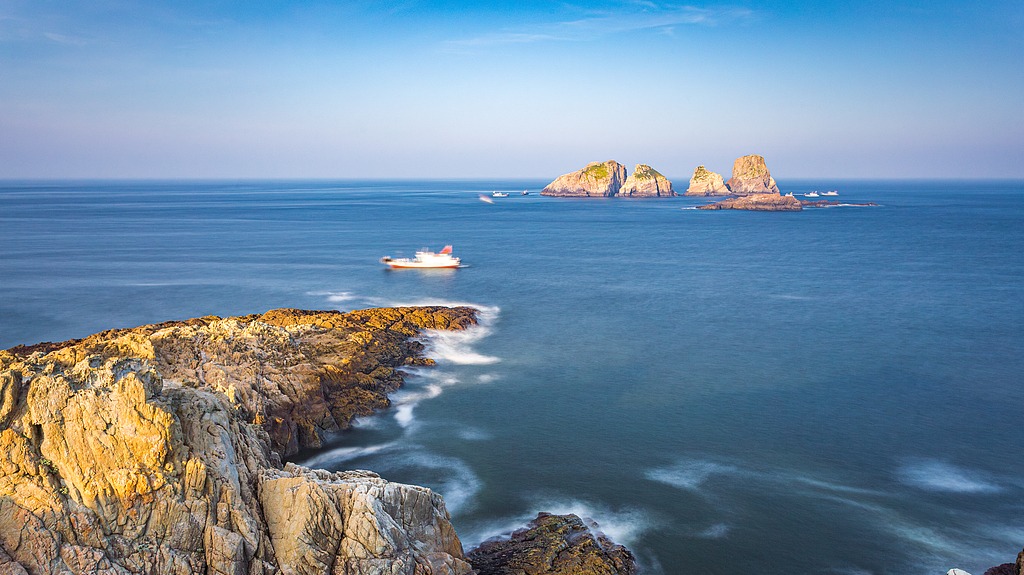
6. America Is Writing Its Own Rules for the Ocean Floor — And China Says It’s Tearing Apart International Law
BEIJING — China’s Institute for Marine Affairs released an assessment of the United Nations Convention on the Law of the Sea (UNCLOS) on June 30, warning that decades of multilateral ocean governance are under threat. Issued to mark the 30th anniversary of China becoming a State Party to UNCLOS, the report identified a critical flashpoint: the United States has built a domestic licensing system for deep-sea mining in international waters, bypassing the International Seabed Authority — the body UNCLOS designates as the sole manager of seabed mineral resources on behalf of all humanity.
“This substitutes domestic law for international law,” said Professor Zhang Haiwen, calling it “a very bad precedent.” The report also flags challenges UNCLOS never anticipated — climate change, artificial intelligence, and autonomous vessels — while warning that abuse of dispute settlement procedures poses a genuine threat to the legal order the convention was designed to protect.
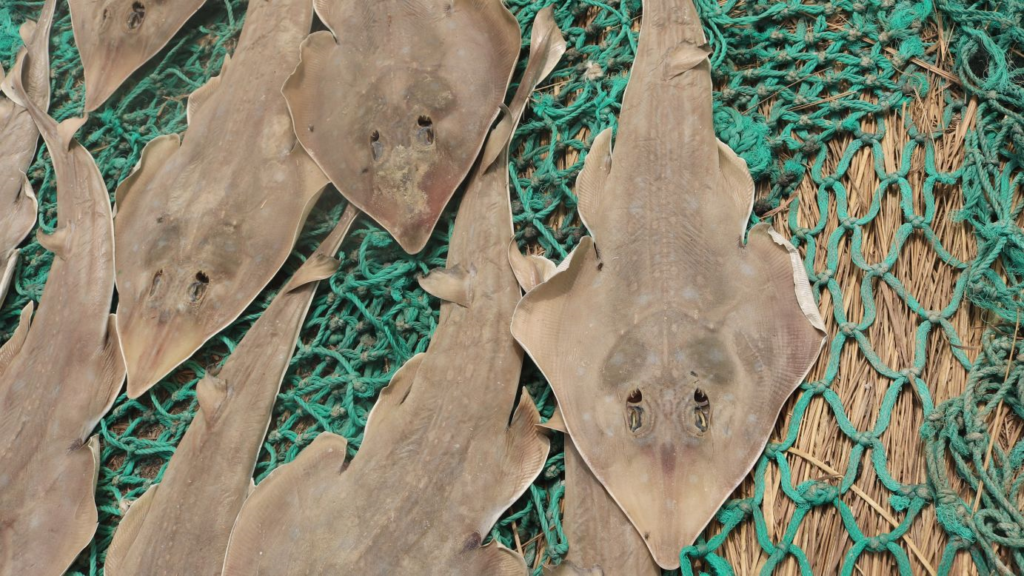
7. A Jurassic Sea Creature Is Being Hunted to Extinction — One Scientist Is Turning Its Killers Into Its Guardians
ACCRA, Ghana — The guitarfish, a “living fossil” whose ancestors swam with dinosaurs, is quietly vanishing from Ghanaian waters — and almost nobody knows it. Part shark, part ray, all four of Ghana’s guitarfish species are critically endangered, their fins fetching hundreds of dollars per kilogram in Asian markets, where they are dried and sold as a luxury ingredient in shark fin soup. Dr. Issah Seidu, a marine biologist and founder of the nonprofit AquaLife Conservancy, has spent a decade reversing the slide.
His strategy: instead of fighting fishers, train them. Using what he calls the “fisher biologist model,” Seidu has turned 200 fishers into data collectors and conservation guardians. Two communities have voluntarily banned dynamite fishing. His work recently earned a Whitley Award. His next goal is full Convention on International Trade in Endangered Species (CITES) Appendix I protection — a worldwide trade ban — before they disappear.

8. The World Bank Just Quietly Abandoned Its Most Important Climate Target — And Washington Is Behind It
WASHINGTON — The World Bank has dropped its pledge to direct 45 percent of its financing to climate-related projects, following sustained pressure from the U.S. Administration, which called the target “distortionary” and “nonsensical.” The move, announced Monday following a board meeting, marks a significant shift in U.S. foreign economic policy away from climate-aligned multilateral lending. Ironically, the bank exceeded its own target last year, directing 48 percent of its financing toward climate projects.
Its broader Climate Change Action Plan — which supports emissions reduction and climate adaptation — was preserved and extended pending an independent evaluation. “Targets send enormous signals about an institution’s direction of travel,” said Clemence Landers of the Center for Global Development. The bank’s retreat is being closely watched as wealthy nations negotiate a $300 billion annual climate fund for developing countries by 2035.
9. Sacred Pacific Ocean Sanctuaries Are Being Handed Over to Commercial Fishing Fleets — Indigenous Communities Say It’s an Attack on Their Ancestors
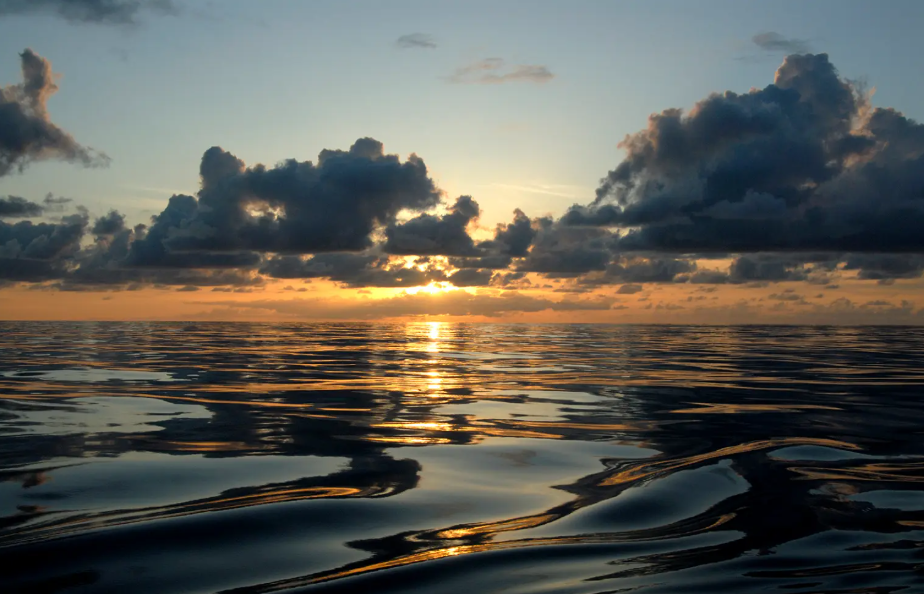
HONOLULU — A White House proclamation has opened parts of three Pacific national marine monuments — Papahānaumokuākea, Rose Atoll, and the Mariana Trench — totaling roughly half a million square miles to commercial fishing, overturning protections that Indigenous communities spent decades securing. The areas are home to more than 7,000 species, including Hawaiian monk seals, humpback whales, and green sea turtles, many of which are critically endangered. The U.S. Administration argues the move will generate jobs and lower seafood costs. Scientists sharply disagree.
“We are destroying the capacity of the oceans to make the food we need,” said Camilo Mora of the University of Hawai’i at Mānoa, warning that opening Papahānaumokuākea to commercial fishing could trigger a trophic cascade and widespread population collapse. For Native Hawaiians, the stakes are existential. “It’s the place where our souls return to after death,” said cultural advocate Kekuewa Kikiloi. Legal challenges are already being prepared.
10. Scientists Just Found a 400-Year-Old Sea Creature the Size of a Two-Story House — and Nobody Knew It Was There
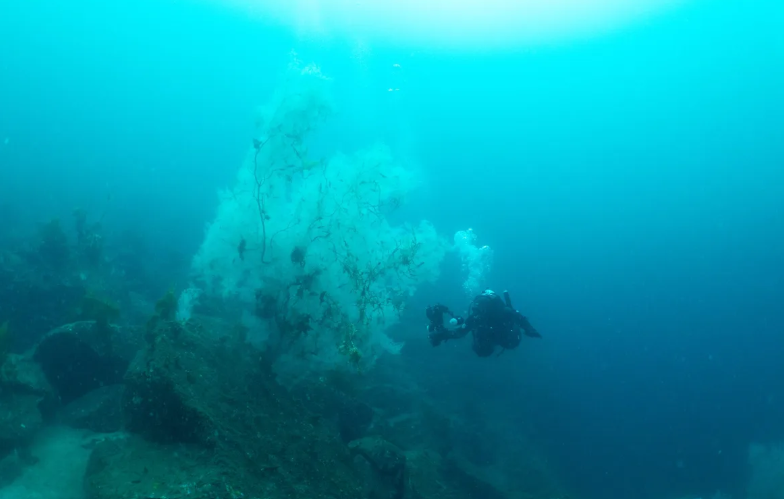
FIORDLAND, New Zealand — Researchers diving in the remote waters of Fiordland, off New Zealand’s South Island, have discovered one of the largest black corals ever recorded in the country — a towering colony measuring 4 metres high and 4.5 metres wide, estimated to be between 300 and 400 years old. Marine biologist James Bell of Te Herenga Waka–Victoria University of Wellington called it “absolutely huge.” “It’s by far the largest black coral I’ve seen in my 25 years as a marine biologist.
Most black corals we come across when we’re diving are small, with bigger ones usually less than two to three metres tall.” Black corals are among the longest-living organisms on Earth — some specimens exceed 4,000 years of age. Their slow growth makes large colonies irreplaceable as breeding stock. Bell is now calling on divers to report similar giants so scientists can map their distribution across Fiordland.
11. Australia’s Whale Season Just Collapsed by 60 Percent — and Nobody Knows Why
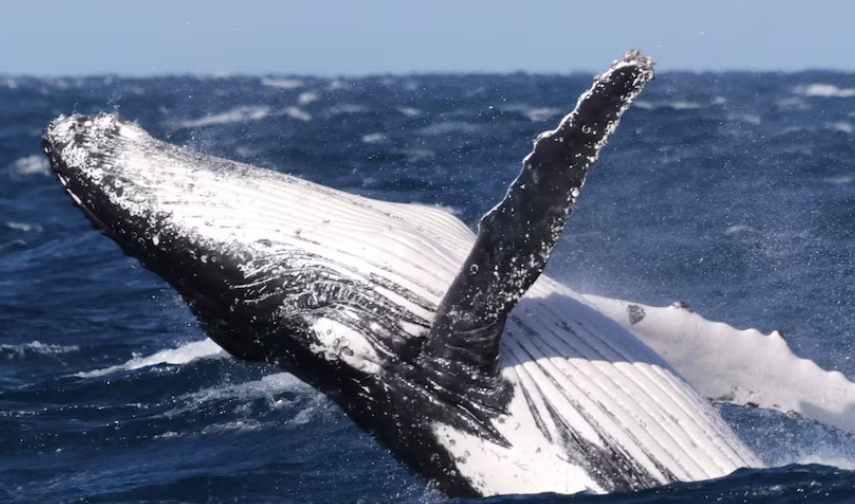
BUNBURY, Australia — Whale-watching operators and marine scientists along Western Australia’s southwest coast are sounding the alarm after humpback whale sightings plummeted 60 percent during the annual winter migration. At Cape Naturaliste, 260 kilometres south of Perth, researchers recorded just 22 humpbacks — down from 69 and 62 in the previous two years.
Operator Paul Cross said his crews counted 32 whales over a weekend, compared with 93 last year. “I’ve never seen the numbers in Flinders Bay as low as what I have this season,” he said. Geographe Marine Research chair Capri Jolliffe said the decline far exceeds normal variability and suspects H5 avian influenza — already confirmed in four migratory seabirds on WA’s south coast — may be involved. A southern right whale was also spotted disoriented and swimming in circles near Dawesville. Scientists are urging authorities to test washed-up carcasses before the season closes.
12. Scientists Just Found That Tuna Fishing Floats Are Secretly Invading the World’s Most Protected Ocean Sanctuaries
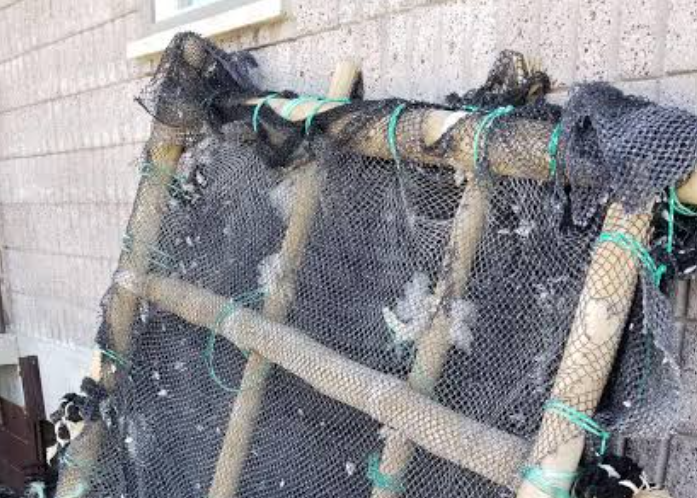
HONOLULU — A new international study published in Science Advances has found that drifting fish aggregating devices — GPS-equipped floating rafts used by the global tuna industry to locate fish — have likely drifted through more than half of the world’s marine protected areas by total area. Researchers documented at least 6,300 strandings in 174 protected areas across 53 maritime jurisdictions, with hotspots in the central Pacific, western Indian Ocean, and Caribbean.
When stranded on reefs or coastlines, the devices damage coral, contribute to plastic pollution, and entangle sea turtles and sharks — threatening nearly 500 at-risk species. “Marine protected areas are designed to safeguard ocean ecosystems, but drifting fishing devices do not recognize those boundaries,” said co-author John Lynham of the University of Hawaiʻi at Mānoa. The cleanup burden typically falls on small island nations that benefit least from the global tuna trade.
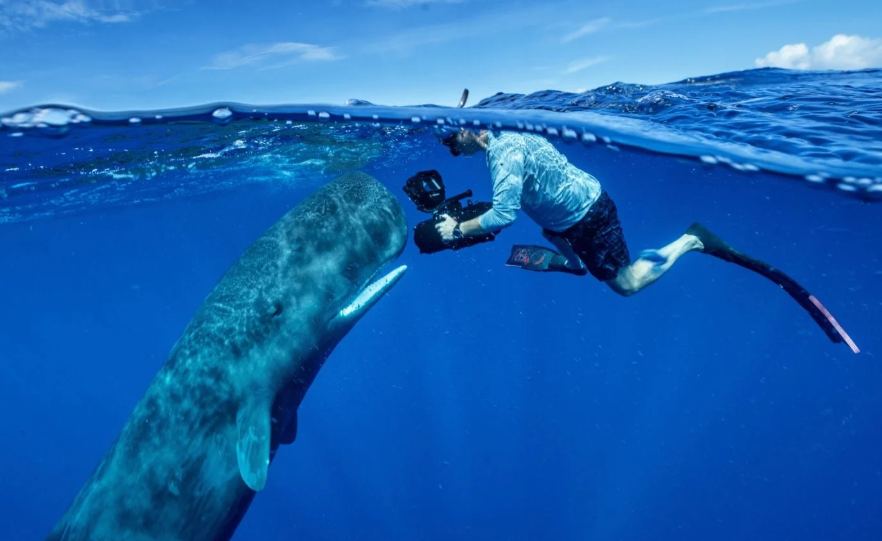
13. We’ve Spent Billions Searching Space for Intelligent Life — It’s Been Swimming Next to Us the Whole Time
ROSEAU, Dominica — Scientists searching for signs of intelligent life may not need to look beyond the ocean. Project CETI (Cetacean Translation Initiative) — a team of marine biologists, machine learning experts, linguists, and legal scholars — has made a landmark breakthrough in decoding sperm whales’ language. Using AI to analyze the whales’ clicking sounds, called “codas,” researchers discovered that sperm whale communication uses vowels — two foundational sound patterns analogous to those underpinning human language — exchanged intentionally and consistently between individuals in what resembles conversation.
The discovery suggests a vocabulary potentially large enough to convey complex ideas. Wildlife photographers Paul Nicklen and Cristina Mittermeier, who swam with the research pod off Dominica, say the implications reach far beyond science. Project CETI now argues its findings already support a legal case for whale personhood — enforceable rights protecting whales from harm and habitat destruction — an idea once dismissed as fringe that is gaining serious traction in scientific and legal circles.
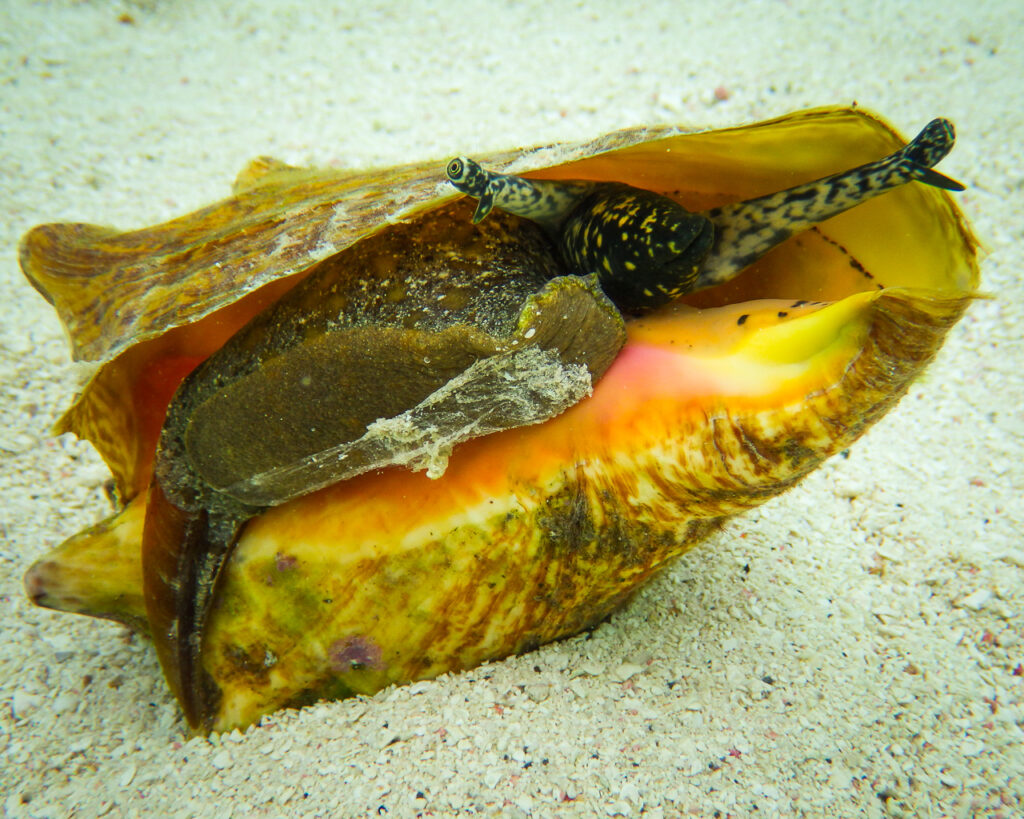
14. This Solar-Powered Lab on Wheels Just Hatched the Caribbean’s Most Endangered Shell — and Local Communities Are Doing It Themselves
ELEUTHERA, Bahamas — A solar-powered mobile hatchery has hatched its first queen conch larvae, delivering a breakthrough for one of the Caribbean’s most culturally vital and commercially threatened marine species. Operated by Florida Atlantic University’s Harbor Branch Oceanographic Institute, the 26-foot self-contained unit produced more than 300 juvenile conch from two egg masses since April. Native to the Caribbean, the queen conch grazes algae and sustains the seagrass ecosystems critical to regional fisheries.
Decades of overfishing — roughly 31,000 tons harvested annually between 1980 and 2020 — have pushed the species toward commercial extinction within 15 years. “We are now actively growing the next generation of queen conch for restoration,” said Dr. Megan Davis of FAU Harbor Branch. Supported by Chef José Andrés’ Longer Tables Fund, the programme has since expanded to Puerto Rico, Jamaica, Curaçao, and multiple additional Bahamian communities.
15. False Killer Whales Are Keeping Their Hunting Secrets Inside the Family — and It Could Be the Key to Saving Them
AUCKLAND, New Zealand — A new study published in Royal Society Open Science has found that false killer whales — large, highly social dolphins capable of roaming thousands of miles of open ocean — are surprisingly loyal to their own family groups when it comes to hunting. Researchers analyzed DNA and stable isotopes from 164 skin samples collected across the Falkland Islands, Australia, and Aotearoa, New Zealand. Each matrilineal social cluster maintained its own narrow, distinct foraging niche with less than five percent overlap with neighboring groups — meaning separate family lines are effectively hunting in entirely different ecological lanes.
“These findings highlight the value of complementary datasets in understanding genetic and ecological divergence in wide-ranging social mammals,” the authors write. The discovery has significant conservation implications: if a social cluster is wiped out by bycatch or strandings, its unique ecological role and foraging knowledge — passed down through mothers — may be irreplaceable.
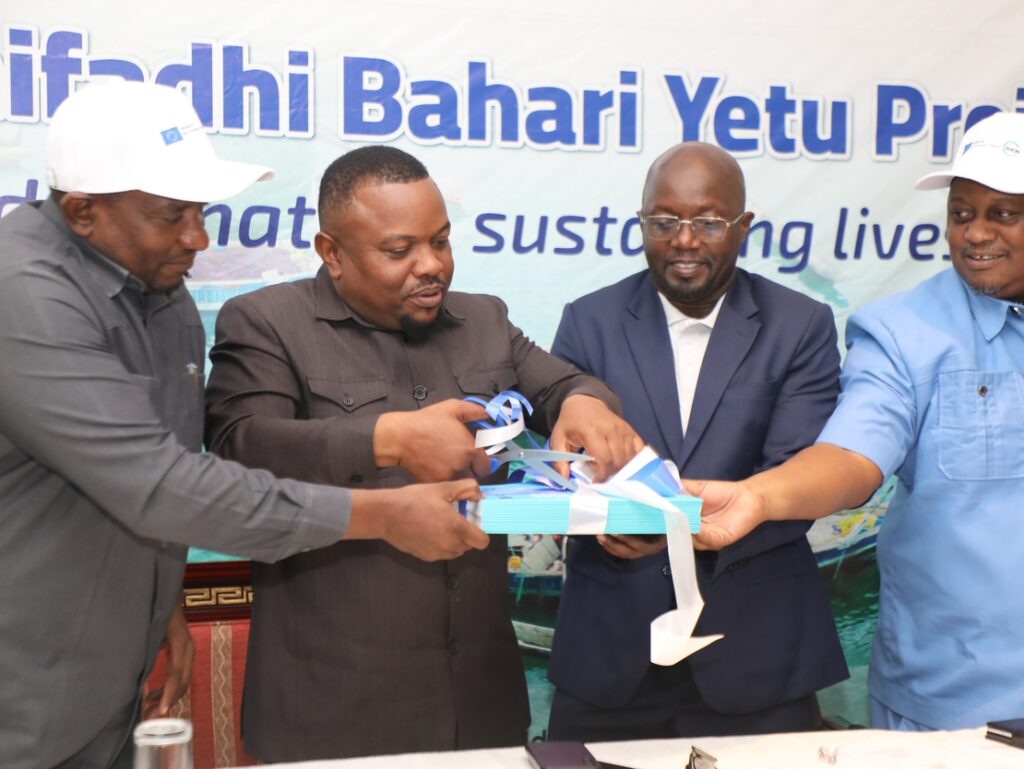
16. For the First Time, Everyone Who Depends on Tanzania’s Coast — Fishermen, Scientists, Government — Just Agreed to Protect It Together
MTWARA, Tanzania — One of East Africa’s most ecologically rich coastlines took a landmark step June 30 with the official launch of the Mtwara Seascape Multi-Stakeholder Forum — a governance platform that for the first time unites government agencies, local fishing communities, researchers, civil society, and the private sector under a single management framework. Stretching from the Ruvuma River estuary in the south to Mgao village in the north, the seascape faces mounting threats from illegal fishing, mangrove degradation, marine pollution, and climate change.
“The challenges facing our ocean cannot be solved by one institution alone,” said District Commissioner Hon. Abdalla Mwaipaya. IUCN’s Dr. Mathias Igulu called the launch “a new partnership to protect our shared marine heritage.” Funded by the European Union and implemented with The Nature Conservancy, WWF, and WCS, the Forum is designed to accelerate Tanzania’s Blue Economy agenda. At the same time, ensuring resources endure for future generations.
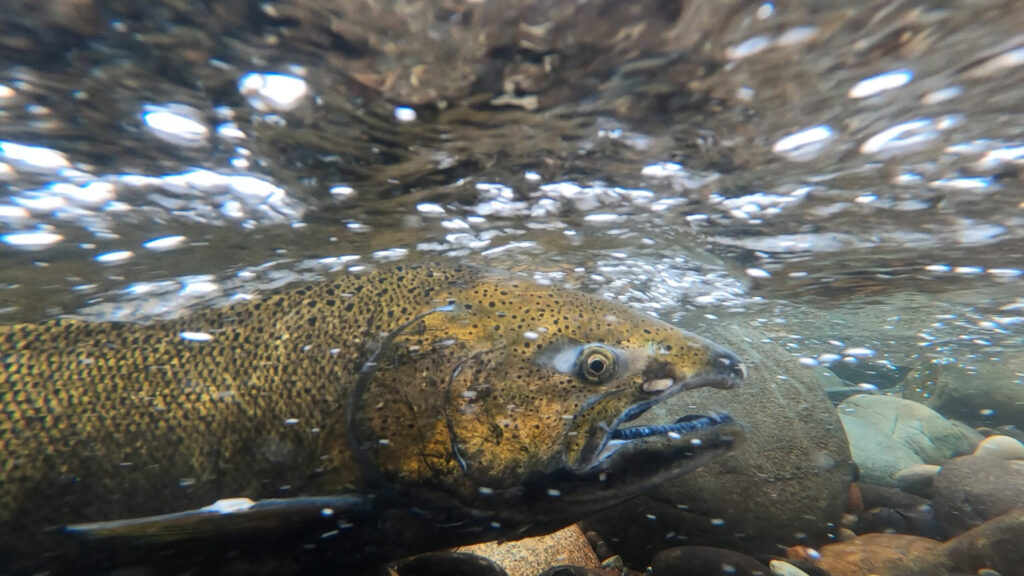
17. California’s Salmon Make a Comeback After Years of Decline — State Says the Rebound Is Real
SACRAMENTO — California officials report major gains in salmon recovery two years after launching the state’s first statewide strategy to protect the species amid hotter, drier conditions. According to the California Department of Fish and Wildlife’s new progress report, 49% of the 71 planned actions have been fully completed, and the remaining efforts are underway. State leaders say recent wet winters and expanded habitat restoration have strengthened salmon runs enough to reopen commercial and recreational ocean fishing for the first time since 2022.
The report highlights salmon returning to newly accessible Klamath Basin habitat after dam removals, successful spring‑run Chinook reintroduction above Yuba River rim dams, activation of the state’s largest floodplain rearing project at Fremont Weir, and extended minimum flows in the Scott and Shasta rivers through 2030. Officials emphasize collaboration among tribal nations, agencies, utilities, and fishing communities.