


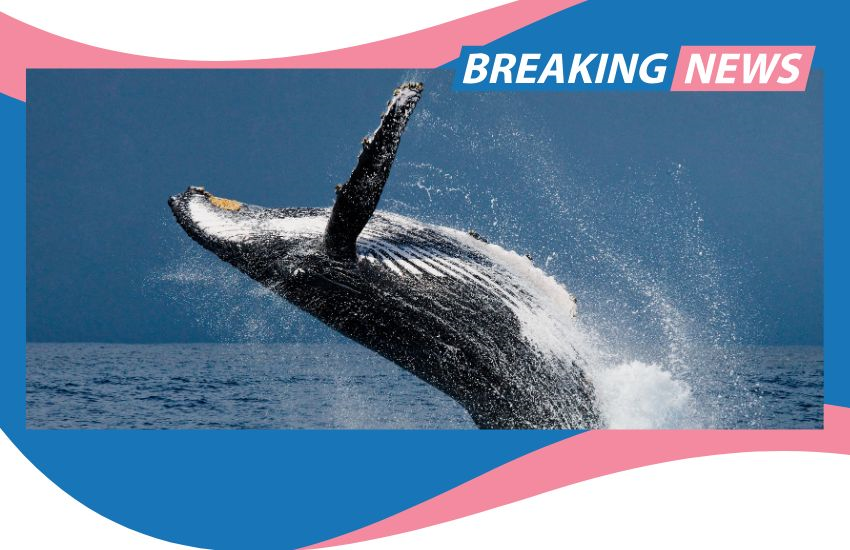
1. Bipartisan Fury Forces Current Administration to Save America’s Ocean Eyes
Washington, D.C. — CNN reports that the current administration has reversed its controversial decision to dismantle the Ocean Observatories Initiative (OOI), a critical $386 million deep-sea monitoring network, after a furious bipartisan backlash in Congress. The National Science Foundation (NSF), which had announced plans in May to “descope” the decades-old system by pulling up buoys and underwater instruments from arrays off areas such as Alaska, Washington, Oregon, North Carolina and Greenland, confirmed Thursday it will immediately halt all further removals.
The reversal came after the senate coted unanimously to pass the bipartisan “saving the OOI” Act, co-led by Sen. Jeff Merkley (D-Ore.) and Sen. Lisa Murkowski (R-Alaska), blocking federal funds from being used to dismantle the system. Established in 2016, the OOI’s roughly 900 instruments track ocean conditions that underpin fisheries management, weather forecasting, and provide monitoring of the Atlantic Ocean Currents that scientists fear could be on the verge of collapse. NSF says it will now convene an expert panel to chart a sustainable path forward, but with some instruments already removed, the true cost of this policy whiplash to ocean science remains yet to be seen.
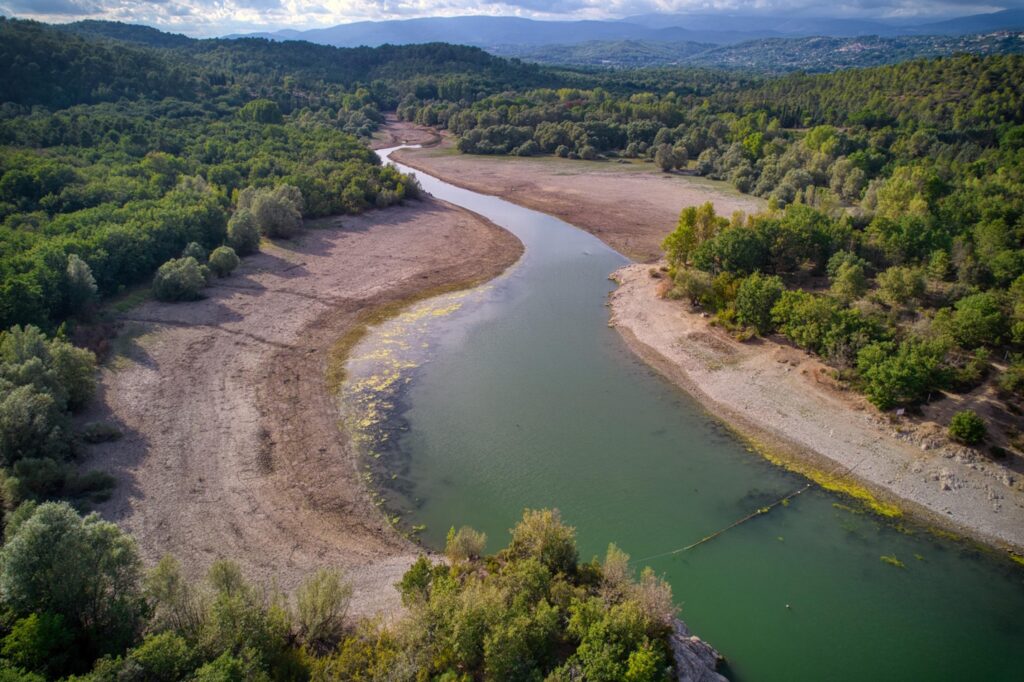
2. A Potentially Historic El Niño Could Reshape Global Weather and Trigger Humanitarian Crises
BRUSSELS, Belgium — A new analysis from the European Commission’s Joint Research Centre warns that an exceptionally strong El Niño is virtually certain to develop in 2026, with the potential to become unprecedented in modern records and drive severe humanitarian impacts through 2027. Seasonal forecasts show extreme heat building across the tropics and subtropics from September, peaking between December 2026 and February 2027, and spreading unusually warm conditions across much of the world, including a possible reversal of Europe’s typical El Niño cooling pattern.
The report projects intensified drought across Australia, South‑East Asia, southern Africa, Central America, the Sahel, and the Indian subcontinent, while flooding risks rise in East Africa, Asia, and the Americas. Using the INFORM Warning system, analysts identify Central Africa, Sudan, Somalia, South Sudan, Chad, Ecuador, Venezuela, and Haiti as facing the highest humanitarian deterioration as climate shocks compound conflict, displacement, and food insecurity.
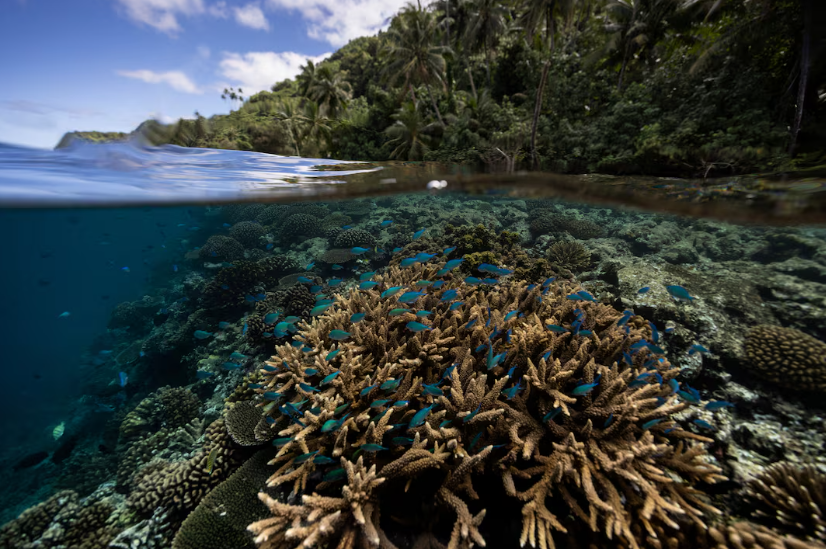
3. Scientists Reveal Massive Hidden Network of Climate‑Resilient Coral Reefs
SINGAPORE — A global team of marine scientists has identified 166,000 square kilometers (64,000 square miles) of coral reefs with the capacity to survive and recover from accelerating climate impacts, tripling previous estimates of climate‑resilient reef systems. Using more than 45,000 field surveys and decades of ocean‑temperature and bleaching‑event data, researchers mapped reefs across 71 countries and 100 territories, highlighting previously overlooked strongholds in the Caribbean, Pacific, and Indian Oceans.
The team found that only 28% of these resilient reefs fall within protected areas, underscoring a major gap as nations pursue “30 by 30” conservation targets. Scientists say the findings offer governments a rare opportunity to prioritize funding and protection for reefs most likely to endure future warming, especially as the world faces increasingly severe marine heatwaves linked to climate change.
Your generous gift helps us keep this publication afloat.
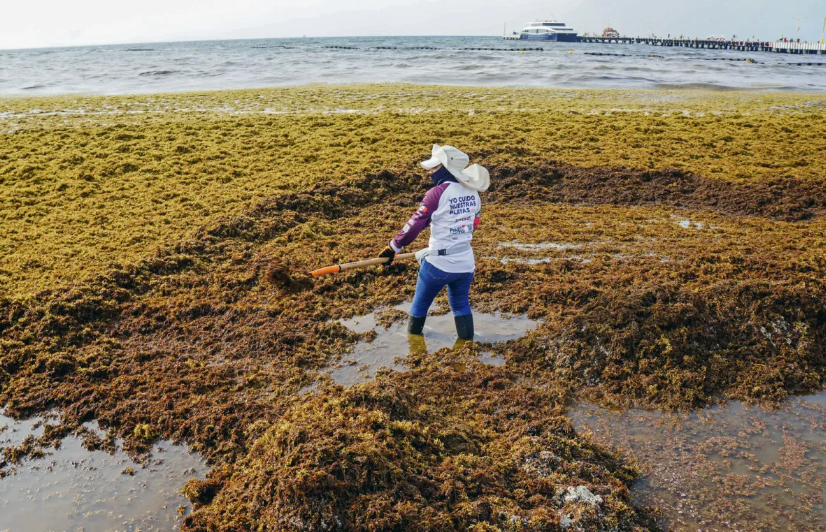
4. Tulum Bets on Sargassum Concrete as New Plant Promises to Turn Seaweed Crisis Into Construction Boom
TULUM, Mexico — A new industrial plant on the Tulum–Playa del Carmen highway is set to produce 400 cubic meters of sargassum‑based concrete per day, marking one of the region’s most ambitious attempts to convert the Caribbean’s chronic seaweed influx into a commercial building material. The facility, operated by Grupo Dakatso, plans to deploy a fleet of 15 trucks and has already submitted a proposal to repave Avenida 7 Sur, a project that could absorb 1,800 tons of sargassum using the company’s “sargacreto” technology.
The material, already installed at the Campeche train station, costs about 10% more than conventional concrete but carries environmental certifications tied to U.N. sustainability programs. While the plant could divert meaningful volumes of seaweed from coastal disposal, researchers note that Quintana Roo’s seasonal arrivals far exceed what any single facility can process, leaving broader management challenges unresolved.
4. California’s Newest Invader Could Choke Waterways, Threaten Infrastructure, and Cost Billions
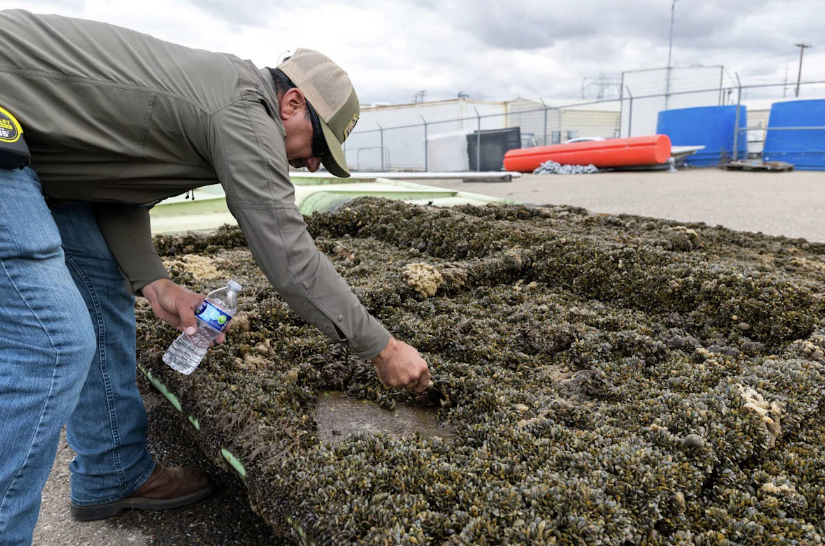
California officials are scrambling to contain a fast‑spreading infestation of golden mussels, an invasive Asian species first detected in Stockton’s shipping channel less than two years ago and now advancing through the state’s vast water‑delivery network. The mussels have colonized pumps, pipes, docks, and fish‑protection facilities from the Sacramento–San Joaquin Delta to Southern California, forming dense layers that clog infrastructure and require constant scraping, disinfection, and shutdowns for maintenance.
Agencies report rising costs, limited treatment options, and growing risks to flood control, hydropower operations, and drinking‑water systems. Lawmakers have introduced state and federal bills to fund research, tighten boat‑inspection rules, and support emergency response as the mussels approach high‑value waters like Lake Tahoe. Scientists warn the species tolerates a wide range of conditions, spreads rapidly, and may be impossible to eradicate once fully established.
6. First‑Ever Footage of a Living Goblin Shark Reveals a Deep‑Sea Predator Far More Widespread Than Scientists Believed
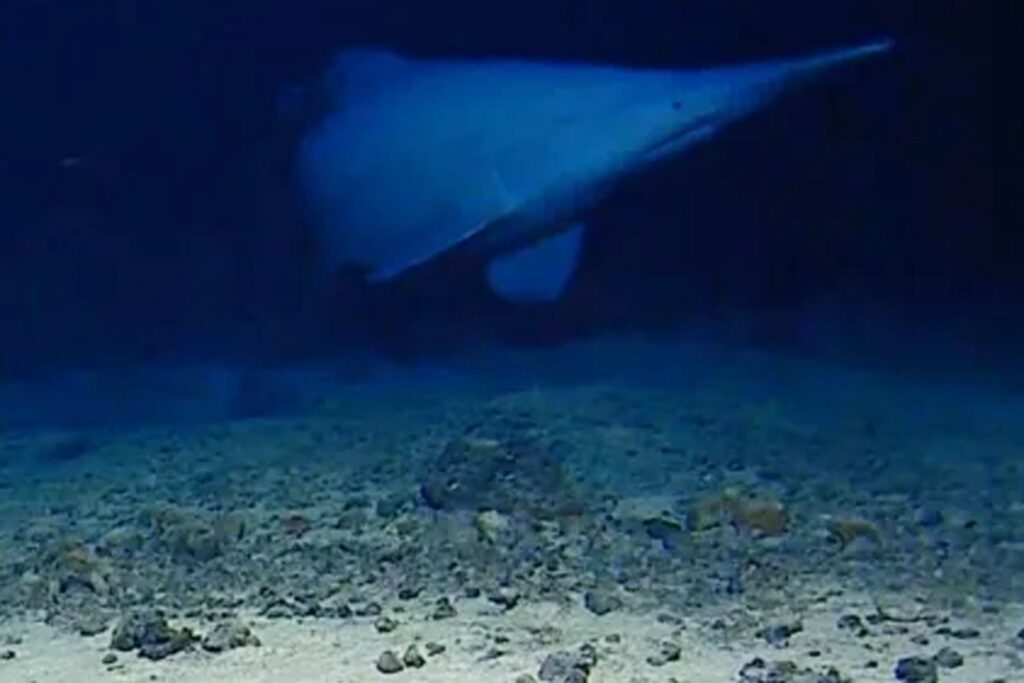
PERTH, Australia — Scientists have captured the first confirmed footage of a living goblin shark in its natural deep‑ocean habitat, documenting two rare encounters that dramatically expand the species’ known depth and geographic range. Researchers from the Minderoo–University of Western Australia Deep‑Sea Research Centre and the University of Hawaii recorded one shark at 1,237 meters near Jarvis Island and another at 1,997 meters in the Tonga Trench, the deepest sighting ever for any white shark.
Until now, the species had only been observed after being hauled to the surface on fishing lines, leaving its behavior and distribution largely unknown. The findings show the shark’s range extends far beyond previously mapped regions in the Pacific, Atlantic, and Indian Oceans. Scientists say the discovery underscores how little is understood about deep‑sea biodiversity and highlights the need for expanded exploration and management.
7. Arctic Ocean Hits a Dangerous Ecological Tipping Point as Melting Ice Triggers Nutrient Collapse
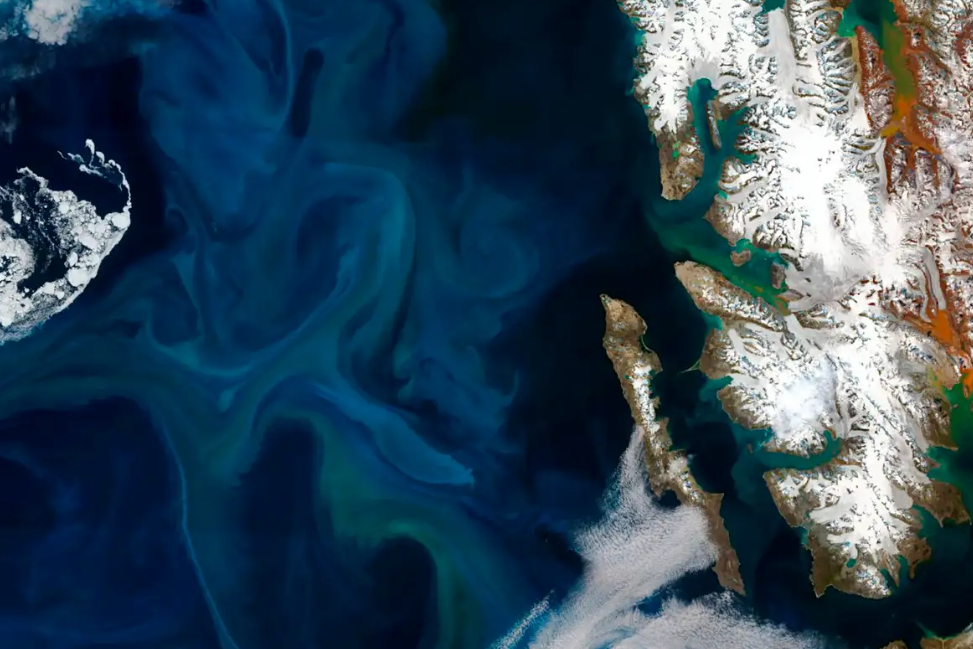
LONDON, United Kingdom — New research shows the Arctic Ocean has crossed a critical ecological threshold as disappearing sea ice allows unprecedented sunlight to penetrate surface waters, triggering explosive phytoplankton blooms that are now starving other regions of essential nutrients. Satellite data reveal record‑breaking chlorophyll concentrations in parts of the Arctic, but scientists warn the boom is masking a deeper crisis: rapid depletion of nitrate, a key nutrient that supports zooplankton, fish, seals, and polar bears.
As blooms intensify in sunlit areas, currents redistribute nutrient‑poor water across the basin, reducing productivity in regions that historically supported rich marine life. Researchers say the shift could destabilize food webs stretching into the North Atlantic, threatening commercial fisheries and wildlife already stressed by warming temperatures. The findings suggest the Arctic is entering a new biological regime with far‑reaching consequences.
8. North Atlantic’s Mysterious Cold Patch Signals a Dangerous Slowdown in a Major Ocean Current
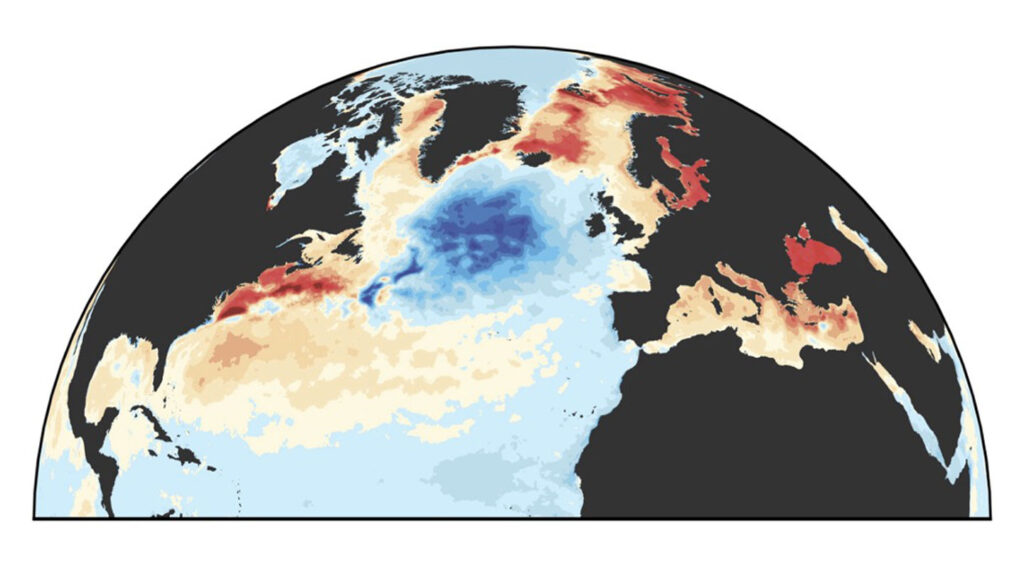
New analysis of more than a century of ocean temperature and heat‑flux records shows the North Atlantic’s persistent “cold blob” is being driven by a decline in the Atlantic Meridional Overturning Circulation, a massive current that transports heat from the tropics toward Europe. Researchers found that the region south of Greenland and Iceland has cooled by about 1 degree Celsius since the 19th century, even as global oceans have warmed, and that heat loss to the atmosphere has actually decreased rather than increased.
The strongest drop in heat content appears in the upper 1,000 meters, aligning with the AMOC’s pathway and pointing to reduced heat delivery rather than surface‑driven cooling. Scientists warn the trend is a clear sign the current may be approaching a tipping point, with potential consequences for European weather, agriculture, and global climate stability.
9. Global Leaders Converge in Kenya as Our Ocean Summit Targets Paper Parks, Blue Finance, and High Seas Treaty Enforcement
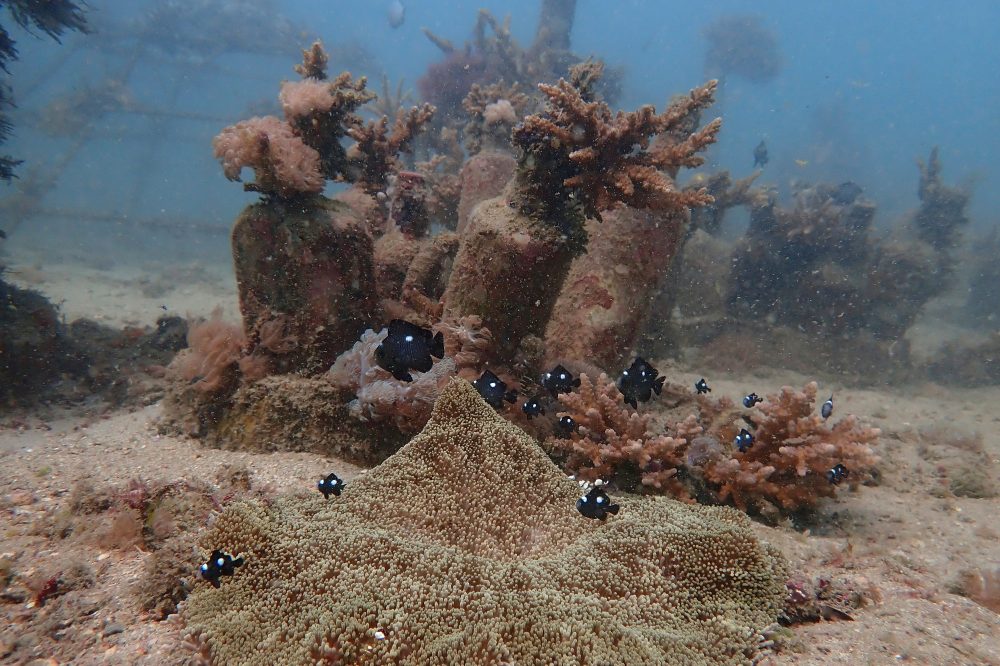
MOMBASA, Kenya — Delegates from more than 100 nations, NGOs, and research institutions are gathering on the Swahili Coast for the first Our Ocean conference ever held on African soil, aiming to shift global ocean governance from pledges to measurable action. With the theme “Our Ocean, Our Heritage, Our Future,” discussions are centering on closing blue‑finance gaps, improving fisheries transparency, and confronting the widespread problem of marine protected areas that exist only on paper.
African nations, now the largest regional bloc at the summit, are pressing for stronger enforcement of the High Seas Treaty, which entered into force in January 2026, and for equitable benefit‑sharing as deep‑sea mining pressures grow. Delegates are also examining new financial tools such as blue bonds, debt‑for‑nature swaps, and parametric insurance to support coastal communities while reducing reliance on foreign aid. Civil society groups are urging negotiators to address fossil‑fuel expansion as a core driver of ocean warming.
10. Madagascar and Zanzibar Roll Out Sweeping Shark and Ray Protections as East Africa Emerges as a Global Conservation Leader
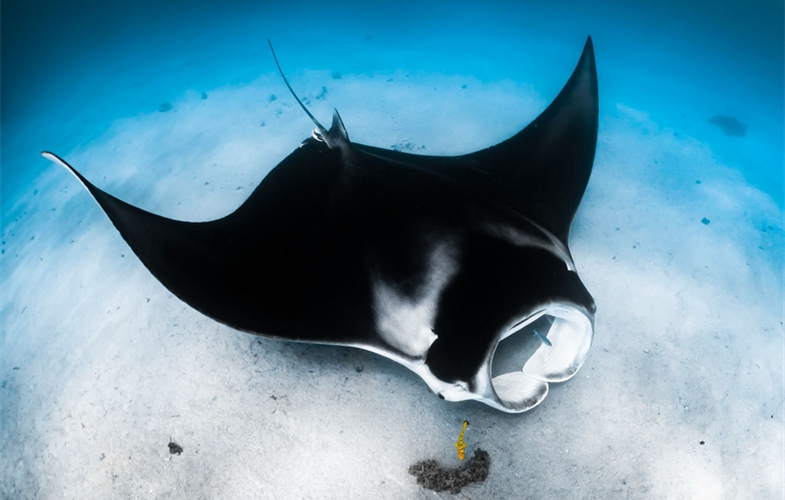
MOMBASA, Kenya — Madagascar and Zanzibar announced major new national protections for sharks and rays at a side event during the Our Ocean conference, marking one of the most significant regional conservation advances in a decade. Madagascar will grant full protection to 14 species under its Wild Fauna Decree, including oceanic whitetip sharks, whale sharks, and manta rays. Zanzibar will extend full protection to 34 species in its coastal waters, covering hammerheads, threshers, and the endemic Zanzibar guitarfish.
Scientists say the measures reflect accelerating global momentum following recent CITES decisions that brought most of the shark‑fin and shark‑meat trade under international regulation for the first time. Conservation groups note that while more than 37 percent of shark and ray species remain threatened with extinction, East Africa’s rapid adoption of national laws shows how global agreements are beginning to translate into local action.
11. New Global Report Warns Marine 30×30 Will Fail Without Massive Investment in People, Governance, and Long‑Term Capacity
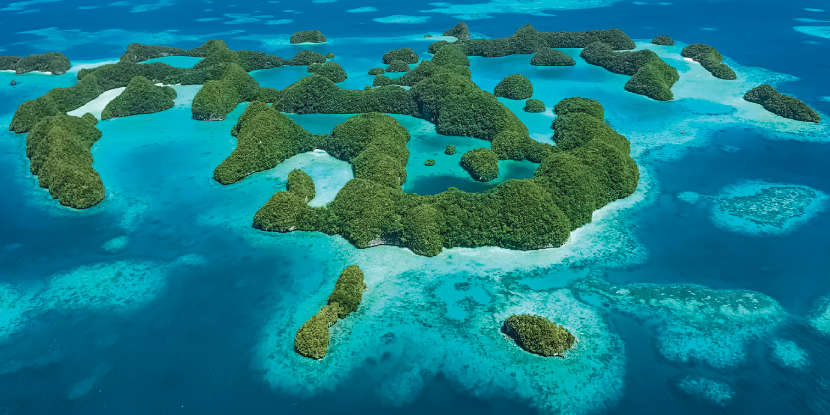
MOMBASA, Kenya — A major new report released at the Our Ocean conference warns that the world is on track to miss its marine 30×30 goals unless governments and funders dramatically increase investment in the people, institutions, and systems needed to turn protected‑area commitments into real conservation outcomes. Produced by the Smithsonian Tropical Research Institute, the assessment finds that while designated marine protected areas now cover 9.8 percent of the global ocean, at least half are ineffective or unimplemented, and nearly 20 percent of the ocean still requires protection by 2030.
The report identifies a widening implementation gap driven by weak governance, unstable funding, limited technical capacity, and a mismatch between advanced monitoring technologies and the on‑the‑ground ability to use them. Authors call for region‑specific governance, long‑term financing, inclusive community engagement, and stronger coordination to ensure protections become more than lines on a map.