


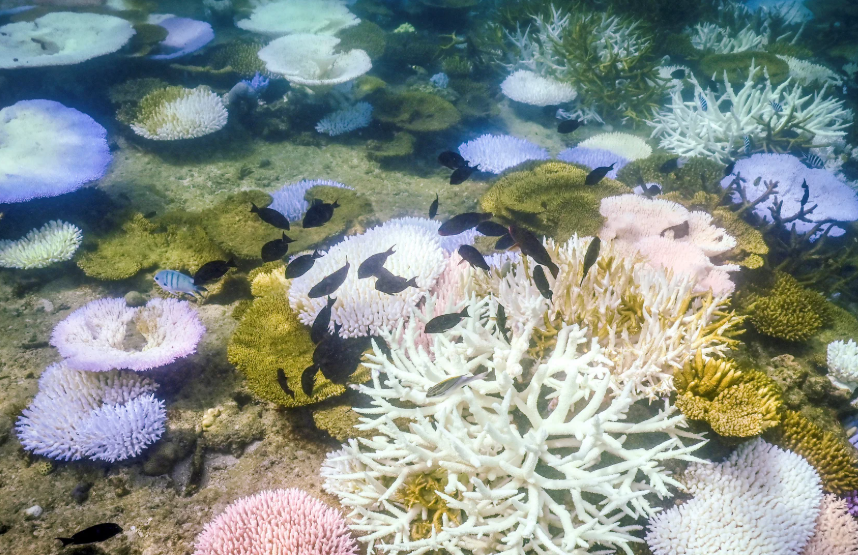
1. US Policies Are Speeding Up the Collapse of Guam’s Coral Reefs, Scientists Warn
Hagåtña, Guam — Scientists say U.S. government actions are accelerating the decline of Guam’s coral reefs, one of the most biologically rich reef systems under U.S. jurisdiction. In a letter published in Science, researchers warn that military expansion, dredging, and live‑fire training ranges are compounding climate‑driven bleaching and disease. They argue that gaps in the Endangered Species Act leave many Indo‑Pacific corals unprotected because their taxonomy has never been genetically verified.
The authors also criticize proposed federal policy changes that would weaken habitat protections by allowing degraded reefs to be treated as baseline conditions, reducing accountability for further damage. Guam has already lost significant coral cover in recent years, and scientists fear the island could face a Florida‑style “functional extinction” without stronger safeguards. Indigenous communities say the impacts echo decades of military‑related environmental harm.
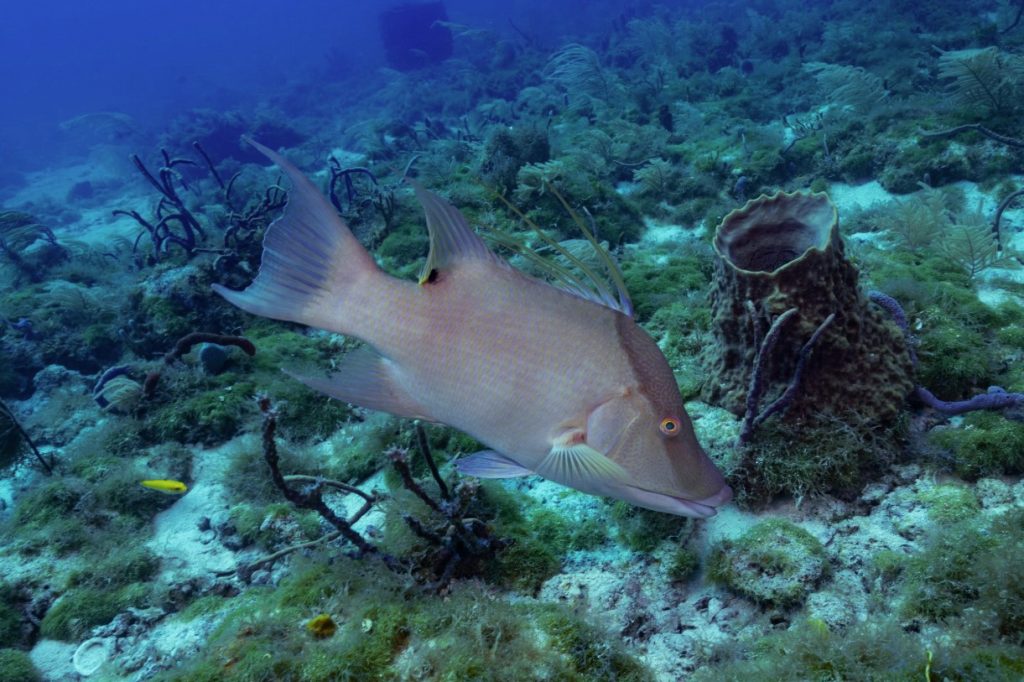
2. Two Seasons of Coral Reef Monitoring Reveal Shifts Across the Atlantic and Caribbean
NOAA’s National Coral Reef Monitoring Program (NCRMP) is highlighting findings from two consecutive survey seasons that spanned Florida, the Flower Garden Banks National Marine Sanctuary, the U.S. Virgin Islands, and Puerto Rico. A new StoryMap details how divers conducted more than 1,800 fish and benthic surveys across these regions in 2024, documenting species abundance, coral health, invasive species, and signs of bleaching or disease.
The team also captured thousands of images to build photogrammetry models, offering high‑resolution views of reef structure and change over time. The 2025 mission expanded monitoring to 776 sites in the Virgin Islands and Puerto Rico, marking the first comprehensive assessment after severe bleaching events in 2023 and 2024. Researchers report early indicators of recovery in some areas and continued stress in others, underscoring the importance of long‑term monitoring to guide conservation, fisheries management, and restoration planning.
Thank you for your generous gift that will help us continue the production of this weekly, free publication
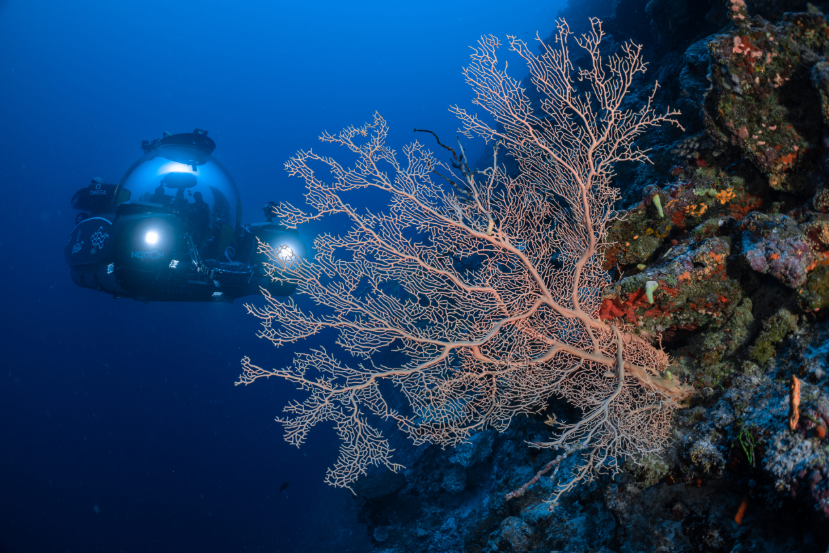
3. Scientists Say Coral Reefs Need a Global Renaissance Before Time Runs Out
A new guest column in Oceanographic Magazine warns that the world is running out of time to understand and protect coral reefs, calling for a “renaissance in discovery” to match the accelerating pace of climate‑driven decline. The author argues that despite decades of research, vast portions of reef biodiversity remain undocumented, and many species could disappear before they are ever described. The piece highlights how extreme heat events, mass bleaching, and disease outbreaks are overwhelming traditional monitoring approaches, leaving scientists without the data needed to guide restoration or predict ecosystem tipping points.
The column urges governments, funders, and research institutions to dramatically expand exploration, genomic mapping, and long‑term monitoring, emphasizing that reefs support nearly a billion people worldwide. Without a surge in scientific investment, the author warns, humanity risks losing one of the planet’s most important life‑support systems.
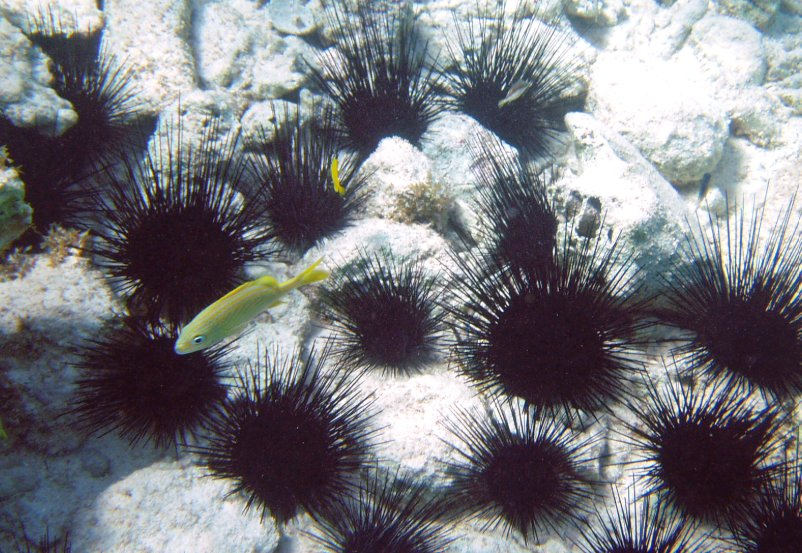
4. New Breakthrough Could Stop Algae From Smothering Coral Reefs
Gainesville, Florida — University of Florida researchers say a breakthrough in feeding baby sea urchins could help revive struggling Caribbean coral reefs. The long‑spined sea urchin Diadema antillarum once acted as the region’s natural “lawnmower,” grazing algae that otherwise smother corals. But a mass die‑off in the 1980s devastated populations, triggering widespread declines in reefs. A new UF/IFAS study led by master’s student Casey Hudspeth tested multiple diets and found that juvenile urchins survive at far higher rates when fed clumped microalgae, a discovery scientists describe as a critical step toward large‑scale restoration.
Because 99% of baby urchins typically die early, even a 1% improvement in survival could double the number reaching adulthood. The Florida Aquarium and state partners are now raising young urchins to “toddler” size before placing them on reefs, where they immediately begin clearing algae and supporting coral recovery.
5. Dow Seeks Permission to Dump Plastic Into Texas Coastal Waters Legally
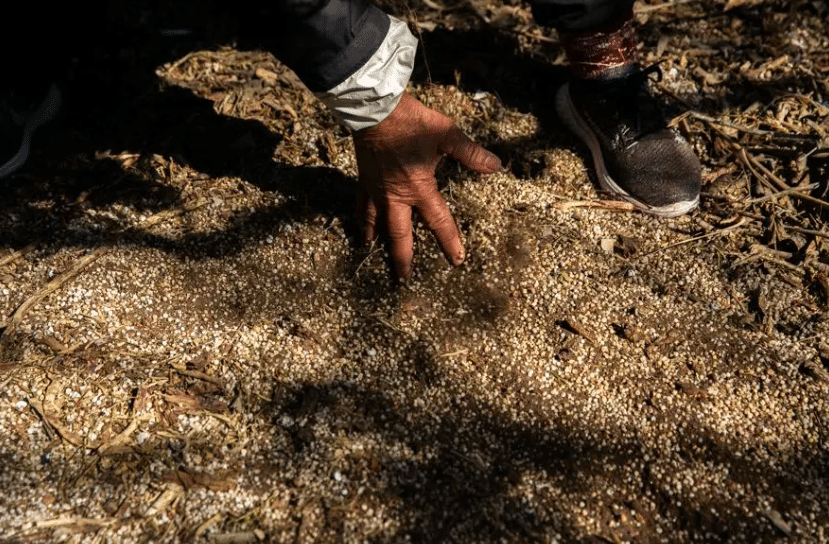
Houston, Texas — Dow is asking Texas regulators for an unprecedented permit change that would allow its massive Seadrift petrochemical complex to legally discharge plastic pellets and other solids into waterways feeding San Antonio Bay. The request comes just weeks after a citizen group, San Antonio Bay Estuarine Waterkeeper, filed notice of intent to sue the company for years of alleged illegal pollution.
Days later, the State of Texas filed its own lawsuit accusing Dow of habitual violations, a move environmental lawyers say effectively blocked the citizen case. Dow’s 320‑page application seeks to loosen long‑standing wastewater rules that limit “floating solids” to trace amounts, without specifying a new limit. Critics warn the amendment could set a dangerous precedent for plastics manufacturers statewide. The proposal is now in public comment before heading to the Texas Commission on Environmental Quality for a vote.
6. Mexico Considers Rolling Back Protections That Could Doom the World’s Rarest Marine Mammal
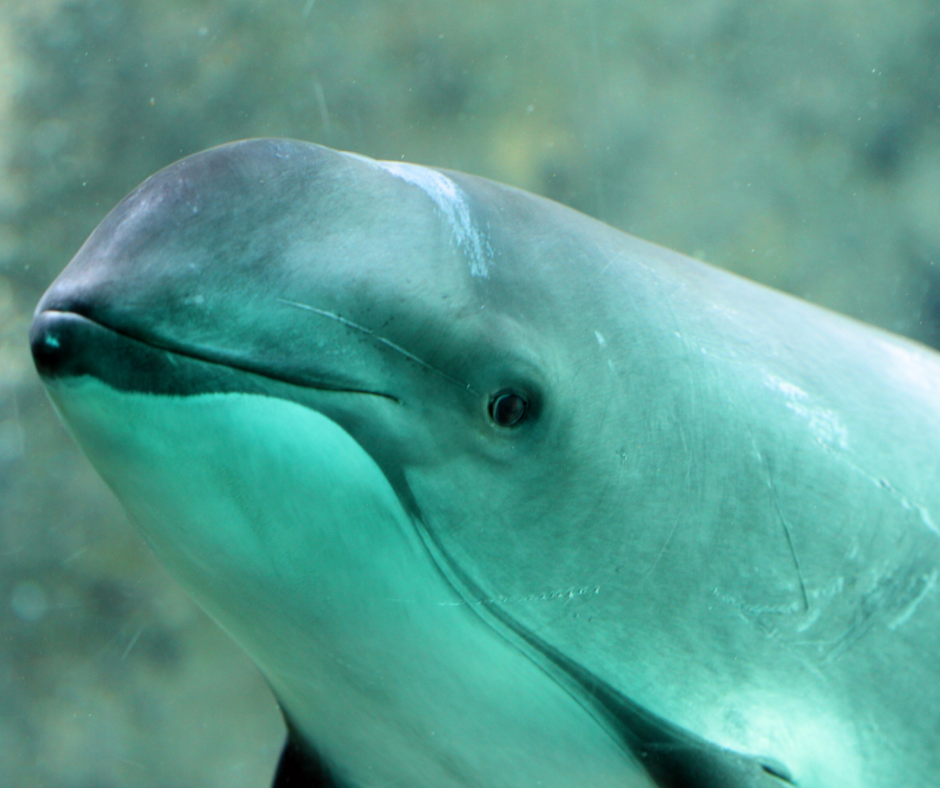
Mexico City, Mexico — Conservationists are sounding the alarm as Mexican officials consider scaling back critical protections for the vaquita, the world’s most endangered marine mammal. According to reporting from Mongabay, agencies are drafting a proposal that would shrink the “zero‑tolerance zone” in the Upper Gulf of California, where all fishing and vessel traffic are currently banned to protect the last remaining vaquitas.
The plan would also weaken restrictions on gillnets, the primary threat to the tiny porpoise, which becomes fatally entangled as bycatch. Scientists warn that, with an estimated population of just 10 individuals, any rollback could erase years of progress made through naval patrols, concrete anti‑net blocks, and partnerships with Sea Shepherd, which cut illegal gillnetting by 90 percent. Observers recently spotted a vaquita with a calf, but experts say even one entanglement could push the species past the point of recovery.

7. Brazilian Police Bust Shark‑Fin Syndicate After Seizing 3,300 Pounds of Illegal Fins
Rodelas, Brazil — Federal police in Brazil arrested seven people after uncovering a major shark‑fin processing operation tied to an international trafficking syndicate. Officers raided a rural site in Bahia State on February 12, seizing 1.5 metric tons of dried shark fins—roughly 3,300 pounds—believed to come primarily from Atlantic nurse sharks and blue sharks, both already suffering steep population declines. Investigators say the suspects were working for a Chinese‑run network that supplied the lucrative shark‑fin soup trade, where fins symbolize wealth and status.
Three of those arrested were Chinese nationals, while the remaining four were local laborers who reportedly had little understanding of the broader criminal enterprise. Police described the finning process as “extremely cruel,” noting that sharks are often mutilated alive and discarded to die. Brazil has outlawed shark finning, but loopholes around bycatch continue to fuel illegal trade.
8. New Report Exposes Widespread Labor Abuse and Illegal Fishing in China’s Massive Squid Fleet
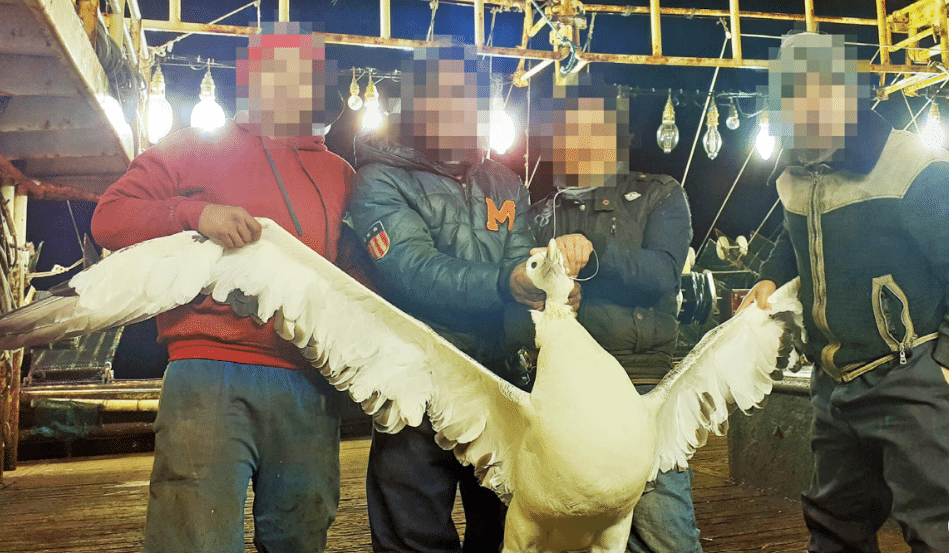
A new investigation by the Environmental Justice Foundation (EJF) reveals extensive labor exploitation and illegal fishing across China’s distant‑water squid fleet, one of the world’s largest and least regulated. The report documents forced labor, 18‑hour workdays, withheld wages, physical abuse, and deaths at sea, with many crew members trapped aboard vessels for months or years. Researchers say the fleet routinely disables tracking systems, fishes in restricted zones, and targets squid stocks already under severe pressure in the Pacific.
The study highlights how weak oversight, opaque ownership structures, and government subsidies enable vessels to operate with near impunity. EJF warns that without stronger international monitoring and sanctions, squid populations could collapse, threatening food security and marine ecosystems across the region. The report urges importing nations to tighten port inspections and require full transparency in seafood supply chains.
9. Endangered Grey Nurse Sharks Found Hooked and Killed as Officials Launch Investigation
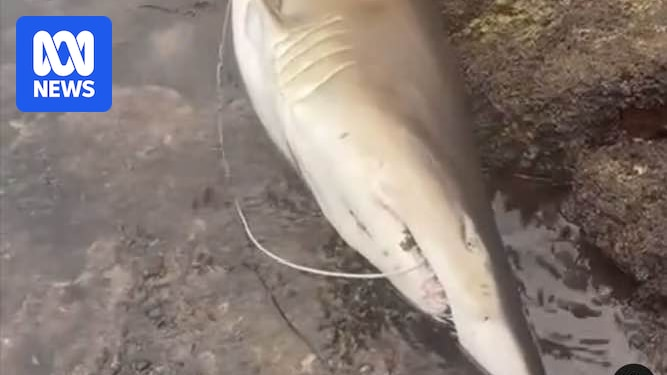
Terrigal, Australia — Fisheries authorities are investigating disturbing reports that endangered grey nurse sharks are being deliberately targeted on the New South Wales Central Coast. A video circulating on social media shows a dead grey nurse shark dragged onto rocks at Terrigal Haven by a group of teenagers using heavy game‑fishing gear. Local MP Adam Crouch condemned the behavior as “disgusting,” saying the community is outraged that young people are “posting and boasting” about harming a protected species.
Divers report multiple sharks in the area with hooks and wire tracers embedded in their mouths, including juveniles showing signs of distress and difficulty feeding. Marine advocates say the species is gentle and often compared to “Labrador dogs” in temperament, urging stronger education and enforcement. Fisheries officers plan increased patrols as residents debate whether the popular cove should become a no‑fishing marine reserve.
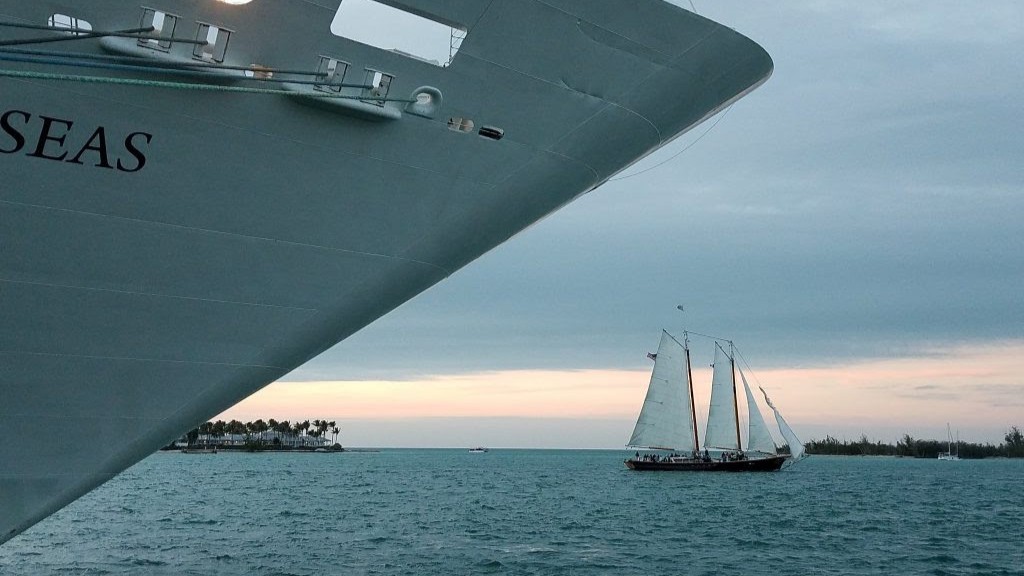
10. Developing Nations Warn They’re Being Squeezed Out as the High Seas Treaty Takes Effect
As the High Seas Treaty enters into force, experts warn that developing nations may be sidelined in a new era of ocean geopolitics dominated by wealthy, technologically advanced states. A feature in Hard News Media highlights concerns that countries lacking deep‑sea research capacity, genomic sequencing tools, and large scientific fleets will struggle to benefit from marine genetic resources—one of the treaty’s most valuable components. While the agreement promises “fair and equitable” sharing of benefits, critics say the rules remain vague, leaving room for powerful nations and corporations to control access to data, samples, and intellectual property.
The article notes that many coastal and small‑island states fear repeating past patterns where global commons were exploited without meaningful participation. Analysts argue that unless capacity‑building and technology transfer are dramatically scaled up, the treaty could entrench inequality rather than resolve it.
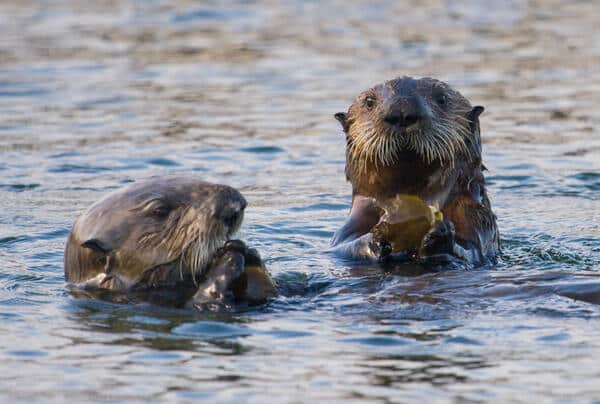
11. Scientists and Indigenous Guardians Team Up to Rethink Sea Otter Management in Southeast Alaska
Juneau, Alaska — U.S. Department of the Interior scientists met with the Tlingit and Haida Seacoast Indigenous Guardian Network to discuss how shifting sea otter populations are reshaping Southeast Alaska’s coastal ecosystems and local economies. Researchers from the USGS and U.S. Fish and Wildlife Service presented new work on how growing otter numbers affect subsistence harvests, commercial dive fisheries, and community livelihoods.
Sea otters, reintroduced in the 1960s, now generate both cultural value and economic strain: they support traditional foods and handicrafts but also prey heavily on sea cucumbers, urchins, and crabs. Scientists are developing models to understand how population size, harvest levels, and ecological impacts interact, to help tribes and managers balance benefits and losses. The gathering highlighted a shared commitment to stewardship rooted in Indigenous knowledge and long‑term ecosystem resilience.
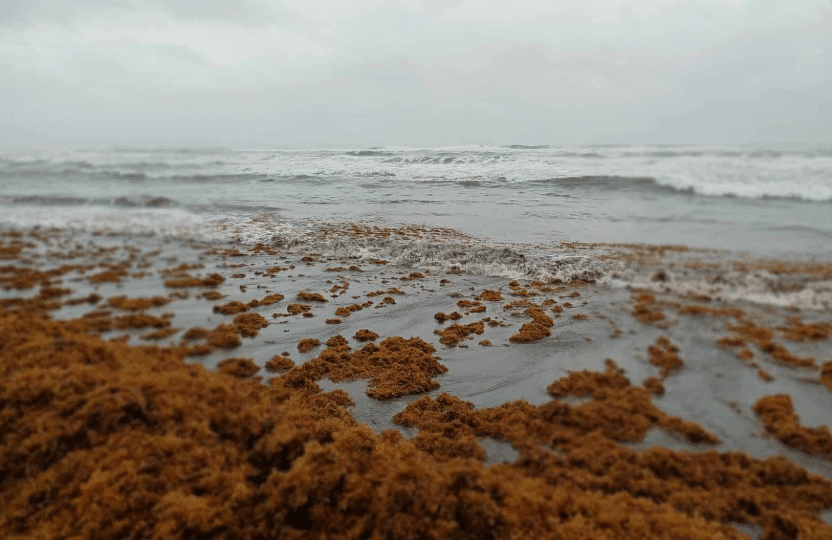
12. Costa Rica Turns a Growing Seaweed Crisis Into a New Coastal Economy
San José, Costa Rica — A surge of sargassum along Costa Rica’s northern Caribbean coast is disrupting ecosystems, fishing communities, and tourism. Still, researchers say the floating algae could become a valuable resource. Scientists at the University of Costa Rica are studying how to safely convert sargassum into fertilizers, bioplastics, paper, and even building materials. Their first challenge is legal: determining who is responsible for collecting and repurposing the algae, and under what conditions.
Marine biologist Cindy Fernández notes that sargassum absorbs both nutrients and heavy metals, requiring treatment before use. While other Caribbean nations process steady year‑round arrivals, Costa Rica receives sargassum in unpredictable bursts, complicating large‑scale operations. Monitoring programs in Tortuguero show accumulations rising since 2019, driven by nutrient pollution and changing currents. Researchers say the algae is a symptom of ocean imbalance, but also a potential economic lifeline if managed collaboratively.
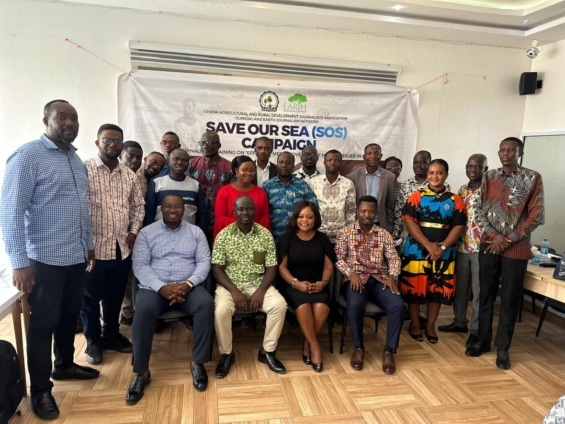
13. Ghana Moves to Create 21 New Marine Protected Areas in Landmark Ocean Policy Shift
Accra, Ghana — Ghana is preparing to designate 21 coastal communities as marine protected areas, beginning with Cape Three Points, in what officials describe as a major step toward rebuilding depleted fish stocks and safeguarding coastal ecosystems. The Ministry of Fisheries and Aquaculture Development says the new network will restrict destructive fishing practices, curb illegal trawling, and protect critical nursery habitats that support millions of livelihoods.
The initiative is part of Ghana’s commitment under the Global Oceans Alliance and the 30×30 conservation target, which aims to protect 30 percent of the world’s oceans by 2030. Community consultations are underway to determine boundaries, enforcement plans, and compensation for fishers affected by the new rules. Conservation groups say the move could reverse decades of overfishing and habitat loss if paired with strong monitoring and local stewardship.
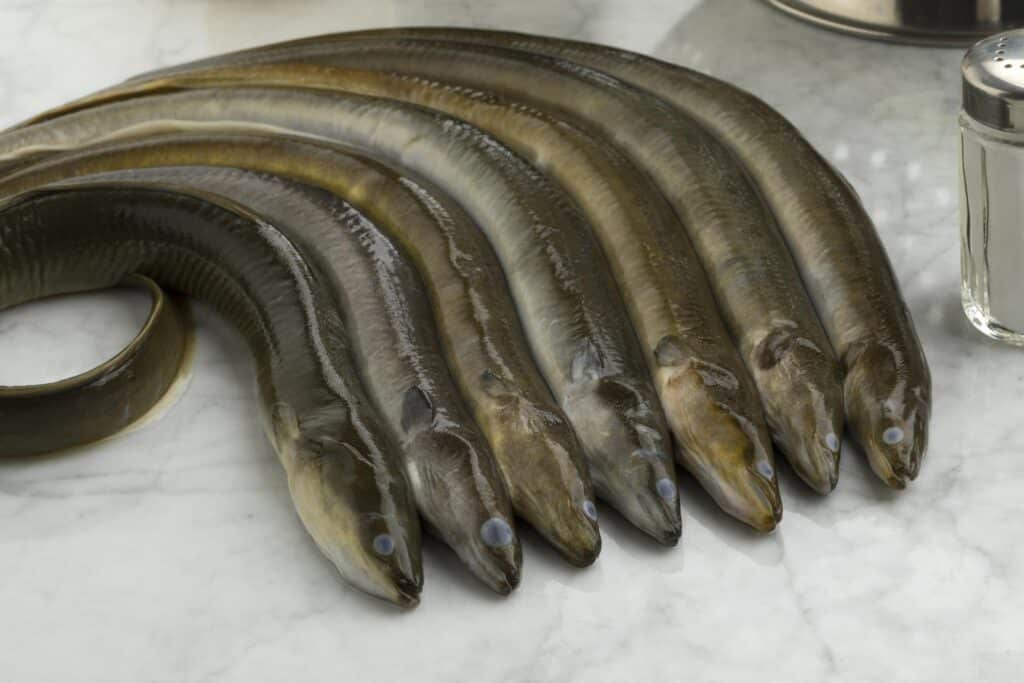
14. Inside Europe’s Battle to Stop the Billion‑Euro Eel Trafficking Trade
Brussels, Belgium — A new episode of The Road to Green highlights how the EU is intensifying its fight against the illegal trade in European eels, now considered the continent’s largest wildlife crime. Traffickers move an estimated 100 tonnes of glass eels to Asia each year, where prices can exceed €5,000 per kilogram, fueling a black market that rivals drug trafficking. Euronews follows enforcement teams in Galicia and along the Minho River as they inspect riverbanks, transport routes, and fish farms to stop smuggling of the critically endangered species, whose population has fallen by nearly 90 percent since the 1980s.
Interviews with Europol, Interpol, and the European Fisheries Control Agency reveal the challenges of tracking clandestine shipments and coordinating cross‑border operations. The episode also features CITES officials and chefs promoting the “Eel, No, thank you!” campaign to curb consumer demand.
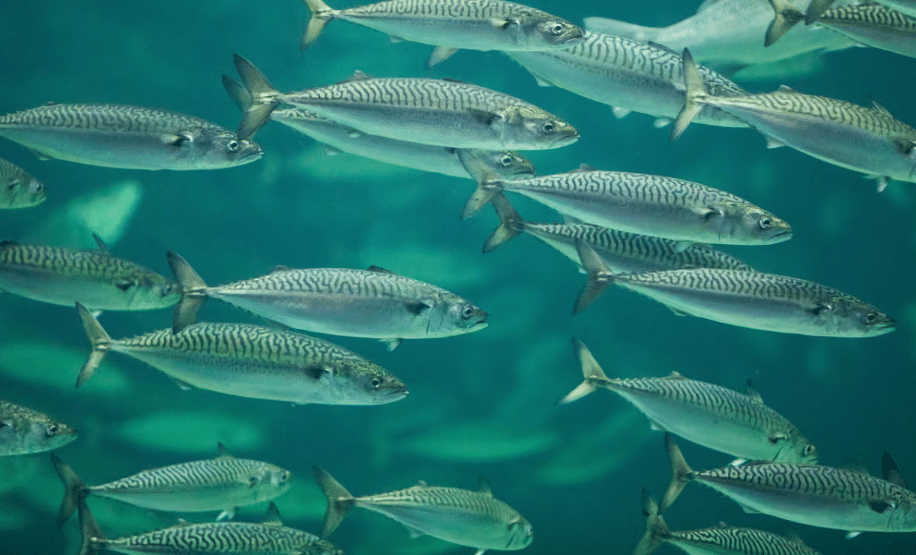
15. Ocean Heating and Overfishing Are Creating a Dangerous Feedback Loop — Scientists Warn It Must Be Fixed Now
A growing body of research shows that ocean heating and overfishing are no longer separate crises but mutually reinforcing threats that are accelerating marine decline. Chronic warming is steadily reducing global fish biomass, while short‑term marine heatwaves can create misleading spikes in colder regions that mask long‑term losses. Scientists warn that policymakers may misinterpret these temporary gains as signs of recovery, even as ecosystems continue to weaken.
At the same time, overfishing remains a major driver of depletion, stripping already-stressed populations. Experts argue that treating climate policy and fisheries policy as independent systems is no longer viable; both pressures now compound one another, undermining food security, coastal livelihoods, and ecological stability. Without integrated governance and precautionary management, temporary rebounds may hide deeper collapse.
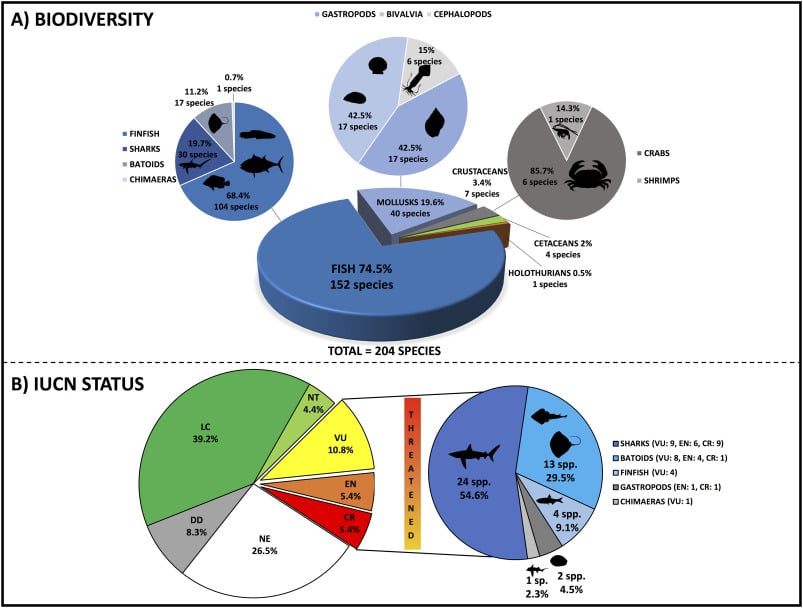
16. DNA Testing Exposes a Hidden Crisis in Eastern Pacific Seafood — With Threatened Sharks at the Center
A new review in Biological Conservation warns that the Eastern South Pacific Ocean, one of the world’s most important seafood hubs, is facing a serious mislabeling problem that threatens both consumers and marine biodiversity. Researchers examined nearly 30 years of global DNA-based studies. They found that more than 200 commercially valuable species from the region have been identified using at least ten different genetic methods, with DNA sequencing emerging as the dominant tool.
A meta-analysis of 1,806 seafood products revealed a mislabeling rate of 24.8 percent, and many substitutions involved highly threatened shark species. Colombia and Peru showed the highest rates, raising alarms because ESPO nations are major players in the global shark trade. The authors argue that integrating advanced DNA authentication into national regulations is now essential to curb illegal trade and strengthen conservation efforts across the region.
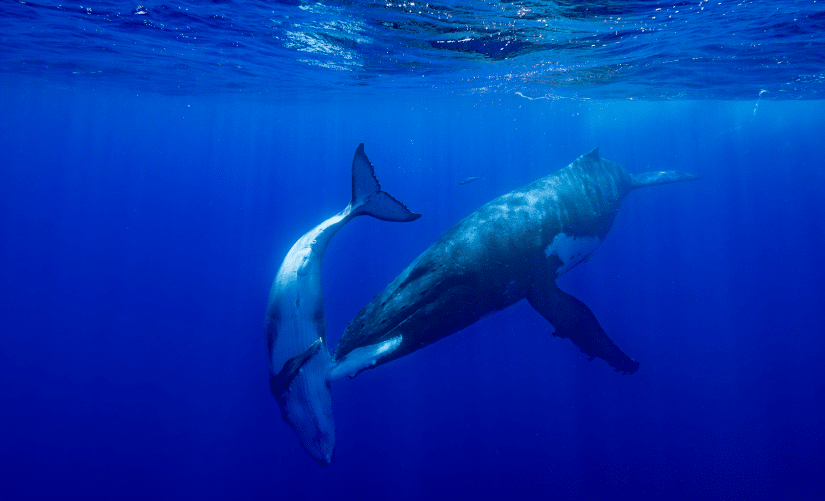
17. A Marine Crisis Unfolds: Heatwaves Push Humpbacks Straight Into Harm’s Way
Rapid ocean warming is squeezing humpback whales out of their traditional cold‑water feeding zones and pushing them into nearshore waters packed with fishing gear, according to Oceanographic Magazine. As marine heatwaves shrink the cool, nutrient‑rich areas that normally support krill and anchovy populations, whales are forced to follow their prey closer to the coast. This “habitat compression” dramatically increases overlap with crab traps, gillnets, and other fixed gear, raising the risk of entanglement.
Researchers note that these shifts became especially pronounced during recent heatwave events, when whales crowded into narrow coastal corridors already saturated with fishing activity. The resulting spike in entanglements has become a major conservation concern along the U.S. West Coast. Scientists emphasize that without stronger forecasting tools and adaptive fishery management, warming oceans will continue to funnel humpbacks into harm’s way.
18. Baltic Sea Loses 275 Billion Tons of Water — Scientists Say It’s a Warning Sign of a Planet in Turmoil
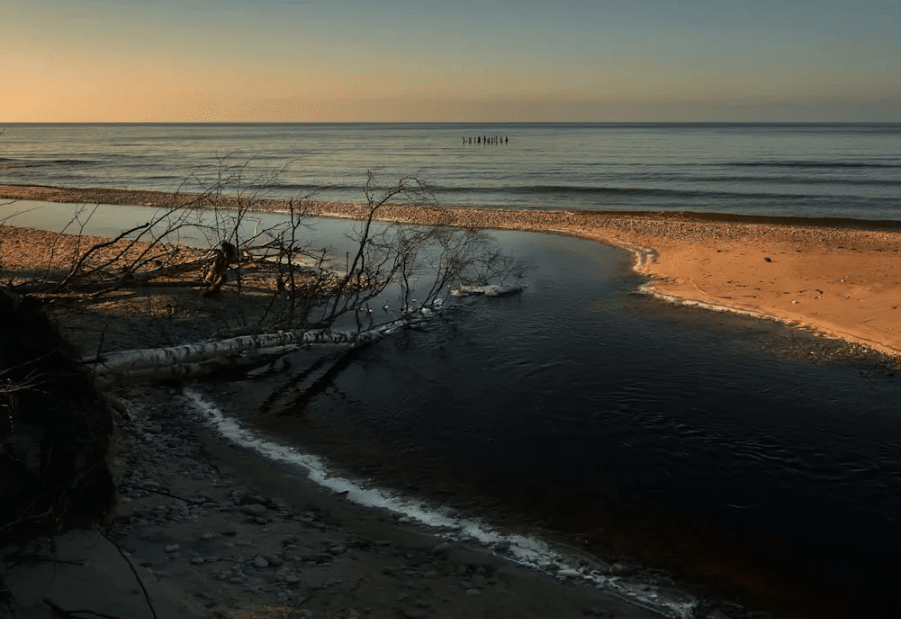
Scientists are sounding the alarm after the Baltic Sea abruptly lost an estimated 275 billion tons of water in early February, a drop not seen in 140 years. According to reporting from Yahoo News, persistent easterly winds pushed massive volumes of water out through the Danish Straits, leaving the sea 67 centimeters below its historic baseline. Researchers link the event to a weakening polar vortex, destabilized by rapid Arctic warming occurring at nearly four times the global average.
As frigid air spills southward, it disrupts weather systems and accelerates ocean stress. Experts warn that the same forces draining the Baltic are also driving global coral bleaching, turning once‑vibrant reefs into “underwater wastelands.” Within the Baltic itself, warming and reduced salinity fuel algal blooms and expanding oxygen‑poor zones that threaten cod and other species. The episode underscores how climate‑driven disruptions are reshaping marine ecosystems far faster than expected.
19. New Forecasting Tool May Finally Keep Gulf Gag Grouper From Being Overfished, Scientists Say
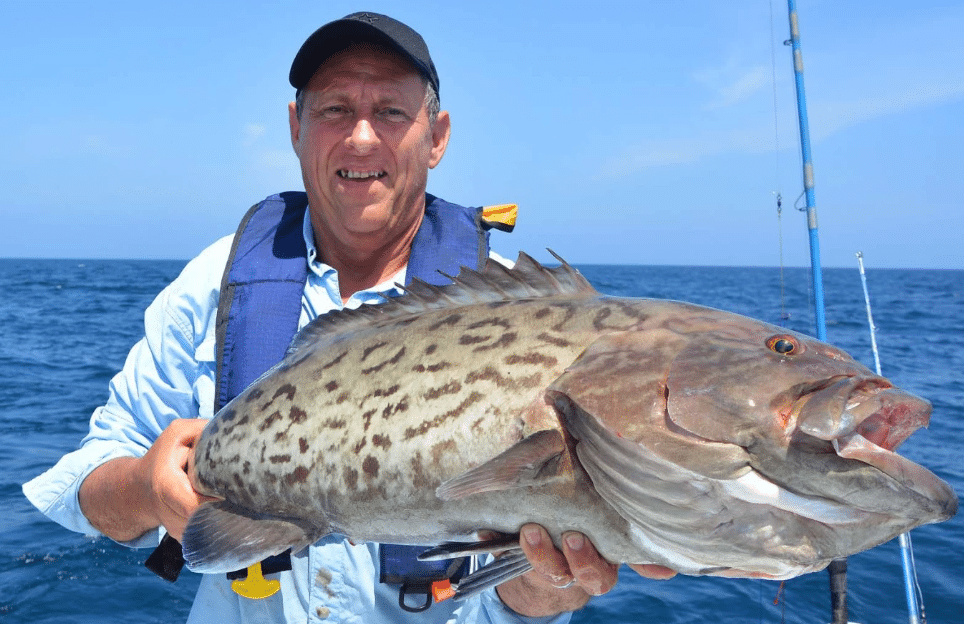
St. Petersburg, Florida — A new statistical model developed by University of South Florida researchers may have prevented Gulf gag grouper from being overfished for the first time in years, according to WUSF. The species has struggled through repeated population crashes, exacerbated by warming waters, high discard rates, and a dangerously low male-to-female ratio. Traditional management relied on past catch averages, but shrinking seasons unintentionally pushed anglers to fish harder, causing quotas to be exceeded even faster.
The new tool incorporates angler behavior, seasonal patterns, and regulatory changes to predict how quickly harvest limits will be reached. When tested against older methods, it performed significantly better, forecasting that the 2025 quota would be met in 12 days — closely matching the 14‑day season that ultimately stayed under the limit. Scientists hope the approach can guide the management of other vulnerable species, such as red snapper.
20. Orca Moms Are Burning Through Their Fat Reserves — And Their Kids May Be the Reason
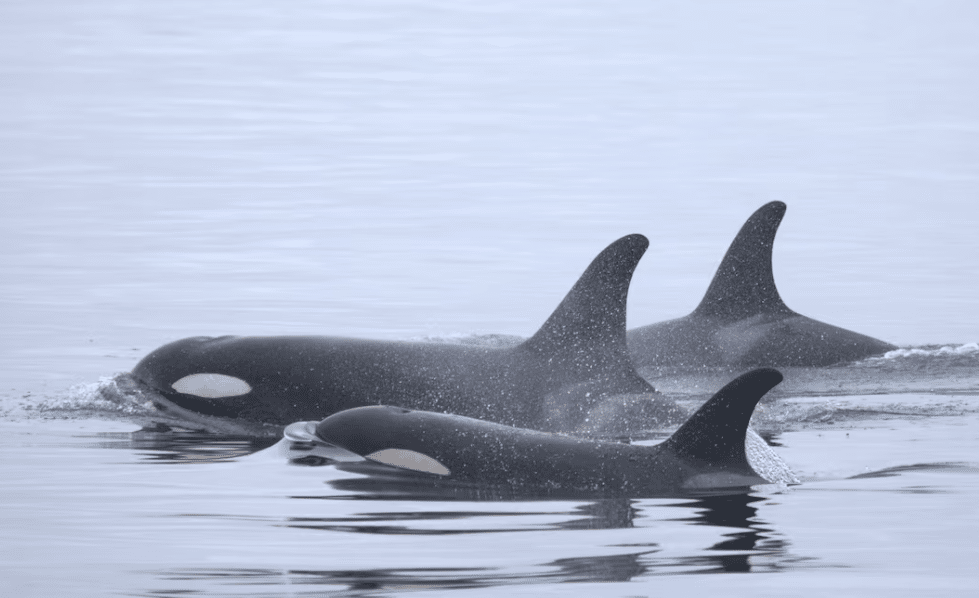
Victoria, Canada — New Canadian‑led research shows that northern resident killer whale mothers struggle to regain body fat when they have more surviving offspring, even when food is abundant, according to CBC News. Using drone photography to measure subtle changes in the whales’ eye‑patch shape — a reliable indicator of body condition — scientists tracked 66 adult females from Alaska to Washington.
They found that the steep fat loss following pregnancy and up to two years of nursing can last three years or more, and recovery is significantly slower when multiple offspring remain dependent. Because these whales care for their young throughout life, mothers must continue to share food with adult sons and daughters, creating a long-term energetic burden. Researchers warn that this maternal strain compounds other pressures, including noise, contaminants, and shifting prey caused by climate change, potentially pushing vulnerable populations closer to decline.

21. Colombia Catalogs Its 500‑Million‑Year‑Old “Sea Ghosts” for the First Time
Bogotá, Colombia — Colombia has completed its first-ever inventory of ancient marine fossils known as “sea ghosts,” a collection of organisms that lived more than 500 million years ago when the region was still part of the supercontinent Gondwana, according to El País. The project, led by the Colombian Geological Service, documents thousands of specimens ranging from trilobites and brachiopods to early echinoderms, many of which are preserved in exceptional detail.
These fossils, found across the Andes and northern territories, reveal how tectonic uplift carried ancient seabeds high into today’s mountains. Scientists say the new catalog is crucial for understanding early marine evolution and for protecting fossil-rich areas, which are increasingly threatened by mining, looting, and unregulated tourism. By establishing a national baseline, Colombia aims to strengthen conservation policies, support research collaborations, and highlight the country’s deep-time biodiversity as part of its natural heritage.
22. Japan’s New “Michelin Star” Jellyfish Wows Scientists With Its Cosmic Spots
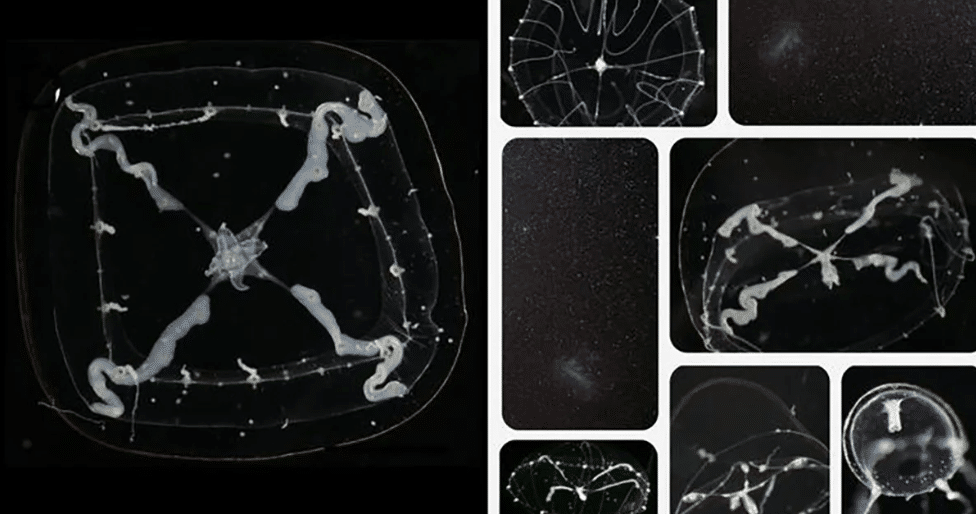
Tokyo, Japan — Marine biologists have identified a new jellyfish species, Malagazzia michelin, after years of misidentification in Japanese field guides. First spotted in the shallow coastal waters of Nagasaki and Yamaguchi Prefectures, the tiny jellyfish was later cultured in aquariums, allowing researchers to observe its full life cycle from polyp to adult. The species stands out for its transparent, dome‑shaped bell and distinctive brown spots scattered across its stomach and reproductive organs, features that become more numerous as it matures.
Scientists likened this spot‑accumulation to earning Michelin stars, inspiring both its scientific name and its Japanese common name, ama‑no‑gawa‑kurage (Milky Way jellyfish). DNA sequencing confirmed it as only the second known member of its genus in Japanese waters. The discovery highlights the crucial role aquariums play in biodiversity research and the need for clearer naming conventions to avoid long‑term mislabeling.