

1. China’s Bid to Control the Nerve Centre of the High Seas Treaty Just Got Real
China has joined Belgium and Chile in the race to host the secretariat of the High Seas Treaty, pitching the coastal city of Xiamen as its proposed headquarters. The treaty, which recently entered into force, governs ocean areas beyond national jurisdiction and is central to plans for large high-seas marine protected areas and the global goal of protecting 30 per cent of the ocean by 2030.
Analysts say Beijing’s bid signals a shift from a traditionally cautious stance on marine conservation toward a more proactive role in shaping international rules and boosting its global “discourse power.” Supporters highlight Xiamen’s track record as a hub for marine cooperation and sustainable ocean development. At the same time, critics warn that choosing China could inflame geopolitical tensions at sea and argue that Brussels, Belgium, or Valparaíso, Chile, might offer a less contentious base.
2. Chile and Costa Rica Are Teaming Up to Carve Out the First High Seas Sanctuaries
Santiago, Chile — Chile and Costa Rica are racing to turn the new High Seas Treaty into concrete protections, pushing forward ambitious proposals for some of the planet’s most strategic ocean ecosystems. Chile is championing the Salas y Gómez Ridge, drawing on its maritime tradition and the ancestral knowledge of the Rapa Nui people to justify strong safeguards for this biodiversity hotspot. Costa Rica is preparing a proposal to protect the highly productive Thermal Dome, an upwelling zone vital for migratory species and regional marine life.
Both initiatives could become among the first officially recognized marine protected areas on the high seas, testing how quickly the treaty can move from paper promises to real ocean sanctuaries.
Thank you for your generous gift that will help us continue the production of this weekly, free publication

3. Havana Airport Bust Exposes Shocking Haul of Protected Sea Turtle and Lobster Meat
Holguín, Cuba — A Cuban couple bound for the United States was detained at Frank País International Airport after customs officers discovered more than 100 kilograms of meat from protected marine species hidden in their luggage, including hawksbill turtle, crab, and lobster. Authorities said 121 kilograms were seized during inspection, in violation of Cuban law and international agreements on marine wildlife protection.
The couple’s cargo was confiscated, they were fined and arrested, and their case was referred to the National Revolutionary Police for possible criminal charges. Customs officials stressed that trafficking in protected marine species is prohibited and carries severe penalties under Cuba’s environmental conservation commitments. In a separate operation at Havana airport, inspectors also intercepted nearly one kilogram of cocaine concealed in cream containers and other products arriving on a flight from Panama.

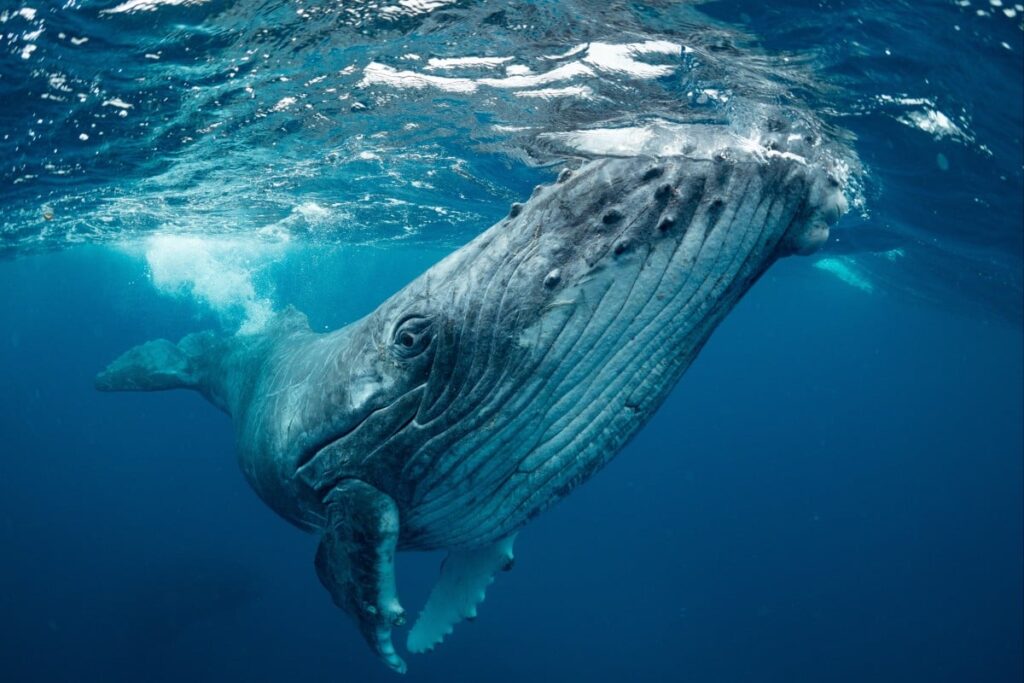
4. Climate Change Is Silently Strangling the Deep-Sea Cities Built on Whale Bones
Climate change is quietly suffocating the deep sea, shrinking the oxygen-rich refuges that once made “whale falls” into thriving oases of life. As oceans warm and stratify, less oxygen mixes into deeper waters, forcing many species to abandon traditional habitats and move upslope. That includes the cold, dark depths where whale carcasses fuel complex communities of worms, crustaceans, and fish over decades.
With oxygen minimum zones (OMZs) expanding, these whale-fall ecosystems are expected to contract in depth and area, squeezing specialist species into narrower bands and likely reducing their diversity. Scientists warn that deoxygenation, layered on top of overfishing and pollution, could unravel deep-sea food webs that depend on the rare windfall of a sinking whale. The piece uses whale falls as a vivid way to show how “invisible” oxygen loss is reshaping the ocean’s hidden interiors.
5. Sea Urchin Apocalypse Goes Global: Coral Reefs Could Face Total Collapse
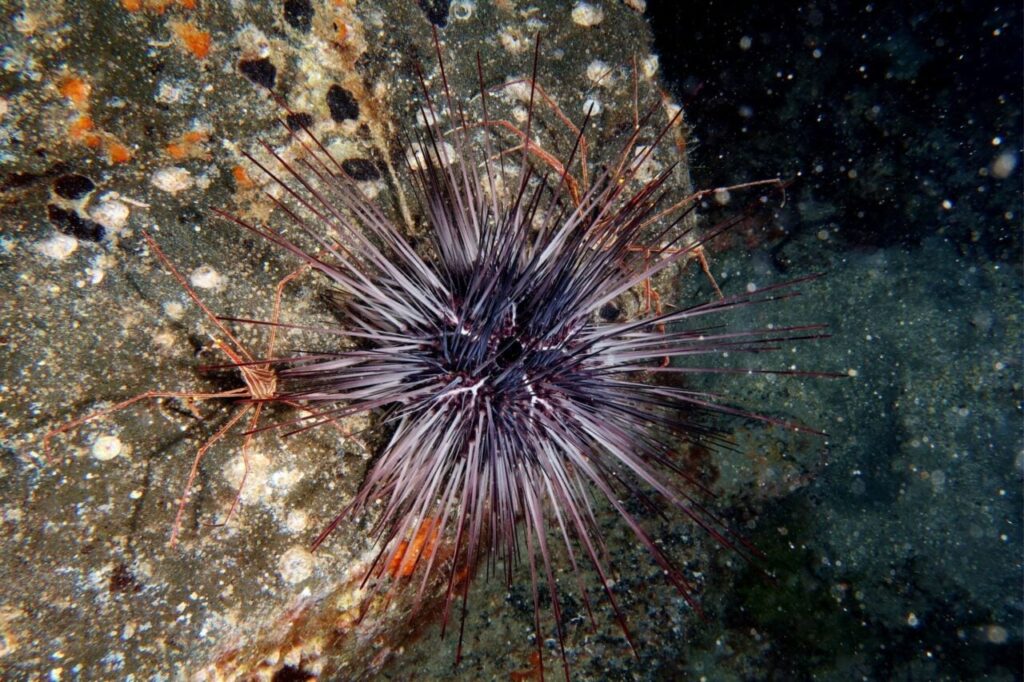
An international team of researchers has uncovered a devastating mass die-off of black sea urchins (Diadema africanum) that began in the Canary Islands around mid-2022, wiping out populations so thoroughly that no juvenile urchins have appeared since—signaling potential local extinction. This outbreak forms a critical link in what scientists now call a marine pandemic, connecting earlier Caribbean die-offs of Diadema antillarum in 2022 with later events in the Gulf of Oman and off Réunion Island.
Unlike past recoveries, this event has halted reproduction entirely across multiple islands, with no young urchins observed in surveys. Sea urchins are vital grazers that control algae threatening coral reefs; their loss could trigger widespread ecosystem collapse. A ciliate pathogen has been identified in similar outbreaks, though unconfirmed here, prompting urgent calls for global monitoring.
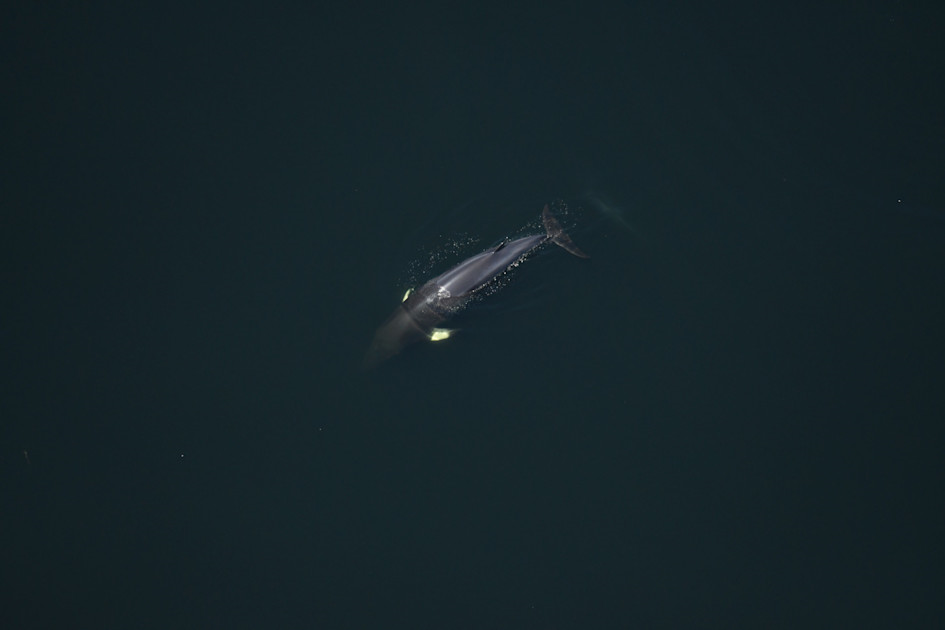
6. Whales Forced to Share Shrinking Supper Table as Climate Crisis Bites
Mont-Joli, Canada — Fin, humpback, and minke whales in the Gulf of St. Lawrence are adapting to climate-driven food shortages by partitioning resources more sharply, reducing dietary overlap to coexist amid warming waters and declining krill populations. Nearly three decades of skin samples analyzed for stable isotopes reveal all three species shifting from krill toward pelagic fish as Arctic krill dwindles and ocean temperatures climb.
Niche overlap dropped significantly—from 65% between minke and others in the 2000s to just 47% in the 2010s—suggesting heightened competition prompts whales to specialize on different prey within shared feeding grounds. Researchers say the Gulf’s productivity still allows coexistence rather than displacement, but stress the need to monitor these shifts for fisheries management and marine protected areas.
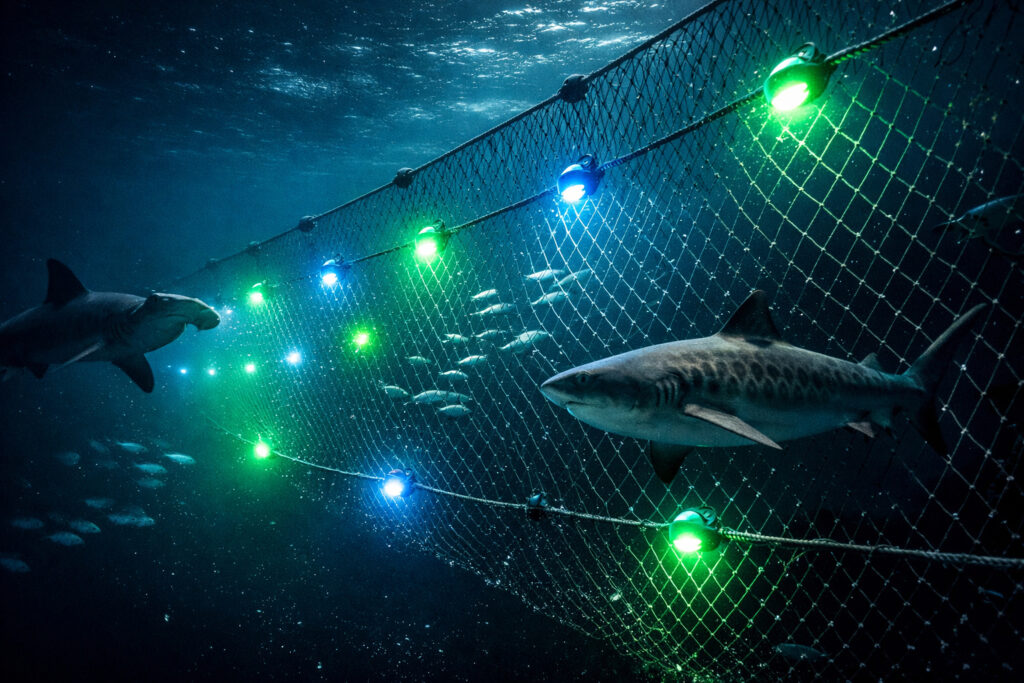
7. Glow-in-the-Dark Nets That Stop Sharks Dead—Without Hurting a Fin
Rio de Janeiro, Brazil — Fishermen are testing glowing underwater LED lights attached to gillnets that successfully deter sharks, rays, and squid from getting tangled, slashing unwanted bycatch by more than 60 percent while preserving target catches. The green lights, spaced along fishing nets, act as a visual warning system that helps sharks avoid the invisible mesh without harming the predators or disrupting commercial operations.
Trials demonstrate that coexistence between industrial fishing and marine life is possible, with sharks recognizing illuminated barriers and swimming clear of them. The technology also cuts the net retrieval time nearly in half by reducing entanglements. This simple innovation could protect vulnerable species globally while supporting sustainable fishing livelihoods.
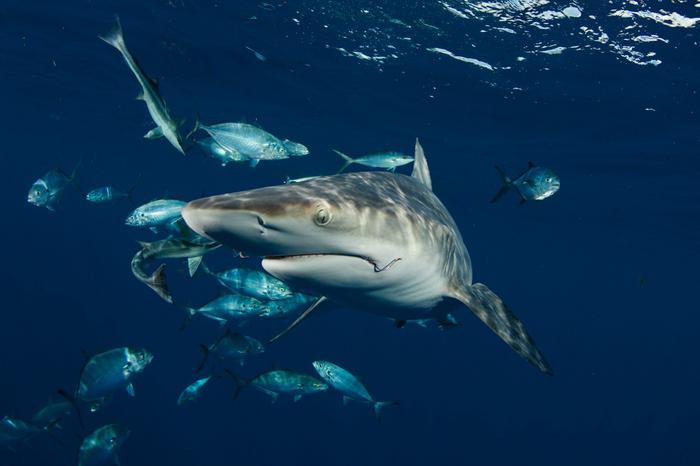
8. Zinc Trick Makes Sharks Ghost Longlines—Fishers Keep Tuna, Sharks Keep Living
Boca Raton, United States — Florida Atlantic University researchers have developed a patent-pending shark deterrent that uses simple zinc and graphite paired on longline hooks to create a galvanic electric field that repels sharks by up to 70%, while leaving tuna and swordfish unaffected. Field trials off Florida’s panhandle showed dramatic reductions in catches of Atlantic sharpnose and blacktip sharks on treated demersal longlines, with no loss of catches of commercial target species.
The inexpensive materials—already used by fishers to prevent boat corrosion—generate a subtle electric pulse sharks detect naturally, steering them away from bait without chemicals or electronics. Preliminary Gulf of Mexico pelagic tests suggest even swordfish and yellowfin tuna catch rates held steady or improved slightly. With millions of sharks dying annually as global bycatch, experts say this scalable solution could transform fisheries conservation worldwide.
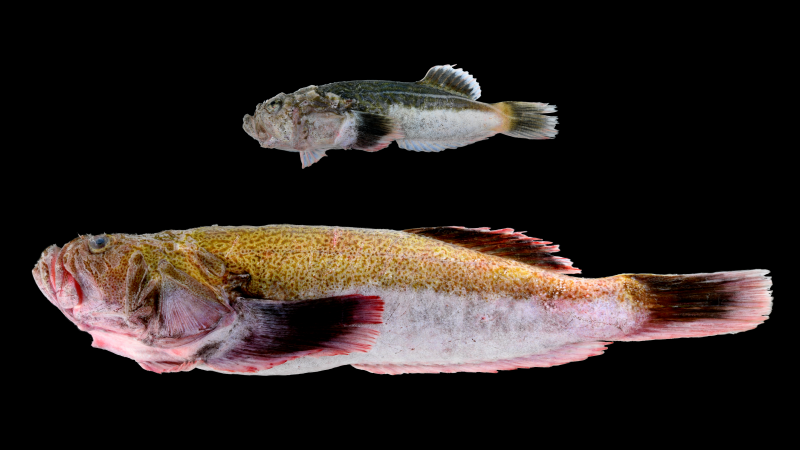
9. Deep-Sea Freckled Stargazer Caught Way Out of Its Known Neighborhood
Silver Spring, United States — NOAA Fisheries scientists have dramatically expanded the known range of the freckled stargazer (Xenocephalus egregius), a deepwater ambush predator with upward-facing eyes, from the Gulf of Mexico along the entire U.S. East Coast into the North Atlantic. Specimens collected during Northeast Bottom Trawl Surveys off New Jersey, dating back to 2014, revealed that this sedentary sand-burrowing fish—previously thought confined to Texas through Florida—thrives at depths of 146–493 meters.
The species undergoes striking changes with age, transforming from blue-green streaked juveniles to yellow-gold adults covered in brown freckles, leading to frequent misidentifications by survey teams. Museum collections from Harvard, the Smithsonian, and beyond confirmed the range extension, highlighting how decades of fisheries data, paired with specimens, unlock new insights into biodiversity.
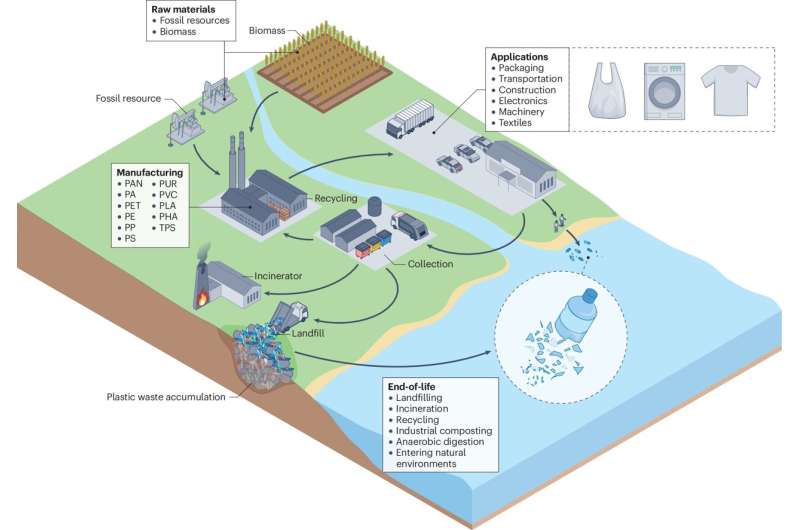
10. Biodegradable Plastics Could Save Earth—Or Double Planet-Choking Emissions
A Yale School of the Environment study reveals that biodegradable plastics could cut toxic pollution by 34% and reduce global waste accumulation by up to 65% by 2050, but only with proper composting and anaerobic digestion infrastructure. Without it, these “green” alternatives, when dumped in landfills, could double greenhouse gas emissions compared to conventional plastics.
Bio-based production would more than double the industry’s water footprint due to biomass cultivation, creating new environmental trade-offs. Researchers stress the need to combine reduced landfilling of traditional plastics with increased use of biodegradable plastics and precise labeling to maximize benefits while conventional plastics remain dominant. The first global lifecycle analysis warns that mismanagement turns promise into peril.
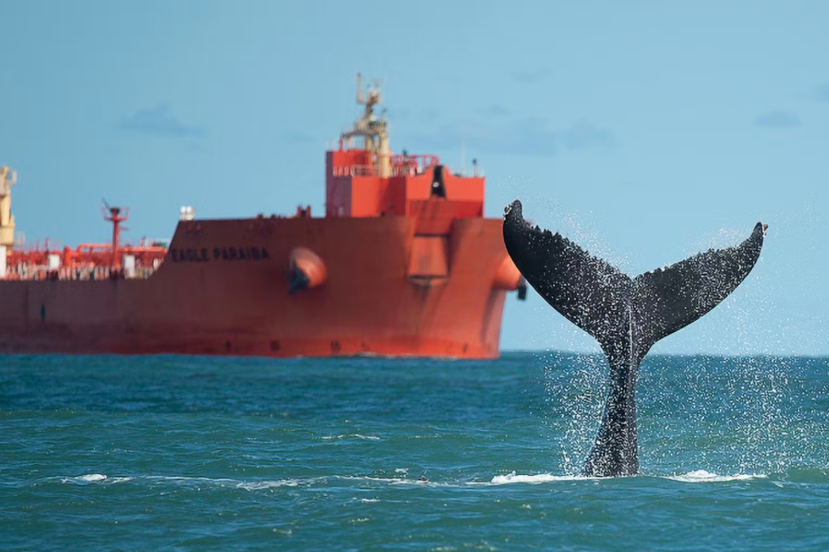
11. Brazil’s Whale Sanctuaries Are Protecting All the Wrong Waters
Brazil’s marine protected areas completely miss the critical habitats where Bryde’s whales and bottlenose dolphins face the heaviest human threats in southeastern Brazil’s nutrient-rich shelf waters. Spatial analysis pinpointed the preferred zones of these non-migratory species—shallow areas with cold upwellings and steep slopes—directly overlapping the intense oil exploration, shipping lanes, and ports of the Santos and Campos basins.
While Brazil has recently created four large oceanic MPAs, they’re either in suboptimal habitats or allow incompatible activities, leaving coastal biodiversity hotspots exposed to ship strikes, noise pollution, fishing bycatch, and potential spills. Even “effective” MPAs remain coastal while dolphins and whales inhabit deeper conflict zones; researchers demand relocated sanctuaries, speed reductions, acoustic deterrents, and fishing exclusions.
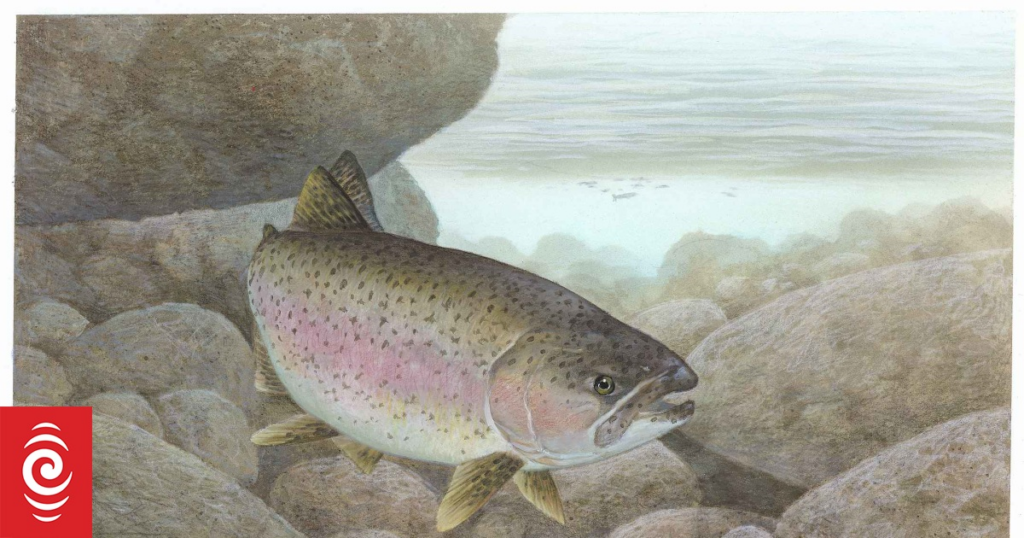
12. Pacific Fish Dinner Now Comes With Plastic Chaser—1 in 3 Contaminated
Suva, Fiji — Researchers surveying nearly 900 fish across 138 species from the coastal waters of Fiji, Tonga, Tuvalu, and Vanuatu found microplastics in just under one-third—below the global average of 49 percent—but with stark variation by location. Fiji had the highest contamination, with nearly 75 percent of samples contaminated, while Vanuatu had only 5 percent, possibly due to better waste management practices or ocean currents steering plastics away.
Reef-dwelling, bottom-feeding, and invertebrate-eating fish proved most vulnerable, acting as pollution traps in island food chains where fish provide essential protein. While health risks from low-level exposure remain unclear, the University of the South Pacific team urged measured responses rather than alarmism, noting that microplastics now permeate salt, beverages, and the global environment.
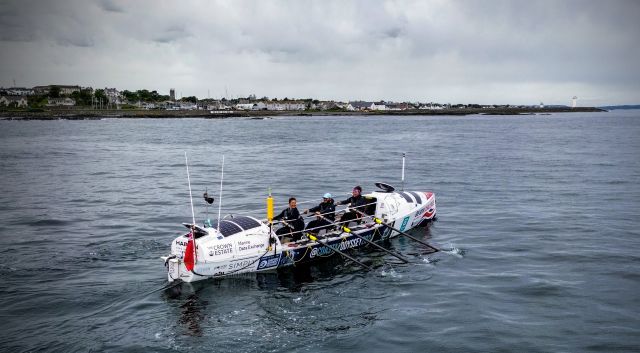
13. UK Waters Choking on DOUBLE the Microplastics—Rowers Uncover Alarming Surge
Portsmouth, United Kingdom — A joint University of Portsmouth and GB Row Challenge survey found microplastic concentrations around Great Britain’s coastline averaging 59 particles per cubic meter in 2024—more than double the 23 and 20 MP/m³ recorded in 2022 and 2023. The Irish Sea hit a staggering 418 MP/m³, the highest across three years, with nearly all particles under 0.3mm, thanks to ultra-fine 0.04mm filters capturing tinier fragments than prior studies.
Researchers caution that rougher 2024 weather may have simply mixed plastics higher in the water column rather than indicating sudden pollution spikes. However, persistent hotspots persist around the Thames Estuary and the Irish Sea. Rowing teams Coastal Odyssey (new Guinness record) and Sea Change collected samples across 23 sites during the 2,000-mile circumnavigation despite brutal conditions.

14. Chagos’ Pristine Ocean Paradise Faces Ruin After UK Handover
London, United Kingdom — Environmentalists and scientists are raising alarms that the Chagos Islands’ world-class marine ecosystem—home to 300 coral species, 800 fish, thriving sharks, and rare seabirds—faces industrial exploitation following the UK’s transfer of sovereignty to Mauritius. The 640,000 km² no-take marine protected area, credited with the rebound of reefs and apex predators since 2010, may see weakened enforcement amid Mauritius’ questionable environmental track record and commercial fishing pressures.
Critics fear that deep-sea mining, foreign fleets, and unsustainable tourism could devastate this benchmark for intact ocean ecosystems, while debates over Chagossian resettlement complicate stewardship. The Guardian reports urgent calls for ironclad protections to preserve what may be Earth’s last great coral sanctuary from geopolitical fallout.
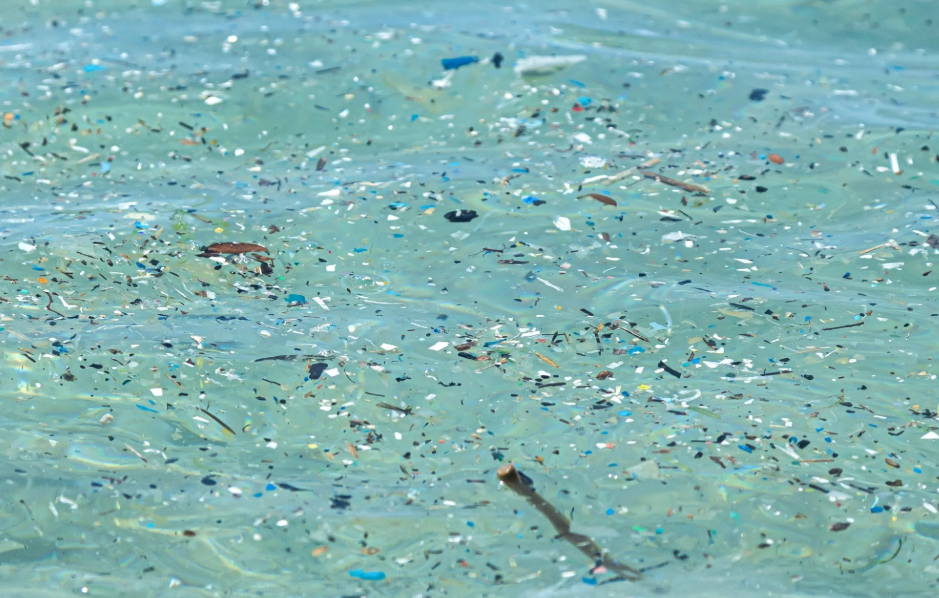
15. Nature Paper Exposes Shocking New Microplastic Threat Rocking Ocean Food Chains
A groundbreaking Nature study reveals unprecedented insights into microplastic distribution and impacts across global marine ecosystems, building on recent research showing subsurface abundances from 10⁻⁴ to 10⁴ particles per cubic meter. The paper examines how particle size drives vertical and horizontal distribution patterns, with smaller fragments dominating deeper waters and posing greater ingestion risks to mid-trophic marine life.
Combined with findings on trophic transfer and biomagnification, these findings warn of cascading effects from plankton to top predators, including physiological stress, endocrine disruption, and altered microbial communities. Published amid growing evidence of atmospheric and nanoplastic emissions, the research demands standardized measurement protocols to distinguish genuine pollution surges from methodological artifacts.
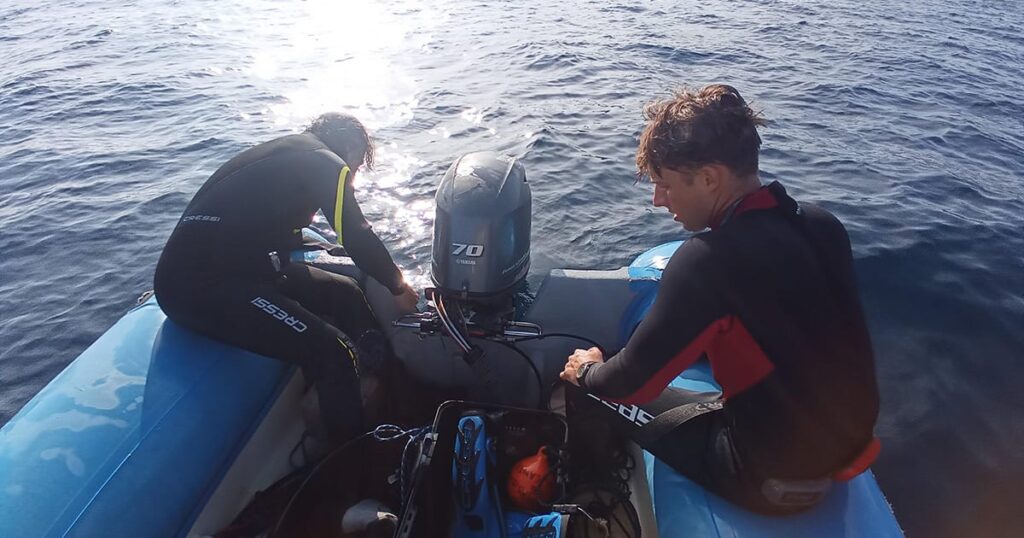
16. Ibiza’s Fish Communities Crashing While Other Med Spots Thrive
Castellón, Spain — The MarPITIUS25 project reveals that Ibiza’s Posidonia oceanica seagrass meadows support alarmingly low fish biodiversity and biomass compared with other western Mediterranean sites, such as Dénia, even when seagrass appears structurally healthy. Visual censuses recorded 3,243 small juvenile fish across 15 species in peak tourist season at Santa Eulària, Cala Sol d’en Serra, and Talamanca—far below expected levels for these vital habitats.
Communities dominated by tiny, immature individuals signal ecological stress, likely from tourism pressure, pollution, and overfishing, and lack the adult fish and commercial species that are abundant elsewhere. Researchers from Universitat Jaume I and the University of Alicante warn that Ibiza’s coastal ecosystem is at risk despite its natural assets.
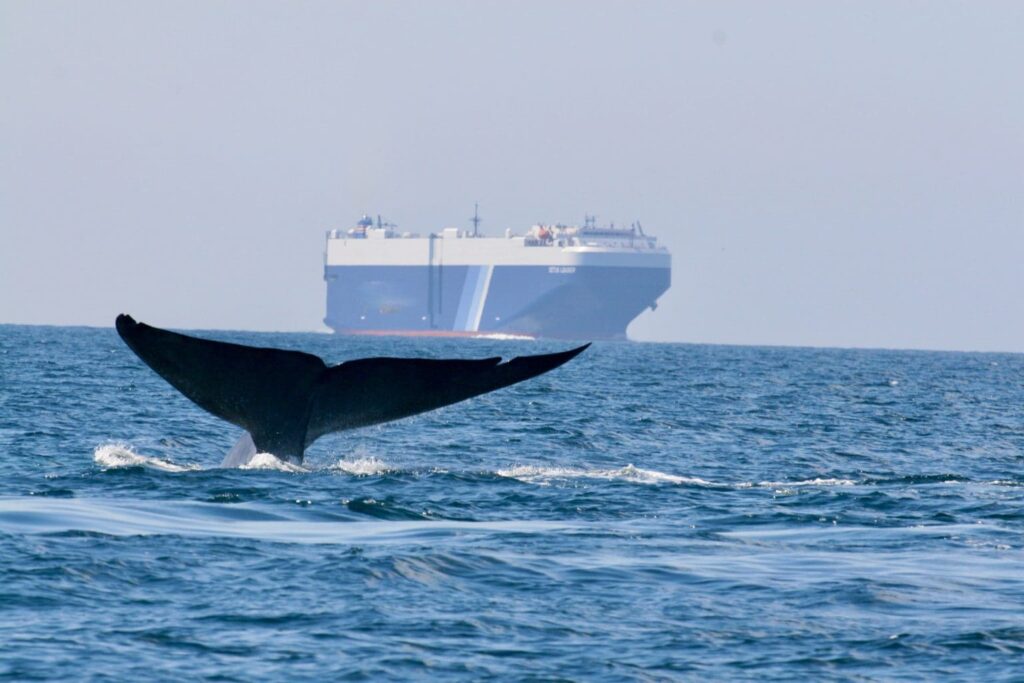
17. Cruise Giants Get Whale-Safe Speed Limit Invite—Air Gets Cleaner Too
Santa Barbara, United States — The decade-old Protecting Blue Whales and Blue Skies (BWBS) program, proven to cut ship strike risks and coastal smog, now welcomes cruise lines to slow to 10 knots through California’s whale habitats voluntarily. Since 2014, over 50 cargo lines traveled 1.6 million whale-safer nautical miles, avoiding 5,900 tons of smog-forming NOx, 35 tons of particulates, 200,000 metric tons of greenhouse gases, and achieving 50% lower fatal collision odds with quieter operations.
Cruise ships, averaging 14-20 knots and accounting for 6% of VSR zone emissions despite covering just 3% of the distance, stand to deliver significant gains; new analysis confirms that slower speeds yield net air quality benefits. AB14 makes BWBS statewide for 2026, with Automatic Identification System (AIS) verified metrics, monthly (Environmental and Social Governance) ESG reports, and public recognition for participants.
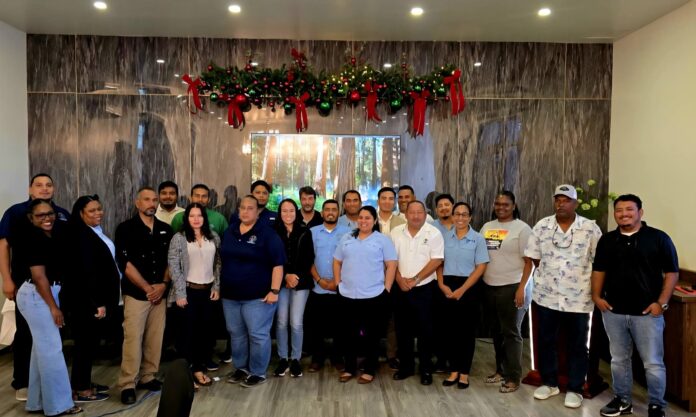
18. Belize Launches Shark Rescue Squad to Save Reefs and Fishers’ Livelihoods
Belize City, Belize — The Belize Fisheries Department convened the first National Shark Working Group meeting on January 23, 2026, uniting scientists, policymakers, and stakeholders to coordinate shark conservation and sustainable fisheries management. Experts from Mote Marine Laboratory, MarAlliance, and Fishers4Science presented research updates on shark and ray populations while reviewing 2024-2026 landing data, market trends, and legislative protections.
The group updated its Terms of Reference to broaden stakeholder representation and science-based governance amid strict regulations, including a May-October closed season, permit requirements, size limits, and a shark finning ban. San Pedro fishing guides offered mixed views, balancing reef health against permit concerns as the collaborative platform aligns priorities within Belize’s Blue Economy strategy.
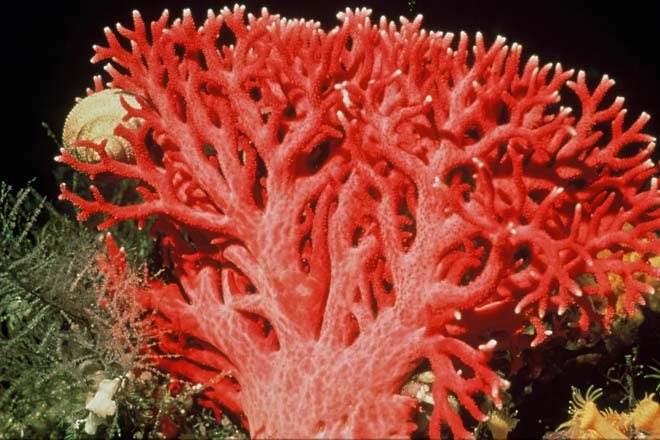
19. Red Corals, New Names: What the Latest CITES Update Means
The Convention on International Trade in Endangered Species of Wild Fauna and Flora (CITES) is a global agreement that helps make sure international trade in wildlife and plants does not threaten their survival. A new notification states that several red coral species requested by China will remain listed in Appendix III, meaning their trade will continue to be monitored to support sustainable use. Importantly, there are no new trade restrictions or regulatory changes in this update—the corals are protected in the same way as before. What is changing is how some of these corals are named to reflect modern science better and avoid confusion.
Specifically, China is updating the scientific names of these red corals to match current scientific classifications. Three species are being moved from the genus Corallium to Pleurocorallium, a change that reflects improved understanding of coral relationships rather than any change in conservation status. These updated names will officially take effect within CITES on 5 March 2026, and the World Register of Marine Species (WoRMS, 2025) will now be the formal reference used by CITES for these corals. For ocean conservation supporters, this update is best understood as a behind-the-scenes housekeeping step—keeping names accurate so conservation, research, and trade monitoring stay aligned worldwide.