

1. U.S. Quits UN-Oceans—the Global Hub for Marine Protection and 65 other critical organizations
Washington, DC, United States – On Thursday, the United States announced its withdrawal from two of the world’s most important ocean- and climate-governance frameworks: UN-Oceans and the United Nations Framework Convention on Climate Change (UNFCCC). These exits are part of a sweeping disengagement from 66 international organizations and cooperative agreements.
The departure from UN-Oceans removes the U.S. from the UN system’s primary coordination hub for sustainable ocean management, marine-science collaboration, data sharing, and collective implementation of SDG 14. It weakens the international community’s ability to align on issues such as marine biodiversity protection, fisheries governance, deep-sea management, and global strategies to reduce marine pollution.
Exiting the UNFCCC — the central global platform for addressing climate change — further disrupts cooperative efforts to slow warming, acidification, sea-level rise, and other climate-driven stresses that are already reshaping the world’s oceans. Taken together, these withdrawals create significant gaps in global leadership, scientific coordination, and policy continuity. They risk slowing progress at a moment when international alignment is essential for protecting marine life, regulating high-seas activities, and advancing climate-resilient ocean strategies.
2. Alaska Lawmakers Launch Bold Plan to Save Collapsing Fisheries
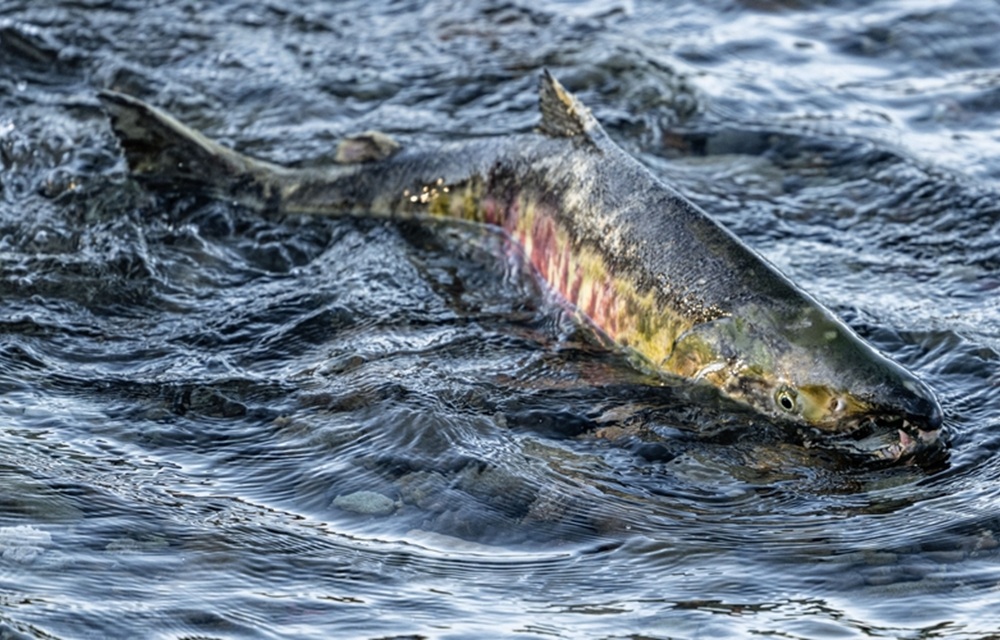
Anchorage, United States — Alaska’s congressional delegation is pushing a new Bycatch Reduction and Research Act to confront alarming crashes in key fish and crab stocks while other species boom, reshaping life in coastal communities. Led by Senators Dan Sullivan and Lisa Murkowski and Representative Nick Begich, the bill would invest in modern gear, electronic monitoring, satellite tagging, and genetic sampling to reduce accidental catch and protect sensitive seafloor habitat in the Bering Sea, Aleutian Islands, and Gulf of Alaska.
Lawmakers frame the measure as the next step after the Alaska Salmon Research Task Force, arguing that better data and technology are essential to stabilize fisheries, support fishermen, and restore public trust in management decisions. The effort has already drawn support from industry groups and research organizations across Alaska.
Thank you for your generous gift that will help us continue the production of this weekly, free publication
3. Tiny Islands, Huge Solutions: New Global Database Reveals Nature’s Secret Climate Weapons
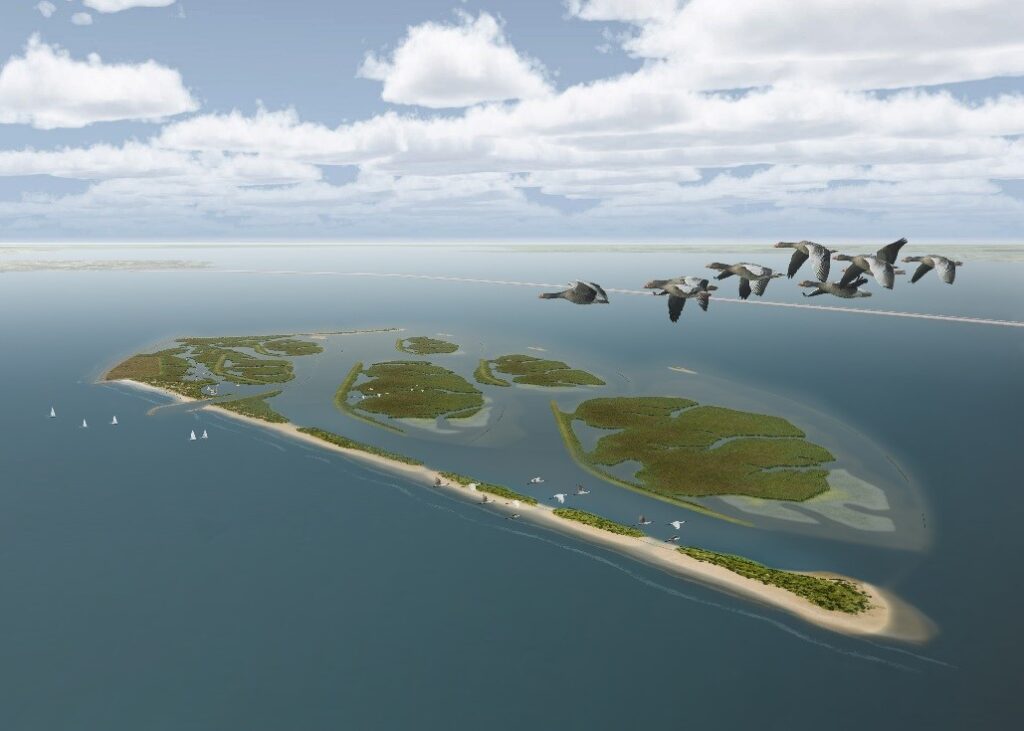
A new open-access Small and Medium-sized Islands, Nature-based solutions (SMI-NbS) compendium” catalogs 280 nature-based solutions deployed on small and medium-sized islands worldwide, offering a rare global snapshot of how vulnerable islands are fighting climate and environmental risks. Compiled through a systematic review of published and grey literature, the dataset records the location of each project, the ecosystems involved, the societal challenges it targets, and its connection to specific Sustainable Development Goals.
The authors highlight that most projects still prioritize ecological restoration and climate resilience, while issues like livelihoods, equity, and broader socio-economic pressures remain underrepresented. By standardizing case information and flagging research gaps, the compendium aims to accelerate knowledge exchange between scientists, policymakers, and practitioners designing future coastal protection, restoration, and adaptation strategies on fragile islands.
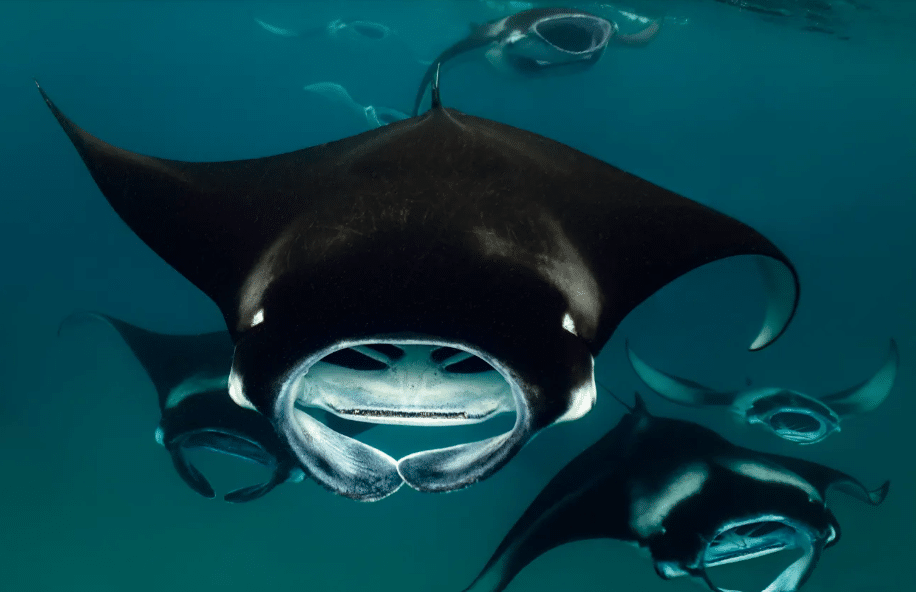
4. Global Treaty Win: Can a Shark Protect the Whole Ocean?
A sweeping conservation victory at the 20th CITES Conference of the Parties has whale sharks, oceanic whitetip sharks, and all manta rays winning top-tier trade protections, and advocates say this momentum could help shield entire ocean ecosystems. The article explains how stricter controls on international trade in these charismatic, slow-growing species can reduce pressure on food webs that stretch from coral reefs to the open ocean.
Scientists, enforcement officials, and campaigners also stress that success hinges on closing loopholes, funding frontline monitoring, and aligning CITES listings with the global “30×30” push to protect 30 percent of the ocean by 2030. If governments follow through at sea, the recent shark and ray decisions could become a blueprint for using trade rules to backstop marine protected areas and high-seas agreements.
5. Who Will Win the ‘Green Oscars’ of Finance in 2026? Nominations Just Opened!
Environmental Finance has opened nominations for its 2026 Sustainable Debt Awards, inviting market participants to submit the most innovative green, social, and sustainability-linked (GSSS) bonds and loans issued over the past year. Formerly the Environmental Finance Bond Awards, now in their 11th year, the revamped programme spans 81 categories, from sovereign green and blue bonds to cutting-edge sustainability-linked loan structures.
The publication stresses that judges will look for credible impact, robust frameworks, and transparency, not just eye-catching labels. With sustainable debt volumes surging and standards tightening, the awards have become a high-profile barometer of which issuers, investors, and intermediaries are genuinely pushing the market forward on climate, biodiversity, and social outcomes.
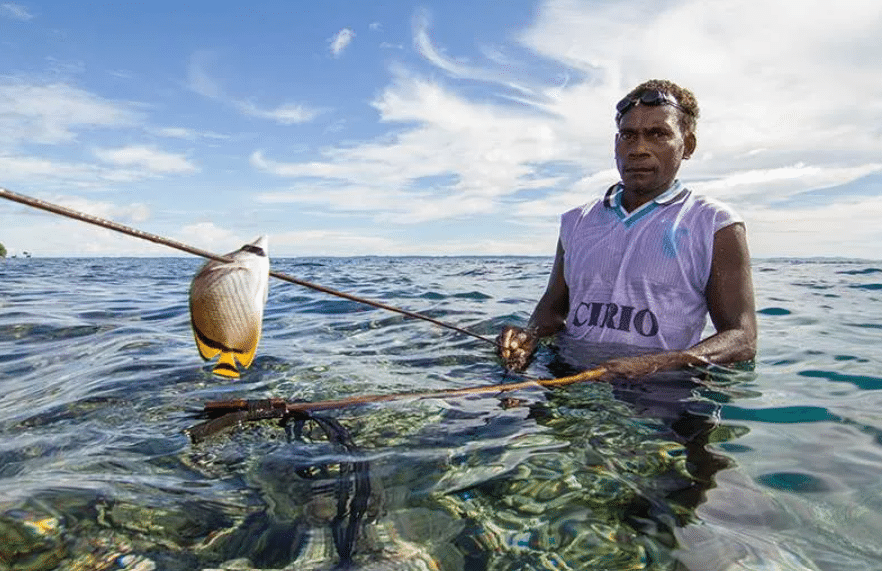
6. Starving Today to Feast Tomorrow? The Cruel Math of Saving Coral Reefs
New research highlighted in Anthropocene lays out a stark trade-off: many tropical communities would need to catch fewer reef fish now to unlock a massive future food windfall. Drawing on surveys from more than 2,000 coral reef sites, scientists compared current fish biomass to what would exist on unfished reefs, then used a rule that harvests should not exceed 50% of that baseline to stay sustainable.
They found severe overfishing in places like Kenya, Mauritius, and Oman, with some reefs holding less than 10% of their potential fish biomass and an average global deficit of 32%. Letting stocks recover could mean roughly 9,000 extra meals per square kilometer of reef and enough fish to meet dietary recommendations for 1.4 million Indonesians, 800,000 Filipinos, and more than 500,000 Tanzanians—but only after years or decades of painful cuts to local catches.
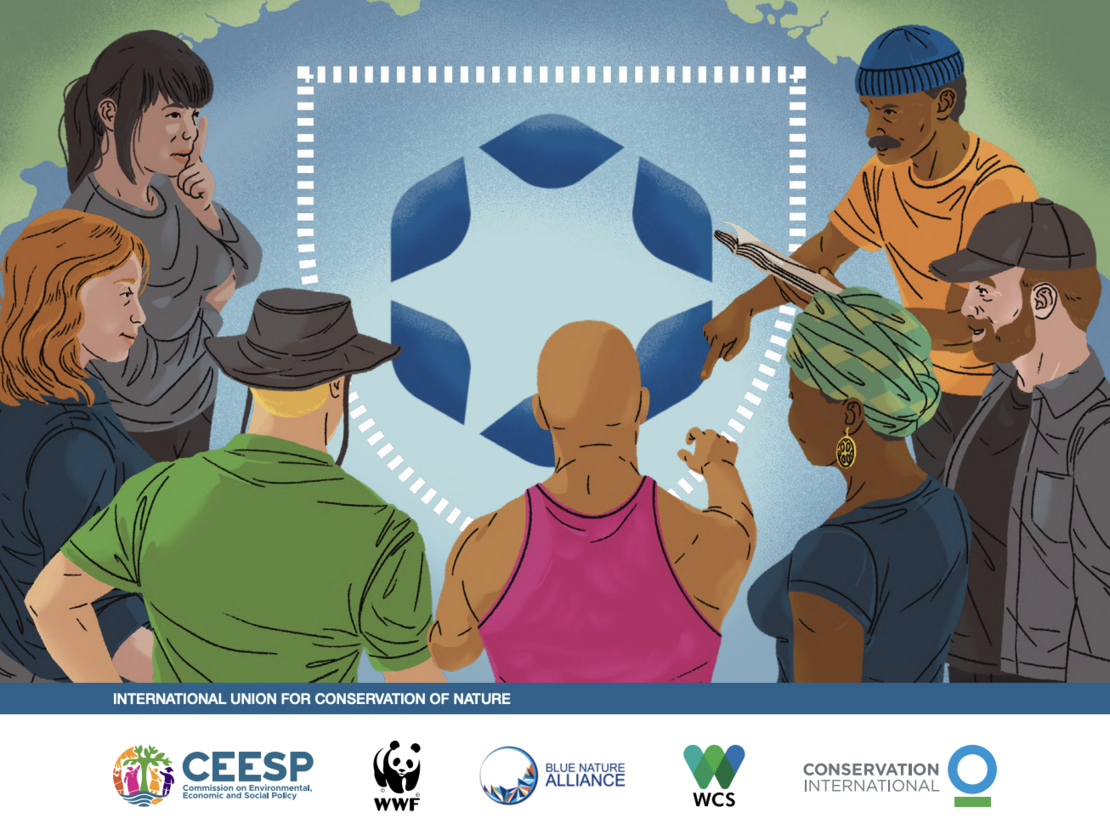
7. Guidebook for Assessing and Improving Social Equity in Marine Conservation, Puts People at the Center of Ocean Protection
A new International Union for Conservation of Nature (IUCN) guidebook is providing governments, NGOs, and communities with a practical roadmap for making marine conservation fairer and more effective. Framed around “social equity,” the resource spells out how to assess who gains, who loses, and who gets a voice when marine protected areas or other ocean initiatives are designed and enforced.
It walks practitioners through rapid, stakeholder-led, and customized assessment methods and highlights principles such as recognition of Indigenous rights, transparent decision-making, and fair sharing of benefits and burdens. The guidebook’s authors argue that ignoring social justice issues can fuel conflict and ultimately undermine ecological outcomes, whereas centering equity can strengthen compliance and long-term support for conservation.
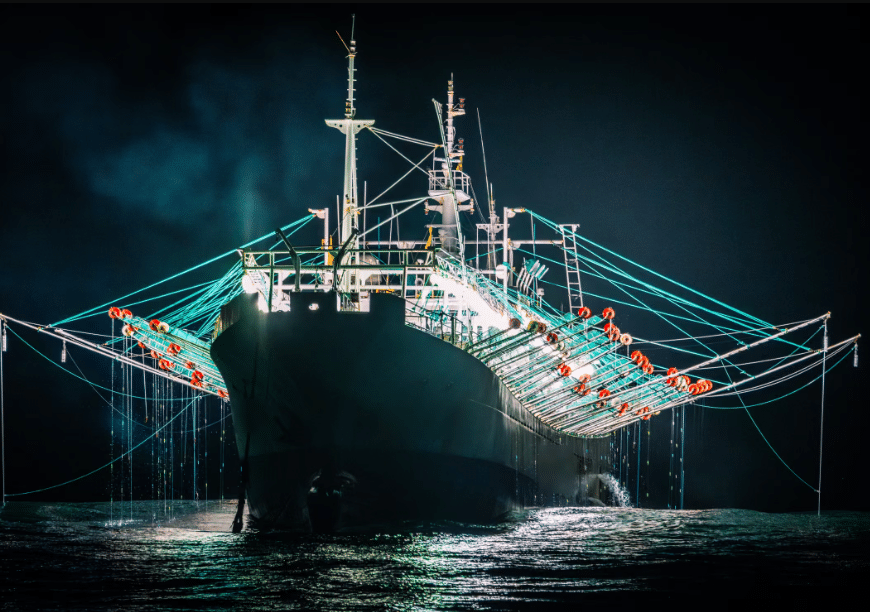
8. Floating Factories, Vanishing Squid: The Shadow Fleet off Argentina
Buenos Aires, Argentina — A sprawling armada of mainly Chinese squid ships working just outside Argentina’s waters is drawing urgent alarms over ecological damage, animal cruelty, and alleged human-rights abuses. Operating in international waters beyond the country’s 200‑mile limit, hundreds of powerful, brightly lit vessels target Argentine shortfin squid, a keystone species that feeds whales, seals, seabirds, and commercial fish.
Investigations cited in the report describe crews enduring debt bondage, violence, confiscated passports, and brutal working conditions, even as catches decline and fishing effort surges, suggesting the stock is under severe stress. Argentine coast guard officers can do little more than monitor the fleet’s movements on screens, prompting campaigners to demand tougher port controls, seafood traceability, and a new global transparency charter to rein in this “wild west” of the high seas.
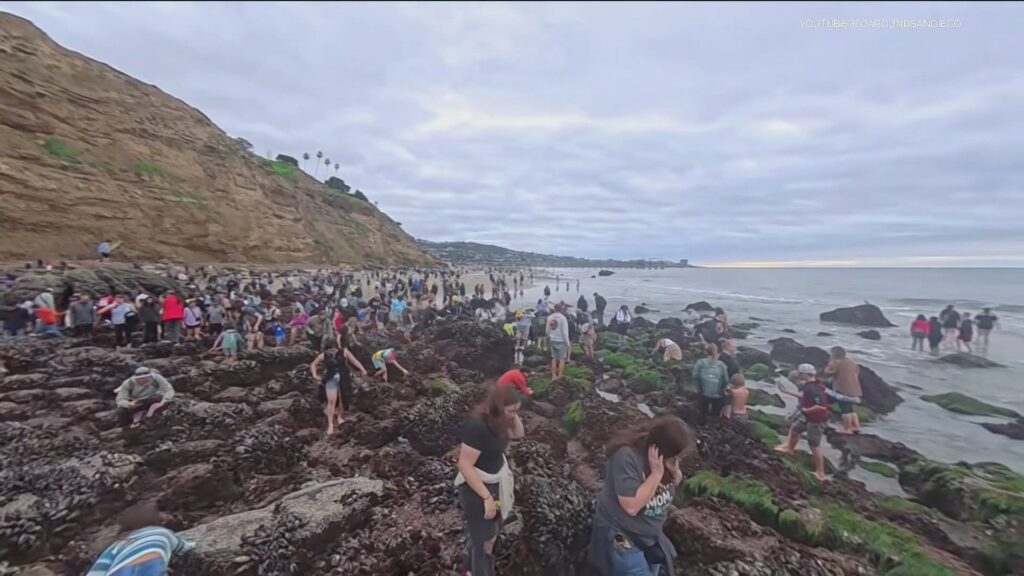
9. King Tide Chaos: Crowds Swarm La Jolla’s Fragile Tide Pools
San Diego, United States — Spectacular king tides drew huge crowds to La Jolla’s usually submerged tide pools, leaving local scientists and officials worried about what all those footsteps are doing to a delicate intertidal world. With the extra‑low tides exposing carpets of anemones, sea stars, and crabs, families and influencers fanned out over the rocks, and some visitors were seen touching, collecting, or trampling marine life despite long-standing rules meant to protect the area’s state marine reserve.
Conservation advocates warn that even a single busy weekend can crush years of slow-growing organisms and urge better signage, on-site education, and more vigorous enforcement before the next king tide window. They also point residents to local aquariums and touch tanks as safer ways to get hands-on with sea creatures without turning wild tide pools into a sacrifice zone.
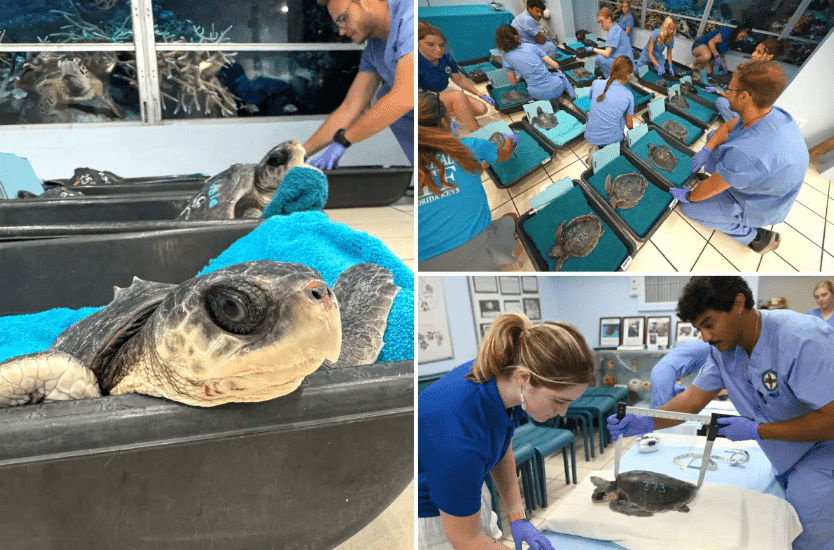
10. Race Against the Cold: Inside the Mission to Save Hundreds of ‘Frozen’ Sea Turtles
North East Coast, United States — A new partnership between Greater Good Charities and the New England Aquarium is supercharging efforts to rescue and rehabilitate cold‑stunned sea turtles washing ashore in the Northeast each winter. As sudden temperature drops leave endangered Kemp’s ridley, green, and loggerhead turtles lethargic, hypothermic, and unable to swim, teams of trained volunteers and staff fan out along beaches to collect the animals and rush them into triage, heated pools, and intensive veterinary care.
The collaboration channels donations into transport, medical treatment, and specialized rehab space, helping hundreds of turtles survive events that once would have resulted in mass die-offs. With climate change driving wilder swings in coastal water temperatures, organizers say building this rescue network now is critical to giving these at‑risk species a fighting chance.
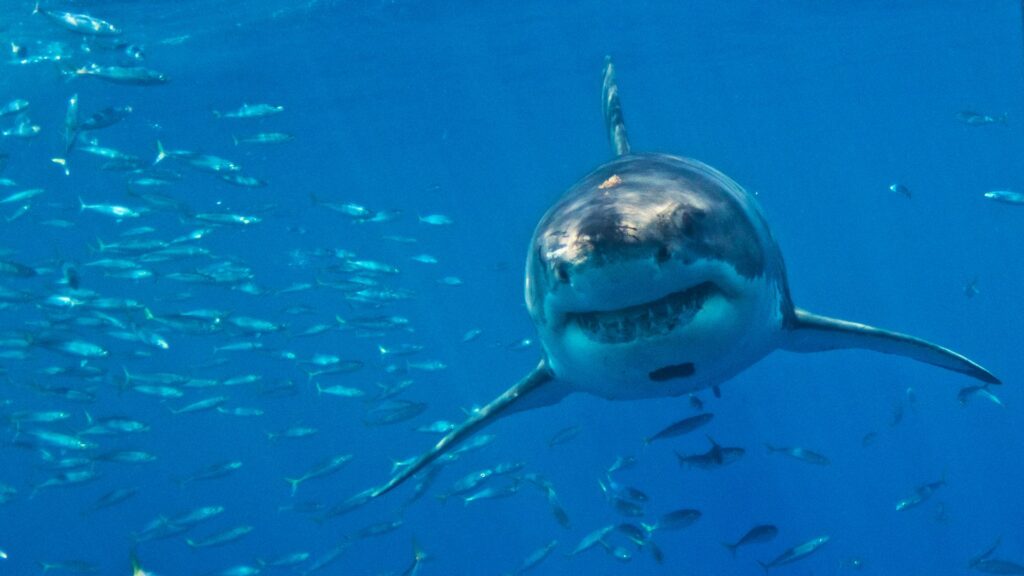
11. Mediterranean Great Whites on the Brink: 40+ Slaughtered in 2025 Alone
Baku, Azerbaijan — Scientists warn the Mediterranean’s great white sharks could vanish within years as illegal fishing decimates their critically endangered population, with at least 40 killed along North Africa’s coast last year. U.S. researchers with the UK’s Blue Marine Foundation documented protected sharks openly sold in Algerian and Tunisian markets despite international bans, verifying social media videos of great whites hauled ashore and makos butchered for sale.
A two-week tagging expedition in the Strait of Sicily, baited with three tonnes of fish and tuna oil, failed to spot a single great white—only a blue shark appeared—while a juvenile was reported killed just 20 miles away. Experts say industrial overfishing has crushed apex predators in the world’s most heavily fished sea, urging better enforcement, fisher training, and regional cooperation before the last stronghold collapses.
12. Ocean Carbon Catastrophe: What Happens If the Atlantic Current Shuts Down?
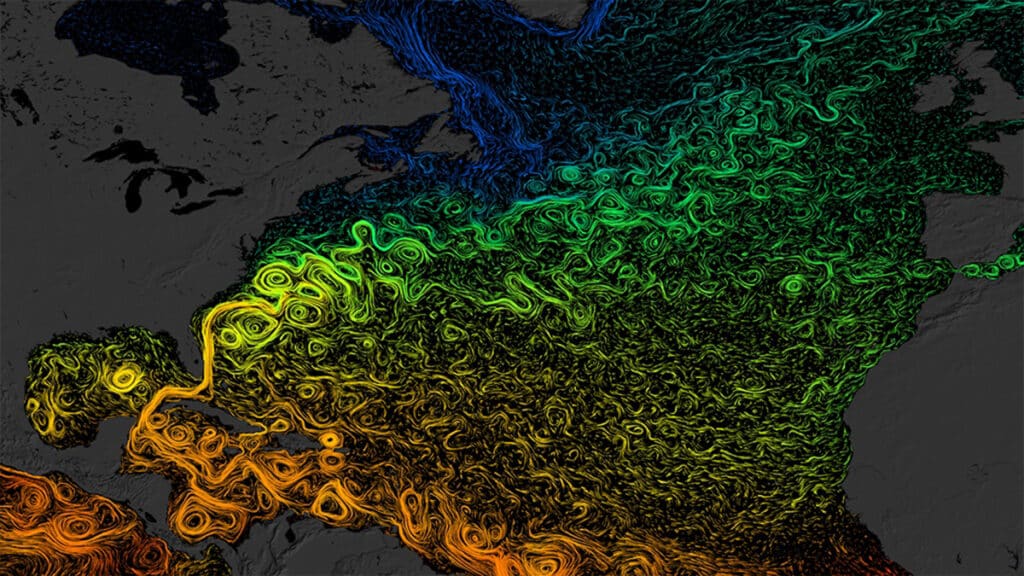
Two new modeling studies reveal what might happen if the Atlantic Meridional Overturning Circulation (AMOC)—the ocean’s global heat and carbon conveyor—abruptly collapses, with dramatic shifts in atmospheric CO2 and carbon cycling. Using the Oregon State University version of the UVic climate model, researchers Andreas Schmittner and colleagues simulated glacial and preindustrial scenarios to tease apart the physical versus biological drivers of carbon-isotope changes.
For hundreds of years after the collapse, atmospheric carbon isotopes would spike before plummeting around year 500, driven first by ocean physics, then by massive land carbon release in the North Atlantic; other ocean basins saw smaller rises. Dissolved inorganic carbon would first build up from respired organic matter in the Atlantic, then drop sharply over thousands of years as preformed carbon declines elsewhere, potentially destabilizing global carbon storage.
13. Ocean Savior or Climate Trap? Why Blue Carbon Fixes Could Backfire Big Time
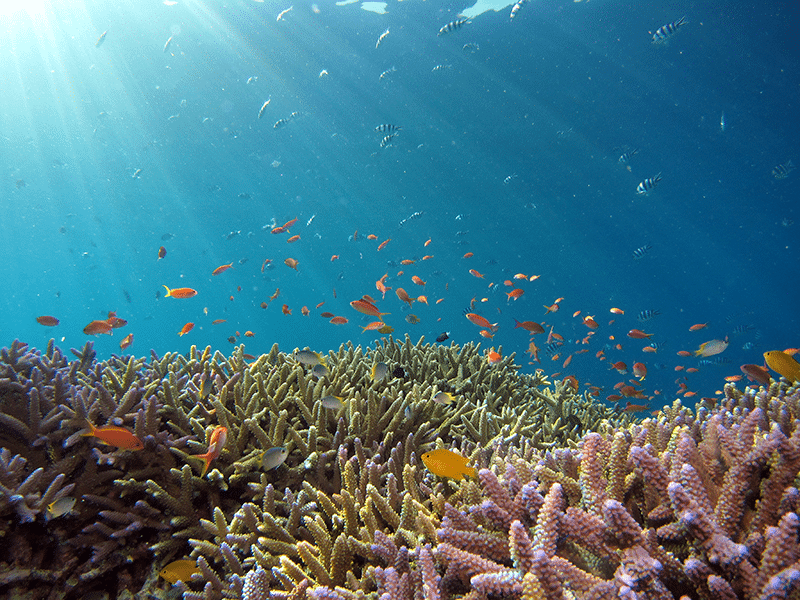
The ocean absorbs a quarter of humanity’s CO2 emissions and stores 50 times more carbon than the atmosphere, making it Earth’s top climate ally—but experts warn over-reliance on “blue carbon” schemes like mangrove restoration and seaweed farming risks unintended consequences. Writing in The BMJ, researchers caution that aggressive ocean carbon removal could disrupt marine food webs, harm fisheries, and even release stored carbon if projects fail under worsening heatwaves and acidification.
They highlight how current approaches often sidestep regulation while counting uncertain or temporary carbon gains toward net zero targets, urging policymakers to prioritize emissions cuts and proven ocean protections over untested geoengineering gambits. Without rigorous monitoring and realistic baselines, blue carbon could become a costly distraction from the hard work of decarbonizing land-based economies.
14. Hidden Arctic Abyss Teeming With Life Shocks Scientists 2 Miles Down
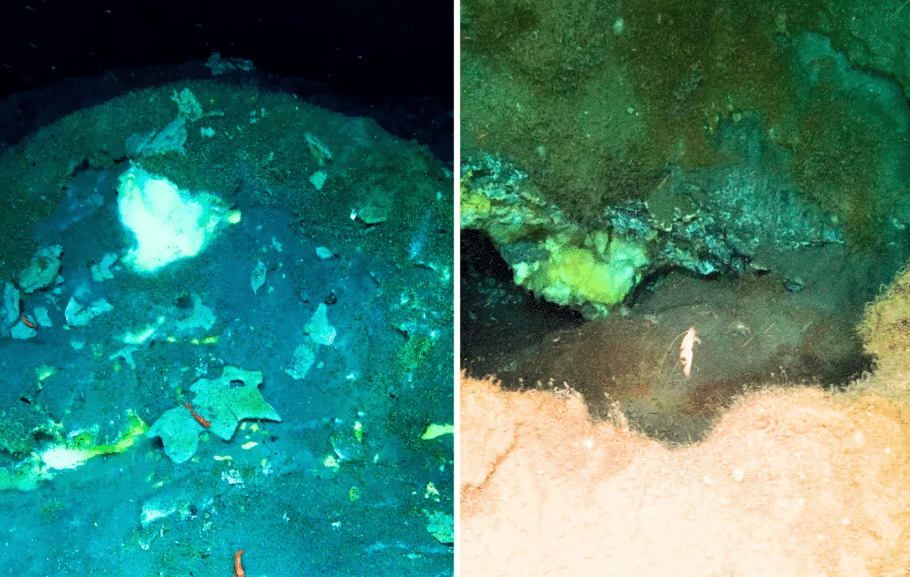
Tromsø, Norway — An international team has uncovered the deepest known gas hydrate cold seep on Earth at 3,640 meters beneath the Greenland Sea, revealing a bizarre methane-fueled “oasis” packed with tubeworms, snails, crustaceans, and microbes thriving in total darkness. Named the Freya gas hydrate mounds after the Norse goddess, this ecosystem discovered during the 2024 Ocean Census Arctic Deep expedition challenges assumptions about where such chemosynthetic communities can exist, extending known depths by over a kilometer.
The site leaks methane, crude oil, and gases through seafloor mounds while supporting species linked to nearby hydrothermal vents, highlighting unique Arctic connectivity that demands protection from looming deep-sea mining threats. Researchers warn these fragile hotspots play unrecognized roles in carbon cycling as Norway weighs seabed exploitation.