


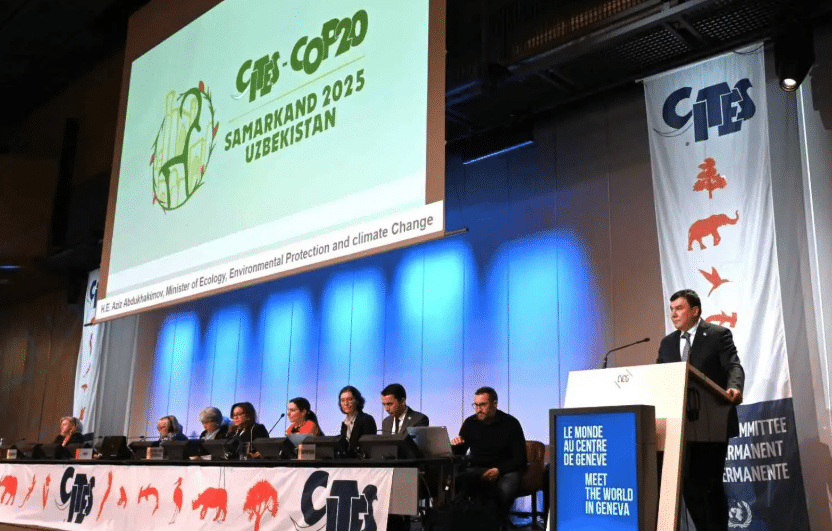
1. Species ‘Under the Radar’ Just Scored a Major Win in Global Wildlife Trade Rules
In Samarkand, Uzbekistan, biodiversity experts from UNEP-WCMC helped secure stronger global trade protections for a host of threatened species at CITES CoP20, reshaping safeguards from rivers to reefs. Delegates considered 50 proposals to adjust listings across CITES Appendices, ultimately backing European Union–led moves to add four water frog species, the golden sandfish sea cucumber, and the medicinal shrub guggul to Appendix II.
The frogs, traded heavily for their legs and already stressed by wetland loss, will now see their international trade regulated to curb declines and protect freshwater ecosystems. Golden sandfish, overfished for luxury foods in Asia, now faces new controls requiring sustainability assessments before export. Guggul, a Critically Endangered shrub harvested for health products, also won late-stage protections. At the same time, several shark and ray species were elevated to the strictest trade bans, signaling a tougher global stance on overexploitation.

2. Unagi Win at CITES? Why Japan’s Eel Victory May Be Short-Lived
A bid to tighten global trade rules on all eel species, including Japan’s beloved unagi, was rejected at the CITES conference in Uzbekistan, handing Tokyo a political win but leaving serious resource concerns unresolved. A European Union–led proposal for blanket regulation was overwhelmingly voted down, with 100 countries opposed, 35 in favor, and eight abstaining, after Japan, China, and the United States pushed back.
The decision averts immediate price shocks but intensifies scrutiny of Japan’s eel management, as the EU warns of sharp stock declines and links to illegal trade. Japan insists its eel resources are sufficient, yet poaching and illicit overseas catches remain rampant. From December, Japan’s Fisheries Agency will require detailed transaction records for juvenile eels to close data gaps, a move seen as a first step toward stricter oversight of a supply chain heavily dependent on imports.
Thank you for your generous gift that will help us continue the production of this weekly, free publication

3. Whale Sharks Just Got a Global Trade Ban — But Is It Enough to Save Them?
Whale sharks have secured their strongest-ever international protection as CITES moves to shut down commercial trade threatening the world’s largest fish. At the CITES CoP20 meeting in Samarkand, delegates agreed to elevate whale sharks to the top tier of protection, effectively banning international commercial trade in their meat and fins and aligning rules with growing national protections.
Conservationists say the decision is crucial after decades of population decline driven by targeted fishing, bycatch, and demand in Asian markets. The move came as part of a broader CITES package that also introduced stricter rules for other shark and ray species, signaling mounting global pressure to curb overexploitation in the oceans. Supporters argue the new listing will pair with ecotourism to offer coastal communities sustainable alternatives to trade-dependent livelihoods.
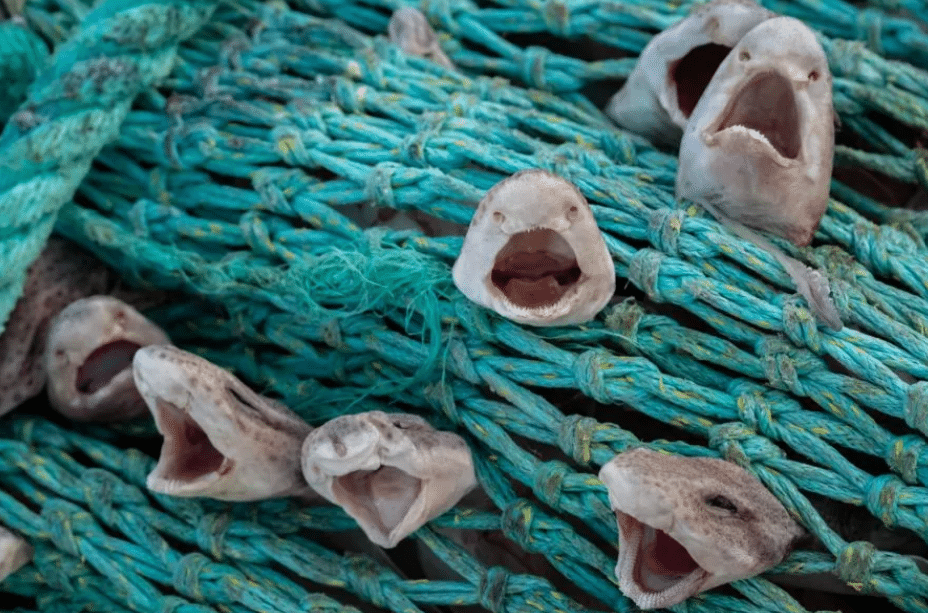
4. Shark Squalene in Your Face Cream? New CITES Crackdown Exposes a Hidden Beauty Industry Secret
New global trade rules on shark products are putting the cosmetics industry under pressure to clean up murky squalene supply chains that quietly drain deep-sea shark populations for face creams and serums. At CITES CoP20 in Uzbekistan, governments agreed to list gulper sharks on Appendix II and grant top-tier protections to whale sharks, manta rays, and devil rays, forcing tighter controls on shark liver oil and its squalene derivative.
Conservationists warn that up to 2.7 million deep-sea sharks may be caught annually for liver oil, and that blind tests show major brands are sometimes misled into believing their squalene is plant-based. Weak labeling rules in markets like the EU mean consumers cannot easily tell if a product’s squalene comes from olives or sharks, fueling calls for mandatory transparency and faster adoption of verified plant-based alternatives.
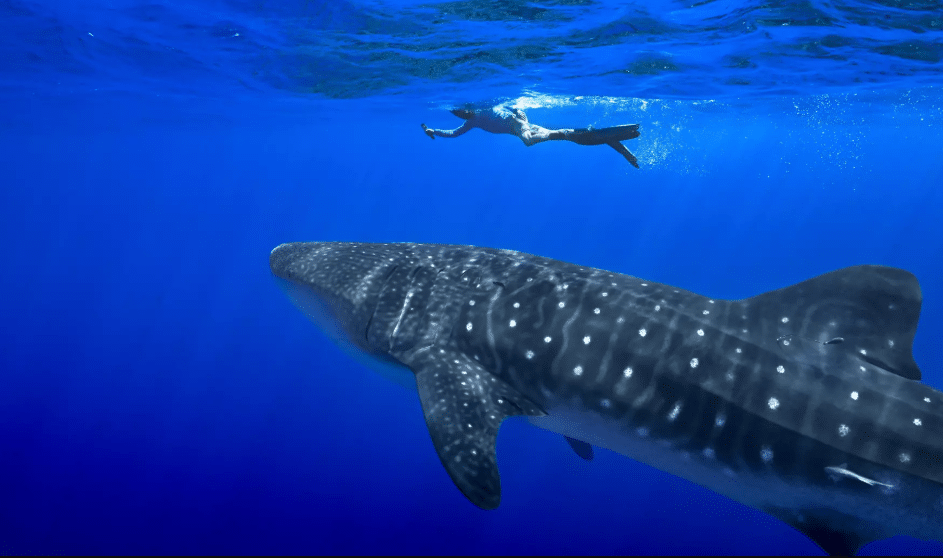
5. Governments Just Drew a Line in the Sand for Sharks — And Poachers Won’t Like It
Governments meeting in Samarkand, Uzbekistan, have adopted landmark protections for more than 70 shark and ray species, markedly reshaping the rules governing global wildlife trade. Over 100 million sharks are killed every year, and more than 37% of shark and ray species now face extinction, prompting delegates at the CITES conference to endorse far-reaching safeguards.
New measures ban commercial trade in oceanic whitetip sharks, manta and devil rays, and whale sharks, and impose zero export quotas on several guitarfishes and wedgefishes, effectively shutting down most legal exports. Additional provisions strengthen regulations for gulper, smoothhound, and tope sharks, requiring traders to demonstrate that catches are legal, sustainable, and traceable. Efforts to roll back protections for elephants and rhinos were rejected, underscoring how the 1975 treaty continues to evolve in response to a modern extinction crisis.

6. COP30’s $1.3 Trillion Climate Cash Bomb: Who Wins, Who Pays?
COP30’s Belém Package doesn’t just raise climate ambition, it rewrites the playbook on who pays and who benefits. The summit locked in a headline goal to mobilize USD 1.3 trillion a year by 2035, including a pledge from developed countries to triple adaptation finance to about USD 120 billion annually, and to operationalize the Loss and Damage Fund for countries on the front lines.
The deal also created a Just Transition Mechanism to channel support to workers and communities moving away from fossil fuels, while warning that climate measures must not become disguised trade barriers. Beyond the negotiating halls, the Global Climate Action Agenda showcased billions in new investments for grids, hydrogen, forests, health resilience, and climate tech, with India spotlighted for zero-emission trucks and AI monsoon forecasting as it pushes to align equity, adaptation, and net-zero at home.
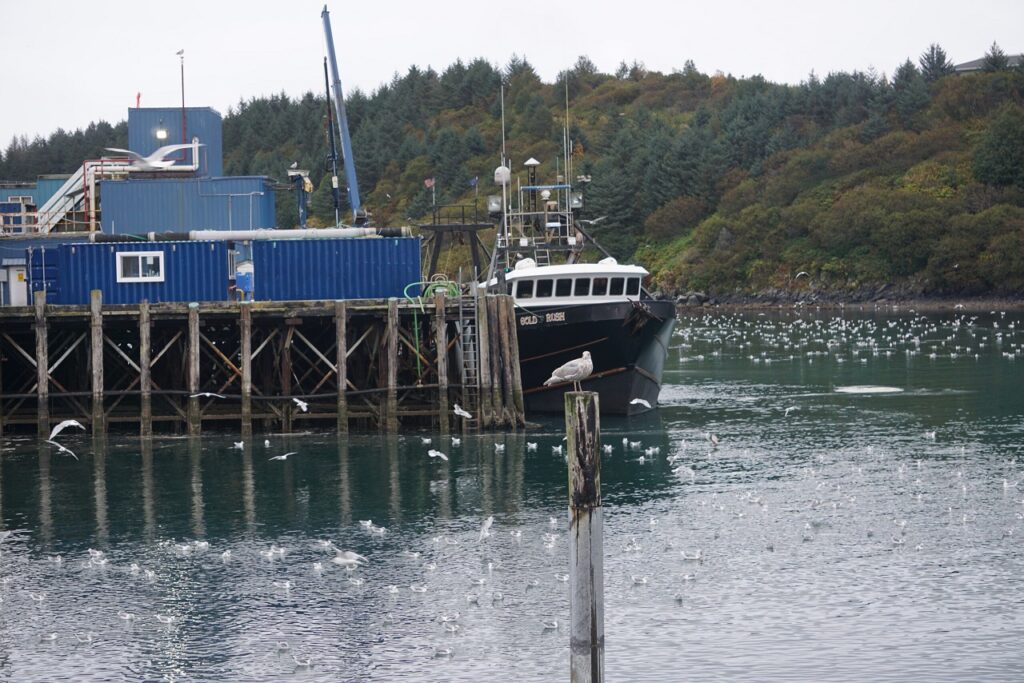
7. Alaska’s $1.4 Billion Pollock Fishery Gamble: Managers Roll Dice with Yesterday’s Data
Anchorage, Alaska – Federal fishery managers are locking in Alaska’s massive seafood harvests using outdated 2024 data because 2025 stock reports aren’t ready, sparking debate over whether science or deadlines are calling the shots in the Bering Sea. The North Pacific Fishery Management Council approved 2026-27 quotas for pollock and groundfish without fresh surveys, holding the pollock total allowable catch steady at nearly 1.4 million metric tons despite shifts in age classes.
Herring data delays forced similar reliance on last year’s numbers, skipping full advisory review and public input. Critics flag risks of overfishing amid warming waters and ecosystem strain. Still, managers point to underharvests and stable trends as cover for continuity in a fleet that feeds billions into coastal economies.

8. Bangladesh Demands Global Plastic Crackdown – Will the World Listen Before It’s Too Late?
Dhaka, Bangladesh – Bangladesh is pressing world leaders at the United Nations Environment Assembly to fast-track a treaty ending plastic pollution, spotlighting the crisis choking its rivers and coastlines amid growing waste from fast fashion and single-use goods. The call comes as negotiators in Nairobi debate a landmark global pact to curb plastic production and trade, with Dhaka urging binding targets on chemicals, waste management, and corporate accountability to protect vulnerable nations hit hardest by marine debris.
Local rivers like the Buriganga carry millions of tons of plastic yearly, threatening fisheries and public health in a delta nation already battling floods and cyclones. The push aligns with Bangladesh’s domestic bans on thin plastics and recycling drives, but officials stress richer polluters must fund cleanup and tech transfers for real impact.

9. Plovers vs. Predators: 2025’s Brutal Beach Nesting Battle Revealed
East Hampton, United States – Piping plover productivity on East Hampton Town beaches dipped to 1.17 fledglings per nesting pair in 2025, down from the prior year but far better than the dismal 0.4 rate of 2023, according to town Natural Resources Department analysts. The endangered shorebirds, with just 6,000 to 8,000 breeding pairs worldwide, faced heavy predation by foxes and crows on oceanfronts, plus new threats from ghost crabs, unleashed dogs, vehicles, and fireworks that stress nests and lead to abandonment.
Bay beaches fared better at 2.14 productivity, with seven pairs fledging 15 chicks, led by Sammy’s Beach successes. At the same time, ocean sites like Indian Wells consistently produced three to four fledglings per pair despite a wily fox digging under exclosures. Town monitors 18 miles of shoreline to balance conservation fencing with public access, aiming to upgrade camera traps and install predator-proof barriers to boost recovery toward New York’s 1.5 percent annual growth target.
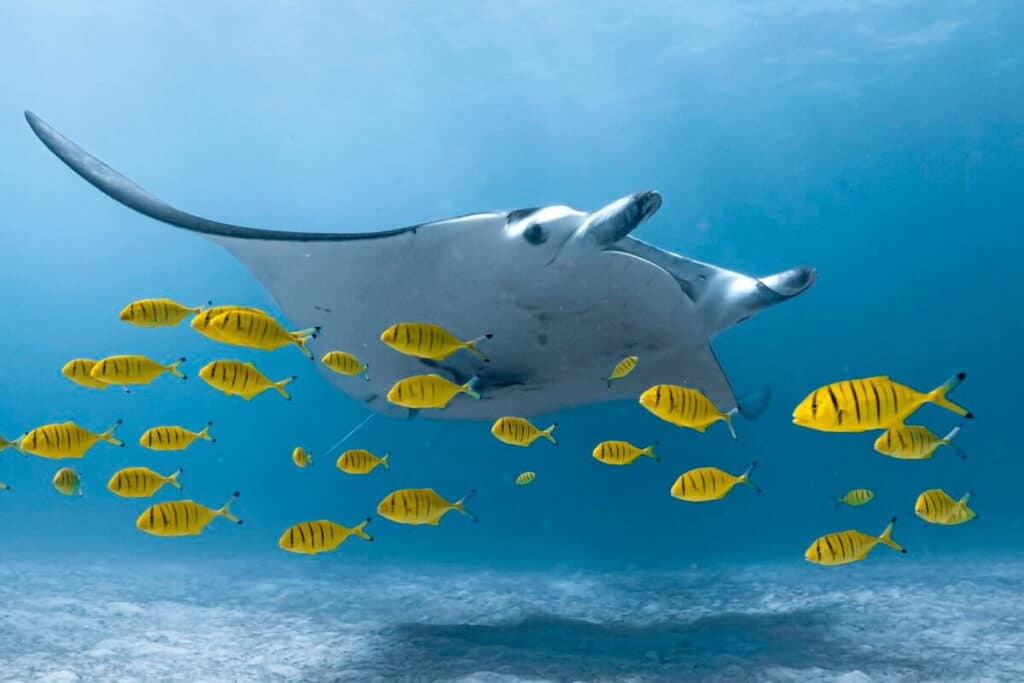
10. Manta Rays Dying 10x Faster Than We Knew – And Small Boats Are to Blame!
London, United Kingdom – A bombshell study reveals that over 259,000 manta and devil rays perish each year in global fisheries, shattering prior estimates and exposing massive data gaps that mask even steeper declines in hotspots such as India, Indonesia, and Sri Lanka. Small-scale gillnet boats under 15 meters drive 87% of the carnage, with India alone killing 73,000 rays annually for meat and gill plates, while purse seines and longlines on bigger vessels claim another 34,000.
Long-term data show 51-99% drops in landings from Mozambique to the eastern Pacific, detected only after late-start monitoring revealed the scale of predation on these slow-reproducing ocean giants. Fresh CITES Appendix I uplisting bans international trade, but researchers demand national retention bans, gear phaseouts, live-release protocols, and no-fishing zones to stem the tide before populations collapse irreparably.

11. Sea Urchin Apocalypse: Entire Species Teetering on Extinction Edge After Killer Pandemic!
A devastating marine pandemic has pushed multiple sea urchin species to the brink of oblivion, with populations crashing by up to 99% in affected regions from the Mediterranean to the Pacific, scientists warn in a stark Guardian report. The unidentified pathogen, sweeping through waters since 2023, kills adult urchins within days, leaving barren reefs and threatening ecosystems that rely on these keystone grazers to control algae and support fisheries.
In Greece’s Aegean Sea, once-dense beds vanished overnight; California’s purple urchins suffered 90% die-offs, while Japan’s species face similar annihilation amid warming oceans amplifying disease spread. Recovery seems distant as survivors show no immunity, prompting urgent calls for quarantines, breeding programs, and habitat protections before barren seascapes become the new normal. Conservationists fear this “marine COVID” signals a broader biodiversity collapse from climate stressors.
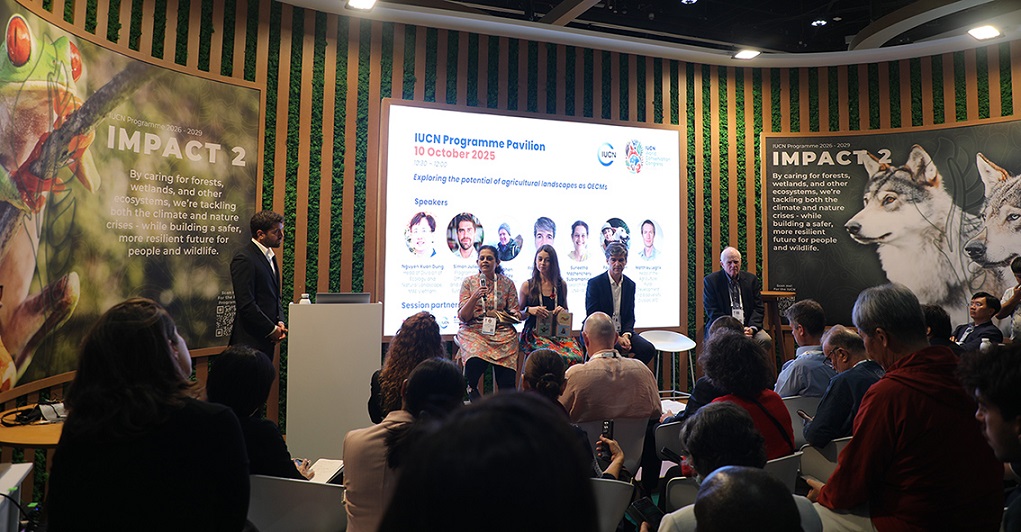
12. Common Ground Dialogues Ignite Real-World Conservation Wins at IUCN Congress!
The IUCN World Conservation Congress in Abu Dhabi burst into action as Common Ground Dialogues transformed heated debates into collaborative breakthroughs on biodiversity, climate, and equity, drawing leaders from 195 countries to forge actionable pacts. These facilitated sessions bridged divides on thorny issues such as protected area expansion, Indigenous rights and nature-based solutions, yielding over 50 joint commitments from governments, NGOs and businesses to halt species loss by 2030.
Highlights included a global pledge to protect 30% of the ocean with equitable benefit-sharing, tech-driven anti-poaching alliances, and finance mechanisms channeling $10 billion annually to vulnerable ecosystems. Participants hailed the dialogues for turning impasse into momentum ahead of COP30, proving dialogue can deliver when structured for consensus rather than confrontation.
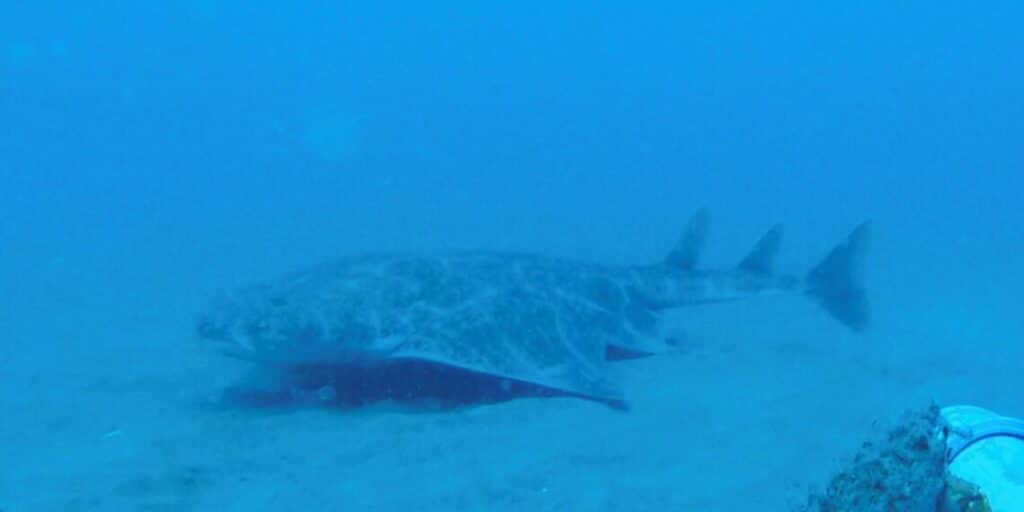
13. Angelshark Caught on Camera Off Wales – Proof Bottom Trawlers Must Be Banned Now!
Cardigan Bay, Wales, United Kingdom – Rare footage has captured one of the world’s rarest sharks, a critically endangered angelshark, lurking on the seabed off Cardigan Bay for the first time in four years, bolstering calls to ban destructive bottom trawling in Welsh marine protected areas. The Wildlife Trust of South & West Wales deployed baited underwater cameras as part of the Dolphin Diet Detectives project, revealing the camouflaged predator amid spider crabs and wrasse in just one hour of recording.
Angelsharks, once common in the eastern Atlantic but now decimated by trawling and habitat damage, ambush prey from the seafloor but reproduce too slowly to recover without intervention. Conservationists hail the sighting as timely evidence for Welsh Parliament and UK government debates on trawling bans, emphasizing fragile seabed biodiversity that demands full protection.
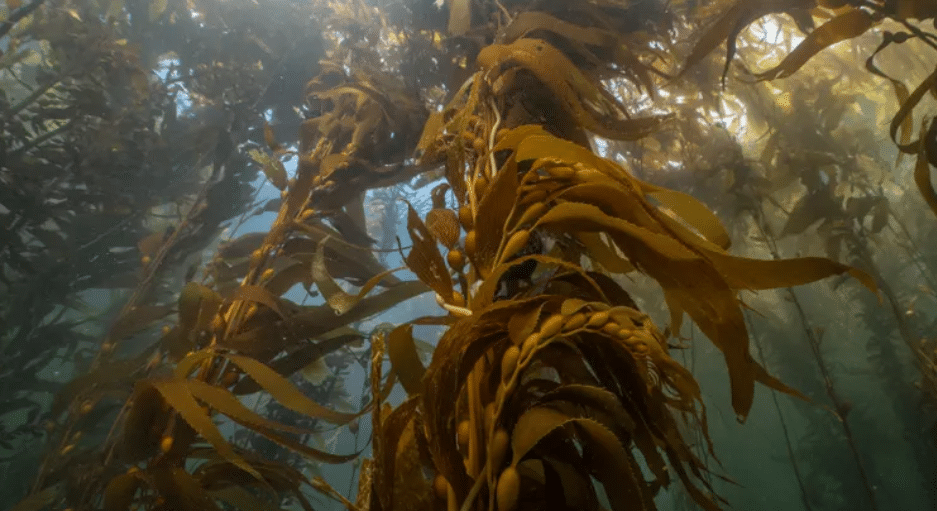
14. California’s Kelp Miracle: Underwater Forests Roaring Back from the Dead!
Divers off Northern California are witnessing a stunning revival of kelp forests that vanished over 90% in the past decade due to marine heatwaves, urchin explosions, and sea star die-offs, turning vibrant ecosystems into urchin barrens. At sites like Portuguese Beach in Mendocino County, The Nature Conservancy planted kelp seedlings on protective ropes and removed 41 tons of purple urchins, boosting coverage tenfold from 2023 lows as sunflower sea stars reappear.
Nearby Caspar Cove saw kelp expand nine times since 2020 thanks to volunteer urchin culls, while Kashia Pomo tribes clear 50 tons to restore abalone habitats and traditional foods. These labor-intensive wins signal hope for global kelp restoration amid climate threats, with researchers eyeing urchin repurposing for dyes, 3D printing, and leather to fund scale-up before warming oceans doom more coastal “lungs.”

15. Earth’s Secret 8th Continent Finally Mapped – And It’s 95% Underwater!
Lower Hutt, New Zealand – Geologists from GNS Science have completed the first full mapping of Zealandia, Earth’s elusive eighth continent spanning nearly 2 million square miles, which is 95% submerged beneath the Pacific since rifting from Gondwana 80 million years ago. Dredging rock samples from the Fairway Ridge to the Coral Sea across North Zealandia revealed Late Cretaceous sandstones (95 million years old), Early Cretaceous granite-volcanic pebbles (130 million years old), and Eocene basalts (40 million years old), pieced together via geochemical analysis and magnetic anomalies.
The work challenges strike-slip breakup theories, showing variable stretching up to 65 degrees, which thinned the crust, enabling subduction cracks that flooded the Tasman Sea and doomed most of Zealandia to the deep. New Zealand remains the sole prominent above-water remnant, underscoring the “maybe-continent’s” geological marvel status despite its watery grave.

16. South Korea Lands UN Ocean Summit – Busan Eyes Global Spotlight!
Seoul, South Korea – The UN General Assembly has tapped South Korea to co-host the 2028 UN Ocean Conference with Chile, cementing Seoul’s bid to lead global maritime sustainability two years before the 2030 SDG 14 deadline on ocean health.
The resolution passed overwhelmingly, with 169 votes, despite opposition from the US and Argentina, positioning Korea to showcase its seafaring prowess at the triennial summit, which draws 193 nations, NGOs, and top officials to tackle pollution, overfishing, and climate threats. Busan has signaled a strong interest in hosting the main June 2028 event following Chile’s 2027 prep meeting, with Oceans Minister Chun Jae-soo vowing meticulous prep to elevate Korea as a maritime powerhouse.
Past conferences in New York (2017), Lisbon (2022), and Nice (2025) set precedents for partnerships and best practices. Korea aims to advance amid Nice’s 15,000-participant turnout.
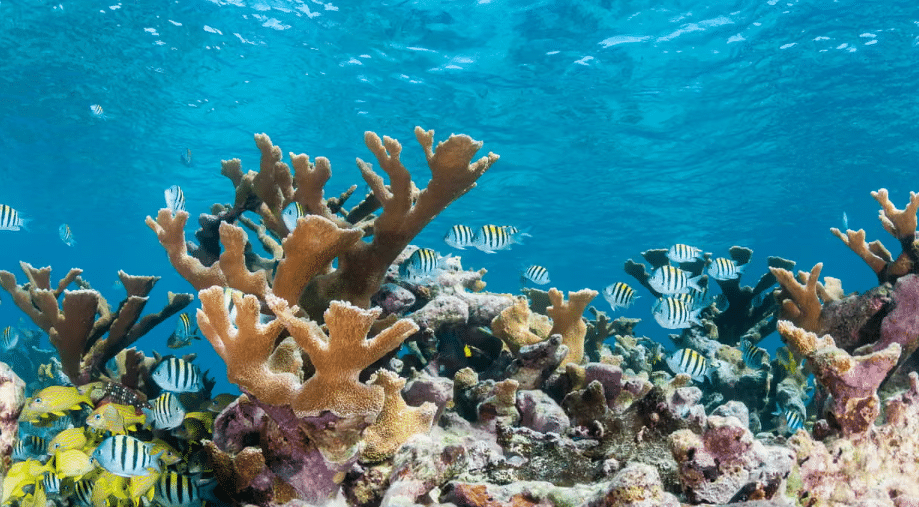
17. Caribbean Reefs’ Shocking 48% Coral Die-Off: Heatwaves Are the Silent Killer!
Caribbean coral reefs have shed 48% of their hard coral cover since 1980, driven by relentless marine heatwaves that bleach skeletons white by poisoning symbiotic microalgae, according to a stark Global Coral Reef Monitoring Network study. The 2023-2024 heatwave alone triggered mass bleaching across the region, compounding decades of decline from hurricanes, pollution, and overfishing that leave reefs vulnerable to algae overgrowth and erosion.
Once-vibrant ecosystems supporting fisheries, tourism, and coastal defenses now teeter, with scientists warning that without slashing emissions and curbing local stressors, most reefs will stop growing and begin dissolving by mid-century. Urgent calls mount for global warming limits below 1.5°C, marine protected areas, and restoration to salvage these underwater cities before they vanish.

18. Flood Egypt’s Desert to Fight Sea Level Rise? Wild Plan Could Save Coasts Worldwide!
UC Irvine professor Amir AghaKouchak is probing a radical geoengineering fix for rising seas: reflooding Egypt’s vast Qattara Depression, 133 meters below sea level, via Mediterranean canals to create a stable inland sea that could shave millimeters off global ocean levels through initial impoundment and ongoing evaporation. The century-old concept, once eyed by the CIA for hydropower, now targets climate-driven inundation projected to reach at least 30 cm by 2100, with potential co-benefits such as aquaculture, renewable energy from inflows, and tourism in the arid Western Desert.
Gravity-fed tunnels would fill the basin with hundreds to 1,000 cubic kilometers of seawater. Still, challenges loom, including unexploded ordnance, sparse nomadic displacements, groundwater risks, and ecosystem shifts from saline desert to hypersaline marine habitats. Sites like the Dead Sea and Danakil Depression also qualify, demanding Egyptian leadership, international buy-in, and rigorous environmental justice before any pilot amid fierce geoengineering debates.