


1. What’s Lurking in the Deadly Blue Ocean Goo? Scientists Unearth Shocking Proof of Life in Earth’s Harshest Depths
Scientists from the University of Bremen, Germany, have discovered signs of microbial life in a highly alkaline, blue-hued serpentinite mud found near mud volcanoes at the Mariana Trench in the Pacific Ocean. Published in Communications Earth & Environment, the study analyzed 5.4-foot-long core samples of this hazardous mud, which has a pH similar to bleach and scarce nutrients.
Despite these harsh conditions, researchers detected lipid biomarkers—fats from cell membranes of bacteria and archaea—indicating that microbial communities, including methane- and sulfate-metabolizing microbes, persist in this environment. These findings support the long-held theory that early life on Earth may have originated near ancient mud volcanoes under extreme conditions. The study highlights the resilience of life in some of the planet’s most inhospitable habitats, accounting for an estimated 15 percent of Earth’s living biomass.
2. Norway Sparks Global Outrage with Plan to Double Krill Harvest in Antarctica—What’s at Stake for Our Planet?
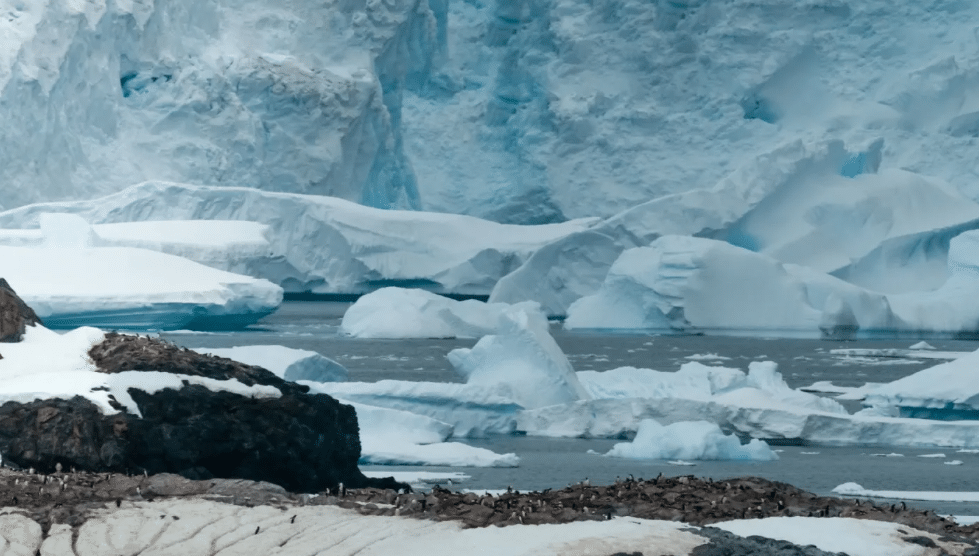
Sydney, Australia—Diplomatic tensions surged at the annual Commission for the Conservation of Antarctic Marine Living Resources meeting after Norway proposed nearly doubling the region’s krill harvest quota. The move, championed by Norway-based Aker BioMarine, comes on the heels of a record 620,000-metric-ton krill catch that already triggered a midseason fishery closure due to sustainability fears. Environmentalists and several countries voiced alarm, stressing that krill—the cornerstone of Antarctic food webs—feed whales, seals, and penguins, and play a vital role in global carbon storage.
Research published in Nature Communications estimates that krill help sequester up to $46 billion in carbon annually by sending carbon-rich particles to the ocean floor. Critics warn that raising quotas could undermine delicate marine ecosystems and threaten efforts to establish a massive Antarctic marine protected area. The debate highlights broader concerns about balancing industry with ecosystem health.
Thank you for your generous gift that will help us continue the production of this weekly, free publication
3. Deadly Surprise: Tiny Fragments of Plastic Are Killing Seabirds and Marine Animals Faster Than We Ever Imagined
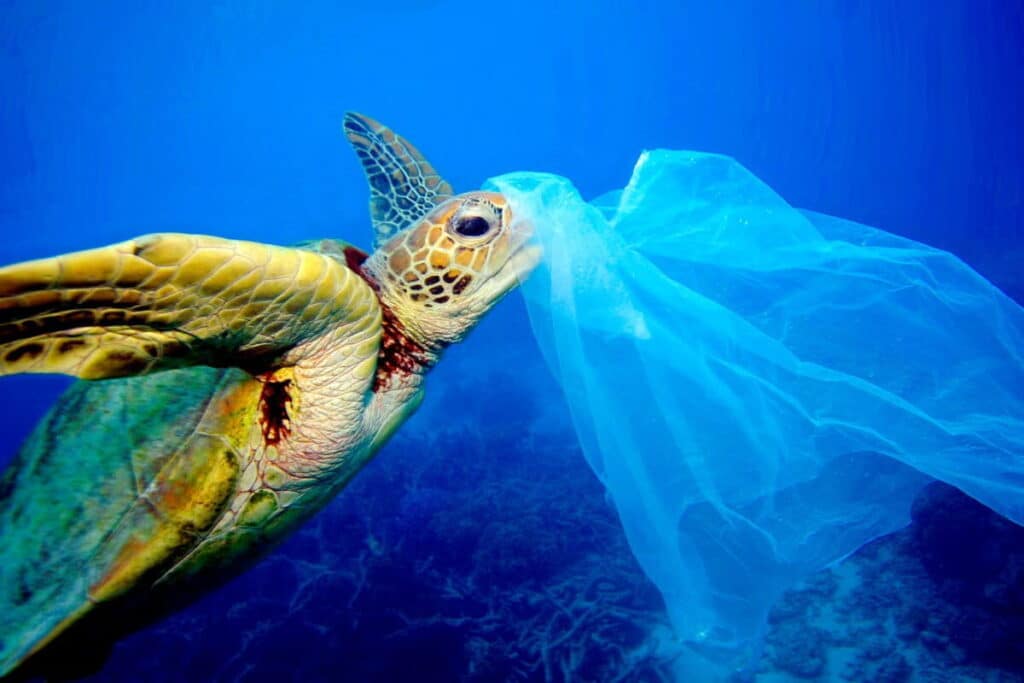
London, United Kingdom—A groundbreaking new study published in Mongabay reveals that even small quantities of plastic pose a lethal threat to seabirds and marine animals—far less than scientists previously believed. Researchers found that just a few pieces of plastic can trigger fatal blockages or starvation in species such as shearwaters, turtles, and other marine wildlife.
Until now, policymakers and the public often assumed that only large accumulations were deadly, but the latest evidence highlights how ingesting only 1 or 2 fragments can cause death, especially in juveniles. The findings alarm conservationists, suggesting that current regulations may drastically underestimate the risk faced by countless species. With plastic pollution escalating worldwide, experts urge a rapid crackdown on single-use plastics and better protection for vulnerable marine populations already devastated by ocean debris.
4. Whale Crisis: U.S. Entanglement Cases Surge to Record Highs in 2024—Are Our Largest Ocean Giants at Risk?
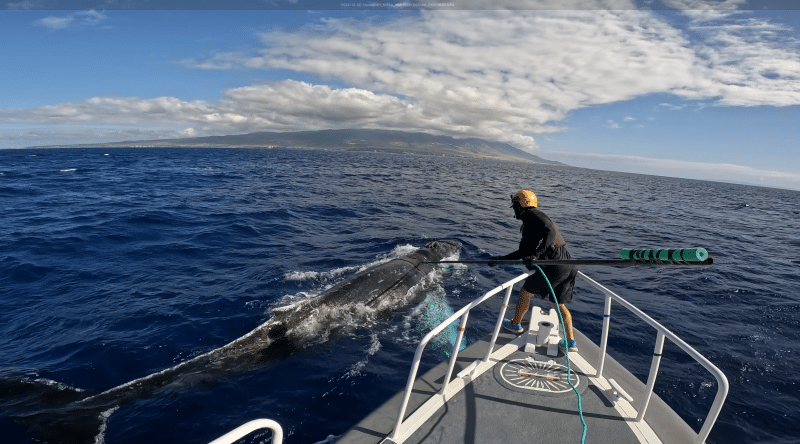
NOAA Fisheries reports a troubling spike in confirmed large whale entanglements along U.S. coastlines, with 95 cases verified in 2024. This figure outpaces 2023’s count of 64 and exceeds the 17-year national annual average of 71.4 entanglements. These incidents, often involving whales snagged in fishing gear or marine debris, continue to threaten iconic species, including the critically endangered North Atlantic right whale.
Entangled whales may drag ropes and nets for months or years, risking infections, amputation, starvation, or drowning as their ability to swim, feed, and breathe is impaired. Experts stress that public sightings should always be reported to state hotlines and handled only by trained response teams, not by untrained individuals. NOAA is analyzing the sharp uptick to assess whether this is an anomaly or an emerging trend—and to improve protections for these vulnerable marine giants.
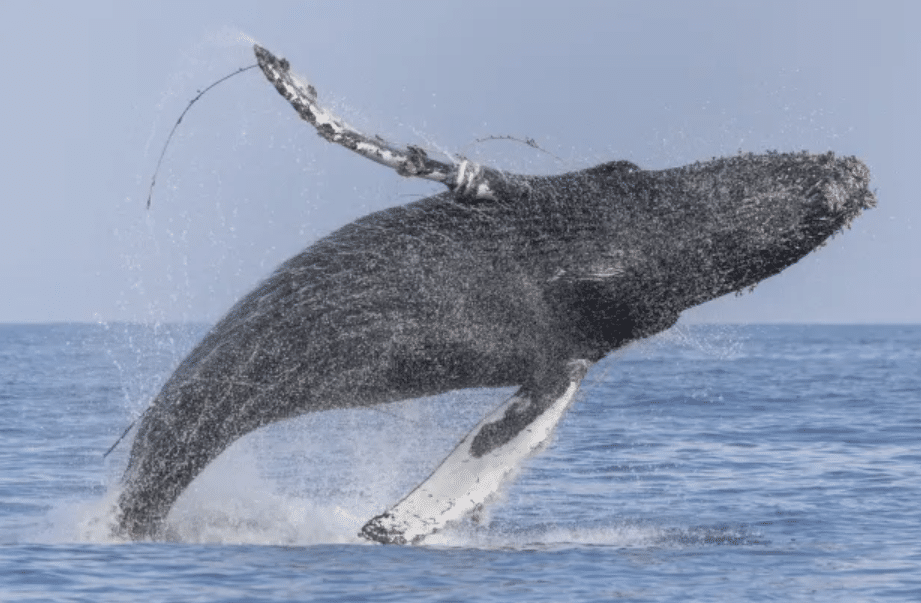
5. Whale Emergency: California Becomes the Nation’s Hotspot as Whale Entanglements Shatter Records in 2024
San Diego, United States—Whale entanglements have reached a staggering 17-year high off the coast of California, according to newly released NOAA data. In 2024, the U.S. confirmed 95 large whale entanglements—up 48 percent from 64 in 2023 and far above the 17-year annual average. California alone accounted for a quarter of these cases, with hotspots in the Monterey Bay and San Francisco Bay areas.
Humpback whales were particularly hard-hit, accounting for more than 70 percent of the incidents. Experts warn that entanglements—mostly from commercial and recreational fishing gear—risk debilitating injuries or death from drowning, starvation, or infection. Amid calls for urgent coordinated action, conservationists stress that current whale protection measures are inadequate, particularly as NOAA funding faces cuts and new legislation threatens core marine protections.

6. Peru Seizes Massive Haul: Six Tons of Illegal Shark Fins Destined for Asia Uncovered in Major Sting
Callao, Peru—Peruvian authorities have seized more than six tons of illegal shark fins in the port city of Callao, in one of the largest crackdowns on wildlife trafficking in the country’s history. The haul, worth an estimated $8 million, was set to be smuggled to Asian markets where shark fins are in high demand for soup and medicinal products. The National Criminal Investigation Directorate reported that three suspects were detained in connection with the operation.
Environmental advocates warn that Peru’s growing role as a shark fin trafficking hub threatens already fragile global shark populations, as sharks are often killed solely for their fins before their bodies are discarded at sea. The high-profile bust highlights the ongoing fight against illegal wildlife trade in South America and the urgent need for more vigorous enforcement and regional cooperation to protect endangered marine species.
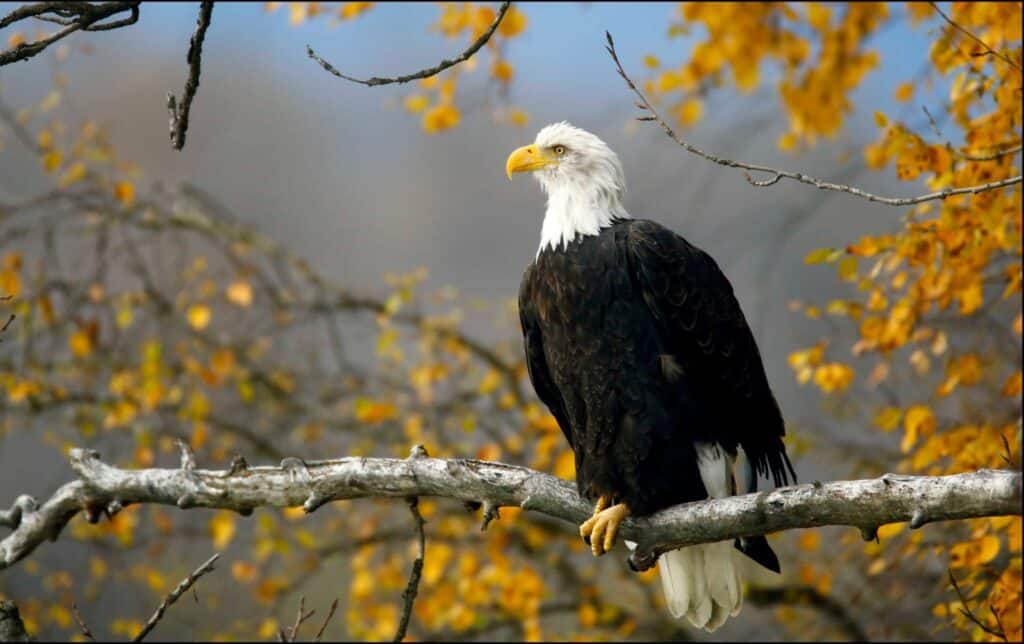
7. Trump-Era Rules Return to Revise Endangered Species Act — What This Means for Wildlife
Washington, United States—The Department of the Interior’s U.S. Fish and Wildlife Service announced four proposed rules aiming to roll back Biden administration expansions and restore Trump-era Endangered Species Act (ESA) regulations from 2019 and 2020. These revisions aim to strengthen federal regulatory oversight, improve industry predictability, and focus conservation efforts on clear, lawful standards.
Key changes include removing the broad “blanket rule” that automatically protected threatened species, requiring species-specific protections instead, and allowing consideration of economic impacts when designating critical habitats. Critics warn these moves will weaken vital protections for endangered plants and animals at a time of escalating extinction risks. The proposals reflect Executive Orders aimed at prioritizing American energy independence and resource development while revising policies the current administration views as regulatory overreach.
The public is encouraged to submit comments during the 30-day comment period beginning November 21, 2025, at https://www.regulations.gov
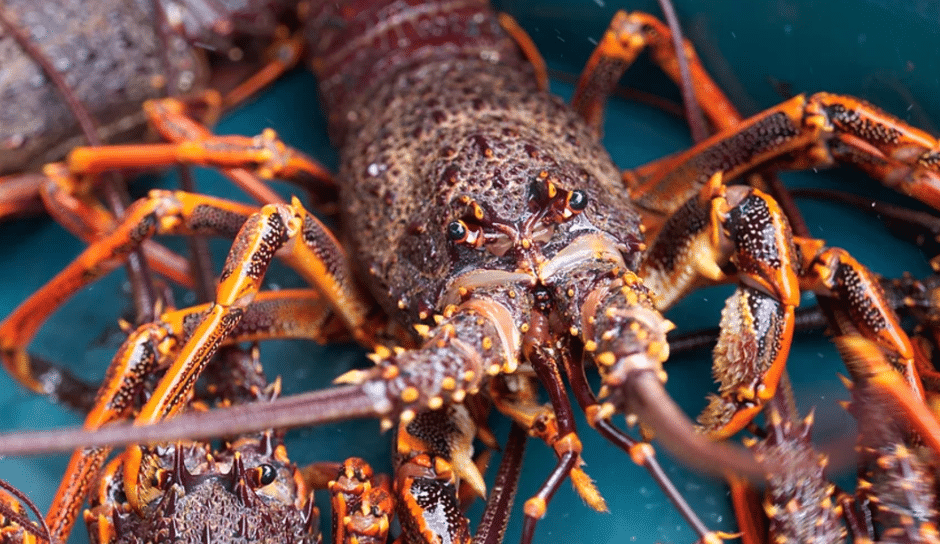
8. Crayfish Comeback? Major Survey Hopes to Reveal If Marine Protections on New Zealand’s Wild Coast Are Working
North Taranaki, New Zealand—A new research project is underway to assess the state of kōura (crayfish, Jasus edwardsii) inside and outside the Parininihi Marine Reserve, a 1,800-hectare protected area off the country’s North Island. The Department of Conservation and Ngāti Tama iwi will use 100 cray pots at 50 reserve and 50 non-reserve sites to measure crayfish abundance, size, and health as indicators of ecosystem recovery.
The fully protected reserve allows crayfish populations to rebound from fishing pressure, offering a rare glimpse into what a healthy coastal habitat should look like. Local communities are encouraged to learn from the project, which aims to strengthen cultural connections and guide management of New Zealand’s vital marine reserves. Fieldwork launches December 1, with results expected to shape conservation efforts for years to come.
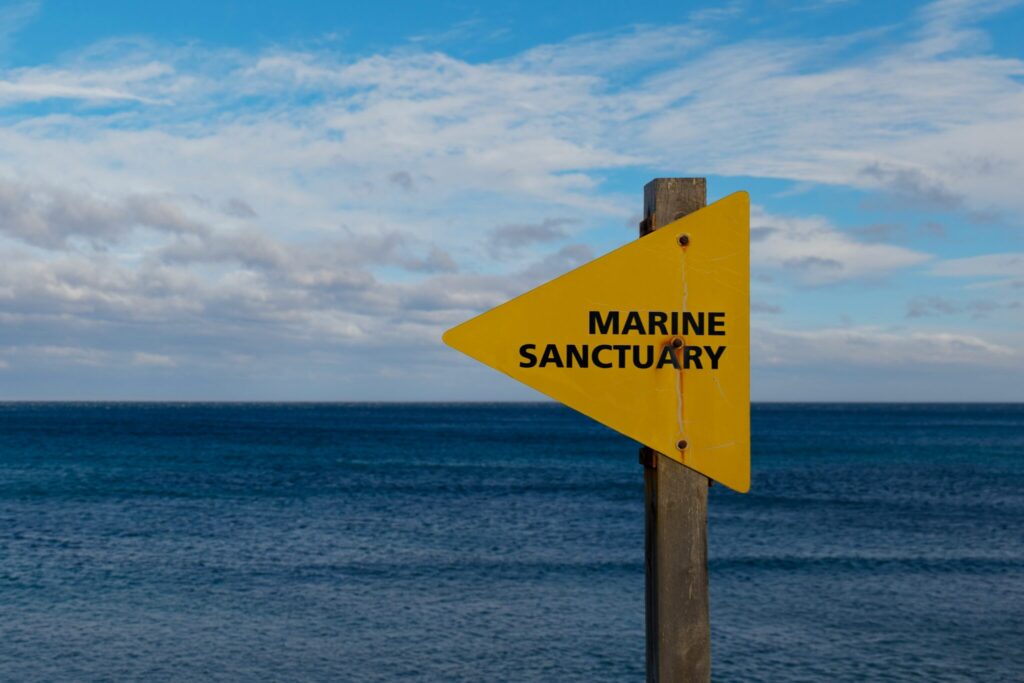
9. Climate ‘Safe Zones’ Vanishing: Australia’s Marine Life May Lose Last Refuges From Warming
Canberra, Australia—A sobering new study published in AGU’s Earth’s Future reveals that climate change is poised to obliterate “safe havens” for marine life in even Australia’s most protected waters within just 15 years. Researchers at the University of the Sunshine Coast found that by 2040, regions once shielded from ocean extremes will face unprecedented heatwaves, acidity, and oxygen loss—even in top-tier marine protected areas.
As warming exceeds 1.8 degrees Celsius, nearly all of Australia’s marine climate refuges will vanish, accelerating threats for thousands of species, including coral, fish, turtles, and whales. Scientists warn that current protected area designs—built to buffer against fishing and mining—fall short in the face of sweeping climate disruptions, urging a shift toward climate-smart reserves and more substantial emissions cuts. Without urgent action, Australia’s celebrated marine diversity faces peril across both sanctuary and open waters.
10. Ocean Giants in Peril: See the Shocking Threats Pushing Marine Megafauna Toward Extinction!
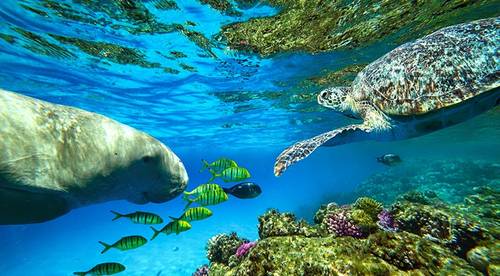
Perth, Australia—An international study led by the University of Western Australia’s Oceans Institute (Perth, Australia) has revealed alarming threats facing marine megafauna, including whales, sharks, and turtles. Researchers assessed the vulnerability of 256 large marine species to 23 threats driven by human activity, including climate change, plastic pollution, and fishing practices. High-severity threats, like drifting longlines and fixed fishing gear, have caused sharp declines in vulnerable populations.
While fishing gear drives steep declines in numbers, broader threats such as temperature extremes and plastic pollution leave entire populations at risk, with turtles and sirenians identified as susceptible across all threat categories. About 40% of the species are highly vulnerable to at least one major threat. The study underscores the urgent need for coordinated global conservation efforts to avert the risk of mass extinction.

11. Nations Race to Harness the Seas: The New Ocean Taskforce Promises a Blue Revolution at COP30!
Belém, Brazil—Seventeen nations, including France and Brazil, have joined the Blue NDC Challenge at COP30, taking unprecedented steps to integrate ocean-based solutions into their national climate plans. Announced at a high-level event in Brazil, the Ocean Taskforce and the “Blue Package” aim to confront biodiversity loss and drive progress across marine conservation, ocean renewables, shipping, and coastal tourism.
Although most countries now include ocean priorities in their national commitments, significant gaps remain—especially for clean energy and finance, with oceans still receiving less than 1 percent of global climate funds. Leaders emphasized that robust ocean-based climate action could deliver up to 35% of emissions cuts needed to keep global temperature rise below 1.5°C by 2050. This initiative marks a decisive shift from promises to delivery, aligning global ocean action with jobs, food security, and a livable climate for future generations.

12. Fierce Fight in Tierra del Fuego: Chefs and Fishers Unite to Defend Salmon Farming Ban!
Patagonia Argentina—At an event held on November 15, local chefs and artisanal fishers joined forces in Tierra del Fuego to champion the region’s ban on salmon farming. Under the banner “Fuegian Cuisine Honouring the Sea,” participants highlighted sustainable seafood and the community’s close connection to local fisheries. The initiative counters recent debates over amending Law 1355, which currently prohibits open-net salmon farming due to fears of environmental harm to the Beagle Channel and South Atlantic ecosystems.
Supporters emphasize the importance of preserving local marine resources, advocating responsible consumption, and protecting artisanal fishers’ livelihoods. The event, enriched by stunning natural scenery, underscored the need to protect biodiversity and promote local value chains “from sea to plate.” Notably, the protest against salmon farms aligns with regional efforts to prevent ecological damage and maintain sustainable economic activities.

13. Malaysia Takes Bold Step on High Seas Treaty: A Giant Leap for Ocean Conservation and Sustainable Fisheries!
Putrajaya, Malaysia—Malaysia has made a decisive move by ratifying the High Seas Treaty, a landmark international agreement aimed at protecting ocean biodiversity beyond national waters. The treaty enables Malaysia to actively engage in managing and conserving marine life in international waters, balancing sustainability with economic opportunities.
This follows growing awareness of the global ocean crisis, with Malaysia joining other nations in committing to protect high seas ecosystems and support sustainable fishing practices. The government sees this as a strategic step towards boosting Malaysia’s blue economy while ensuring the health of ocean resources for future generations. Malaysia’s participation is expected to strengthen international collaboration and governance in ocean conservation, signaling a serious commitment to tackling illegal fishing and marine habitat loss.
14. European Parliament Sets Ambitious Rules to Protect the High Seas—A Game Changer for Global Ocean Conservation!
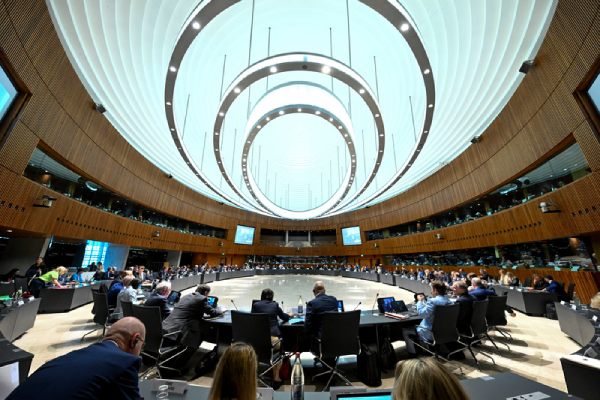
Brussels, Belgium—The European Parliament has adopted a strong position in support of the 2023 United Nations High Seas Treaty, aimed at safeguarding marine biodiversity beyond national jurisdictions. This landmark directive introduces coordinated rules among EU member states to ensure effective governance of international waters, including the establishment of marine protected areas (MPAs) and transparency measures requiring nations to publish conservation efforts.
The Parliament stressed the importance of cooperation between member states and the European Commission to uphold the treaty’s aims pending its complete transposition into EU law. This decisive action aligns with Europe’s leadership in global ocean governance, enhancing efforts to combat pollution, overfishing, and habitat loss on the high seas. The implementation framework promises robust protection for vulnerable ecosystems while fostering sustainable use of ocean resources for future generations.

15. Philippines and Japan Strengthen Alliance to Safeguard Oceans Under Historic High Seas Treaty!
Manila, Philippines—The Philippines and Japan have joined forces to boost marine conservation under the United Nations High Seas Treaty, formally known as the Agreement on the Conservation and Sustainable Use of Marine Biological Diversity of Areas Beyond National Jurisdiction (BBNJ). During the 7th Philippines-Japan Maritime Dialogue in Tokyo on November 6–7, both nations pledged to deepen cooperation on protecting marine ecosystems, promoting sustainable resource use, navigation safety, and upholding international maritime law.
The Philippines ratified the treaty on September 23, 2025, thereby committing to global ocean governance. Discussions also highlighted the 10th anniversary of the South China Sea Arbitral Award and the aspiration for a “free and open Indo-Pacific” anchored in rule of law. The dialogue reinforced the Manila-Tokyo partnership as a key driver for regional stability and marine conservation.
16. Historic Win: High Seas Treaty Named 2025 Earthshot Prize Champion to Save Our Oceans!
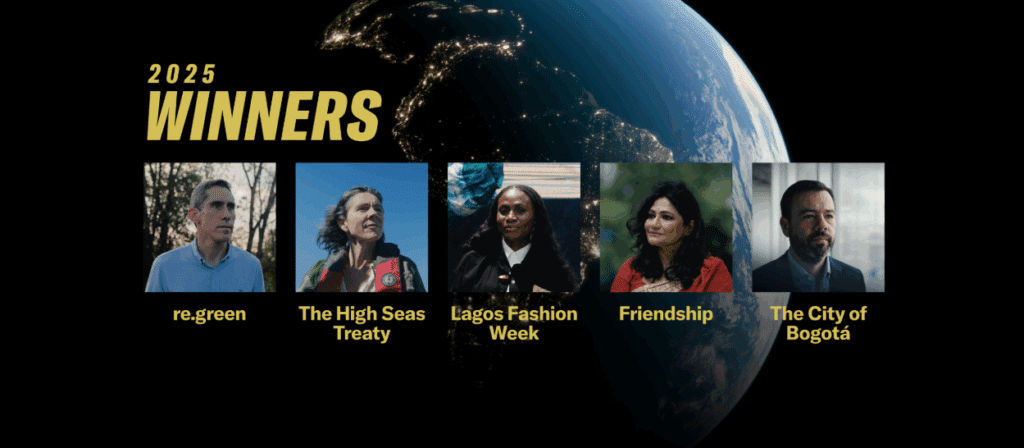
Rio de Janeiro, Brazil—The High Seas Treaty has been awarded the 2025 Earthshot Prize, a prestigious global environmental accolade launched by Prince William and Sir David Attenborough in 2020. Inspired by President John F. Kennedy’s “Moonshot” challenge, the Earthshot Prize aims to incentivize innovative solutions to the planet’s most significant environmental issues over the next decade.
The treaty received this recognition for its groundbreaking role in protecting nearly half of the world’s oceans beyond national jurisdiction, establishing a legal framework for conserving marine biodiversity and managing resources sustainably. The treaty achieved the necessary 60 ratifications in September 2025 and is set to enter into force in January 2026. This award highlights decades of global collaboration and a growing commitment to safeguarding ocean health for future generations.