


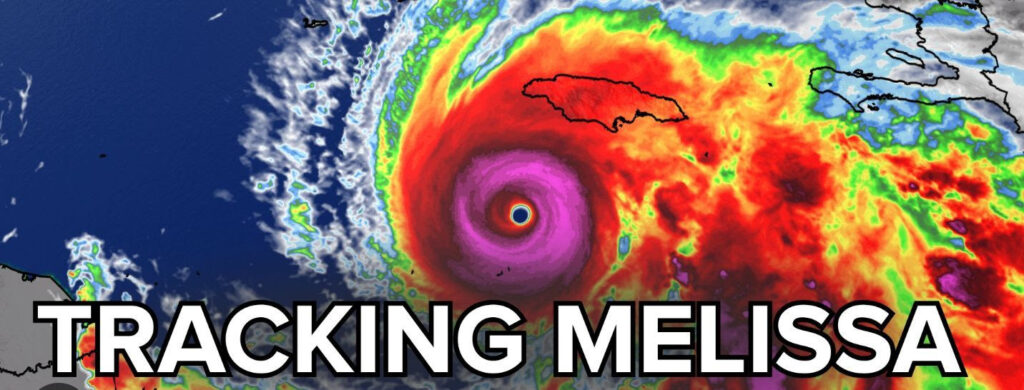
1. How Record Warm Oceans Supercharged Hurricane Melissa — A New Normal for Storms
Washington, D.C. – Hurricane Melissa became one of the most powerful storms ever recorded in the Atlantic, rapidly intensifying to Category 5 strength with winds exceeding 185 mph as it struck Jamaica in 2025. Scientists attribute this explosive intensification to ocean surface temperatures reaching about 2.5°F (1.4°C) above average, conditions made hundreds of times more likely by human-driven climate change.
The warmer, deeper ocean waters provided excess heat energy, strengthening Melissa’s winds and fueling record rainfall that worsened flooding and landslides. Experts warn storms like Melissa, with slower movements and prolonged destructive impacts, exemplify a “new normal” as climate change intensifies hurricanes by boosting ocean heat and atmospheric moisture. This trend raises risks for coastal communities worldwide, highlighting the urgent need for climate mitigation and adaptation strategies.
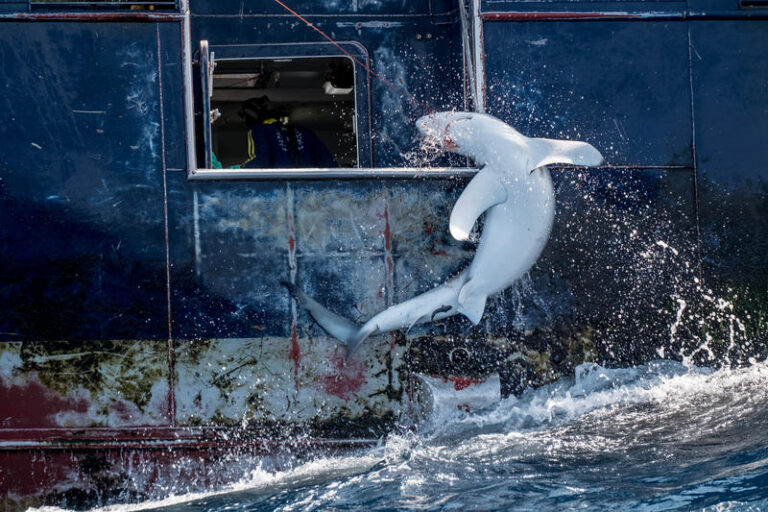
2. Toxic Truth: EU ‘Seafood’ Found to Be Shark Meat Laced with Mercury
Berlin, Germany – Shark meat sold under misleading names such as “rock salmon” and “veau de mer” across Europe is exposing consumers to dangerously high levels of methylmercury, a potent neurotoxin, according to a new study by marine conservation NGOs. Nearly one-third of 51 samples from markets and restaurants in France, Germany, Spain, Switzerland, and the U.K. exceeded EU safety thresholds, with all tope shark and nearly a quarter of blue shark samples over the limit.
Methylmercury, which can cause lasting neurological harm, builds up in shark tissue due to pollution-driven bioaccumulation. The report also underscores labeling problems: many consumers don’t know they’re eating shark and may be at risk. While the seafood industry insists mercury checks are routine, researchers urge stricter labeling, tighter monitoring, and reduced mercury releases, warning that eating apex predators is unsustainable for both human health and ocean ecosystems.
Thank you for your generous gift that will help us continue the production of this weekly, free publication
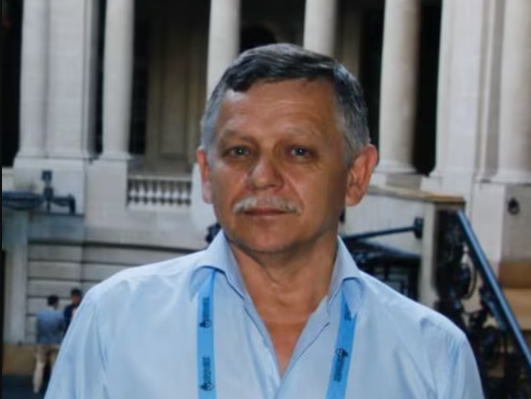
3. Russia Jails Leading Scientist for Defending Antarctic Life and Krill Protection
Hobart, Australia – Ukrainian marine biologist Leonid Pshenichnov was detained by Russian authorities in Crimea while en route to the annual gathering of the Commission for the Conservation of Antarctic Marine Living Resources (CCAMLR), sparking widespread diplomatic outcry. Pshenichnov faced allegations of treason for supporting stricter limits on Southern Ocean krill harvesting—a fishery that landed 0.5 million tons in 2024—amid escalating debate over raw resource exploitation and marine ecosystem stability.
Russian documents accused the scientist of “defection” by advising Ukraine’s delegation to challenge Russia’s fishing interests, triggering calls for his release from Australia, the UK, and CCAMLR. The episode coincides with renewed efforts to establish an Antarctic marine protected area, repeatedly blocked by Russia and China. Experts warn that failure to enforce spatial catch limits and unchecked krill fishing threaten the region’s ecological balance.
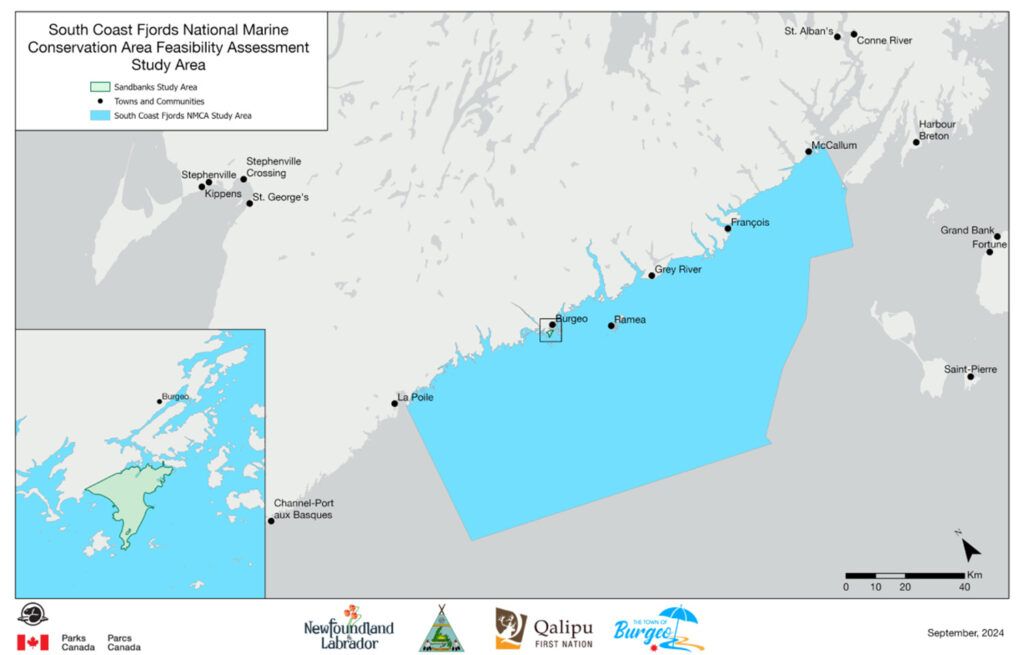
4. Union Demands: Newfoundland Fishers Fight Against Marine Protected Areas
St. John’s, Canada – The Newfoundland and Labrador Fish, Food, and Allied Workers Union (FFAW) has publicly condemned Canada’s proliferation of marine protected areas (MPAs), refuges, and conservation zones, calling them “baseless closures” that endanger fish harvesters’ livelihoods while merely offering “environmental optics.” The FFAW Inshore Council issued a statement demanding Prime Minister Mark Carney and federal officials dismantle current and planned MPAs, arguing these policies betray fishing communities and prioritize appearances over survival.
Union leaders claim that fishing restrictions tied to conservation initiatives impose disproportionate hardship on the inshore sector, despite federal reassurances of sustainability and the limited number of fully protected areas. The debate has added tension to Newfoundland’s marine policy discussions, fueling local resistance and uncertainty about future fishing access.
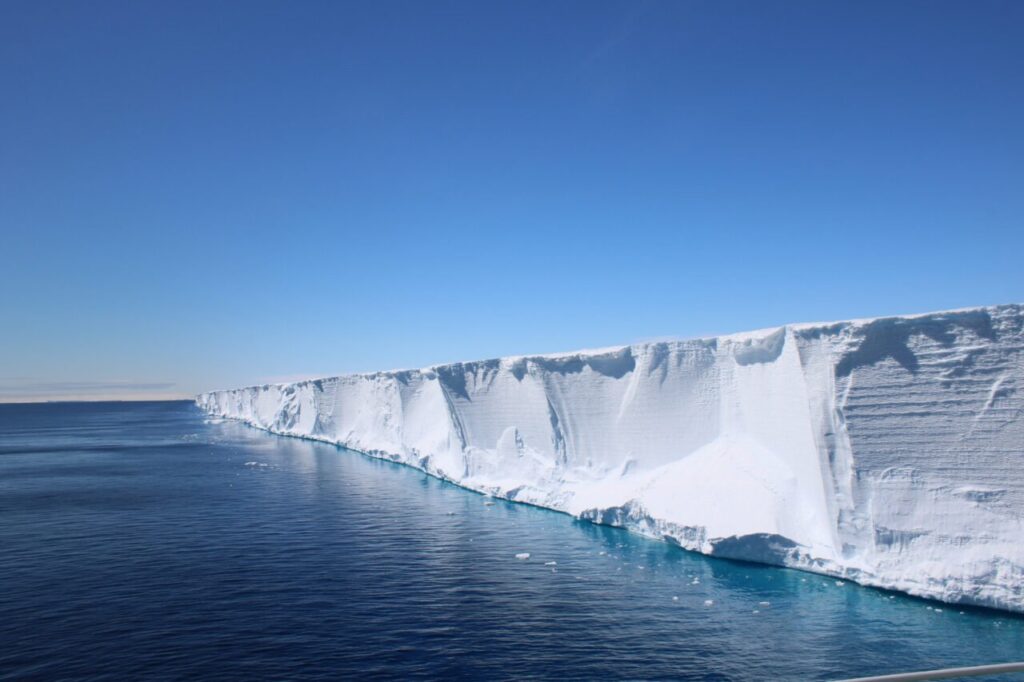
5. Mega-Iceberg Reveals ‘City’ of Antarctic Fish Nests Hidden for Ages
Weddell Sea, Antarctica – Scientists exploring the seabed newly exposed by the calving of the massive A68 iceberg have uncovered a sprawling “mega-nest” of icefish, with more than 1,000 circular nests neatly patterned across the ocean floor. These nests, built by the yellowfin notie deep in subzero waters, remained concealed beneath 200 meters of ice until the 2017 iceberg event allowed robotic explorer “Lassie” to access the site.
Most nests were inactive but dozens contained larvae, suggesting active reproduction. By organizing their nests in dense groups, icefish may protect each other’s eggs from predators. Researchers say such aggregations boost Antarctic biodiversity by creating essential habitats for other species. The discovery highlights the uniqueness and vulnerability of these polar ecosystems, strengthening calls to declare the Weddell Sea a marine protected area.
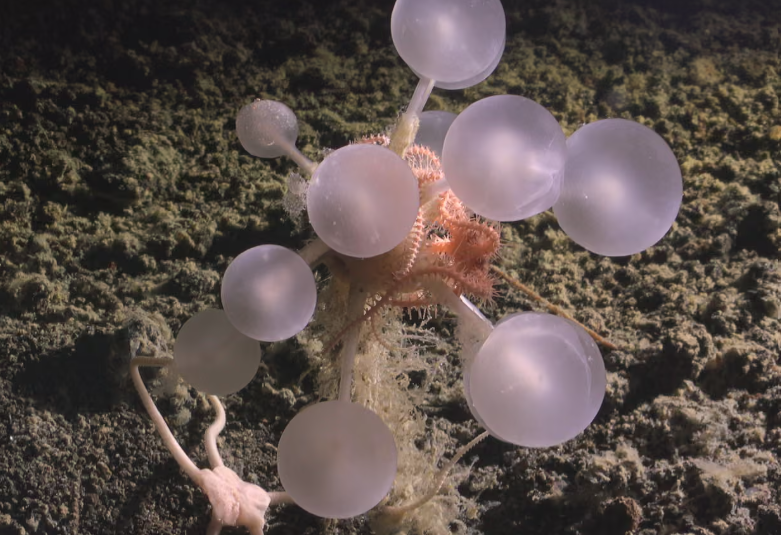
6. Southern Ocean Yields 30 New Species, Including Carnivorous ‘Death-Ball’ Sponge
Oxford, UK – Scientists from The Nippon Foundation–Nekton Ocean Census have confirmed the discovery of 30 previously unknown deep-sea species in the Southern Ocean, including a carnivorous sponge dubbed the “death-ball.” Unlike typical filter-feeding sponges, this spherical species (genus Chondrocladia) is covered in tiny hooks that trap prey. The discoveries came from two research cruises in 2025 aboard the Schmidt Ocean Institute’s vessels, which explored areas such as the South Sandwich Trench and volcanic calderas near the South Sandwich Islands.
Alongside the sponge, researchers found new species of sea stars, scale worms, crustaceans, gastropods, and rare corals, as well as “zombie worms” that feed on whale bones with symbiotic bacteria. Only about 30% of collected samples have been assessed, indicating that much of the Southern Ocean’s biodiversity remains undocumented. These findings highlight the ecological richness and fragility of this remote region.
7. Portugal Boosts Marine Protection: Major New Reserves at Madeira-Tore and Gorringe Bank
Lisbon, Portugal – Portugal is fast-tracking its marine conservation ambitions, aiming to protect 30% of its marine waters by 2026, four years ahead of the global 2030 target. This leap forward is driven by the establishment of the Madeira-Tore and Gorringe Bank Marine Nature Reserve, which will span around 200,000 square kilometers in the Atlantic Ocean. The reserve includes ecologically vital seamounts, deep-water habitats, rich biodiversity hotspots, and critical spawning grounds in the Madeira Archipelago and surrounding areas.
Besides safeguarding fragile ecosystems, the reserve supports sustainable fishing, eco-tourism, and environmental education, providing economic benefits for local communities. The initiative reflects Portugal’s leadership in marine stewardship, emphasizing a balance between conservation and the blue economy, offering a model for both biodiversity preservation and responsible tourism.

8. Kenya’s Regenerative Seascapes Boost Coastal Resilience and Blue Economy
Nairobi, Kenya –The Regenerative Seascapes for People, Climate and Nature (ReSea) Project, launched in 2023 and supported by the International Union for Conservation of Nature (IUCN) and Mission Inclusion, is enhancing the resilience of over 500,000 coastal residents in Kenya and neighboring countries to climate change impacts. Through inclusive collaboration with local women, conservation groups, and technical partners, ReSea advances regenerative seascapes that integrate ecological conservation with socio-economic development.
Aligned with Kenya’s Blue Economy ambitions, the initiative promotes sustainable fisheries, the restoration of marine protected areas, and climate-smart livelihoods such as seaweed farming. The project also builds regional capacity by engaging stakeholders in marine spatial planning and equitable ocean governance, contributing to Kenya’s leadership in marine biodiversity protection and climate adaptation in the Western Indian Ocean.
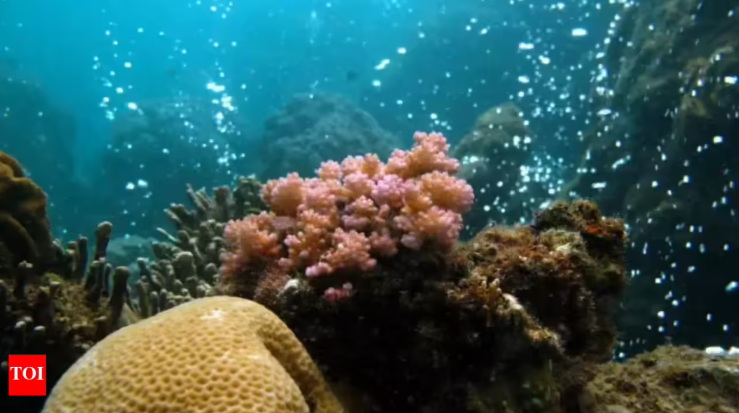
9. Ocean Acidification Crisis Deepens as CO2 Levels Push Planetary Boundaries Beyond Safe Limits
Earth’s oceans are increasingly acidic due to rising atmospheric carbon dioxide levels, marking a critical environmental turning point, according to recent research by the Potsdam Institute for Climate Impact Research. Ocean acidification, caused by the absorption of CO2 that forms carbonic acid, has increased ocean acidity by 30-40% since the Industrial Revolution, significantly impacting marine organisms like corals, shellfish, and plankton that rely on calcium carbonate for their skeletons and shells.
This chemical shift threatens marine biodiversity, coral reefs, fisheries, and global food security. Acidification is especially severe in polar regions, jeopardizing key species such as krill and pteropods. Scientists warn that these changes weaken the ocean’s natural capacity as a carbon sink, exacerbate global warming, and destabilize ecosystems. Urgent global action to reduce carbon emissions and bolster ocean protection is essential to prevent irreversible damage.
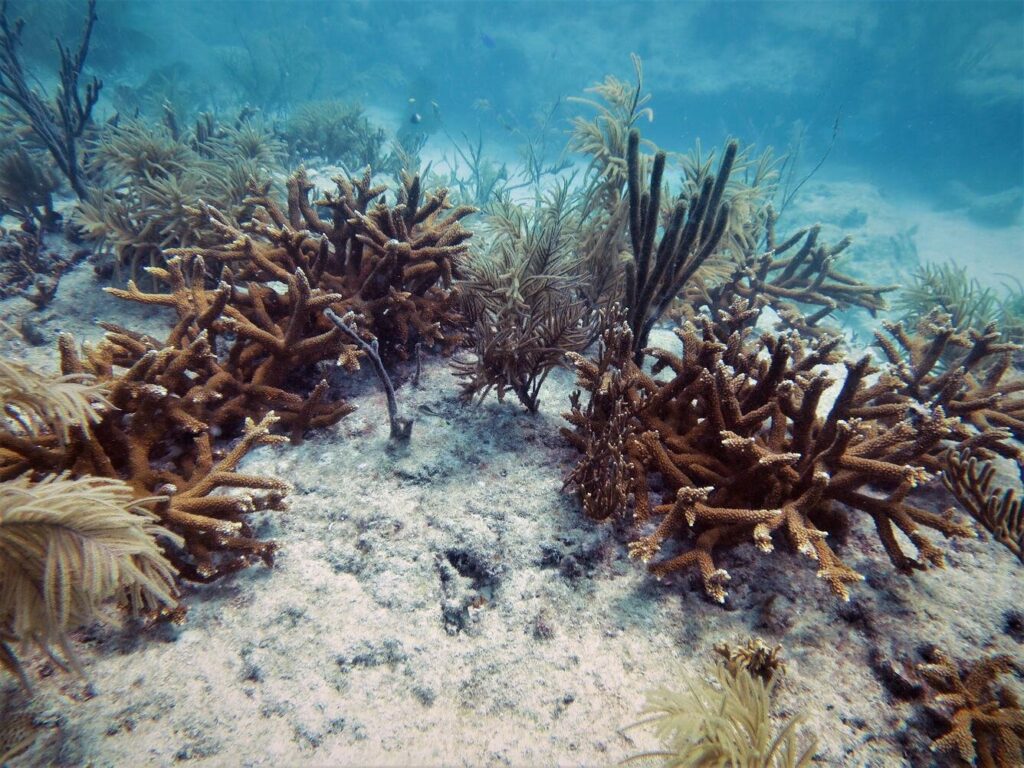
10. Florida’s Iconic Reef-Building Corals Now ‘Functionally Extinct’ After 2023 Heatwave
Miami, USA – A groundbreaking study published in Science reveals that two crucial reef-building coral species along Florida’s 350-mile reef system—elkhorn (Acropora palmata) and staghorn (Acropora cervicornis)—have become functionally extinct following a severe marine heatwave in 2023. Prolonged sea surface temperatures exceeded 88°F (31°C) for over 40 days, causing catastrophic mortality rates of 97.8% to 100% in affected areas like the Florida Keys and Dry Tortugas.
“Functionally extinct” means these corals no longer fulfill their ecological role in reef construction despite a few surviving individuals. These corals once formed complex habitats that were critical to marine biodiversity and coastal protection. Researchers are now focusing on breeding heat-tolerant coral genotypes and identifying thermal refuges to aid restoration efforts. The loss signals a dire warning for coral reefs worldwide amidst accelerating climate change and ocean warming.
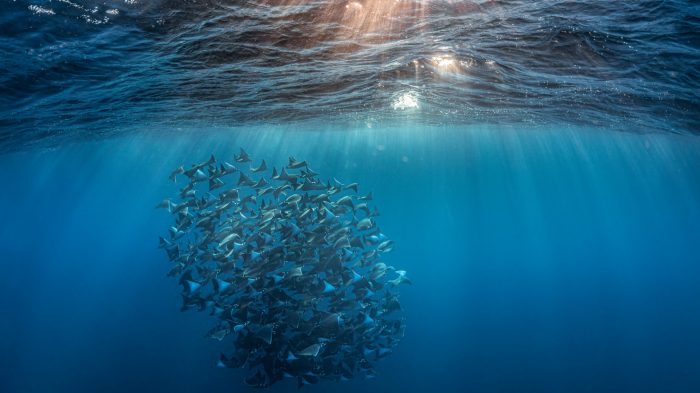
11. A New Era for Ocean Governance: BBNJ Agreement to Transform High Seas Conservation
Sydney, Australia – The entry into force of the Biodiversity Beyond National Jurisdiction (BBNJ) Agreement in January 2026 marks a landmark moment for global ocean governance. After rapid ratification by 60 countries, including Morocco as the decisive state, this legally binding treaty for the high seas — covering 64% of the world’s oceans — offers a comprehensive framework for conserving and sustainably using marine biodiversity beyond national waters.
The BBNJ Agreement establishes mechanisms for establishing marine protected areas on the high seas, mandates rigorous environmental impact assessments for activities such as deep-sea mining, and introduces a benefit-sharing regime for marine genetic resources to promote equitable access. The treaty’s governance architecture and funding mechanisms aim to foster inclusive participation and practical conservation. Its alignment with upcoming global biodiversity and climate conferences offers a unique opportunity to integrate ocean protection with broader environmental goals, ushering in a new chapter of multilateralism and stewardship for the ocean commons.

12. Interpol’s Operation Madre Tierra VII Detains 225 Suspects in Latin America’s Environmental Crime Crackdown
From Interpol: Seizures included 2.4 tonnes of shark and ray fins, 875kg of totoaba, and 7kg of dried sea cucumber, highlighting the continued exploitation of protected species for international trade.
San Salvador, El Salvador – Operation Madre Tierra VII, coordinated by INTERPOL’s Regional Bureau for Central America and active from May to June 2025, resulted in 225 arrests across nine Latin American countries targeting illegal logging, wildlife trafficking, fishing, mining, and pollution crimes. Over 400 environmental offenses were reported, with authorities identifying 15 transnational cases and trafficking routes to Europe and Asia. Seized goods included protected wildlife, such as primates, and shark fins, as well as high-value timber, such as cedarwood and rosewood.
The operation also uncovered a major illegal gold mining case in Panama involving child labor, human trafficking, and mercury contamination. Confiscations extended to weapons and vehicles linked to the criminal networks. Funded by Germany’s International Climate Initiative under Project GAIA, the operation highlights the extensive links between organized crime and environmental destruction, underscoring the need for robust regional cooperation to protect natural resources.
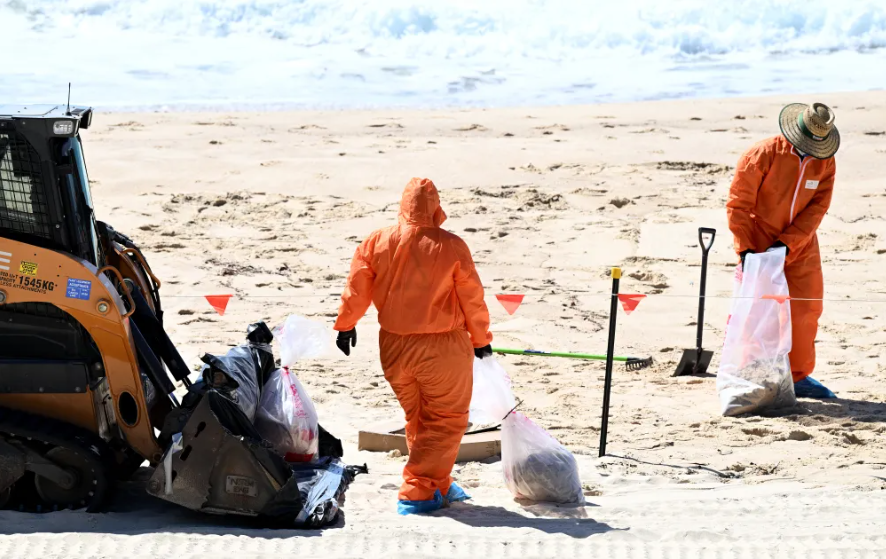
13. Mysterious ‘Poo Balls’ Washing Up on Sydney Beaches Linked to Local Wastewater Treatment Plant
Sydney, Australia – Thousands of small balls of debris, resembling rubbery spheres often called “poo balls,” were found washing ashore on Sydney’s beaches, leading to temporary closures and public health warnings. Investigations by New South Wales authorities identified a Sydney wastewater treatment plant as the most likely source of the foul-smelling, bacteria-laden balls. Analysis revealed they contain saturated fatty acids, fecal coliform bacteria, and E. coli, along with other materials such as human hair and volcanic pumice.
Resembling fatbergs found in sewers, these balls pose a contamination risk and have prompted ongoing testing and cleanup efforts. Authorities urge beachgoers to avoid contact with the debris and report sightings. Sydney Water is undertaking measures to pinpoint the exact origin within its sewage system and improve waste management to prevent future occurrences.
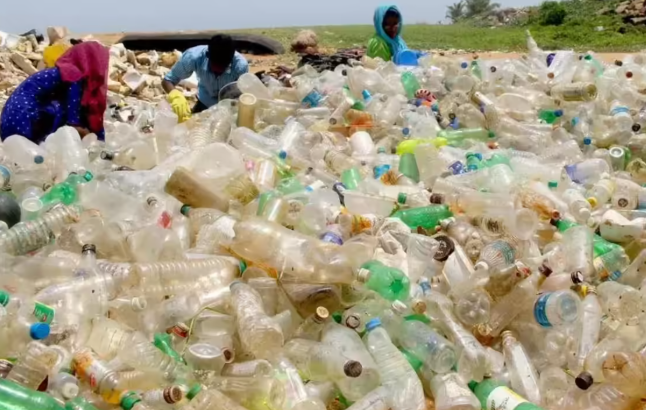
14. Coastal Villages of Ernakulam District in Kerala Identified as Marine Plastic Pollution Hotspots
Kochi, India – A comprehensive survey led by Kerala University of Fisheries and Ocean Studies (KUFOS) using drones, field photography, and artificial intelligence (AI) has mapped 17 major hotspots of marine plastic pollution across 59 sites in the Central Vembanad Lake region. Significant plastic accumulations were detected in coastal panchayats such as Kumbalam, Edakochi, Chellanam, and Kannamali, each with over 130 identified pollution hotspots. The study employed advanced YOLO object detection algorithms and ArcGIS Pro spatial analysis to pinpoint plastic debris distributions, achieving an average detection precision of 92%.
The findings provide actionable data to guide targeted cleanup operations and policy interventions to reduce plastic input. The region shows both abundant macroplastics and microplastics, with emerging evidence of microbial organisms that may accelerate plastic degradation. Previous research estimated that over 3,000 tonnes of macroplastics are in the lake’s upper sediment layers, underscoring the urgent need for sustained conservation efforts.
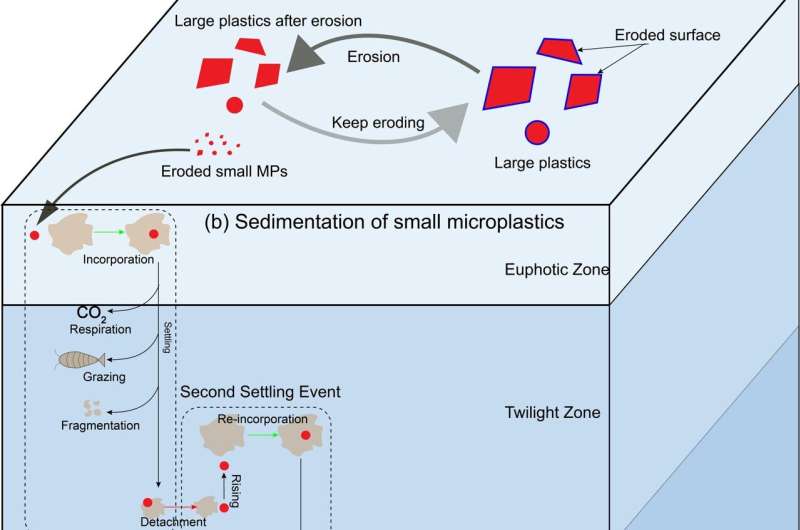
15. Plastic Pollution Could Persist on Ocean Surfaces for Over a Century, New Research Finds
London, UK – Scientists from Queen Mary University of London have developed a model showing that buoyant plastics in the ocean degrade and fragment very slowly, meaning plastic pollution could remain on the ocean surface for more than 100 years even if all new plastic inputs stopped immediately. The breakdown of large plastic debris into microplastics is the main limiting factor for removal, as these tiny fragments can only sink when attached to marine snow, a slow process that takes decades.
The research helps explain the “missing plastic” phenomenon, where less plastic is observed on the surface than expected. The study warns that microplastics may interfere with ocean biogeochemical cycles and that addressing marine plastic pollution requires long-term strategies extending beyond surface cleanup to consider the entire degradation and sinking process of plastics in marine environments.
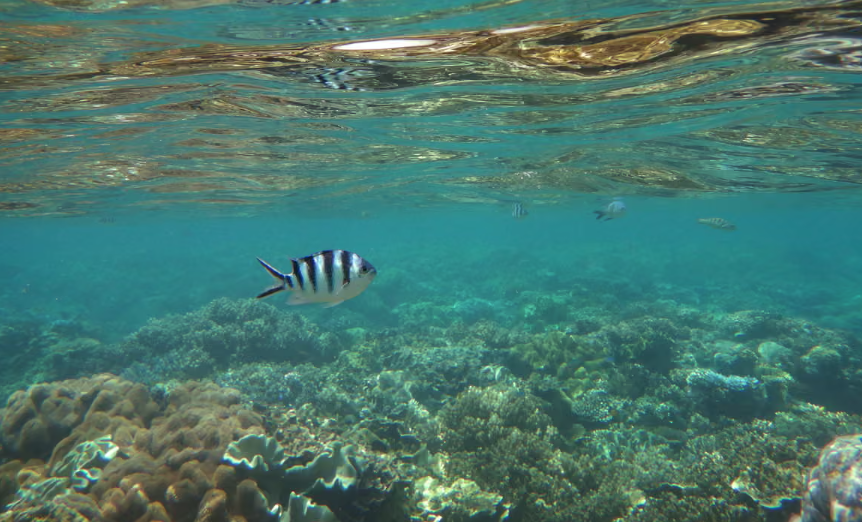
16. Australia’s Protected Marine Habitats Will Face Extreme Climate Impacts by 2040
Sunshine Coast, Australia – New research from the University of the Sunshine Coast warns that climate change will transform ocean conditions around Australia, making currently “extreme” scenarios the new normal within 15 years. Key marine refuges, including coral reefs, kelp forests, seagrass beds, and mangroves, even those in Marine Protected Areas (MPAs), will experience warmer waters, increased acidity, lower oxygen levels, and more frequent, intense marine heatwaves.
These changes threaten thousands of plant and animal species, endangering biodiversity and ecosystems critical for fisheries and coastal protection. Though MPAs can mitigate some human impacts, they were not designed to handle rapid climate-driven changes. The researchers call for urgent, aggressive reductions in carbon emissions and climate-smart adaptation strategies to protect Australia’s marine heritage and preserve biodiversity.
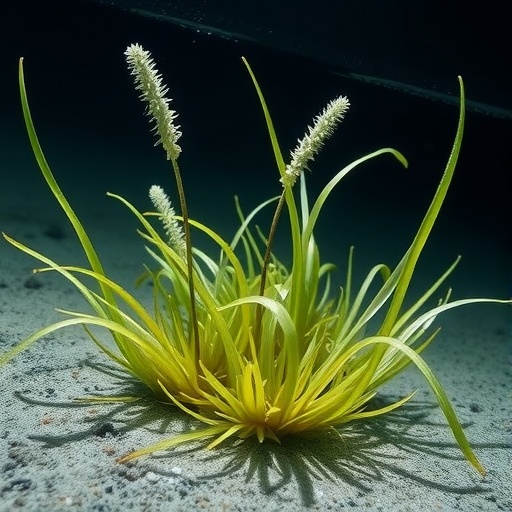
17. Hybridization Enhances Low-Light Adaptability in California Eelgrass, Offering Hope for Climate Resilience
California’s eelgrass (Zostera spp.) meadows, vital to marine ecosystems and coastal stability, face increasing challenges from sediment runoff and water turbidity, which reduce light availability. A pioneering study by researchers at the Salk Institute and Scripps Institution of Oceanography revealed that hybridization between shallow-water Zostera marina and deeper-water Zostera pacifica facilitates enhanced photosynthetic efficiency and low-light tolerance. This hybrid inherits gene variants linked to circadian regulation and light harvesting, enabling it to maintain growth and reproduction under significantly shaded conditions.
Morphological adaptations, such as thinner, more translucent leaves, further enhance light capture. These hybrid meadows support greater biodiversity and recover more robustly from disturbances, acting as keystone species that stabilize sediments and sequester carbon. The research suggests incorporating hybrid eelgrass into restoration initiatives could improve resilience and long-term success, highlighting hybridization as a powerful evolutionary mechanism for marine plant adaptation amid climate change.
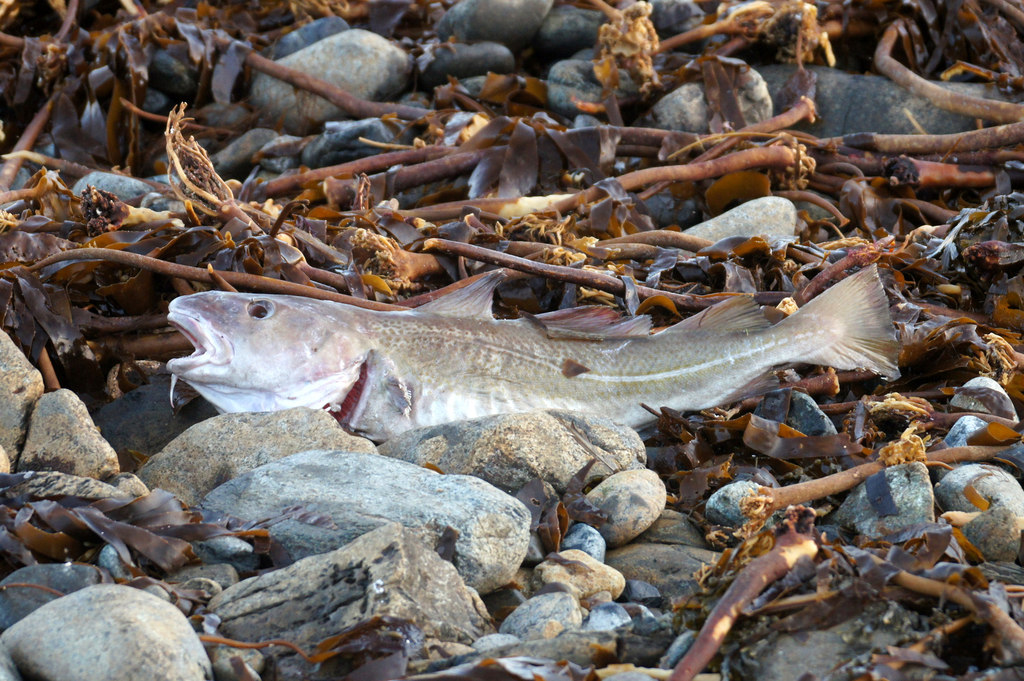
18. Nearly Half of the UK’s Most Valuable Fish Stocks Are Overexploited and Critically Low, Says New Report
London, UK – A recent report by Oceana UK titled “Deep Decline” reveals alarming declines in the health of UK fish stocks, with 17 of 105 species being both overfished and overexploited. Examples include North Sea cod, which has declined by over 60% in spawning biomass since 2015, prompting the International Council for the Exploration of the Sea (ICES) to recommend a zero-catch limit for 2026. The report criticizes the UK government for setting catch limits above scientific advice, with only 46% of total allowable catches aligned with recommendations in 2024-25.
The Irish Sea saw overfished stocks increase from 27% in 2020 to 41% in 2025. Experts emphasize the urgent need for legally binding deadlines and management strategies to rebuild fish populations, protect coastal communities, and foster a sustainable blue economy. The report calls for immediate policy action to reverse overfishing trends and establish long-term recovery plans.
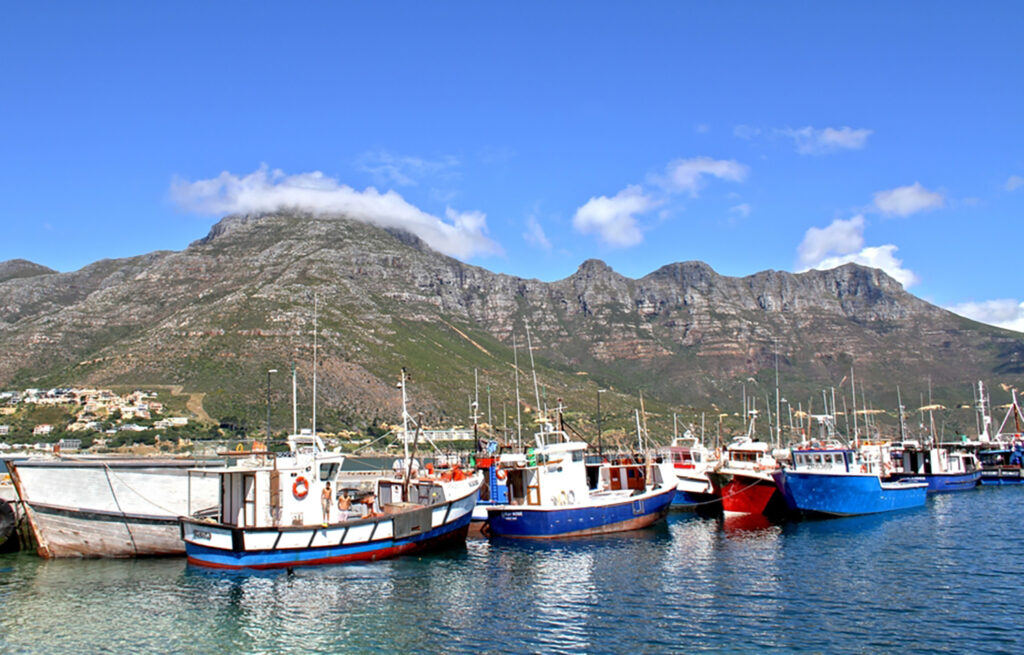
19. US Approves Seafood Exports from South Africa and Nine Other African Countries Under Marine Mammal Protection Guidelines
Washington, D.C. – The US National Oceanic and Atmospheric Administration (NOAA) Fisheries has approved seafood exports from South Africa and nine other African nations, acknowledging their compliance with the Marine Mammal Protection Act (MMPA) Import Provisions. This decision, announced in October 2025, affirms that these countries have implemented measures to minimize incidental marine mammal bycatch in commercial fishing, allowing access to US seafood markets beyond 2026.
South Africa’s Department of Forestry, Fisheries and the Environment hailed the endorsement as recognition of its sustainable fisheries management and marine conservation efforts, including bycatch mitigation, monitoring systems, and enforcement of protective regulations. The inclusion of other African countries signals a regional commitment to responsible fisheries governance, expected to attract investment and strengthen global trade ties based on environmental standards.