

1. High Seas Revolution: New Global Treaty Promises Protection for Ocean Life Starting 2026
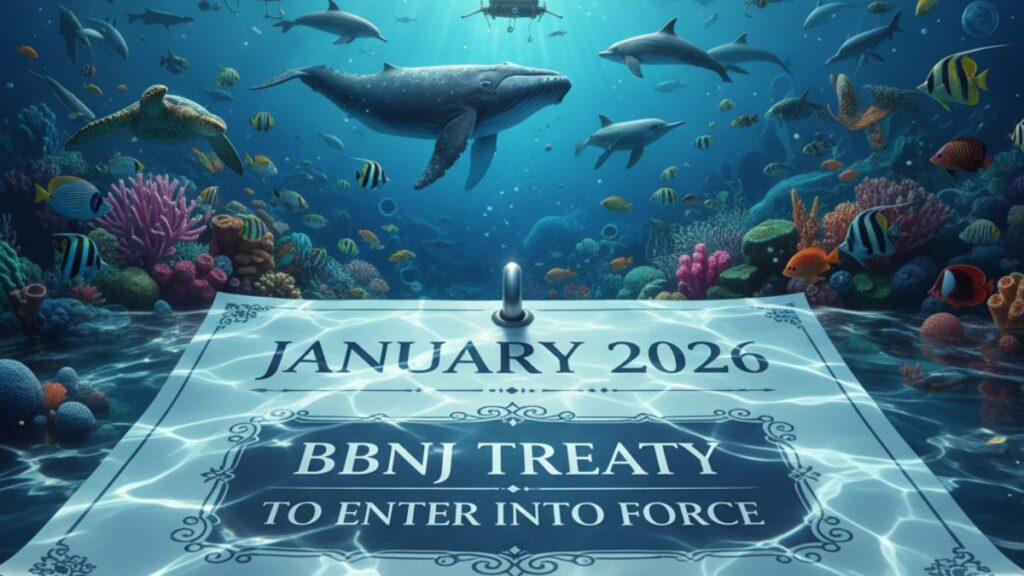
Noida, India—In a landmark for ocean governance, the BBNJ Treaty (Marine Biological Diversity of Areas Beyond National Jurisdiction) will enter into force on January 17, 2026, following its 60th ratification. Developed under the United Nations Convention on the Law of the Sea (UNCLOS), this agreement will dramatically expand protections for marine biodiversity in international waters.
The treaty requires nations to establish marine protected areas, aiming to raise coverage beyond the current 6.35%, and increase critical no-take zones. It further mandates environmental impact assessments for activities such as deep-sea mining and introduces robust frameworks for monitoring and providing transparent financial support. A key focus is equitable sharing of marine genetic resources, benefiting medicine and science globally. To date, 143 countries have signed, with recent ratifications from Sri Lanka, Morocco, Sierra Leone, and St. Vincent & the Grenadines.
Editorial Note: The Sea Save Foundation proudly announced the successful ratification of this critical treaty during the UN Ocean Conference. But the ink had not yet been applied. Now, the treaty has been formally adopted and RATIFIED. This marks the official beginning. Time to build out the details.
2. The End of Overfishing? Historic WTO Deal Spurs Hope for Marine Recovery
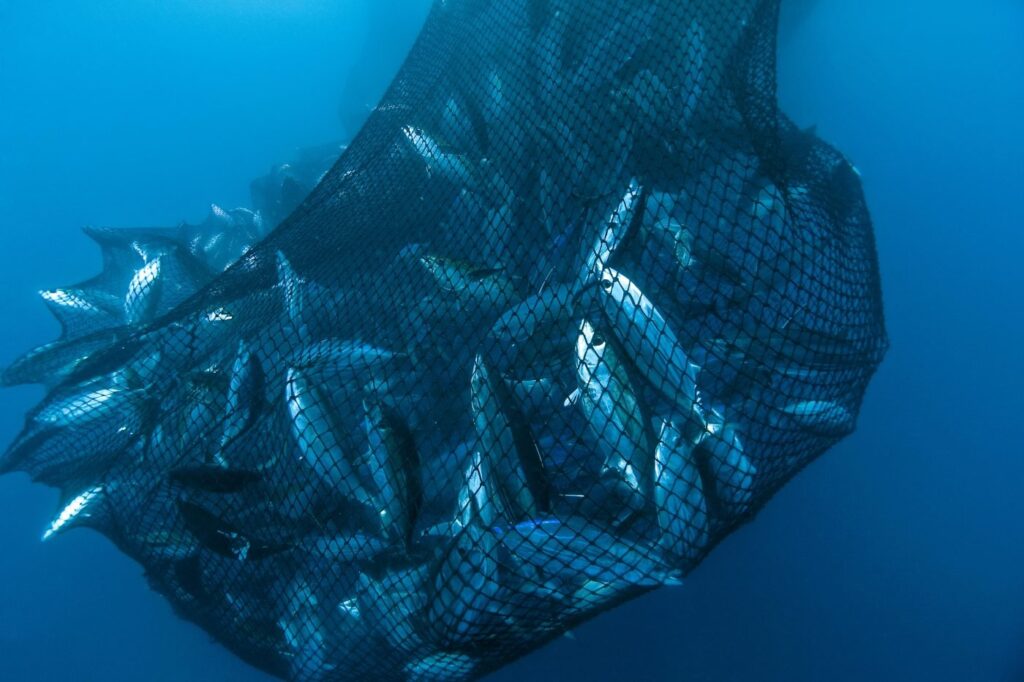
Geneva, Switzerland—The World Trade Organization’s historic Fisheries Subsidies Agreement officially entered into force on September 15, 2025, after 111 member nations ratified the deal. Targeting an estimated $22 billion in annual subsidies, the pact bans government support for illegal, unreported, and unregulated fishing, as well as fishing that threatens overfished stocks and unregulated high-seas activity.
Nations must now conduct transparent reporting of fleets, catches, and subsidy programs, with new accountability measures and a dedicated “fish fund” to help developing countries implement the rules. While hailed as a game-changer for ocean sustainability and coastal livelihoods, experts note it leaves gaps—subsidies for unmanaged and some managed stocks persist, and the treaty will lapse after four years if follow-up reforms stall. Ongoing negotiations aim to close these gaps and ensure lasting protections for marine biodiversity.
Thank you for your generous gift that will help us continue the production of this weekly, free publication

3. Plastic Packaging Scam? Philadelphia Sues Bimbo
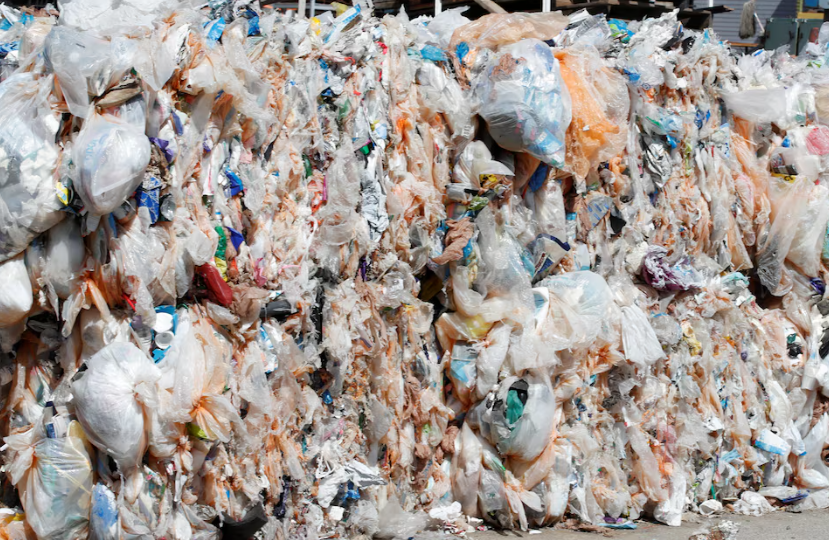
Philadelphia, United States—The City of Philadelphia has filed a lawsuit against SC Johnson, maker of Ziploc bags, and Bimbo Bakeries, known for Thomas’ and Sara Lee bread, accusing them of misleading consumers with deceptive recyclability claims on plastic bag packaging. The companies used the “chasing arrows” recycling symbol, suggesting recyclability, despite Philadelphia’s recycling system not accepting plastic film products like these bags.
This contamination is the top disruptor in the city’s municipal recycling, causing costly damage to recycling infrastructure and increased taxpayer expenses. The suit demands revision of marketing practices and seeks civil penalties. Bimbo Bakeries stated its commitment to zero waste and awaits complaint service, while SC Johnson has not commented. Philadelphia’s legal action follows broader efforts to clamp down on false environmental marketing and warnings about the gap between recycling symbols and real-world recyclability.

4. India’s First Dugong Reserve Gains Global Praise at IUCN Congress
Chennai, India—India’s inaugural Dugong Conservation Reserve in Palk Bay has received global recognition at the 2025 IUCN World Conservation Congress in Abu Dhabi. Covering 448 square kilometers, the reserve protects the vulnerable dugong population—a regionally endangered marine mammal closely related to elephants—by conserving crucial seagrass meadows and enforcing strict fishing regulations. Established in 2022 by the Tamil Nadu government, the reserve has fostered community engagement, with local fishers playing active roles in dugong rescue and habitat preservation.
Recent drone surveys estimate over 200 healthy dugongs thriving in Palk Bay and the adjoining Gulf of Mannar region, highlighting a significant conservation success. Despite challenges such as entanglement and habitat degradation, ongoing efforts, including awareness programs, habitat restoration, and incentives for fishers, continue to bolster dugong recovery. The reserve sets a critical model for marine biodiversity conservation and calls for enhanced cross-border cooperation with Sri Lanka to protect migratory dugongs.
5. Planetary Emergency: Ocean Acidification Crosses Critical Safety Threshold
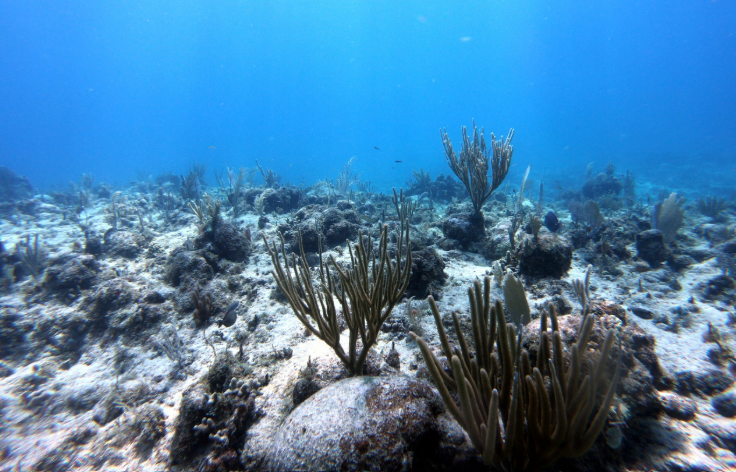
London, United Kingdom—A major scientific report released in September 2025 warns that ocean acidification has breached the critical planetary boundary for the first time, joining climate change, biosphere integrity, and five other Earth systems now pushed past safe operating limits. Driven largely by fossil fuel emissions and ramped up by deforestation, the ocean’s surface pH has dropped 0.1 units since the industrial era—a striking 30-40% rise in acidity.
These changes are already damaging shells of tiny sea snails, threatening coral reefs, and putting marine food chains and fisheries at risk. Scientists fear accelerating breakdowns, as seven out of nine Earth support systems register unsafe conditions. Despite this, successes in ozone and aerosol regulation show recovery is possible; experts urge urgent action to reverse acidification and safeguard ocean stability—“the planet’s life-support system.”
6. Toyota Accelerates Carbon Neutrality, Wins SDG Award for Sustainability Leadership
Manila, Philippines—Toyota is advancing rapidly on its path to carbon neutrality, announcing significant international partnerships and technological breakthroughs while earning a coveted Sustainable Development Goals (SDG) award in 2025. The company’s multi-pronged approach now includes a landmark deal with Shanghai city to expand battery-electric vehicle and battery production, aiming to electrify every model by 2025 and reach global carbon-neutral operations by 2035.
Toyota’s efforts were recognized this year with a special SDG Prize, honoring its strong commitment to sustainable innovation and community impacts. Additional accolades include a U.S. Department of Energy Better Project Award for Toyota’s Long Beach Tri-Gen hydrogen plant, which sets new benchmarks in clean energy. In the Philippines, Toyota aims to achieve 45% renewable energy use at all facilities by 2026. Executives stress that combining hybrid, electric, and hydrogen vehicles—tailored to local infrastructure—will ensure equitable and rapid climate action worldwide.
7. How Tiny Ocean Algae Could Hold the Key to Climate Protection—With AI’s Help
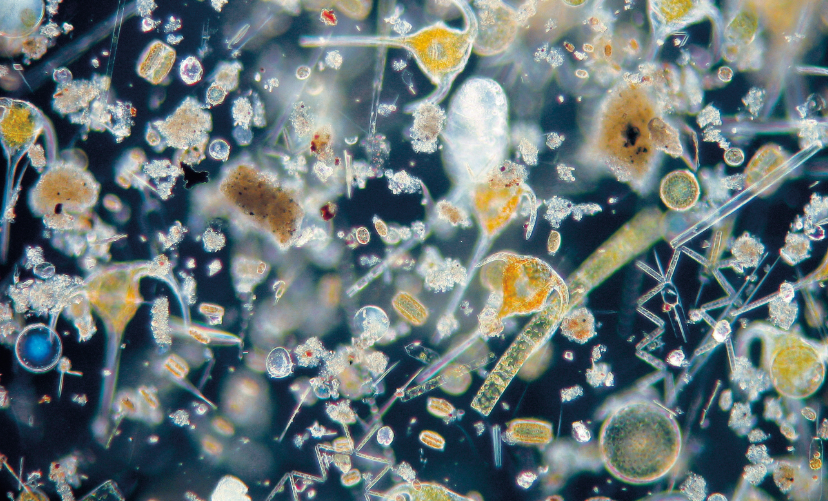
Kiel, Germany—A pioneering AI lighthouse project, KIMMCO, has launched in Kiel with 2.16 million euros in federal funding to transform climate protection through high-tech ocean monitoring. Led by GEOMAR Helmholtz Centre and Kiel University, the initiative uses advanced artificial intelligence to rapidly assess how Baltic Sea phytoplankton absorb CO2 and generate climate-relevant gases. These microscopic marine organisms account for up to 40% of global carbon dioxide uptake, despite comprising only 1-2% of plant biomass.
The project combines real-time sensor data, satellite imagery, and machine learning to create large-scale, efficient maps of marine productivity, aiming to enhance conservation strategies and reduce the carbon footprint of ocean research. KIMMCO will provide policymakers with actionable insights, support international marine regulations, and benchmark AI against traditional methods to measure sustainability impact. The project’s goal: unlock the ocean’s potential as a natural climate protector for Europe and beyond.
8. After US Climate Doubt, China Commits to Cutting Pollution by 10%
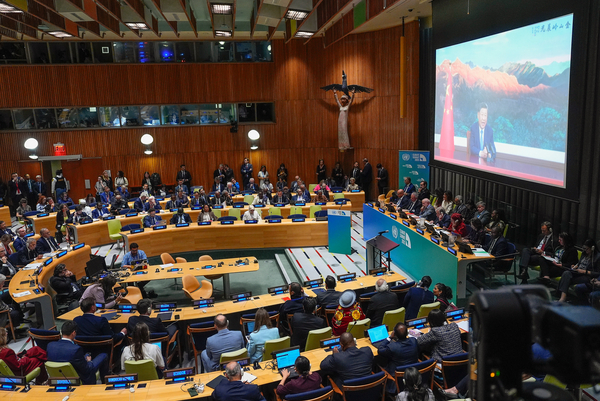
Beijing, China—China’s President Xi Jinping announced a pledge to reduce the country’s greenhouse gas emissions by 7-10% from peak levels by 2035 at a UN climate summit, a day after President Trump dismissed climate efforts as a “scam.” Xi emphasized increasing wind and solar capacities sixfold from 2020 levels and boosting the share of non-fossil fuels to over 30%.
Although China’s new absolute emissions reduction target is a significant shift from previous intensity-based goals, it falls short of the 30% cut many scientists deem necessary to meet the Paris Agreement’s 1.5°C limit. Experts view the pledge as conservative, but note China’s history of consistently exceeding targets. Xi called for global cooperation despite sentiments of U.S. withdrawal, signaling China’s intent to uphold its climate commitments amid international debates.
9. California Vows More Lawsuits Against Trump Administration’s Environmental Rollbacks
Sacramento, California—California Attorney General Rob Bonta announced the state’s continued legal battle against the Trump administration, targeting aggressive deregulatory rollbacks on environmental protections. Speaking during New York Climate Week, Bonta said California has filed over one lawsuit weekly against federal actions harming the state’s environment and health, with more lawsuits related to plastic recycling deception in the pipeline.
The legal campaign also focuses on fossil fuel companies, notably ExxonMobil, which was sued in 2024 over allegations of long-term consumer misinformation regarding the recyclability of plastics. Despite challenges ahead—including potential Supreme Court rulings that could favor Trump-era policies—Bonta expressed confidence in the strength of California’s cases. Additionally, Bonta highlighted concerns about ultra-processed foods as an emerging public health issue. The state aims to defend climate science and maintain robust environmental safeguards amid federal opposition.
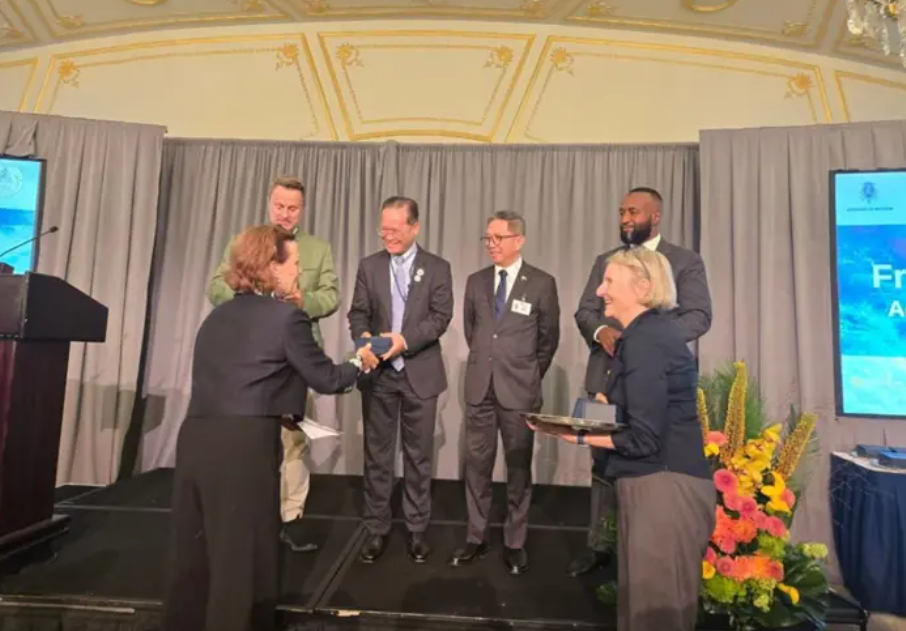
10. Cambodia Honored as ‘Sea Treaty Champion’ for Leadership in Ocean Conservation
Phnom Penh, Cambodia—Cambodia received the prestigious “Sea Treaty Champion” award at a UN event in New York City, recognizing its proactive role in the marine biodiversity treaty for areas beyond national jurisdiction (BBNJ). Minister of Environment Eang Sophalleth accepted the award on behalf of Prime Minister Hun Manet, highlighting Cambodia as the 56th country to ratify the treaty, which will take effect in January 2026.
The award celebrates Cambodia’s commitment to global ocean conservation, climate mitigation, and the sustainable use of high-seas biodiversity. Cambodia signed the BBNJ Agreement in June 2025 and completed ratification procedures in early September, just in time for the 80th UN General Assembly’s High-Level Week. The event brought together senior leaders, international organizations, and youth activists united in advancing global marine conservation goals.

11. Africa’s Growing Role in High Seas Governance and Ocean Protection
Pretoria, South Africa—With the landmark High Seas Treaty (BBNJ) set to enter into force in January 2026, Africa is poised to shape global ocean governance on an unprecedented scale. Despite relatively low ratification numbers—14 of 69 coastal states—Africa’s leadership in negotiations and recent milestone ratifications by Morocco and Sierra Leone underscore a commitment to equitable marine biodiversity conservation and sustainable use beyond national jurisdiction.
The treaty provides Africa with access to capacity-building, technology transfer, and fair benefit-sharing, while bolstering efforts to protect critical carbon sinks and marine ecosystems from illegal fishing and habitat degradation. African experts emphasize turning diplomatic victories into tangible benefits through domestication of treaty measures, regional cooperation, and strengthening enforcement. As the continent advances cohesive ocean governance aligned with climate, development, and blue economy goals, it stands at the forefront of safeguarding two-thirds of the planet’s ocean for current and future generations.
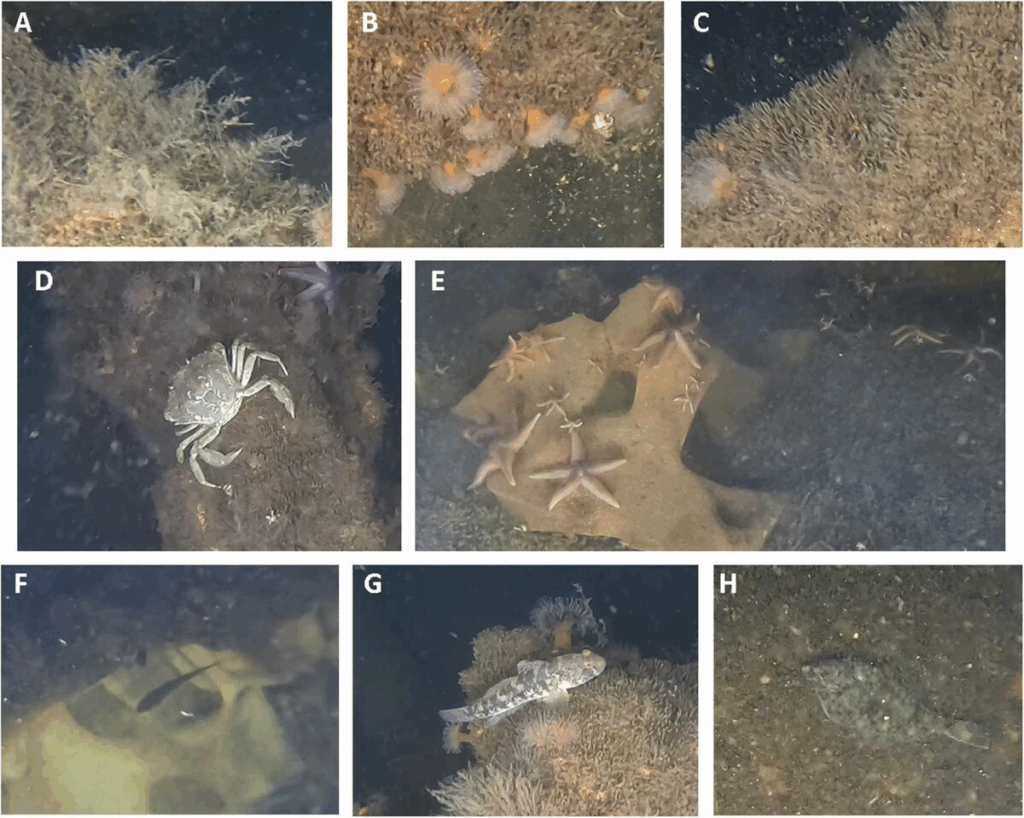
12. World War II Explosives Become Unexpected Haven for Marine Life in the Baltic Sea
Lübeck Bay, Baltic Sea—Scientists using a submersible discovered an astonishing phenomenon: crabs, worms, starfish, and fish thriving on the surfaces of World War II explosives dumped in the Baltic Sea. These remnants, mostly from Nazi Germany’s V-1 flying bombs, present toxic compounds like TNT. Still, marine life was found in far greater abundance on the munitions casings than in the surrounding seabed sediment.
Researchers speculate that these hard surfaces provide scarce habitat in the predominantly soft-mud sea floor, offering refuge despite chemical risks. The site’s relative isolation from human activity may create a protective bubble allowing these communities to flourish. The findings, published in Communications Earth & Environment, highlight nature’s resilience and adaptation to human-made hazards, with scientists now investigating impacts on marine reproduction and toxin uptake in local ecosystems.

13. Ghost Gear Haunting the Seas: Abandoned Fish Farms Threaten Marine Life from Chile to Greece
Coastal waters from Chilean Patagonia to the Aegean Sea in Greece are facing growing pollution from “ghost gear”—lost or abandoned aquaculture equipment, including nets, cages, buoys, and ropes. This marine debris not only entangles wildlife and damages habitats but also contributes to microplastic pollution with persistent, hard-to-remove plastics, such as expanded polystyrene. Studies and NGOs report neglected fish farms scattered along remote shorelines, some tied to economic downturns and minimal regulatory oversight.
Efforts to clean up ghost gear include volunteer dives, government inspections, and industry initiatives; however, challenges remain, particularly where ownership is obscured or companies have withdrawn. Best practice frameworks from the Global Ghost Gear Initiative recommend reducing and responsibly managing aquaculture gear throughout its lifecycle to protect marine ecosystems that are vital for fisheries and coastal communities.
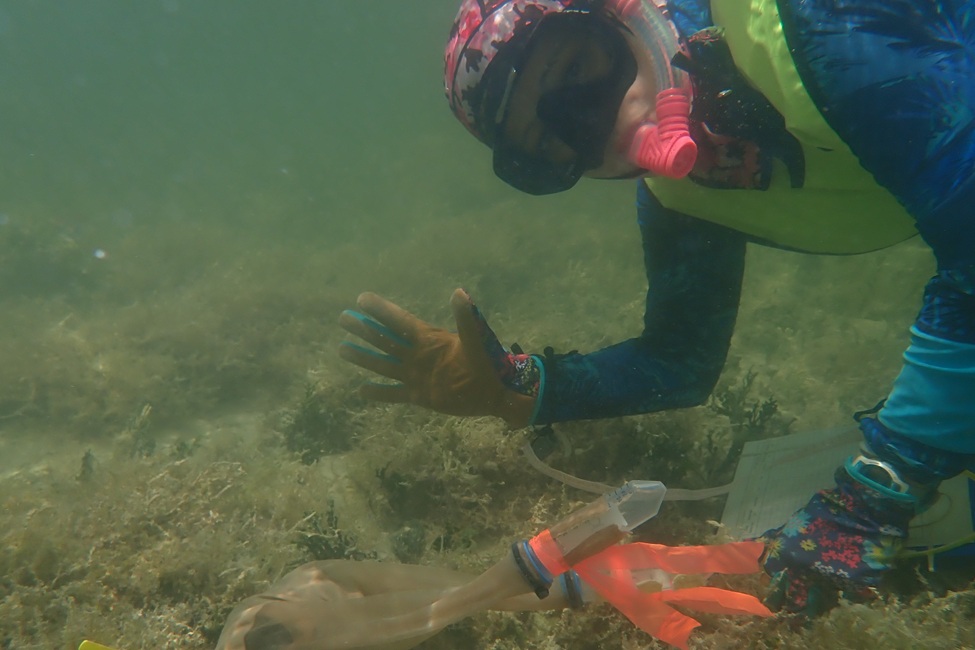
14. Florida Atlantic University Receives EPA Grant to Restore Sponge Populations in Florida Bay
Boca Raton, Florida—Florida Atlantic University’s Harbor Branch Oceanographic Institute, led by Dr. Andia Chaves-Fonnegra, secured a $720,446 five-year grant from the U.S. EPA to pioneer genetics-based restoration of sponge communities in Florida Bay, a critical marine ecosystem within Everglades National Park. Sponges underpin water filtration and nutrient cycling, providing rich habitats for economically vital species, such as the spiny lobster. Existing transplantation programs have helped reestablish sponge cover but rely on clonal propagation, limiting genetic diversity and resilience.
The project integrates population genetics analyses, advanced molecular markers, and GIS mapping to assess genetic diversity and optimize transplant placements, aiming to enhance population adaptability to environmental threats such as climate change and disease. This effort aligns with EPA goals to protect ecosystems and supports fisheries, tourism, and the health of coastal communities that depend on Florida Bay’s marine biodiversity.