



1. New Snailfish Species Discovered
MONTEREY, USA—A team led by SUNY Geneseo, working with the University of Hawaiʻi at Mānoa and the University of Montana, unveiled three newly described species of deep-sea snailfishes discovered off California’s Pacific coast at record-breaking abyssal depths. The “bumpy,” “dark,” and “sleek” snailfish—named for unique surface traits and body structure—were found at depths surpassing 10,000 feet, including at Station M and Monterey Canyon, using submersibles and advanced robotic technology.
Detailed microscopy, CT scanning, and genetic sequencing revealed that these Liparidae are distinct from any known species, emphasizing how little is understood about this vast marine region. Published in Ichthyology & Herpetology, the discovery highlights rapid snailfish evolution and urges continued exploration given their crucial role in deep-sea ecosystems.
2. UK Government Refuses Blanket Ban on Bottom Trawling Despite Environmental Calls
LONDON, UK—The UK government has declined to impose an outright ban on bottom trawling across all Marine Protected Areas (MPAs), rejecting a key recommendation from the Environmental Audit Committee’s report. Instead, the Department for Environment, Food and Rural Affairs (Defra) will continue to restrict trawling only where it is assessed to damage specific protected features within each MPA, following guidance from statutory conservation bodies.
While the government has launched consultations to extend bottom trawling bans in some MPAs, it argues that blanket bans are disproportionate and not in line with current legislation. Critics, including environmental groups like Oceana UK, warn that feature-specific protections fragment habitats and advocate for full-site bans to ensure recovery. The government also rejected other recommendations, including sweeping marine governance reforms and expanded highly protected marine areas, opting for a more measured, evidence-based approach.
Thank you for your generous gift that will help us continue the production of this weekly, free publication
3. Four Million Oysters Set to Revive Norfolk’s Coastal Waters
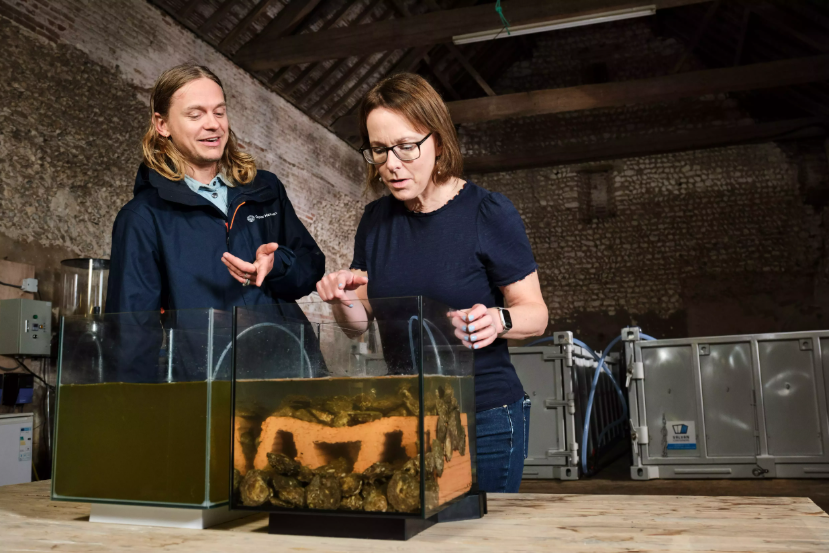
Norfolk, United Kingdom — Petcare company Purina is partnering with marine conservation organization Oyster Heaven to deploy a minimum of four million oysters off the North Norfolk coast in the UK. This initiative aims to restore marine ecosystems by improving water quality and boosting biodiversity. Oyster reefs naturally filter pollutants and provide habitats for various species, but native European oysters have drastically declined in UK waters over the past century.
The project involves installing 40,000 specially designed clay “Mother Reefs” bricks pre-seeded with juvenile oysters, enabling them to mature and form reef habitats. Purina’s Ocean Restoration Programme supports this large-scale effort, alongside similar projects across Europe, including France, the Netherlands, Norway, and Portugal. This reef restoration marks a significant milestone in Purina’s commitment to rejuvenate 1,500 hectares of marine habitat by 2030. Local expertise from Norfolk Seaweed will guide the placement of reefs, ensuring ecological success.
4. Ghana Races to Finalize Pioneering Blue Economy Roadmap for Ocean Prosperity
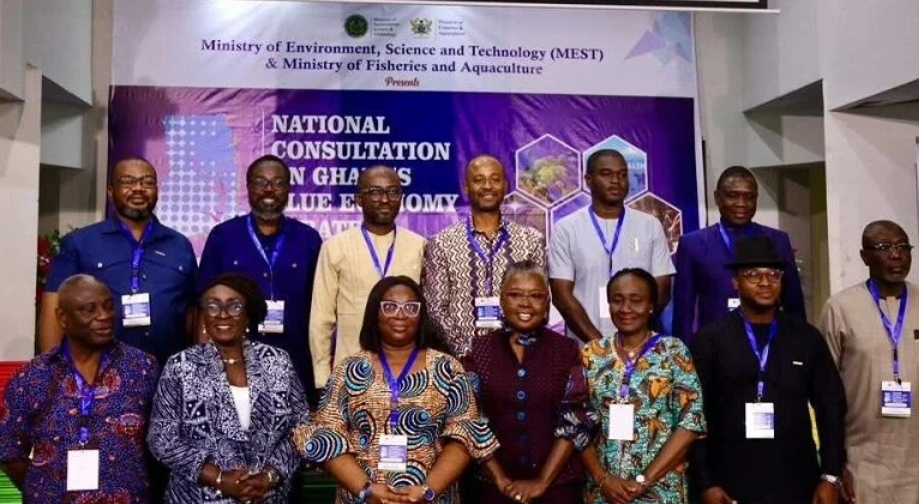
ACCRA, GHANA—Ghana is entering the final stage of consultations on its landmark Blue Economy Strategy, aiming to create a comprehensive plan for sustainable ocean and water-based resource management. The three-day national event, held in Accra, brought together government officials, civil society, academia, private sector members, and development partners to refine the draft strategy at the Ghana Shippers Council Conference Room.
The blueprint will serve as a national roadmap, balancing economic growth, environmental protection, and the safeguarding of underwater cultural heritage. The strategy envisions the creation of a dedicated Blue Economy Commission as well as new laws to ensure effective implementation. Rooted in the United Nations’ Sustainable Development Goals, particularly SDGs 8, 13, and 14, Ghana hopes this ambitious framework will drive job creation, food security, and climate resilience for its coastal communities.
5. UK Pushes Ahead With Landmark Ocean Treaty To Shield International Waters a Marine Evolution Explosion!
LONDON, UK—The UK government has initiated legislation to ratify the High Seas Treaty, joining a global effort to bring the world’s most ambitious ocean protection accord into force. By laying the Biodiversity Beyond National Jurisdiction (BBNJ) Bill before Parliament, the UK aims to help safeguard nearly two-thirds of the world’s ocean, enabling the creation of marine protected zones and strict management of international waters.
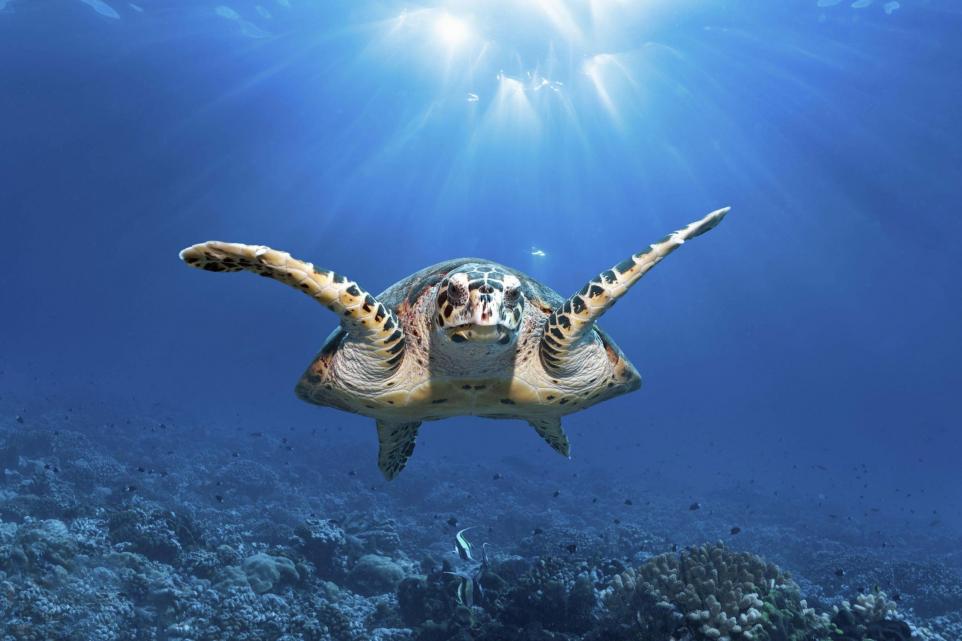
The treaty, agreed after over a decade of negotiations, aims to halt biodiversity loss from overfishing, climate change, and pollution, with a global target of protecting 30% of the ocean by 2030. Sharks, whales, and sea turtles are among the species expected to benefit from these new protections, and the UK’s action underscores its intent to lead on international marine governance as more countries rush to ratify the agreement.

6. Cambodia Joins Global Effort by Ratifying High Seas Treaty to Protect International Waters
PHNOM PENH, CAMBODIA—Cambodia officially ratified the High Seas Treaty, becoming the 56th nation to endorse this landmark global agreement aimed at safeguarding marine biodiversity beyond national jurisdiction. The treaty, also known as the Biodiversity Beyond National Jurisdiction (BBNJ) Agreement, seeks to protect vast areas of the ocean that cover nearly half the planet and have historically lacked effective legal protection.
Cambodia’s ratification strengthens the international push to reach the critical threshold of 60 countries needed for the treaty to enter into force, triggering a 120-day countdown to become binding international law. Prime Minister Hun Manet emphasized the need for equitable sharing of benefits and technical support for developing countries to conserve and sustainably manage ocean resources. The global treaty is seen as a major step toward long-term ocean health, benefiting ecosystems and coastal communities worldwide.
Editor’s Note: Cambodia signed the treaty in June, but ratified it formally on Sept 6

7. South Africa Urges CITES Listing of Dried Abalone to Save Species from Collapse
CAPE TOWN, SOUTH AFRICA—South Africa is calling for dried Haliotis midae (abalone) to be listed on Appendix II of the Convention on International Trade in Endangered Species (CITES), a move critical to curbing rampant poaching and illegal export that threatens the species’ survival. Wild abalone populations have suffered a staggering 90% decline due to overharvesting and black market trade, with annual illegal catches exceeding legal quotas by more than 50 times.
The proposal targets dried abalone, which constitutes the majority of illicit trade and mostly derives from wild stocks, while legally farmed abalone sold fresh or frozen would not be affected. Listing dried abalone on CITES Appendix II would impose international trade controls requiring permits, helping to protect wild populations and sustain the livelihoods of coastal communities dependent on this valuable resource.
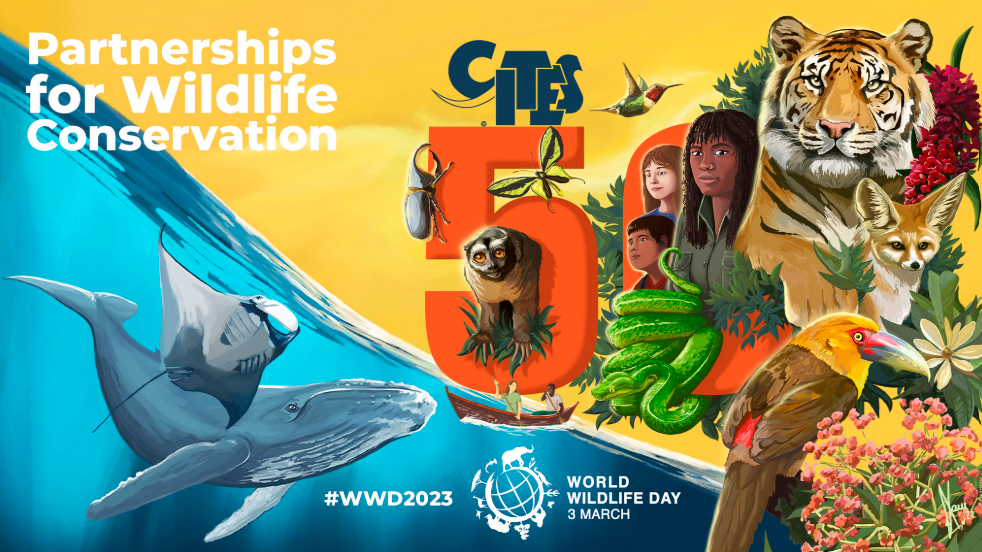
8. Uzbekistan Launches International Wildlife Photo Contest to Celebrate CITES 50th Anniversary
TASHKENT, UZBEKISTAN—Uzbekistan is hosting an international wildlife photo contest from November 24 to December 5, 2025, commemorating the 50th anniversary of the Convention on International Trade in Endangered Species (CITES). The contest invites photographers worldwide to submit images capturing biodiversity, wildlife conservation, and natural heritage, with entries due by September 21, 2025.
The event aims to increase awareness of global efforts to protect endangered species and the importance of sustainable trade regulations under CITES. Winners will have their work exhibited during the 20th United Nations Biodiversity Conference in Samarkand, spotlighting the vital role of visual storytelling in environmental preservation. This marks a significant milestone for Uzbekistan as it strengthens its commitment to biodiversity conservation through public engagement and international cooperation.
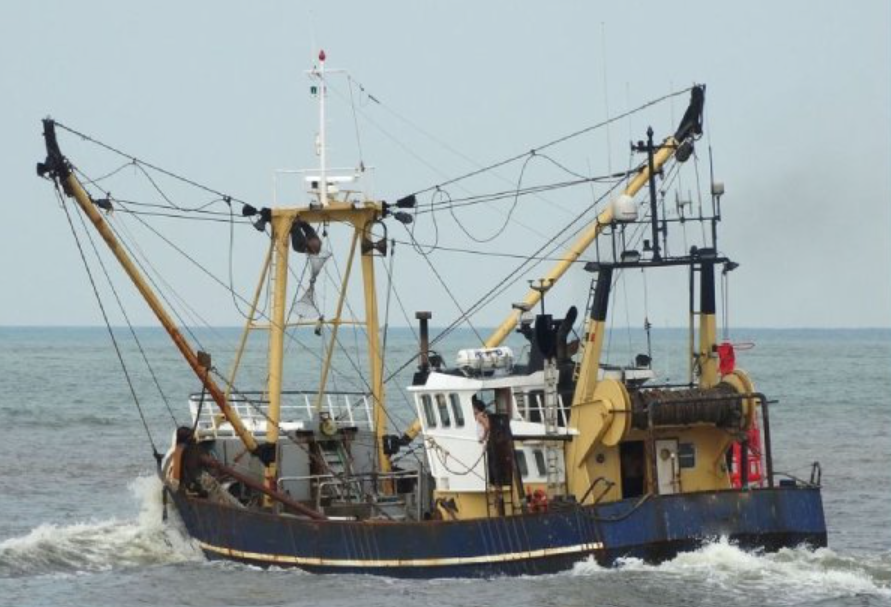
9. Belgian Fishing Bans Deemed Disproportionate by NSAC, Calls for Withdrawal
BRUSSELS, BELGIUM—The North Sea Advisory Council (NSAC) criticized Belgium’s proposed fishing bans covering nearly 10% of the Belgian Part of the North Sea (BPNS), labeling them “disproportionate” due to severe economic impacts primarily on French fishermen. The bans, designed to protect bottom habitats by restricting bottom fishing gears, would eliminate 88% of the value and 81% of the volume landed by French vessels in Belgian waters, threatening these artisanal fisheries’ viability.
NSAC highlighted insufficient scientific justification for measures, noting one zone lacks legal conservation obligations. Concerns were also raised about unassessed displacement of fishing effort that could intensify competition and damage other stocks. Moreover, NSAC pointed out policy inconsistencies, such as Belgium approving offshore wind farms that disrupt seabeds while banning pitifully impactful fishing. Technological advances reducing seabed impact in trawling were overlooked in the proposal. NSAC recommends that Belgium withdraw the bans to avoid socioeconomic harm and pursue evidence-based sustainable fisheries management.

10. NMFS Bans Retention of Blackspotted and Rougheye Rockfish in Central and Western Aleutian Districts
ANCHORAGE, USA—The National Marine Fisheries Service (NMFS) has prohibited the retention of blackspotted and rougheye rockfish in the Central and Western Aleutian districts of the Bering Sea and Aleutian Islands management area (BSAI), effective noon Alaska time on September 11, 2025. This action aims to prevent exceeding the 2025 total allowable catch (TAC) for these species in these districts as the TAC is near or has been reached.
For the remainder of the year, these rockfish are to be treated as prohibited species, except for catcher vessels using hook-and-line, pot, or jig gear, which must retain all rockfish but are limited to zero percent commerce allowance for blackspotted and rougheye rockfish. This stricter management protects the stocks while ensuring compliance with federal fisheries regulations.
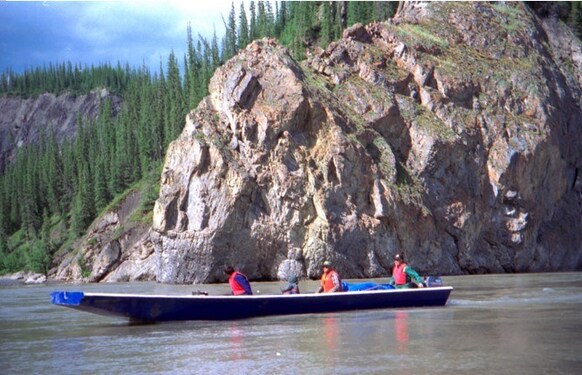
11. Teetlit Gwinjik (Peel River) Watershed National Park Feasibility Confirmed
INUVIK, CANADA—The Gwich’in Tribal Council, the First Nation of Na-Cho Nyäk Dun, the Government of Yukon, and Parks Canada have confirmed the feasibility of establishing a national park in the Teetł’it Gwinjik (Peel River) Watershed, marking a significant step forward for this ecologically and culturally vital region. Based on extensive consultation with Indigenous leaders, local communities, stakeholders, and public input, the parties signed a Collaboration Accord to advance negotiations towards formally establishing the park.
Covering nearly 3,000 square kilometers in northeast Yukon near the Northwest Territories border, the watershed is rich in wildlife and habitat, including caribou and species at risk, and is central to Indigenous cultural practices. The proposed park will be jointly managed, respecting Indigenous knowledge and stewardship, ensuring long-term ecosystem protection and cultural preservation aligned with the Peel Watershed Regional Land Use Plan.
12. Rivers Driving Microplastic Pollution Hotspot Critical to Gulf of Mexico Seafood and Wildlife
WASHINGTON D.C., USA—New research by the Euro-Mediterranean Center on Climate Change (CMCC) reveals that tiny plastic particles, or microplastics, are increasingly accumulating in the northern Gulf of Mexico, forming pollution hotspots especially west of the Mississippi River Delta that threaten important marine habitats for sea turtles, red snapper, and dolphins. Using advanced computer modeling over three years, scientists identified rivers—not wastewater treatment plants—as the primary source funneling plastic pollution into these waters, challenging common assumptions about contamination sources.
The study’s novel approach overlays plastic distribution with marine species ranges, highlighting regions where ecological risks and commercial fisheries overlap, which raises direct concerns for biodiversity and food security. The findings provide a crucial roadmap for targeted mitigation strategies to reduce environmental impact, highlighting the importance of public awareness regarding microplastic pollution associated with the seafood supply. This innovative mapping technique sets the stage for broader coastal protection efforts worldwide.
13. Sale of critically endangered sharks in the United States
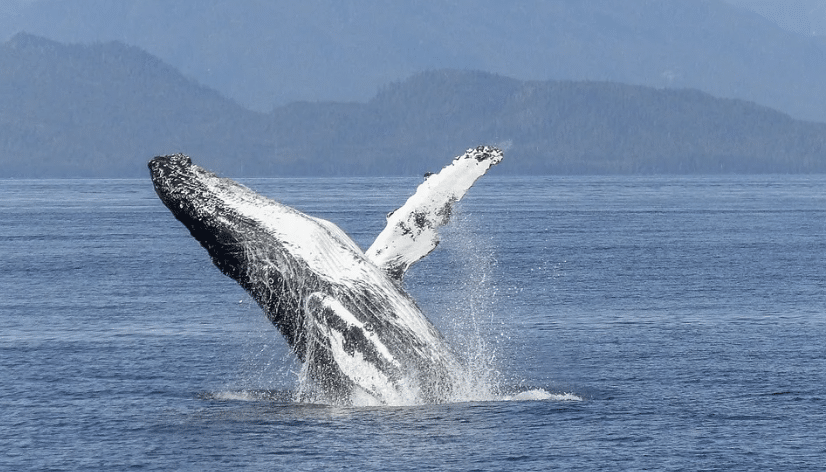
Chapel Hill, United States — Research led by the University of North Carolina at Chapel Hill reveals alarming levels of mislabeling in shark meat sold across U.S. grocery stores, seafood markets, and online. DNA barcoding of 29 shark meat samples showed that 93% were ambiguously or incorrectly labeled, including meat from three critically endangered species: great hammerhead, scalloped hammerhead, and tope sharks.
The widespread mislabeling complicates conservation efforts and poses health risks due to high mercury levels in certain shark species. Despite global shark population declines, these endangered species remain available in the market. The study emphasizes the urgent need for accurate species labeling to protect both consumers and vulnerable shark populations, calling for stronger industry action.
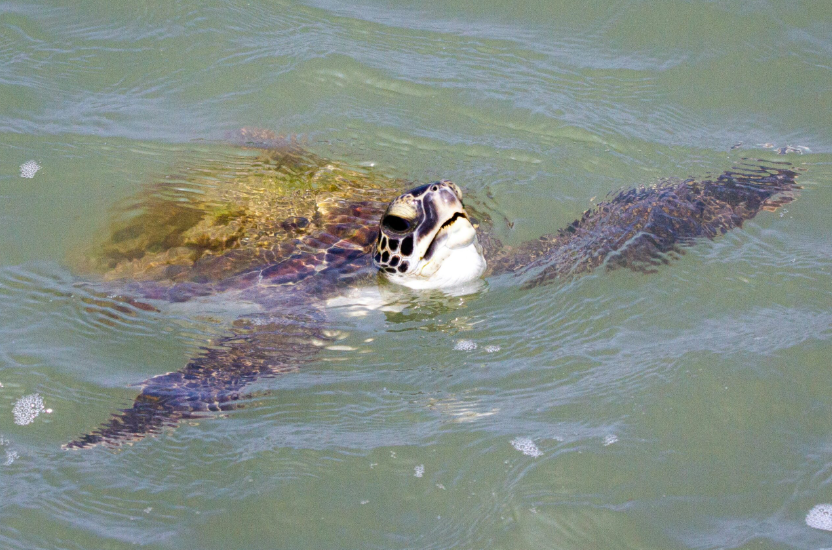
14. Poachers Plead Guilty to Taking Turtle from Marine Park
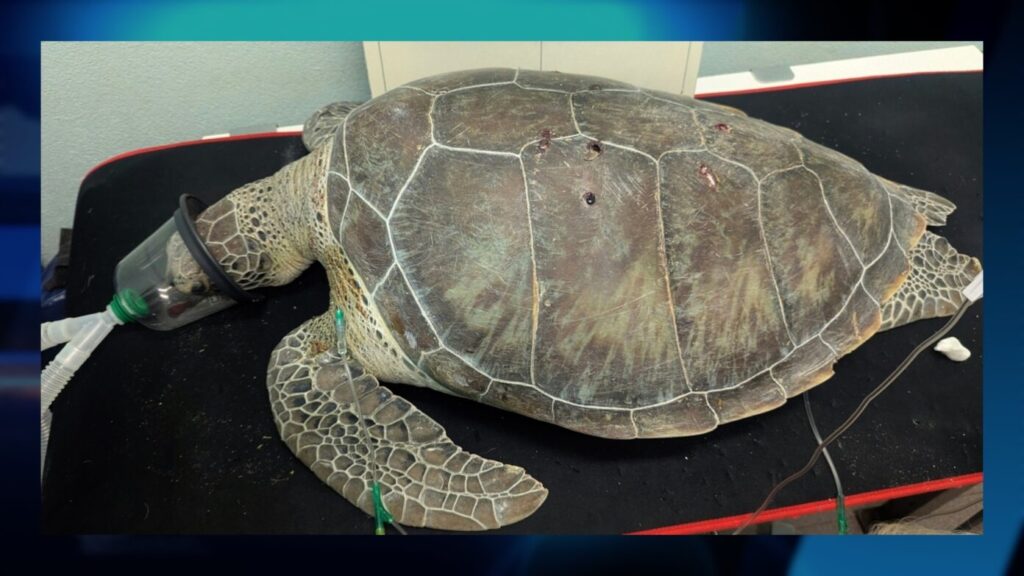
George Town, Cayman Islands — Two men pleaded guilty to illegally taking a green sea turtle from a marine park, according to authorities. The poachers were caught after conservation officers responded to reports of suspicious activity in a protected marine reserve. Sea turtles in Cayman waters are protected species under the National Conservation Act, and harming or removing them is illegal.
The Department of Environment emphasized the importance of protecting these vulnerable animals and warned that offenders could face substantial fines and imprisonment. The guilty plea marks a step forward in enforcement efforts to combat wildlife crime and safeguard the island’s marine biodiversity.
15. Scientists Fear Impact of Antarctic Tourism
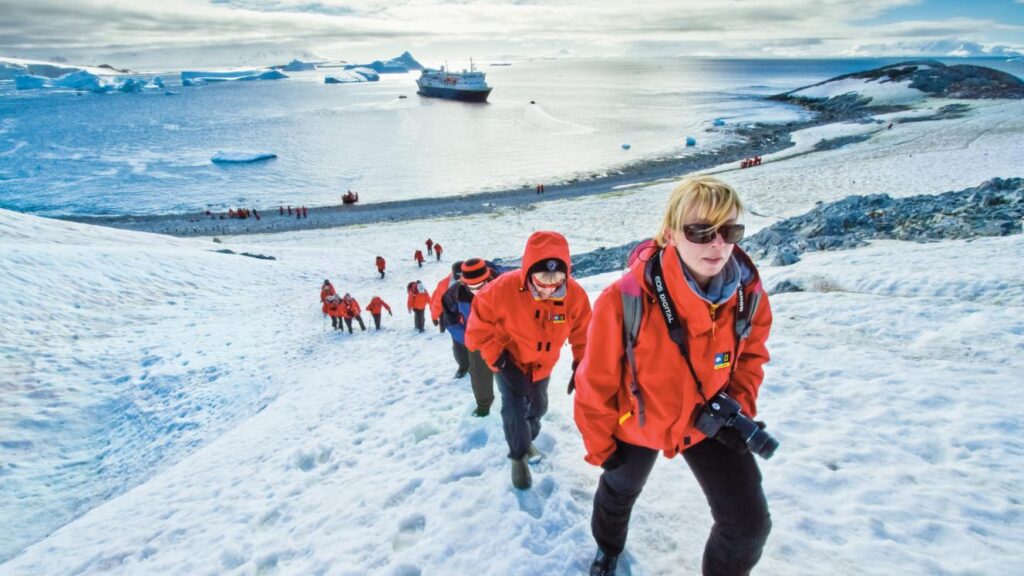
Cape Town, South Africa — Scientists are raising concerns over the escalating environmental impact of tourism in Antarctica. The pristine continent, once visited by around 20,000 tourists two decades ago, now welcomes over 120,000 visitors annually, primarily arriving by cruise ships. Research shows that increased human activity leads to pollution, including “black snow” caused by soot and heavy metals from fossil fuel combustion by ships, aircraft, and vehicles.
This darkening snow accelerates melting, contributing further to climate change effects. Additionally, the carbon footprint per tourist is significant, and wildlife disturbance and the risk of introducing non-native species threaten fragile ecosystems. Although some cruise companies promote sustainable practices and IAATO regulations limit visitor numbers per landing, scientists stress that more urgent measures are needed to preserve Antarctica’s vulnerable environment amid growing tourism pressures.
16. Elasmobranch Fisheries in Tunisia: Fishermen’s Insights and Conservation Options
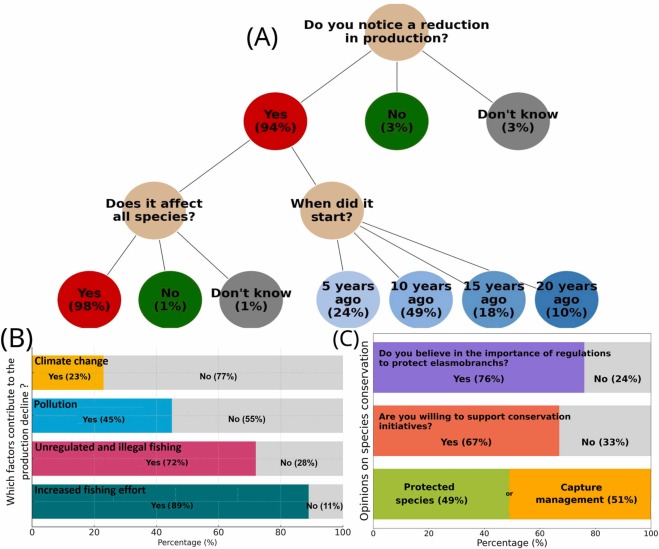
Tunis, Tunisia — Research highlights the urgent need to protect elasmobranch species in Tunisian waters, home to 63 species of sharks and rays. Artisanal fisheries heavily target species like the grey shark, guitarfish, and stingray using specialized nets, leading to a sharp decline in populations—some by as much as 80%. Despite international protections under the Barcelona Convention, enforcement remains weak domestically, thereby exacerbating issues related to illegal fishing and bycatch.
Fishermen report catching juvenile sharks, including those with umbilical cords, which threaten reproduction rates. Economic reliance on shark fishing remains high, but experts warn that overexploitation disrupts marine ecosystems and poses health risks due to heavy metals in shark meat. Conservation measures, including marine protected areas and sustainable fishing practices, are underway but require strengthening. An action plan focusing on angel shark conservation is expected by 2024. Balancing economic needs with biodiversity preservation remains critical for the future of Tunisia’s marine life.

17. Area of England Well Protected for Nature Is in Decline, Data Shows
London, England — New data reveals the area of England effectively protected for nature has declined from 2.93% in 2024 to 2.83% in 2025. The decline is not due to a drop in designated protected land but reflects worsening ecological conditions within existing Sites of Special Scientific Interest (SSSIs). Despite government commitments under the 30×30 pledge to protect 30% of UK land and sea by 2030, the pace of adding well-managed protected areas has been slow.
Nature groups criticize proposed planning and infrastructure legislation, warning it could weaken rather than strengthen protections for wildlife and habitats. Experts highlight that many marine protected areas remain vulnerable to damaging activities such as trawling and pollution. The government plans to publish a 30×30 action plan outlining concrete steps to halt nature’s decline, underscoring the urgent need to improve conservation management and boost habitat restoration across England.
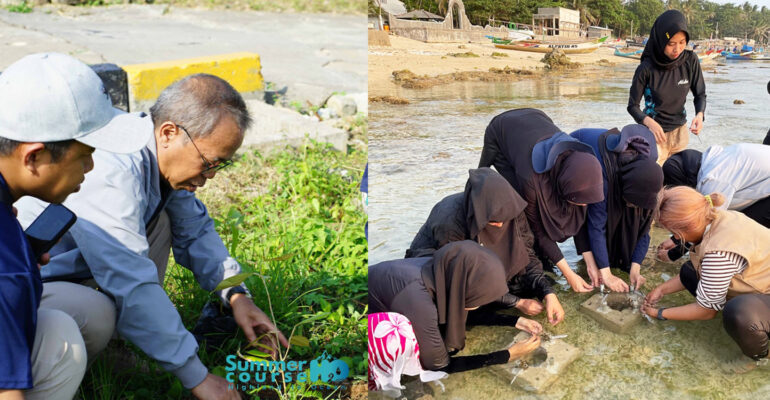
18. IPB University Restores Aquatic Ecosystems Through Four Conservation Actions in Sukabumi and Purwakarta
Bogor, Indonesia — IPB University is leading efforts to restore aquatic ecosystems in Sukabumi and Purwakarta through four key conservation actions. These include planting riparian trees in Cirata Reservoir to reduce sediment runoff, transplanting coral in Ujung Genteng waters to revive marine biodiversity, releasing green turtle hatchlings to strengthen endangered populations, and removing invasive species from coastal areas.
The Department of Aquatic Resources Management aims to enhance ecosystem resilience, improve water quality, and support local livelihoods through these nature-based solutions. This initiative aligns with Indonesia’s commitment to ecosystem restoration and biodiversity preservation under national policies and international frameworks. Collaborations with local communities and stakeholders ensure sustainable conservation impact while raising awareness about aquatic ecosystem health. The project demonstrates IPB University’s role as a leader in science-based aquatic resource management and environmental stewardship.
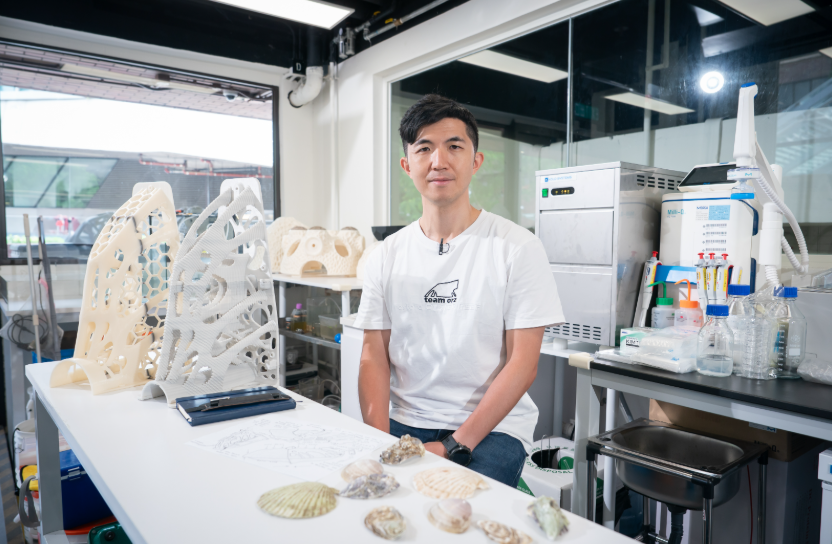
19. Fighting oyster reef decline in HK, 3D-Printed Reef Wins James Dyson Award 2025 Hong Kong
Hong Kong SAR — Dean Chan, a graduate from the Chinese University of Hong Kong and a PhD candidate at Hong Kong Polytechnic University, won the James Dyson Award Hong Kong for his invention, Reef of Hope. This modular 3D-printed artificial oyster reef is designed with an innovative topological structure, using a biodegradable material infused with oyster shell calcium carbonate to promote oyster settlement and marine biodiversity. Traditional reef restoration methods often lack ecological effectiveness, but Reef of Hope enhances nutrient delivery, water flow, and habitat stability.
Field trials demonstrated oyster settlement rates three times higher than those of conventional methods, and attracted various marine species within a month. The reef’s lightweight, modular design allows easy deployment and scalability for various marine environments. Dean Chan receives £5,000 to advance development and will represent Hong Kong at the international stage, competing for a £30,000 global prize.
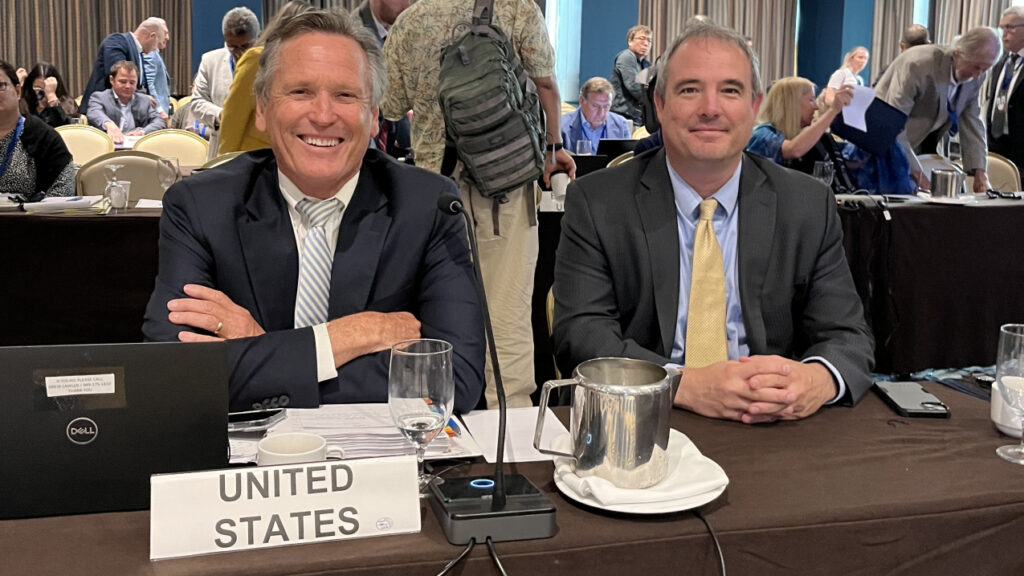
20. How the US Is Revolutionizing Tuna Fishing in the Eastern Pacific
Washington, D.C., United States — NOAA announced that the United States continues to lead sustainable tuna fisheries management in the Eastern Pacific Ocean, supporting both conservation and American fishermen’s economic interests. Following the 2025 Inter-American Tropical Tuna Commission meeting, the US secured expanded measures to streamline the retrieval of fish aggregating devices (FADs), promote the use of biodegradable FAD materials, and deploy tracking technology to protect marine ecosystems.
Funding of $1.8 million was secured for a Regional Tuna Tagging Program to improve scientific understanding of tuna stocks and distribution, enhancing sustainable harvest practices. The US also supported reduced fishing closure days for purse seine vessels while maintaining sustainability standards. These efforts underscore the US commitment to balancing ecological protection with robust fishing opportunities, positioning the nation as a global leader in responsible fisheries management in the Eastern Pacific.
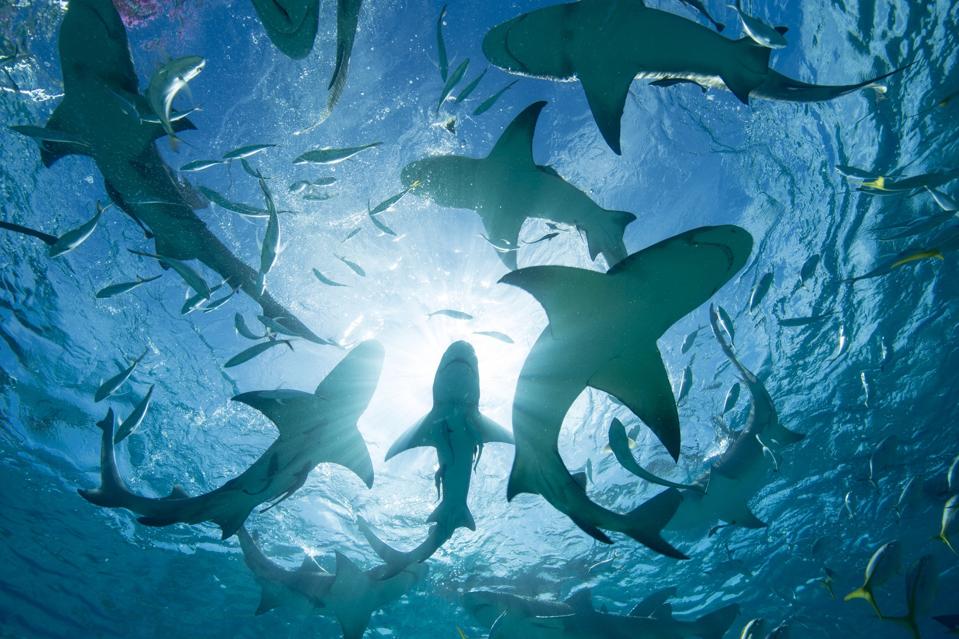
21. The Silent Crisis Threatening Pacific Sharks in Central and South America: Why Protection Efforts Are Falling Short
Lima, Peru — The Central and South American Pacific region is a global hotspot for shark, ray, and chimaera diversity, hosting 188 species, yet these marine animals face an escalating conservation crisis. Despite the establishment of marine protected areas (MPAs) in countries like Costa Rica and Colombia, many nations, including Peru and Honduras, protect less than 10% of their waters, and almost 42% of these MPAs lack management plans.
The Important Shark and Ray Areas (ISRA) framework identifies critical shark habitats, but overlap with existing protected zones is only about 15.6%, with even less falling under no-take zones. Overfishing, habitat degradation, and climate change exacerbate these threats, and current protected areas often fail to provide effective safeguards. Experts call for more vigorous enforcement, expanded protections, and better integration of ISRAs into policy to prevent the collapse of Pacific shark populations in this ecologically vital region.
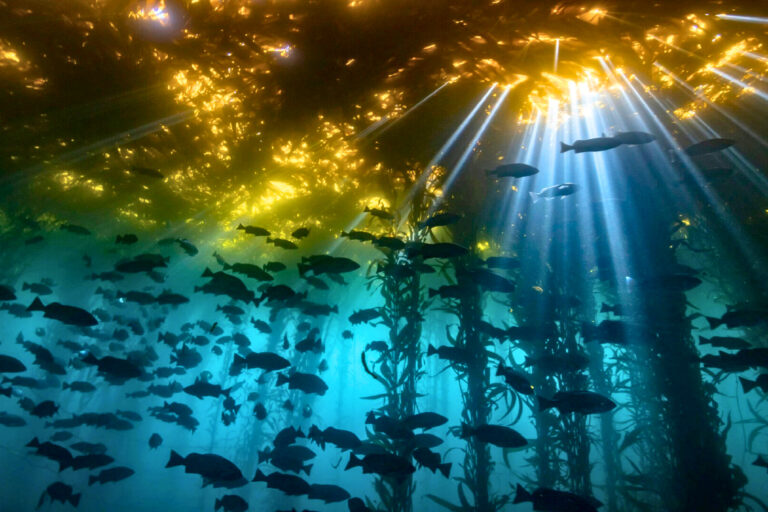
22. California’s Kelp Crisis Is Far From Over: The Urgent Battle to Restore Underwater Forests
Fort Bragg, United States — Northern California’s iconic kelp forests, vital for marine biodiversity and coastal protection, remain in a state of crisis more than a decade after the devastating 2013 marine heat wave known as “the Blob.” This event, combined with the mass die-off of sea stars—key predators of kelp-eating purple sea urchins—triggered a surge in urchin populations that have since devastated kelp coverage along about 350 miles of coastline.
Despite local restoration efforts involving the removal of millions of urchins and limited natural recovery elsewhere, the persistent “urchin barrens” made up of dormant, long-living urchins make widespread kelp regeneration difficult. Climate change-driven marine heat waves continue to threaten these ecosystems, while funding and large-scale action remain insufficient. Advocates urge more investment and legislative support to save these critical “rainforests of the sea” and protect coastal communities and fisheries dependent on healthy kelp forests.
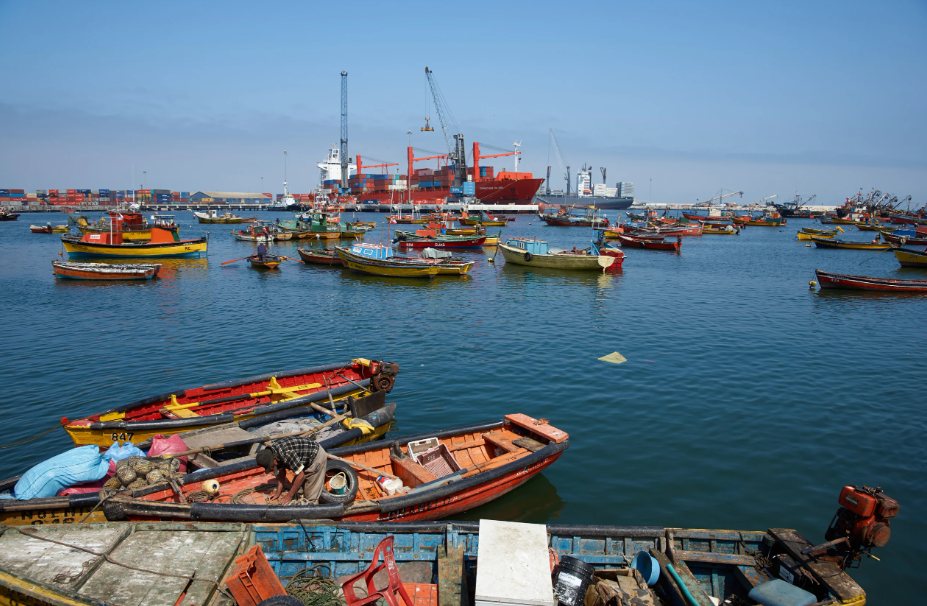
23. How Chile’s Coastal Communities Are Leading the Fight to Save Its Ocean
Viña del Mar, Chile — While Chile boasts more than 40% of its territorial waters designated as Marine Protected Areas (MPAs), the country’s marine ecosystems face persistent threats from climate change, industrial fishing, and pollution. Recent workshops with civil society groups, Indigenous organizations, and local fishers reveal protection gaps, including weak enforcement, exclusion of key stakeholders, and the absence of management plans in many MPAs.
Yet, grassroots efforts are driving hope: artisanal fishing communities have established community-managed “marine shelters” that ban extraction and successfully restore local species like abalone and sea urchins. Citizen science projects map and advocate for kelp protection, and satellite monitoring combat illegal activities. These local stewardship models underscore the critical role communities play in safeguarding Chile’s oceans for future generations, offering a blueprint for more inclusive and effective marine conservation globally.

24. Tiny Plastics in Arteries Could Raise Your Heart Attack Risk, New Research Warns
London, United Kingdom — Experts caution that the accumulation of microplastics (MPs) and nanoplastics (NPs) in human arteries may present a novel and serious risk factor for cardiovascular diseases (CVDs). A landmark study published in the journal Cardiovascular Research reveals that these tiny plastic particles have been detected in atherosclerotic plaques—fatty deposits clogging arteries—and their presence is linked to a 4.5-fold higher risk of major adverse cardiovascular events, including heart attacks and strokes.
Microplastics may contribute to inflammation, oxidative stress, and vascular damage while carrying harmful chemicals such as pesticides and heavy metals. Though direct causality remains unproven, the findings challenge conventional views of heart disease and underscore the urgent need for further research and public health measures. Proposed prevention strategies include reducing environmental plastic pollution and developing treatments to mitigate plastic-induced cardiovascular harm.
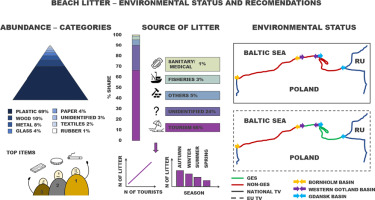
25. Beach Litter on the Southern Baltic Coast: What 10 Years of EU Marine Directive Implementation Reveals
Baltic Sea Region — After a decade of implementing the Marine Strategy Framework Directive (MSFD) within Descriptor 10 focused on marine litter, a comprehensive assessment reveals persistent challenges in managing beach litter on the southern Baltic coast. Plastics remain the predominant litter type, especially fragmented pieces under 50 centimeters, cigarette butts, and packaging materials.
The report highlights significant seasonal and regional variations in litter quantities, with urban and peri-urban beaches exhibiting the highest debris levels. Despite reduction efforts driven by EU policies like the Single-Use Plastics (SUP) Directive, input from shipping, tourism, fisheries, and riverine sources continues to introduce large amounts of litter. The study underscores the urgent need for harmonized monitoring protocols and expanded waste management and awareness programs to reduce marine litter further and protect Baltic coastal environments.

26. ExxonMobil Fights Back: Company Counters California’s Lawsuit Over Plastic Recycling Claims
Dallas, Texas — In a high-stakes legal battle, ExxonMobil has filed a defamation lawsuit against California Attorney General Rob Bonta and several environmental groups, responding to California’s 2024 lawsuit accusing the oil giant of misleading the public about its chemical recycling—or “advanced recycling”—practices for plastics. California alleges ExxonMobil falsely marketed its recycling efforts as a solution to the plastic pollution crisis while continuing to fuel environmental harm.
ExxonMobil’s countersuit claims these accusations amount to a deliberate smear campaign, damaging its reputation and jeopardizing livelihoods, especially in Texas, where it has significant operations. The dispute highlights broader tensions between fossil fuel companies and regulators over accountability for plastic pollution and climate impacts. A federal judge recently heard arguments in the case, which underscores the contentious debate over the true sustainability of chemical recycling.
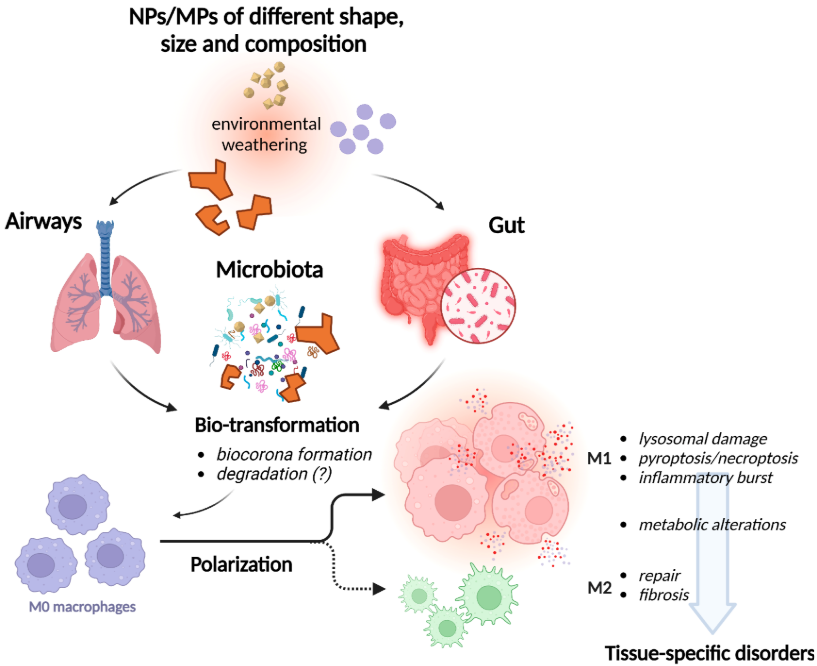
27. When Biodegradable Plastics Go Under the Microscope: How Sunlight and Digestion Transform PLA Microplastics Into Immune-Triggering Nanoparticles
Researchers have revealed that tiny particles of polylactic acid (PLA) plastic, widely used as a biodegradable alternative, undergo significant changes after exposure to sunlight and digestion mimicking the human gut. Sunlight (UV) and gut-like digestion reduced PLA particle size by about threefold and altered their surface charge, fundamentally changing how blood proteins interact with them. Fresh PLA particles mostly attracted fat-transporting proteins, but aged and digested particles bound immune-related proteins tied to blood clotting and inflammation.
When exposed to these transformed particles at realistic body concentrations, immune cells called macrophages experienced internal structural disruptions, triggered immune pathways, and formed inflammatory traps known as macrophage extracellular traps. This study suggests that environmental breakdown and digestion of PLA can increase its capacity to induce harmful immune responses, raising concerns about potential long-term health risks associated with micro- and nanoplastic exposure.