

1. Kiwa Initiative Launches 15 New Projects to Boost Pacific Climate Resilience
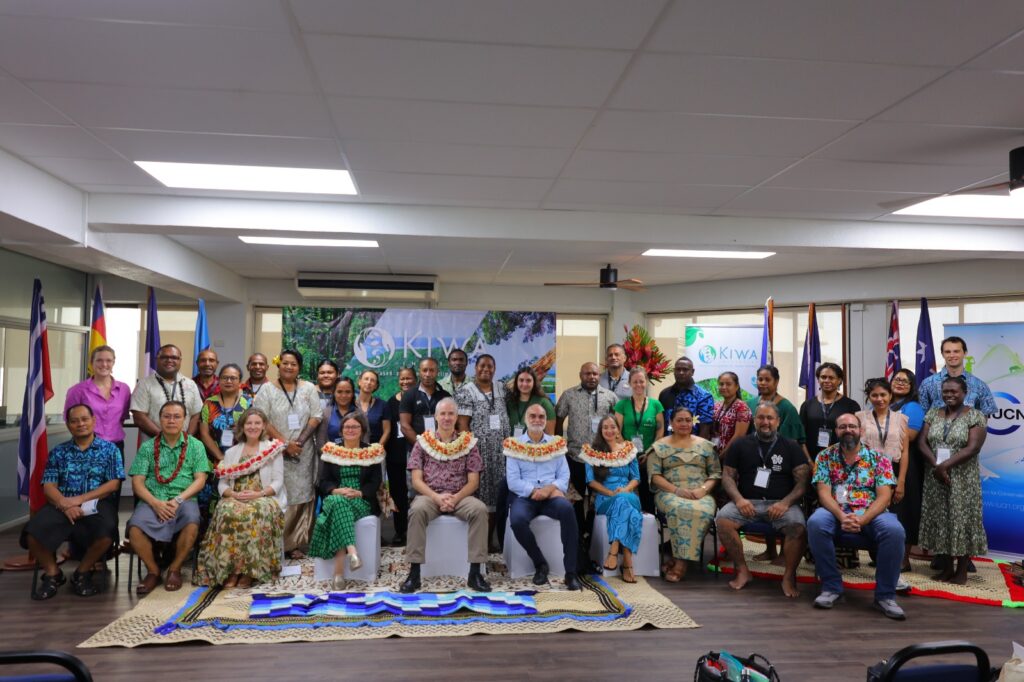
Nouméa, New Caledonia—The Kiwa Initiative, supported by the International Union for Conservation of Nature (IUCN) Oceania, has announced 15 new local projects aimed at strengthening climate resilience across 10 Pacific Island countries and territories. The projects, selected from 166 proposals, focus on nature-based solutions such as community-based fisheries management, invasive species control, traditional knowledge transmission, conservation area creation, and women’s empowerment through home gardens.
The announcement was made at the New Caledonian Climate Change Forum in July 2025. Since its launch in 2020, the Kiwa Initiative has supported 41 projects across 17 countries, benefiting over 220,000 people. This multi-donor program aims to protect biodiversity and support climate adaptation by enabling easier access to funding and providing technical assistance for local and regional governments, civil society, and NGOs. The initiative fosters regional cooperation, promotes sustainable management of ecosystems, and emphasizes gender and social inclusion for long-term climate resilience.
2. Rare Sighting of Critically Endangered Angel Shark in Cardigan Bay Brings Hope for Marine Conservation
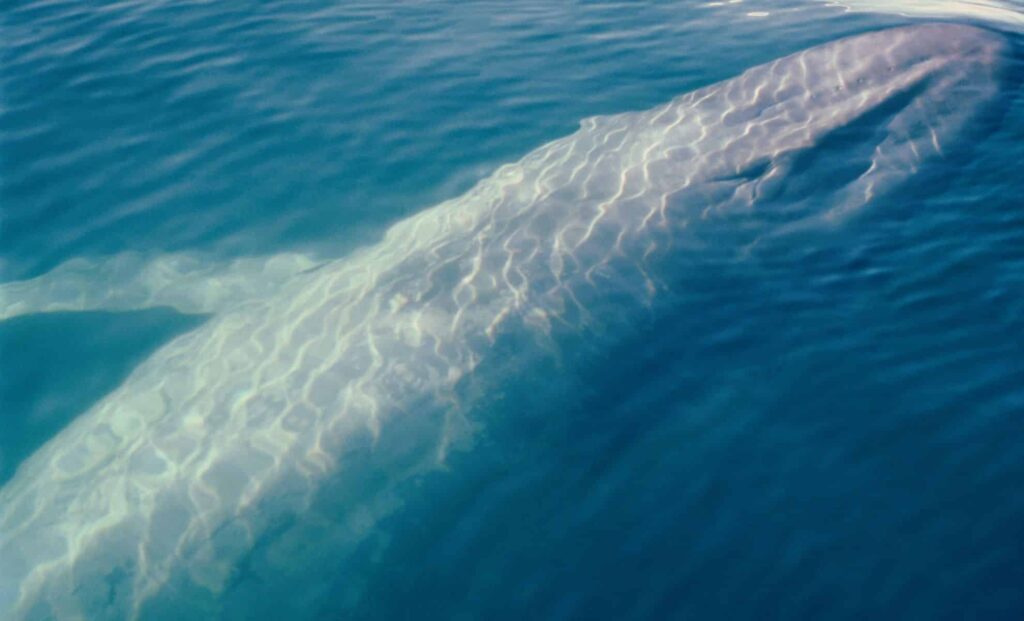
Cardigan Bay, Wales—The Wildlife Trust of South and West Wales (WTSWW) has captured rare footage of the critically endangered angel shark, a first since 2021, sparking renewed optimism for the species. The sighting, part of WTSWW’s Dolphin Diet Detectives project using underwater cameras, highlights the importance of Cardigan Bay’s marine habitats in supporting endangered species.
Angel sharks, whose populations have declined by over 80% in recent decades due to habitat loss and industrial fishing practices like bottom trawling, play a vital ecological role as apex predators, maintaining marine ecosystem balance. The project underscores the urgent need to protect sensitive seabed habitats from destructive fishing to ensure the survival of angel sharks and the overall health of marine biodiversity. WTSWW advocates for stronger marine protections and sustainable fishing regulations to safeguard these fragile ecosystems for future generations.
Thank you for your generous gift that will help us continue the production of this weekly, free publication

3. Nearly Completed Offshore Wind Project Halt Sparks Outcry in Connecticut
New London, United States—Connecticut officials and workers are fiercely opposing the Trump administration’s abrupt stop work order on Revolution Wind, an offshore wind farm project 80% complete and set to power over 350,000 homes in Connecticut and Rhode Island. The project, developed by Danish firm Ørsted, was expected to be operational by late next year. Critics warn that halting the project will raise electricity costs, increase reliance on polluting natural gas, and derail state climate goals.
Democratic leaders, including U.S. Senators Richard Blumenthal and Chris Murphy, and Governor Ned Lamont vow to fight the pause, labeling it unlawful. Meanwhile, fishing groups praise the decision, citing concerns over marine ecosystem disruptions. Labor unions express fears of job losses for hundreds of workers involved in the project. The Trump administration cites national security reviews for the pause, but opponents call it politically motivated. The project’s future remains uncertain as legal and political battles loom.

4. Low Green Energy Keeps Cyprus at the Bottom of European Rankings
Nicosia, Cyprus—Cyprus landed 56th globally and dead last in the EU in the 2025 Sustainable Development Report, alarming environmental groups and policymakers. Despite minor improvements since 2015, the Sustainable Development Solutions Network flagged “serious structural weaknesses” in areas like renewable energy, CO₂ emissions, nitrogen use, overfishing, water consumption, and fatal work accidents.
The latest score of 73.8 lags behind Europe’s rising average, with low solar and wind capacity leaving Cyprus highly dependent on fossil fuels—even as some progress appears in poverty reduction and education. The country’s divided status and geography compound challenges with water and wildlife protection. Experts urge urgent action, especially in climate change, energy diversification, and expanding protected marine areas. According to Cyprus Mail, strong national policies and coordination could turn the tide for sustainability.
5. Oxygen Boom in Deep Ocean Sparked a Marine Evolution Explosion!
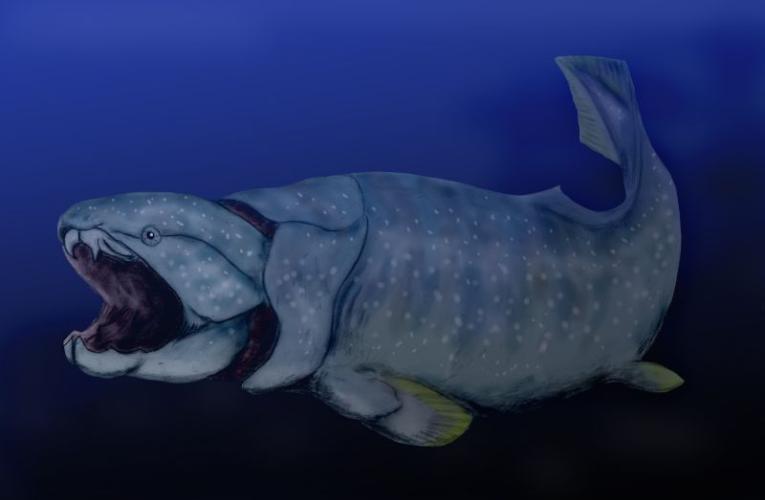
Durham, United States—New research from Duke University reveals that a major increase in deep-ocean oxygen levels about 390 million years ago opened new marine habitats and accelerated animal diversification. Using selenium isotope analysis from ancient sedimentary rocks across five continents, scientists identified two oxygenation events: a brief pulse during the Cambrian and a sustained rise starting in the Middle Devonian.
This later increase coincided with the emergence of jawed vertebrates, enabling them to invade deeper waters. The surge in oxygen is linked to the spread of woody plants on land, which boosted atmospheric oxygen and subsequently deep ocean oxygenation. This “mid-Paleozoic marine revolution” reshaped marine ecosystems, fostering size and diversity in animals. Findings underscore the vital role oxygen plays in marine life evolution and offer insights critical for modern ocean conservation amid current oxygen-depleting threats.
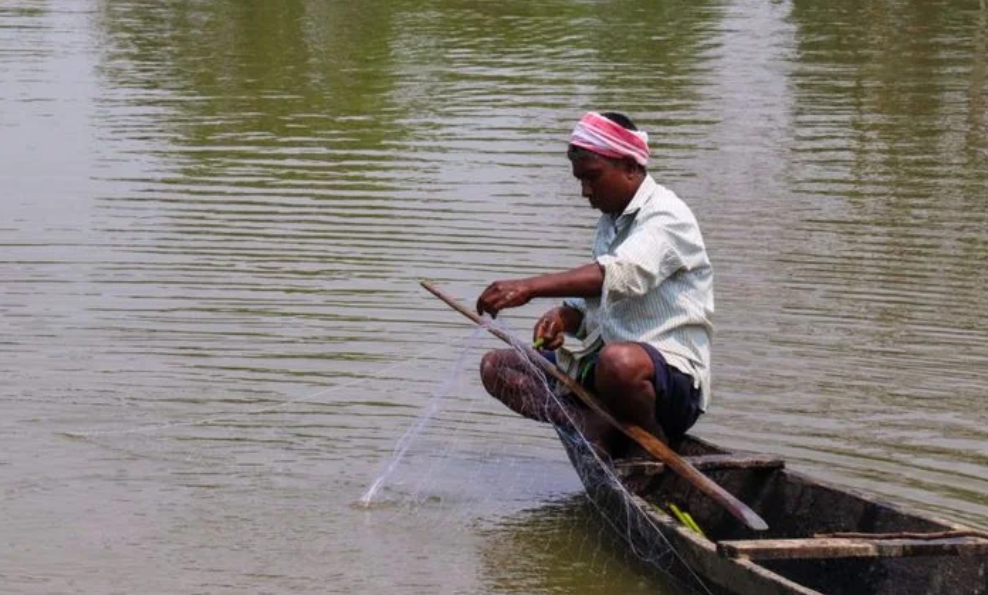
6. Khasi Traditional Fishing Techniques Could Solve Fish Deficit
Guwahati, India—A recent study published in the Indian Journal of Traditional Knowledge reveals that centuries-old fishing methods of Meghalaya’s Khasi tribes offer promising solutions to the state’s fish production shortfall. Despite abundant rivers, Meghalaya produces only 45% of the fish it consumes, relying heavily on imports from neighboring regions. Traditional techniques, including bamboo traps, piscicidal plants, and community fishing festivals, are eco-friendly and sustainable.
Preservation methods like Tympan (smoked fish) and Tung Dung (dried fish sealed in bamboo) ensure longer storage. Researchers caution that modern fishing gear threatens these customs but advocate blending indigenous knowledge with modern aquaculture to boost biodiversity, empower tribal farmers, and build climate-resilient fish farming. Integrating these techniques could reduce reliance on imports and foster sustainable aquaculture hubs in Meghalaya.
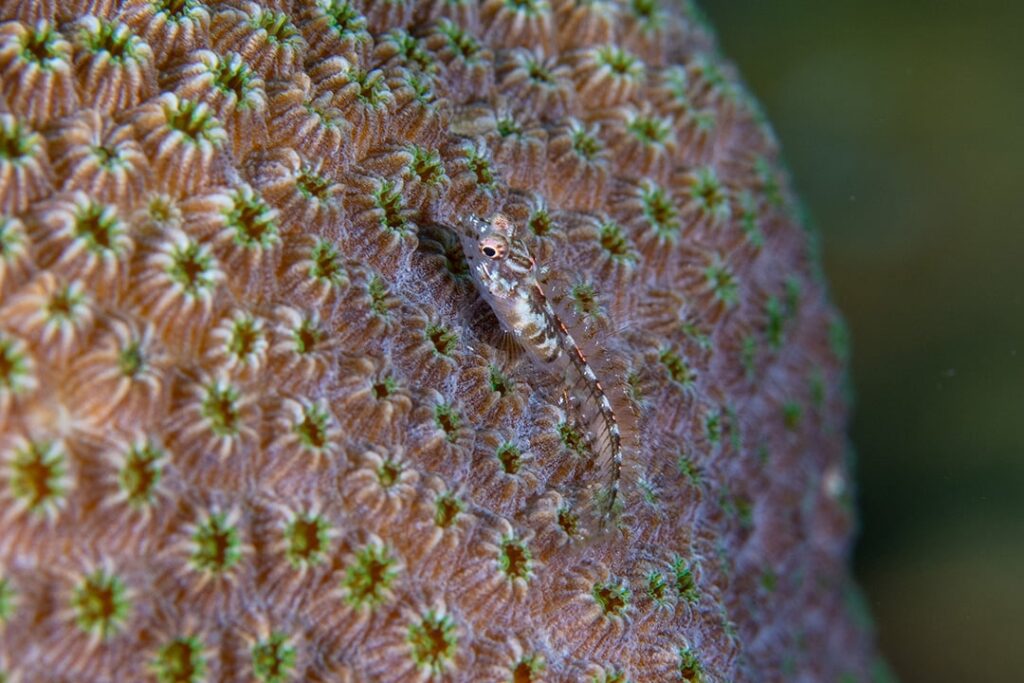
7. Revolutionary Coral Rearing Lab Opens in Roatan, Central America to Save Threatened Reefs
Roatan, Honduras—The first coral larval propagation lab in Central America officially opened in Roatan, marking a major leap forward in marine conservation for the region. A collaboration between the Roatan Marine Park and the California Academy of Sciences, this state-of-the-art facility allows scientists to breed and study baby corals in controlled environments before restoring them to reefs.
Funded by the Coral Research & Development Accelerator Platform (CORDAP), the lab helps improve coral genetic diversity and resilience to climate change. As ocean temperatures rise and reef ecosystems face severe threats, the new facility provides hope in preserving the ecologically rich Mesoamerican Barrier Reef System. Besides restoration efforts, the lab will serve as a research hub and training center, strengthening local scientific capacity and fostering international collaboration to safeguard Caribbean coral reefs for generations to come.

8. Plastic Bag Use Surges in England Driven by Online Grocery Deliveries, Threatening Environmental Gains
England—After a decade of decline, single-use plastic bag sales in England increased by 7% in 2024, reaching 437 million bags, fueled by rising online grocery deliveries, reports The Guardian. Ocado, the leading seller, accounted for 221 million bags, citing growth in online orders as a major driver. This marks the first uptick since the 2015 bag charge introduction.
The Marine Conservation Society also noted a 9.5% rise in plastic waste on beaches, largely from public litter entering waterways. Plastic bags pose lasting environmental threats, breaking down into microplastics harmful to marine life and ecosystems. The convenience of on-demand delivery services challenges ongoing efforts to reduce plastic pollution, emphasizing the urgent need for innovative regulatory and consumer solutions to curb the plastic footprint and safeguard ocean health.
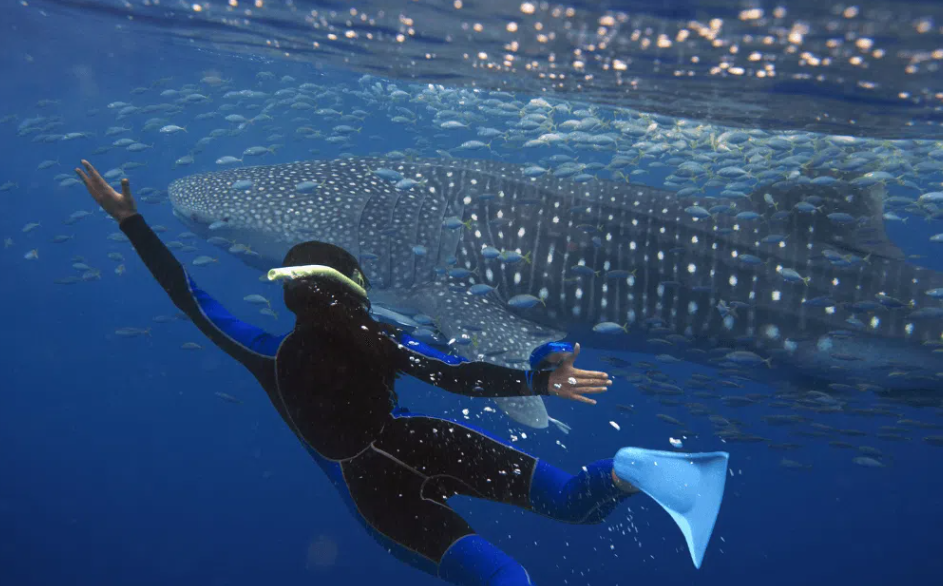
9. Human-Caused Scars Mar Nearly 80% of Whale Sharks in West Papua, Indonesia
West Papua, Indonesia—An international research team has revealed that approximately 80.6% of whale sharks in the Bird’s Head Seascape bear scars and injuries linked to human activities, primarily from collisions with traditional “bagan” fishing platforms and whale shark-watching boats. Over 13 years, researchers documented 268 individual whale sharks, mostly juvenile males, frequenting areas near bagans where they feed on baitfish like anchovies.
While minor abrasions were common, severe injuries like amputations and blunt trauma were less frequent. The study highlights the importance of these sharks as tourism assets and calls for regulatory changes to modify bagan structures and reduce injury risks. Adult females prefer deeper ocean habitats, distinct from the younger males seen nearshore. Researchers stress urgent management interventions to protect this endangered species and ensure their long-term survival in Indonesia’s marine protected areas.
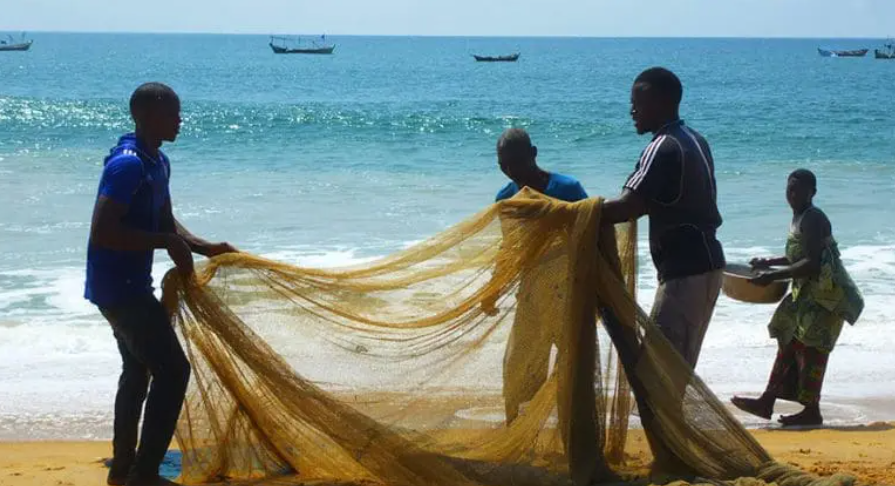
10. Ghana Expands Fisheries Law to Protect Artisanal Fishers and Secure EU Trade
Accra, Ghana—Ghana has passed landmark fisheries legislation aimed at combating illegal, unreported, and unregulated (IUU) fishing and safeguarding the livelihoods of more than 400,000 artisanal fishers. Signed into law in August 2025 by President John Dramani Mahama, the Fisheries and Aquaculture Act expands the Inshore Exclusive Zone from six to twelve nautical miles, shielding traditional fishers from industrial trawler encroachment.
The law strengthens enforcement with tougher penalties and monitoring systems and establishes an independent Fisheries Commission to oversee sustainable management. These reforms seek to lift the European Union’s “yellow card” warning against Ghana, which jeopardizes seafood exports valued at over $425 million annually. Environmental groups praise the law as critical to restoring depleted fish stocks, improving food security, and resolving conflicts between artisanal and industrial fishing sectors. Successful implementation will depend on committed enforcement to protect Ghana’s marine biodiversity and coastal communities.

11. Musandam International Diving Festival Showcases Oman’s Marine Tourism and Conservation
Musandam, Oman—Launched in the Wilayat of Khasab, the Musandam International Diving Festival brings together diving professionals, enthusiasts, and conservationists, under the patronage of His Highness Sayyid Fahr bin Fatik Al Said. The four-day event highlights Musandam’s commitment to sustainable tourism through a vibrant mix of diving competitions, marine sports, coral reef planting, and the largest coral cleanup campaign in the Middle East.
Participants include local and international organizations like PADI, diving centers, and government institutions. Festival attractions consist of underwater photography contests, freediving challenges, kayaking, swimming, and fishing, all set against Musandam’s unique marine biodiversity. Organizers aim to position Musandam as a global marine travel destination while promoting environmental stewardship, creating local jobs, and attracting investment into eco-friendly tourism ventures.
12. Preparatory Commission Advances Treaty Setup for High-Seas Biodiversity Protection
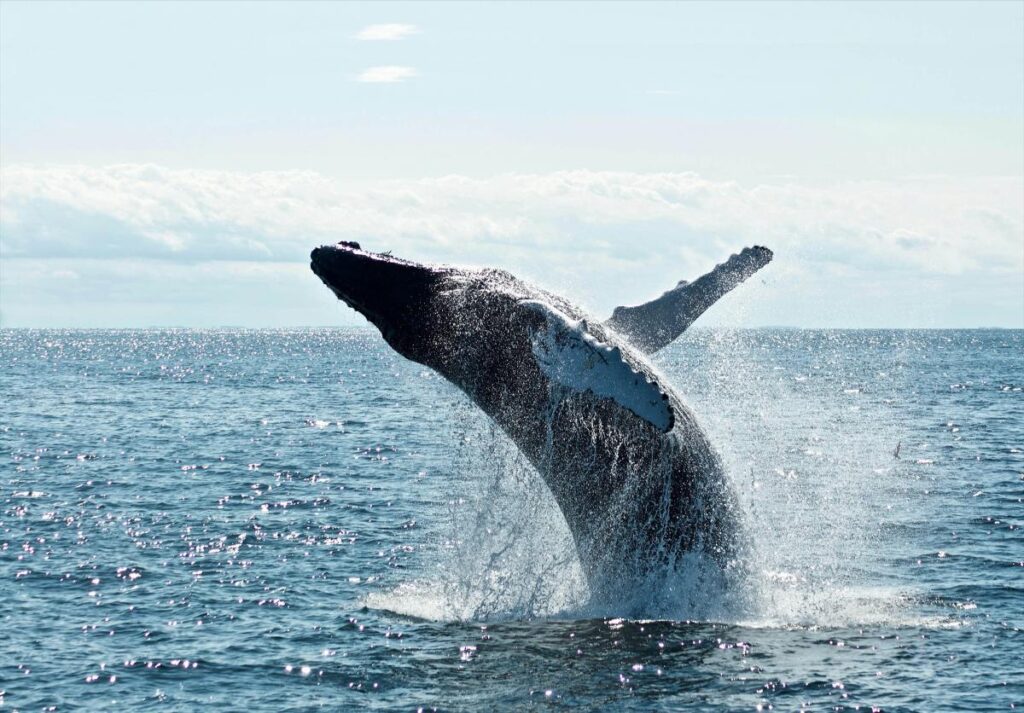
New York, United States—The Preparatory Commission for the high-seas biodiversity treaty, adopted in June 2023, is intensifying efforts ahead of its anticipated entry into force, pending eight more ratifications. During its second session at UN Headquarters, Member States debated crucial aspects of the treaty’s secretariat, including its structure—options range from a standalone body to integration within the UN system—and the selection process for its head. Emphasis was placed on geographic representation, gender balance, transparency, and cost efficiency.
Delegates also discussed the Global Environment Facility’s replenishment, stressing financial support prioritization for developing countries and innovative funding mechanisms. Reporting requirements under the treaty drew calls for technical, flexible, and non-onerous protocols, especially benefiting capacity-limited states like small island developing nations. The treaty aims to conserve and sustainably use marine biodiversity beyond national jurisdictions with inclusive, equitable governance. The Commission will reconvene on August 25 to further address cooperation frameworks and operational modalities.
13. UN Delegates Advance Momentum for Marine Biodiversity Treaty in New York
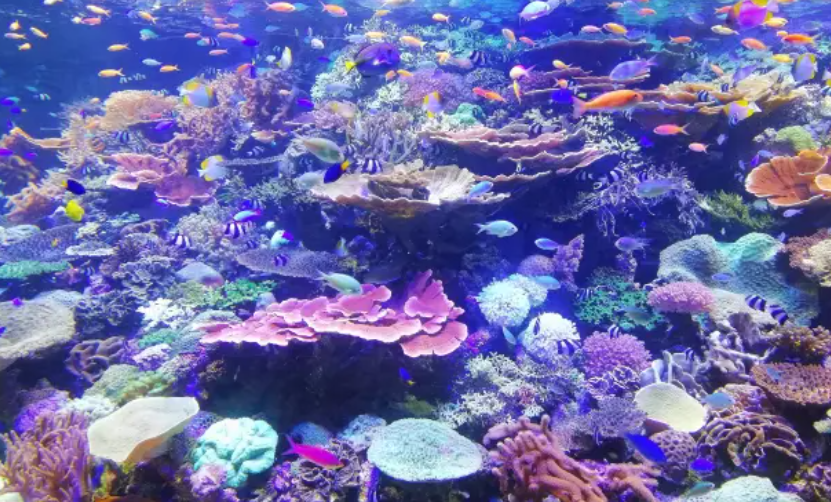
New York, United States—Delegates from around the world gathered at UN Headquarters in New York in August 2025 to push forward the high seas biodiversity treaty, formally known as the Agreement under the United Nations Convention on the Law of the Sea on the Conservation and Sustainable Use of Marine Biological Diversity of Areas beyond National Jurisdiction. Adopted in June 2023, the treaty requires 60 ratifications to enter into force; only eight more are needed.
Discussions focused on rules of procedure, creation of a Clearing-House Mechanism for information exchange, the secretariat’s function and location, and financing. Small island developing States advocated for guaranteed COP Bureau representation and funding for participation. UN Legal Counsel emphasized the urgent need for decisive action to protect marine genetic resources, advance environmental impact assessments, and facilitate technology transfer. The treaty could enter into force by late 2025 or early 2026, marking a critical milestone in global ocean conservation.
14. Mediterranean at a Crossroads: Why the BBNJ Treaty on Marine Biodiversity Matters More Than Ever
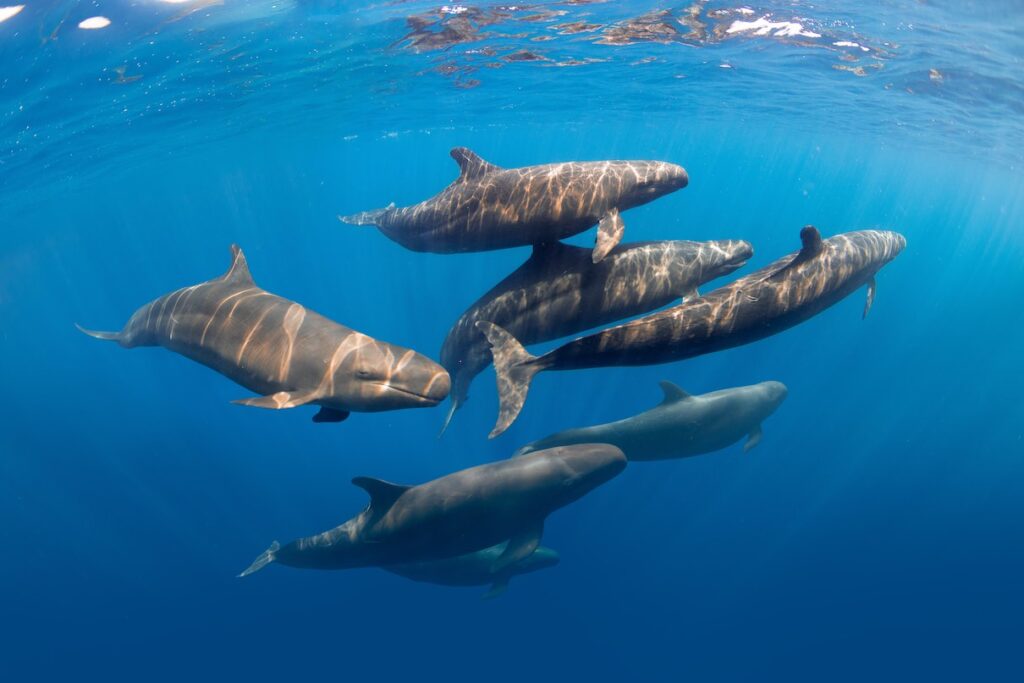
The Mediterranean Sea, covering less than 1% of the world’s ocean surface yet hosting over 18% of known marine species, is a critical hotspot facing mounting pressures from unresolved maritime boundaries, climate change, overfishing, and pollution. The new UN treaty on marine biodiversity beyond national jurisdiction (BBNJ Agreement), adopted in June 2023, offers a vital legal framework for conserving marine life in this geopolitically complex region.
Despite claims that the Mediterranean falls outside the treaty’s scope, vast areas remain beyond national jurisdiction due to legal gray zones and unresolved maritime claims. The treaty’s flexible approach enables countries to cooperate on biodiversity protection without settling sovereignty disputes, bridging political divides through science-based governance. With only half of Mediterranean coastal states having ratified the agreement, broader adoption is needed to access funding, technology, and influence in marine conservation decisions. The BBNJ Agreement also supports the global 30×30 target to protect 30% of oceans by 2030, offering the Mediterranean a path from fragmentation to cooperation.
15. Record Sightings of Seabirds, Large Marine Animals Highlight Saudi Arabia’s Marine Conservation Efforts
Riyadh, Saudi Arabia—Wildlife researchers recorded unprecedented numbers of seabirds and marine animals along the Kingdom’s coasts, with the National Center for Wildlife (NCW) documenting 84,516 seabirds—including 50,356 in the Arabian Gulf and 34,160 covering 63 species along the Red Sea. The survey also identified 39 crucial sites for bird migration and breeding, five officially recognized by BirdLife International for biodiversity.
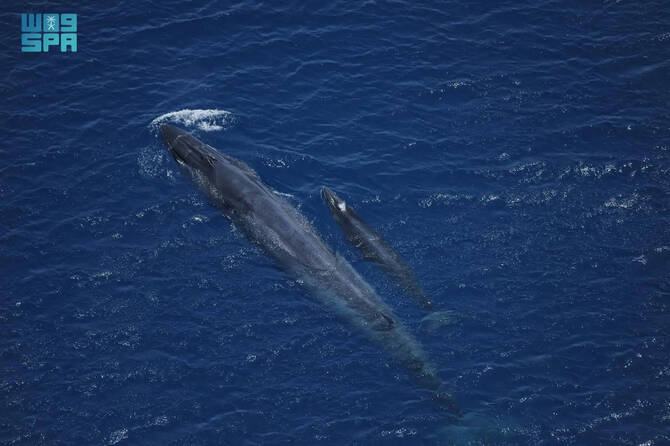
Additionally, 1,219 large marine animals were observed (1,060 on the west coast, 159 on the east). These findings, part of extensive coastal monitoring programs, reflect Saudi Arabia’s commitment to biodiversity conservation and sustainable development under Vision 2030 and the Saudi Green Initiative. Strengthened by enhanced ecological data, the Kingdom aims to manage environmental resources sustainably, promote eco-tourism, and boost public environmental awareness.