



1. Plastic Treaty CRASHES! Special Interests Win, Oceans Lose
GENEVA, Switzerland —After two intense weeks of UN-led negotiations in Geneva, the global treaty to end plastic pollution has spectacularly collapsed — branded an “abject failure” by campaigners. The core impasse? Whether to curb plastic production and regulate its toxic chemicals — a demand from over 100 nations — versus a focus on recycling and waste management, championed by oil-producing powers like Saudi Arabia, Russia, and Kuwait.
Two draft proposals by chair Luis Vayas Valdivieso were rejected outright for being too weak, omitting both production limits and chemical controls, intensifying frustrations among delegates. Environmentalists warned this defeat signals a generational missed opportunity. David Azoulay of CIEL accused some countries of “not coming here to finalise a text,” but rather to sabotage progress, while Greenpeace called it “a wake-up call” to confront fossil-fuel interests head-on. Despite the despair, UNEP’s Inger Andersen insisted “significant progress was made,” and affirmed that negotiations will continue — though with no timeline or clear path forward yet in sight.
2. Art Strikes at the Heart of UN Plastics Treaty Talks
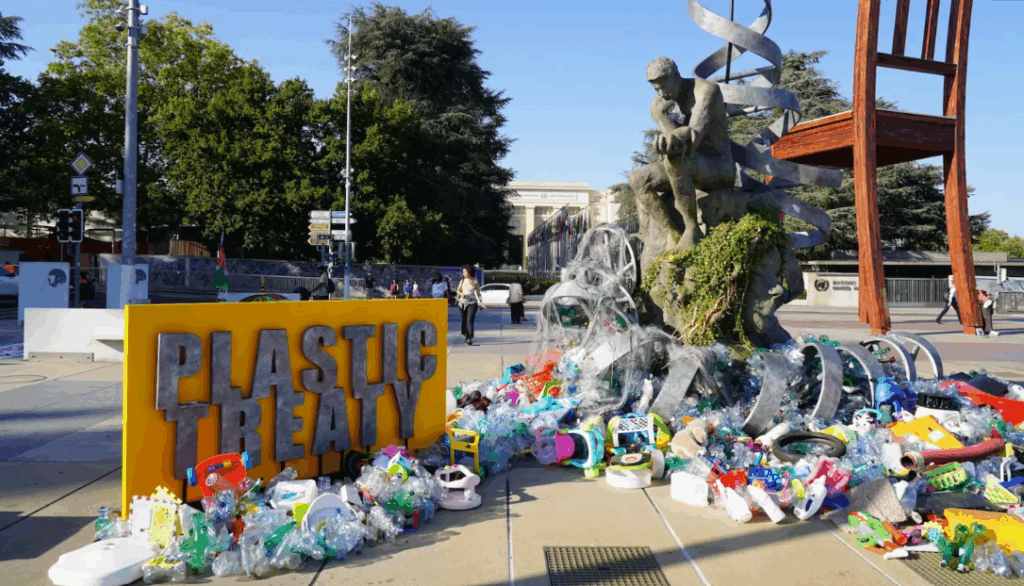
GENEVA, Switzerland — As delegates from 190 nations negotiate a global plastics treaty, large‑scale art installations have emerged as potent advocacy tools inside and outside the talks. Canadian artist Benjamin Von Wong’s “The Thinker’s Burden” — a Rodin‑inspired figure atop Earth, surrounded by plastic waste — confronts delegates with the links between plastic pollution, fossil fuels, and human health. Greenpeace’s “Perpetual Plastic Machine” similarly illustrates how petrochemicals drive plastic overproduction.
These works, along with poetry, collages, and interactive displays, frame plastics as a full‑lifecycle crisis, not just an ocean‑litter problem. While their direct impact on negotiations is difficult to measure, activists argue that art reaches audiences that policy briefs cannot — evoking emotions, empathy, and urgency. In a venue where public protest is limited, creative expression has become a visible, strategic force pressing for a robust, binding agreement.
Thank you for your generous gift that will help us continue the production of this weekly, free publication
3. Five New Species Discovered – Scientists Rewrite Coral Family Tree
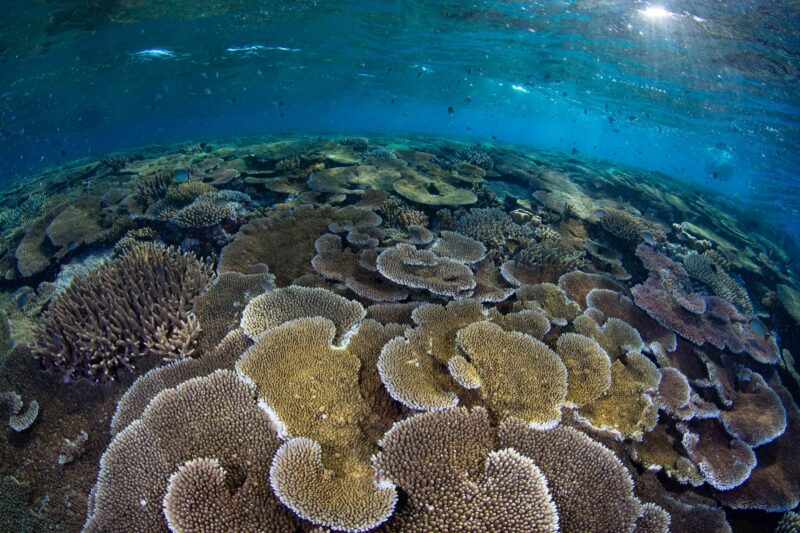
TOWNSVILLE, Australia — Researchers from James Cook University and an international team have discovered five new coral species within the group known as table corals, reshaping the coral biodiversity map for the Indo-Pacific region, including the Great Barrier Reef. By comparing the DNA of recently collected coral samples with historical specimens kept in Queensland museums—some over 100 years old—scientists revealed that what was once thought to be a single species, Acropora hyacinthus, actually comprises at least 16 distinct species.
This breakthrough uncovers hidden diversity “in plain sight” and holds significant implications for reef conservation and restoration efforts, especially as many species face increasing risks from climate change. The findings underscore the importance of utilizing advanced genomic tools in conjunction with museum archives to safeguard vulnerable coral ecosystems against escalating environmental threats.
4. Court Blocks Move to Open Vast Pacific Marine Monument to Fishing
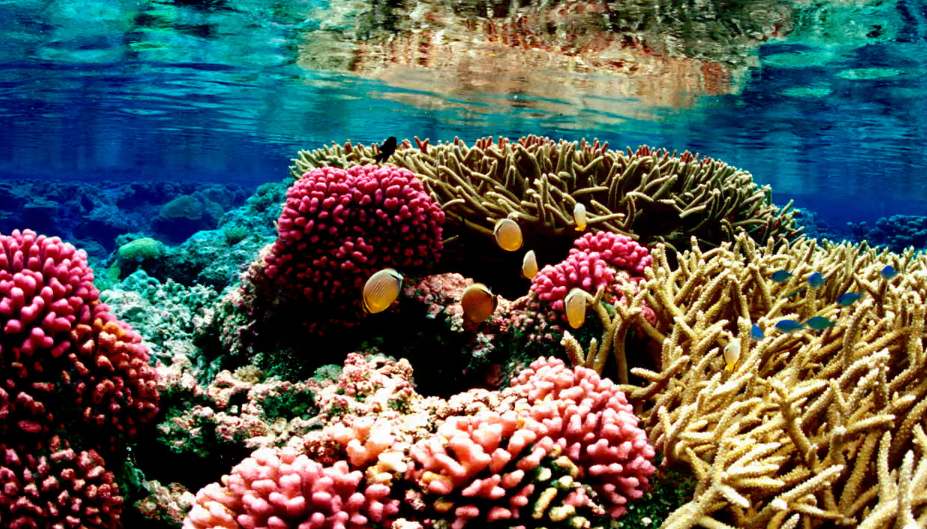
HONOLULU, United States — A federal judge in Honolulu has halted the Trump administration’s attempt to reopen the Pacific Islands Heritage Marine National Monument to commercial fishing, preserving protections for one of the largest marine reserves on Earth. Created by President George W. Bush in 2009 and expanded by President Obama, the monument covers 490,000 square miles of pristine ocean around remote islands, including Johnston Atoll, Jarvis Island, and Wake Island.
The Obama-era rules banned fishing within 50 to 200 nautical miles of these areas — restrictions the Trump administration sought to lift to expand U.S. fishing access. The court ruled the move exceeded presidential authority under the Antiquities Act and violated federal fisheries law. Conservationists hailed the decision as a significant win for marine biodiversity, endangered species protection, and indigenous stewardship in some of the Pacific’s most untouched ecosystems.
5. Satellites Catch Poachers Red-Handed — And Prove Most Ocean Reserves Work
Scientists have utilized satellites and artificial intelligence to monitor fishing activity in nearly 1,400 marine protected areas (MPAs) spanning approximately 3 million square miles (7.9 million square kilometers) worldwide, revealing that most bans on industrial fishing are generally respected. The team combined ship-position tracking with radar, enabling them to spot vessels even when transponders were switched off, revealing far less illegal activity inside strictly protected zones than in nearby waters.
While some regions still experience violations, the majority of MPAs have shown no signs of industrial fishing, challenging claims that they exist only “on paper.” Researchers say the technology offers near-real-time monitoring without the need for costly patrols, providing governments with a powerful enforcement tool. The breakthrough could help nations achieve global targets, such as protecting 30% of the ocean by 2030, and prove that well-enforced protections can safeguard marine ecosystems.
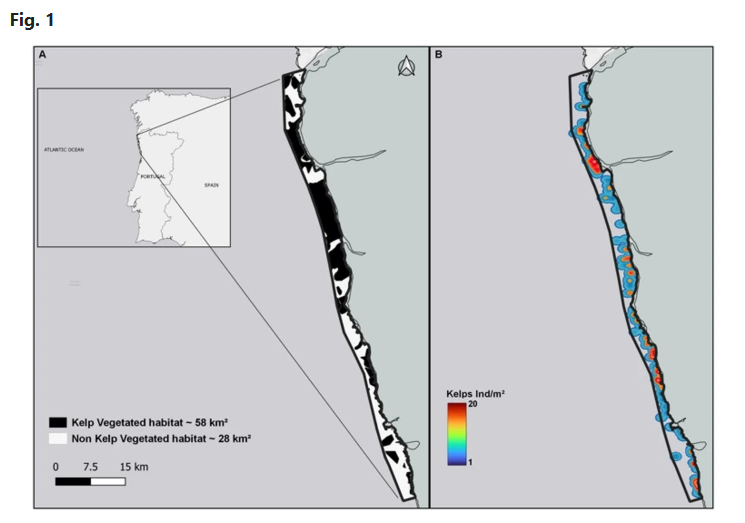
6. Portugal’s Kelp Forests Could Be Climate Change’s Hidden Carbon Vault
LISBON, Portugal — New research published in Nature Scientific Reports reveals that kelp forests and associated coastal habitats along northern Portugal’s shores hold significant potential as “blue carbon” sinks, capturing and storing climate-warming CO₂ in both vegetation and sediments. Scientists have quantified the carbon stocks and sequestration rates of these underwater ecosystems, documenting their vital role in long-term carbon storage, which is often overlooked compared to mangroves or seagrasses.
The study warns that threats such as coastal development and erosion could release this sequestered carbon, thereby accelerating global warming. It underscores that protecting and restoring these kelp forests is an urgent, cost-effective climate mitigation strategy. The researchers conclude that prioritizing conservation efforts for kelp and related habitats could bolster carbon capture capacity, benefiting biodiversity and coastal economies — making these ecosystems essential allies in the fight against climate change.
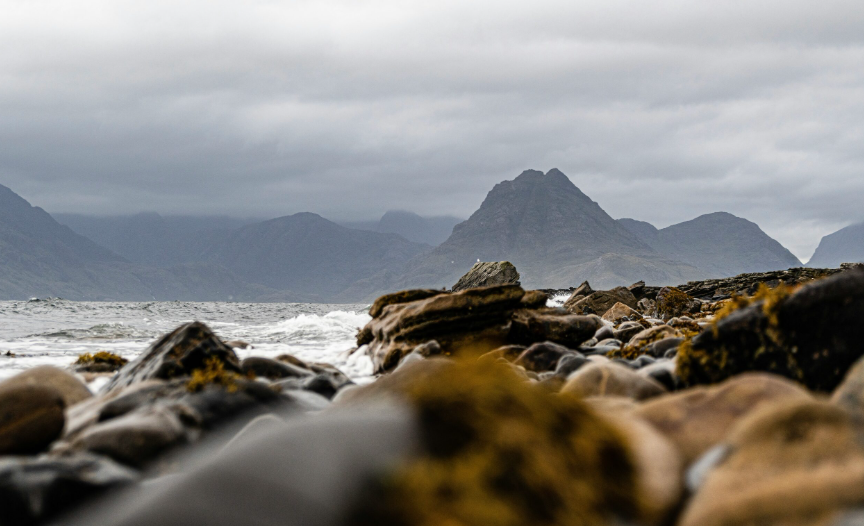
7. Scotland’s Kelp Forests Could Slay Storm Waves, Cutting Coastal Flood Risk by 70%
EDINBURGH, Scotland, United Kingdom — New research shows that Scotland’s kelp forests are powerful natural defenders against coastal flooding and erosion, capable of reducing wave heights by up to 70% in storm-prone areas like Uist in the Outer Hebrides. Using advanced computer modeling, scientists from Heriot-Watt University found kelp beds absorb wave energy much more effectively than other marine habitats such as seagrass or oyster reefs.
In the Orkney Islands’ Sanday, wave height reductions were around 25%. The study highlights these underwater forests as fragile climate shields that stabilize the seabed and protect vulnerable communities from intensifying storms and rising sea levels. Researchers urge policymakers to prioritize habitat protection and restoration as key elements of Scotland’s climate resilience strategy — nature-based solutions that complement traditional hard infrastructure with sustainable flood defenses.
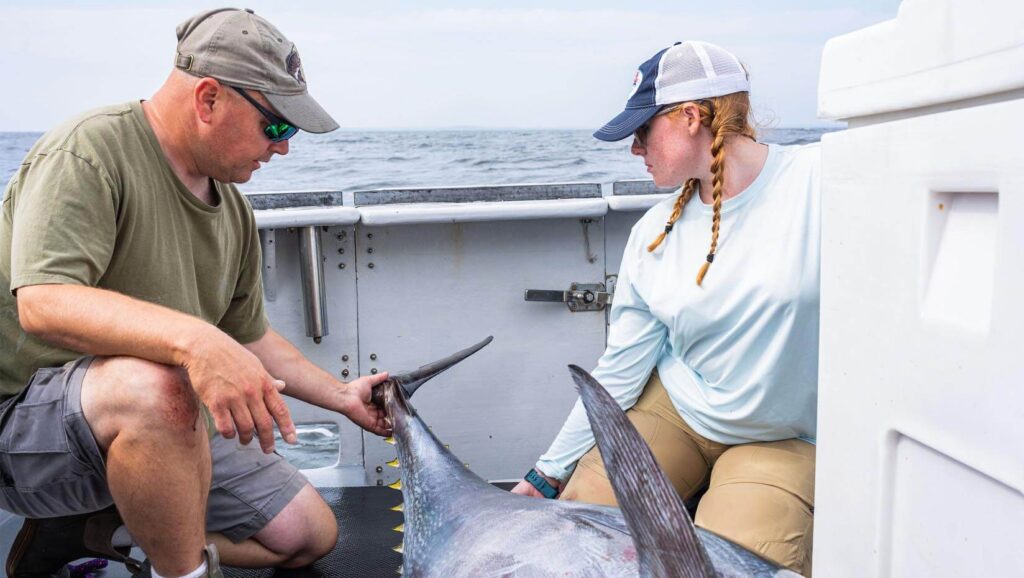
8. Atlantic Bluefin Tuna Shift Gears: New Diet Emerging in a Changing Gulf of Maine
ORONO, Maine, United States — A recent study led by the University of Maine’s Pelagic Fisheries Lab reveals that Atlantic bluefin tuna in the Gulf of Maine are shifting their diet dramatically in response to a decline in Atlantic herring populations. Once the primary prey since the 1980s, Atlantic herring stocks have hit historic lows, prompting tuna to rely heavily on alternative food sources such as menhaden (also known as pogies or bunker) and northern shortfin squid.
The research involved detailed stomach content analyses of tuna caught in 2018 and 2019, including genetic testing of unidentified prey items. Findings show menhaden now play a surprisingly significant role as a fatty, energy-rich prey item crucial for tuna migrations and reproduction, alongside squid. This dietary shift has broad implications for fisheries management, as menhaden populations face new pressures, underscoring the need for targeted regulations to sustain tuna and ecosystem health.
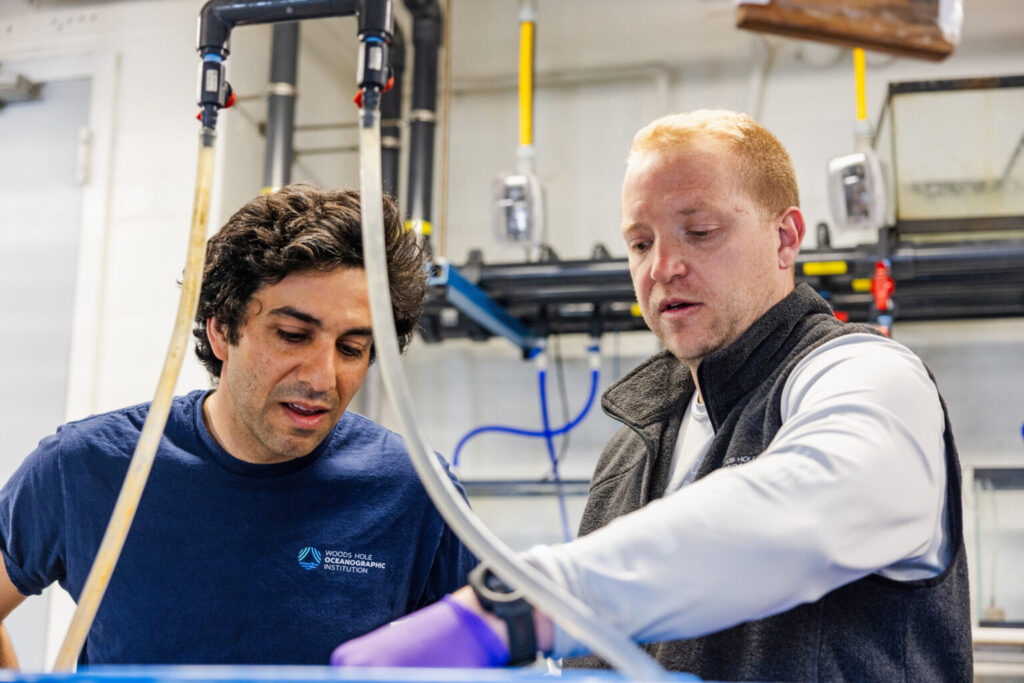
9. Scientists Test Ocean Alkalinity Enhancement in Gulf of Maine to Accelerate Climate Fight
MAINE, United States — Researchers are conducting a groundbreaking experiment in the Gulf of Maine this year to explore ocean alkalinity enhancement (OAE). This geoengineering method involves adding alkaline substances, such as sodium hydroxide, to seawater to increase its capacity to absorb and store atmospheric CO₂. This method aims to trap carbon for centuries, complementing efforts to reduce emissions and slow climate change.
The Woods Hole Oceanographic Institution’s LOC-NESS project will release carefully monitored amounts of dissolved alkalinity to evaluate environmental safety and the effectiveness of carbon removal under real-world conditions. Supported by extensive community and scientific input, the trial addresses critical knowledge gaps while balancing ecological concerns related to local marine life and ecosystems. OAE represents a promising yet closely scrutinized approach, alongside nature-based solutions, in meeting ambitious global climate targets.
10. Western Australia Faces Most Severe Marine Heatwave in History; Experts Convene to Assess Damage
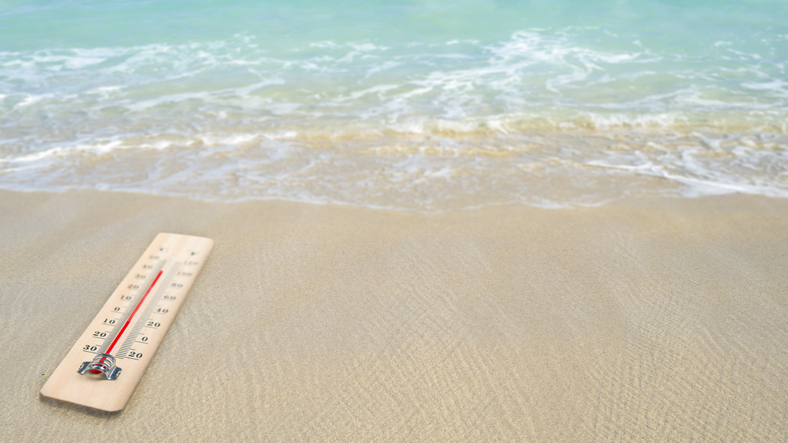
PERTH, Australia — Over 120 researchers, marine park managers, policy makers, and Traditional Owners gathered at the University of Western Australia’s Indian Ocean Marine Research Centre during National Science Week to discuss Western Australia’s most severe marine heatwave on record. Coordinated by the Australian Institute of Marine Science (AIMS) and the WA Government, this first-of-its-kind symposium focused on sharing research and monitoring results of the prolonged marine heatwave that began in late 2024 and caused widespread coral bleaching and mortality along more than 1,500 km of coastline.
Exhibiting ocean temperatures up to 4°C above average and extreme heat stress levels far exceeding bleaching thresholds, the heatwave has significantly impacted iconic reefs, including Ningaloo, the Rowley Shoals, and the northern Kimberley. Environment Minister Matthew Swinbourn emphasized the importance of long-term ecosystem monitoring and future management to deepen understanding and support recovery efforts. A public panel discussion titled “Beyond the surface: understanding WA’s marine heatwave” followed the symposium.
11. Dolphins and Whales Caught in the Act — Playtime Goes Both Ways
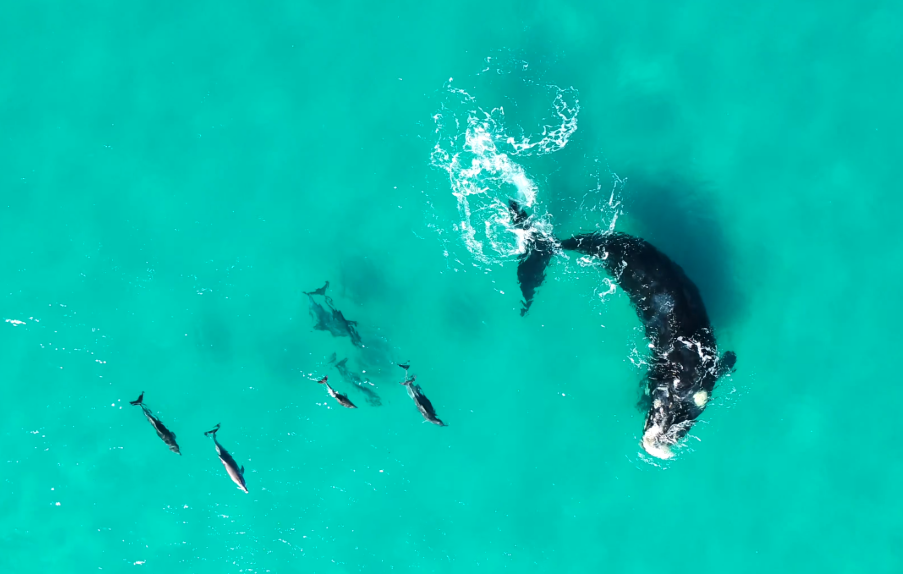
Researchers led by Griffith University examined nearly 200 interactions involving 19 species of baleen whales and dolphins worldwide to determine whether their behaviors are mutual play or mostly one-sided. Using videos and photos from 17 locations, covering more than 400 whales and 1,500 dolphins, the team found that about one-quarter were mutual social exchanges.
Humpback whales often responded positively — rolling, presenting bellies, and engaging in courtship-like moves. Dolphins frequently swam near whale rostrums in apparent bow riding, possibly for efficiency or fun. Whale aggression, such as tail or head slaps, was rare. Two suction-cup tag videos captured underwater play between bottlenose dolphins and humpbacks. The research highlights the complexity of interspecific social interactions and lays a foundation for understanding the dynamics of marine ecosystems.
12. Tiny Plastics, Big Damage: Nanoparticles Linked to Faster Aging
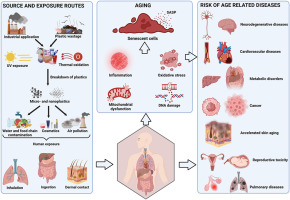
Global plastic contamination now includes nanoplastics—particles smaller than 0.1 micrometers—that can penetrate human tissues and disrupt cell function, raising alarms about their role in accelerating aging and disease. Studies show that they trigger oxidative stress, inflammation, and cellular senescence by damaging mitochondria and activating harmful pathways, such as cGAS-STING.
This leads to premature aging in organs such as the heart, with increased inflammation and tissue aging markers in experimental models. Nanoplastics, found in water, air, and food, enter the body through multiple routes and may even reach the brain, potentially raising the risk of cognitive decline. Though research is ongoing, experts warn that these invisible pollutants could significantly burden aging populations. They call for urgent investigation, stronger regulation, and public health measures to address this pervasive environmental threat.
13. Every Spoonful: Microplastics Found in All Beet Sugar Samples
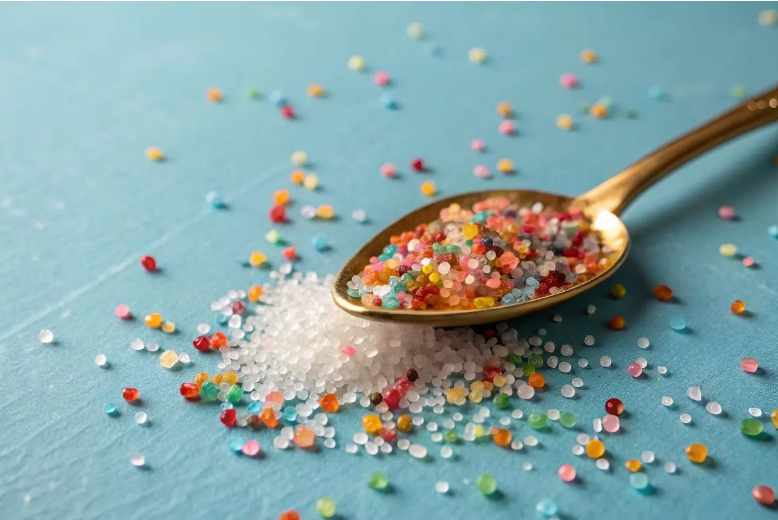
A new study published by Spectroscopy Online has detected microplastic contamination in every sample of commercial beet sugar tested, using Fourier-transform infrared (FT‑IR) spectroscopy. White granulated sugar contained notably more plastic particles than brown sugar or molasses. The most common types identified were polyethylene (PE), polypropylene (PP), and polyethylene terephthalate (PET) — plastics widely used in packaging — suggesting contamination likely occurs during processing and packaging.
Microplastics, defined as particles smaller than 5 millimeters, are a growing concern for food safety due to their potential to accumulate in the human body and cause adverse health effects. The findings contribute to mounting evidence of microplastics in staples such as salt, bottled water, and seafood, underscoring the need for stricter quality controls in food manufacturing and packaging to mitigate this form of pollution.