

1. Congress Moves to Gut America’s Marine Mammal Protections—What’s at Stake for Whales and Dolphins?
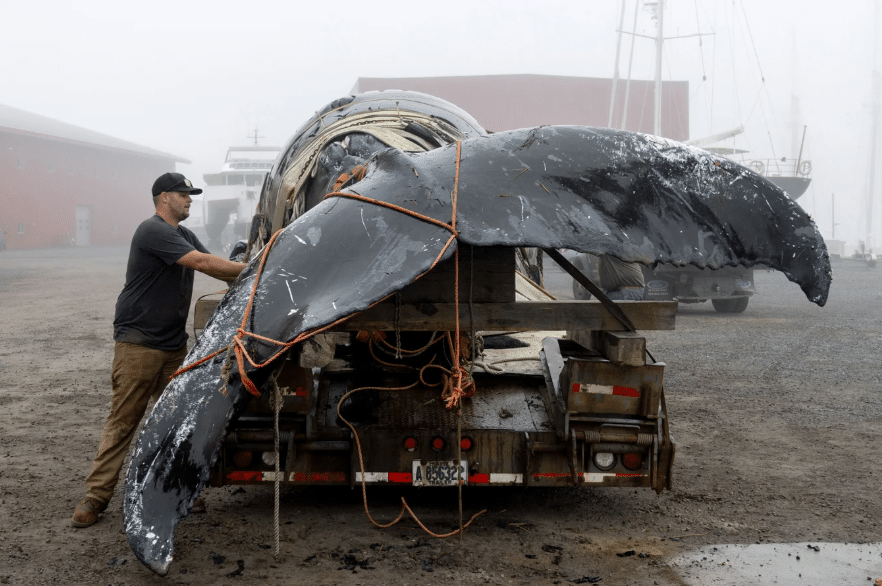
Washington, D.C., USA — U.S. lawmakers are igniting alarm among conservationists with a proposed House bill that would dramatically weaken the Marine Mammal Protection Act, threatening whales, dolphins, polar bears, and more. The bipartisan law, in place since 1972, is credited with saving countless marine species from extinction. But Alaska Rep. Nick Begich’s draft bill would slash core protections, making it far easier for industry groups to obtain permits that allow the injury or killing of marine mammals and stripping federal agencies of authority to require essential mitigation measures.
Scientists and advocates warn that this overhaul would place iconic species, such as the North Atlantic right whale and the Southern Resident orca, at imminent risk, as the new mandates would require only species survival—not healthy populations. With agency budgets gutted and science sidelined, experts warn that the bill could undo over 50 years of conservation success and put marine mammals on a perilous path.
2. Scientists Pinpoint Deadly Bacteria Behind Starfish Apocalypse—What It Means for Ocean Life
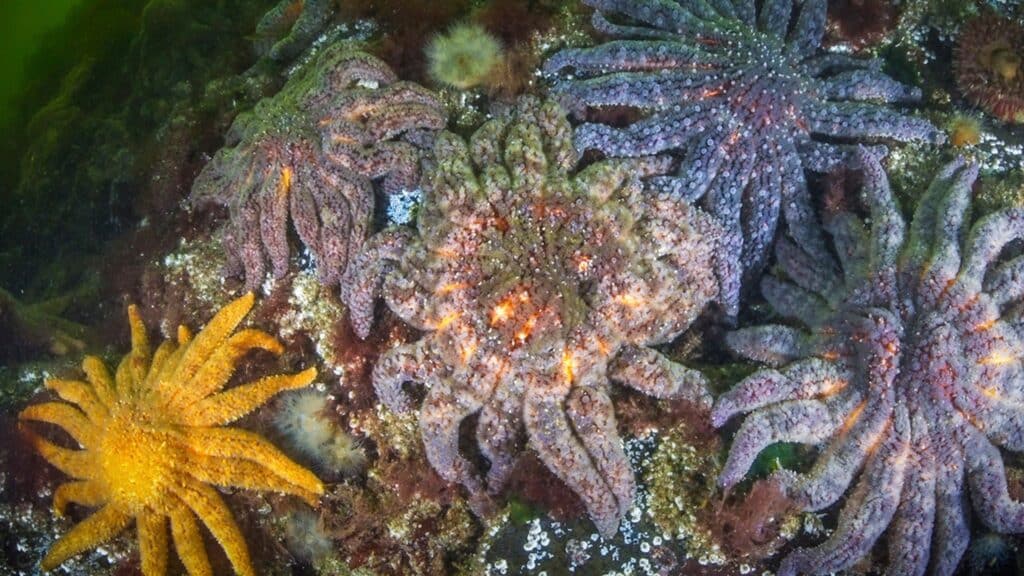
British Columbia, Canada — Marine scientists have identified the bacterium Vibrio pectenicida as the cause of a devastating sea star wasting disease that wiped out more than 5 billion sea stars along the Pacific coast of North America from Mexico to Alaska since 2013. This mass die-off struck over 20 species, with the sunflower sea star population shrinking by about 90% in just five years. Healthy sea stars, known for their colorful arms, develop lesions and lose limbs when infected.
The bacterium, also harmful to shellfish, was discovered through detailed analysis of the coelomic fluid surrounding sea star organs, resolving a decade-old mystery. The loss of this voracious predator allowed sea urchin populations to explode, destroying approximately 95% of Northern California’s kelp forests, which are vital underwater habitats. Researchers are exploring captive breeding, relocation, and probiotic treatments to protect these keystone species and restore balance to Pacific ecosystems.
Thank you for your generous gift that will help us continue the production of this weekly, free publication
3. Last Chance for a Global Plastic Pollution Treaty: Delegates Clash Over Ambition and Scope
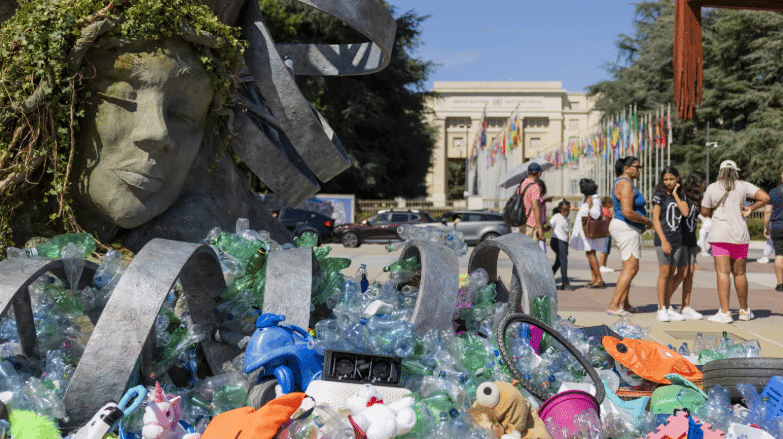
Geneva — Delegates from 176 UN member states, NGOs, scientists, and industry representatives have gathered August 5–14, 2025, in Geneva for critical negotiations on a legally binding global treaty to reduce plastic pollution. The talks focus on cutting plastic production and managing the entire plastic life cycle, moving beyond just waste management and recycling. Marine biologist Richard Thompson, named one of Time’s 100 most influential of 2025, calls for urgent systemic action, including reducing the production of non-essential plastics and regulating thousands of chemicals used in plastics.
However, major fossil fuel exporters, such as Saudi Arabia, Iran, Russia, and China, resist limits on plastic production, citing economic concerns. The European Commission advocates for comprehensive treaty coverage, including phased bans on harmful plastics. With plastic pollution affecting the deepest oceans, as well as the air and food, negotiators face mounting pressure to deliver ambitious, enforceable targets by the talks’ August 14 deadline.
4. From Poachers to Protectors: Program Transforms the Threat into the Solution
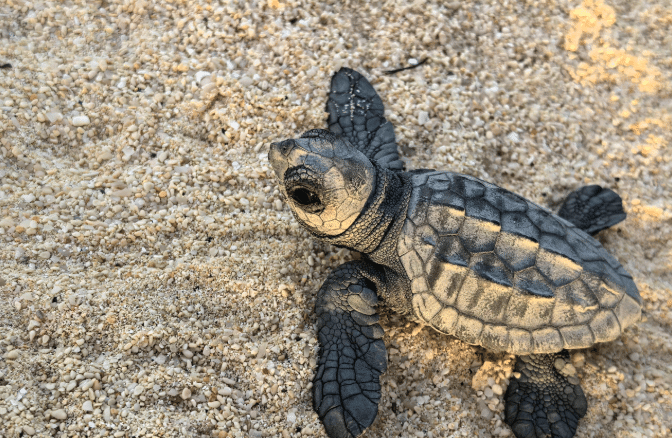
Cabo Verde — Once hunters of endangered sea turtles, residents like Roni Nelson Batista Ramos have become frontline rangers protecting these vulnerable species on the island of Boa Vista. Since 2007, illegal poaching of female loggerhead turtles has plunged dramatically—from over 1,200 cases to just 20 in 2024—while nesting activity has increased sevenfold. Conservation NGOs, including the Turtle Foundation, employ former poachers in beach patrols that are enhanced by drones and dogs for effective anti-poaching enforcement.
Despite gains, illegal hunting persists, fueled by traditional consumption and black-market demand from local communities and overseas emigrants. Threats also include bycatch from fishing, urbanization, and plastic pollution. Experts emphasize that stronger laws, better enforcement, and the involvement of the fishing community are crucial for sustaining these successes and securing the future of Cabo Verde’s rich marine biodiversity.
5. The Final Countdown: Global Plastics Treaty Talks in Geneva Face Tense Negotiations and High Stakes
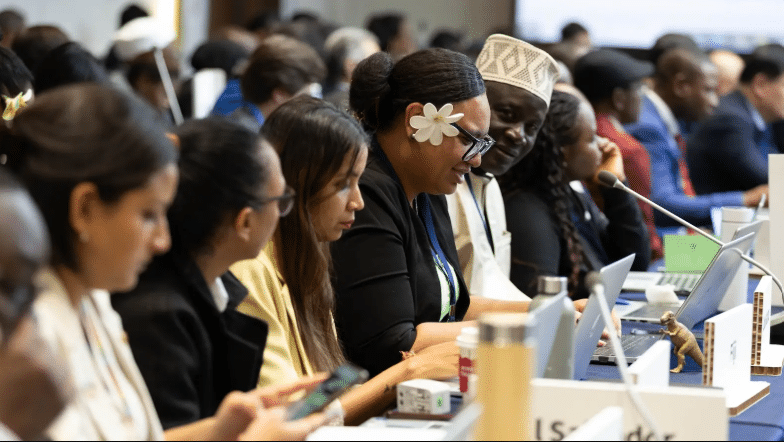
Geneva — Over 170 countries convened from August 5 to 14, 2025, in Geneva, seeking to finalize the United Nations plastics treaty aimed at ending the global plastic pollution crisis. Despite hopes for a historic deal to address the entire plastics life cycle — from production to disposal — negotiations remain stalled due to disagreements, particularly over whether to limit plastic production. Fossil fuel-exporting nations use consensus rules to block binding targets on reducing plastic output, while many others push for ambitious cuts, potentially as high as 40% by 2040.
Another critical hurdle is agreeing on rules of procedure to allow voting, which could break deadlocks but faces resistance. Environmentalists warn that an unambitious treaty risks undermining global efforts and are prepared for the talks to continue into late 2025 or beyond. The outcome will shape global action amid rising plastic waste, which harms human health, ecosystems, and the climate.
6. Scientists Capture Alien-Like Creatures Thriving at Ocean’s Deepest Depths
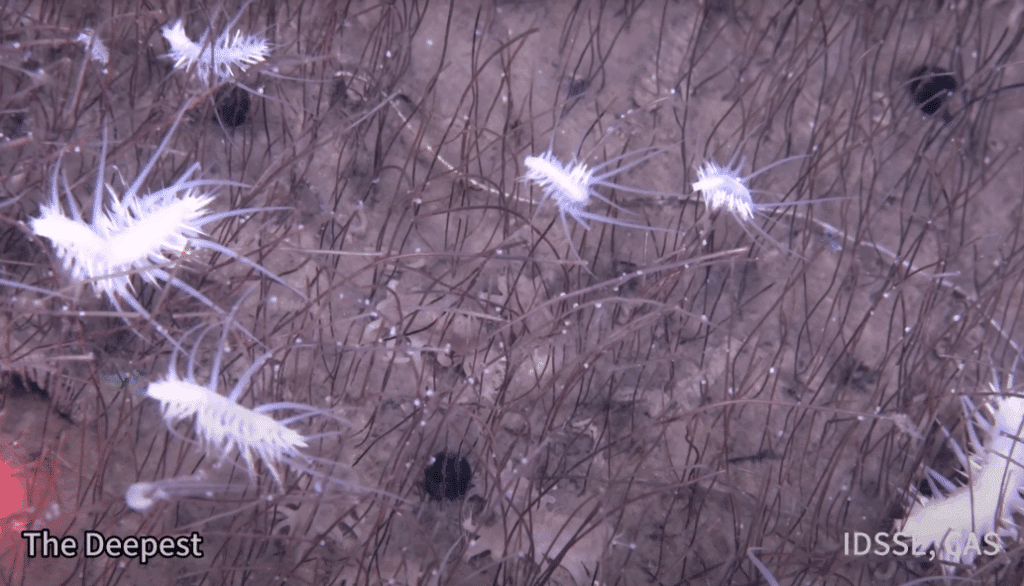
Northwest Pacific Ocean — A Chinese-led research team has recorded the deepest and most extensive communities of bizarre marine creatures flourishing in extreme ocean trenches, located approximately 31,000 feet (9,500 meters) below the surface. Using a manned submersible, scientists filmed thriving groups of tube worms, mollusks, and spiky white animals surviving total darkness and crushing pressure by relying on chemical reactions—not sunlight—for energy.
These chemosynthetic organisms derive energy from hydrogen sulfide and methane seeping from the ocean floor, sustaining complex ecosystems in the largely unexplored hadal zone, which lies beneath 20,000 feet. Published in Nature on July 30, the findings reveal ecosystems that are more widespread than previously thought. Lead scientist Xiaotong Peng called the exploration “a great opportunity to discover new things” and described the sights as “quite amazing.” These discoveries redefine the limits of life on Earth and open new avenues for studying deep-sea biodiversity.
7. Unlocking the Secret Genetic Fingerprints of Indonesia’s Sea Turtles—A Game Changer for Conservation
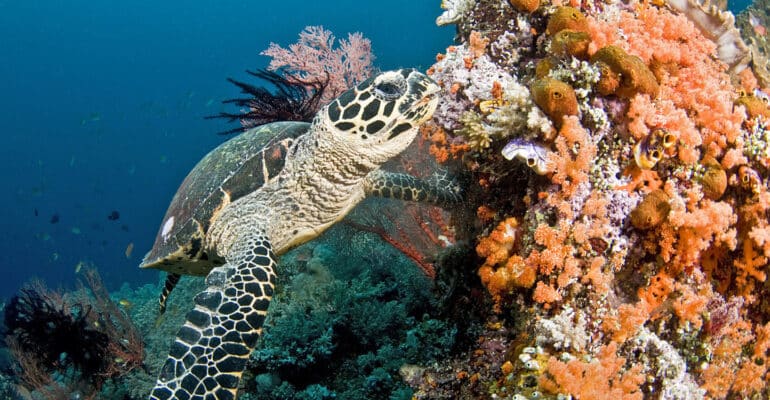
Bogor, Indonesia — Researchers at IPB University have discovered unique genetic “fingerprints” among Indonesian sea turtles, revealing extraordinary diversity that is critical for targeted conservation. Studies of hawksbill turtles in the Java Sea identified 20 haplotypes, including 13 new ones, which link populations across Indonesia, Malaysia, and Australia, highlighting the vast migratory networks of these turtles. Another study showed olive ridley turtles from close areas displayed distinct genetic differences driven by ocean currents acting as natural barriers.
These findings underscore that sea turtle populations are genetically distinct, necessitating tailored conservation strategies rather than generic approaches. Dr. Beginer Subhan stresses the urgency of genetics-based protection to preserve these distinct lineages, as losing one population risks losing irreplaceable genetic diversity. This new insight paves the way for more effective, sustainable preservation of sea turtles, securing their future role in Indonesia’s rich marine ecosystems and coastal cultures.
8. How Alaska’s Fishing Industry is Using AI to Revolutionize Catch Monitoring and Combat Seafood Fraud
Sitka, Alaska, USA — The Alaska Longline Fishermen’s Association (ALFA) is advancing electronic monitoring with artificial intelligence to improve fishery data accuracy and reduce observer costs. Fueled by a $485,000 grant from the National Fish and Wildlife Foundation, ALFA is partnering with Canada’s Archipelago Marine Research to enhance its FishVue AI tool, training it to identify species in Alaska’s sablefish and halibut fisheries. This AI-powered system analyzes video footage from electronic monitoring cameras onboard vessels, automating species identification and catch tracking.
The technology promises a faster and more cost-efficient review of observer data, aiming to expand monitoring across over 300 North American vessels. By improving transparency and accountability, the program could help combat seafood fraud, promote sustainable fisheries, and support fishing communities through modernized monitoring practices. The project aligns with NOAA’s goals to integrate AI into fishery management and reduce monitoring costs.
9. Scientists Discover Stunning Coral Gardens Thriving Amid Antarctic Ocean’s Harshest Depths
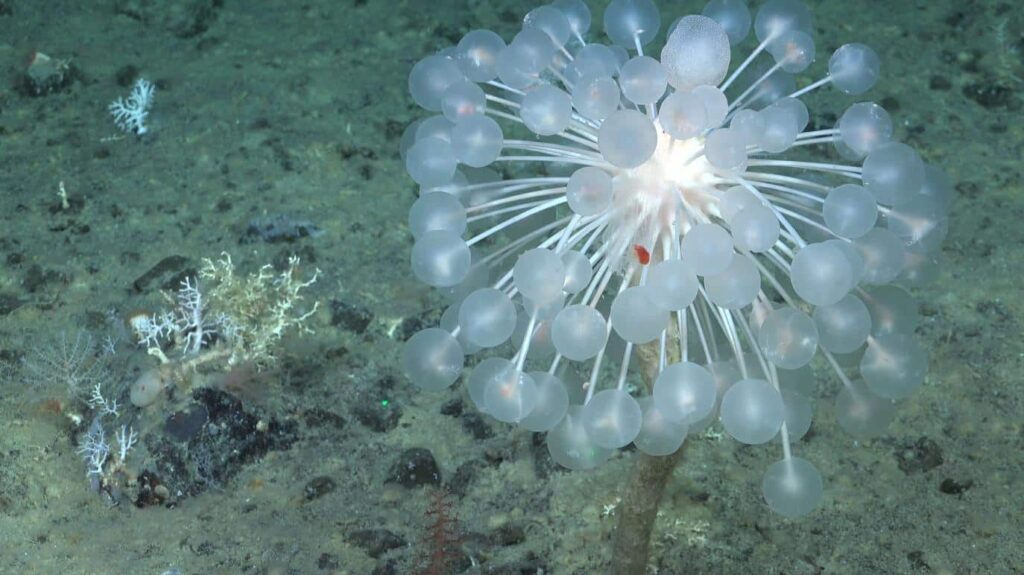
South Sandwich Islands, Southern Ocean — During a 35-day expedition aboard the research vessel Falkor (too), scientists revealed vibrant coral gardens flourishing near hydrothermal vents on the seafloor around the South Sandwich Islands. These ecosystems thrive despite near-freezing temperatures, toxic chemicals, and mineral-rich heated water from underwater volcanoes.
The gardens coexist with sponges, sea stars, snails, barnacles, and other vent-tolerant species. Researchers captured rare footage of elusive creatures, such as the dragonfish Akarotaxis aff. gouldae and observed novel behaviors such as snailfish eggs on black coral. These findings challenge assumptions about life’s limits in extreme environments and emphasize the urgent need to protect these fragile Antarctic habitats from industrial and climate threats.

10. Belize Launches Groundbreaking Blue Carbon Pilot to Protect Coastal Climate and Marine Life
Belize City, Belize — The Government of Belize, in partnership with Brightwater Climate, has initiated the country’s first blue carbon pilot project, focusing on the Turneffe Atoll, a critical biodiversity hotspot in the Caribbean. This pioneering effort aims to develop and certify high-quality blue carbon credits by protecting and restoring vital mangrove and seagrass ecosystems, which sequester significant amounts of carbon and provide natural climate solutions.
Beyond carbon storage, the project supports sustainable fisheries, enhances coral reef health, and builds local capacity for climate adaptation and coastal restoration. The pilot includes comprehensive ecosystem mapping, baseline assessments, and stakeholder engagement, establishing a robust framework for monitoring and verification. Officials highlight the initiative as a major step toward advancing Belize’s blue economy, addressing climate change, preserving marine habitats, and driving socio-economic benefits for coastal communities.
11. Australia and New Zealand Uncover Persistent Illegal Trade in Shark Products
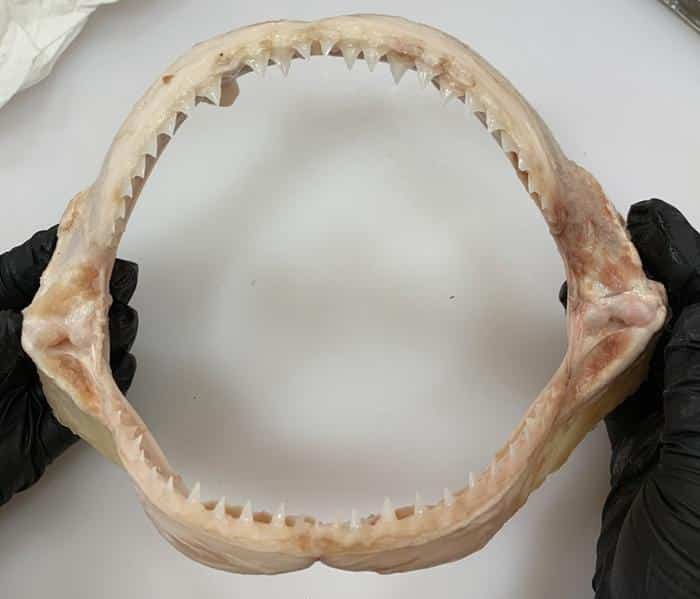
Adelaide, Australia — Researchers from the University of Adelaide revealed the ongoing illegal trade of shark products entering Australia and New Zealand, often transported in personal luggage and mail. Shark fins are the most commonly seized items in Australia, with most originating from Asia, while preserved trophy specimens mainly come from the U.S. Notably, Australia itself is a major source of shipments entering New Zealand, possibly due to flight routes or processing hubs.
Over one-third of targeted shark and ray species are threatened with extinction due to overfishing. The study, published in Pacific Conservation Biology, highlights a critical gap in species identification, as less than 1% of seized specimens are identified to species despite many being listed under CITES. Improved species-level data is vital for effective enforcement and protecting vulnerable populations.
12. Countdown to COP17: The Global Biodiversity Summit Set to Shape Earth’s Future
Yerevan, Armenia — Scheduled for October 18–30, 2026, the UN Biodiversity Conference (COP17) will bring together nearly 200 countries and diverse stakeholders to advance global efforts under the Convention on Biological Diversity (CBD). Following the momentum from COP16 and its resumed sessions, COP17 aims to accelerate the implementation of the Kunming-Montreal Global Biodiversity Framework, with a focus on protecting ecosystems, halting species loss, and promoting sustainable development.
Armenia was chosen in 2024 as the host, marking a pivotal moment for international cooperation in one of the world’s biodiversity hotspots. Preparations emphasize inclusive dialogue, scientific exchange, and commitment to urgent climate and biodiversity goals. COP17 promises to be a landmark event critical to safeguarding Earth’s natural heritage amid escalating environmental crises.
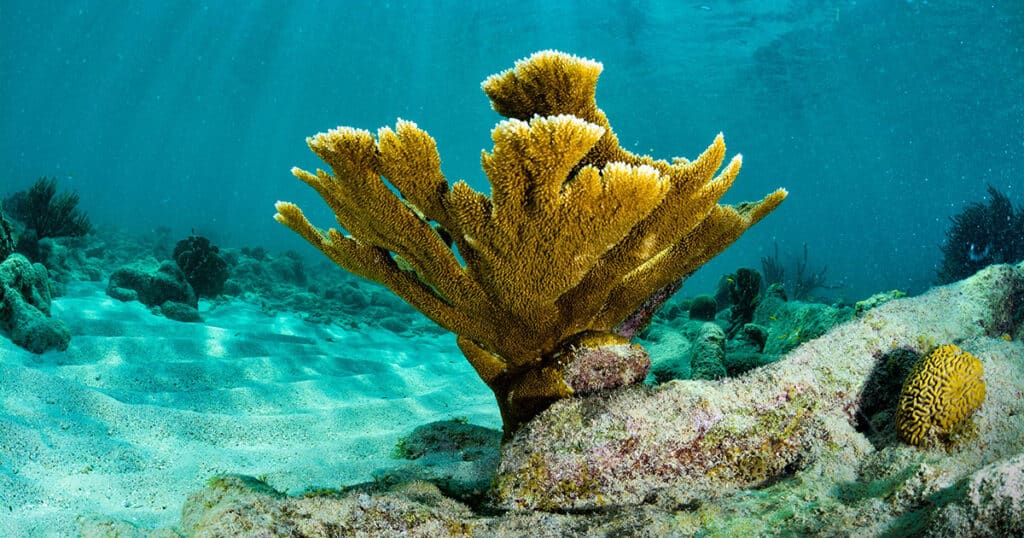
13. Urgent Call: Assisted Gene Flow Could Save Caribbean Corals from Climate Collapse
Caribbean Sea — An international team of coral scientists advocates for proactive use of assisted gene flow (AGF) to boost genetic diversity and resilience in Caribbean corals amid accelerating reef decline from climate change. AGF entails the managed movement of coral individuals or gametes between populations to counter local maladaptation and enhance survival traits such as heat tolerance. Following Florida’s recent regulatory approval for international breeding of elkhorn corals, the researchers highlight the urgent need to expand AGF across more species and sites in the Caribbean.
However, existing precautionary regulations create barriers to scaling these efforts, underscoring the need for reform to allow international coral genetic exchange and establish regional biobanks. Without such actions, many Caribbean corals are facing extinction as repeated marine heatwaves intensify. The scientists stress that waiting until rescue is “needed” may be too late for effective intervention.
14. Promising Recovery: Comoros No-Fishing Zone Inspires Hope for Marine Protection
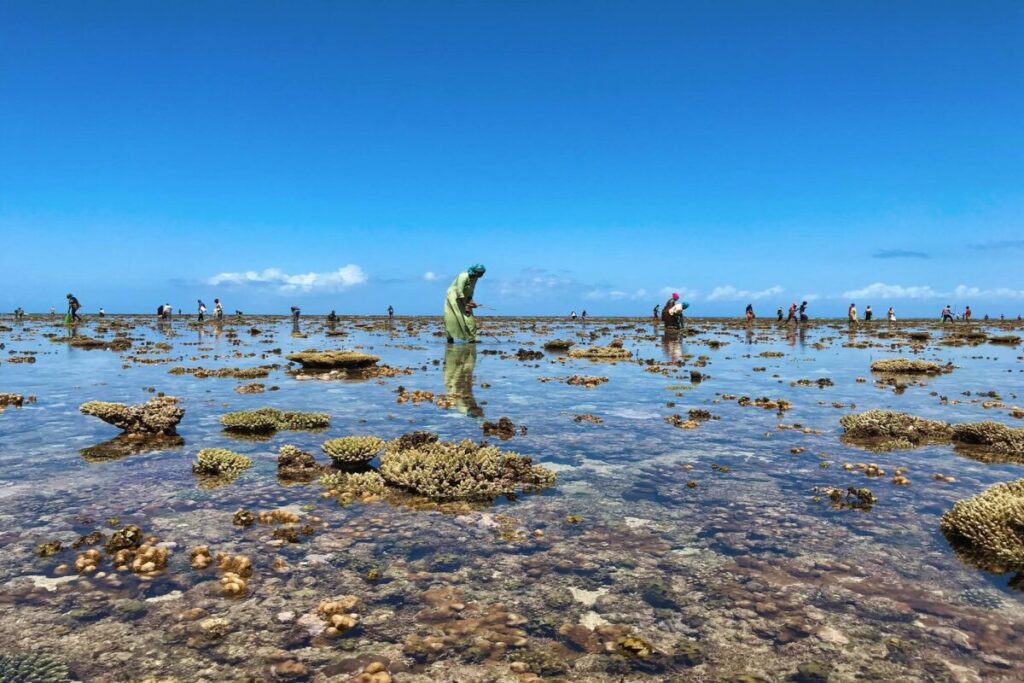
Anjouan, Comoros — Since 2021, a small no-take zone (NTZ) established by the local fishers’ group Malezi Mema within Shisiwani National Park has shown encouraging signs of fishery improvement. Fishers report encountering more fish closer to shore outside the zone’s boundaries, reducing their need for longer, riskier fishing trips. The 10-hectare NTZ was carefully sited offshore to minimize disruptions to local livelihoods and foster ecological recovery.
Earlier efforts to implement temporary octopus fishery closures had failed due to a lack of export markets and inadequate economic incentives for compliance. Buoyed by current successes, the nonprofit Dahari plans to establish five more NTZs over the next two years, expanding to protect 425 hectares, around 10% of Anjouan’s reefs. Community awareness, patrols, and law enforcement support protect the zones, striking a balance between local food security needs and conservation. This fisher-led model offers a scalable approach for the Comoros and similar small island nations seeking to achieve ambitious ocean protection targets.

15. Hidden Threats: Endangered Species Found in Singapore and Malaysia’s Luxurious Fish Maw Trade
Singapore & Malaysia — A new study using DNA barcoding reveals that fish maw markets in these countries include species listed as vulnerable, endangered, or critically endangered, such as the critically endangered large yellow croaker and the European eel, which are regulated under CITES Appendix II. Researchers identified 39 species from 503 dried maw samples, exposing a high-value yet underregulated trade often sourced from unmanaged fisheries worldwide. Nearly 30% of the samples were from species lacking IUCN assessments, which complicates sustainability evaluations.
Mislabeling and substitutions are common, misleading buyers and obscuring the origins of species. Experts warn this trade poses growing threats to marine biodiversity, urging governments to expand international protections, improve species monitoring, educate stakeholders, and enforce transparency. As major importers and re-exporters, Singapore and Malaysia are urged to lead efforts in regulating trade to prevent further declines in marine species due to rising demand.
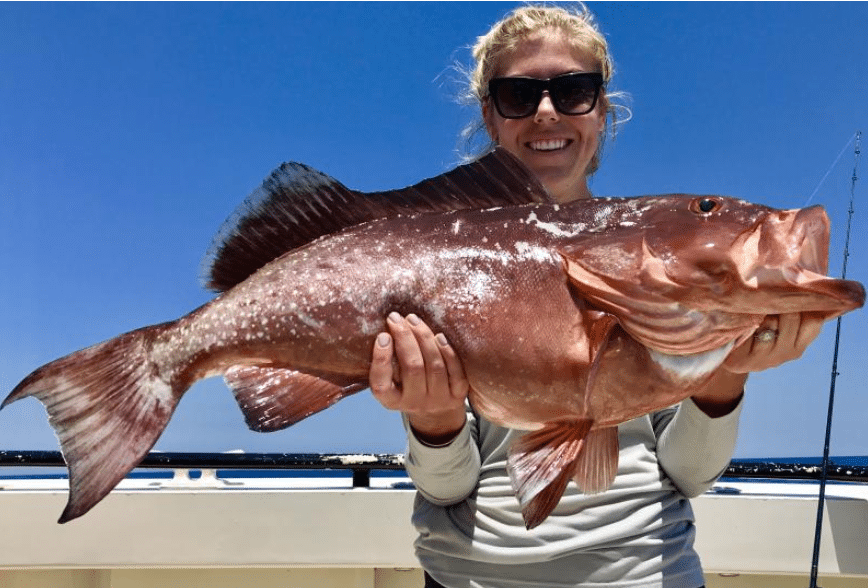
16. Breaking News: NOAA Boosts Gulf Red Grouper Catch Limits Amid Economic and Conservation Balance
Gulf of Mexico — Effective August 6 through December 31, 2025, NOAA Fisheries has implemented an emergency rule increasing catch limits for Gulf red grouper, following the Gulf Council’s April 2025 request. The updated stock assessment (SEDAR 88) supports a sustainable increase, raising the overfishing limit (OFL) to 10.64 million pounds, acceptable biological catch (ABC) to 8.28 million pounds, and annual catch limit (ACL) to 7.45 million pounds gutted weight.
This emergency action aims to extend the recreational fishing season, thereby boosting opportunities for private anglers, for-hire operators, and commercial fishermen who have been coping with recent catch restrictions affecting reef fish species. The commercial quota increase will be allocated to individual fishing quota (IFQ) shareholders beginning August 7, 2025. The rule will remain in effect for the remainder of the 2025 fishing year without extension. The Gulf Council is concurrently developing longer-term management amendments for red grouper.
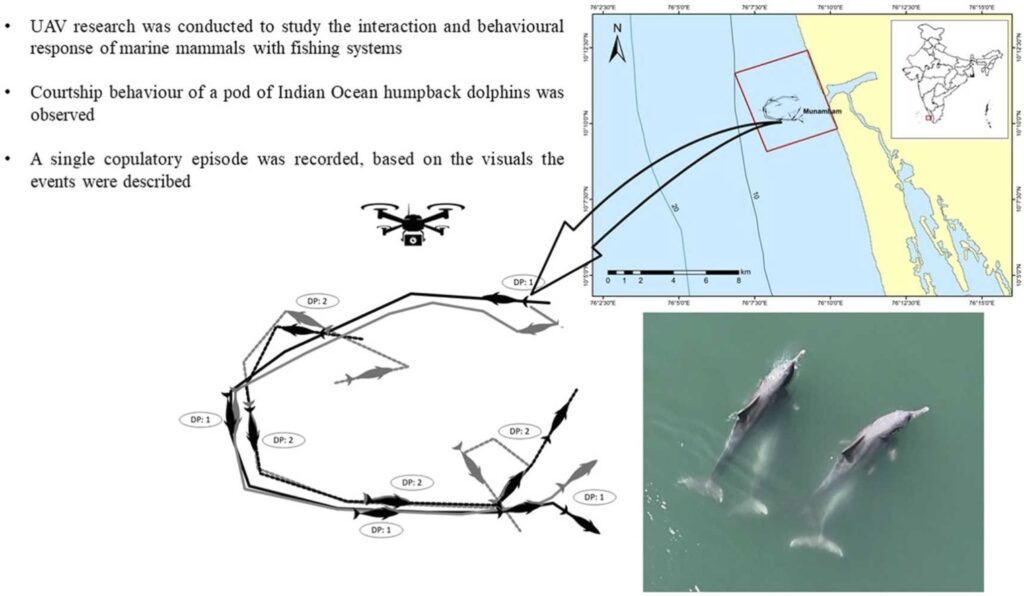
17. Revealed from Above: UAVs Illuminate Courtship and Social Care in Indian Ocean Humpback Dolphins
Cochin, Arabian Sea — Utilizing unmanned aerial vehicles (UAVs), researchers recorded detailed courtship behavior and social interactions of Indian Ocean humpback dolphins (Sousa plumbea) off the coast of Cochin, India. The UAV footage captured complex group dynamics, including a presumed mother supporting a neonate—likely deceased—with assistance from escorting adults exhibiting protective and social behaviors. This rare aerial perspective enabled continuous observation of physical contact, group formations, and behavioral sequences that are difficult to document using traditional vessel-based methods.
The study highlights UAV technology as a non-intrusive way to advance understanding of this endangered species’ reproductive ecology and social bonds amid increasing threats from habitat disturbance in the Arabian Sea. Integrating aerial and vessel observations offered comprehensive insights into individual identification, group behavior, and the dolphins’ responses during epimeletic care.
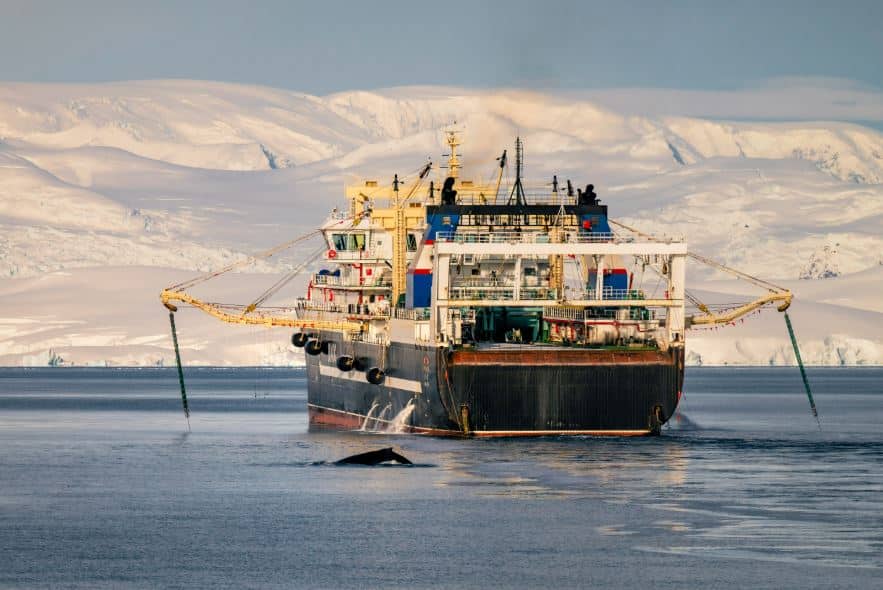
18. Record Krill Haul Forces Early Shutdown of Antarctic Fishery, Raising Conservation Concerns
Antarctica — In 2025, the Antarctic krill fishery was shut down early after reaching a record catch that triggered an unprecedented seasonal closure. Krill, a small crustacean vital to the Southern Ocean ecosystem as a primary food source for whales, penguins, and seals, saw a surge in fishing activity near the Western Antarctic Peninsula. The early closure follows the fishery management’s precautionary catch limits designed to prevent overharvesting and protect dependent wildlife. This decision highlights the ongoing tensions between sustaining commercial krill harvests for nutritional supplements and protecting fragile marine ecosystems amid the challenges of climate change.
Conservationists warn that rising krill fishing pressures, combined with environmental threats like melting sea ice, could jeopardize the broader Antarctic marine food web. The Commission for the Conservation of Antarctic Marine Living Resources (CCAMLR) continues to monitor stocks and enforce strict management measures to balance the health of the industry with that of the ecosystem.
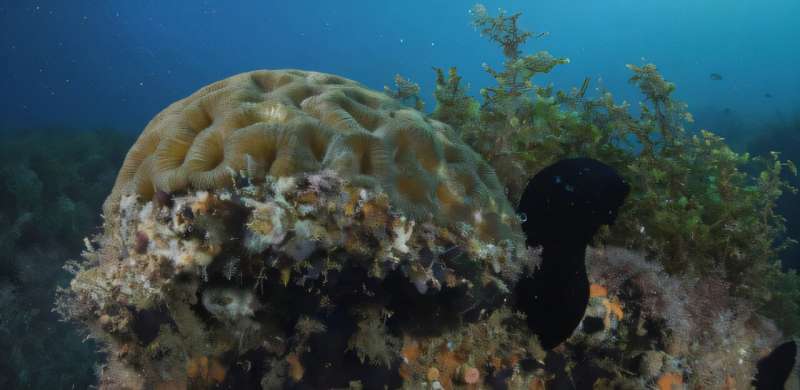
19. Hidden Climate Heroes: Brazilian Brain Corals Sequester Carbon Comparable to 324,000 Liters of Gasoline Burned
São Paulo, Brazil — Brain coral (Mussismilia hispida) in the Alcatrazes Archipelago Wildlife Refuge off Brazil’s coast captures about 20 tons of carbon annually, equivalent to the emissions from burning 324,000 liters of gasoline. Researchers used CT scans to measure coral skeleton growth and estimated these corals produce 170 tons of calcium carbonate (CaCO₃) per year, storing carbon in a mineralized form that persists for centuries. Unlike tropical reefs, these subtropical corals grow faster than expected, possibly due to recent colonization or frequent storms that prevent reef formation.
The study highlights the critical role of subtropical coral ecosystems in carbon sequestration, with macroalgae also contributing to this process by absorbing CO₂. Beyond biodiversity protection and fisheries support, this ecosystem service provides valuable benefits in climate regulation. The findings underscore the importance of conserving these marine habitats for both ecological and carbon balance in a changing climate.