


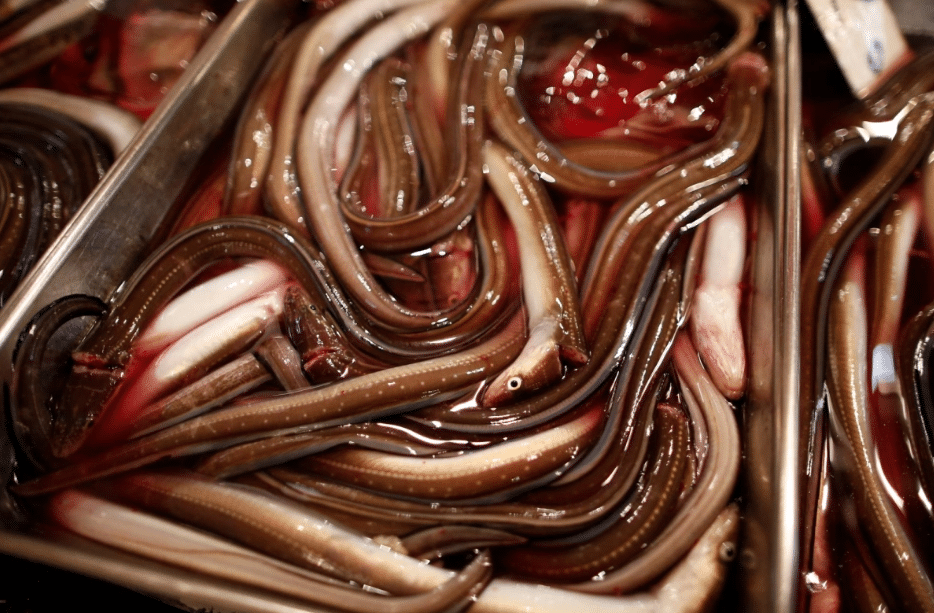
1. EU Proposal to Tighten Global Eel Trade Sparks Clash With Japan
Brussels, Belgium — The European Union is spearheading a radical push to regulate international trade in all eel species, including Japan’s iconic Anguilla japonica, under Appendix II of CITES, the international treaty safeguarding endangered species. Submitted alongside several partner nations, the proposal would impose new controls not only on juvenile and mature eels but also on processed products—requiring exporters worldwide to obtain scientific assessments and permits for trade.
This move, set for debate at the upcoming CITES summit in Uzbekistan, is a direct response to plummeting eel populations—driven by overfishing, habitat loss, and a ballooning illicit trade now worth billions. Japan’s government, however, is fiercely opposed, calling the measures excessive and vowing to coordinate with China and South Korea to defeat the plan. Industry observers warn the proposal’s fate could reshape global supply chains and Japan’s beloved unagi market.

2. Bipartisan U.S. Senate Resolution Calls for Ratification of UN Law of the Sea Treaty
U.S. Senators Mazie Hirono (D-HI) and Lisa Murkowski (R-AK), joined by bipartisan colleagues, have reintroduced a resolution urging the Senate to ratify the United Nations Convention on the Law of the Sea (UNCLOS). Although signed by the U.S. in 1994, UNCLOS has yet to be ratified by the Senate, while 170 countries have done so. UNCLOS provides a legal framework for ocean governance, including marine resource management, environmental protection, and maritime boundary disputes.
Supporters emphasize that ratification is essential to protect U.S. national security interests, uphold freedom of navigation, enhance leadership in global maritime policy, and safeguard economic and environmental resources. The resolution aims to overcome longstanding political barriers and affirms that full participation would strengthen U.S. influence in international ocean governance and help counter rising geopolitical challenges.
Thank you for your generous gift that will help us continue the production of this weekly, free publication
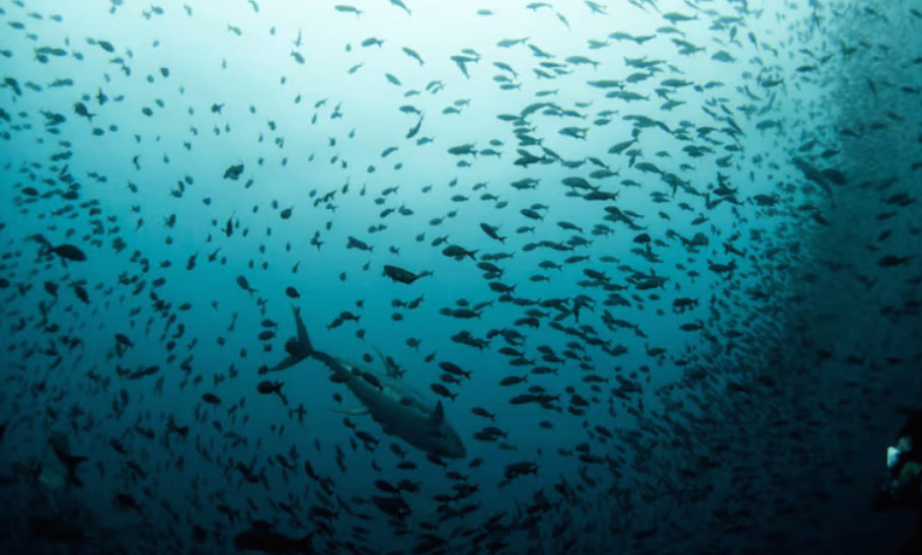
3. Pakistan Champions Global Pact to Protect High Seas Biodiversity
New York, United States — Pakistan took center stage on the world’s environmental front by signing the United Nations’ landmark Agreement on the Conservation and Sustainable Use of Marine Biological Diversity of Areas Beyond National Jurisdiction (BBNJ Agreement) at UN Headquarters. Deputy Prime Minister and Foreign Minister Ishaq Dar, representing Pakistan, formalized the nation’s pledge to safeguard marine life in international waters—regions that cover nearly half the planet but fall outside any single country’s control. Islamabad played a pivotal role in shaping this first-ever legal framework for conserving ocean biodiversity beyond national jurisdiction, notably chairing negotiations for developing nations.
The pact aims to achieve fair benefit-sharing from marine genetic resources, establish new protected areas, conduct environmental assessments, and facilitate technology and capacity transfers. Pakistan’s move builds on its leadership in expanding protected marine spaces, such as Churna Island, cementing its commitment to multilateral cooperation as the global community strives to preserve 30% of the oceans by 2030.
EDITORIAL NOTE: While this development is encouraging, it remains subject to ratification.
4. Climate Crisis Pushes Wild Animals Toward a Tipping Point
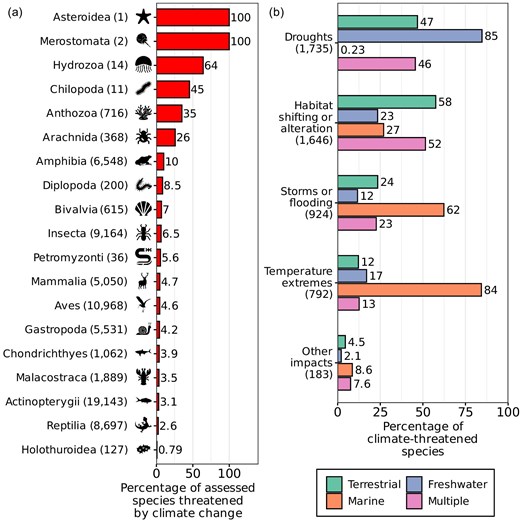
Corvallis, Oregon, United States — Climate change is fast emerging as a critical driver of mass declines and extinctions among the planet’s wild animals, warns a sweeping analysis in BioScience. The research team, based at Oregon State University and partner institutions in the United States and Mexico, reviewed data on more than 70,000 animal species and found that, although overexploitation and habitat loss have historically been dominant, climate change is quickly becoming a significant threat.
Rising temperatures, extreme weather, and shifting ecosystems now threaten the survival of countless species, with 5.1% of assessed animals already at risk due to climate-related impacts. The study highlights population collapses, from mollusks in Israel and coral reefs in Australia to snow crabs and marine invertebrates suffering catastrophic losses. Researchers urge a global rapid response: build climate-impact databases, prioritize vulnerable invertebrates, and deploy urgent conservation plans to stave off biodiversity collapse as warming accelerates.
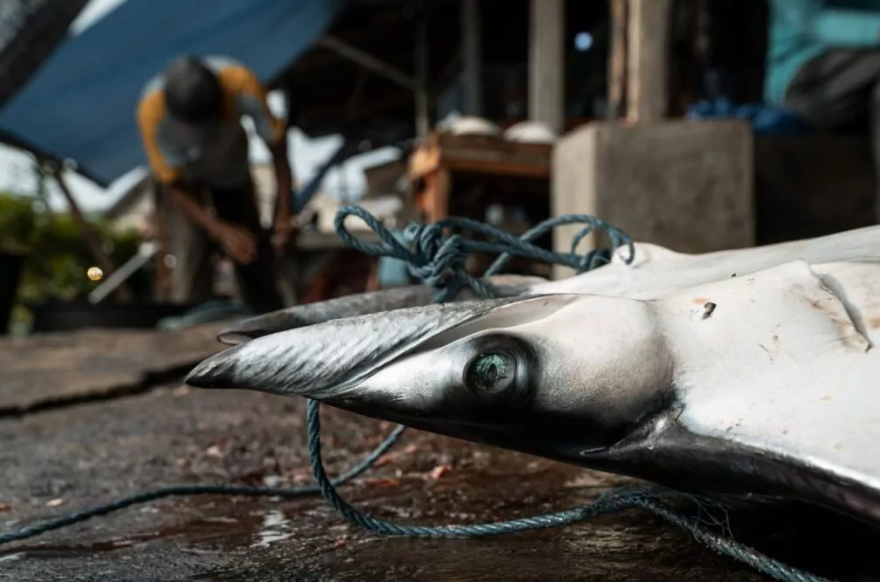
5. Divers Push to List Manta and Devil Rays on CITES Appendix I Amid Conservation Concerns
Divers and conservationists worldwide are rallying to protect all nine known species of manta and devil rays by advocating for their uplisting to CITES Appendix I, the highest level of international trade restriction. Despite their ecological importance, these species are currently not classified as threatened on the IUCN Red List, a discrepancy that raises concern.
The campaign “Save the Mantas” highlights threats from the international trade in ray gill plates, used in traditional medicine, fueling unsustainable fishing. Advocates promote regulatory upgrades to halt commercial trade, increase protection for critical habitats, and combat illegal exploitation. These efforts emphasize the involvement of divers in research and public awareness to safeguard manta populations, spotlighting gaps between formal threat listings and urgent conservation needs.
6. Vaquita Sends Scientists ‘41 Signs of Hope’ in the Gulf of California
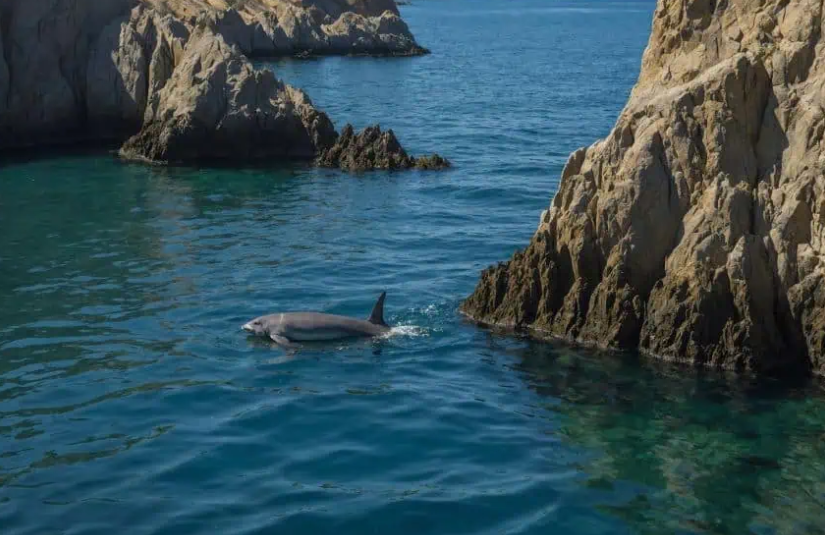
Mexico City, Mexico — In a breakthrough for conservationists, Mexico’s government has logged 41 acoustic detections of the critically endangered vaquita porpoise off San Felipe, Baja California, offering optimism for the species’ survival. Starting in May, Mexico’s Intragovernmental Group on Sustainability began hydrophone monitoring across the upper Gulf of California to map the elusive vaquita’s refuges and guide future surveys.
While the annual 2024 census counted only six to eight vaquitas—down from the previous year—these 41 “pings” suggest the actual population may be higher, since the same animal can trigger multiple detections. Officials also recently observed a juvenile unseen for years, hinting at possible new safe zones. Deputy Minister Marina Robles García hailed the data as “a sign of hope,” though experts like Alejandro Olivera warn recovery will be slow amid ongoing illegal totoaba fishing. Expanded patrols and new surveys are slated for September.
7. Australia Celebrates 50 Years of Leadership in Global Wildlife Protection
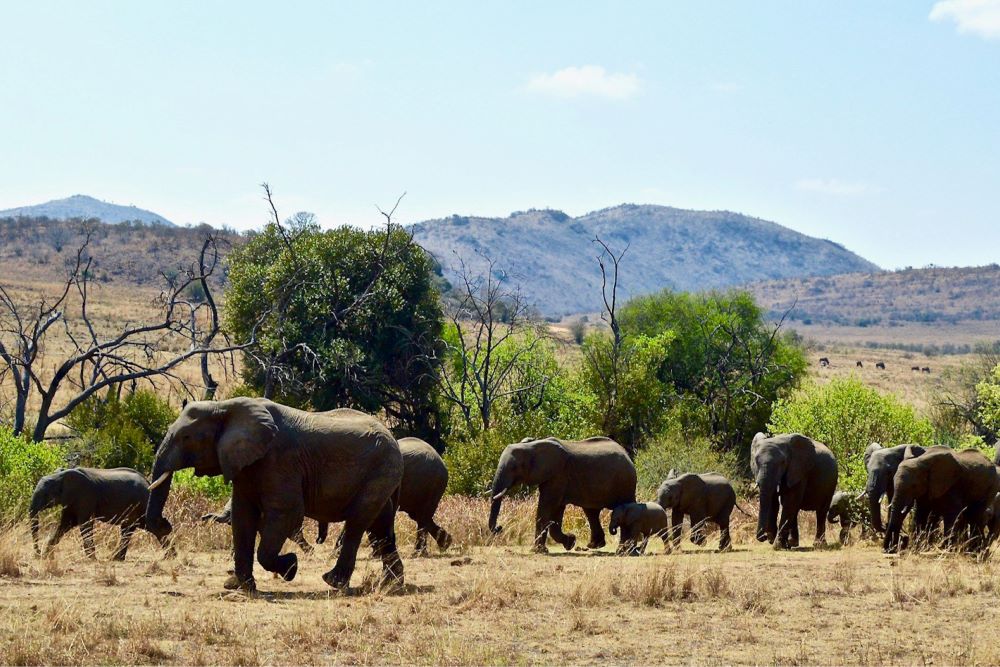
Canberra, Australia — Marking 50 years of international collaboration in 2025, Australia proudly commemorates its role as one of the earliest signatories of the Convention on International Trade in Endangered Species of Wild Fauna and Flora (CITES). Signed shortly after the treaty’s 1973 inception and its enforcement commencement in 1975, Australia joined the global effort in 1976 to regulate trade threatening species survival.
The country enforces CITES under its Environment Protection and Biodiversity Conservation Act, which governs legal trade and combats illicit wildlife trafficking. Over five decades, Australia has sustained its commitment to safeguarding over 40,000 species by harmonizing national law with evolving treaty appendices. As CITES reaches its half-century milestone with 185 Parties worldwide, Australia remains a leading figure in fostering science-based wildlife trade policies, regulatory enforcement, and international cooperation to protect biodiversity for future generations.
8. Endangered Scalloped Hammerhead Shark Migration Tracked for First Time
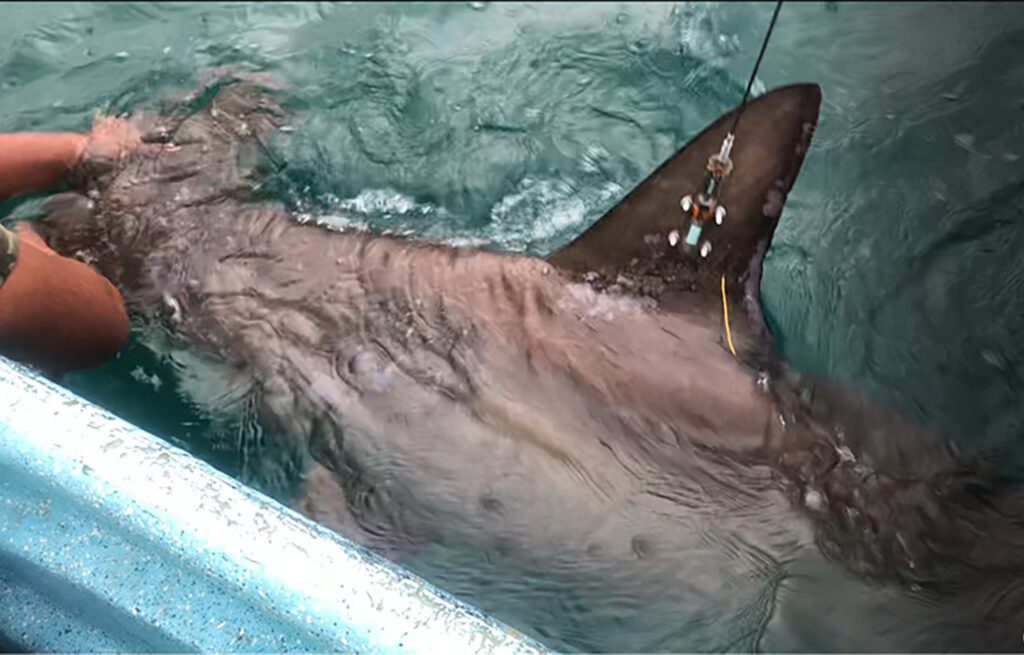
Panama City, Panama — New research by Twin Oceans Research (TOR) has, for the first time, confirmed the migration of the endangered scalloped hammerhead shark from Panama to the Galápagos Islands using satellite tagging. Sponsored by The Center For Responsible Seafood (TCRS), this three-year study tracked an adult female shark, named Shannon Rain, migrating over 1,300 kilometers in 38 days through the eastern Pacific Ocean.
The findings validate long-held theories that these sharks use Panamanian coastal waters as nurseries before migrating via oceanic seamounts to the Galápagos, key mating sites. The study links juvenile nursery habitats with adult oceanic populations, highlighting the urgent need to protect birth grounds and migration corridors from overfishing and bycatch. TOR aims to refine the understanding of juvenile migration onset and lineage using DNA samples, with the goal of influencing fisheries policies and enhancing shark conservation in the Eastern Tropical Pacific.
9. Little to No Industrial Fishing Occurs in Fully and Highly Protected Marine Areas
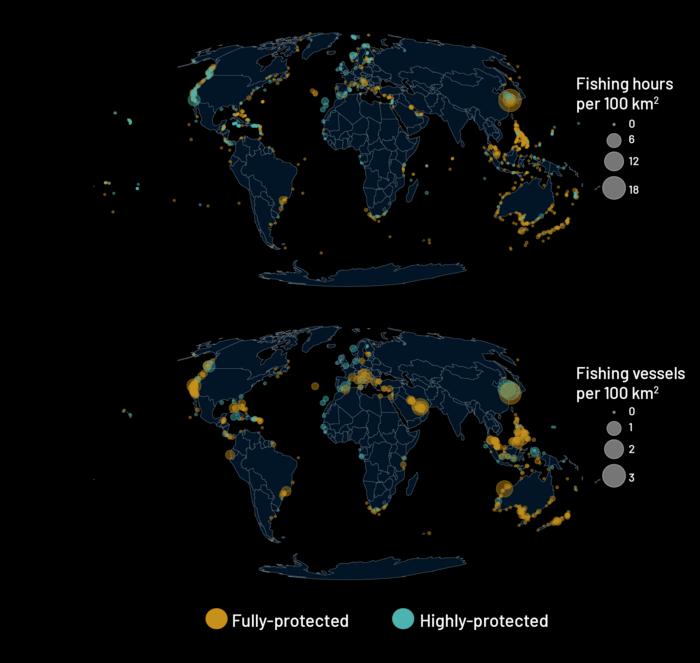
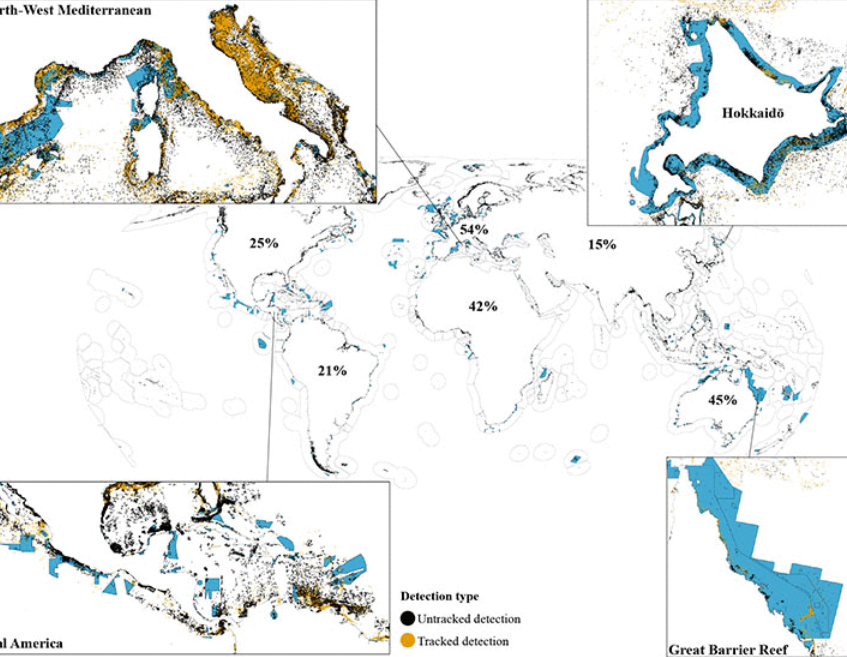
Global — A new study reveals that marine protected areas (MPAs) with the highest levels of protection, which fully ban industrial fishing, experience very little illegal fishing activity. Using advanced satellite synthetic aperture radar (SAR) imagery combined with artificial intelligence, researchers detected industrial fishing vessels in only 455 strongly protected MPAs worldwide, finding an average of just one vessel per 20,000 square kilometers—a rate nine times lower than in unprotected waters.
Although illegal fishing remains a global concern, these findings show that well-enforced, fully or highly protected MPAs effectively deter industrial fishing. The study notes that weaker protections, smaller MPA size, and location impact fishing presence more than official designation alone, highlighting the need for adequate resources and robust enforcement for conservation success. This research underscores the significance of satellite monitoring as a crucial tool for protecting marine biodiversity and supporting effective management policies that align with global ocean protection targets.
10. Opposing View on Industrial Fishing in Fully and Highly Protected MPAs
Despite evidence showing low industrial fishing activity in strictly protected MPAs, critics argue that enforcement is often weak, especially in remote areas, allowing illegal fishing to persist. They caution that satellite and AI monitoring may miss smaller vessels or seasonal spikes, potentially underestimating fishing pressure. Additionally, some stakeholders—especially fishing communities and industry—fear that strict no-take MPAs harm livelihoods and food security, advocating for balanced management instead of outright bans.
Opponents also note that many MPAs exist mainly on paper without adequate resources or political commitment for effective enforcement. These concerns reflect complex challenges in ocean governance, economic dependencies on fisheries, and limitations in monitoring technologies. Ultimately, while fully protected MPAs offer substantial conservation benefits, their real-world effectiveness depends heavily on robust management, enforcement capacity, and stakeholder cooperation.
11. A Third View on MPA’s !!! Strictly Protected Marine Areas Effectively Limit Industrial Fishing, Study Finds
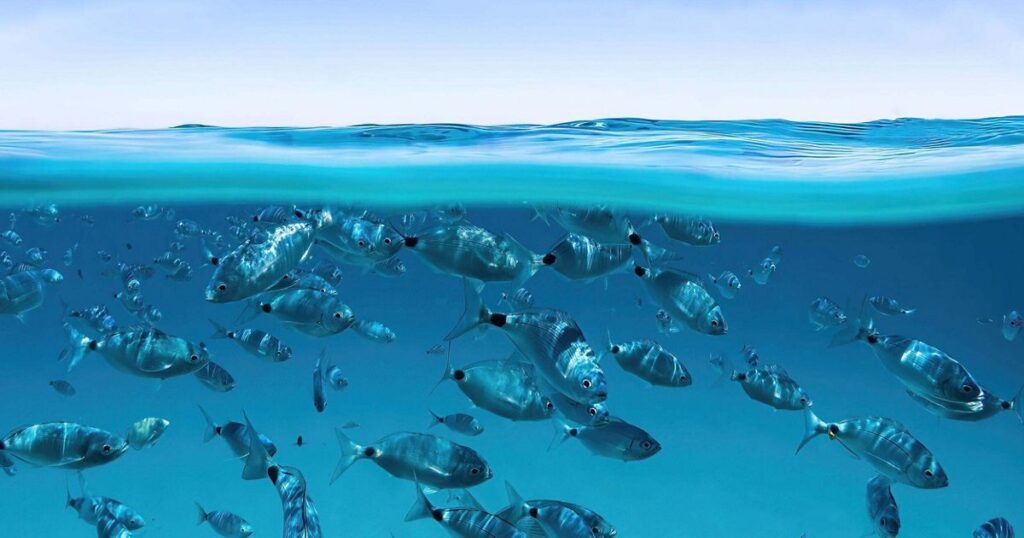
Global — A new study published in Science reveals that marine protected areas (MPAs) with the highest protection levels, which ban industrial fishing, effectively exclude most industrial fishing vessels. Using satellite synthetic aperture radar combined with artificial intelligence, researchers found that strongly protected MPAs had nine times fewer industrial fishing vessels per square kilometer compared to unprotected waters, with 25% of these areas showing no vessel presence from 2017 to 2021.
The study highlights that enforcement strength, MPA size, and resource allocation are crucial factors in deterring illegal fishing more than geographic location. These findings support global ocean conservation targets, such as the goal to protect 30% of oceans by 2030, emphasizing the need for robust monitoring and surveillance technologies. While weaker or poorly managed MPAs still face fishing pressures, strict legal protections backed by modern enforcement tools show great promise in safeguarding marine biodiversity.
12. Proposed Major Changes to the Marine Mammal Protection Act Raise Conservation Concern
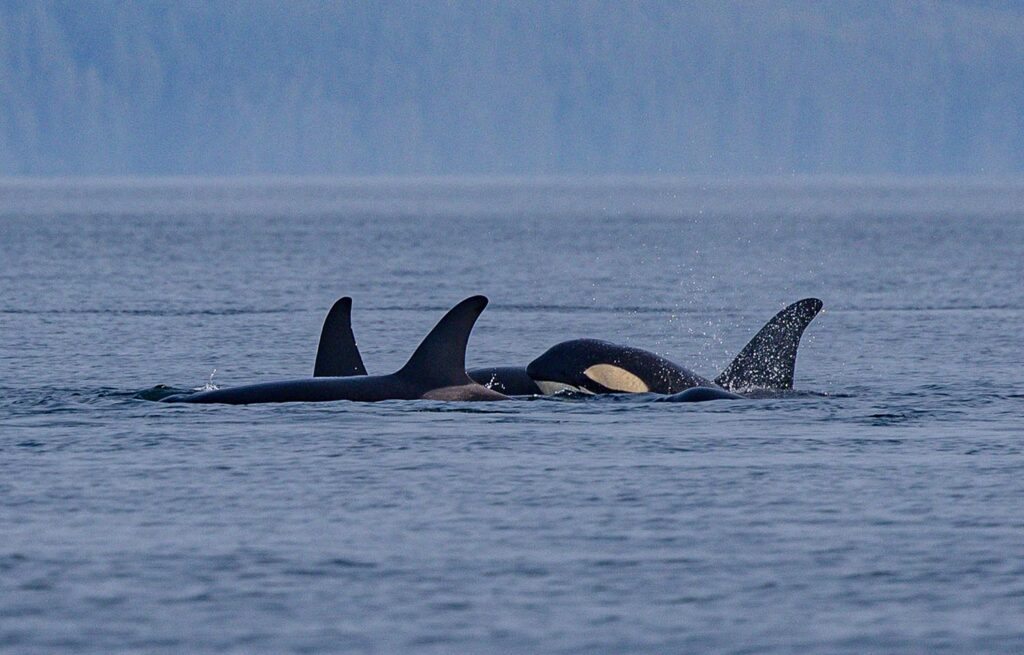
The U.S. Congress is considering draft legislation introduced by Rep. Nick Begich (R-Alaska) to “modernize” the Marine Mammal Protection Act (MMPA). The bill proposes new definitions, removal of timelines, and changes to the scientific basis for management decisions. Supporters say it would reduce permitting delays for energy projects and fisheries.
However, conservationists and experts warn it could severely weaken protections for marine mammals such as dolphins, whales, sea otters, and orcas by limiting conservation actions, increasing harm and bycatch, and reducing incentives for mitigation technology development. Critics fear the bill would increase marine mammal mortality and hamper recovery efforts. The U.S. House Subcommittee on Water, Wildlife, and Fisheries held a hearing on July 22, 2025, where concerns were voiced about the bill potentially undermining this landmark conservation statute.
13. South Africa Launches Digital Maps to Navigate Marine Protected Areas
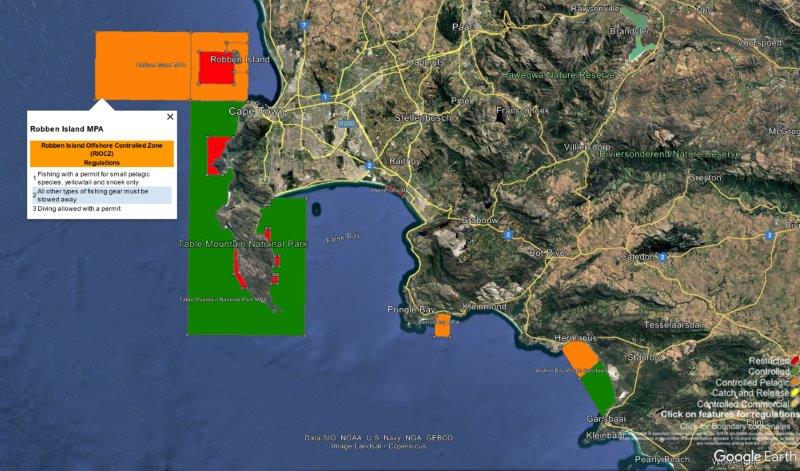
South Africa has launched innovative digital maps to help users navigate its coastal marine protected areas (MPAs). These interactive maps cover MPAs within 40 nautical miles of the coast and use a clear traffic light system to indicate permitted and restricted activity zones. The initiative aims to simplify complex MPA regulations, raise public awareness, and boost compliance to support marine conservation efforts.
The digital maps are part of preparations for the upcoming Marine Protected Areas Day 2025 and are designed to assist stakeholders, including fishers and tourism operators, in understanding zonation and rules. This technological tool enhances transparency and promotes sustainable use of marine resources while safeguarding biodiversity in South Africa’s important coastal waters.
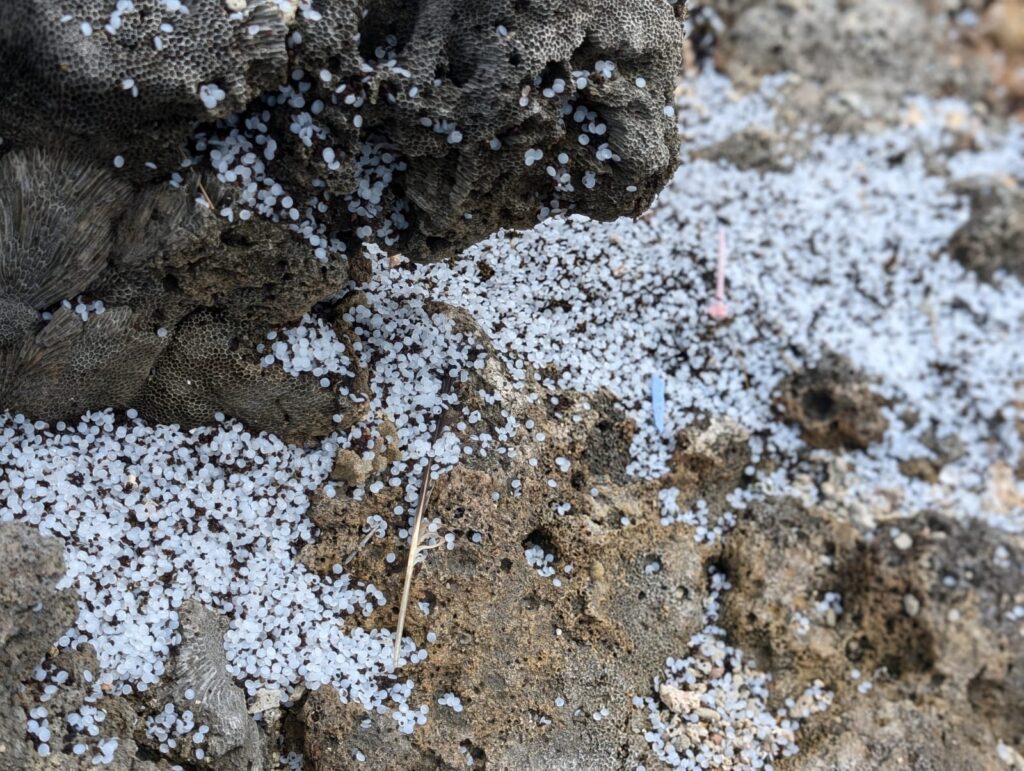
14. Sri Lanka Faces Plastic Pollution from MSC Elsa 3 Shipwreck off Indian Coast
Sri Lanka is battling new marine plastic pollution after the Liberia-flagged container ship MSC Elsa 3 sank on May 25, 2025, about 38 nautical miles off Kerala, India. The vessel carried 640 containers, including hazardous materials like calcium carbide and large quantities of plastic nurdles—tiny pellets used in plastic manufacturing. Following the sinking, plastic nurdles began washing ashore on India’s southern coasts and, driven by southwest monsoon winds and ocean currents, rapidly reached Sri Lanka’s northern shores, particularly Mannar.
This event stirs painful memories of the 2021 X-Press Pearl disaster, which caused long-lasting environmental damage in Sri Lanka. Authorities are conducting cleanup efforts while warning of ongoing risks to marine ecosystems, coastal biodiversity, and local fishing communities. The incident highlights vulnerabilities to transboundary marine pollution and the need for stronger regional cooperation and marine hazard management.
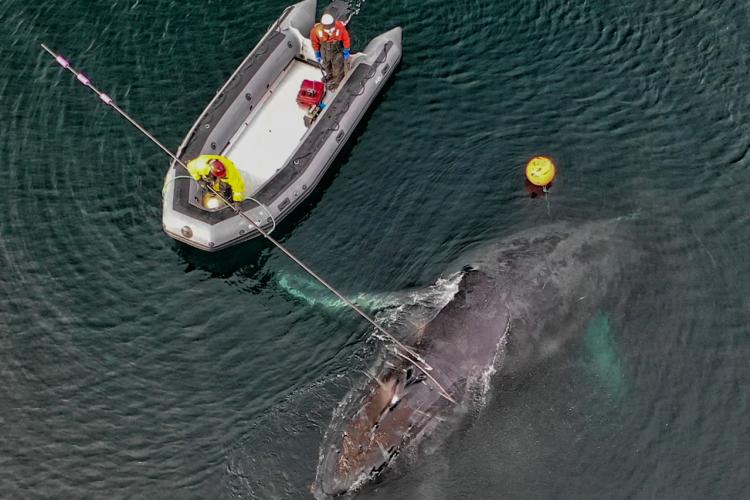
15. Whale Pingers Reduce Marine Mammal Bycatch in Northern Peru’s Gillnet Fishery
A 2025 study in Aquatic Conservation: Marine and Freshwater Ecosystems evaluates low-frequency whale pingers (3–20 kHz) as a mitigation tool to reduce large whale entanglements in northern Peru’s small-scale gillnet fishery. The study found that deploying pingers on nets significantly decreased whale interactions, showing clear reductions in bycatch risk in areas tested.
Pingers emit sounds that deter whales from approaching fishing gear, thereby lowering entanglement incidents. The article highlights challenges such as ensuring consistent pinger functionality and fishery compliance. Results emphasize pingers’ potential as an effective conservation tool to mitigate gillnet impacts on vulnerable marine mammals, supporting sustainable fisheries and species protection in this region. The study calls for increased adoption and monitoring of pinger use alongside other management measures.
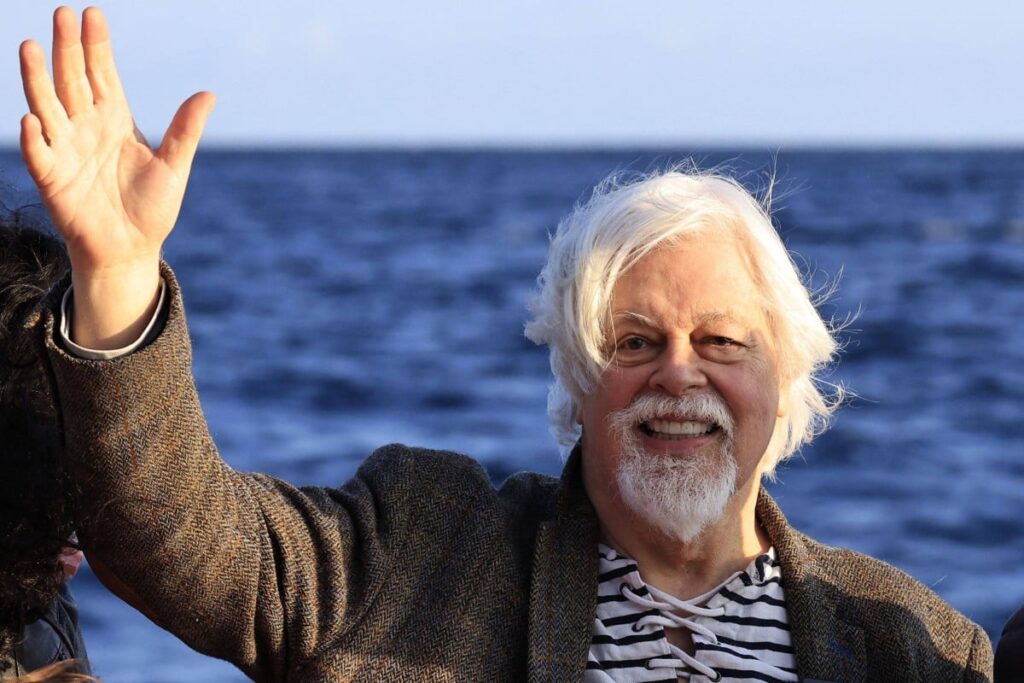
16. Interpol Removes Paul Watson from Most-Wanted List, Sparking Outrage in Japan
Interpol has officially removed the red notice—a global non-binding request for arrest and extradition—against Paul Watson, founder of the anti-whaling Sea Shepherd Conservation Society. Watson had been targeted since 2012 at Japan’s request due to allegations related to confrontations with Japanese whalers in Antarctic waters, including claims of interference with harpoon operations.
Despite several arrests, including a 2024 detention in Greenland, Watson was released when Denmark refused extradition citing lack of assurances for time served. The independent Commission for the Control of Interpol’s Files found the red notice raising concerns of political motivation and potential rights violations, leading to its removal. Japan’s foreign ministry has vowed to continue pursuing extradition. Watson’s supporters hail the decision as a major victory against politically motivated persecution.
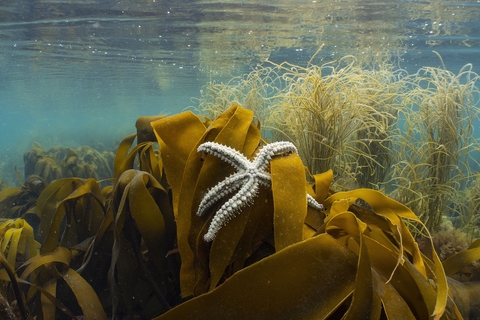
17. UK Government Proposes Major Ban on Bottom Trawling in Marine Protected Areas
The UK government is consulting on plans to ban bottom trawling in 41 Marine Protected Areas (MPAs), covering around 30,000 square kilometers of sensitive seabed habitats. Bottom trawling, which involves dragging heavy nets across the seafloor, causes significant damage to marine ecosystems and species such as lobsters, clams, soft corals, and langoustines. This move would expand existing bans and protect vulnerable habitats, helping to restore marine biodiversity and carbon-rich seabeds.
The proposal was announced by Environment Secretary Steve Reed at the 2025 UN Ocean Conference and has received strong public support and praise from conservation groups like The Wildlife Trusts and Oceana UK. The consultation will run through September 2025, seeking feedback from stakeholders. If enacted, the ban would mark a significant enforcement step supporting the UK’s 30% ocean protection target by 2030.
18. TIRN Urges Costa Rica to Fully Protect the Cocos-Galapagos Swimway Migratory Corridor
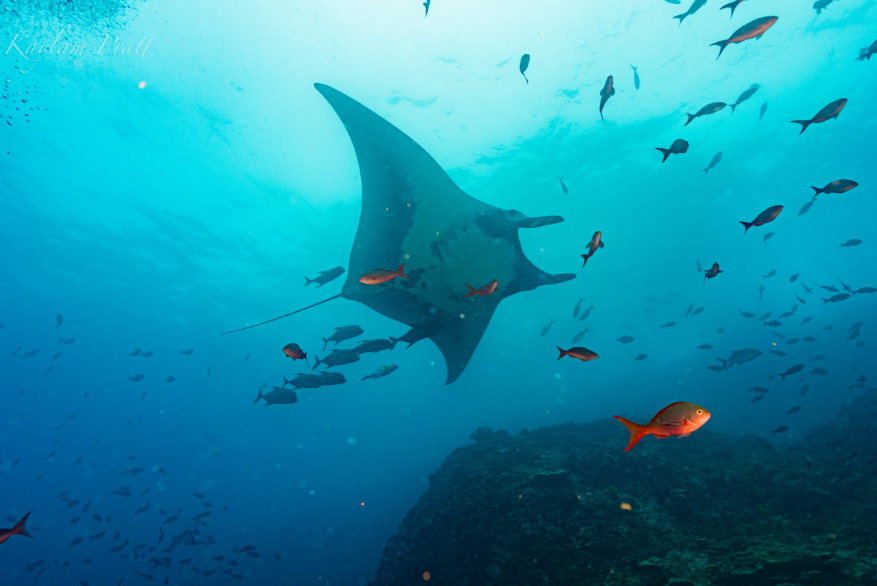
At the 2025 UN Ocean Conference, TIRN intensified calls on Costa Rica to complete the protection of the Cocos-Galapagos Swimway—a critical marine corridor connecting Cocos Island (Costa Rica) and the Galapagos Islands (Ecuador)—which is key for endangered migratory species like leatherback turtles, scalloped hammerhead sharks, whale sharks, and green turtles. While Costa Rica expanded the Cocos Island National Park’s protected area considerably and Ecuador created the Hermandad Marine Reserve to protect its adjacent waters, Costa Rica’s Bicentennial Marine Management Area—which bridges the Swimway route between Cocos and Ecuador’s border—remains inadequately regulated.
Fishing and harmful industrial activities continue there, undermining protection for migratory species. TIRN, supported by thousands of citizens, scientists, and NGOs worldwide, is demanding that Costa Rica establish strict no-fishing zones and enforce protections in the Swimway to secure the survival of these iconic species and the ecological connectivity of two UNESCO Biosphere Reserves.
19. Tanzania’s Zanzibar Calls for Stronger Coral Reef Protection to Boost Blue Economy
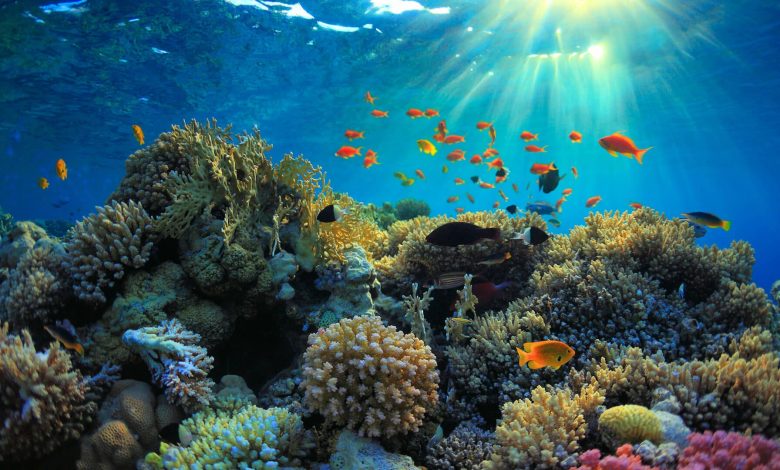
Authorities in Zanzibar, Tanzania, have launched a National Action Plan for the Conservation of Resilient Coral Reefs, emphasizing the critical role coral reefs play in supporting Tanzania’s blue economy, especially through tourism. Rashid Ali Salim, Deputy Permanent Secretary in Zanzibar’s President’s Office for Labor, Economy, and Investment, underscored the need to address illegal fishing, climate change, and environmental degradation threatening marine reserves.
Well-managed marine reserves such as Tanga, Mafia, Dar es Salaam, and Mtwara remain key tourist destinations, with conservation efforts attracting cruise ships carrying international tourists, including one recent arrival of 154 visitors at Mafia Island. Coral reefs are vital breeding grounds for fish and support marine biodiversity essential for ecological health and economic growth. Salim urged cooperation among coastal communities, institutions, and stakeholders to implement the action plan aligning with Tanzania’s national and the United Nations sustainable development goals.
20. Probiotics Show Promise in Slowing Deadly Coral Disease in Florida
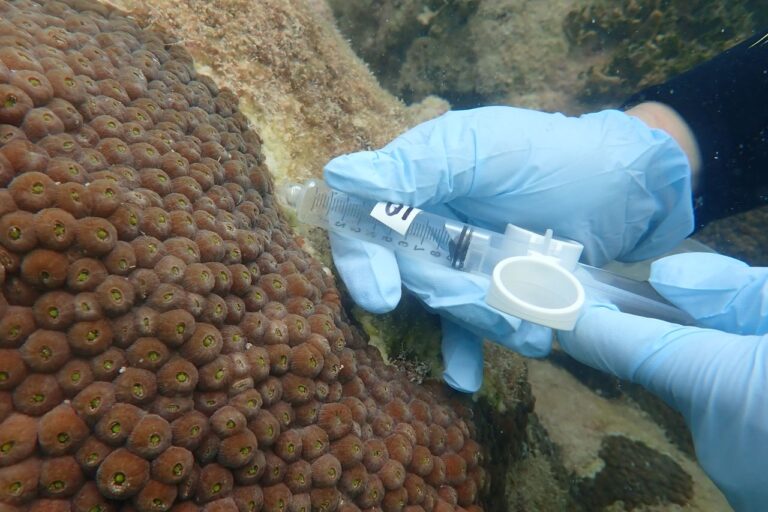
Scientists have discovered that a bacterial probiotic strain, McH1-7, can slow the spread of stony coral tissue loss disease (SCTLD), a devastating condition killing over 30 species of reef-building corals in Florida and the Caribbean. The probiotic treatment involves sealing infected coral colonies inside weighted plastic bags filled with a probiotic seawater solution, helping corals maintain tissue and resist disease progression. Treated corals lost an average of 7% of their tissue versus 35% in untreated controls.
Unlike antibiotics—which may lead to resistant disease strains and only offer temporary relief—probiotics integrate beneficial bacteria into the corals’ natural microbiome for longer-lasting protection. Though still in early stages, this method provides a promising alternative for protecting critical coral habitats such as the Florida Reef Tract. Researchers emphasize further work to optimize delivery methods and expand the application to other regions.