

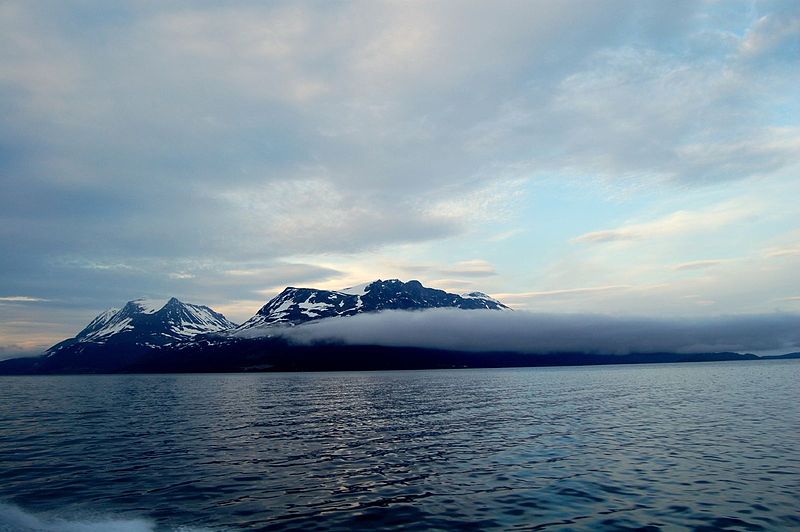
Years ago, the Bering Sea “Donut Hole” was a popular fishing location for high-seas pollack catches. In 1999 an international agreement was made to ban fishing in the area to protect the species and the food chain of the area. This week, the US, Russia, Canada, Norway, and Denmark/Greenland are establishing a similar agreement for the 1.1 million square mile zone in the central Arctic Ocean. This ban should be a proactive measure to protect the Arctic cod populations. The five countries will refrain from fishing in the area until there is a regulatory system put in place. Read more…
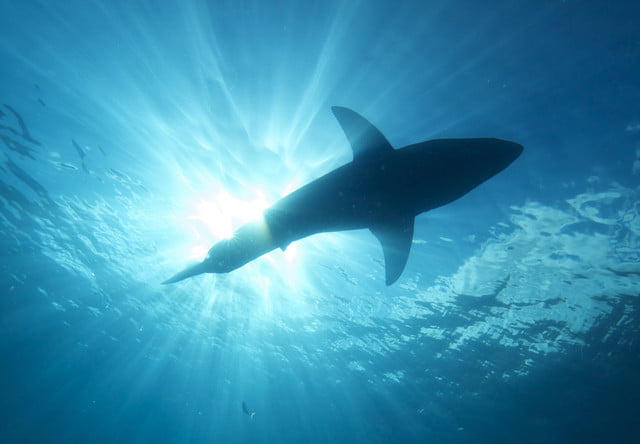 Last week was an extremely exciting week for Sea Save and all of the shark lovers out there! According to Variety, “Shark Week 2015 averages 1.269 million viewers over the entire seven-day run, topping the event’s previous record of 1.201 million, set in 2013″. It seems that viewers continued to appreciate the programming although Discovery chose to drop the fictional stories! Read more…
3. Polar Bears Experience Limited Energy Savings in Summer
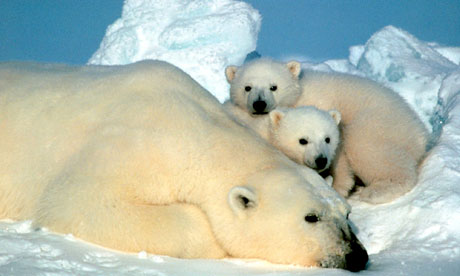 This week, a study in Science revealed that polar bears are unlikely to avoid the drastic impacts of climate change. Scientists implanted temperature loggers and trackers into more than two dozen polar bears to test the theory that polar bears may be able to partially compensate for the longer summer food deprivation. These animals use a process called heterothery to avoid unsustainable heat loss while swimming. Although heterothermy is an adaptation to the warm climate temperatures, it is not enough to sustain the polar bear population. Read more…
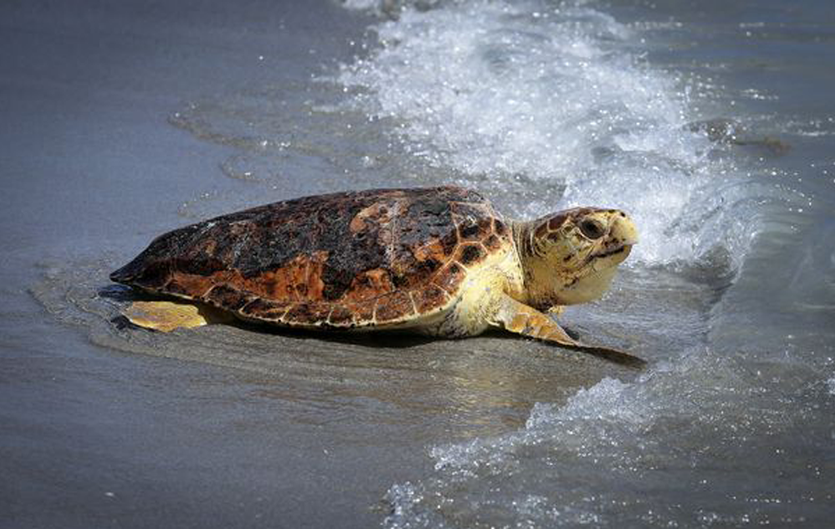 Every young child probably dreams of riding on the back of a sea turtle at some point in their lives. As you grow up and learn more and more about the ocean ecosystem, you understand that marine life is not a toy. This week, a Miami man was imprisoned after riding a sea turtle and spearing a shark. The shark was an undersized nurse shark and the man put it in a cooler after spearing it. This story is a valuable reminder that humans should respectively observe the underwater world. Read more…
Symbiosis… often times when you think of symbiotic relationships you think of the classic example of the cleaner wrasse’s cleaner stations or another mutually beneficial relationship. Have you ever thought about dolphins and humpback whales? Sometimes a dolphin will ride on the back of humpback whales. Although the exact reason for this interaction is unknown, scientists believe that the dolphin and whale were actually just having some fun and playing together! Read more…
6. Great White Rescued with Shark CPR
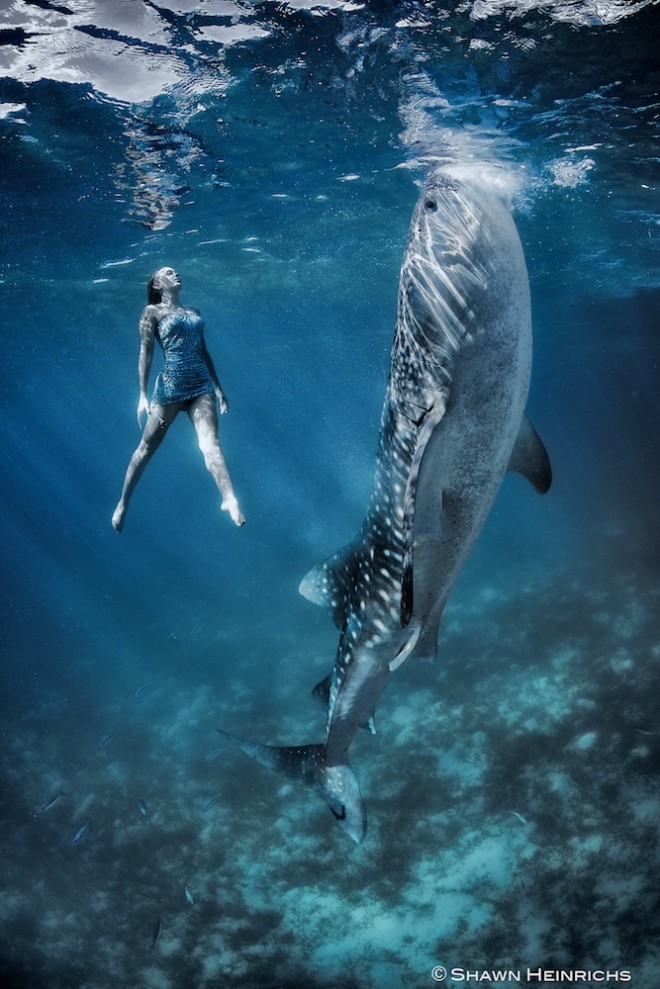 This is a perfect article to read after enjoying a wonderful Shark Week! Daivd Ropeik, an instructor of risk communication at Harvard University and the author of the book How Risky Is It, Really? Why Our Fears Don’t Always Match the Facts, helps us answer the question above. Statistically, it is extremely unlikely that anyone would die from a shark attach- a 1 in 3,748,067 chance to be exact. The human brain automatically thinks of sharks with a dangerous connotation. Ropeik explains the factors and variables that contribute to the human perspective on sharks. Read more…
 Findings published in the journal Royal Society Open Science on Wednesday revealed that the Japanese reported catching 15 times more female sperm whaled than the Russians in the 1990s. The Japanese falsified data until the International Whaling Commission was formed in 1972. This new information now has scientist questioning their understanding of the baseline whale population. Approximately 760,000 sperm whales were killed in the 20th century with the majority hunted by the Japanese and Soviet fleets. Read more…
Be sure to “LIKE” http://facebook.com/SeaSave to ensure our “Week in Review” is delivered to your newsfeed every Thursday.