


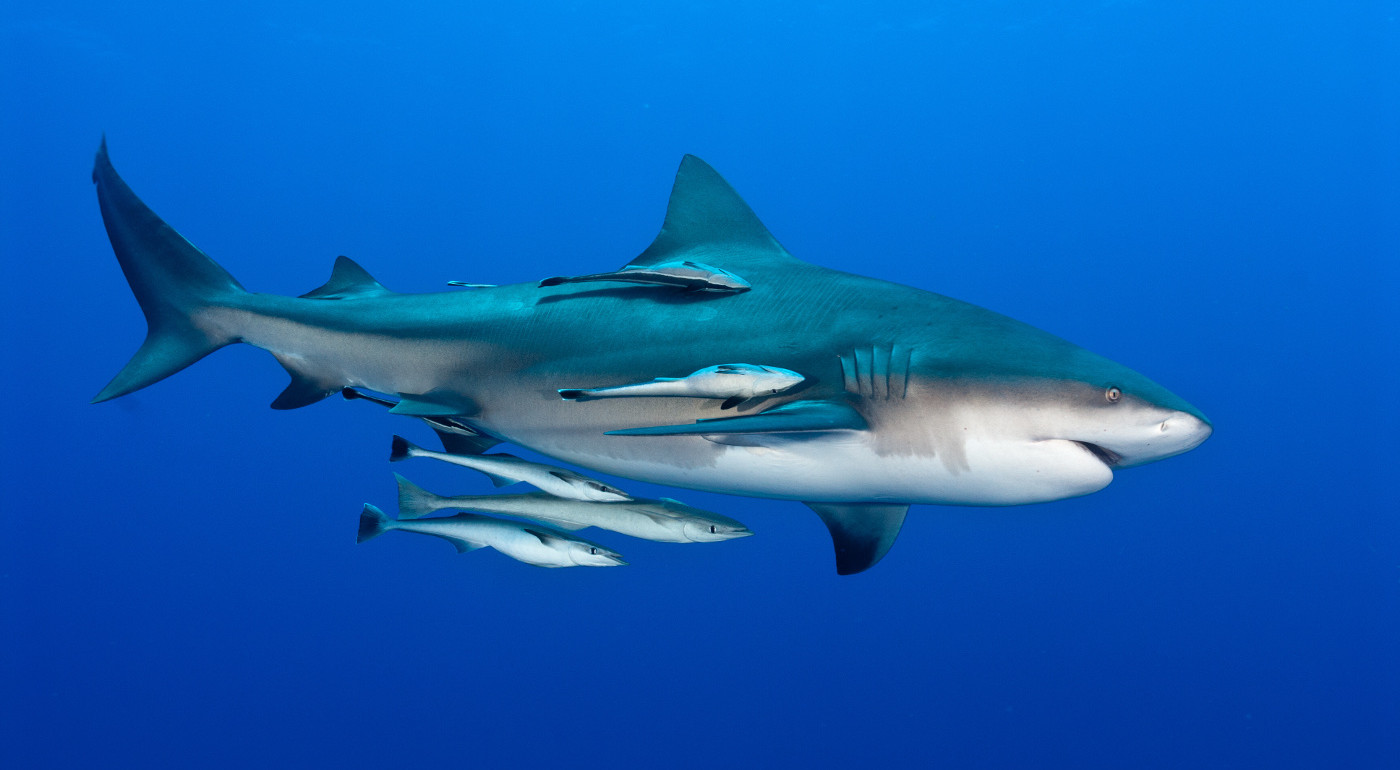
 This year, US shark researchers are pleased to report that they were able to tag 2,835 sharks along the east coast. In 2012 NOAA’s survey reported 1,831 sharks in the area. Although there are some variables in population studies, the increased population is a good indicator of healthy shark populations. The study covered waters from Fort Pierce, FL to Delaware. Scientists recorded thirteen different species- great white, sandbar, Atlantic sharpnose, dusky, tiger, blacktip, scalloped hammerhead, silky, sand tiger, bull, great hammerhead, nurse, and spinner sharks. Read more…
Happy Sea Otter Awareness Week! That’s right, mark your calendars for next year. Not only is this week an excellent time to appreciate these furry, playful animals but, it is a good time to also understand the threats that this species faces. Otter populations diminished after hundreds of years of otter fur trade. Today, growing populations can be found in Russia, Aleutian Islands, Washington state, and California. Read more…
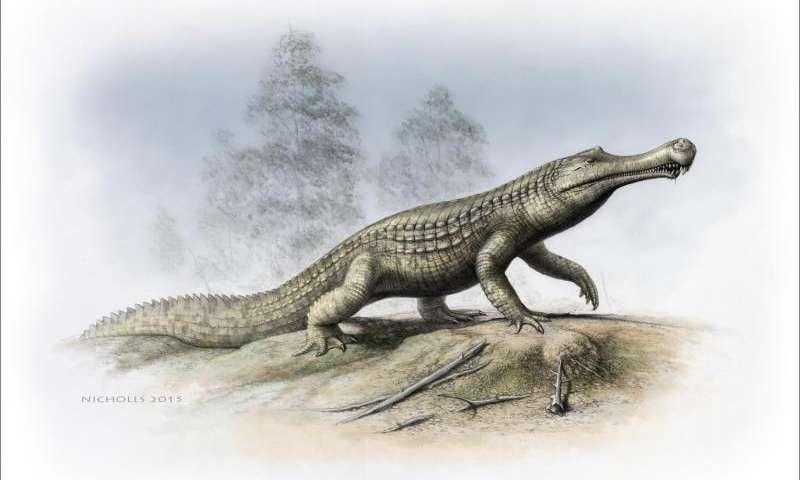 This week, researchers from Imperial College London, the University of Oxford, the Smithsonian Institution, and the University of Birmingham published an article in Nature Communications about modern crocodilians. Because Crocodilians are dependent on external heat sources for body heat, climate change has impacted the species. Crocodilians include crocodiles, alligators, caimans, gavials, and their extinct ancestors. The study reveals that climate warming may favor crocodilian diversification. Read more…
5. Fish Scales to Fangs: How Teeth Got Their Bite
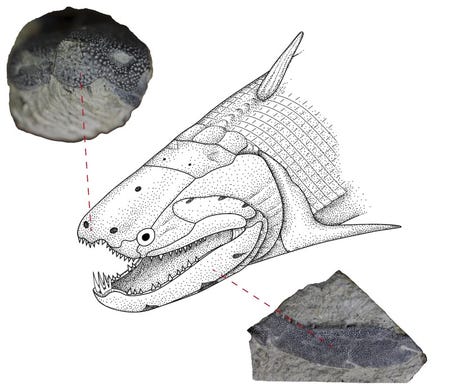 Almost every year you go to the dentist for a cleaning or check up and the dentist will mention the need to preserve your tooth enamel. Have you ever wondered why the enamel is there? A study reveals that enamel did not originate in the teeth but on the scales of a fish species that lived 400 million years ago. Both the Andreolepis and Psarolepis ancient fish had enamel on their scales. Enamel is the hardest tissue in the human body and the only tissue made entirely of calcium phosphate. Read more…
6. Can Robots Clean Carbon Dioxide Out of Seawater?
———————————————–

Be sure to “LIKE” http://facebook.com/SeaSave to ensure our “Week in Review” is delivered to your newsfeed every Thursday.