



 This week, Victoria Vasquez and her colleagues published an article in the Journal of the Ocean Science Foundation reporting on the first lanternshark that has been found in Central America. The shark has light emitting organs, two doral fins with a spine on each one, and dignathic heterodonty. The scientists have labeled the sharks as a ninja lantern shark. Why use the name ninja? This creature use their bio luminescence to camouflage themselves within the deep ocean’s limited light to then sneak up on their prey. Read more…
A newly published study in the journal Proceedings of the Society B has found that the ages and growth rates of long-lived fish species are important factors in measuring the recovery of the Indian Ocean ecosystem. This study evaluated the life histories of fish communities. The findings underscore the importance of permanent marine protected areas and wilderness in the effective protection of marine fishes. The study combined fish censuses from more than 300 coral reefs to examine how they changed in response to fishing methods and the number of years they had been closed to fishing. Read more…
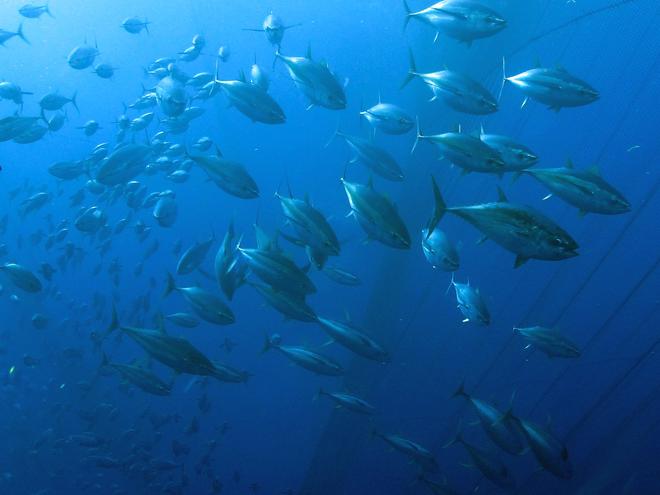 U.S. District Judge Leslie Kobayashi issued a ruling rejecting environmental groups’ claims that the extra fishing is illegal. 3,500 metric tons is the fishing limit from the international commission that regulates commercial fishing between Indonesia and Hawaii. The U.S. National Marine Fisheries Service created a rule allowing additional catch limits for 3 U.S Pacific territories. Although tuna fishing is being managed internationally, the rules aren’t adequate to protect the fish population. Read more…
5. Endangered Sea Turtles Impacted By Gulf of Mexico Oil Spill